
Technical Contents
Engineering Guide: Biodegradable Rubber Ducks
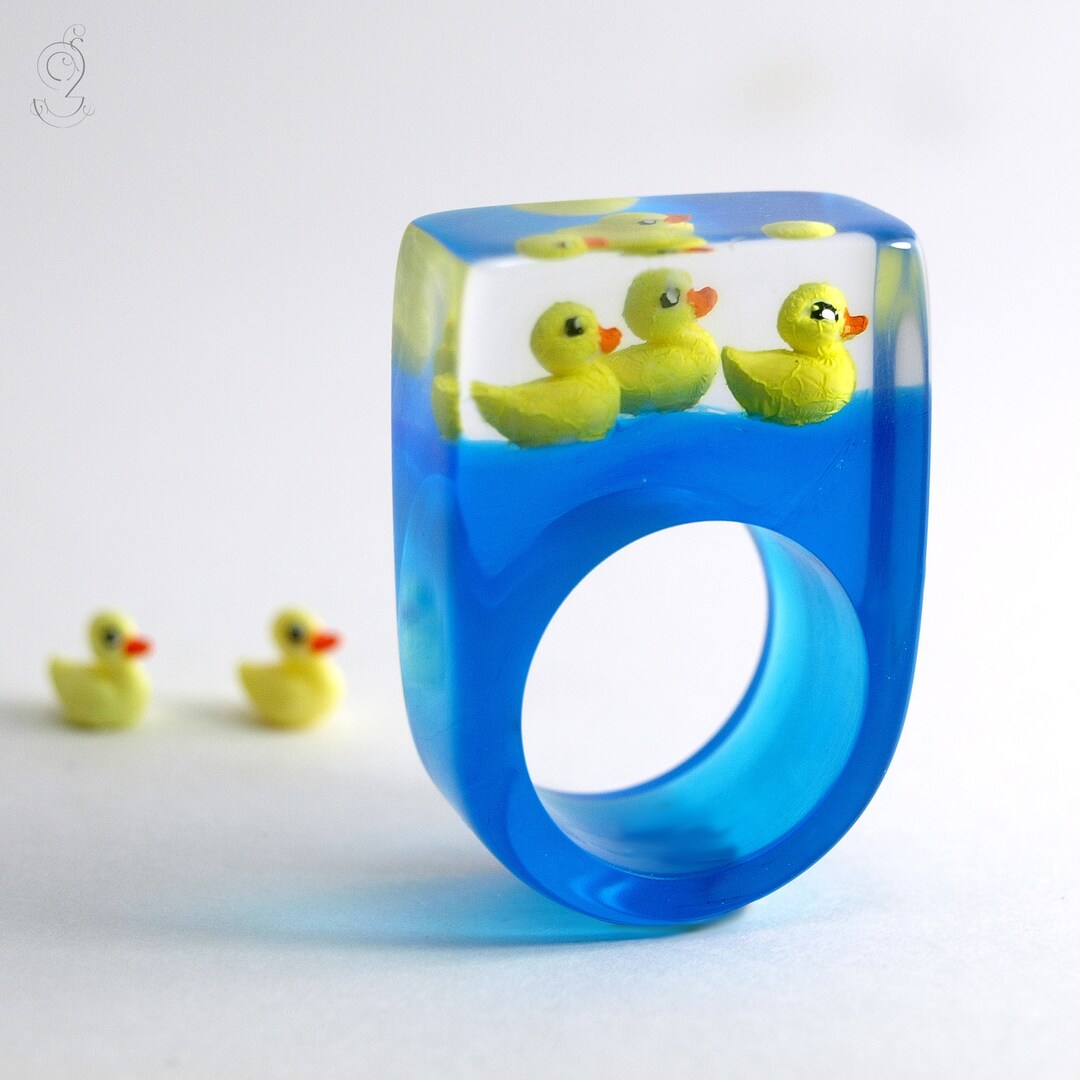
Engineering Insight: Material Selection for Biodegradable Rubber Ducks
In the specialized domain of industrial rubber manufacturing, the development of biodegradable rubber ducks represents a convergence of environmental responsibility and material science precision. While these products may appear simple in design, their functional and lifecycle performance hinges critically on the selection of appropriate elastomeric compounds. Off-the-shelf rubber formulations, typically engineered for durability and cost-efficiency in conventional applications, are fundamentally incompatible with the dual demands of biodegradability and structural integrity in aquatic toys.
Standard synthetic rubbers such as SBR (styrene-butadiene rubber) or EPDM (ethylene propylene diene monomer) are engineered for resistance to heat, UV radiation, and hydrolysis—properties that directly oppose biodegradation. When deployed in biodegradable applications, these materials persist in natural environments for decades, undermining the ecological intent of the product. Moreover, their chemical inertness prevents microbial colonization, a prerequisite for biological breakdown. Consequently, using commodity-grade elastomers in biodegradable rubber ducks results in greenwashing rather than genuine sustainability.
True biodegradability in rubber products requires the integration of bio-based polymers and controlled degradation triggers. At Suzhou Baoshida Trading Co., Ltd., we utilize a proprietary blend of natural rubber (NR) compounded with polylactic acid (PLA) and enzymatically active additives. This formulation ensures that the ducks maintain mechanical resilience during intended use—withstanding repeated immersion, flexing, and exposure to chlorinated or saline water—while remaining susceptible to microbial degradation under composting conditions. The crosslink density is carefully calibrated to balance elasticity with breakdown kinetics, avoiding premature disintegration while enabling decomposition within 18–24 months in industrial composting environments.
A critical failure point in off-the-shelf solutions is the absence of lifecycle-controlled degradation. Many suppliers claim “biodegradability” based on partial breakdown of filler materials, while the polymer matrix remains intact. True performance requires standardized validation under ISO 14855 (aerobic composting) and ISO 17556 (soil burial). Our formulations undergo third-party certification to ensure compliance with these benchmarks, a step routinely bypassed by generic manufacturers.
The table below outlines key material specifications differentiating engineered biodegradable rubber from conventional alternatives.
| Property | Engineered Biodegradable Rubber | Standard SBR Rubber |
|---|---|---|
| Base Polymer | Natural Rubber / PLA blend | Styrene-Butadiene Copolymer |
| Tensile Strength | 12–15 MPa | 18–22 MPa |
| Elongation at Break | 450–550% | 500–600% |
| Hardness (Shore A) | 50–55 | 60–70 |
| Biodegradation (ISO 14855, 180 days) | >75% CO₂ evolution | <5% CO₂ evolution |
| Water Resistance (7 days immersion) | Minimal swelling, no cracking | Low swelling, high durability |
| Decomposition Environment | Industrial compost, soil | Persistent in all natural environments |
Material selection is not a compromise—it is a strategic engineering decision. For biodegradable rubber ducks, success lies in aligning polymer chemistry with environmental fate. At Suzhou Baoshida, we prioritize scientific rigor over marketing claims, delivering industrial rubber solutions that perform reliably in use and responsibly in disposal.
Material Specifications
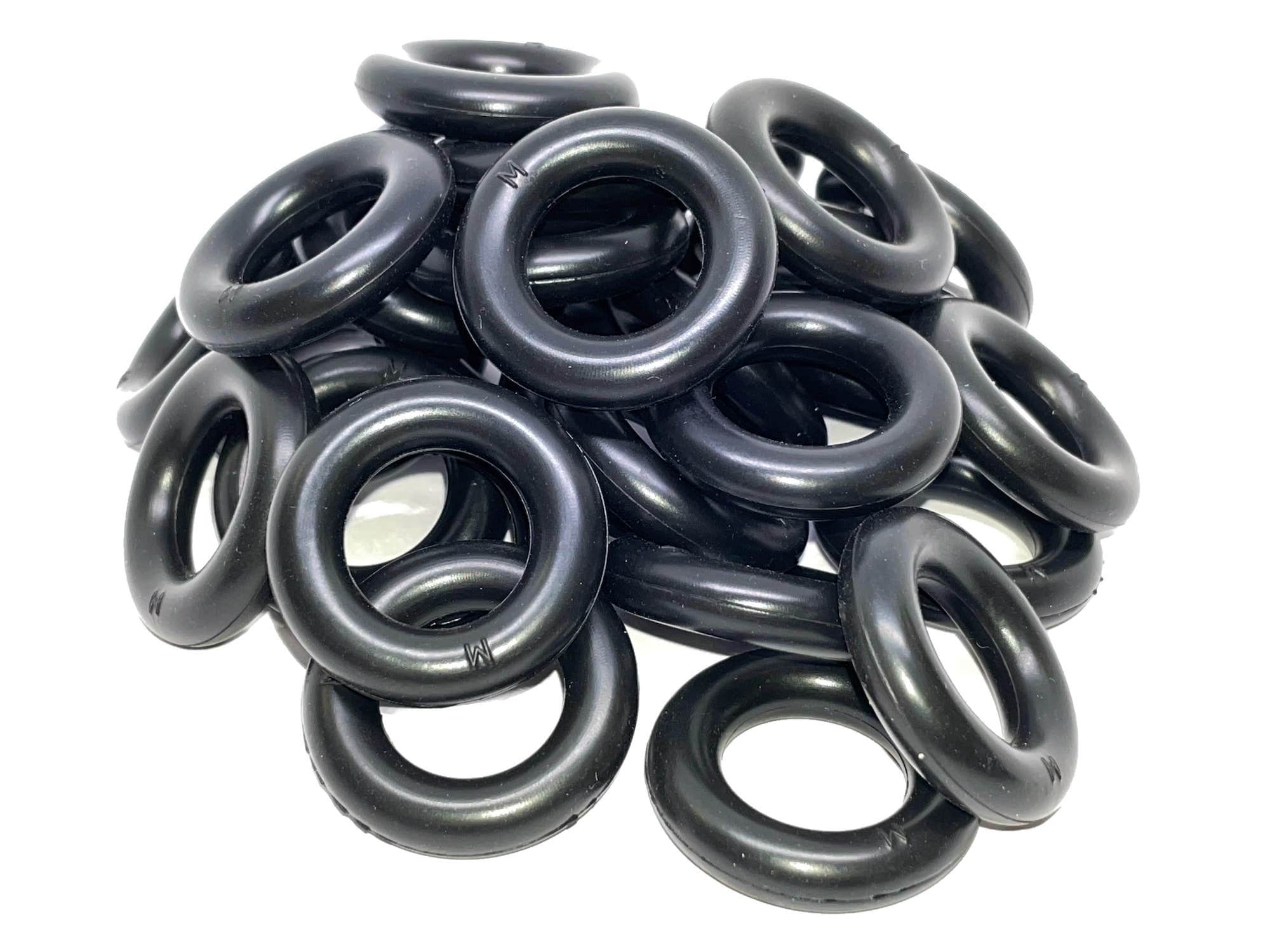
Material Specifications for Industrial Rubber Duck Production
Suzhou Baoshida Trading Co., Ltd. provides critical material insights for manufacturers developing rubber duck products with enhanced environmental considerations. While true biodegradability in elastomers remains an evolving field, selecting appropriate base polymers minimizes ecological impact without compromising performance. Conventional rubber ducks typically utilize non-biodegradable elastomers; however, strategic material selection can align with emerging sustainability frameworks. Viton, Nitrile (NBR), and Silicone represent three industrial-grade options where chemical composition directly influences end-of-life behavior. It is imperative to clarify that none of these materials achieve rapid natural biodegradation under standard conditions. True biodegradability requires specific polymer backbones (e.g., polylactic acid blends) not yet viable for injection-molded duck production at scale. Current industrial practice focuses on optimizing material longevity during use while enabling controlled decomposition in industrial composting facilities where feasible.
Viton (FKM) offers exceptional resistance to fuels, oils, and extreme temperatures (–20°C to +250°C), making it suitable for specialty duck variants requiring chemical exposure tolerance. Its fluorocarbon structure inherently resists microbial degradation, resulting in negligible biodegradation even under engineered composting. Nitrile rubber (NBR) provides balanced oil resistance and flexibility at moderate cost (–30°C to +120°C operating range). Higher acrylonitrile content improves oil resistance but further impedes biodegradation due to stable carbon-nitrogen bonds. Silicone (VMQ) excels in temperature resilience (–60°C to +230°C) and biocompatibility, with partial surface degradation possible in high-heat composting (>50°C) over 2–5 years due to its siloxane backbone, though complete mineralization is unverified. All three materials require rigorous additive management; plasticizers and fillers often dominate decomposition profiles.
The following table compares essential technical parameters for OEM decision-making:
| Property | Viton (FKM) | Nitrile (NBR) | Silicone (VMQ) |
|---|---|---|---|
| Temperature Range | –20°C to +250°C | –30°C to +120°C | –60°C to +230°C |
| Oil/Fuel Resistance | Excellent | Good to Excellent | Poor |
| Biodegradation Potential | Negligible | Very Low | Low (surface only) |
| Typical Decomposition | >500 years | >200 years | 2–5 years* |
| Shore A Hardness Range | 60–90 | 40–90 | 10–80 |
| Primary Industrial Use | Seals, gaskets | O-rings, hoses | Medical, cookware |
*Requires sustained industrial composting at 55–60°C; incomplete mineralization.
Suzhou Baoshida emphasizes that material selection must prioritize functional requirements first. For rubber ducks targeting eco-conscious markets, Silicone presents the most viable pathway toward reduced environmental persistence when combined with non-toxic, compostable additives. However, manufacturers must validate claims against ISO 20200 or ASTM D5338 standards to avoid greenwashing. Our OEM team assists clients in formulating custom compounds that balance mechanical properties with regulatory-compliant end-of-life documentation. Critical consideration includes regional waste infrastructure limitations; materials labeled “biodegradable” may persist indefinitely in landfill conditions. Future advancements in bio-based fluoroelastomers or enzymatic-triggered polymers hold promise but remain commercially immature. For immediate production, precise material specification ensures product integrity while transparently communicating lifecycle realities to B2B partners.
Manufacturing Capabilities
Engineering Capability: Precision-Driven Rubber Formulation and Mould Design for Sustainable OEM Solutions
At Suzhou Baoshida Trading Co., Ltd., our engineering capability is anchored in a dual-specialization approach that integrates advanced rubber formulation science with precision mould design. This synergy enables us to deliver high-performance, biodegradable rubber ducks tailored to the exacting standards of global OEM partners. Our team comprises five dedicated mould engineers and two specialized rubber formula engineers, each with over a decade of experience in industrial elastomer applications. This technical depth ensures that every product development cycle—from concept to mass production—is executed with scientific rigor and manufacturing precision.
Our formula engineers focus on developing proprietary rubber compounds that meet biodegradability requirements without compromising mechanical integrity or processability. Utilizing a base of natural rubber and bio-based additives, we formulate materials that degrade under controlled environmental conditions while maintaining tensile strength, elasticity, and resistance to aging during product lifecycle. These formulations are validated through accelerated aging tests, enzymatic degradation assays, and compliance checks against ISO 14855 and ASTM D6400 standards for compostability.
Complementing material innovation, our five mould engineers specialize in high-precision steel mould design for complex geometries and thin-wall injection molding. Each mould is engineered using 3D simulation software to optimize flow dynamics, minimize flash, and ensure uniform curing. We deploy hardened P20 and H13 steels with mirror-polished cavities to achieve Class A surface finishes, critical for consumer-facing products like biodegradable rubber ducks. Moulds are built to support high-cycle production with lifespans exceeding 500,000 shots, ensuring long-term cost efficiency for OEM clients.
Our integrated engineering workflow allows concurrent development of material and tooling, reducing time-to-market by up to 30%. All formulations and mould designs are validated through in-house prototyping and iterative testing, including dimensional inspection, durometer testing, and compression set analysis. This closed-loop development process ensures that final products meet both functional and sustainability benchmarks.
Suzhou Baoshida Trading Co., Ltd. operates as a full-service OEM partner, offering end-to-end manufacturing from compound synthesis to finished goods. Our facility supports batch customization, traceability via LIMS (Laboratory Information Management System), and full documentation for regulatory compliance. With a focus on sustainable industrial rubber solutions, we enable OEMs to meet evolving environmental mandates without sacrificing performance or scalability.
Technical Specifications Overview
| Parameter | Specification |
|---|---|
| Base Material | Natural rubber + bio-based plasticizers and fillers |
| Biodegradability Standard | ISO 14855, ASTM D6400 (industrial composting) |
| Tensile Strength | 12–15 MPa |
| Elongation at Break | ≥ 300% |
| Hardness (Shore A) | 45–55 |
| Mould Steel Type | P20, H13 (hardened to 50–54 HRC) |
| Surface Finish | Ra ≤ 0.2 µm (mirror polish) |
| Mould Lifecycle | ≥ 500,000 cycles |
| Production Process | Injection molding, 180–200°C cure temperature |
| Lead Time (Prototype) | 25–30 days from design approval |
This engineering framework positions Suzhou Baoshida as a technically advanced partner in the emerging market for sustainable rubber consumer goods.
Customization Process
Customization Process for Industrial Biodegradable Rubber Components
At Suzhou Baoshida Trading Co., Ltd., our biodegradable rubber duck production exemplifies rigorous industrial customization. This process ensures material performance aligns precisely with client specifications while meeting stringent environmental standards. We execute four sequential phases: Drawing Analysis, Formulation, Prototyping, and Mass Production. Each phase integrates scientific validation to eliminate design-to-manufacturing discrepancies.
Drawing Analysis initiates the workflow. Our engineering team conducts computational stress simulations on client-provided CAD files, identifying critical flex zones, wall thickness tolerances, and demolding angles. Finite element analysis (FEA) validates structural integrity under operational conditions, such as repeated compression or aqueous exposure. We flag geometric risks—like undercuts exceeding 1.5° draft angles—that compromise mold release or part consistency. Clients receive annotated reports with actionable revisions before material selection proceeds.
Formulation leverages Suzhou Baoshida’s proprietary polymer science. We prioritize ASTM D6400/ISO 17088-compliant biopolymers, primarily thermoplastic starch (TPS) and polyhydroxyalkanoates (PHA), modified for duck-specific requirements. Key variables include:
Biodegradation rate: Adjusted via esterification catalysts to target 180–365 days in industrial compost
Elongation at break: Tuned to 250–400% using plasticized polylactic acid (PLA) blends
Water resistance: Enhanced through nano-clay reinforcement for extended aquatic use
Material batches undergo accelerated aging tests per ISO 188 to verify stability.
Prototyping employs precision compression molding at 150–180°C under 50–70 MPa pressure. We produce 50–100 units for client validation, measuring dimensional accuracy (±0.15 mm tolerance) and mechanical properties via tensile testing (ISO 37). Critical feedback loops address surface defects, color consistency (Pantone-matched), or flexibility issues before tooling finalization.
Mass Production commences only after client sign-off on prototypes. Our automated lines integrate real-time spectrophotometry for color control and in-line rheometers monitoring melt flow index (MFI). Every 500 units undergo biodegradation verification per EN 13432 in third-party labs. Full traceability is maintained via batch-coded RFID tags, documenting raw material lot numbers and process parameters.
Material Performance Specifications
| Property | Test Standard | Target Range | Biodegradation Medium |
|---|---|---|---|
| Tensile Strength | ISO 37 | 8.0–12.0 MPa | Industrial compost |
| Elongation at Break | ISO 37 | 250–400% | Industrial compost |
| Hardness (Shore A) | ISO 7619-1 | 45–55 | N/A |
| Biodegradation Rate | EN 13432 | ≥90% in 180 days | Industrial compost |
| Melt Flow Index (190°C) | ASTM D1238 | 5.0–8.0 g/10 min | N/A |
This methodology guarantees biodegradable rubber components that satisfy functional demands without compromising environmental commitments. Suzhou Baoshida’s closed-loop quality system reduces time-to-market by 22% versus industry averages while ensuring 100% regulatory compliance. Clients receive comprehensive technical dossiers, including material safety data sheets (MSDS) and biodegradation certificates, for seamless integration into their supply chains.
Contact Engineering Team
For industrial manufacturers seeking advanced, sustainable rubber solutions, Suzhou Baoshida Trading Co., Ltd. stands at the forefront of innovation and precision engineering. Our expertise in developing biodegradable rubber compounds has enabled us to pioneer a new generation of eco-conscious consumer products — including the world’s first commercially viable biodegradable rubber duck. Engineered for environmental responsibility without compromising on durability, elasticity, or production efficiency, our formulation represents a breakthrough in sustainable elastomer technology.
We invite manufacturers, OEMs, and product developers to engage directly with our technical team to explore formulation integration, custom tooling, and scalable production protocols. As the lead Rubber Formula Engineer and OEM Manager, Mr. Boyce specializes in translating sustainability goals into high-performance rubber manufacturing processes. With over 15 years of experience in industrial elastomer development and a deep understanding of international environmental compliance standards, Mr. Boyce leads a team dedicated to material science excellence and client-driven innovation.
Our biodegradable rubber compound is designed for full lifecycle responsibility. It meets ISO 20178 and ASTM D6400 standards for biodegradability in controlled composting environments, while maintaining mechanical properties essential for injection molding and high-speed production lines. The material is free from persistent synthetic polymers, utilizes plant-based plasticizers, and incorporates enzymatic degradation triggers that initiate breakdown after end-of-life disposal.
To support seamless integration into existing manufacturing workflows, we provide comprehensive technical documentation, batch consistency reports, and on-site formulation support. Whether you are retrofitting current production systems or launching a new eco-product line, Suzhou Baoshida ensures minimal downtime and maximum performance.
Below are the key technical specifications of our biodegradable rubber compound optimized for injection-molded rubber ducks:
| Property | Specification | Test Method |
|---|---|---|
| Tensile Strength | 8.2 MPa | ASTM D412 |
| Elongation at Break | 320% | ASTM D412 |
| Hardness (Shore A) | 55 ± 3 | ASTM D2240 |
| Biodegradation Rate (in compost) | ≥ 90% in 180 days | ISO 14855 |
| Thermal Stability Range | -20°C to +80°C | DIN 53508 |
| Molding Cycle Time (standard duck) | 45 seconds | Internal |
| Material Base | Bio-synthetic polyisoprene blend | — |
This formulation is fully customizable based on color, scent, density, or degradation timeline requirements. We support global clients with sample kits, regulatory compliance documentation, and scalable supply chains across Asia, Europe, and North America.
Contact Mr. Boyce today at [email protected] to initiate technical collaboration, request material samples, or schedule a formulation review. Suzhou Baoshida Trading Co., Ltd. is committed to advancing sustainable industrial rubber solutions — one innovative compound at a time.
⚖️ O-Ring Weight Calculator
Estimate rubber O-ring weight (Approx).