
Technical Contents
Engineering Guide: Black Rubber
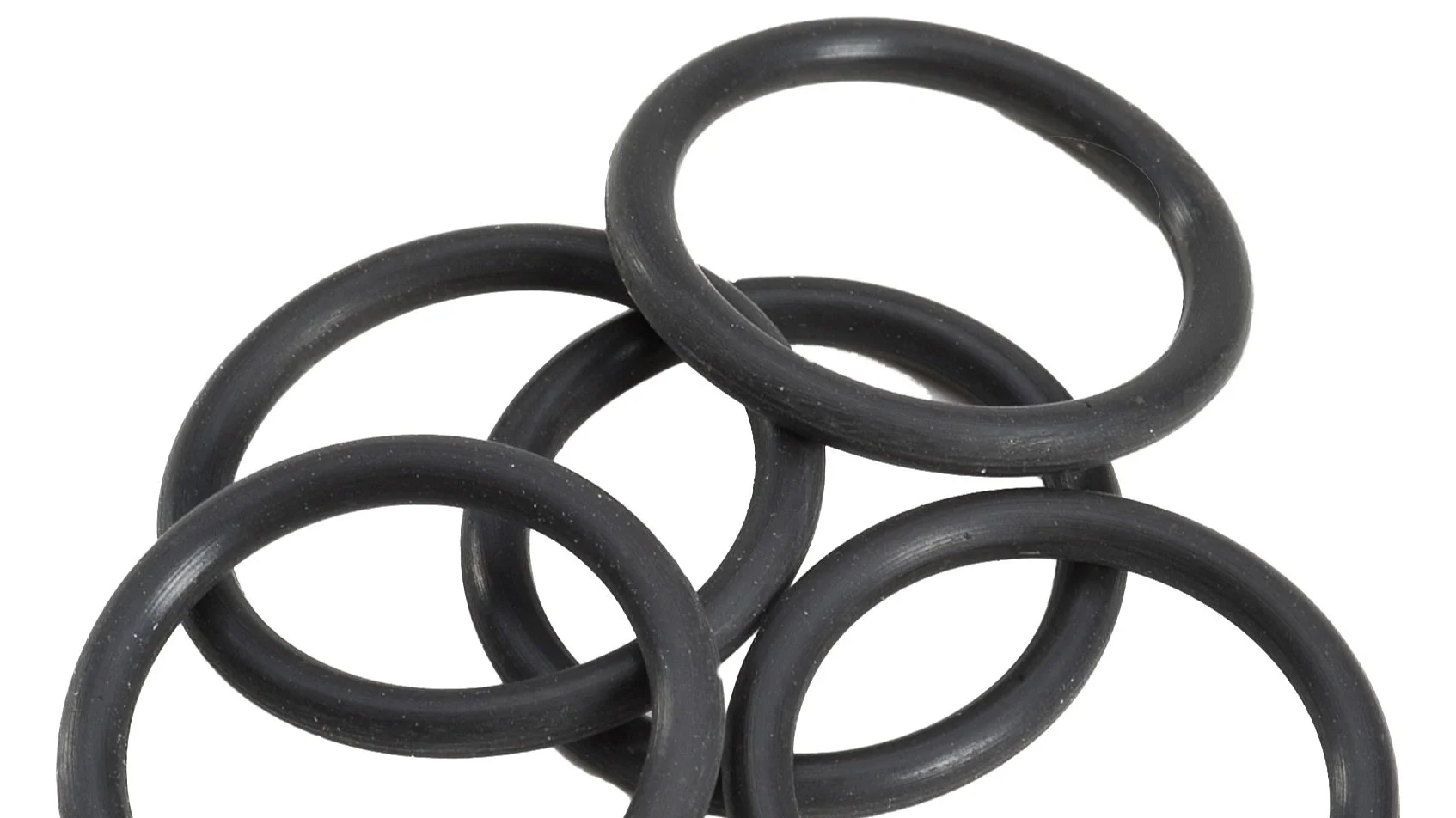
Engineering Insight: The Critical Role of Material Selection in Black Rubber Applications
In industrial environments, black rubber is far more than a generic elastomer. It represents a complex matrix of polymer chemistry, filler systems, and performance additives engineered to meet specific mechanical, thermal, and chemical demands. At Suzhou Baoshida Trading Co., Ltd., we emphasize that material selection is not a secondary consideration—it is the foundation of functional reliability. Off-the-shelf rubber compounds often fail under real-world conditions because they are designed for broad applicability, not targeted performance. This generalization compromises critical attributes such as abrasion resistance, compression set, and resistance to oils, ozone, and extreme temperatures.
Standard black rubber formulations typically rely on high-volume synthetic rubbers such as SBR (Styrene-Butadiene Rubber) or generic nitrile (NBR) blends. While cost-effective, these materials lack the tailored reinforcement and crosslinking precision required in demanding applications such as hydraulic seals, conveyor rollers, or vibration dampers in heavy machinery. For instance, a standard NBR compound may exhibit adequate oil resistance at room temperature but rapidly degrades when exposed to hot hydraulic fluids or aromatic hydrocarbons. Similarly, unmodified EPDM, though ozone-resistant, may fail in dynamic sealing applications due to poor tensile strength and tear resistance.
The failure of generic rubber components often manifests as premature cracking, extrusion, swelling, or loss of sealing force—issues that lead to unplanned downtime, safety risks, and increased lifecycle costs. These failures are not inherent to rubber as a material class but stem from misalignment between the compound formulation and the operational environment.
Precision-engineered black rubber solutions address these challenges through advanced compounding techniques. By adjusting polymer base ratios, incorporating specialty fillers (such as carbon black with optimized particle size distribution), and using curative systems tailored to service temperature ranges, we achieve materials that perform reliably under stress. For example, hydrogenated nitrile (HNBR) offers superior thermal stability and mechanical strength, making it ideal for high-temperature automotive or oilfield applications. Similarly, custom EPDM blends with controlled crosslink density provide exceptional weather and steam resistance for outdoor or industrial HVAC systems.
Below is a comparison of key performance characteristics across commonly used black rubber compounds:
| Material | Hardness (Shore A) | Tensile Strength (MPa) | Operating Temp Range (°C) | Key Resistance Properties |
|---|---|---|---|---|
| Standard NBR | 60–75 | 15–20 | -30 to +100 | Oil, fuel, abrasion |
| High-AcN NBR | 70–80 | 18–24 | -20 to +120 | Aromatic oils, high-pressure fluids |
| HNBR | 70–90 | 25–30 | -40 to +150 | Heat, ozone, steam, chemicals |
| EPDM | 50–80 | 12–22 | -50 to +130 | Ozone, UV, water, steam |
| SBR | 50–70 | 15–18 | -40 to +90 | Abrasion, low-temperature flexibility |
Material selection must be driven by application-specific data, not assumptions. At Suzhou Baoshida, we work closely with OEMs to analyze stress factors, media exposure, and lifecycle expectations—ensuring the final compound is not just compatible, but optimized. This engineering-first approach eliminates the guesswork and cost of failure, delivering rubber solutions that perform with precision.
Material Specifications
Material Specifications for Critical Industrial Sealing Applications
Selecting the optimal elastomer compound is paramount for seal integrity in demanding manufacturing environments. At Suzhou Baoshida Trading Co., Ltd., we engineer black rubber formulations to exacting OEM standards, prioritizing performance consistency under thermal stress, chemical exposure, and mechanical load. Our core materials—Viton, Nitrile, and Silicone—each address distinct operational challenges. Understanding their intrinsic properties ensures failure prevention in hydraulic systems, automotive assemblies, and chemical processing equipment.
Viton fluoroelastomers excel in extreme conditions where hydrocarbon resistance and thermal stability are non-negotiable. These perfluorinated compounds withstand continuous exposure to jet fuels, lubricants, and acids at temperatures up to 230°C. Their molecular structure minimizes swelling in aggressive media, making them indispensable for aerospace fuel systems and semiconductor manufacturing seals. However, Viton’s rigidity at sub-zero temperatures necessitates careful application vetting.
Nitrile rubber (NBR) remains the industry benchmark for cost-effective oil and fuel resistance in dynamic sealing. Optimized acrylonitrile content delivers robust performance against mineral oils, greases, and aliphatic hydrocarbons within -40°C to 120°C ranges. Its abrasion resistance and compression set durability suit automotive O-rings, gaskets, and hydraulic piston seals. Limitations arise with ozone, ketones, and brake fluids, requiring compound modification for extended service life.
Silicone elastomers provide unmatched flexibility across extreme thermal cycles (-60°C to 200°C) and exceptional biocompatibility. Platinum-cured formulations resist steam sterilization and maintain elasticity in medical device tubing or food-grade diaphragms. While inherently poor in tensile strength and fuel resistance, reinforced silicone compounds achieve critical UV and ozone stability for outdoor electrical insulation.
The comparative analysis below details critical parameters for informed material selection:
| Material | Temperature Range (°C) | Key Chemical Resistances | Key Limitations | Primary Industrial Applications |
|---|---|---|---|---|
| Viton | -20 to 230 | Fuels, acids, oils, solvents | Poor low-temp flexibility | Aerospace seals, chemical valves |
| Nitrile (NBR) | -40 to 120 | Mineral oils, greases, water | Swells in ketones, ozone | Automotive gaskets, hydraulic seals |
| Silicone | -60 to 200 | Steam, ozone, water, oxygen | Low tensile strength, fuels | Medical devices, food processing seals |
Suzhou Baoshida’s engineering team validates each compound against OEM operational profiles. We adjust polymer ratios, filler types, and cure systems to optimize compression set, hardness (50–90 Shore A), and fluid compatibility per ASTM D2000 standards. For instance, hydrogenated nitrile (HNBR) variants extend NBR’s thermal ceiling to 150°C, while fluorosilicones merge Viton’s chemical resilience with silicone’s low-temperature performance. Material datasheets include batch-specific tensile strength (10–25 MPa), elongation (150–600%), and volume swell data for critical fluid exposures.
Proactive material selection prevents catastrophic seal degradation. Our technical partners leverage this specification framework to match elastomer properties with application stressors—ensuring longevity in high-pressure, high-temperature, or chemically aggressive industrial ecosystems. Contact our formulation specialists for application-specific compound validation and OEM-compliant testing protocols.
Manufacturing Capabilities
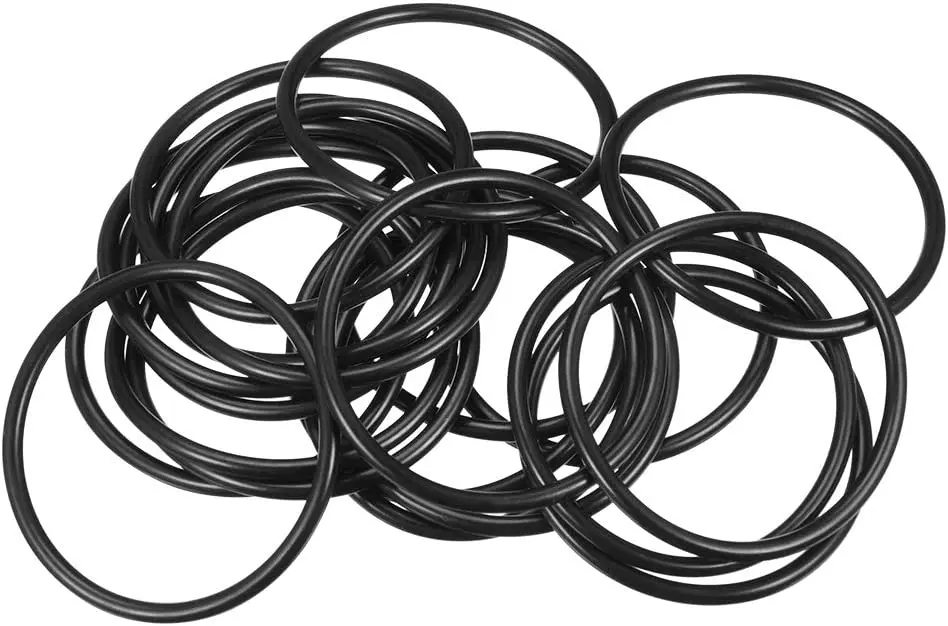
Engineering Capability: Precision-Driven Rubber Solutions
At Suzhou Baoshida Trading Co., Ltd., our engineering capability forms the backbone of our industrial rubber solutions, particularly in the development and production of high-performance black rubber compounds. With a dedicated team of 5 mould engineers and 2 specialized rubber formula engineers, we integrate material science with precision tooling to deliver custom-engineered products that meet exact OEM specifications. Our multidisciplinary approach ensures seamless transition from concept to final production, supporting clients across automotive, industrial machinery, and sealing technology sectors.
Our formula engineers possess advanced expertise in polymer chemistry, filler systems, vulcanization kinetics, and aging resistance. They formulate black rubber compounds primarily based on NR (Natural Rubber), SBR (Styrene-Butadiene Rubber), NBR (Nitrile Butadiene Rubber), EPDM (Ethylene Propylene Diene Monomer), and silicone, tailored to meet specific mechanical, thermal, and chemical resistance requirements. Each formulation is optimized for dynamic performance, compression set resistance, and long-term durability under harsh operating conditions. The use of carbon black as both a reinforcing filler and UV stabilizer is precisely calibrated to balance tensile strength, abrasion resistance, and processability.
Complementing our formulation expertise, our 5 mould engineers specialize in precision tool design for compression, transfer, and injection moulding processes. They utilize advanced CAD/CAM software and conduct rigorous mould flow analysis to ensure dimensional accuracy, consistent part quality, and minimal flash. Our in-house tooling capability allows rapid prototyping and iterative design validation, reducing time-to-market for OEM partners. All moulds are manufactured using high-grade tool steels with surface treatments to extend service life and maintain consistency across production batches.
We operate under strict quality control protocols aligned with ISO standards, with full traceability from raw material sourcing to finished goods. Our facility supports small-batch customization as well as high-volume OEM production, with annual processing capacity exceeding 1,500 metric tons of rubber compounds. All formulations and tooling designs are developed with scalability and cost-efficiency in mind, ensuring optimal performance without compromising economic viability.
The integration of formulation science and precision engineering enables us to solve complex sealing, damping, and insulation challenges. Whether developing oil-resistant NBR gaskets for automotive engines or heat-resistant EPDM profiles for industrial enclosures, our technical team collaborates closely with clients to define performance parameters, validate prototypes, and refine production processes.
Below is a summary of our core technical capabilities and material performance specifications:
| Parameter | Typical Range / Value | Test Standard |
|---|---|---|
| Hardness (Shore A) | 40–90 | ASTM D2240 |
| Tensile Strength | 8–25 MPa | ASTM D412 |
| Elongation at Break | 200–600% | ASTM D412 |
| Compression Set (24h, 70°C) | ≤20% | ASTM D395 |
| Operating Temperature Range | -40°C to +150°C (up to +250°C for silicone) | — |
| Specific Gravity | 1.10–1.50 | ASTM D297 |
| Volume Resistivity | >1×10¹² Ω·cm | ASTM D257 |
Suzhou Baoshida Trading Co., Ltd. stands as a technically advanced partner in industrial rubber manufacturing, offering OEMs a rare combination of formula intelligence and precision engineering—ensuring reliability, repeatability, and performance in every component we produce.
Customization Process
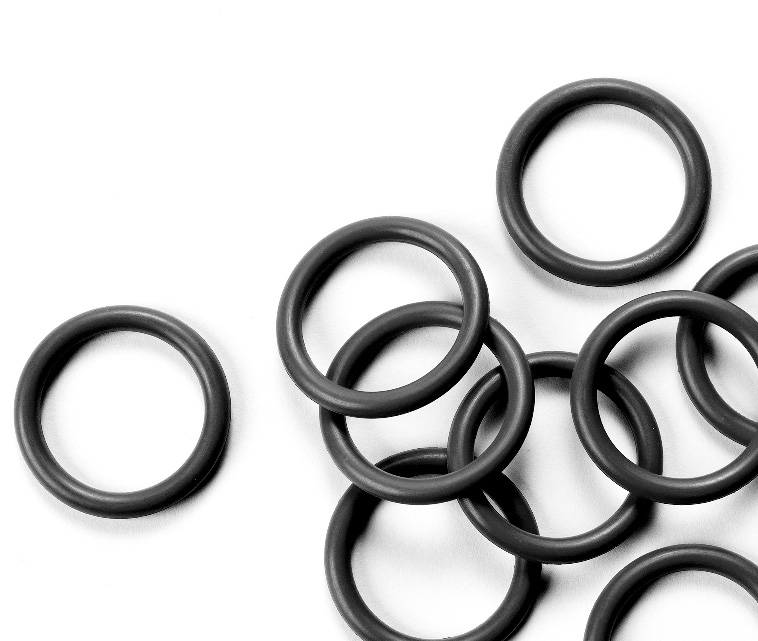
Customization Process for Precision Black Rubber Components
At Suzhou Baoshida Trading Co., Ltd., our industrial black rubber customization follows a rigorously defined sequence to ensure technical compliance and operational reliability. This process eliminates guesswork, transforming client specifications into high-performance components through chemical precision and manufacturing discipline.
Drawing Analysis initiates the workflow. Our engineering team deconstructs CAD files and technical drawings to identify critical dimensions, tolerances, and functional stress points. We assess environmental exposure factors such as temperature extremes, chemical contact, and dynamic loading conditions. This phase validates geometric feasibility against rubber’s inherent material behavior—accounting for flow characteristics during molding and post-cure shrinkage. Ambiguities trigger immediate client consultation to prevent downstream deviations, ensuring the design aligns with vulcanization physics and tooling constraints.
Formulation Engineering leverages the analysis data to architect the rubber compound. We select specific grades of carbon black (N220, N330, or N550) as primary reinforcement, balancing abrasion resistance, UV stability, and cost efficiency. Critical parameters like sulfur concentration, accelerator types, and antioxidant packages are optimized for the target cure kinetics and service life. For instance, hydraulic seals demand low-compression-set formulations with controlled crosslink density, while conveyor belts prioritize high tear strength via engineered filler dispersion. Every ingredient ratio undergoes computational simulation before lab validation.
Prototyping & Validation bridges theory to reality. Using client-approved tooling, we produce small-batch samples under controlled production conditions. These undergo accelerated aging tests, tensile/elongation profiling, and dynamic fatigue analysis per ASTM D2000 or ISO 37 standards. Hardness, resilience, and fluid resistance are quantified against the specification sheet. If deviations occur—such as surface porosity from trapped volatiles or off-spec durometer—we recalibrate the cure cycle or compound chemistry before progression. Client approval of physical samples is mandatory prior to scaling.
Mass Production Execution deploys full-scale manufacturing with embedded quality gates. Raw materials are batch-tracked via QR codes, while curing parameters (time, temperature, pressure) are monitored in real-time using IoT-enabled presses. Statistical process control (SPC) charts track critical dimensions from every 50th part. Final inspection includes destructive testing of sacrificial units from each production lot to verify consistency. All documentation, including material certificates and test reports, is archived for full traceability—essential for automotive or aerospace OEM compliance.
Key performance metrics for black rubber formulations are standardized across our production lines:
| Specification | Standard Range | Test Method | Critical Application Impact |
|---|---|---|---|
| Hardness (Shore A) | 40–90 ±2 | ASTM D2240 | Seal compression force, wear rate |
| Tensile Strength (MPa) | 15–30 min | ISO 37 | Load-bearing capacity |
| Elongation at Break (%) | 200–600 min | ISO 37 | Flexibility in dynamic applications |
| Compression Set (%) | ≤25 (70°C, 22h) | ASTM D395 | Long-term sealing integrity |
| Abrasion Loss (mm³) | ≤120 | ISO 4649 | Conveyor belt/service life |
This systematic approach ensures that every black rubber component shipped from Suzhou Baoshida meets the exacting demands of industrial machinery, automotive systems, and infrastructure applications—where failure is not an option.
Contact Engineering Team
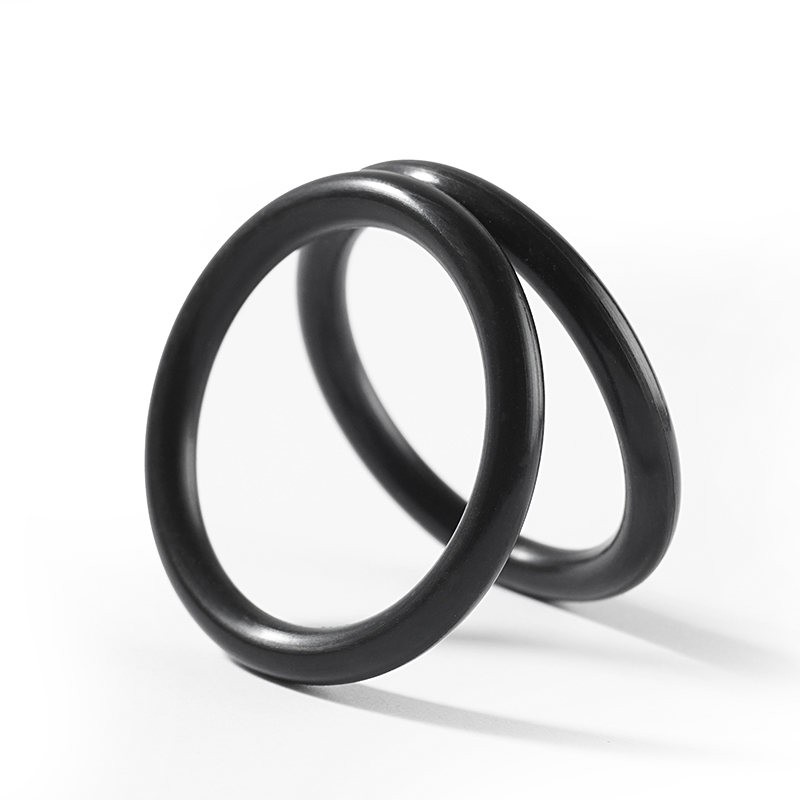
For industrial manufacturers seeking precision-engineered rubber solutions, Suzhou Baoshida Trading Co., Ltd. stands as a trusted partner in the global supply chain. Specializing in high-performance black rubber compounds, we deliver tailored material formulations designed to meet the rigorous demands of automotive, construction, heavy machinery, and sealing applications. Our technical expertise spans material development, compound customization, and OEM integration, ensuring that every product meets exact dimensional, chemical, and mechanical specifications.
At the core of our offering is a deep understanding of elastomer science. Our black rubber formulations are engineered for resilience under extreme conditions—resisting abrasion, ozone, UV exposure, and temperature fluctuations ranging from -40°C to +120°C, depending on the compound type. Whether you require EPDM for weather resistance, NBR for oil and fuel compatibility, or SBR for high-wear environments, our team formulates to ASTM, ISO, and customer-specific standards. We support both high-volume production runs and low-volume prototyping with consistent quality control and traceability.
To ensure seamless integration into your manufacturing workflow, we provide full technical documentation, including material data sheets, hardness profiles, tensile strength metrics, and compression set data. Our production facility in Jiangsu Province operates under ISO 9001-certified processes, enabling tight tolerance control and batch-to-batch consistency. From extruded profiles and molded seals to custom calendered sheets, our manufacturing capabilities are backed by decades of industrial experience and a commitment to on-time delivery.
For engineers and procurement managers seeking reliable rubber components, the next step is direct technical consultation. Contact Mr. Boyce, our dedicated OEM Manager and Rubber Formula Engineer, to discuss your project requirements, material challenges, or customization needs. Mr. Boyce leads formulation development and client technical integration, ensuring that every solution is scientifically validated and production-ready.
Below is a representative specification profile for one of our standard black rubber compounds, commonly used in industrial sealing and vibration damping applications:
| Property | Test Method | Value |
|---|---|---|
| Hardness (Shore A) | ASTM D2240 | 70 ± 5 |
| Tensile Strength | ASTM D412 | ≥18 MPa |
| Elongation at Break | ASTM D412 | ≥350% |
| Compression Set (22 hrs, 70°C) | ASTM D395 | ≤25% |
| Temperature Range | — | -40°C to +100°C |
| Specific Gravity | ASTM D297 | 1.15 ± 0.03 |
| Abrasion Loss (Taber, 1000 cycles) | ASTM D1044 | ≤120 mg |
To initiate a technical discussion, request samples, or submit a custom formulation brief, contact Mr. Boyce directly via email at [email protected]. We respond to all inquiries within 24 business hours and offer virtual or on-site technical meetings upon request. Suzhou Baoshida Trading Co., Ltd. is committed to engineering excellence and long-term partnership in industrial rubber solutions. Let us help you optimize performance, durability, and cost-efficiency in your next rubber component design.
⚖️ O-Ring Weight Calculator
Estimate rubber O-ring weight (Approx).