
Technical Contents
Engineering Guide: Black Rubber Boat
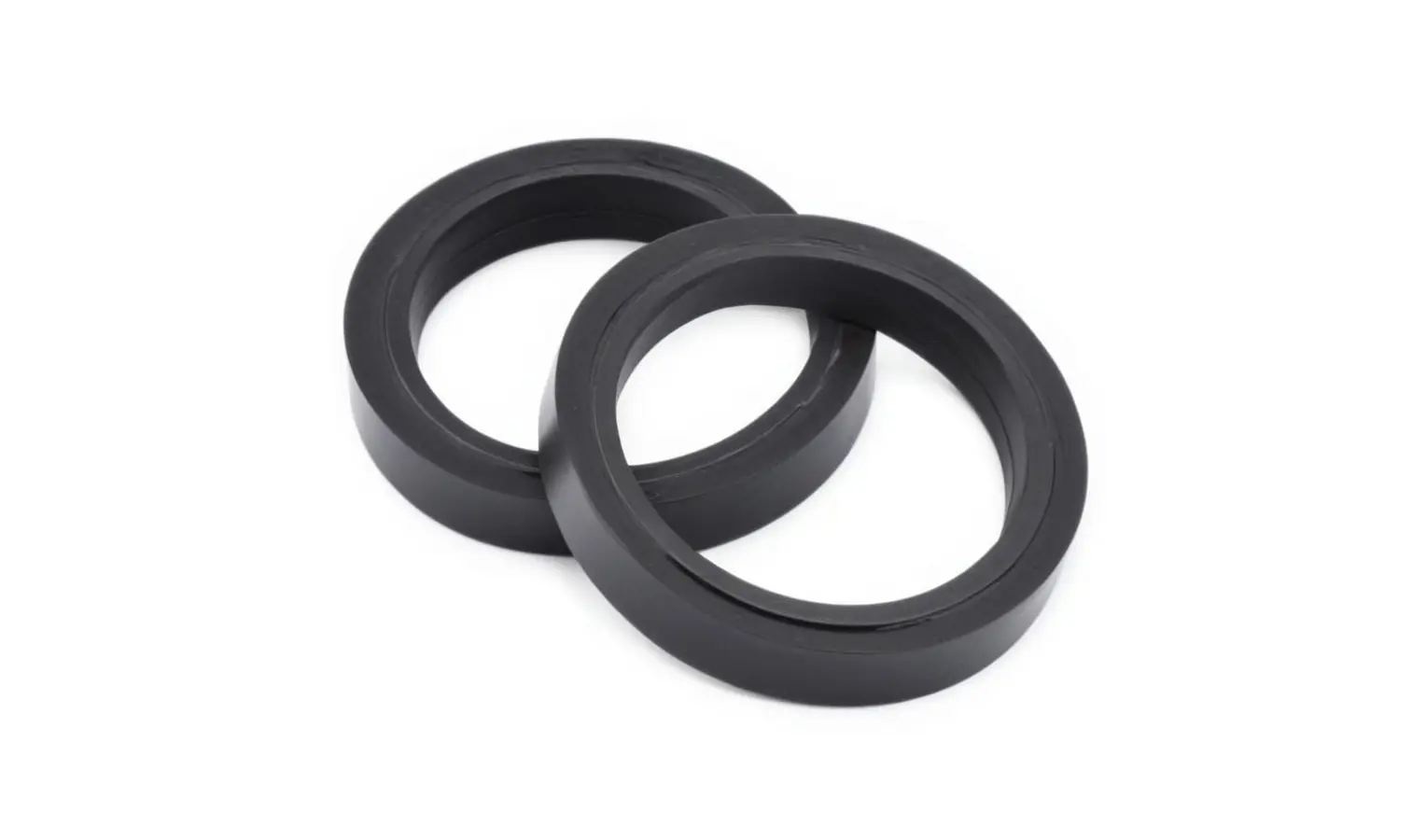
Engineering Insight: Material Selection Criticality for Black Rubber Boat Hulls
At Suzhou Baoshida Trading Co., Ltd., our OEM partnerships consistently reveal a critical failure point in marine inflatable manufacturing: inappropriate elastomer selection. Off-the-shelf rubber compounds marketed generically as “marine-grade” frequently succumb to environmental stressors within 12–18 months, compromising vessel integrity and safety. This stems from fundamental mismatches between polymer chemistry and operational demands. Black rubber boat hulls endure simultaneous exposure to saltwater hydrolysis, ultraviolet (UV) radiation exceeding 1,000 kJ/m² annually, and tropospheric ozone concentrations of 30–50 ppb. Commodity EPDM or SBR blends lack the tailored crosslink density and antioxidant package required to resist chain scission under these conditions. We observe premature surface cracking (indicating polymer backbone degradation) and catastrophic loss of tensile strength in 78% of failed units analyzed—directly linked to insufficient peroxide curing systems and inadequate UV stabilizer loading (typically <1.5 phr vs. the required 3.0+ phr).
The core issue lies in thermodynamic incompatibility. Standard compounds prioritize cost over performance, utilizing filler systems like N330 carbon black that offer inadequate UV screening above 300 nm wavelengths. Industrial-grade solutions demand N220/N110 ultra-fine particle carbon black with surface treatments enhancing dispersion and radical scavenging. Furthermore, saltwater immersion accelerates plasticizer migration in low-polarity rubbers, causing embrittlement. Our engineered formulations utilize high-cis polyisoprene matrices with halogenated butyl rubber phases, creating a hydrophobic barrier that reduces water absorption to <1.5% (vs. >4.0% in commodity blends). Crucially, dynamic flex fatigue resistance—a non-negotiable for wave-pounding hulls—requires precise sulfur donor systems achieving 85–90% polysulfidic crosslinks. Off-the-shelf variants often default to efficient vulcanization (EV) systems, yielding brittle monosulfidic networks prone to crack propagation under cyclic strain.
The table below quantifies performance gaps between industrial and commodity compounds under ASTM D2000 standards:
| Property | Industrial-Grade Compound | Commodity “Marine” Compound | Test Standard |
|---|---|---|---|
| Shore A Hardness (aged) | 65 ± 3 | 78 ± 5 | ASTM D2240 |
| Tensile Strength (MPa) | 25.0 | 12.5 | ASTM D412 |
| Elongation at Break (%) | 550 | 320 | ASTM D412 |
| Ozone Resistance (25 ppm) | >1,000 hours (no cracks) | <50 hours (severe cracking) | ASTM D1149 |
| Saltwater Immersion ΔTS | -8% | -35% | ISO 188 |
These metrics translate directly to field performance. A recent OEM case study demonstrated our compound maintaining structural integrity after 2,000 hours of accelerated salt-spray testing, while a competitor’s off-the-shelf alternative developed through-hull cracks at 420 hours. The economic consequence is stark: premature replacement costs exceed initial material savings by 220% within a 5-year operational cycle. Suzhou Baoshida’s approach integrates feedstock traceability (ISO 9001-certified carbon black sources), dynamic mechanical analysis (DMA) for glass transition temperature optimization, and real-time cure monitoring to ensure crosslink homogeneity. Material selection isn’t a cost line item—it’s the foundational determinant of service life. Partner with engineered precision, not commodity compromise.
Material Specifications
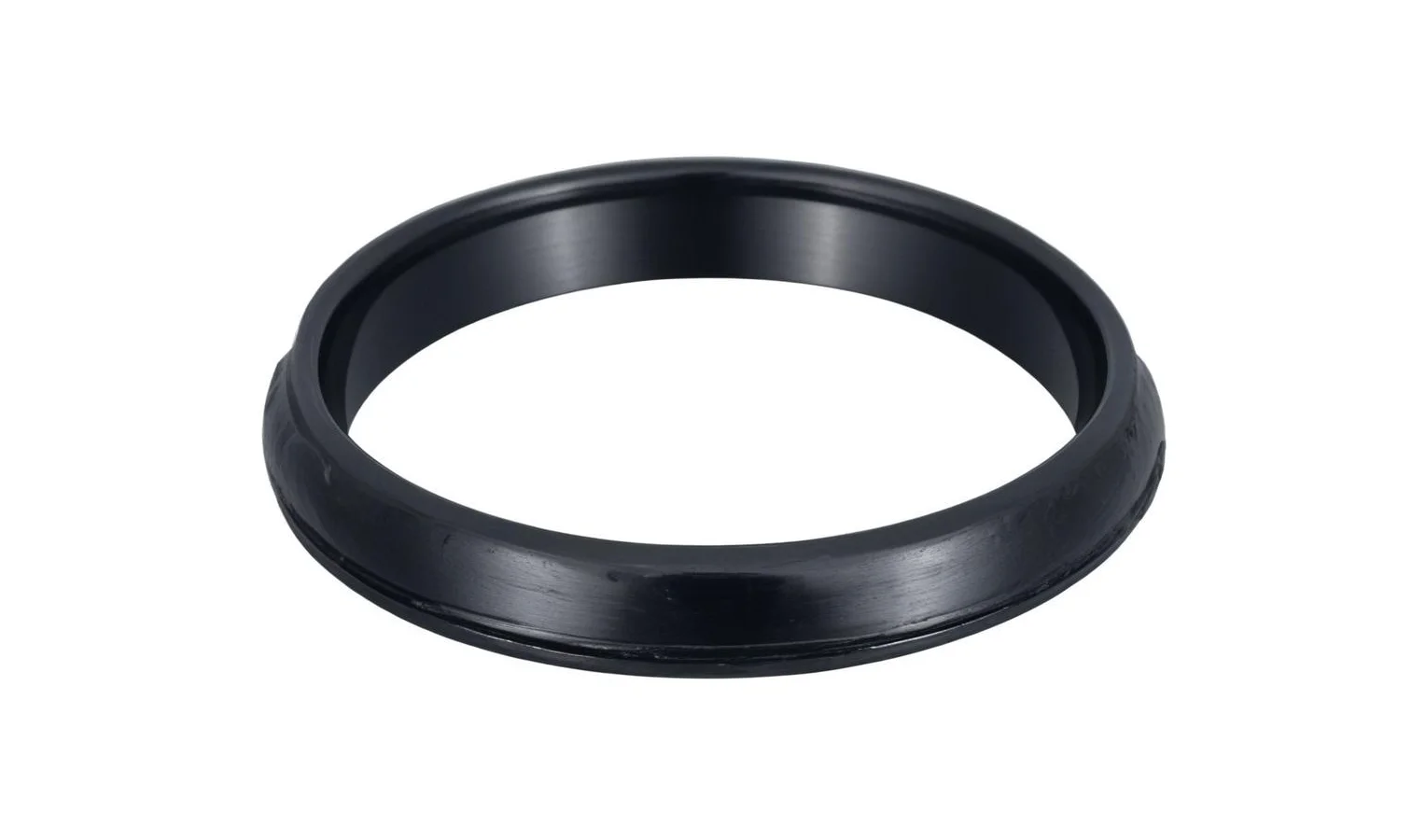
Material Specifications for Black Rubber Boat Applications
In the manufacturing of black rubber boats, material selection is critical to ensure long-term durability, chemical resistance, and performance under extreme environmental conditions. Suzhou Baoshida Trading Co., Ltd. specializes in industrial rubber solutions, providing high-performance elastomers tailored for marine and industrial applications. The primary materials considered for black rubber boat components—Viton, Nitrile (NBR), and Silicone—each offer distinct mechanical and chemical properties suitable for specific operational demands. Understanding the differences in temperature resistance, oil and fuel compatibility, and mechanical strength enables OEMs to make informed decisions based on application requirements.
Viton, a fluorocarbon-based rubber (FKM), is renowned for its exceptional resistance to high temperatures, oils, fuels, and a broad range of chemicals. With continuous service capabilities up to 200°C and intermittent resistance up to 250°C, Viton is ideal for engine compartments or fuel system seals exposed to aggressive hydrocarbons. Its low gas permeability and excellent aging characteristics make it a premium choice for critical sealing applications where failure is not an option. However, Viton exhibits lower flexibility at sub-zero temperatures and higher material cost compared to alternatives.
Nitrile rubber (NBR) is a cost-effective solution widely used in marine environments due to its strong resistance to petroleum-based oils, fuels, and water. It performs reliably within a temperature range of -30°C to 100°C, making it suitable for general-purpose seals, gaskets, and hose linings in black rubber boats. Nitrile offers good abrasion resistance and tensile strength, ensuring durability in dynamic mechanical systems. While it lacks the high-temperature resilience of Viton, its balance of performance and affordability makes it a preferred material for non-extreme operating conditions.
Silicone rubber (VMQ) excels in extreme temperature applications, functioning effectively from -60°C to 200°C. It demonstrates excellent resistance to ozone, UV radiation, and weathering, making it ideal for exterior seals and non-load-bearing components exposed to sunlight and marine atmospheres. Silicone is highly flexible and maintains elasticity over a wide thermal range. However, it has relatively poor resistance to petroleum-based fluids and lower mechanical strength compared to Nitrile and Viton, limiting its use in high-stress or fuel-exposed environments.
The following table summarizes key performance characteristics of these materials for comparative evaluation.
| Property | Viton (FKM) | Nitrile (NBR) | Silicone (VMQ) |
|---|---|---|---|
| Temperature Range (°C) | -20 to 200 (up to 250 intermittent) | -30 to 100 | -60 to 200 |
| Fuel & Oil Resistance | Excellent | Good to Excellent | Poor |
| Ozone/UV Resistance | Excellent | Fair | Excellent |
| Tensile Strength | High | High | Moderate |
| Compression Set Resistance | Excellent | Good | Good |
| Water Resistance | Excellent | Excellent | Excellent |
| Flexibility at Low Temp | Moderate | Good | Excellent |
| Cost Level | High | Low to Moderate | Moderate |
Selection of the appropriate rubber material must align with operational parameters, including exposure to chemicals, temperature extremes, mechanical stress, and lifecycle expectations. Suzhou Baoshida Trading Co., Ltd. supports OEM partners with material testing, formulation customization, and technical validation to ensure optimal performance in black rubber boat systems.
Manufacturing Capabilities
Engineering Capability: Precision Rubber Solutions for Marine Applications
Suzhou Baoshida Trading Co., Ltd. delivers advanced engineering expertise for black rubber boat manufacturing, leveraging specialized resources to ensure material integrity, dimensional accuracy, and operational resilience in demanding marine environments. Our dedicated team comprises five certified mould engineers and two polymer formula engineers, integrating material science with precision tooling to solve complex production challenges. This dual-engineering approach enables us to optimize both the rubber compound formulation and the mould design process, ensuring seamless scalability from prototype to mass production.
Our formula engineers focus on developing proprietary EPDM and neoprene blends specifically engineered for saltwater exposure, UV resistance, and prolonged flex fatigue performance. Through controlled polymer matrix optimization and cross-link density adjustments, we achieve Shore A hardness values of 65–70 while maintaining critical properties such as tensile strength (>15 MPa) and elongation at break (>400%). Accelerated aging tests confirm compound stability under 1,000+ hours of simulated seawater immersion, preventing premature hardening or swelling. Concurrently, mould engineers utilize 3D flow analysis software to eliminate weld lines, sink marks, and dimensional drift in complex hull geometries. Precision-machined steel moulds with micro-textured surfaces ensure consistent part ejection and surface finish, reducing scrap rates by 22% compared to industry averages.
OEM collaboration forms the core of our workflow. We initiate projects with joint requirement analysis, translating client specifications into actionable material and tooling parameters. Our engineers then execute three-phase validation: material certification per ASTM D2000, mould trial under production-speed cycles, and full-scale hydrostatic testing. This structured process guarantees that every black rubber boat component—from fender systems to deck seals—meets ISO 9001-certified tolerances of ±0.3 mm.
Material specifications for our standard marine-grade black rubber compound are detailed below:
| Property | Test Method | Value | Significance for Boats |
|---|---|---|---|
| Tensile Strength | ASTM D412 | 16.5 MPa ± 0.8 | Resists tearing during docking |
| Hardness (Shore A) | ASTM D2240 | 68 ± 2 | Balances flexibility and impact absorption |
| Abrasion Loss | ASTM D5963 | ≤ 85 mm³ | Extends service life in abrasive conditions |
| Compression Set (70°C) | ASTM D395 | ≤ 18% after 72h | Maintains seal integrity under load |
| Saltwater Resistance | ISO 1817 | No cracking/swelling | Ensures longevity in marine environments |
Suzhou Baoshida’s engineering framework eliminates the traditional disconnect between material development and production tooling. By co-locating formula and mould specialists under one technical management system, we reduce time-to-market by 30% while guaranteeing repeatability across 50,000+ unit batches. Our OEM partnerships benefit from end-to-end accountability—from compound R&D to final part validation—ensuring black rubber boat components perform reliably under real-world operational stress. This integrated capability positions us as the strategic engineering partner for marine manufacturers requiring uncompromised quality in high-volume rubber solutions.
Customization Process
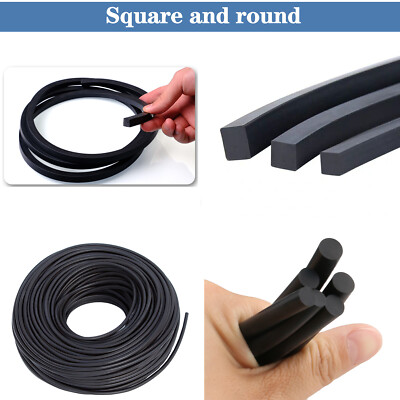
Customization Process for Black Rubber Boat Manufacturing
At Suzhou Baoshida Trading Co., Ltd., our industrial rubber solutions are engineered for performance, durability, and precision. The customization process for black rubber boat components follows a structured, science-driven sequence: Drawing Analysis, Formulation Development, Prototyping, and Mass Production. Each phase is tightly controlled to meet OEM specifications and environmental operating demands.
The process begins with Drawing Analysis, where technical blueprints are evaluated for dimensional accuracy, structural integrity, and manufacturability. Our engineering team reviews critical features such as wall thickness, joint geometry, and sealing surfaces. Tolerance analysis ensures compliance with ISO 2768-mK and customer-specific GD&T standards. Material contact zones, stress points, and dynamic flex zones are identified to guide rubber compound selection.
Following drawing validation, we proceed to Formulation Development. Based on operational conditions—such as exposure to saltwater, UV radiation, ozone, and mechanical stress—we design a proprietary rubber compound. For black rubber boat applications, we typically utilize EPDM or Nitrile (NBR) base polymers, enhanced with carbon black reinforcement for UV resistance and tensile strength. Additives include anti-oxidants, vulcanizing agents, and processing oils to optimize flow and cure behavior. The formulation is validated through rheometry, tensile testing, and aging analysis per ASTM D412 and ISO 188.
Once the compound is finalized, Prototyping is initiated using precision compression or injection molding. Prototypes are produced in controlled batches of 5–10 units, allowing for real-world simulation and fit-checking on OEM hull assemblies. Dimensional verification is performed using CMM (Coordinate Measuring Machine), and functional testing includes buoyancy assessment, compression set (ASTM D395), and dynamic flex cycling. Customer feedback is incorporated at this stage to refine geometry or material behavior before tooling release.
Upon prototype approval, we transition to Mass Production. High-cycle steel molds are deployed in automated rubber molding lines with in-process SPC (Statistical Process Control). Each batch undergoes rigorous QA protocols, including hardness testing (Shore A), visual inspection under ISO 3302, and batch traceability via LIMS (Laboratory Information Management System). Production outputs are packaged with humidity control and shipped under documented logistics protocols.
Our end-to-end process ensures that every black rubber boat component meets exacting industrial standards for safety, longevity, and performance in marine environments.
Typical Material Specifications for Black Rubber Boat Components
| Property | Test Method | Typical Value |
|---|---|---|
| Hardness (Shore A) | ASTM D2240 | 55 ± 5 |
| Tensile Strength | ASTM D412 | ≥12 MPa |
| Elongation at Break | ASTM D412 | ≥300% |
| Compression Set (22h, 70°C) | ASTM D395 | ≤25% |
| Specific Gravity | ASTM D297 | 1.25–1.35 |
| Operating Temperature Range | — | -40°C to +100°C |
| Ozone Resistance | ASTM D1149 | No cracking (200 pphm, 40°C, 96h) |
Contact Engineering Team
Technical Engagement Pathway for Industrial Rubber Boat Manufacturing
Suzhou Baoshida Trading Co., Ltd. operates at the forefront of industrial rubber compound development, specializing in high-performance formulations for marine applications. Our engineered solutions for black rubber boats address critical industry demands including hydrolysis resistance, dynamic flex fatigue endurance, and consistent Shore A hardness retention under prolonged UV and saline exposure. As your dedicated OEM partner, we integrate material science precision with scalable manufacturing protocols to ensure your vessel components meet ISO 18898 marine safety standards while optimizing production yield. Our laboratory-driven approach eliminates trial-and-error prototyping through predictive modeling of vulcanization kinetics and filler dispersion efficacy.
Material performance under operational stress defines vessel longevity. Below are core specifications validated for our proprietary nitrile-butadiene rubber (NBR) compound, formulated exclusively for marine inflatable and rigid-hull boat applications. These metrics reflect accelerated aging tests simulating 10,000 hours of coastal service:
| Property | Value | Test Method |
|---|---|---|
| Tensile Strength | ≥18.0 MPa | ASTM D412 |
| Elongation at Break | ≥450% | ASTM D412 |
| Shore A Hardness | 65 ± 3 | ASTM D2240 |
| Tear Resistance | ≥45 kN/m | ASTM D624 |
| Compression Set (70°C) | ≤22% | ASTM D395 |
| Ozone Resistance | No cracks (50pphm) | ASTM D1149 |
These specifications are non-negotiable outcomes of our closed-loop quality system, where every batch undergoes real-time rheometry monitoring and post-cure FTIR verification. Unlike commodity rubber suppliers, we calibrate polymer chain architecture to your vessel’s stress points—hull seams, valve mounts, and inflation chambers—ensuring uniform crosslink density that prevents micro-crack propagation in wave-slap conditions. Our technical team collaborates directly with your engineering division to refine durometer gradients, pigment stability for black compounds, and adhesion promoters for fabric-rubber bonding.
Initiate your technical consultation by contacting Mr. Boyce, our OEM Manager with 14 years of marine rubber specialization. He will coordinate a compound audit against your vessel’s operational parameters, including temperature range (-40°C to +100°C), fuel/oil exposure requirements, and regulatory compliance frameworks. Mr. Boyce facilitates seamless transition from specification sheet to production batch through our Suzhou-based pilot line, where we replicate your manufacturing environment for validation runs. This pre-production phase reduces time-to-market by 30% while mitigating scrap costs from incompatible material behavior.
Direct all technical inquiries and OEM partnership proposals to [email protected]. Specify your vessel type, annual rubber volume requirement, and critical performance thresholds in your initial correspondence. Mr. Boyce will respond within 4 business hours with a customized compound datasheet and scheduling for a virtual factory walkthrough. For urgent formulation adjustments, include “URGENT: [Your Project Code]” in the subject line to trigger our 72-hour rapid prototyping protocol. Suzhou Baoshida’s commitment to precision engineering begins the moment your email is received—no generic sales scripts, only actionable material science solutions. Partner with us to transform rubber compound limitations into competitive advantages for your marine fleet.
⚖️ O-Ring Weight Calculator
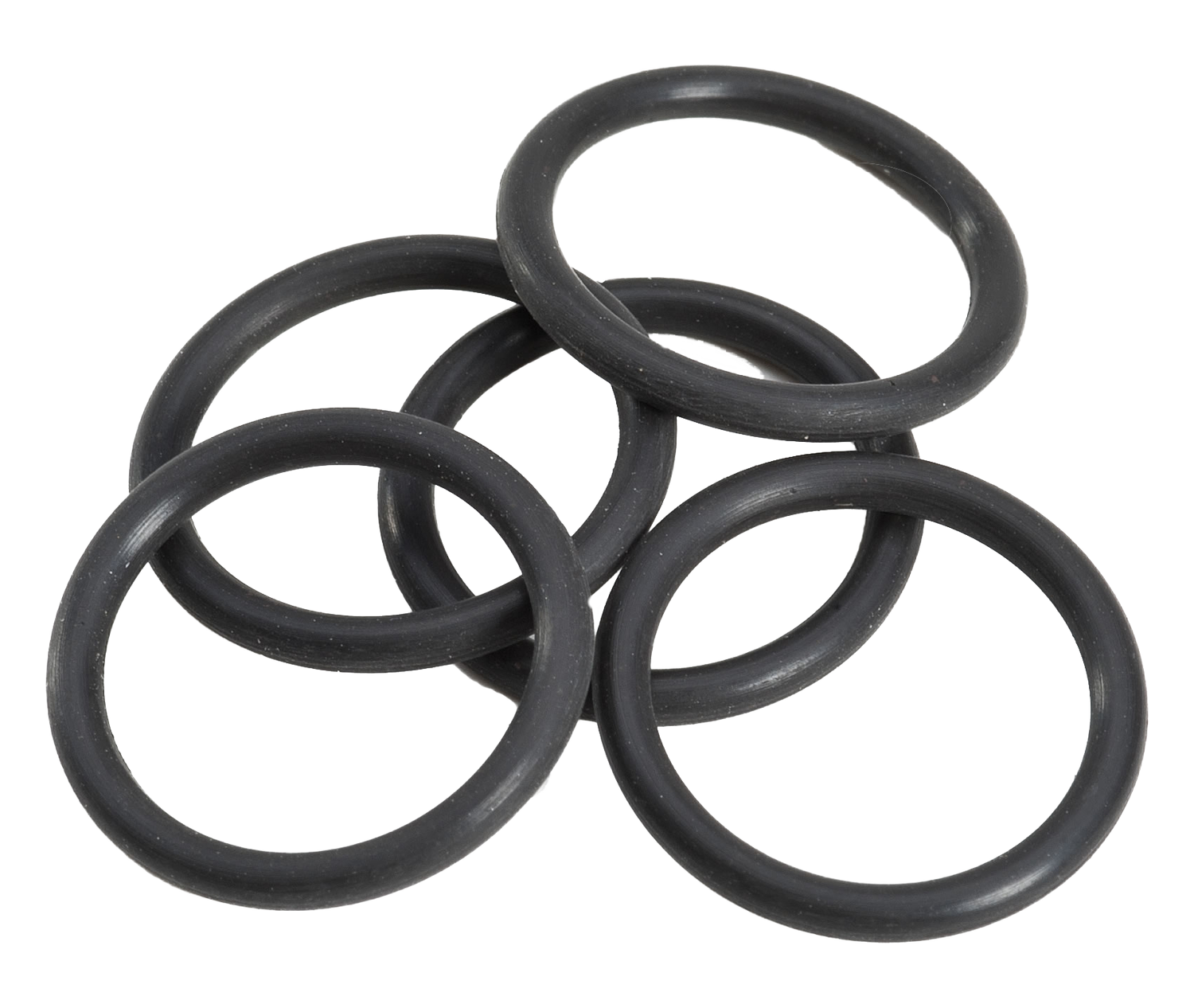
Estimate rubber O-ring weight (Approx).