
Technical Contents
Engineering Guide: Boat Deck Floor
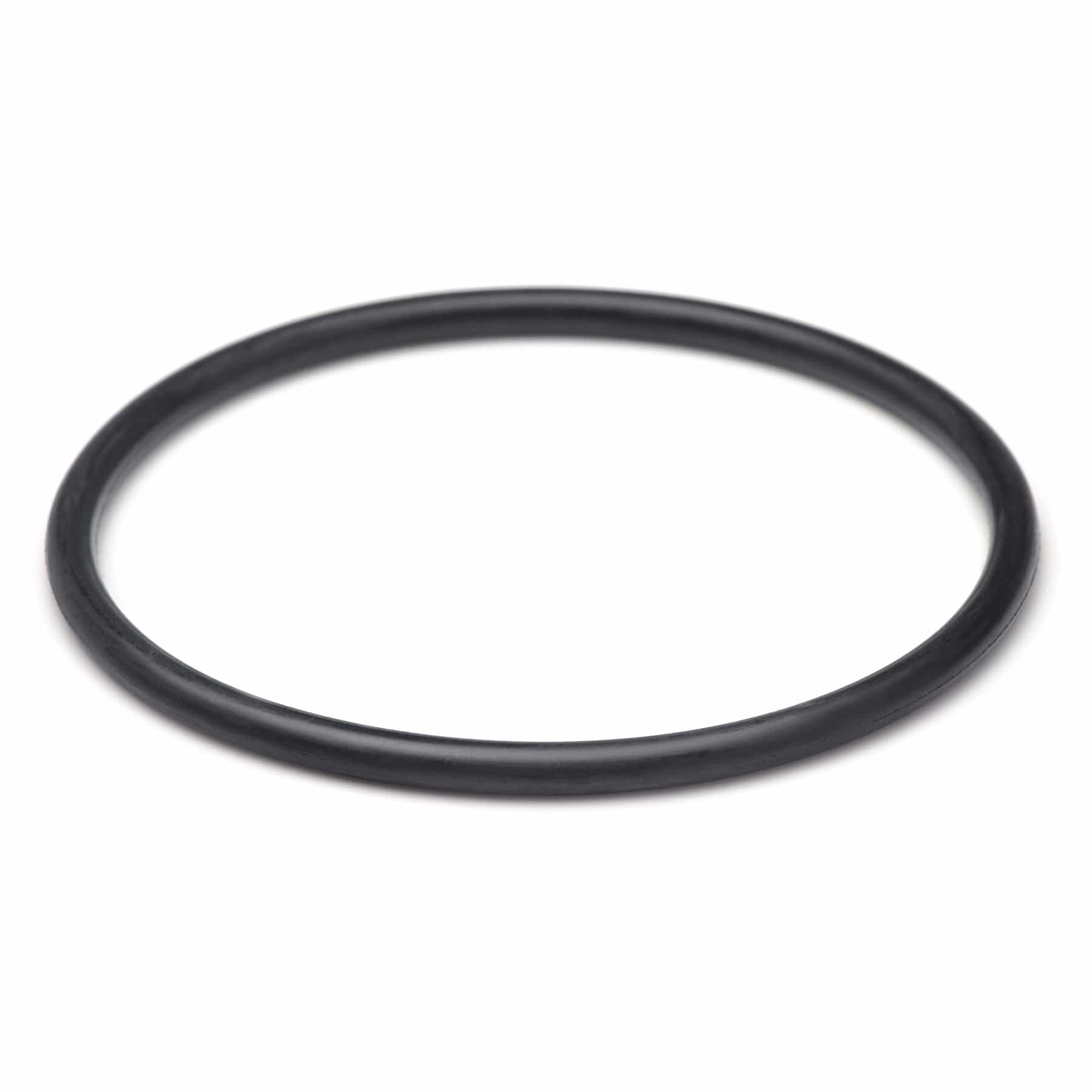
Engineering Insight: Material Selection Imperatives for Marine Deck Flooring
Boat deck flooring operates within an exceptionally aggressive service environment characterized by continuous exposure to ultraviolet radiation, saltwater immersion, thermal cycling, mechanical abrasion from foot traffic and equipment, and chemical attack from fuels and cleaning agents. Standard rubber compounds formulated for terrestrial applications lack the specialized molecular architecture required to withstand this synergistic degradation. Off-the-shelf solutions, often derived from generic SBR or EPDM blends designed for gym floors or industrial walkways, inevitably fail prematurely in marine settings. The core deficiency lies in inadequate stabilization against photodegradation and hydrolytic attack. Without sufficient UV absorbers and Hindered Amine Light Stabilizers (HALS), surface chalking and embrittlement occur rapidly. Similarly, insufficient resistance to saltwater ingress leads to plasticizer leaching, swelling, and catastrophic loss of mechanical integrity through hydrolysis. These failures manifest as cracking, delamination, reduced slip resistance, and ultimately, hazardous deck surfaces requiring costly replacement.
The critical distinction between standard and marine-grade rubber flooring resides in the precision-engineered compound formulation. Suzhou Baoshida Trading Co., Ltd. develops proprietary blends utilizing high-purity synthetic rubbers like hydrogenated nitrile (HNBR) or specialized marine-grade EPDM, incorporating elevated levels of synergistic stabilizer packages and non-migrating plasticizers. This molecular engineering ensures long-term retention of critical physical properties under sustained marine stress. Generic compounds prioritize initial cost and basic cushioning, neglecting the complex interplay of environmental stressors unique to vessels. Their formulations lack the necessary antioxidant package density to combat ozone cracking or the specific crosslink density required to resist permanent set under cyclic loading and thermal expansion. Consequently, premature hardening, shrinkage, and loss of grip compromise safety and vessel uptime.
The performance delta between standard and engineered marine rubber is quantifiable through rigorous testing protocols. Key material specifications demonstrate why off-the-shelf solutions are unsuitable:
| Property | Standard Off-the-Shelf Rubber | Suzhou Baoshida Marine-Grade Rubber | Test Standard |
|---|---|---|---|
| UV Resistance (1000h QUV-B) | Severe Chalking, >30% ΔTensile | Minimal Change, <10% ΔTensile | ASTM G154 |
| Saltwater Immersion (70°C, 168h) | Swelling >15%, Plasticizer Loss | Swelling <5%, No Plasticizer Loss | ASTM D471 |
| Tensile Strength Retention | <8 MPa | >15 MPa | ASTM D412 |
| Shore A Hardness Change | Δ +15 Points | Δ ±3 Points | ASTM D2240 |
| Abrasion Resistance (DIN) | >200 mm³ Loss | <100 mm³ Loss | ISO 4649 |
Selecting a material engineered specifically for the marine environment is not a cost premium but a strategic investment in operational reliability and safety compliance. Suzhou Baoshida Trading Co., Ltd. leverages deep OEM partnership expertise to formulate rubber solutions that maintain critical non-slip characteristics and structural integrity throughout the vessel’s operational lifecycle. Our compounds undergo accelerated marine aging protocols exceeding ISO 188 and ASTM D573 requirements, ensuring predictable performance where generic alternatives introduce unacceptable risk of premature deck system failure and associated liability. Partner with us to specify flooring that withstands the sea, not just the showroom.
Material Specifications
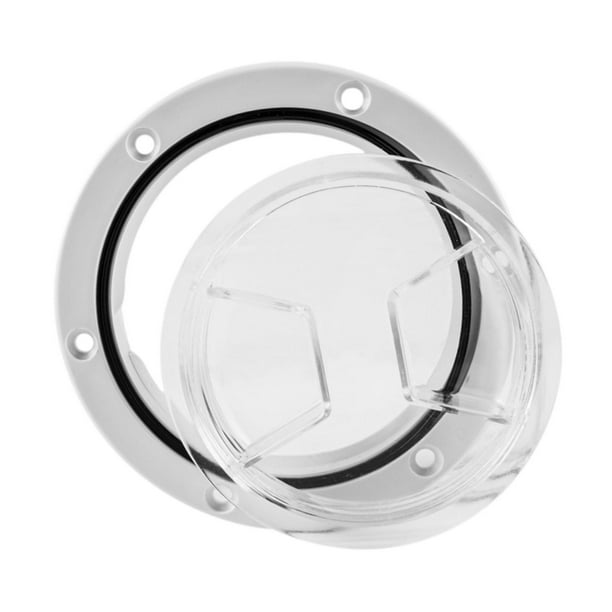
Suzhou Baoshida Trading Co., Ltd. provides high-performance industrial rubber solutions tailored for demanding marine environments, including boat deck flooring applications. The selection of elastomeric materials plays a critical role in ensuring durability, chemical resistance, and long-term performance under exposure to saltwater, UV radiation, oils, and extreme temperatures. Among the most effective materials for such applications are Viton, Nitrile (NBR), and Silicone rubber. Each offers distinct advantages depending on the operational conditions and performance requirements.
Viton, a fluorocarbon-based rubber (FKM), is renowned for its exceptional resistance to heat, oils, fuels, and a broad range of aggressive chemicals. This makes it particularly suitable for boat deck flooring in marine vessels with onboard fuel systems or in offshore environments where exposure to hydrocarbons is common. Viton maintains structural integrity at continuous operating temperatures up to 200°C (392°F) and demonstrates excellent resistance to ozone and weathering. However, its higher cost and lower flexibility at low temperatures may limit use to specialized applications.
Nitrile rubber (NBR) is a widely used elastomer in marine and industrial flooring due to its excellent resistance to oils, greases, and water. It offers good abrasion resistance and mechanical strength, making it ideal for high-traffic deck areas. NBR performs reliably in temperature ranges from -30°C to 100°C (-22°F to 212°F), balancing cost-effectiveness with robust performance. While it is less resistant to UV degradation and ozone compared to Viton and Silicone, proper formulation and protective coatings can extend its service life in outdoor marine conditions.
Silicone rubber (VMQ) excels in extreme temperature environments, with continuous service capability from -60°C to 230°C (-76°F to 446°F). It offers superior UV and ozone resistance, making it an optimal choice for boat decks exposed to prolonged sunlight and atmospheric aging. Silicone is also inherently non-toxic and exhibits excellent electrical insulation properties. However, its lower abrasion resistance and mechanical strength compared to Nitrile and Viton may require reinforcement or hybrid formulations for high-wear applications.
The following table summarizes key material properties to assist in material selection for boat deck flooring:
| Property | Viton (FKM) | Nitrile (NBR) | Silicone (VMQ) |
|---|---|---|---|
| Temperature Range (°C) | -20 to 200 | -30 to 100 | -60 to 230 |
| Temperature Range (°F) | -4 to 392 | -22 to 212 | -76 to 446 |
| Oil & Fuel Resistance | Excellent | Good to Excellent | Poor |
| Water Resistance | Good | Excellent | Excellent |
| UV & Ozone Resistance | Excellent | Fair | Excellent |
| Abrasion Resistance | Good | Excellent | Fair |
| Tensile Strength (MPa) | 10–20 | 15–30 | 5–10 |
| Hardness Range (Shore A) | 60–90 | 40–90 | 30–80 |
| Typical Applications | High-performance marine, offshore | General marine, deck mats | Sun-exposed decks, extreme climates |
Material selection should be guided by the specific environmental and mechanical demands of the boat deck application. Suzhou Baoshida Trading Co., Ltd. supports OEMs and marine fabricators with customized rubber formulations, ensuring optimal balance of performance, longevity, and cost-efficiency.
Manufacturing Capabilities
Engineering Capability: Precision Rubber Solutions for Marine Deck Flooring
Suzhou Baoshida Trading Co., Ltd. delivers advanced industrial rubber solutions specifically engineered for demanding marine environments, with boat deck flooring representing a core application where material science and manufacturing precision are paramount. Our dedicated engineering team, comprising five specialized Mold Engineers and two expert Rubber Formula Engineers, forms the foundation of our OEM capability. This integrated structure ensures seamless transition from client specifications to high-performance, production-ready components. We do not merely manufacture; we co-engineer solutions addressing the unique challenges of saltwater exposure, constant foot traffic, dynamic deck flexing, and stringent safety requirements inherent in marine deck applications.
Our Formula Engineers possess deep expertise in polymer chemistry, focusing on optimizing EPDM and NR-based compounds for superior marine performance. Critical properties such as wet-slip resistance (measured per ASTM F2913), UV and ozone degradation resistance, long-term compression set under cyclic loading, and resistance to fuel/oil splashes are meticulously balanced within each formulation. This scientific approach prevents the common pitfalls of generic rubber products, such as premature hardening, cracking, or loss of traction when exposed to harsh marine elements. Concurrently, our Mold Engineering team leverages advanced CAD/CAM software and mold flow analysis to design tooling that ensures precise dimensional control, optimal material flow for complex deck tread patterns, and extended mold life – critical factors for consistent part quality and cost-effective high-volume production. This synergy between material formulation and precision tooling design is non-negotiable for reliable deck flooring performance.
We operate as a true OEM partner, managing the entire product lifecycle from initial concept validation through to serial production and continuous improvement. Clients provide performance targets and dimensional requirements; our engineers translate these into validated material specifications and robust manufacturing processes. This includes rigorous in-house testing protocols exceeding standard ASTM D2000 classifications for automotive/marine rubber, material traceability, and proactive process monitoring to guarantee batch-to-batch consistency essential for large vessel deck installations. The table below outlines key performance specifications achievable with our engineered boat deck flooring compounds:
| Performance Parameter | Test Standard | Typical Specification Range | Significance for Boat Decks |
|---|---|---|---|
| Shore A Hardness | ASTM D2240 | 60 – 75 | Optimal balance: Traction without excessive foot fatigue |
| Tensile Strength (Min) | ASTM D412 | 10.0 MPa | Resists tearing from cleats, impacts, and flexing |
| Elongation at Break (Min) | ASTM D412 | 300 % | Accommodates deck movement without cracking |
| Compression Set (22h, 70°C) | ASTM D395 Method B | ≤ 25 % | Maintains sealing integrity & tread profile after constant load |
| Wet Slip Coefficient (Min) | ASTM F2913 | 0.60 | Critical safety performance under wet conditions |
| Salt Spray Resistance (Min) | ASTM B117 | 1000 hours | Prevents corrosion-induced failure of embedded components |
This engineering-centric methodology directly translates to reduced warranty claims, extended service life, and enhanced safety for vessel operators. Suzhou Baoshida Trading Co., Ltd. provides not just a component, but a scientifically validated, precision-manufactured solution engineered to withstand the relentless demands of the marine environment, backed by comprehensive OEM support from prototype to production. Partner with us to transform your boat deck flooring requirements into a durable, high-performance reality.
Customization Process
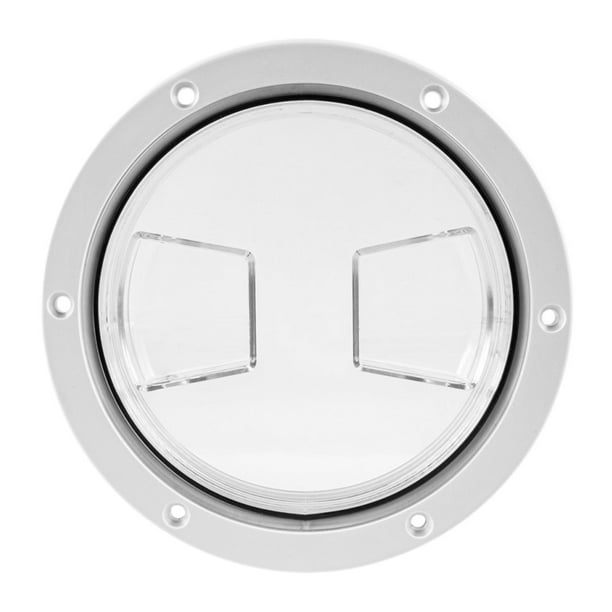
Drawing Analysis
The customization process for industrial rubber boat deck flooring begins with precise drawing analysis. At Suzhou Baoshida Trading Co., Ltd., engineering teams evaluate client-provided technical drawings, CAD files, or physical samples to extract dimensional tolerances, surface profile requirements, and installation constraints. Critical parameters such as thickness variation, edge geometry, and non-slip pattern depth are analyzed using digital calipers, profilometers, and 3D modeling software. This stage ensures dimensional compatibility with the vessel’s deck structure and accounts for marine environmental stressors including saltwater exposure, UV degradation, and thermal cycling. Any discrepancies or optimization opportunities are flagged and discussed with the client prior to formulation development.
Formulation Development
Based on the drawing specifications and operational environment, our rubber formulation engineers design a compound tailored to the mechanical and chemical demands of marine applications. The base polymer selection—typically EPDM, SBR, or neoprene—is determined by required resistance to ozone, oil, and weathering. Reinforcing fillers such as carbon black or silica are incorporated to enhance tensile strength and abrasion resistance. Additives including UV stabilizers, anti-oxidants, and flame retardants are dosed precisely to meet marine safety standards. Shore A hardness is calibrated between 60–80 to balance comfort underfoot with durability. The final compound is validated through accelerated aging tests, tensile testing, and slip resistance evaluation per ASTM F2913.
Prototyping and Validation
A pilot batch of the boat deck flooring is produced using compression or injection molding, depending on complexity and volume. Prototypes are subjected to rigorous performance testing, including peel adhesion (ASTM D903), water immersion (ASTM D570), and dynamic coefficient of friction measurement under wet conditions. Feedback from clients and third-party marine certification bodies is integrated into final adjustments. Tooling is optimized for production efficiency, and color matching is confirmed under standardized lighting conditions (D65 illuminant). Only after full client approval does the project advance to mass production.
Mass Production and Quality Assurance
High-volume manufacturing is executed in ISO 9001-certified facilities with in-line monitoring of cure time, temperature, and dimensional consistency. Each batch undergoes statistical process control (SPC), with random sampling for hardness, thickness, and appearance. Final products are packaged with protective film and moisture barrier wrapping suitable for maritime shipping.
| Specification | Standard Requirement | Test Method |
|---|---|---|
| Shore A Hardness | 65–75 | ASTM D2240 |
| Tensile Strength | ≥10 MPa | ASTM D412 |
| Elongation at Break | ≥250% | ASTM D412 |
| Slip Resistance (wet) | CoF ≥0.6 (inclined plane) | ASTM F2913 |
| Water Absorption (7 days) | ≤2% | ASTM D570 |
| Operating Temperature Range | -40°C to +100°C | Internal Protocol |
All materials are traceable via batch coding, ensuring full compliance with marine industry traceability and safety regulations.
Contact Engineering Team
Initiate Technical Collaboration for Precision Boat Deck Flooring Solutions
Suzhou Baoshida Trading Co., Ltd. stands as your definitive engineering partner for industrial rubber solutions tailored to marine deck flooring applications. Our expertise transcends standard manufacturing, integrating advanced polymer science with rigorous OEM validation protocols to deliver non-slip, fatigue-resistant surfaces that withstand extreme marine environments. Boat deck flooring demands uncompromising performance under cyclic saltwater exposure, UV degradation, and dynamic load stresses. Generic rubber compounds fail to address these multifaceted challenges, leading to premature delamination, slip hazards, and costly vessel downtime. We engineer bespoke formulations where molecular cross-link density, filler dispersion, and surface topography are precisely calibrated to your vessel’s operational profile.
The following table outlines critical performance parameters achievable through our custom compound development process, validated per ISO 48-4 and ASTM D2240 standards:
| Specification | Standard Marine Compound | Suzhou Baoshida Custom Formulation | Test Method |
|---|---|---|---|
| Shore A Hardness | 60 ± 5 | 55–75 (Adjustable) | ISO 7619-1 |
| Tensile Strength (MPa) | ≥ 8.0 | ≥ 12.0 | ISO 37 |
| Elongation at Break (%) | ≥ 250 | ≥ 350 | ISO 37 |
| Saltwater Resistance (7 days) | Moderate swelling | Negligible swelling (<3%) | ISO 1817 |
| Coefficient of Friction (Wet) | 0.4–0.6 | 0.8–1.2 | ASTM F2913 |
These specifications represent baseline capabilities; our engineering team iterates formulations to exceed your exact service conditions. Whether your requirement involves deep-sea fishing vessels demanding oil resistance per NBR blends, or luxury yachts necessitating aesthetic grain consistency with Shore A 65±2 tolerance, we execute closed-loop development from raw material sourcing to onboard installation validation. Our ISO 9001-certified facility utilizes Fourier-transform infrared spectroscopy (FTIR) and dynamic mechanical analysis (DMA) to ensure batch-to-batch repeatability within ±1.5% variance—critical for OEM fleet uniformity.
Engaging Suzhou Baoshida initiates a technical dialogue grounded in material science, not transactional procurement. Mr. Boyce, our dedicated OEM Manager and Rubber Formula Engineer, will lead your project with direct access to our compounding laboratory and finite element analysis (FEA) simulation resources. He will evaluate your deck substrate geometry, expected foot traffic patterns, and environmental stressors to prescribe a formulation optimizing lifecycle cost and safety compliance. This includes generating accelerated aging reports projecting 15+ year service life under your specific operational parameters.
Do not compromise deck safety with off-the-shelf rubber mats lacking marine-grade certification. Contact Mr. Boyce immediately to commence technical scoping:
Email: [email protected]
Subject Line: Boat Deck Floor Engineering Query – [Your Company Name]
Include vessel specifications, deck dimensions, and current pain points for a targeted compound proposal within 72 business hours. Suzhou Baoshida delivers not merely rubber sheets, but engineered safety interfaces where human performance meets oceanic adversity. Partner with us to transform deck functionality through polymer innovation. Your vessel’s operational integrity begins with a scientifically validated material foundation.
⚖️ O-Ring Weight Calculator
Estimate rubber O-ring weight (Approx).