
Technical Contents
Engineering Guide: Boat Floors

Engineering Insight: Material Science Imperatives for Marine Deck Flooring
The operational integrity of boat flooring systems hinges critically on polymer formulation precision, yet widespread reliance on generic rubber compounds leads to premature field failures. Off-the-shelf solutions typically utilize standard EPDM or SBR blends optimized for terrestrial applications, lacking the tailored molecular architecture required for sustained marine exposure. These materials catastrophically degrade under concurrent saltwater immersion, intense UV radiation, and dynamic mechanical loading – conditions inherent to marine environments. Hydrolytic instability in conventional formulations causes rapid plasticizer leaching, resulting in surface cracking, loss of tensile strength, and catastrophic adhesion failure at bonding interfaces. Furthermore, inadequate resistance to oxidative degradation accelerates embrittlement, transforming flexible deck surfaces into hazardous slip hazards within 12-18 months of service. The economic impact extends beyond replacement costs to include vessel downtime, warranty liabilities, and reputational damage for OEMs deploying non-specialized materials.
Suzhou Baoshida Trading Co., Ltd. addresses these systemic failures through proprietary compound engineering. Our marine-grade formulations integrate high-purity saturated backbone polymers with custom-synthesized UV stabilizers and hydrophobic plasticizers resistant to ionic displacement. Critical advancements include covalent crosslinking systems that maintain elasticity under cyclic flexing (exceeding 500,000 cycles per ASTM D430) and nanoscale filler dispersion enhancing abrasion resistance without sacrificing traction coefficients. Unlike commodity rubbers, our compounds undergo accelerated aging protocols simulating 10+ years of tropical marine service, validating performance under ISO 188 and ASTM D2240 protocols. This science-driven approach ensures dimensional stability across -40°C to +120°C operating ranges – a non-negotiable requirement for vessels traversing diverse climatic zones.
The performance delta between standard and engineered solutions is quantifiable through rigorous material testing:
| Property | Standard EPDM (Off-the-Shelf) | Natural Rubber (Generic) | BD-MarinePro™ (Suzhou Baoshida) |
|---|---|---|---|
| Tensile Strength (MPa) | 15.2 | 22.8 | 28.7 |
| Elongation at Break (%) | 380 | 550 | 490 |
| Shore A Hardness (After 1000h Salt Spray) | 78 → 92 (Δ+14) | 65 → 88 (Δ+23) | 70 → 73 (Δ+3) |
| Abrasion Loss (mm³) | 185 | 210 | 62 |
| Saltwater Resistance | Poor (Delamination >6mo) | Very Poor (<3mo) | Excellent (>5yr) |
OEMs selecting non-specialized flooring ignore the compound-specific interactions between deck substrates, adhesives, and environmental stressors. Suzhou Baoshida’s engineering team collaborates with marine manufacturers to develop application-specific formulations, optimizing durometer profiles for wet-traction safety while ensuring chemical compatibility with gelcoat and composite hull materials. This precision prevents interfacial failure modes that plague generic alternatives. Material selection is not a cost line item but a foundational engineering decision – one where molecular-level customization directly determines product lifecycle and end-user safety. Partner with our technical team to transform deck flooring from a failure point into a competitive differentiator. Contact Suzhou Baoshida’s OEM division for custom compound validation protocols.
Material Specifications

When engineering rubber components for boat floors, material selection is critical to ensure long-term performance under harsh marine conditions. Exposure to saltwater, UV radiation, fuel oils, temperature extremes, and mechanical stress demands high-performance elastomers. At Suzhou Baoshida Trading Co., Ltd., we specialize in industrial rubber solutions tailored for marine applications, with Viton, Nitrile (NBR), and Silicone representing the core materials for boat floor systems. Each material offers distinct advantages depending on the operational environment and functional requirements.
Viton, a fluorocarbon-based rubber (FKM), delivers exceptional resistance to hydrocarbons, including gasoline, diesel, and lubricants. This makes it ideal for boat floors in engine compartments or fuel-handling zones where chemical exposure is frequent. Viton also maintains stability across a wide temperature range from -20°C to 200°C, ensuring reliable performance in both tropical and cold marine climates. Its low gas permeability and excellent aging characteristics further enhance durability, though it is typically more expensive than other elastomers.
Nitrile rubber (NBR) is widely used for boat flooring due to its outstanding resistance to oils, greases, and water. With a service temperature range of -30°C to 120°C, NBR balances cost and performance effectively. It provides strong abrasion resistance and mechanical strength, which is essential for high-traffic deck areas. While not as chemically resistant as Viton, NBR is a pragmatic choice for general-purpose marine flooring where exposure to fuel and hydraulic fluids is moderate.
Silicone rubber (VMQ) excels in thermal and UV stability, with an operational range from -60°C to 200°C. It is highly resistant to ozone and weathering, making it suitable for exposed deck flooring subjected to prolonged sunlight and atmospheric conditions. Silicone also offers good electrical insulation properties, which can be beneficial in marine electrical enclosures. However, it has lower tensile strength and abrasion resistance compared to Viton and Nitrile, so it is best deployed in non-load-bearing or low-wear zones.
The following table summarizes key physical and chemical properties of these materials for direct comparison in boat floor applications.
| Property | Viton (FKM) | Nitrile (NBR) | Silicone (VMQ) |
|---|---|---|---|
| Temperature Range (°C) | -20 to 200 | -30 to 120 | -60 to 200 |
| Tensile Strength (MPa) | 15–20 | 10–25 | 5–10 |
| Elongation at Break (%) | 150–300 | 200–500 | 200–700 |
| Hardness (Shore A) | 60–90 | 50–90 | 30–80 |
| Resistance to Oils/Fuels | Excellent | Good to Excellent | Poor |
| Resistance to Water | Good | Excellent | Excellent |
| UV/Ozone Resistance | Excellent | Fair | Excellent |
| Abrasion Resistance | Good | Excellent | Fair |
| Compression Set Resistance | Excellent | Good | Good |
Material selection must be guided by application-specific stressors. Suzhou Baoshida Trading Co., Ltd. provides custom-formulated rubber compounds and fabricated components to meet OEM and marine industry standards.
Manufacturing Capabilities
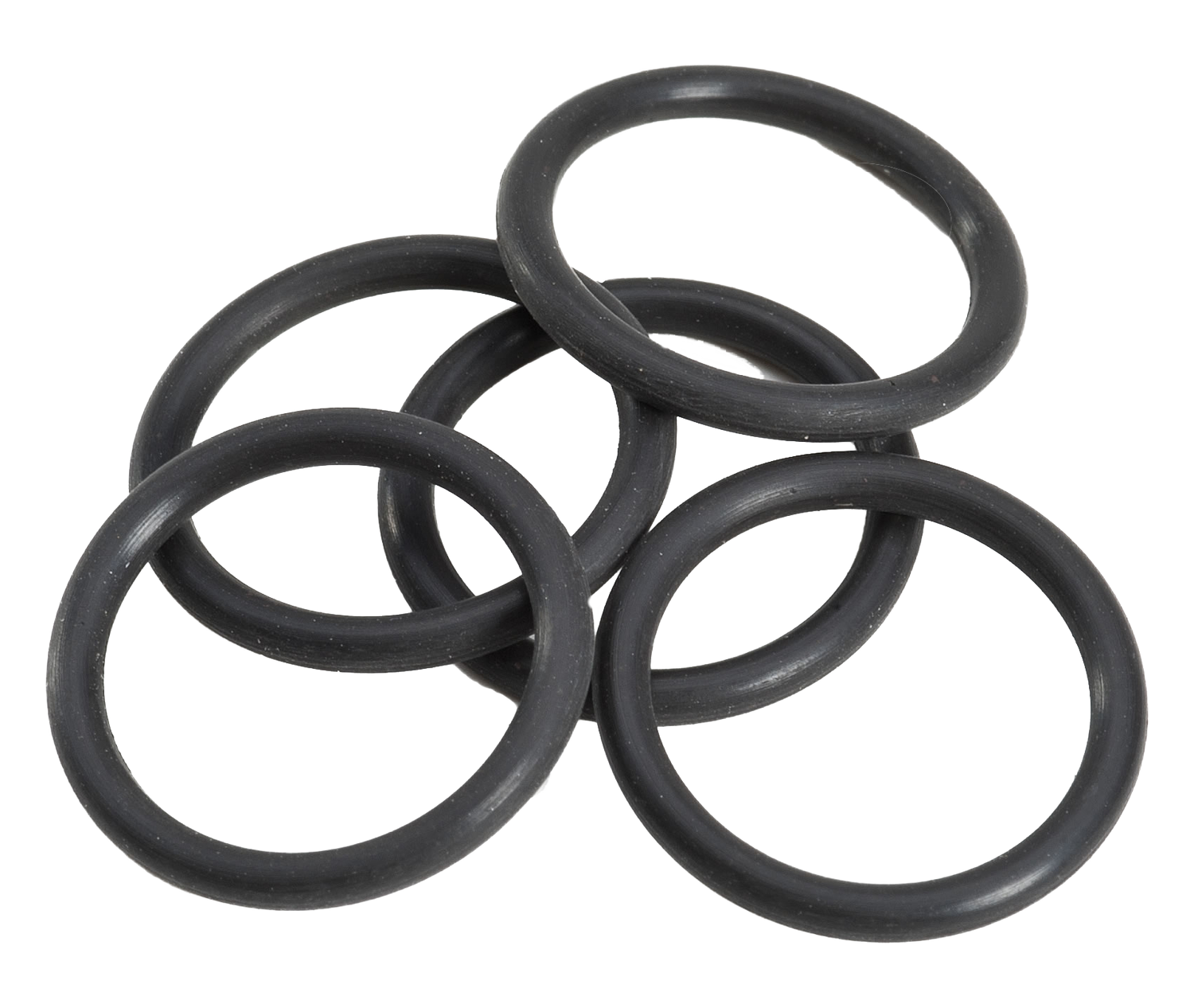
Engineering Capability: Precision Rubber Solutions for Marine Decking
Suzhou Baoshida Trading Co., Ltd. deploys a dedicated engineering cohort comprising five specialized Mold Engineers and two advanced Formula Engineers to deliver mission-critical rubber flooring solutions for demanding marine environments. This integrated team structure ensures seamless translation of client specifications into robust, high-performance boat floor products. Our Mold Engineers possess deep expertise in complex cavity design, thermal management analysis, and precision steel selection, specifically optimized for the intricate contours and non-slip patterns required in marine decking. Concurrently, our Formula Engineers focus exclusively on material science, developing proprietary elastomeric compounds that withstand the unique stresses of saltwater immersion, UV degradation, hydrocarbon exposure, and constant mechanical abrasion inherent to vessel operation. This dual-engineering approach eliminates siloed development, guaranteeing that material properties and mold geometry are co-optimized from the initial concept phase.
Material formulation is the cornerstone of our boat floor performance. Our Formula Engineers rigorously develop and validate custom rubber blends, primarily utilizing nitrile (NBR), EPDM, and specialized polyurethane systems. Key formulation objectives include achieving optimal Shore A hardness for comfort and durability, maximizing tensile and tear strength to resist cleat damage and foot traffic, and ensuring exceptional resistance to permanent set under prolonged compression from fixed equipment. Critical additives are precisely metered to provide long-term stability against ozone cracking, saltwater corrosion, and staining from common marine chemicals like diesel fuel and cleaning agents. Every compound undergoes accelerated aging protocols simulating years of marine exposure before validation.
Our OEM capability is engineered for partnership and precision. We collaborate directly with boat manufacturers during the design phase, providing DFM (Design for Manufacturability) feedback on deck layouts and integrating mounting solutions. Utilizing advanced CAD/CAM systems and in-house CNC machining, our Mold Engineers produce high-tolerance, multi-cavity molds capable of consistent production runs from 500 to 50,000+ units annually. We maintain strict ISO 9001-controlled processes for material traceability, in-process dimensional checks via CMM, and final product validation against agreed performance criteria. This end-to-end control ensures batch-to-batch uniformity essential for OEM integration and brand reputation.
The table below details core performance specifications achievable with our standard marine-grade formulations, all subject to client-specific customization:
| Property | Test Method | Typical Value Range | Target Application Benefit |
|---|---|---|---|
| Shore A Hardness | ASTM D2240 | 55 – 75 | Balance of comfort, durability, non-slip |
| Tensile Strength (MPa) | ASTM D412 | ≥ 12.0 | Resistance to tearing and impact |
| Elongation at Break (%) | ASTM D412 | ≥ 300 | Flexibility over deck contours |
| Tear Strength (kN/m) | ASTM D624 (Die B) | ≥ 25.0 | Prevention of propagating cuts |
| Saltwater Immersion (7d) | Custom Protocol | < 5% Swell, No Cracking | Long-term integrity in marine environment |
Suzhou Baoshida’s engineering synergy between mold design and material science delivers boat floor solutions where performance metrics are not merely met, but engineered into the product’s fundamental structure. We provide OEM partners with quantifiable reliability and the technical assurance required for performance-critical marine environments.
Customization Process
Drawing Analysis: The Foundation of Precision
Every successful rubber boat floor project begins with a comprehensive drawing analysis. At Suzhou Baoshida Trading Co., Ltd., we treat technical drawings as the blueprint for performance and compatibility. Upon receiving customer-provided CAD files or engineering schematics, our engineering team conducts a dimensional audit, checking for critical features such as load-bearing zones, interlocking patterns, drainage channels, and edge tolerances. We verify material thickness, surface texture requirements, and any integration points with marine hardware. This stage ensures that the rubber compound and manufacturing process will meet not only structural demands but also environmental resistance standards, including UV exposure, saltwater immersion, and thermal cycling. Our engineers collaborate directly with OEM designers to resolve ambiguities, suggest manufacturability improvements, and confirm compliance with marine safety certifications.
Formulation: Engineering Material for Marine Durability
Once the design parameters are validated, our rubber formulation specialists develop a proprietary compound tailored to the operational profile of the boat floor. We prioritize abrasion resistance, anti-slip performance, and long-term elasticity retention under dynamic loads. Our standard base includes high-density EPDM or SBR rubber, selected for superior weathering and ozone resistance. To enhance mechanical properties, reinforcing fillers such as carbon black or silica are incorporated, along with anti-aging agents and flame retardants where required. The Shore A hardness is calibrated between 60 and 80, depending on the desired balance of comfort and rigidity. Each formulation is batch-tested for tensile strength, elongation at break, and compression set in accordance with ASTM D412 and ISO 37 standards. Only after internal validation does the compound proceed to prototyping.
Prototyping: Validating Design and Material Synergy
Prototyping serves as the critical bridge between theory and production. Using precision molds fabricated in-house, we produce 1–3 functional samples of the boat floor under controlled vulcanization conditions. These prototypes undergo rigorous performance testing, including slip resistance on wet surfaces (ASTM F2913), impact absorption, and adhesion strength for multi-layer constructions. We also evaluate installation fitment with standard marine deck systems. Customers receive test data and physical samples for field evaluation. Feedback is integrated into final adjustments of both mold geometry and rubber formulation, ensuring optimal performance before scaling.
Mass Production: Consistency at Scale
With approved prototypes, we transition to mass production using automated compression or injection molding lines. Each batch is traceable, with real-time monitoring of cure time, temperature, and pressure. Final products are inspected for dimensional accuracy, surface defects, and color consistency. Packaging is customized for maritime logistics, with moisture-resistant wrapping and stackable configurations.
Typical Physical Properties of Custom Boat Floor Rubber
| Property | Test Method | Typical Value |
|---|---|---|
| Hardness (Shore A) | ASTM D2240 | 65–78 |
| Tensile Strength | ASTM D412 | ≥12 MPa |
| Elongation at Break | ASTM D412 | ≥250% |
| Tear Resistance | ASTM D624 | ≥40 kN/m |
| Compression Set (22h, 70°C) | ASTM D395 | ≤25% |
| Slip Resistance (Wet) | ASTM F2913 | ≥0.60 DCOF |
This structured approach ensures every boat floor we manufacture delivers unmatched durability, safety, and dimensional fidelity in demanding marine environments.
Contact Engineering Team

Contact Suzhou Baoshida for Engineered Marine Flooring Solutions
Suzhou Baoshida Trading Co., Ltd. specializes in the development and production of high-performance industrial rubber compounds engineered specifically for demanding marine environments. Standard rubber flooring solutions often fail under the relentless assault of saltwater immersion, UV radiation, hydrolysis, and dynamic flex fatigue inherent in boat deck applications. Our proprietary formulations address these challenges through precise molecular architecture, incorporating advanced stabilizers, ozone-resistant polymers, and optimized crosslink density. This results in flooring substrates that maintain structural integrity, slip resistance, and aesthetic stability across extended operational lifecycles, directly impacting vessel safety and reducing total cost of ownership for commercial and recreational marine manufacturers.
Our marine-grade rubber compounds undergo rigorous validation per ASTM D2000 and ISO 188 standards, simulating 10,000+ hours of accelerated seawater exposure and thermal cycling. Key performance differentiators include superior resistance to biodiesel and hydraulic fluid permeation, critical for engine room and workboat decks, alongside Shore A hardness retention within ±3 points after 500 hours of salt fog testing. We prioritize dimensional stability under thermal load, ensuring minimal shrinkage or warpage during lamination to aluminum or composite substrates—a common pain point with commodity elastomers.
The following table details critical performance metrics of our flagship marine flooring compound, BD-MarineFlex 880, benchmarked against industry-standard EPDM formulations:
| Property | Test Method | BD-MarineFlex 880 | Standard EPDM | Improvement |
|---|---|---|---|---|
| Tensile Strength (MPa) | ASTM D412 | 18.5 | 12.0 | +54% |
| Elongation at Break (%) | ASTM D412 | 480 | 320 | +50% |
| Shore A Hardness (after 500h salt fog) | ASTM D2240 | 78 | 62 | +26% stability |
| Oil Resistance (IRMOG, % vol. swell) | ASTM D471 | 8.2 | 22.5 | -63% |
| Abrasion Loss (mm³) | ASTM D5963 | 65 | 110 | -41% |
| Hydrolysis Resistance (70°C, 168h) | ISO 188 | Pass (no cracks) | Fail (cracks) | Critical |
Suzhou Baoshida operates as a strategic OEM partner, not merely a supplier. Our engineering team collaborates directly with boat manufacturers during the design phase to tailor compound properties to specific vessel operational profiles—whether high-speed patrol craft requiring impact damping or trawlers needing extreme chemical resistance. We provide full material traceability, batch-specific certification to ISO 9001:2015, and on-site technical support for lamination process optimization. This integrated approach minimizes production scrap rates and ensures seamless integration with marine adhesive systems.
For immediate technical consultation or customized compound development, contact Mr. Boyce, our dedicated OEM Manager. Mr. Boyce possesses 14 years of experience in marine elastomer applications and will initiate a needs assessment within 24 business hours of your inquiry. Provide your vessel specifications, production volume, and performance requirements to receive a formal quotation with material data sheets and processing guidelines. Do not rely on generic rubber solutions for mission-critical marine flooring—partner with an engineer who understands the physics of wave-induced deck flexure and saltwater degradation kinetics.
Reach Mr. Boyce directly at [email protected]. Include your company name, vessel type, and annual flooring requirement in the subject line for expedited routing. Suzhou Baoshida maintains ISO 17025-accredited testing facilities in Suzhou, enabling rapid prototyping and validation against your exact marine service conditions. Initiate your transition to failure-resistant marine flooring today.
⚖️ O-Ring Weight Calculator
Estimate rubber O-ring weight (Approx).