
Technical Contents
Engineering Guide: Boating Dock Bumpers

Engineering Insight: The Critical Role of Material Selection in Boating Dock Bumpers
In the marine infrastructure sector, boating dock bumpers serve as a first line of defense against kinetic impact, abrasion, and environmental degradation. While many operators opt for off-the-shelf rubber bumpers due to perceived cost efficiency, these generic solutions frequently fail under sustained operational stress. The root cause lies in inadequate material selection—a decision that must balance mechanical resilience, chemical resistance, and long-term environmental exposure.
Standard commercial bumpers are often formulated from reclaimed rubber or low-grade EPDM with inconsistent cross-linking density. These materials exhibit poor tensile strength and accelerated ozone cracking when exposed to prolonged UV radiation and saltwater immersion. Additionally, their compression set values are typically higher, meaning they lose shape recovery after repeated impacts—a critical flaw in high-traffic docking environments where consistent energy absorption is required.
At Suzhou Baoshida Trading Co., Ltd., our engineered rubber solutions begin with premium virgin polymers, specifically compounded for marine applications. We utilize high-molecular-weight neoprene (CR) and chlorosulfonated polyethylene (CSM), both of which offer superior resistance to oxidation, ozone, and hydrolytic degradation. These materials maintain elastic recovery under cyclic loading and exhibit minimal swelling when exposed to brackish or saline water conditions.
One of the most overlooked factors in bumper performance is hardness profile relative to vessel tonnage. A mismatch in Shore A hardness can lead to either excessive rebound (too hard) or permanent deformation (too soft). Our formulations are dynamically tuned using finite element analysis (FEA) to match the kinetic energy profiles of target vessels, ensuring optimal deceleration without damage to hull or dock structure.
Furthermore, off-the-shelf bumpers rarely account for installation-specific stress concentrations. Standard cylindrical or square profiles often create point-loading issues, accelerating wear at contact interfaces. Our custom-designed bumpers integrate tapered stress-relief geometries and embedded steel reinforcement sleeves, enabling uniform load distribution and secure fastening under torsional and shear forces.
The table below outlines key performance specifications of our marine-grade rubber bumpers compared to typical commercial alternatives.
| Property | Baoshida Marine-Grade Bumper | Standard Commercial Bumper |
|---|---|---|
| Base Polymer | Neoprene (CR) / CSM blend | Reclaimed EPDM / SBR blend |
| Shore A Hardness | 65–75 (adjustable) | 50–80 (inconsistent) |
| Tensile Strength | ≥25 MPa | 8–12 MPa |
| Elongation at Break | ≥450% | 200–300% |
| Ozone Resistance | Excellent (100 pphm, 40°C, 168h – no cracking) | Poor (cracking within 72h) |
| Water Absorption (24h) | ≤1.2% | ≤3.5% |
| Operating Temperature Range | -40°C to +120°C | -20°C to +80°C |
| Compression Set (70°C, 22h) | ≤20% | ≥35% |
Material selection is not a commodity decision—it is an engineering imperative. Generic bumpers may appear cost-effective initially, but their shortened service life, increased maintenance, and risk of structural damage result in higher total cost of ownership. By contrast, purpose-built rubber solutions from Suzhou Baoshida Trading Co., Ltd. deliver sustained performance, safety, and reliability in the most demanding marine environments.
Material Specifications

Material Specifications for Marine Dock Bumper Applications
Suzhou Baoshida Trading Co., Ltd. emphasizes rigorous material science in industrial rubber solutions for marine environments. Boating dock bumpers endure extreme mechanical stress, prolonged saltwater immersion, UV exposure, and chemical contact. Material selection directly impacts product longevity, safety, and operational cost. Viton (FKM), Nitrile (NBR), and Silicone (VMQ) represent three critical elastomers for this application, each with distinct molecular structures dictating performance boundaries. Understanding their thermo-mechanical and chemical resistance profiles is non-negotiable for OEMs specifying dock infrastructure.
Viton fluorocarbon rubber excels in severe chemical resistance, particularly against hydrocarbons, ozone, and marine fuels. Its carbon-fluorine backbone provides exceptional thermal stability from -20°C to 230°C, making it ideal for bumpers in fuel-handling ports or regions with high solar irradiance. However, Viton’s high raw material cost and lower elasticity versus alternatives necessitate targeted deployment where chemical exposure justifies the investment. Shore A hardness typically ranges 60–90, with tensile strength exceeding 15 MPa per ASTM D412.
Nitrile butadiene rubber offers optimal balance for general marine use. Its acrylonitrile content (typically 33–50%) governs resistance to aliphatic hydrocarbons and water absorption. NBR maintains functionality between -30°C and 120°C, with Shore A hardness of 40–90. Tensile strength (10–25 MPa) and elongation (200–500%) support energy absorption during vessel impact. Critical limitations include poor resistance to aromatic solvents, ozone cracking without additives, and gradual hardening in prolonged seawater immersion above 80°C.
Silicone rubber provides unmatched low-temperature flexibility (-60°C to 200°C) and UV/ozone stability. Its inert silica-filled matrix ensures minimal swelling in saltwater and compliance with FDA/USP Class VI standards. Shore A hardness spans 20–80, though tensile strength (5–10 MPa) is comparatively low, increasing susceptibility to tearing under sharp impacts. Silicone’s high gas permeability and vulnerability to concentrated acids limit use in chemically aggressive harbors but suit passenger terminals prioritizing aesthetics and non-marking properties.
Material Performance Comparison for Dock Bumpers
| Property | Viton (FKM) | Nitrile (NBR) | Silicone (VMQ) |
|---|---|---|---|
| Temperature Range (°C) | -20 to 230 | -30 to 120 | -60 to 200 |
| Typical Shore A Hardness | 60–90 | 40–90 | 20–80 |
| Tensile Strength (MPa) | 15–25 | 10–25 | 5–10 |
| Elongation at Break (%) | 150–300 | 200–500 | 200–800 |
| Key Resistance | Fuels, oils, ozone | Aliphatic hydrocarbons, water | UV, ozone, saltwater |
| Critical Limitation | Cost, low elasticity | Aromatics, ozone | Tear strength, acids |
OEMs must align material properties with site-specific operational profiles. Viton is mandatory for petrochemical terminals, NBR dominates cost-sensitive commercial docks with moderate chemical exposure, while Silicone serves premium recreational facilities requiring aesthetic durability. Suzhou Baoshida provides ASTM-compliant compound validation data, including accelerated seawater aging tests per ISO 188, ensuring material specifications translate to real-world resilience. Precision in Shore hardness grading and tensile retention metrics prevents under-engineering in high-impact zones. Material failure analysis remains integral to our continuous formula optimization for marine OEM partnerships.
Manufacturing Capabilities
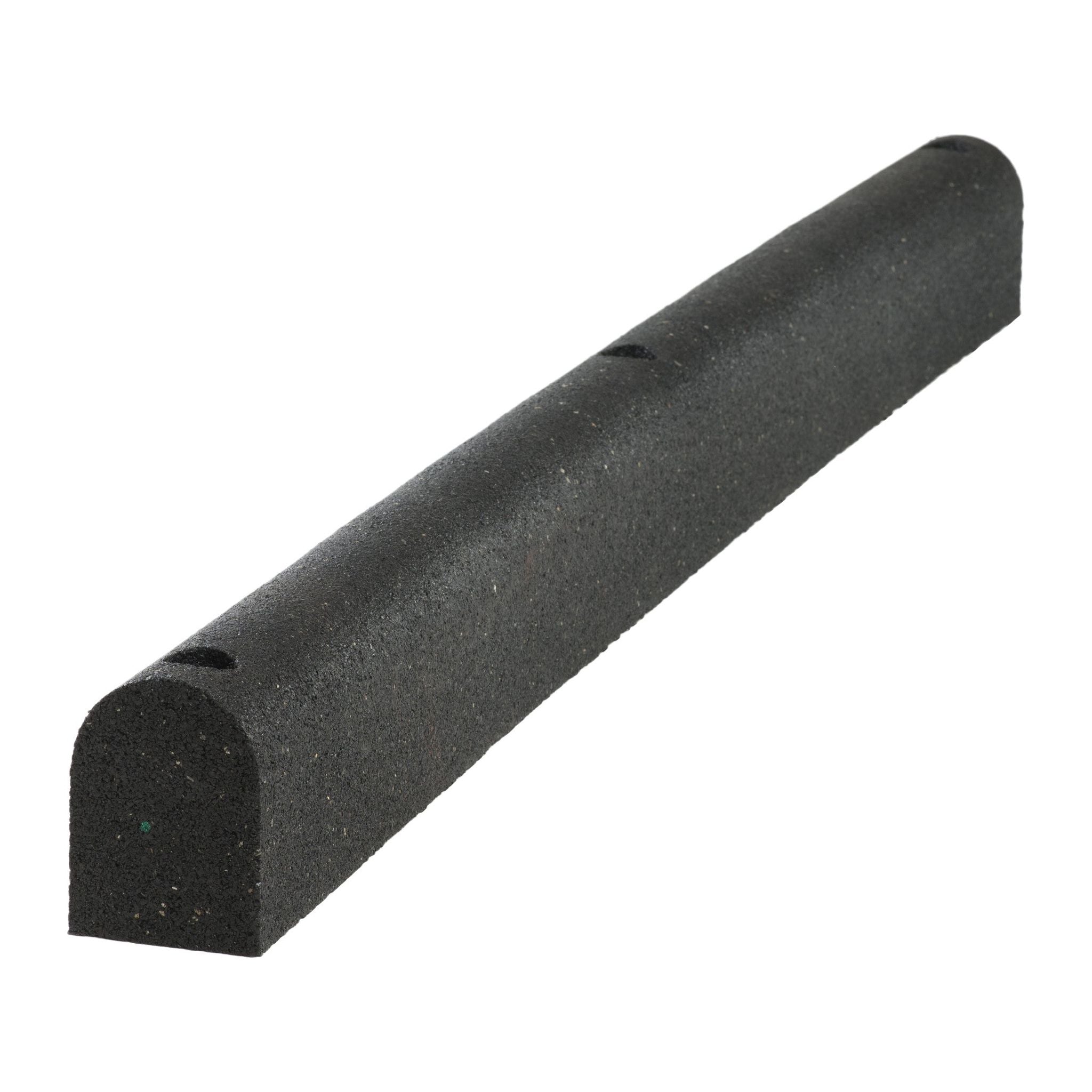
Engineering Capability: Precision-Driven Rubber Solutions for Marine Applications
At Suzhou Baoshida Trading Co., Ltd., our engineering capability is anchored in deep technical expertise and a rigorous scientific approach to industrial rubber formulation and mold design. With a dedicated team comprising five specialized mold engineers and two advanced rubber formula engineers, we deliver OEM-grade boating dock bumpers that meet exacting performance standards under dynamic marine conditions. Our integrated engineering workflow ensures that every product is optimized for impact absorption, UV resistance, ozone stability, and long-term resilience in saltwater environments.
Our formula engineers operate at the intersection of polymer science and real-world application demands. Utilizing advanced testing protocols and material characterization techniques, they develop custom EPDM, neoprene, and SBR-based compounds tailored to the mechanical and environmental stresses encountered in docking systems. Each formulation is engineered to balance Shore hardness, elongation at break, and compression set performance—critical parameters for energy dissipation and durability. Through iterative lab-scale trials and accelerated aging tests, we validate material performance across temperature ranges from -40°C to +120°C, ensuring reliability in diverse global climates.
Complementing our material science proficiency, our five mold engineers bring precision to geometry, tolerance control, and manufacturability. Employing CAD/CAM systems and finite element analysis (FEA), they design robust steel and aluminum molds that support high-volume production with minimal variance. Special attention is given to parting lines, draft angles, and gate placement to eliminate defects and ensure uniform curing. Our in-house mold-making capability allows rapid prototyping and swift design iterations, reducing time-to-market for custom OEM projects.
We specialize in full-cycle OEM development, from technical specification review to final validation. Our clients benefit from design-for-manufacturing (DFM) feedback, 3D printing of functional prototypes, and first-article inspection reports (FAIR). Whether modifying existing bumper profiles or developing novel shapes for specialized vessels, our engineering team ensures dimensional accuracy, repeatability, and compliance with international marine standards.
The following table outlines key technical specifications achievable through our engineering and production platform:
| Parameter | Standard Range | Testing Method |
|---|---|---|
| Shore A Hardness | 40–80 ±5 | ASTM D2240 |
| Tensile Strength | 8–18 MPa | ASTM D412 |
| Elongation at Break | 250–500% | ASTM D412 |
| Compression Set (22h, 70°C) | ≤25% | ASTM D395 |
| Operating Temperature | -40°C to +120°C | ISO 188 |
| UV & Ozone Resistance | Excellent (1500h QUV) | ASTM D1149 |
By integrating advanced rubber chemistry with precision mold engineering, Suzhou Baoshida delivers technically superior dock bumpers that enhance vessel protection and infrastructure longevity. Our OEM framework supports scalable, compliant, and innovation-driven manufacturing partnerships across the global marine industry.
Customization Process

Customization Process for Marine Dock Bumper Manufacturing
At Suzhou Baoshida Trading Co., Ltd., our customization process for industrial-grade boating dock bumpers integrates material science with precision engineering to deliver solutions meeting exact OEM specifications. This four-phase workflow ensures optimal performance in harsh marine environments while adhering to stringent cost and timeline requirements.
Drawing Analysis
Initial engagement begins with comprehensive CAD drawing review and load simulation. Our engineering team deconstructs client-provided schematics to identify critical stress points, environmental exposure zones, and dimensional tolerances. Finite element analysis (FEA) validates structural integrity under dynamic loads, including vessel impact forces, tidal fluctuations, and UV degradation. We cross-reference ISO 17357 marine bumper standards to confirm compliance with international safety protocols. This phase culminates in a technical feasibility report detailing material thickness adjustments, mounting interface reinforcements, and critical dimension callouts for subsequent stages.
Formulation Development
Leveraging Suzhou Baoshida’s proprietary rubber compounding expertise, we engineer formulations targeting specific marine performance criteria. Base polymers—typically EPDM or neoprene—are modified with UV stabilizers, ozone-resistant additives, and marine-grade plasticizers to prevent hardening or cracking. Shore A hardness is calibrated between 50–70 based on vessel size and docking velocity requirements. Accelerated aging tests (ASTM D573) simulate 10+ years of saltwater exposure within 72 hours. Each compound undergoes rigorous validation for tensile strength, elongation at break, and compression set per ASTM D2240/D412 standards before prototyping.
Prototyping and Validation
Functional prototypes are produced via precision compression molding using client-approved tooling. We conduct impact resistance testing at controlled velocities (0.5–2.0 m/s) per ISO 17357 Annex B, measuring energy absorption and rebound characteristics. Salt spray exposure (ASTM B117) and accelerated weathering (QUV) cycles verify long-term durability. Clients receive detailed performance dossiers including load-deflection curves and material certification reports. Iterative refinements occur within 15 business days until all specifications are met, with zero-cost modifications for first-pass deviations.
Mass Production Execution
Upon prototype approval, production transitions to our ISO 9001-certified facility with dedicated marine product lines. Real-time statistical process control (SPC) monitors durometer consistency, weight variance, and dimensional accuracy at 3-sigma levels. Each batch undergoes 100% visual inspection and randomized destructive testing. Logistics coordination includes seaworthy packaging with humidity indicators and just-in-time delivery scheduling to OEM assembly plants. Full traceability via batch-coded material certificates ensures compliance with maritime regulatory frameworks.
Critical Performance Parameters
| Parameter | Standard Marine Bumper | Suzhou Baoshida Custom Solution | Test Method |
|---|---|---|---|
| Shore A Hardness | 60 ± 5 | 55–70 (client-specified) | ASTM D2240 |
| Tensile Strength | ≥10 MPa | 12–18 MPa | ASTM D412 |
| Elongation at Break | ≥250% | 300–450% | ASTM D412 |
| Compression Set (70°C) | ≤35% | ≤25% | ASTM D395 |
| Ozone Resistance | 50 pphm, 40°C, 96h | 100 pphm, 40°C, 200h (crack-free) | ASTM D1149 |
This systematic approach minimizes time-to-market while guaranteeing bumpers withstand continuous saltwater immersion, extreme temperature cycling, and repeated high-energy impacts. Suzhou Baoshida’s OEM partnership model delivers not just components, but engineered resilience for global marine infrastructure.
Contact Engineering Team
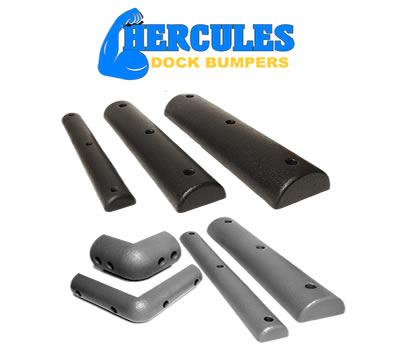
Contact Suzhou Baoshida for Premium Rubber Dock Bumpers Engineered for Marine Durability
When it comes to protecting vessels and marine infrastructure, the performance of dock bumpers is not a matter of convenience—it is a critical engineering requirement. At Suzhou Baoshida Trading Co., Ltd., we specialize in industrial rubber solutions designed for the rigorous demands of marine environments. Our dock bumpers are formulated using high-resilience synthetic rubber compounds, ensuring long-term resistance to UV exposure, saltwater corrosion, ozone degradation, and mechanical impact. As an OEM partner with over 15 years of experience in rubber extrusion, molding, and custom compounding, we deliver solutions that meet exacting international standards for safety, longevity, and performance.
We understand that every marina, shipyard, or offshore terminal has unique operational parameters. Whether you require cylindrical fenders for small craft docks or high-load rectangular bumpers for commercial berthing, our engineering team works closely with clients to tailor material hardness, dimensional tolerances, and mounting configurations. Our manufacturing process integrates precision vulcanization and rigorous quality control, ensuring consistency across production batches. All products are tested for compression set, tensile strength, and Shore A hardness to guarantee reliable energy absorption and rebound characteristics.
For technical collaboration or custom development, we invite you to contact Mr. Boyce, OEM Manager and Rubber Formula Engineer at Suzhou Baoshida Trading Co., Ltd. Mr. Boyce leads our technical client engagement team and brings extensive expertise in rubber polymer science and marine application engineering. He is available to discuss material specifications, performance testing data, sample provisioning, and scalable production timelines. Our goal is to serve as an extension of your engineering department—providing not just components, but engineered solutions backed by material science.
To initiate a technical consultation or request a sample batch for evaluation, please reach out directly via email at [email protected]. We respond to all inquiries within 12 business hours and can provide detailed CAD drawings, material certifications (including ASTM and ISO compliance), and third-party test reports upon request. For urgent project timelines, expedited sampling and rapid prototyping services are available.
Below are key technical specifications for our standard marine dock bumper series. Custom formulations can exceed these parameters based on operational requirements.
| Property | Test Method | Value |
|---|---|---|
| Hardness (Shore A) | ASTM D2240 | 60 ± 5 |
| Tensile Strength | ASTM D412 | ≥12 MPa |
| Elongation at Break | ASTM D412 | ≥250% |
| Compression Set (22h, 70°C) | ASTM D395 | ≤20% |
| Specific Gravity | ASTM D297 | 1.15 ± 0.05 |
| Tear Resistance | ASTM D624 | ≥40 kN/m |
| Operating Temperature Range | — | -30°C to +70°C |
Partner with Suzhou Baoshida to ensure your marine fendering systems are built on precision rubber engineering. Contact Mr. Boyce today at [email protected] to begin the technical dialogue.
⚖️ O-Ring Weight Calculator
Estimate rubber O-ring weight (Approx).