
Technical Contents
Engineering Guide: Boating Floor
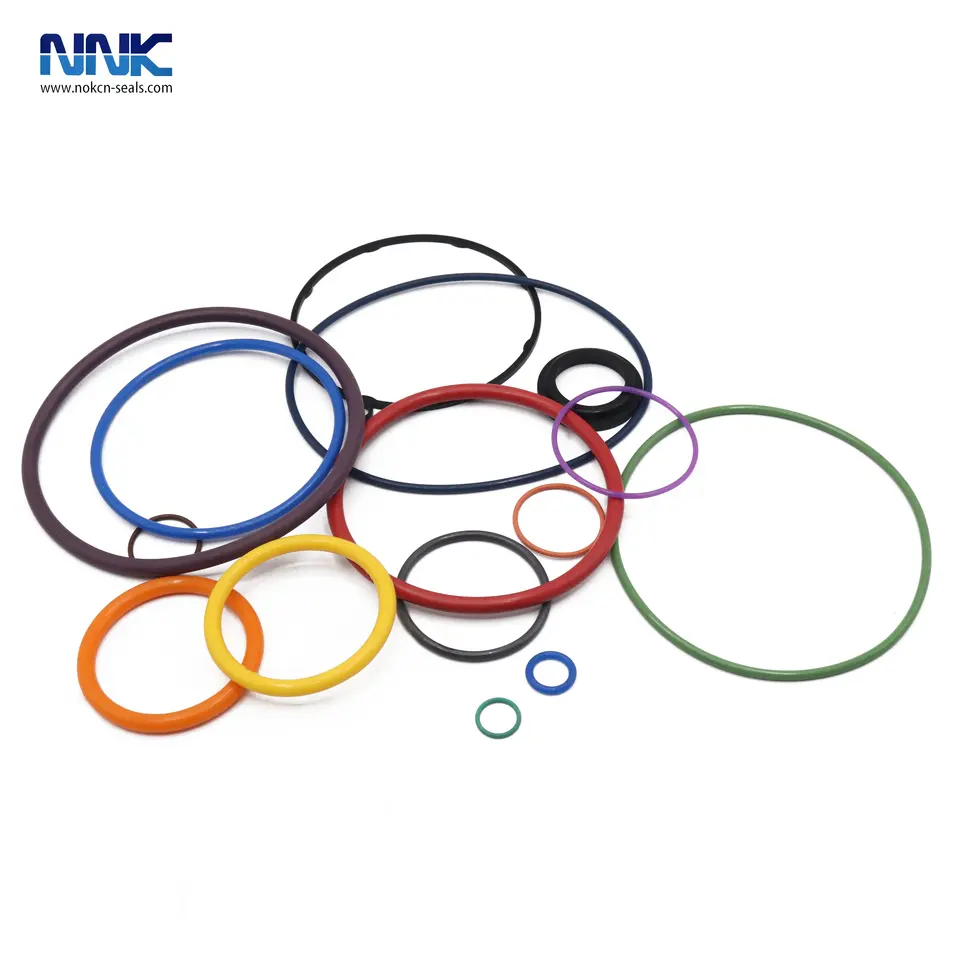
Engineering Insight: Material Science Imperatives for Marine Deck Flooring
Marine deck surfaces represent one of the most demanding applications for elastomeric materials. Exposure to continuous saltwater immersion, intense ultraviolet radiation, extreme thermal cycling, abrasive foot traffic, and petroleum-based contaminants creates a uniquely hostile environment. Generic rubber flooring solutions, often formulated for terrestrial applications like gymnasiums or warehouses, consistently fail to meet these multifaceted requirements. This failure stems from fundamental incompatibilities between standard compound formulations and the specific physicochemical stresses inherent to marine operations. Off-the-shelf products typically utilize cost-optimized base polymers with inadequate resistance to ozone cracking and UV degradation. Plasticizers commonly employed in such compounds readily leach out upon prolonged saltwater exposure, leading to catastrophic embrittlement, loss of traction, and rapid surface disintegration. Furthermore, insufficient filler systems and crosslink density result in poor abrasion resistance and high compression set, causing permanent deformation under cleated footwear and structural deck movement. The consequence for OEMs is premature product failure, increased warranty claims, reputational damage, and costly field retrofits – outcomes directly attributable to inadequate initial material selection.
The critical differentiator lies in purpose-engineered rubber compounds. Successful marine flooring requires a synergistic blend of high-purity synthetic polymers, such as specialized nitrile butadiene rubber (NBR) variants or hydrogenated nitrile (HNBR), selected for their inherent resistance to hydrolysis, oils, and ozone. Precise control over vulcanization chemistry is paramount; optimized sulfur or peroxide cure systems must deliver exceptional crosslink stability under thermal and chemical assault. Reinforcing fillers like highly dispersed silica or specialty carbon blacks are essential to achieve the necessary balance of Shore A hardness, tensile strength, and tear resistance without sacrificing flexibility. Antidegradant packages must be meticulously formulated for marine longevity, incorporating synergistic combinations of UV absorbers, hindered amine light stabilizers (HALS), and antiozonants at elevated concentrations. Crucially, the compound must maintain consistent coefficient of friction across wet/dry conditions and resist staining from common marine fluids. Below is a comparative analysis of critical performance parameters:
| Performance Parameter | Standard Off-the-Shelf Rubber | Engineered Marine Deck Compound | Test Standard |
|---|---|---|---|
| Shore A Hardness (Aged) | 55-65 (Significant Drift) | 68-72 (±3 Points) | ASTM D2240 |
| Tensile Strength Retention | < 50% (After 500h Salt Fog) | > 85% (After 1000h Salt Fog) | ASTM D471 / D573 |
| Compression Set (70°C, 22h) | > 35% | < 15% | ASTM D395 Method B |
| Abrasion Loss (DIN) | > 250 mm³ | < 120 mm³ | ISO 4649 |
| Oil Resistance (IRMOG) | Severe Swelling (>25%) | Minimal Swelling (<8%) | ASTM D471 (IRM 903) |
Generic solutions fail because they prioritize initial cost over lifecycle performance under marine-specific stressors. True material optimization requires deep formulation expertise and rigorous application-specific testing. Suzhou Baoshida Trading Co., Ltd. leverages decades of industrial rubber compounding experience to develop marine deck compounds that integrate these critical material science principles. We collaborate directly with OEMs during the design phase to ensure the selected elastomer system aligns precisely with vessel operational profiles, manufacturing processes, and longevity expectations. Proactive material engineering, not off-the-shelf compromise, is the foundation for reliable, safe, and cost-effective marine deck flooring solutions.
Material Specifications
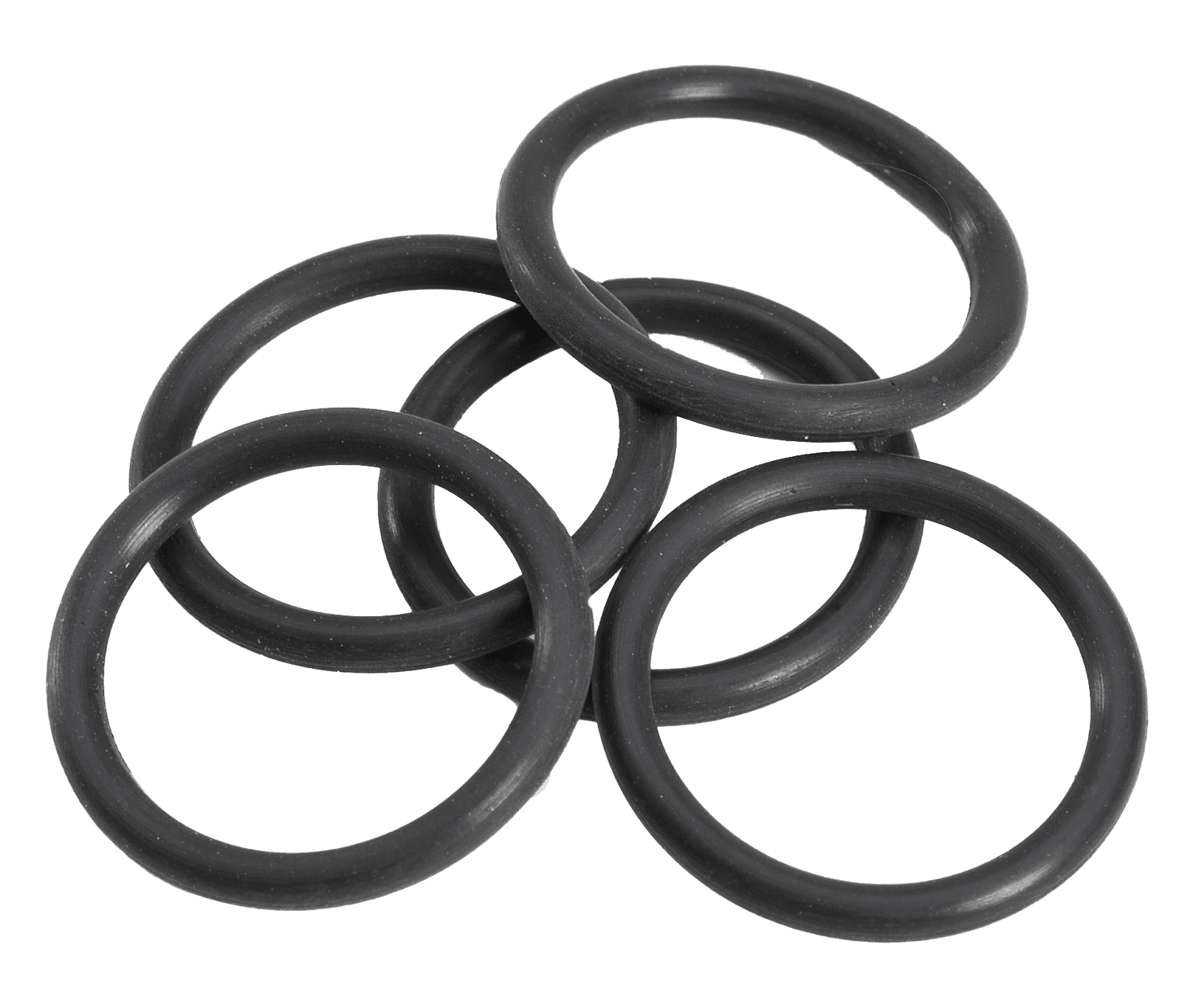
Suzhou Baoshida Trading Co., Ltd. specializes in advanced industrial rubber solutions tailored for demanding marine environments. In the production of boating floor systems, material selection is critical to ensure long-term durability, chemical resistance, and performance under dynamic mechanical and environmental stress. Three primary elastomers used in our boating floor applications are Viton (FKM), Nitrile (NBR), and Silicone (VMQ). Each offers unique performance characteristics suited to specific operational conditions.
Viton is a fluorocarbon-based rubber known for exceptional resistance to high temperatures, oils, fuels, and a wide range of aggressive chemicals. This makes it ideal for marine flooring exposed to engine fluids, saltwater, and prolonged UV radiation. With a continuous service temperature range up to 200°C (392°F), Viton maintains structural integrity in extreme heat, such as in engine compartments or under direct tropical sun exposure. However, its higher cost and lower flexibility at low temperatures must be considered in budget-sensitive or cold-climate applications.
Nitrile rubber, or Buna-N, is widely used due to its excellent resistance to petroleum-based oils and fuels, combined with good abrasion resistance and mechanical strength. It performs reliably in temperature ranges from -30°C to 105°C (-22°F to 221°F), making it suitable for general-purpose boating floors where exposure to hydraulic fluids, lubricants, and seawater is expected. While less resistant to ozone and UV degradation than Viton or Silicone, Nitrile can be compounded with stabilizers to enhance weatherability for marine use.
Silicone rubber offers superior flexibility across a broad temperature spectrum, typically from -60°C to 200°C (-76°F to 392°F), and outstanding resistance to UV light and ozone. It is non-toxic and exhibits excellent electrical insulation properties. However, Silicone has lower tensile strength and abrasion resistance compared to Viton and Nitrile, making it less suitable for high-wear walking surfaces unless reinforced or used in composite structures. Its primary advantage lies in thermal stability and aesthetic retention over time.
The following table summarizes key physical and chemical properties of these materials for boating floor applications:
| Property | Viton (FKM) | Nitrile (NBR) | Silicone (VMQ) |
|---|---|---|---|
| Temperature Range (°C) | -20 to 200 | -30 to 105 | -60 to 200 |
| Temperature Range (°F) | -4 to 392 | -22 to 221 | -76 to 392 |
| Tensile Strength (MPa) | 15–20 | 10–25 | 5–10 |
| Elongation at Break (%) | 200–300 | 250–450 | 200–600 |
| Hardness (Shore A) | 60–90 | 50–90 | 30–80 |
| Fuel/Oil Resistance | Excellent | Good to Excellent | Poor to Fair |
| UV/Ozone Resistance | Excellent | Fair | Excellent |
| Abrasion Resistance | Good | Excellent | Fair |
| Compression Set Resistance | Excellent | Good | Good |
| Typical Applications | High-performance marine decks, engine bay overlays | Walkways, fuel-handling zones | Non-load-bearing trim, seals, thermal barriers |
Material selection for boating floors must balance performance requirements with cost, processing methods, and expected service life. Suzhou Baoshida Trading Co., Ltd. provides customized formulation and manufacturing support to ensure optimal material integration for OEM and industrial clients.
Manufacturing Capabilities
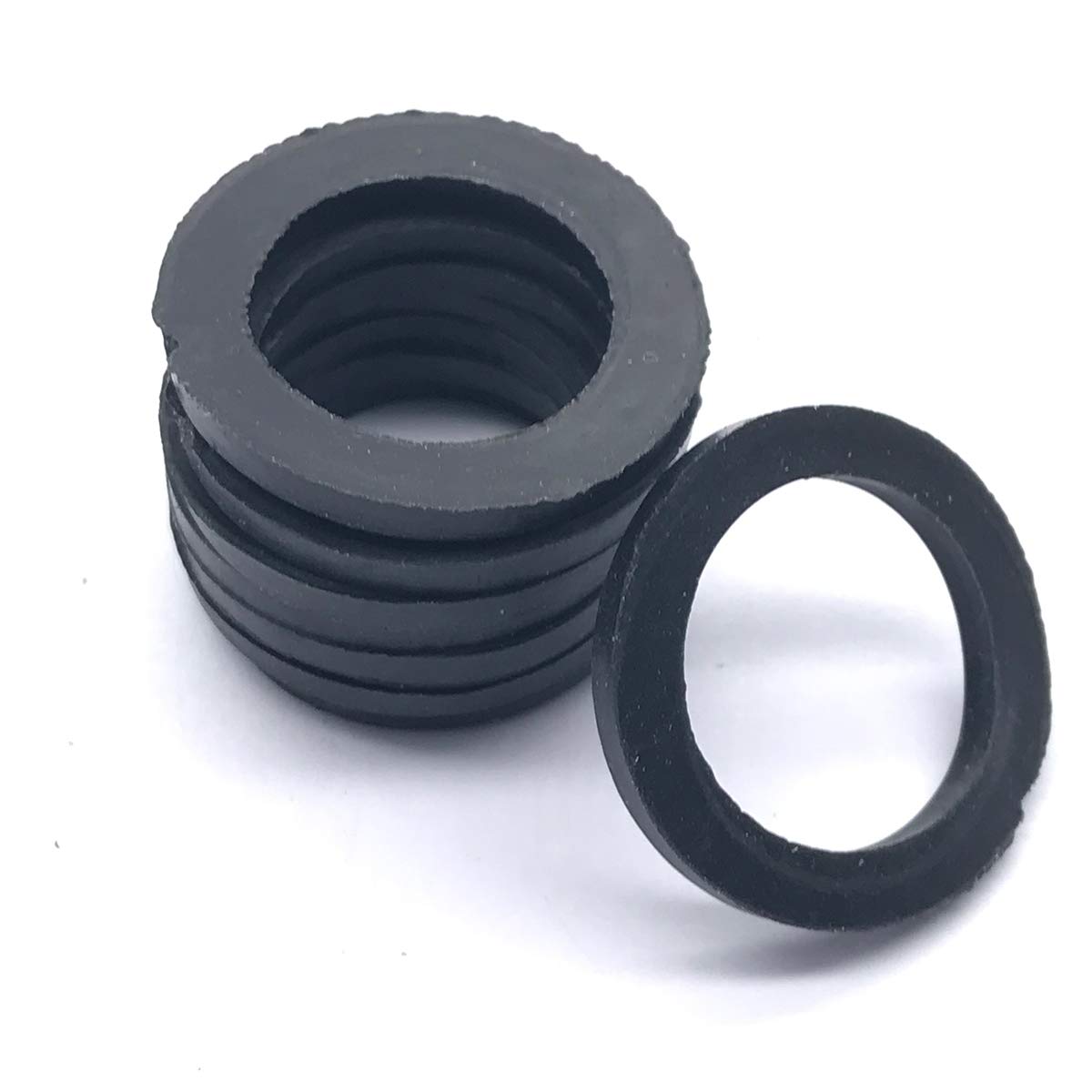
Engineering Capabilities for Marine Decking Solutions
Suzhou Baoshida Trading Co., Ltd. leverages deep expertise in industrial rubber formulation and precision tooling to deliver mission-critical boating floor systems. Our dedicated engineering cohort comprises five specialized mould engineers and two advanced rubber formula engineers, operating within an integrated R&D framework. This structure ensures seamless translation of client specifications into high-performance, marine-grade rubber decking. Our formula engineers focus exclusively on elastomer chemistry optimization for harsh aquatic environments, while mould engineers deploy computational fluid dynamics (CFD) and finite element analysis (FEA) to perfect cavity design, thermal management, and ejection dynamics. This dual-engineering synergy eliminates common interfacial failures in rubber-to-substrate bonding and dimensional instability under cyclic thermal loading.
Our OEM development process begins with rigorous material science consultation. Clients receive data-driven compound recommendations validated through ASTM D2000 and ISO 188 accelerated aging protocols. Each formulation undergoes salt fog exposure (ASTM B117), UV resistance testing per SAE J2527, and dynamic slip coefficient validation on wet surfaces. Mould engineers concurrently develop multi-cavity tooling with micro-textured surfaces for non-slip efficacy, incorporating conformal cooling channels to minimize cycle time variance below ±1.5%. All intellectual property remains under strict NDA, with prototyping cycles typically concluding within 15 business days from CAD submission.
Critical performance parameters for marine decking are non-negotiable. Below details our standard engineered compounds, each customizable for OEM volume production:
| Material Grade | Key Properties | Shore A Hardness | Tensile Strength (MPa) | Elongation at Break (%) | Specific Gravity | Abrasion Loss (mm³) |
|---|---|---|---|---|---|---|
| BD-Marine 750 | UV-stabilized EPDM, saltwater resistant | 65 ± 3 | ≥ 18.0 | ≥ 450 | 1.25 ± 0.02 | ≤ 85 |
| BD-Marine 800 | Oil/fuel resistant NBR, anti-microbial | 70 ± 3 | ≥ 20.5 | ≥ 400 | 1.30 ± 0.02 | ≤ 75 |
| BD-Marine 900 | High-damping SBR, extreme temp range | 55 ± 3 | ≥ 15.0 | ≥ 500 | 1.18 ± 0.02 | ≤ 100 |
Production scalability is engineered into every phase. Our Suzhou facility operates 12 hydraulic rubber injection presses (50–1500T clamping force) with in-line metrology for real-time thickness and durometer verification. Statistical process control (SPC) monitors critical dimensions to ±0.15mm tolerance, while automated vision systems detect surface defects at 0.05mm resolution. For large-deck OEM programs, we implement co-extrusion capabilities to integrate wear-resistant top layers with energy-absorbing cores—reducing weight by 18% versus monolithic alternatives without compromising ISO 1021-1 flammability compliance.
This vertically integrated engineering approach ensures boating floor solutions that withstand 10,000+ hours of marine exposure while meeting OEM cost-per-part targets. Clients gain full technical ownership of final designs, backed by our ISO 9001:2015-certified development workflow and lifetime material traceability. Partner with Baoshida to transform deck performance through precision rubber science.
Customization Process
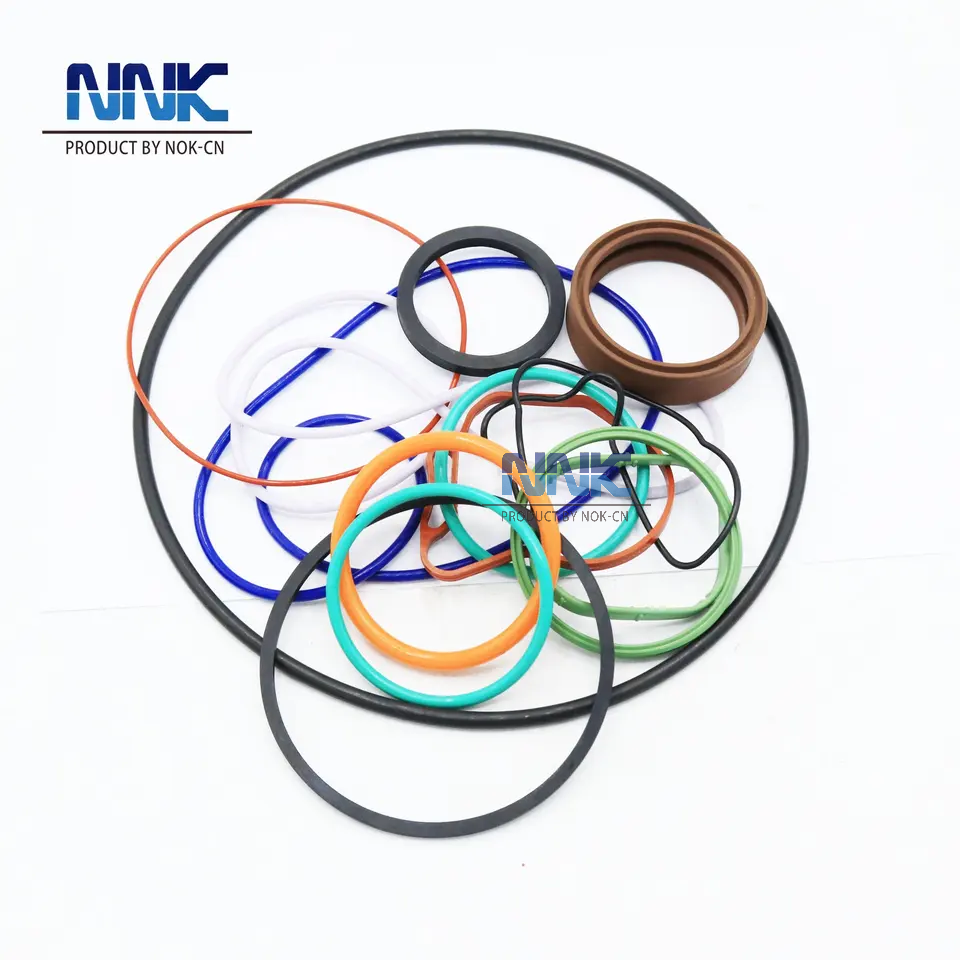
Customization Process for Boating Floor Rubber Solutions
At Suzhou Baoshida Trading Co., Ltd., our industrial rubber solutions are engineered to meet the demanding requirements of marine environments. The customization process for boating floor applications is structured to ensure precision, durability, and compliance with OEM standards. This four-phase workflow—Drawing Analysis, Formulation, Prototyping, and Mass Production—enables us to deliver high-performance rubber flooring tailored to specific vessel designs and operational conditions.
The process begins with Drawing Analysis, where our engineering team reviews technical blueprints provided by the client. We assess dimensions, load-bearing zones, drainage patterns, and installation interfaces. This stage ensures dimensional accuracy and compatibility with the vessel’s structural layout. Our engineers also evaluate environmental exposure factors such as saltwater resistance, UV stability, and temperature fluctuations, which directly influence material selection.
Following drawing validation, we proceed to Formulation Development. Our rubber chemists design a proprietary compound based on the operational profile of the boating floor. Key considerations include abrasion resistance, slip resistance, Shore hardness, and elongation at break. We primarily utilize EPDM, SBR, or NBR base polymers, reinforced with carbon black or silica, depending on the required balance between elasticity and mechanical strength. Additives such as anti-aging agents, flame retardants, and antimicrobial compounds are incorporated to enhance long-term performance in harsh marine conditions.
Once the formulation is finalized, we move into Prototyping. Using precision molds and vulcanization techniques, we produce sample flooring sections for client evaluation. These prototypes undergo rigorous in-house testing, including compression set analysis, tensile strength measurement, and slip resistance assessment under wet conditions. Feedback from the client is integrated to refine the design or compound before approval for full-scale production.
The final phase, Mass Production, leverages our automated manufacturing lines to ensure consistency and scalability. Each batch is subject to quality control checks per ISO 9001 standards, with traceability maintained through batch coding and material certifications. We support both direct molding and roll-good production formats, depending on the client’s installation preferences.
Below is a summary of typical technical specifications for our custom boating floor rubber products:
| Property | Typical Value | Test Standard |
|---|---|---|
| Shore A Hardness | 55–75 | ASTM D2240 |
| Tensile Strength | ≥10 MPa | ASTM D412 |
| Elongation at Break | ≥250% | ASTM D412 |
| Compression Set (70°C, 24h) | ≤25% | ASTM D395 |
| Slip Resistance (wet) | ≥0.8 COF (DIN 51130) | DIN 51097 / BS 7976 |
| Temperature Range | -40°C to +100°C | Internal Validation |
| Specific Gravity | 1.25–1.35 | ASTM D297 |
This systematic approach ensures that every boating floor solution we deliver meets exacting performance, safety, and durability standards in marine applications.
Contact Engineering Team
Technical Engagement for Marine Decking Excellence
Suzhou Baoshida Trading Co., Ltd. operates at the intersection of advanced polymer science and industrial manufacturing rigor, specifically engineered for the demanding marine environment. Our boating floor solutions are not generic rubber products but precision-formulated systems designed to withstand saltwater hydrolysis, UV degradation, cyclic mechanical stress, and extreme slip hazards inherent in marine operations. As your dedicated Rubber Formula Engineer and OEM Manager, I emphasize that substandard flooring compromises vessel safety, crew efficiency, and long-term operational costs. Our proprietary blends integrate high-resilience synthetic rubbers with nano-reinforced fillers, achieving optimal Shore A hardness for deck flexibility without permanent deformation. This scientific approach ensures consistent performance under dynamic load conditions, directly correlating to reduced maintenance downtime and extended product lifecycle for your end-users.
Customization is non-negotiable in marine applications. We collaborate directly with OEMs to tailor compound formulations for specific vessel types—from high-speed patrol boats requiring impact-absorbing decks to commercial fishing vessels demanding aggressive anti-slip topographies. Our engineering team utilizes accelerated aging protocols per ASTM D573 and ISO 188 to simulate 10+ years of marine exposure in controlled laboratory settings. This data-driven development process guarantees that every square meter of flooring meets or exceeds international maritime safety standards, including IMO MSC/Circ.933 for slip resistance and ISO 10218 for chemical resistance. We do not offer off-the-shelf solutions; instead, we co-engineer materials that integrate seamlessly into your manufacturing workflow, ensuring dimensional stability during curing and compatibility with adhesives used in marine assembly lines.
Critical performance parameters for our marine-grade rubber flooring are validated through third-party testing, as summarized below:
| Property | Test Standard | Typical Value | Significance for Boating Floors |
|---|---|---|---|
| Shore A Hardness | ASTM D2240 | 65–75 | Balances grip and shock absorption |
| Tensile Strength | ASTM D412 | ≥15.0 MPa | Resists tearing from cleat impacts |
| Specific Gravity | ASTM D297 | 1.35–1.45 | Optimizes weight-to-durability ratio |
| Slip Resistance (Wet) | ISO 13287 | ≥0.80 CoF | Exceeds IMO safety thresholds |
| Accelerated Aging (70°C) | ASTM D573 | ΔTensile ≤15% | Predicts 10+ year service life in tropics |
Initiate a technical partnership today to eliminate flooring as a failure point in your marine systems. Contact Mr. Boyce, our dedicated OEM Solutions Manager, for a confidential compound analysis aligned with your vessel specifications. Mr. Boyce possesses direct access to our Suzhou R&D facility’s formulation databases and pilot production lines, enabling rapid prototyping of samples within 15 business days. He will coordinate material safety data sheets (MSDS), batch traceability protocols, and joint validation testing at your preferred marine testing facility. Do not standardize on inadequate materials that risk regulatory non-compliance or field failures. Email Mr. Boyce at [email protected] with your target performance criteria, production volume, and substrate details. Specify “Boating Floor Technical Brief” in the subject line to trigger our 48-hour engineering response protocol. Suzhou Baoshida commits to delivering not just rubber, but engineered safety—where molecular integrity meets maritime reliability. Your next-generation deck solution begins with precise technical dialogue.
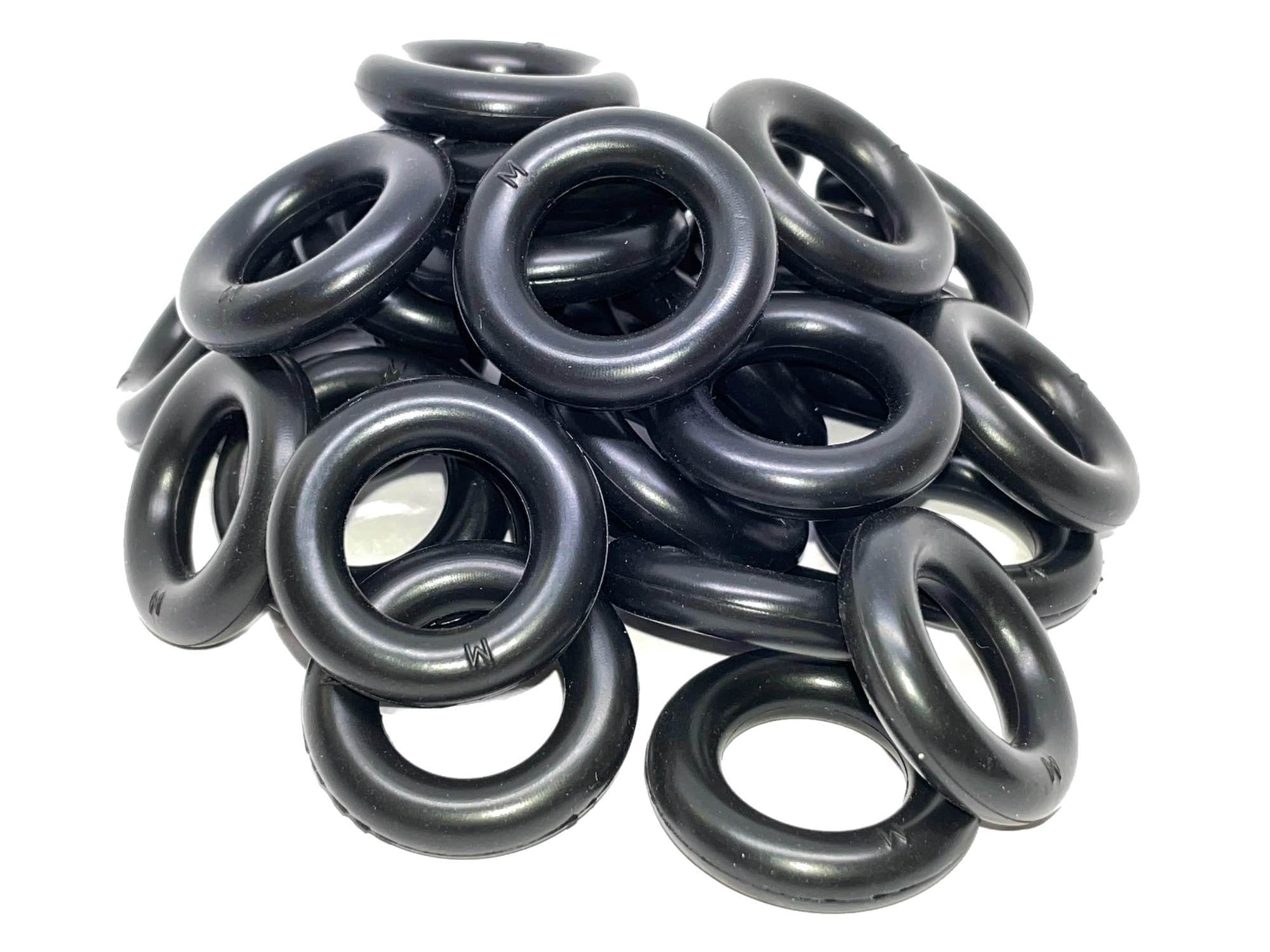
⚖️ O-Ring Weight Calculator
Estimate rubber O-ring weight (Approx).