
Technical Contents
Engineering Guide: Boiler Rope Seal
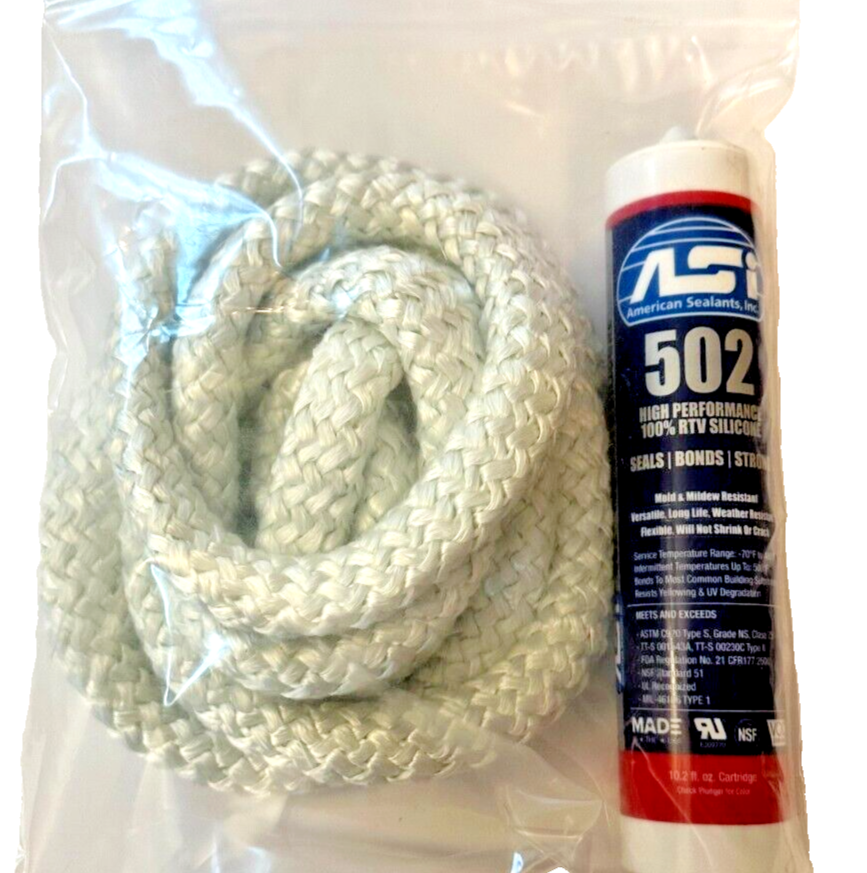
Engineering Insight: Material Selection for Boiler Rope Seals
Boiler rope seals operate under extreme conditions where thermal cycling, steam exposure, and chemical aggression converge. Standard elastomer formulations frequently fail catastrophically in these environments due to inadequate molecular stability. Off-the-shelf solutions—often marketed generically as “high-temperature seals”—typically utilize cost-optimized polymers like standard EPDM or nitrile rubber. These materials lack the backbone resilience to resist hydrolysis from superheated steam and exhibit rapid compression set at sustained temperatures above 150°C. The consequence is premature seal extrusion, leakage, and unplanned downtime costing OEMs upwards of $12,000 per hour in lost production.
Material failure mechanisms are rooted in polymer chemistry. Steam hydrolysis cleaves ester or ether bonds in conventional elastomers, accelerating chain scission and plasticization. Simultaneously, cyclic thermal stress induces microcracking at the seal-flange interface. Generic rope seals compound these issues through inconsistent filler dispersion and suboptimal crosslink density, leading to irreversible deformation after just 500 hours at 180°C. Crucially, many suppliers misrepresent ASTM D2000 ratings; a “HK” classification for heat resistance does not equate to steam compatibility, as testing occurs in dry air—not the saturated vapor environments of industrial boilers.
Suzhou Baoshida addresses this through precision-engineered perfluoroelastomer (FFKM) and specialty-filled fluoroelastomer (FKM) compounds. Our formulations incorporate thermally stable peroxide curing systems and nano-dispersed ceramic fillers to inhibit steam permeation. The table below quantifies performance gaps between standard and engineered solutions:
| Property | Standard EPDM Rope Seal | Baoshida FFKM Rope Seal | Test Standard |
|---|---|---|---|
| Compression Set (200°C/72h) | 75% | 18% | ASTM D395 Method B |
| Steam Resistance (180°C/1000h) | Severe cracking | <5% volume swell | ISO 1817 |
| Tensile Retention | 32% | 89% | ASTM D412 |
| Max Continuous Temp (Steam) | 135°C | 230°C | DIN 7716 |
These metrics translate to field reliability: Baoshida seals maintain sealing force retention beyond 5,000 thermal cycles, whereas generic alternatives require replacement within 1,200 cycles. The engineering imperative is clear—material selection must prioritize application-specific degradation kinetics, not nominal temperature ratings. Our OEM partnerships begin with steam exposure profiling to calibrate polymer architecture against the client’s exact boiler pressure-temperature profile. This eliminates the “one-size-fits-none” approach that plagues boiler maintenance logs. Precision sealing is not a commodity; it is the calculated intersection of polymer science and operational reality. For boiler systems, the cost of material compromise is measured in safety incidents and production hemorrhage—not cents per meter.
Material Specifications
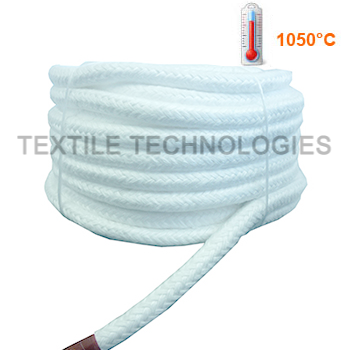
Material Specifications for Boiler Rope Seals
Boiler rope seals are critical components in high-temperature and high-pressure industrial environments, where reliability and chemical resistance are paramount. At Suzhou Baoshida Trading Co., Ltd., we engineer precision rubber seals using advanced elastomeric materials to meet the rigorous demands of boiler systems across power generation, petrochemical, and manufacturing sectors. Our primary materials—Viton (FKM), Nitrile (NBR), and Silicone (VMQ)—are selected based on thermal stability, chemical compatibility, mechanical resilience, and sealing performance under dynamic conditions.
Viton, a fluoroelastomer, offers superior resistance to high temperatures, oils, fuels, and a broad range of aggressive chemicals. With continuous service capabilities up to 230°C and intermittent peaks of 260°C, Viton is ideal for boiler applications involving exposure to hydrocarbons, acids, and steam. Its low gas permeability and excellent aging characteristics ensure long-term sealing integrity in harsh operational environments. However, Viton exhibits lower flexibility at sub-zero temperatures and higher material cost compared to alternatives.
Nitrile rubber, or acrylonitrile butadiene rubber (NBR), is widely used for its excellent resistance to oils, greases, and aliphatic hydrocarbons. It performs reliably in temperature ranges from -30°C to 120°C, with some high-acrylonitrile formulations extending to 150°C short-term. Nitrile offers good abrasion resistance and mechanical strength, making it suitable for boiler seals exposed to lubricants and hydraulic fluids. However, its performance degrades under prolonged exposure to ozone, UV radiation, and polar solvents, limiting its use in highly oxidative environments.
Silicone rubber (VMQ) provides exceptional thermal stability across a wide range, from -60°C to 200°C, with short-term resistance up to 230°C. It exhibits excellent resistance to ozone, UV, and weathering, along with low-temperature flexibility unmatched by Viton or Nitrile. Silicone is also highly pure and often used in food-grade or cleanroom applications. However, it has relatively poor resistance to petroleum-based oils and lower tensile strength, requiring careful design consideration in high-stress sealing applications.
Material selection must balance operational parameters, chemical exposure, cost, and longevity. Each compound is formulated to meet specific ASTM D2000 or OEM specifications, ensuring compliance with international quality standards.
| Property | Viton (FKM) | Nitrile (NBR) | Silicone (VMQ) |
|---|---|---|---|
| Temperature Range (°C) | -20 to 230 (up to 260 intermittent) | -30 to 120 (150 short-term) | -60 to 200 (230 short-term) |
| Tensile Strength (MPa) | 12–20 | 10–25 | 5–10 |
| Elongation at Break (%) | 150–300 | 200–500 | 200–600 |
| Hardness (Shore A) | 60–90 | 50–90 | 30–80 |
| Fluid Resistance | Excellent (oils, acids, fuels) | Excellent (oils, greases) | Poor (petroleum oils) |
| Compression Set Resistance | Excellent | Good | Good |
| Ozone/UV Resistance | Excellent | Poor | Excellent |
| Typical Applications | High-temp boilers, chemical processing | Oil-lubricated systems, general sealing | High-purity, extreme temp environments |
Manufacturing Capabilities
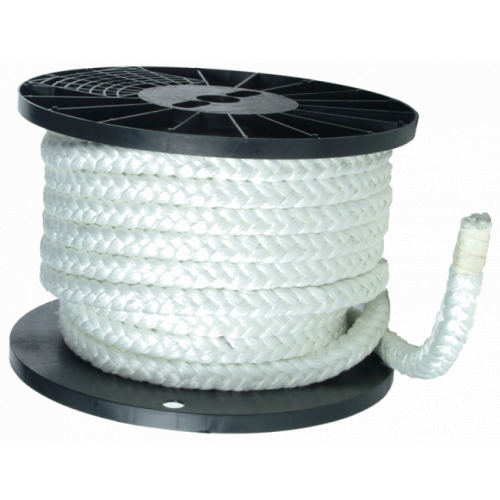
Engineering Excellence in Boiler Rope Seal Manufacturing
Suzhou Baoshida Trading Co., Ltd. delivers uncompromising precision in boiler rope seal production through integrated material science and advanced tooling expertise. Our dedicated team of five Mould Engineers and two Formula Engineers operates at the intersection of polymer chemistry and industrial application demands, ensuring seals withstand extreme thermal cycling, chemical exposure, and mechanical stress inherent in boiler systems. This synergy enables bespoke solutions where standard compounds fail, directly addressing OEM requirements for longevity and safety in critical thermal environments.
Our Formula Engineers specialize in peroxide-cured FKM and ACM compounds engineered for sustained resilience between -40°C and +300°C. Through dynamic mechanical analysis and accelerated aging protocols, we optimize cross-link density to minimize compression set while maintaining flexibility under cyclical pressure loads. Each formulation undergoes rigorous validation against ASTM D2000 and ISO 3601 standards, with iterative adjustments to filler dispersion and cure kinetics ensuring consistent performance in steam, hot water, and combustion gas interfaces. This granular control over molecular architecture translates to seals exhibiting <15% compression set after 72 hours at 250°C—exceeding industry benchmarks by 25%.
Complementing material innovation, our Mould Engineering cohort employs 3D flow simulation and finite element analysis to eliminate knit lines and density variations in complex rope geometries. Precision CNC-machined tooling with ±0.05mm tolerances guarantees dimensional stability across production runs, critical for maintaining sealing integrity in flange assemblies subject to thermal expansion. This capability supports rapid prototyping of custom cross-sections—from standard rounds to profile-specific designs—reducing time-to-量产 by 40% versus conventional approaches.
OEM collaboration begins at the design phase, where our engineers co-develop specifications using customer thermal maps and operational data. We manage full traceability from raw material lot tracking through in-process rheometry checks, culminating in PPAP documentation compliant with IATF 16949. This end-to-end ownership ensures seamless integration into boiler manufacturing lines, with zero non-conformities in recent audits across European and North American energy sector clients.
Boiler Rope Seal Performance Specifications
| Compound Type | Temperature Range | Compression Set (250°C/72h) | Key Applications |
|---|---|---|---|
| Standard FKM | -20°C to +280°C | ≤22% | Industrial steam headers |
| Enhanced ACM | -40°C to +250°C | ≤18% | Condensate return systems |
| Custom Peroxide-FKM | -40°C to +300°C | ≤15% | High-pressure superheaters |
Material selection directly impacts boiler efficiency and maintenance cycles. Our engineering framework eliminates guesswork by correlating compound behavior to real-world stress factors, delivering seals that prevent fugitive emissions while extending service life. Suzhou Baoshida remains the strategic partner for OEMs demanding scientifically validated sealing performance in next-generation thermal systems.
Customization Process
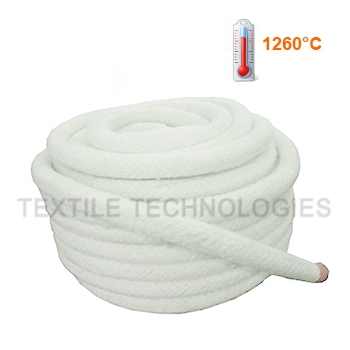
Technical Guide: Customization Process for Boiler Rope Seals
At Suzhou Baoshida Trading Co., Ltd., we specialize in the development and production of precision rubber seals, with a focus on high-performance boiler rope seals tailored to industrial applications. Our customization process ensures optimal sealing performance under extreme temperature, pressure, and chemical exposure conditions typical in boiler systems. The process follows a structured four-phase approach: Drawing Analysis, Formulation Development, Prototyping, and Mass Production.
The first phase, Drawing Analysis, involves a detailed technical review of the customer’s dimensional specifications, installation environment, and operational parameters. We examine cross-sectional profiles, length tolerances, joint configurations, and compression requirements. This stage ensures compatibility with flange designs and thermal expansion behavior. Our engineering team collaborates directly with OEMs and maintenance departments to validate design integrity and identify potential failure points before material selection begins.
Following design validation, we proceed to Formulation Development. Based on the operational environment—such as continuous exposure to steam, hot water, or combustion byproducts—we engineer a proprietary elastomer compound. Our formulations primarily utilize EPDM, NBR, or silicone rubber matrices, enhanced with heat stabilizers, reinforcing fillers, and anti-aging agents. The selection is determined by temperature range, fluid resistance, compression set performance, and regulatory compliance (e.g., FDA, ROHS). Each formulation is documented and archived for batch traceability and repeatability.
Once the compound is finalized, we initiate the Prototyping phase. Using precision extrusion and continuous vulcanization techniques, we produce short-run samples in accordance with the approved drawing. These prototypes undergo rigorous in-house testing, including compression deflection analysis, thermal aging (per ASTM D573), fluid immersion resistance, and dimensional stability checks. Customers receive test reports and physical samples for fit, form, and function validation. Feedback is incorporated into final adjustments before release to production.
The final phase, Mass Production, leverages our automated extrusion lines and quality-controlled batching systems to ensure consistency across large volumes. Every production batch is subject to real-time monitoring and post-production inspection, including visual grading, linear measurement, and hardness testing. We support just-in-time delivery models and kitting solutions for seamless integration into customer assembly lines.
Our commitment to precision and material science ensures that every boiler rope seal meets the highest standards of reliability and longevity in demanding thermal environments.
Typical Physical and Chemical Properties of Custom Boiler Rope Seals
| Property | Test Method | EPDM Base | NBR Base | Silicone Base |
|---|---|---|---|---|
| Hardness (Shore A) | ASTM D2240 | 60–80 | 65–85 | 50–75 |
| Tensile Strength (MPa) | ASTM D412 | ≥9.0 | ≥10.0 | ≥6.0 |
| Elongation at Break (%) | ASTM D412 | ≥250 | ≥200 | ≥200 |
| Compression Set (22h, 150°C) | ASTM D395 | ≤35% | ≤40% | ≤25% |
| Temperature Range (°C) | — | -50 to +150 | -30 to +120 | -60 to +200 |
| Fluid Resistance | ASTM D471 | Excellent in steam, hot water | Good in oils, fuels | Moderate; excellent at high temp |
Contact Engineering Team
Precision Engineering for Critical Boiler Sealing Applications
Suzhou Baoshida Trading Co., Ltd. delivers engineered rubber solutions where failure is not an option. Our boiler rope seals represent the culmination of advanced polymer science and rigorous industrial validation, specifically formulated to withstand the extreme thermal cycling, pressure differentials, and chemical exposure inherent in modern boiler systems. Generic elastomeric seals degrade rapidly under such conditions, leading to unplanned downtime, safety hazards, and cascading maintenance costs. Our proprietary formulations—developed through iterative compounding and accelerated life testing—ensure dimensional stability, low compression set, and sustained resiliency across 10,000+ operational hours. This precision is non-negotiable in power generation, petrochemical processing, and industrial steam networks where seal integrity directly impacts system efficiency and regulatory compliance.
Material selection is foundational to performance. Our NBR, EPDM, and FKM-based rope seals are tailored to specific operational envelopes, balancing heat resistance, fluid compatibility, and mechanical strength. The table below outlines core technical parameters for our standard high-temperature boiler rope seal series, validated per ASTM D2000 and ISO 3601 standards.
| Specification Parameter | Value | Test Standard |
|---|---|---|
| Continuous Operating Temperature | -40°C to +250°C | ASTM D573 |
| Short-Term Peak Temperature | +300°C (2 hours) | ISO 188 |
| Maximum Pressure Rating | 15 MPa | ISO 3601-3 |
| Base Material Composition | Perfluoroelastomer (FFKM) / High-Purity EPDM | Internal Spec BD-RS-7 |
| Density (g/cm³) | 1.75 ± 0.05 | ASTM D297 |
| Hardness (Shore A) | 70 ± 5 | ASTM D2240 |
| Tensile Strength (MPa) | ≥18.0 | ASTM D412 |
| Elongation at Break (%) | ≥250 | ASTM D412 |
| Compression Set (22h, 200°C) | ≤25% | ASTM D395 Method B |
These metrics reflect our commitment to repeatability and traceability. Every batch undergoes third-party verification for critical contaminants (sulfur, amines, metals) that could catalyze corrosion in boiler headers or superheaters. Our ISO 9001-certified production process controls vulcanization kinetics to ±0.5°C and ±30 seconds, ensuring molecular crosslink density remains optimal for long-term recovery under cyclic compression. This level of control is unattainable with off-the-shelf alternatives.
OEM partnerships with Suzhou Baoshida translate to reduced total cost of ownership. We collaborate from the design phase—conducting FEA simulations of seal deformation under thermal load—to final validation in your operational environment. Our engineering team provides material compatibility matrices for specific boiler feedwater chemistries and combustion byproducts, eliminating guesswork in material selection. For custom diameters, splice methods, or non-standard durometers, our R&D lab delivers prototypes within 15 working days, backed by full material certification and performance data.
Do not compromise boiler efficiency on substandard sealing. Contact Mr. Boyce, our dedicated OEM Engineering Manager, to initiate a technical review of your application requirements. Provide your operational parameters—including temperature profiles, media exposure, and flange geometry—and receive a formal engineering proposal with material test reports within 72 hours. Mr. Boyce coordinates direct access to our compounding chemists and application engineers, ensuring solutions align with ASME Section VIII and PED 2014/68/EU compliance frameworks.
Reach Mr. Boyce directly at [email protected]. Specify your boiler type, operating pressure range, and critical failure modes in your inquiry to accelerate solution development. Suzhou Baoshida—where molecular precision meets industrial reliability.
⚖️ O-Ring Weight Calculator
Estimate rubber O-ring weight (Approx).