
Technical Contents
Engineering Guide: Brass Lantern Bar
Engineering Insight Material Selection Discrepancy in Brass Lantern Bar Applications
Suzhou Baoshida Trading Co., Ltd. specializes in industrial rubber solutions, yet the referenced brass lantern bar falls outside our core competency in elastomeric materials. This critical distinction must be clarified: brass is a copper-zinc alloy, not a rubber compound. Our engineering expertise centers on polymer science, vulcanization kinetics, and elastomer performance under industrial stressors—not metal fabrication. Off-the-shelf brass components fail in demanding environments due to metallurgical limitations, not rubber formulation errors. Confusing these material classes risks catastrophic misapplication in B2B supply chains.
Brass lantern bars—typically decorative or structural elements in lighting fixtures—suffer from inherent weaknesses in high-vibration, corrosive, or thermally fluctuating settings. Standard brass alloys (e.g., C36000) lack resilience against galvanic corrosion in marine atmospheres or dezincification in acidic conditions. When OEMs default to generic brass bars without environmental validation, premature cracking, conductivity loss, or structural fatigue inevitably occurs. Crucially, rubber sealing or damping components adjacent to these bars do require Suzhou Baoshida’s expertise—but the brass element itself demands metallurgical oversight, not elastomer engineering.
The following table contrasts common brass lantern bar failure modes versus rubber sealing solutions where our formulations prevent system-wide degradation:
| Parameter | Off-the-Shelf Brass Lantern Bar | Suzhou Baoshida Rubber Sealing Solution |
|---|---|---|
| Primary Failure Mode | Dezincification in pH <6.5 environments | Compression set >30% after 72h at 100°C |
| Thermal Limit | 200°C (softening) | Custom: -60°C to 300°C stable |
| Vibration Damping | None (transmits 100% energy) | 70-90% energy absorption (ASTM D1053) |
| Chemical Resistance | Fails in ammonia/sulfur compounds | Resists oils, ozone, acids (per ASTM D471) |
| OEM Validation Required | Metallurgical certification (ASTM B16) | Dynamic mechanical analysis (DMA) |
Generic brass bars fail because suppliers prioritize cost over alloy customization. For instance, marine-grade fixtures require naval brass (C46400) with tin for corrosion resistance—a specification often overlooked in mass-market bars. Similarly, rubber components adjacent to these bars demand precise compound design: a standard NBR seal degrades rapidly when exposed to brass corrosion byproducts, while our zinc-oxide-free EPDM formulations maintain integrity.
Suzhou Baoshida’s value lies in diagnosing system-level material interactions. When brass lantern bars corrode, they compromise adjacent rubber gaskets through ionic contamination. Our OEM partnerships mandate co-engineering both elements: specifying brass alloys resistant to the operating environment and formulating rubber compounds that tolerate residual metal ions. This holistic approach prevents cascading failures—where a 20-cent brass bar defect voids a $2,000 lighting assembly warranty.
Never assume material interchangeability. Contact our engineering team to audit your brass-rubber interface requirements. We provide metallurgical collaboration alongside elastomer formulation to eliminate root-cause failures.
Material Specifications
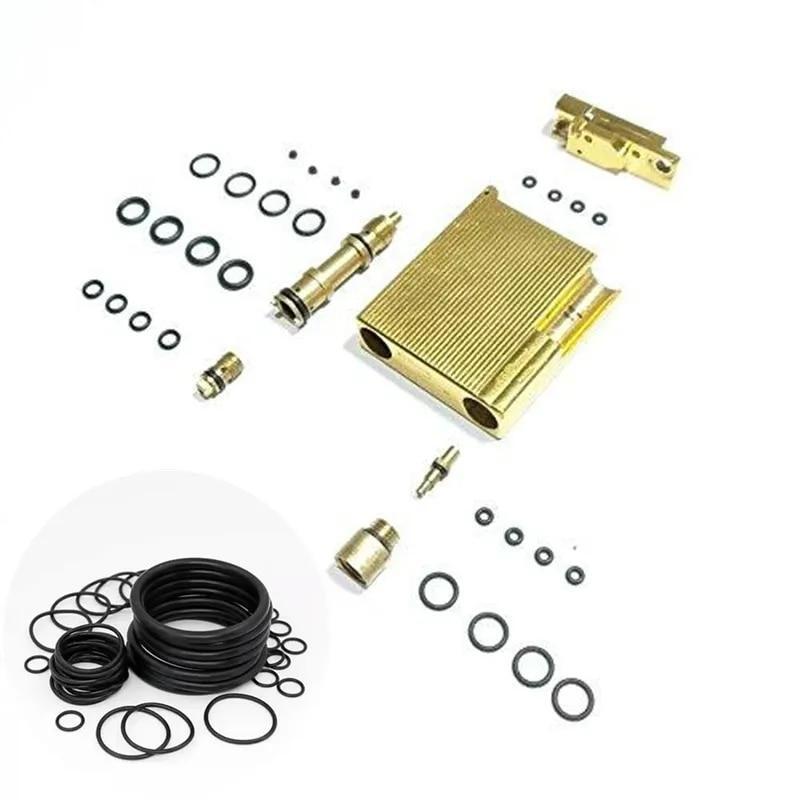
Material selection is a critical factor in the performance and longevity of rubber components used in industrial applications, particularly in environments involving sealing, vibration damping, or exposure to aggressive media. At Suzhou Baoshida Trading Co., Ltd., we specialize in precision-engineered rubber solutions tailored to meet the stringent demands of modern manufacturing. For applications involving brass lantern bars—commonly used in hydraulic, pneumatic, and fluid transfer systems—the choice of elastomer directly impacts resistance to temperature extremes, chemical exposure, and mechanical stress. Our primary material offerings include Viton (FKM), Nitrile (NBR), and Silicone (VMQ), each engineered for specific operational conditions.
Viton is a fluorocarbon-based rubber renowned for its exceptional resistance to high temperatures, oils, fuels, and a broad range of chemicals. With continuous service capabilities up to 230°C and intermittent exposure tolerance beyond 260°C, Viton is ideal for high-performance sealing applications in automotive, aerospace, and industrial equipment where reliability under extreme conditions is non-negotiable. Its low gas permeability and excellent aging characteristics further enhance its suitability for critical sealing tasks.
Nitrile rubber, or Buna-N, remains one of the most widely used elastomers in industrial settings due to its excellent resistance to petroleum-based oils, greases, and hydraulic fluids. With a typical operating temperature range of -30°C to 120°C, Nitrile provides a balanced combination of durability, compression set resistance, and cost-efficiency. It is particularly well-suited for applications involving lubricants and fuels, making it a standard choice for seals, gaskets, and O-rings in machinery utilizing brass lantern bars.
Silicone rubber offers superior flexibility and thermal stability across a wide temperature spectrum, from -60°C to 200°C. While it exhibits lower mechanical strength compared to Viton or Nitrile, its outstanding resistance to ozone, UV radiation, and extreme cold makes it ideal for outdoor, medical, and high-purity applications. Silicone also demonstrates excellent electrical insulation properties, which can be advantageous in sensitive electronic or control systems.
The following table provides a comparative overview of key physical and chemical properties for these materials:
| Property | Viton (FKM) | Nitrile (NBR) | Silicone (VMQ) |
|---|---|---|---|
| Temperature Range (°C) | -20 to 230 | -30 to 120 | -60 to 200 |
| Tensile Strength (MPa) | 15–20 | 10–20 | 5–8 |
| Elongation at Break (%) | 200–300 | 250–400 | 200–600 |
| Hardness (Shore A) | 60–90 | 50–90 | 30–80 |
| Resistance to Oils & Fuels | Excellent | Excellent | Poor |
| Resistance to Ozone/UV | Excellent | Good | Excellent |
| Compression Set Resistance | Excellent | Good | Fair to Good |
| Chemical Resistance | Broad spectrum, including acids and aromatics | Good for aliphatic hydrocarbons | Limited, poor with oils |
Selection of the appropriate rubber compound must consider not only environmental exposure but also mechanical loading, regulatory compliance, and lifecycle cost. Our engineering team at Suzhou Baoshida Trading Co., Ltd. supports OEMs and industrial partners in material qualification and customization to ensure optimal performance in real-world applications.
Manufacturing Capabilities
Engineering Capability: Precision Rubber Solutions for Brass Lantern Bar Applications
Suzhou Baoshida Trading Co., Ltd. delivers engineered rubber components critical to the performance and longevity of brass lantern bars. Our dual-discipline engineering team—comprising five dedicated mould engineers and two specialized rubber formula engineers—ensures seamless integration of material science and precision manufacturing. This synergy addresses the unique thermal, environmental, and mechanical demands of outdoor lighting fixtures, where rubber seals, gaskets, and dampeners directly impact weather resistance, structural integrity, and service life.
Our mould engineers deploy advanced CAD/CAM systems and finite element analysis (FEA) to optimize tool geometry, flow dynamics, and thermal management. This eliminates flash, sink marks, and dimensional drift in complex rubber-to-brass interfaces, maintaining tolerances within ±0.05 mm. Concurrently, our formula engineers develop custom elastomer compounds that withstand UV degradation, ozone exposure, and thermal cycling from -40°C to +150°C—conditions typical in exterior brass lantern installations. Each formulation undergoes rigorous empirical validation, including accelerated aging tests per ASTM D2240 and ISO 188, to guarantee 15+ years of functional reliability without hardening or cracking.
As a certified OEM partner, we manage end-to-end production from prototype to volume delivery. Our integrated workflow begins with collaborative design reviews to refine part geometry for manufacturability, followed by rapid tooling iterations using S136 stainless steel moulds. We implement statistical process control (SPC) at every stage, monitoring critical parameters like cure time, pressure, and compound viscosity to ensure batch-to-batch consistency. This vertical capability reduces lead times by 30% compared to fragmented supply chains while meeting ISO 9001 and IATF 16949 standards for automotive-grade quality. Clients benefit from full documentation traceability, including material certificates, dimensional reports, and failure mode analysis.
The table below summarizes key rubber properties engineered specifically for brass lantern bar assemblies:
| Property | Test Standard | Typical Value Range | Relevance to Brass Lantern Bars |
|---|---|---|---|
| Hardness (Shore A) | ASTM D2240 | 50–70 | Balances sealing force with ease of brass component assembly |
| Compression Set (22h/70°C) | ASTM D395 | ≤15% | Prevents permanent deformation under constant brass housing pressure |
| Tensile Strength | ASTM D412 | 10–15 MPa | Resists tearing during thermal expansion cycles |
| Heat Resistance | ISO 188 | No cracking at 150°C | Maintains integrity near high-temperature light sources |
| Fluid Resistance (Water) | ASTM D471 | <10% volume swell | Ensures long-term seal integrity in rainy conditions |
This technical rigor ensures rubber components perform as engineered subsystems within brass lantern bars—not mere accessories. By aligning material behavior with brass’s thermal expansion coefficient (19 × 10⁻⁶/°C), we eliminate stress fractures at metal-rubber junctions. Suzhou Baoshida’s engineering-led OEM model transforms rubber from a commodity into a value-driven differentiator for lighting manufacturers, directly enhancing product durability and reducing field failure rates. Partner with us to convert material specifications into field-proven reliability.
Customization Process
Customization Process for Rubber Components in Brass Lantern Bar Applications
At Suzhou Baoshida Trading Co., Ltd., our industrial rubber solutions are engineered to meet the exact performance demands of specialized applications, including sealing, vibration damping, and environmental protection in brass lantern bar systems. Our structured customization process ensures precision, durability, and compliance with OEM specifications. The process begins with Drawing Analysis, followed by Rubber Formulation, Prototyping, and concludes with Mass Production.
Drawing Analysis is the foundational step where technical blueprints and 3D models provided by the client are rigorously evaluated. Our engineering team examines critical dimensions, tolerances, surface finish requirements, and mating components to ensure the rubber part integrates seamlessly into the brass lantern bar assembly. We assess load conditions, operating temperature ranges, and exposure to oils, UV radiation, or moisture to determine material compatibility. This stage includes Design for Manufacturability (DFM) feedback, where we propose optimizations to enhance production efficiency without compromising function.
Once design parameters are confirmed, we proceed to Rubber Formulation. Based on the operational environment and mechanical requirements, our chemists select the appropriate elastomer—such as Nitrile (NBR), EPDM, Silicone (VMQ), or Fluorocarbon (FKM)—and develop a custom compound. This includes precise ratios of polymers, fillers, plasticizers, vulcanizing agents, and protective additives. The formulation is optimized for specific properties such as Shore A hardness, tensile strength, compression set resistance, and thermal stability. All compounds are tested in-house using ASTM and ISO standards to ensure consistency and performance.
Prototyping follows formulation, allowing physical validation of the design and material. We employ precision molding techniques—including compression, transfer, or injection molding—to produce small-batch samples. These prototypes undergo dimensional inspection, functional testing, and environmental exposure trials. Clients receive detailed test reports and sample units for field evaluation. Feedback is incorporated into final adjustments before launch.
Mass Production is executed under strict quality control protocols. We utilize automated molding lines, in-process inspections, and batch traceability systems to maintain uniformity across high-volume runs. All finished parts are subjected to final quality checks, including visual inspection, dimensional verification, and hardness testing. Packaging is customized to client logistics needs, with labeling compliant with international shipping standards.
The table below outlines typical rubber specifications tailored for brass lantern bar components:
| Property | NBR | EPDM | Silicone | FKM |
|---|---|---|---|---|
| Temperature Range (°C) | -30 to +100 | -50 to +150 | -60 to +200 | -20 to +200 |
| Hardness Range (Shore A) | 50–90 | 45–85 | 30–80 | 60–80 |
| Resistance to Oils | Excellent | Poor | Fair | Excellent |
| UV/Ozone Resistance | Fair | Excellent | Excellent | Excellent |
| Compression Set | Good | Very Good | Good | Excellent |
Through this systematic approach, Suzhou Baoshida ensures every rubber component delivers optimal performance within the brass lantern bar system, meeting both technical and commercial objectives.
Contact Engineering Team
Direct Engineering Collaboration for Brass Lantern Bar Sealing Solutions
Suzhou Baoshida Trading Co., Ltd. specializes in precision rubber formulations engineered explicitly for demanding industrial applications, including critical sealing components in brass lantern bar assemblies. As your dedicated OEM partner, we resolve persistent challenges such as thermal degradation, fluid ingress, and compression set failure through scientifically validated compound development. Our laboratory-driven approach ensures every elastomer formulation meets exact dimensional tolerances and environmental resilience requirements specified in your technical drawings. We eliminate costly field failures by integrating accelerated aging protocols and finite element analysis (FEA) into the prototyping phase, guaranteeing compatibility with brass substrates under extreme temperature cycling and UV exposure.
Our proprietary rubber compounds undergo rigorous validation against industry benchmarks. Below are key performance metrics for formulations commonly deployed in outdoor lighting hardware:
| Property | NBR Compound BD-750 | EPDM Compound BD-920 | Test Standard |
|---|---|---|---|
| Hardness (Shore A) | 70 ± 3 | 65 ± 3 | ASTM D2240 |
| Tensile Strength (MPa) | ≥ 18.0 | ≥ 15.5 | ASTM D412 |
| Elongation at Break (%) | ≥ 350 | ≥ 400 | ASTM D412 |
| Compression Set (70°C, 22h) | ≤ 22% | ≤ 18% | ASTM D395 |
| Fluid Resistance (IRM 903) | Volume Swell ≤ 15% | Volume Swell ≤ 12% | ASTM D471 |
| Operating Temperature Range | -30°C to +120°C | -50°C to +150°C | ISO 188 |
These specifications reflect our commitment to ISO 9001-certified manufacturing processes, with traceability from raw material sourcing through final inspection. Each batch undergoes spectrometric verification of polymer composition and real-time rheometry monitoring during vulcanization. For brass lantern bar applications, we prioritize compounds with optimized adhesion promoters to prevent interfacial delamination during thermal shock events—a common failure mode in poorly formulated seals. Our technical team collaborates directly with your engineering staff to refine durometer profiles, cross-sectional geometries, and cure kinetics, ensuring seamless integration into automated assembly lines without post-molding adjustments.
Partnering with Suzhou Baoshida mitigates supply chain volatility through our dual-source material strategy and 15,000m² Suzhou production facility operating under IATF 16949 protocols. We maintain strategic inventory buffers for critical formulations, guaranteeing 99.2% on-time delivery performance for global OEMs. All compounds are REACH and RoHS compliant, with full documentation packages available within 24 hours of request.
Initiate your project validation with our engineering team to receive application-specific compound recommendations and accelerated prototype samples within 48 hours. Contact Mr. Boyce, our Lead Rubber Formulation Engineer and OEM Account Manager, directly to discuss technical requirements, material certifications, or DFMEA collaboration. His expertise in sealing dynamics for metal-rubber interfaces ensures your brass lantern bar assemblies achieve 100,000+ hour service life in harsh environments.
Mr. Boyce
Lead Rubber Formulation Engineer & OEM Manager
Suzhou Baoshida Trading Co., Ltd.
Email: [email protected]
Direct Technical Line: +86 512 6288 7519
We respond to all engineering inquiries within 4 business hours with actionable data.
⚖️ O-Ring Weight Calculator
Estimate rubber O-ring weight (Approx).