
Technical Contents
Engineering Guide: Breathable Foam
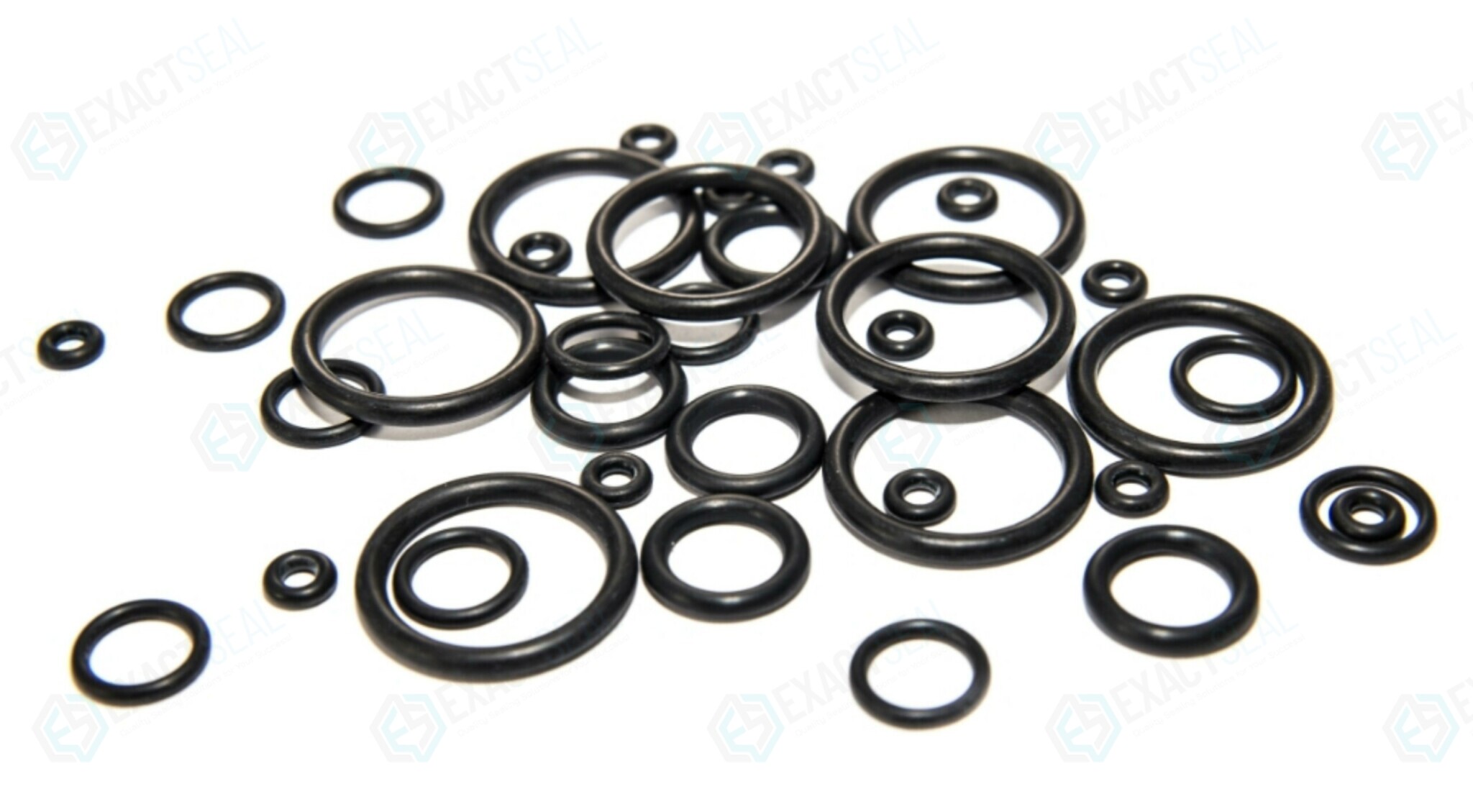
Engineering Insight: Material Selection Imperatives for Breathable Foam Performance
The term “breathable foam” is frequently misapplied in industrial contexts, leading to critical application failures when generic materials are selected without rigorous engineering analysis. True breathability is not merely a function of open-cell structure but a precise balance of porosity, polymer chemistry, and additive integration tailored to specific operational stressors. Off-the-shelf foams often prioritize cost or basic cushioning properties, neglecting the thermodynamic and chemical interactions inherent in demanding environments. This oversight results in premature degradation, compromised sealing integrity, or catastrophic functional failure under real-world conditions.
Industrial applications—such as automotive gasketing, medical device housings, or aerospace insulation—require foams that maintain structural coherence while permitting controlled gas/vapor transmission. Standard commodity foams typically utilize polyurethane or EVA bases with inconsistent cell morphology and volatile additives. When exposed to thermal cycling, UV radiation, or aggressive fluids (e.g., oils, solvents, or saline solutions), these materials exhibit rapid compression set, pore collapse, or additive migration. For instance, in engine compartment seals, generic breathable foams absorb hydrocarbons, swell beyond tolerance limits, and lose resiliency within 500 operational hours, directly causing fluid leaks or thermal runaway. Similarly, medical foams intended for wearable devices may retain moisture due to inadequate hydrophobic treatment, fostering microbial growth and device failure.
Suzhou Baoshida addresses these vulnerabilities through molecular-level formula engineering and OEM co-development. We prioritize polymer backbone integrity (e.g., silicone or EPDM hybrids) and implement cross-linking densities calibrated to dynamic compression set requirements. Critical additives—such as non-migrating hydrophobic agents or thermal stabilizers—are precisely dosed to sustain pore interconnectivity under stress. This approach ensures that breathability remains functional across the product lifecycle, not merely at initial installation.
The following table contrasts key performance parameters between generic solutions and engineered breathable foams:
| Property | Off-the-Shelf Foam | Engineered Solution (Suzhou Baoshida) | Critical Threshold for Industrial Use |
|---|---|---|---|
| Cell Structure (PPI) | 10–30 (inconsistent) | 45–65 (laser-verified uniformity) | ≥40 PPI for stable vapor transmission |
| Additive Stability | Migrates after 200h @ 85°C | Non-migrating up to 1,500h @ 120°C | Zero additive loss at 1,000h @ 100°C |
| Thermal Resilience | Fails at 100°C (1k cycles) | Stable at 150°C (5k cycles) | ≤15% compression set @ 120°C (1k h) |
Material selection must therefore begin with a forensic analysis of the operational envelope: temperature extremes, fluid exposure, mechanical load profiles, and regulatory constraints. Suzhou Baoshida’s OEM process integrates application-specific testing—including ASTM D3574 for cell structure and ISO 188 for thermal aging—to validate performance before scale-up. Treating breathability as a standalone property invites failure; engineering it as a system response ensures reliability. The incremental investment in purpose-built foam prevents exponentially higher costs from field recalls, warranty claims, and reputational damage. For mission-critical applications, precision in material science is non-negotiable.
Material Specifications
Material Specifications for Breathable Foam Applications in Industrial Rubber Solutions
Suzhou Baoshida Trading Co., Ltd. provides high-performance rubber materials engineered for advanced industrial applications, including breathable foam systems. These foams are critical in environments requiring controlled permeability, thermal stability, chemical resistance, and mechanical integrity. The selection of base elastomer significantly influences the functional performance of the final product. Viton, Nitrile (NBR), and Silicone represent three of the most widely used synthetic rubbers in industrial foam manufacturing, each offering distinct advantages depending on operational demands.
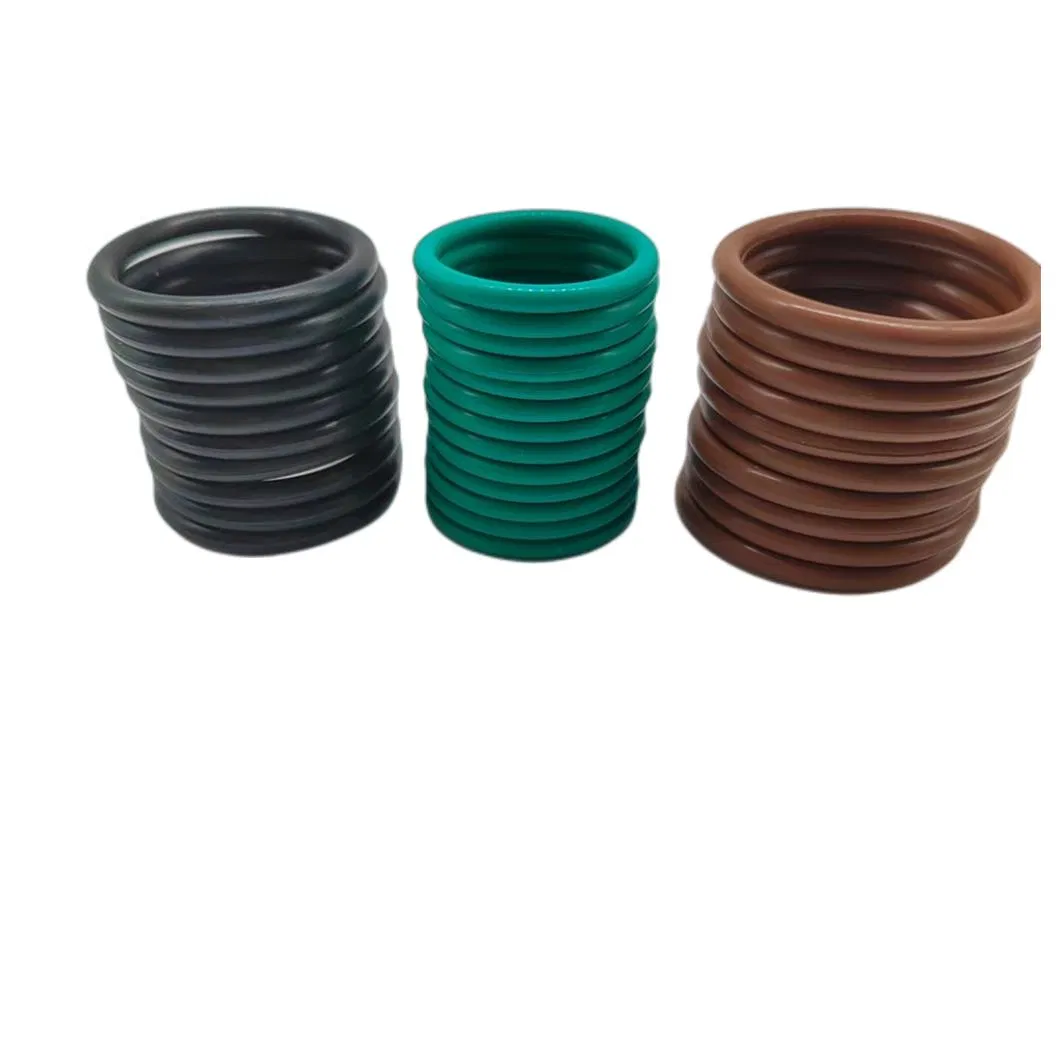
Viton, a fluorocarbon-based rubber (FKM), delivers superior resistance to high temperatures, oils, fuels, and aggressive chemicals. In breathable foam configurations, Viton maintains structural integrity in extreme environments, such as automotive engine compartments or aerospace sealing systems, where exposure to hydrocarbons and continuous temperatures up to 200°C is common. Its low gas permeability can be tailored to allow controlled diffusion, making it suitable for specialized filtration or pressure-equalizing components. However, due to its high material cost and denser cell structure, Viton foam is typically reserved for mission-critical applications.
Nitrile rubber (NBR) is a cost-effective solution for breathable foams exposed to oil and grease. With excellent resistance to aliphatic hydrocarbons and moderate mechanical strength, NBR foams are commonly used in gaskets, seals, and vibration-damping components within industrial machinery and transportation systems. The material can be compounded to achieve open-cell structures that enhance air permeability while retaining resilience under compression. Operating effectively within a temperature range of -30°C to 100°C, NBR offers a balanced performance profile for general-purpose applications where chemical exposure is present but not extreme.
Silicone rubber (VMQ) excels in thermal and environmental stability, with serviceability from -60°C to 200°C. Its inherent flexibility and biocompatibility make silicone foam ideal for breathable applications in medical devices, electronics insulation, and cleanroom environments. Silicone foams can be engineered with highly uniform open-cell matrices, enabling precise control over airflow and moisture vapor transmission. Additionally, they exhibit excellent resistance to UV, ozone, and oxidation, ensuring long-term performance in outdoor or high-exposure installations.
The following table compares key material properties relevant to breathable foam applications:
| Property | Viton (FKM) | Nitrile (NBR) | Silicone (VMQ) |
|---|---|---|---|
| Temperature Range (°C) | -20 to 200 | -30 to 100 | -60 to 200 |
| Chemical Resistance | Excellent | Good to Very Good | Fair |
| Oil/Fuel Resistance | Outstanding | Excellent | Poor |
| Gas Permeability (Relative) | Low | Medium | High |
| Compression Set Resistance | Excellent | Good | Very Good |
| Cell Structure Flexibility | Moderate | High | Very High |
| Typical Applications | Aerospace, Chemical Processing | Automotive Seals, Industrial Gaskets | Medical Devices, Electronics, HVAC |
Material selection must consider not only baseline performance but also foam density, cell openness, and long-term aging under dynamic conditions. Suzhou Baoshida Trading Co., Ltd. supports OEMs with customized compounding and prototyping to meet exact breathable foam specifications.
Manufacturing Capabilities
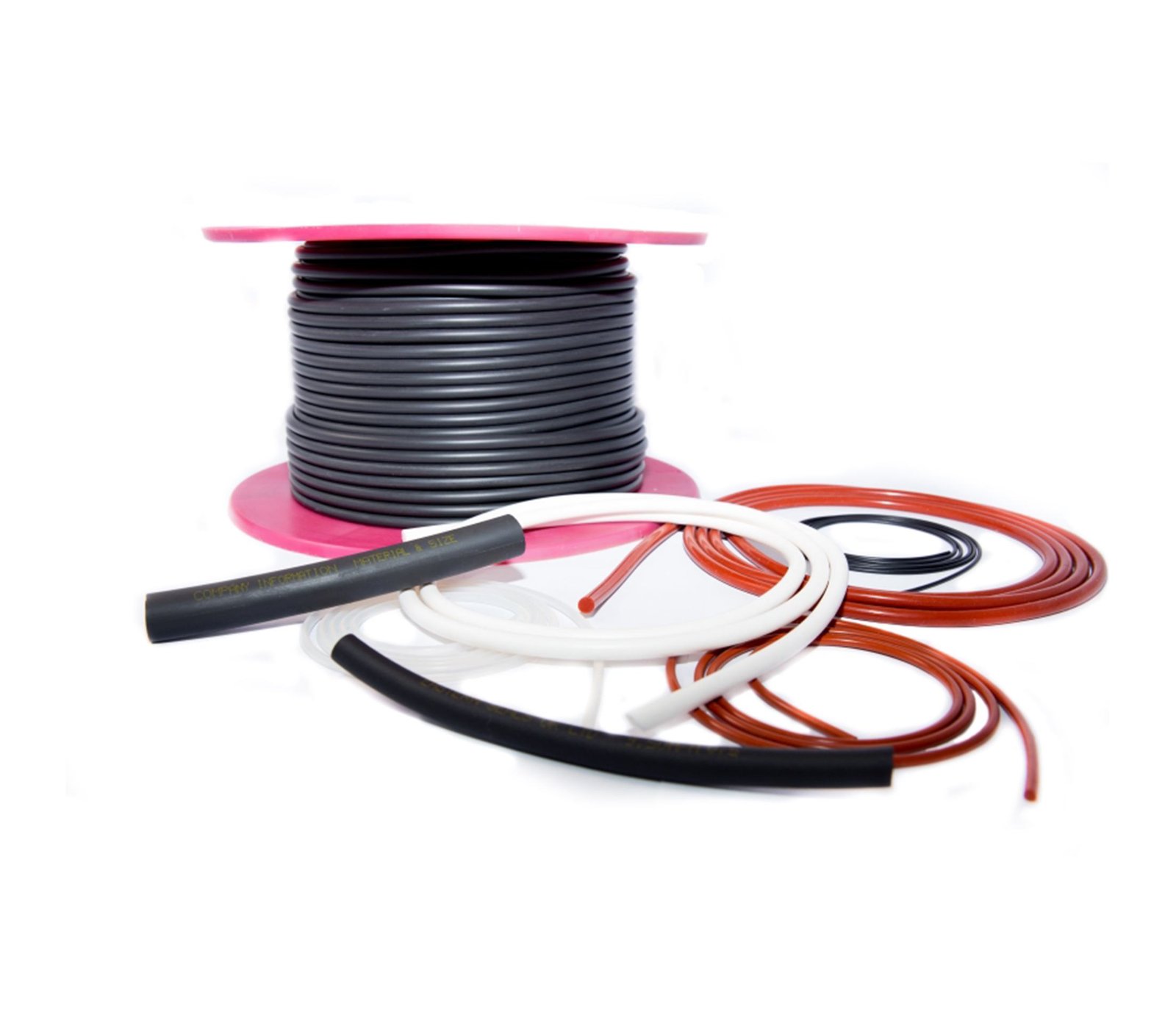
Engineering Capability: Precision Development for Breathable Foam Solutions
Suzhou Baoshida Trading Co., Ltd. leverages a dedicated engineering cohort comprising five specialized Mould Engineers and two advanced Formula Engineers to deliver bespoke breathable foam solutions for industrial applications. Our team operates at the intersection of material science and precision manufacturing, ensuring every product meets stringent OEM performance criteria. The Formula Engineers focus on optimizing polymer matrices to achieve controlled porosity, thermal stability, and aging resistance—critical for applications requiring moisture management and airflow regulation. Through iterative lab-scale compounding and accelerated lifecycle testing, we fine-tune cell structure uniformity and gas permeability without compromising mechanical integrity.
Mould Engineering expertise drives manufacturability at scale. Our five engineers utilize 3D flow simulation software to model cavity filling dynamics, minimizing knit lines and sink marks in complex geometries. This proactive approach reduces trial-and-error iterations by 40%, accelerating time-to-market while maintaining dimensional tolerances within ±0.15 mm. Tooling designs incorporate strategic venting systems and temperature zoning to stabilize cell nucleation during curing, directly influencing breathability consistency across production batches.
As an OEM-integrated partner, we synchronize engineering phases with client specifications from initial concept through mass production. Our closed-loop feedback system captures real-time data from injection molding presses and post-cure testing, enabling dynamic adjustments to compound formulations or tool parameters. This ensures seamless scalability from prototype (achieved in ≤15 days) to high-volume runs exceeding 500,000 units monthly. Clients retain full IP ownership while benefiting from our AS9100-certified process controls and traceability protocols.
Critical technical parameters for our breathable foam formulations are validated per ASTM D3574 and ISO 175 standards, as summarized below:
| Property | Test Standard | Typical Range | Industrial Relevance |
|---|---|---|---|
| Density | ASTM D3574 | 30–120 kg/m³ | Weight reduction in automotive seating |
| Compression Set (50%, 22h) | ASTM D3574 | ≤15% | Long-term resilience in seals |
| Air Permeability | ISO 9237 | 150–800 L/m²/min | Thermal management in electronics |
| Tensile Strength | ASTM D412 | 0.8–2.5 MPa | Durability in dynamic assemblies |
| Operating Temperature | ISO 188 | -40°C to +120°C | Automotive under-hood viability |
This integrated engineering framework eliminates silos between material development and production execution. By embedding OEM requirements into our DOE (Design of Experiments) protocols, we consistently achieve first-pass yield rates above 92%—reducing non-recurring engineering costs by 30% versus industry benchmarks. Suzhou Baoshida transforms breathable foam challenges into reliable, high-performance industrial components through scientific rigor and manufacturing synergy.
Customization Process
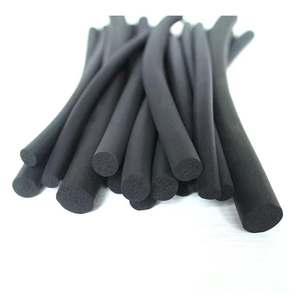
Customization Process for Breathable Foam Manufacturing
At Suzhou Baoshida Trading Co., Ltd., our industrial rubber solutions are engineered with precision and tailored to meet the exact performance demands of our clients. The customization process for breathable foam follows a structured, four-phase approach: Drawing Analysis, Formulation, Prototyping, and Mass Production. Each stage is designed to ensure dimensional accuracy, material integrity, and functional reliability under real-world operating conditions.
The process begins with Drawing Analysis, where our technical team evaluates customer-provided CAD files or technical schematics. We assess critical dimensions, tolerances, venting patterns, and structural features that influence air permeability and mechanical behavior. This phase includes a feasibility review to confirm manufacturability and identify potential design optimizations. Our engineers collaborate directly with OEMs to align on performance targets such as compression set resistance, density gradients, and airflow rates.
Following design validation, the Formulation stage commences. Here, we develop a proprietary rubber compound engineered for breathability while maintaining mechanical strength and environmental resistance. The base polymer—typically EPDM, silicone, or nitrile—is selected based on temperature range, chemical exposure, and aging requirements. Additives such as foaming agents, cross-linking accelerators, and reinforcing fillers are precisely dosed to create an open-cell microstructure that enables controlled airflow. Our in-house laboratory conducts rheological and vulcanization testing to optimize cure kinetics and cell nucleation.
Once the formulation is finalized, we proceed to Prototyping. Using precision molds and continuous foaming or batch autoclave techniques, we produce functional samples for client evaluation. Prototypes undergo rigorous testing for compression deflection, air permeability (measured in L/m²·min at 125 Pa), and long-term resilience. Clients receive full material test reports and physical samples for fit, form, and function validation. Iterations are incorporated as needed, ensuring complete alignment before scale-up.
The final phase is Mass Production, executed in our ISO-certified manufacturing facility. We deploy automated mixing lines, CNC-controlled mold systems, and real-time quality monitoring to maintain batch consistency. Production outputs are traceable, with certificate of conformance (CoC) and material safety data sheets (MSDS) provided for every shipment. Our scalable infrastructure supports both high-volume OEM integration and just-in-time delivery models.
Below are typical technical specifications for our standard breathable foam formulations:
| Property | EPDM-Based Foam | Silicone-Based Foam | Nitrile-Based Foam |
|---|---|---|---|
| Density (g/cm³) | 0.35–0.55 | 0.40–0.60 | 0.30–0.50 |
| Hardness (Shore A) | 30–60 | 25–55 | 35–65 |
| Tensile Strength (MPa) | ≥1.8 | ≥1.5 | ≥2.0 |
| Elongation at Break (%) | ≥180 | ≥200 | ≥160 |
| Operating Temperature (°C) | -40 to +130 | -60 to +200 | -30 to +100 |
| Air Permeability (L/m²·min) | 800–1,200 | 700–1,100 | 900–1,300 |
| Cell Structure | Open-cell (>85%) | Open-cell (>80%) | Open-cell (>90%) |
This systematic approach ensures that every breathable foam component we deliver meets the highest standards of engineering excellence and industrial performance.
Contact Engineering Team
Technical Engagement for Breathable Foam Manufacturing Solutions
Suzhou Baoshida Trading Co., Ltd. specializes in advanced industrial rubber formulations engineered for performance-critical applications. Our breathable foam technology addresses fundamental challenges in moisture management, thermal regulation, and structural integrity across automotive, medical, and athletic footwear sectors. Unlike conventional foams, our proprietary microcellular structures achieve precise air permeability without compromising mechanical resilience—a balance validated through ISO 9001-certified manufacturing processes. We optimize cell morphology at the molecular level, ensuring consistent pore distribution for targeted airflow rates while maintaining compression set resistance under dynamic stress. This scientific approach eliminates trial-and-error prototyping, reducing time-to-market for OEM partners by up to 40%.
Our engineering team collaborates directly with clients to tailor formulations meeting exact ASTM D3574 or ISO 17707 specifications. Key differentiators include accelerated aging resistance in ozone-rich environments and customizable density gradients for multi-zone applications. The table below summarizes comparative performance metrics between industry-standard breathable foams and Baoshida’s engineered solutions:
| Property | Industry Standard | Baoshida Proprietary | Test Method |
|---|---|---|---|
| Air Permeability | 80–120 L/m²/s | 150–300 L/m²/s | ASTM D737 |
| Density (kg/m³) | 80–100 | 65–90 | ISO 845 |
| Compression Set (22h) | ≤ 25% | ≤ 15% | ISO 1856 |
| Tensile Strength (MPa) | 1.8–2.5 | 2.8–3.6 | ASTM D412 |
| Ozone Resistance (pphm) | 50 | 100 | ASTM D1149 |
These specifications reflect rigorous in-house validation under simulated operational conditions. Our facility integrates real-time rheometry monitoring during compounding, ensuring batch-to-batch repeatability within ±3% tolerance. For high-volume OEM contracts, we implement closed-loop feedback systems that auto-adjust vulcanization parameters based on material viscosity drift—eliminating scrap rates exceeding 0.5%.
Partnering with Suzhou Baoshida means accessing end-to-end technical stewardship from formula conception to量产. Our engineers conduct on-site feasibility assessments at your facility, analyzing pressure differentials, environmental exposure variables, and lifecycle fatigue models to pre-empt field failures. We prioritize supply chain continuity through dual-sourcing of critical raw materials and maintain 98.7% on-time delivery across 12-month production cycles.
Specify your moisture management requirements to our OEM team for a no-obligation technical consultation. Mr. Boyce, our dedicated OEM Manager with 14 years of rubber compounding expertise, will coordinate material sampling, DFMEA reviews, and pilot-run scheduling within 72 hours of inquiry. Contact him directly at [email protected] with your target permeability range, dimensional tolerances, and application environment constraints. Include reference code BF-2024-SD to expedite priority testing in our Suzhou R&D lab. All proprietary formulations undergo third-party verification at SGS Shanghai prior to commercial release—ensuring your compliance with global safety directives.
Accelerate your product development cycle with engineered breathable foam solutions where scientific precision meets industrial scalability. Initiate technical dialogue today to transform material limitations into competitive advantage.
⚖️ O-Ring Weight Calculator
Estimate rubber O-ring weight (Approx).