
Technical Contents
Engineering Guide: Briggs And Stratton Carb Gasket Kit
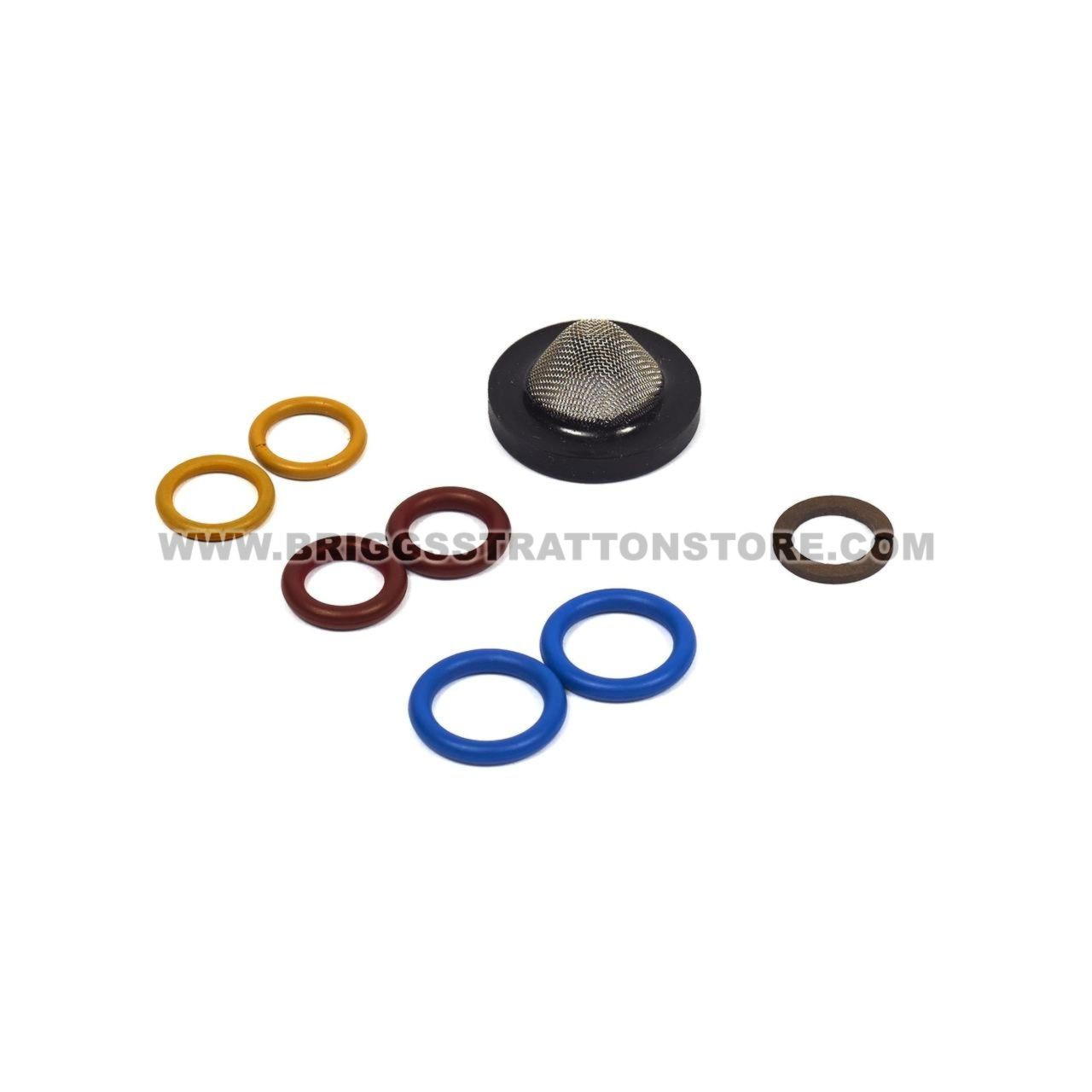
Engineering Insight: The Critical Role of Material Selection in Briggs & Stratton Carb Gasket Kits
In the domain of small engine performance, the carburetor gasket kit serves as a vital interface between the fuel system and the engine block. While often perceived as a commodity component, the gasket’s material composition directly influences engine reliability, emissions compliance, and service life. At Suzhou Baoshida Trading Co., Ltd., we emphasize that off-the-shelf gasket kits frequently underperform due to inadequate material engineering for the operational demands of Briggs & Stratton engines.
Briggs & Stratton carburetors operate in a chemically aggressive and thermally dynamic environment. The gasket is exposed to gasoline, ethanol blends (up to E10 and increasingly E15), oil mist, and temperature fluctuations ranging from ambient to over 120°C during sustained operation. Standard gasket kits, typically fabricated from generic cork-rubber composites or low-grade nitrile (NBR), degrade rapidly under these conditions. Swelling, compression set, and chemical breakdown initiate micro-leaks that disrupt air-fuel ratios, leading to poor idle, hard starting, and increased hydrocarbon emissions.
The failure of generic kits stems from a one-size-fits-all approach to material selection. A precision-engineered solution must account for fuel compatibility, compression recovery, and dimensional stability. For example, prolonged exposure to ethanol causes conventional NBR to lose tensile strength and swell by up to 25%, compromising sealing integrity. In contrast, our proprietary nitrile formulations are optimized with enhanced cross-linking and controlled acrylonitrile content (45–50%) to resist swelling while maintaining elasticity under load.
Additionally, thermal cycling induces mechanical fatigue. Standard cork gaskets exhibit poor resilience and are prone to crushing after repeated thermal expansion and contraction. Our engineered kits utilize reinforced nitrile with fine cellulose or aramid fiber fillers, which improve compressive strength and recovery. This ensures consistent sealing force across the carburetor flange, even after multiple disassembly cycles.
We validate all gasket materials against ASTM D471 (fluid resistance), ASTM D2000 (standard classification for rubber), and internal thermal cycling protocols simulating 500+ engine heat-up/cool-down cycles. This level of testing ensures longevity and performance parity with OEM specifications.
The following table outlines key material properties of our precision gasket kits compared to standard commercial alternatives:
| Property | Suzhou Baoshida Precision Kit | Standard Off-the-Shelf Kit |
|---|---|---|
| Base Material | High-acrylonitrile NBR with aramid reinforcement | Low-grade NBR or cork-rubber blend |
| Ethanol Resistance (E10, 72h @ 100°C) | <10% volume swell, no cracking | 18–25% swell, surface cracking |
| Compression Set (22 hrs @ 100°C) | ≤18% | ≥35% |
| Tensile Strength | ≥18 MPa | 10–12 MPa |
| Operating Temperature Range | -40°C to +135°C | -20°C to +105°C |
| Flange Pressure Retention (after 3 cycles) | >85% | <60% |
Material selection is not a cost-driven compromise—it is a performance determinant. By rejecting generic formulations and applying precision rubber engineering, Suzhou Baoshida delivers gasket kits that meet the true operational demands of Briggs & Stratton carburetors, ensuring reliability, compliance, and customer satisfaction in professional repair and OEM environments.
Material Specifications
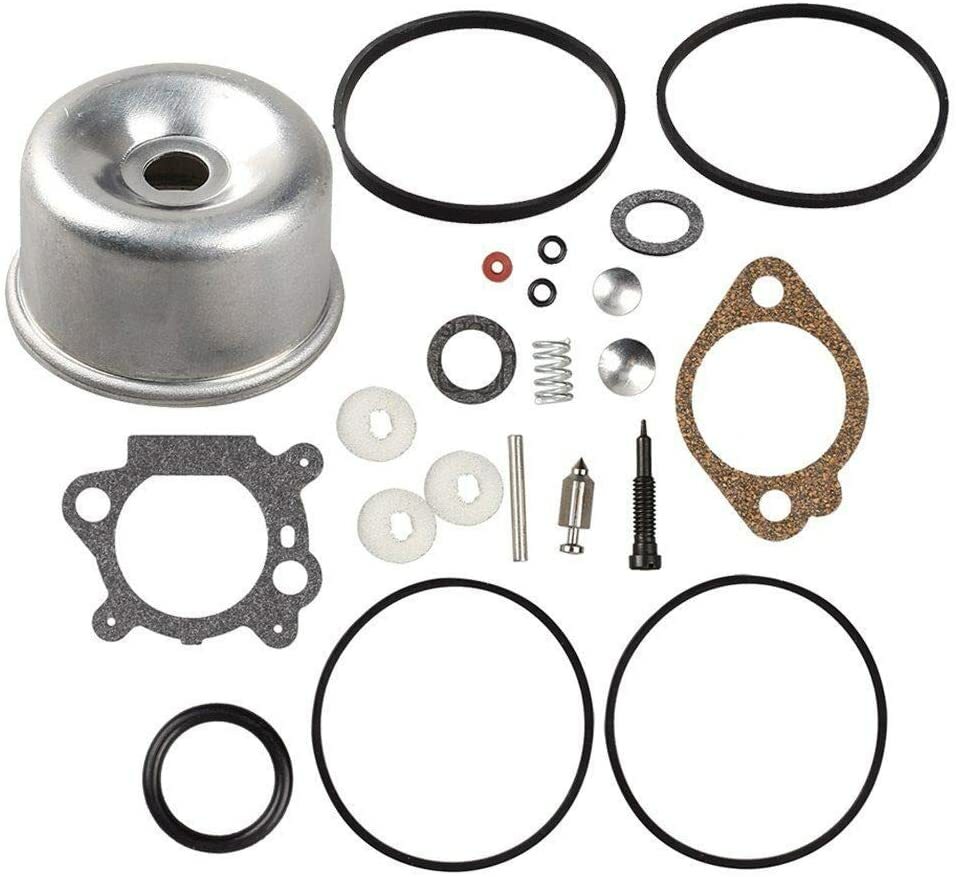
Material Specifications for Briggs & Stratton Carburetor Gasket Kits
Precision material selection is critical for carburetor gasket performance in Briggs & Stratton engines. Exposure to volatile fuel blends, thermal cycling, and mechanical stress demands elastomers engineered for dimensional stability and chemical resistance. At Suzhou Baoshida Trading Co., Ltd., our gasket kits utilize three primary rubber compounds—Viton fluoroelastomer, Nitrile (NBR), and Silicone—each validated against ASTM D2000 and ISO 3601 standards for aerospace and automotive sealing. Material choice directly impacts service life, emissions compliance, and engine efficiency under real-world operating conditions.
Viton fluoroelastomer (FKM) represents the premium solution for modern ethanol-blended fuels. Our A402-grade Viton compound withstands continuous exposure to E15 gasoline and oxygenated additives while maintaining integrity from -20°C to +230°C. It exhibits exceptional resistance to swelling in aromatic hydrocarbons, with volume swell typically <15% after 72 hours immersion per ASTM D471. This material is mandatory for high-performance and small-engine applications where fuel composition variability necessitates maximum chemical inertness. Compression set remains below 25% after 70 hours at 150°C (ASTM D395), ensuring long-term sealing force retention.
Nitrile rubber (NBR) remains the cost-optimized standard for conventional gasoline applications. Our G70 compound achieves an optimal balance between hydrocarbon resistance and low-temperature flexibility, operating effectively from -40°C to +120°C. While susceptible to degradation in ethanol concentrations exceeding 10%, it demonstrates superior abrasion resistance and tensile strength (18-22 MPa per ASTM D412). Volume swell in pure gasoline is controlled to 20-30%, making it suitable for legacy Briggs & Stratton models using non-oxygenated fuels. Its low compression set (≤30% at 100°C) provides reliable sealing under moderate thermal loads.
Silicone rubber (VMQ) is deployed selectively for extreme-temperature scenarios but requires caution with fuel exposure. Our 70A Shore A silicone maintains elasticity from -60°C to +200°C, ideal for cold-start environments. However, it exhibits poor resistance to petroleum-based fuels (volume swell >100% in gasoline), limiting its use to non-fuel-contact interfaces like air intake manifolds. Its primary advantage lies in thermal stability, with minimal hardening after prolonged exposure above 150°C.
The comparative analysis below details critical performance parameters for OEM validation:
| Material Type | Key Properties | Temp Range (°C) | Fuel Resistance (E10 Gasoline) | Compression Set (100h/100°C) | Primary Application Notes |
|---|---|---|---|---|---|
| Viton (FKM) | High chemical inertness, low permeability | -20 to +230 | Excellent (<15% swell) | ≤25% | Mandatory for ethanol blends, high-temp engines |
| Nitrile (NBR) | Balanced cost/performance, high tensile | -40 to +120 | Good (20-30% swell) | ≤30% | Standard for non-ethanol fuels, legacy models |
| Silicone (VMQ) | Extreme temp range, low compression set | -60 to +200 | Poor (>100% swell) | ≤20% | Air intake seals only; avoid fuel contact |
All compounds undergo rigorous batch testing per ISO 17025 protocols at our Suzhou facility, including dynamic fuel immersion cycling and torque retention analysis on actual Briggs & Stratton carburetor flanges. Material certifications and traceability documentation are provided with every OEM shipment to ensure compliance with Tier-1 quality requirements. Selecting the correct elastomer prevents premature gasket failure, maintaining critical air-fuel ratios and reducing warranty claims in end-user applications.
Manufacturing Capabilities
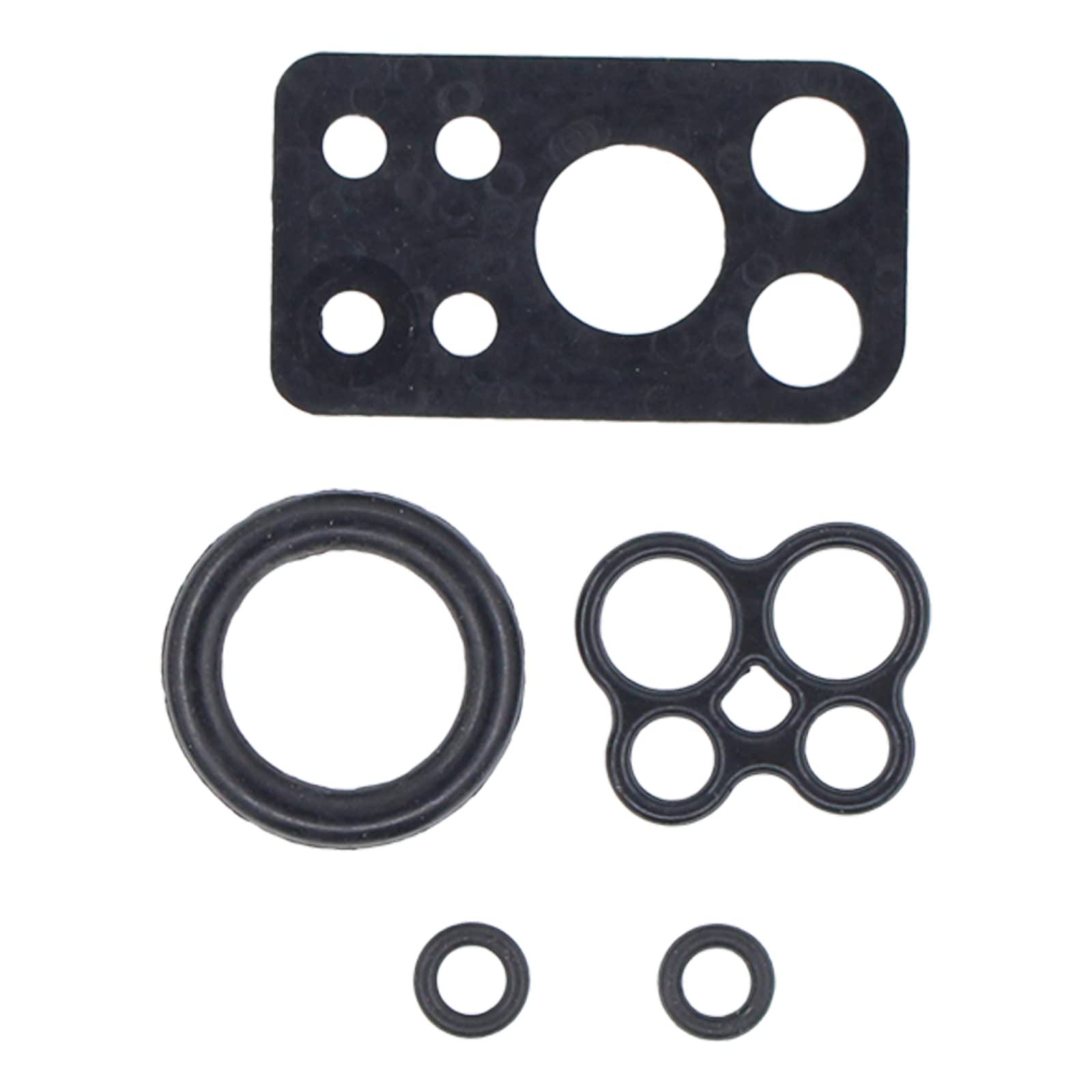
Engineering Excellence in Precision Rubber Seals for Briggs & Stratton Carb Gasket Kits
At Suzhou Baoshida Trading Co., Ltd., our engineering capability forms the backbone of our reputation in manufacturing high-performance rubber gasket kits for OEM applications, including precision components for Briggs & Stratton carburetors. With a dedicated team comprising five experienced mould engineers and two specialized rubber formulation engineers, we maintain full in-house control over the design, material development, and production processes. This integrated technical structure enables us to deliver gasket kits that meet exacting performance standards for durability, sealing integrity, and environmental resistance.
Our mould engineering team specializes in the development of precision tooling for complex rubber profiles commonly found in carburetor gasket assemblies. Utilizing advanced CAD/CAM software and CNC machining centers, our engineers optimize mould geometry to ensure consistent part dimensions, minimal flash, and superior surface finish. Each mould undergoes rigorous validation through first-article inspection and process capability studies, guaranteeing repeatability across high-volume production runs. This technical rigor is particularly critical for multi-layer gasket configurations where alignment, compression set, and dimensional stability directly influence engine performance.
Complementing our tooling expertise, our two rubber formulation engineers bring deep knowledge in elastomer chemistry and material behavior under dynamic operating conditions. They develop custom compound formulations tailored to the thermal, chemical, and mechanical demands of small engine applications. By selecting and modifying base polymers such as NBR (nitrile butadiene rubber), EPDM, and silicone, we achieve optimal resistance to fuel, oil, and temperature fluctuations—key factors in carburetor gasket longevity. Every formulation is subjected to accelerated aging, compression set testing, and fluid immersion analysis to validate long-term reliability before production release.
Our OEM capabilities are built on a foundation of collaborative engineering. We work directly with engine component manufacturers and service providers to reverse-engineer legacy gasket kits, improve material performance, and support product lifecycle management. Whether replicating discontinued parts or co-developing next-generation sealing solutions, our technical team ensures full compliance with dimensional specifications, material standards, and functional requirements.
The following table outlines key technical specifications for our standard Briggs & Stratton carb gasket kit offering:
| Parameter | Specification |
|---|---|
| Material Type | Custom NBR, EPDM, or Silicone compounds |
| Hardness Range (Shore A) | 50–80 ±5 |
| Operating Temperature Range | -40°C to +150°C (depending on compound) |
| Tensile Strength | ≥8 MPa (ASTM D412) |
| Elongation at Break | ≥200% (ASTM D412) |
| Compression Set (22 hrs, 100°C) | ≤25% (ASTM D395) |
| Fuel/Oil Resistance | Excellent (immersion test compliant with ASTM D471) |
| Mould Tolerance | ±0.1 mm for critical sealing surfaces |
| Production Capacity | 500,000 units/month (scalable) |
Through advanced engineering, material science, and OEM collaboration, Suzhou Baoshida delivers technically superior gasket solutions that ensure reliable engine operation and customer satisfaction.
Customization Process
Briggs & Stratton Carburetor Gasket Kit Customization Process
At Suzhou Baoshida Trading Co., Ltd., our customization process for Briggs & Stratton carburetor gasket kits begins with rigorous drawing analysis. We dissect OEM technical specifications, focusing on critical dimensions, surface finish tolerances, and sealing interface geometries. This phase identifies potential stress points, thermal expansion coefficients, and fluid exposure zones. Our engineering team cross-references these parameters against historical failure data from similar applications to preempt design vulnerabilities. Precision measurement tools, including CMM and optical comparators, validate dimensional compliance to ISO 2768-mK standards, ensuring the foundation for reliable sealing performance.
Material formulation follows strict adherence to Briggs & Stratton’s operational demands. We select compound bases—typically NBR, FKM, or specialty HNBR—based on fuel ethanol content, temperature range, and chemical exposure. Each formulation is engineered to achieve optimal compression set resistance (ASTM D395), tensile strength (ASTM D412), and fluid compatibility per SAE J2044. Critical properties like Shore A hardness (±3 points tolerance) and volume swell in oxygenated fuels are prioritized. Our chemists adjust polymer ratios, filler types, and cure systems to balance flexibility, resilience, and longevity under cyclic thermal loads.
Prototyping utilizes CNC-machined molds to produce functional samples within 15 working days. These prototypes undergo multi-stage validation:
Dimensional verification against CAD models using 3D scanning.
Bench testing for compression load-deflection characteristics.
Accelerated aging in simulated engine environments (150°C, 1,000 hours).
Fuel immersion trials with E10/E15 blends per ASTM D471.
Client feedback integrates into iterative refinements until all performance thresholds are met.
Mass production leverages our ISO/TS 16949-certified facility with stringent process controls. Automated mixing ensures batch-to-batch consistency (±0.5% compound weight variance), while 100% in-line vision inspection monitors critical features like hole concentricity (±0.05mm) and surface defects. Statistical Process Control (SPC) tracks key variables including cure time, mold temperature, and durometer. Every shipment includes PPAP Level 3 documentation, material traceability reports, and first-article inspection data aligned with Briggs & Stratton’s IMDS requirements.
Material Property Comparison for Carburetor Gasket Applications
| Material Type | Key Properties | Application Fit |
|---|---|---|
| NBR (70 Shore A) | 15% max swell in E10, -40°C to +125°C, 15 MPa tensile | Standard gasoline applications, cost-optimized |
| HNBR (75 Shore A) | 10% max swell in E15, -40°C to +150°C, 20 MPa tensile | Ethanol-blend fuels, higher thermal stability |
| FKM (80 Shore A) | 5% max swell in E85, -20°C to +200°C, 12 MPa tensile | High-performance/racing carburetors, extreme temps |
| Specialty Silicone (60 Shore A) | -60°C to +230°C, poor fuel resistance | Non-fuel interfaces (air cleaner, mounting) |
This end-to-end workflow—from drawing scrutiny to validated production—ensures our gasket kits deliver zero-leak performance under Briggs & Stratton’s exacting operational parameters, minimizing field failures and maximizing engine efficiency. Rigorous validation at each phase guarantees seamless integration into OEM assembly lines.
Contact Engineering Team
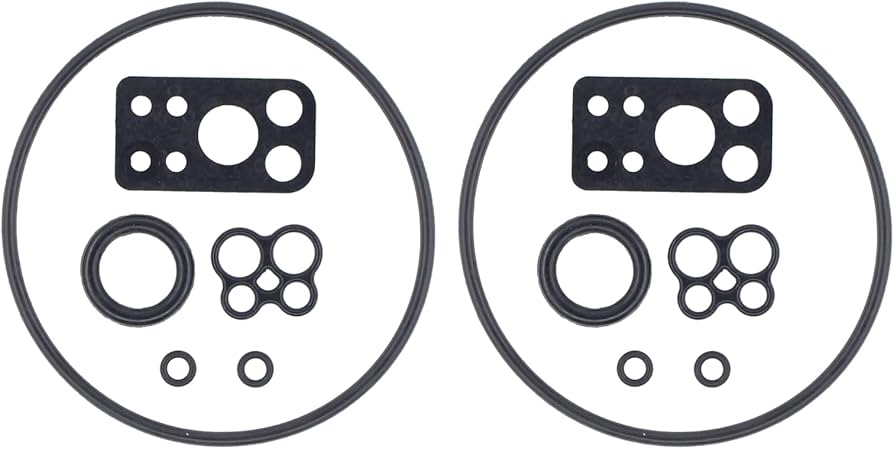
For industrial clients requiring high-performance sealing solutions, Suzhou Baoshida Trading Co., Ltd. stands as a trusted OEM partner in the design and production of precision rubber components. Specializing in elastomeric formulations for demanding mechanical environments, we engineer gasket kits that meet exact OEM tolerances and operational requirements. Our Briggs and Stratton carburetor gasket kits exemplify this commitment—manufactured to deliver consistent sealing integrity under thermal cycling, fuel exposure, and vibration stress common in small engine applications.
Each gasket kit is formulated using advanced nitrile rubber (NBR) and cork-rubber composites, selected for their resistance to gasoline, oil, and oxidation. Our compounds are optimized for compression set resistance and long-term resilience, ensuring leak-free performance across extended service intervals. All kits undergo rigorous quality control, including dimensional verification, hardness testing, and visual inspection under ASTM D2000 standards. This ensures compatibility with original equipment specifications and prevents common field failures such as warping, hardening, or delamination.
We understand that reliability in small engine systems depends on microscopic precision. That is why our manufacturing process integrates computer-aided die cutting and multi-layer lamination techniques to achieve tight tolerances down to ±0.05 mm. Every kit is batch-traceable and produced in an ISO 9001-certified environment, guaranteeing consistency across production runs.
Below are the technical specifications of our standard Briggs and Stratton carburetor gasket kit:
| Property | Specification | Test Method |
|---|---|---|
| Material Composition | NBR/Cork-Rubber Composite | ASTM D2000 |
| Hardness (Shore A) | 65 ± 5 | ASTM D2240 |
| Tensile Strength | ≥ 10 MPa | ASTM D412 |
| Elongation at Break | ≥ 200% | ASTM D412 |
| Compression Set (22 hrs, 70°C) | ≤ 25% | ASTM D395 |
| Operating Temperature Range | -30°C to +120°C | Internal Testing |
| Fuel Resistance (B-Type Fuel, 70°C, 70 hrs) | Volume Swell ≤ 15% | ASTM D471 |
| Thickness Tolerance | ±0.05 mm | ISO 2768 |
Suzhou Baoshida serves distributors, repair networks, and OEM engine manufacturers seeking a reliable source for technically validated sealing solutions. Whether you require direct replacement kits or customized formulations for specific engine variants, our engineering team collaborates closely to meet your performance and volume needs.
For technical inquiries, sample requests, or volume quotations, contact Mr. Boyce, OEM Account Manager, at [email protected]. We respond to all industrial partnership inquiries within 12 business hours and offer material data sheets, compatibility testing reports, and prototype support upon request. Partner with Suzhou Baoshida to ensure your engine systems maintain peak efficiency through precision sealing technology.
⚖️ O-Ring Weight Calculator
Estimate rubber O-ring weight (Approx).