
Technical Contents
Engineering Guide: Bulk Fender Washers
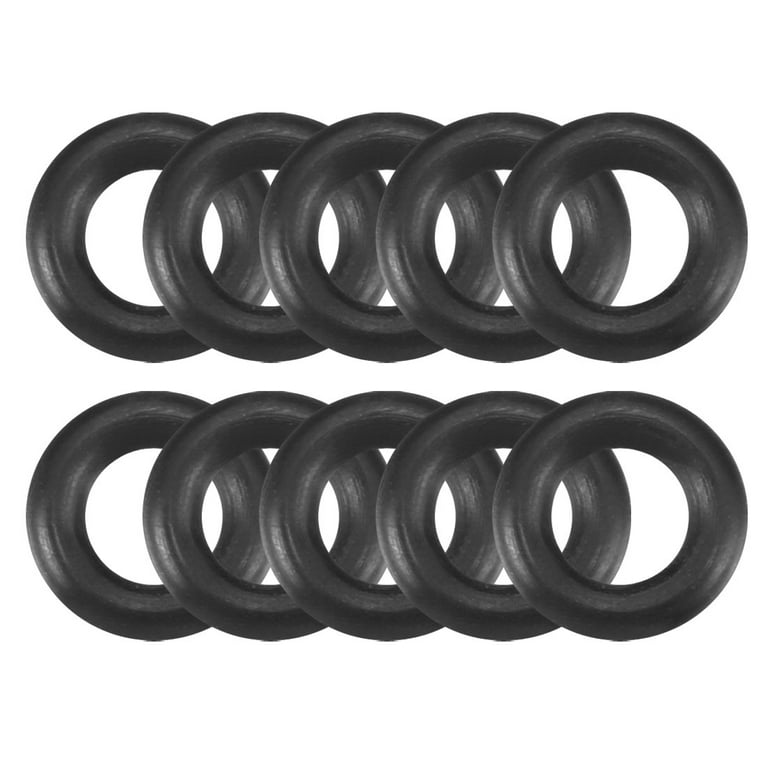
Engineering Insight: The Critical Role of Material Selection in Bulk Fender Washers
In precision rubber sealing applications, fender washers serve a vital mechanical and environmental function. Often deployed in dynamic load-bearing or vibration-dampening systems, these components are exposed to complex stress profiles including compression, shear, and cyclic fatigue. Despite their apparent simplicity, bulk fender washers sourced from generic suppliers frequently underperform in industrial environments due to inadequate material selection. Off-the-shelf solutions typically prioritize cost and availability over performance, resulting in premature failure modes such as cracking, compression set, extrusion, and chemical degradation.
Material selection is not a secondary consideration—it is the foundational determinant of service life and functional reliability. Standard rubber compounds like low-grade SBR or unmodified natural rubber may appear adequate on paper, but they lack the resilience required for sustained performance under thermal cycling, UV exposure, or contact with oils and solvents. In contrast, engineered elastomers such as EPDM, Nitrile (NBR), and Viton® (FKM) offer tailored resistance profiles that align with specific operational demands. For instance, NBR excels in fuel and oil resistance, making it ideal for automotive and hydraulic applications, while EPDM provides superior weathering and ozone resistance for outdoor installations.
Another common failure point arises from mismatched hardness (Shore A) and tensile properties. Off-the-shelf washers often exhibit inconsistent durometer ratings, leading to uneven load distribution and seal leakage. Precision-manufactured fender washers, developed through controlled vulcanization and quality-controlled compounding, maintain tight tolerances in physical properties. This consistency ensures uniform compression force across mating surfaces, which is critical in high-vibration or high-pressure systems.
Furthermore, the absence of material traceability and certification in bulk commodity washers introduces significant risk in regulated industries such as automotive, aerospace, and medical equipment. Reputable manufacturers implement rigorous batch testing and compliance documentation, including ASTM D2000 standards, ROHS, and REACH certifications. These protocols validate performance claims and ensure regulatory alignment—attributes rarely present in generic supply chains.
At Suzhou Baoshida Trading Co., Ltd., we emphasize application-specific formulation and process control to deliver fender washers that meet exacting engineering requirements. Our technical team collaborates with OEMs to analyze operating conditions—temperature range, media exposure, load dynamics—and recommend optimized elastomer solutions. This engineering-first approach eliminates the guesswork associated with off-the-shelf parts and ensures long-term reliability.
Below is a comparison of common elastomer materials used in precision fender washers:
| Material | Hardness Range (Shore A) | Temp Range (°C) | Key Resistance Properties | Typical Applications |
|---|---|---|---|---|
| Nitrile (NBR) | 50–90 | -30 to +100 | Oil, fuel, hydraulic fluids | Automotive, machinery |
| EPDM | 50–85 | -50 to +150 | Ozone, UV, weathering | Outdoor equipment, HVAC |
| Silicone (VMQ) | 40–80 | -60 to +200 | Extreme temps, oxidation | Aerospace, electronics |
| Viton® (FKM) | 60–90 | -20 to +230 | Chemicals, acids, high heat | Chemical processing, oil & gas |
| Natural Rubber (NR) | 40–70 | -20 to +70 | Abrasion, high elasticity | General industrial (limited exposure) |
Material Specifications
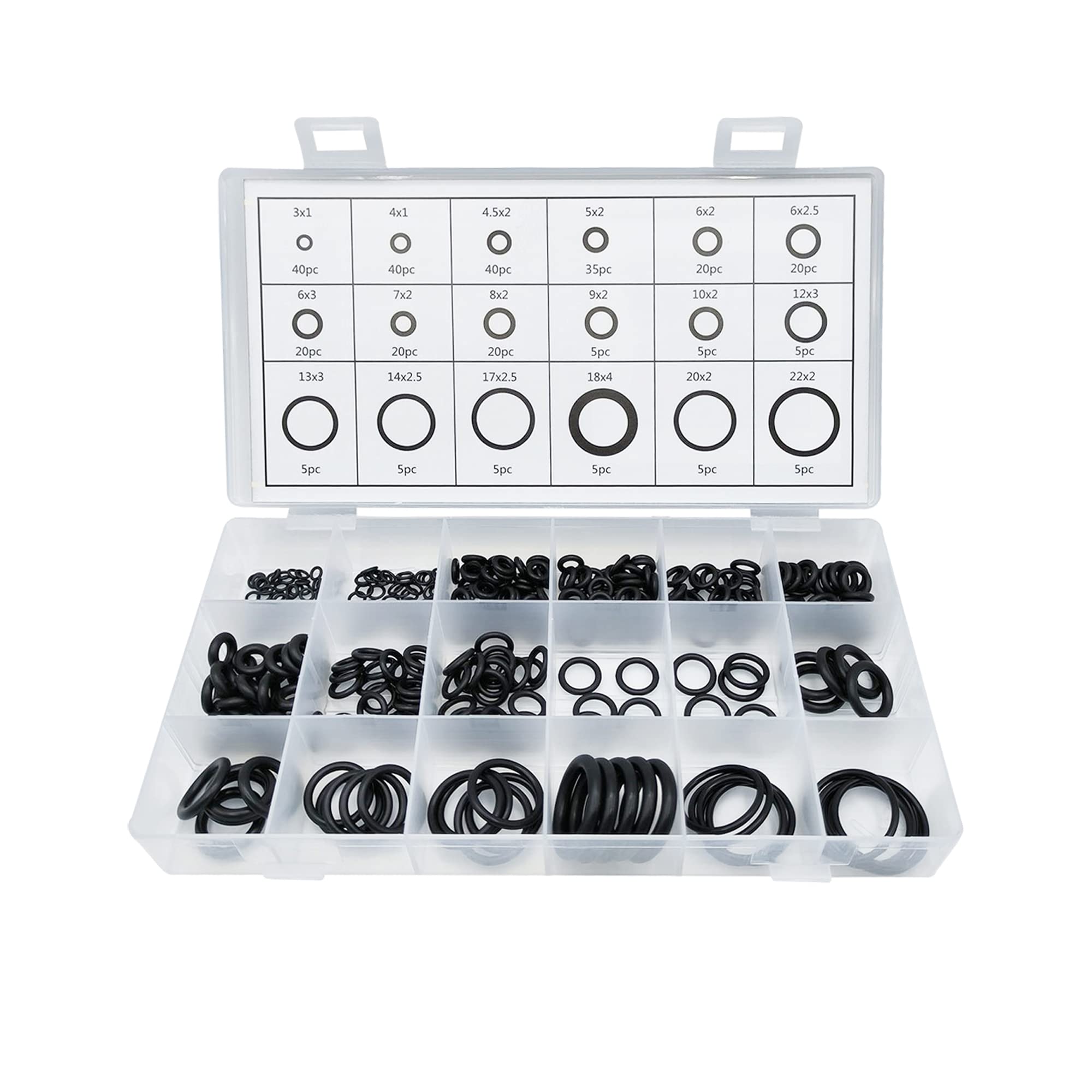
Material Specifications for Precision Rubber Fender Washers
Suzhou Baoshida Trading Co., Ltd. delivers engineered rubber fender washers meeting stringent industrial sealing demands. Our formulations prioritize dimensional stability, chemical resistance, and longevity under dynamic loads. Below we detail critical material specifications for Viton (FKM), Nitrile (NBR), and Silicone (VMQ) compounds, all compliant with ASTM D2000 classification standards for automotive and industrial applications. Each material undergoes rigorous QC testing for hardness, tensile strength, and compression set per ISO 37 and ISO 815 protocols.
Viton (FKM) represents the premium solution for extreme chemical and thermal environments. Its fluorocarbon backbone provides exceptional resistance to jet fuels, synthetic lubricants, and aggressive acids up to 200°C continuous service. Standard formulations achieve 70-90 Shore A hardness with tensile strength exceeding 15 MPa. Viton maintains seal integrity in aerospace hydraulic systems and chemical processing equipment where NBR or Silicone would rapidly degrade. However, its higher cost necessitates careful application-specific justification.
Nitrile (NBR) remains the industry benchmark for cost-effective oil and fuel resistance in automotive underhood applications. Optimized for petroleum-based fluids, standard grades operate reliably from -40°C to +120°C with 60-80 Shore A hardness. Tensile strength typically ranges 12-18 MPa, supporting high-load washer applications. While susceptible to ozone cracking and limited in high-temperature performance, NBR’s abrasion resistance and low compression set make it ideal for transmission components and fuel line interfaces where chemical exposure is moderate.
Silicone (VMQ) excels in extreme temperature sealing from -60°C to +230°C but requires careful selection for hydrocarbon exposure. Its exceptional flexibility at cryogenic temperatures suits aerospace and medical applications, though tensile strength (5-10 MPa) and tear resistance are lower than NBR or Viton. Standard formulations offer 40-70 Shore A hardness with outstanding resistance to oxidation and UV degradation. Silicone is unsuitable for continuous fuel contact but performs reliably in HVAC systems and electrical enclosures requiring wide thermal stability.
Material Performance Comparison
| Material | Temp Range (°C) | Tensile Strength (MPa) | Elongation at Break (%) | Hardness (Shore A) | Key Resistances | Key Limitations |
|---|---|---|---|---|---|---|
| Viton (FKM) | -20 to +230 | 15-20 | 150-250 | 70-90 | Fuels, Oils, Acids, Oxidation | Poor ketone/ester resistance, High cost |
| Nitrile (NBR) | -40 to +120 | 12-18 | 200-400 | 60-80 | Petroleum oils, Water, Abrasion | Poor ozone/weathering, Limited high-temp |
| Silicone (VMQ) | -60 to +230 | 5-10 | 200-600 | 40-70 | Extreme temps, UV, Ozone, Water | Poor fuel/oil resistance, Low tear strength |
Suzhou Baoshida Trading Co., Ltd. tailors these base formulations to client-specific fender washer requirements. Our OEM engineering team adjusts polymer ratios, filler systems, and cure chemistry to optimize compression set for flange load retention or enhance fluid resistance for aggressive media. All compounds undergo 72-hour immersion testing per SAE AS5559 and are traceable via batch-controlled manufacturing. Partner with us to select the precise material grade ensuring your fender washers deliver leak-free performance across 10,000+ operational cycles.
Manufacturing Capabilities
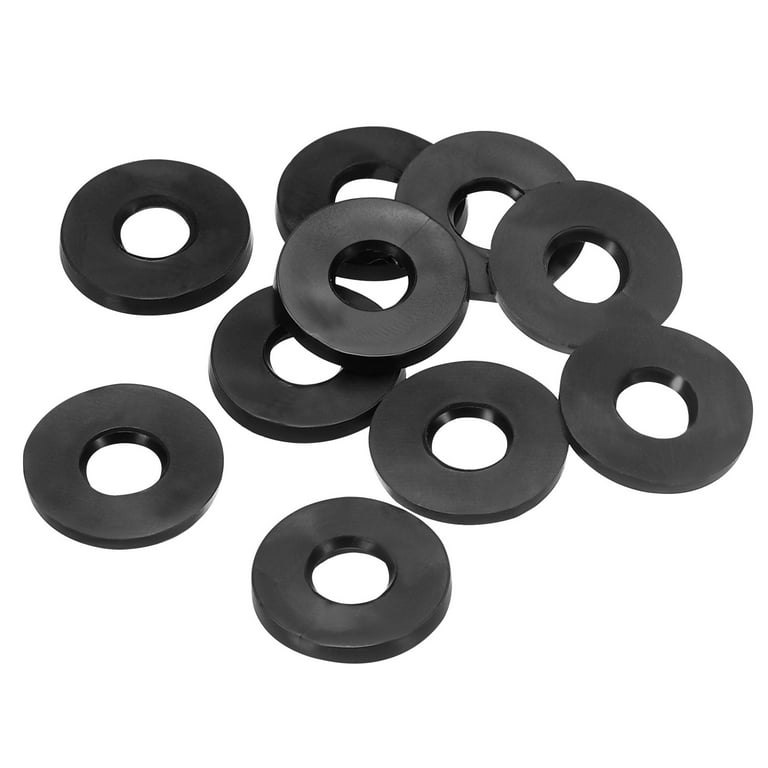
Engineering Capability
At Suzhou Baoshida Trading Co., Ltd., our engineering division is the cornerstone of our precision rubber manufacturing excellence, particularly in the development and production of high-performance bulk fender washers. With a dedicated team of five certified mould engineers and two specialized rubber formula engineers, we maintain full in-house control over the entire product lifecycle—from concept and material formulation to tooling design and scalable production. This integrated engineering approach ensures superior product consistency, accelerated development cycles, and precise alignment with OEM technical requirements.
Our mould engineers possess extensive experience in precision rubber-to-metal bonding and complex compression, transfer, and injection moulding systems. They utilize advanced CAD/CAM software, including SolidWorks and AutoCAD, to design robust, high-tolerance tooling tailored for bulk fender washer configurations. Finite element analysis (FEA) and mould flow simulations are routinely applied to optimize cavity layouts, gate positioning, and cooling channels, minimizing defects and maximizing production efficiency. All tooling is fabricated and maintained in-house, enabling rapid prototyping and agile response to design iterations.
Complementing our mould expertise, our two rubber formula engineers specialize in elastomer science and material performance optimization. They formulate custom rubber compounds using NBR, EPDM, silicone, and FKM to meet specific environmental and mechanical demands such as temperature resistance, compression set, chemical exposure, and dynamic sealing performance. Each compound is rigorously tested in-house for tensile strength, elongation, hardness (Shore A), and aging characteristics per ASTM and ISO standards. This formulation capability is critical in ensuring that our bulk fender washers deliver reliable sealing and vibration-damping performance across automotive, industrial machinery, and marine applications.
We are a certified OEM manufacturing partner, providing fully customized solutions under private label or technical collaboration agreements. Our OEM services include technical drawing validation, Design for Manufacturability (DFM) reviews, First Article Inspection (FAI) reporting, and PPAP documentation. We support low-volume prototyping through high-volume automated production, with annual capacity exceeding 50 million units. Our quality management system is ISO 9001:2015 certified, and we maintain full traceability from raw material sourcing to final shipment.
The following table summarizes key engineering and production specifications for our bulk fender washer manufacturing:
| Parameter | Specification |
|---|---|
| Material Types | NBR, EPDM, Silicone, FKM, CR, SBR |
| Hardness Range (Shore A) | 40–90 |
| Temperature Resistance | -40°C to +250°C (depending on compound) |
| Tensile Strength | Up to 18 MPa |
| Compression Set (24h @ 70°C) | ≤20% |
| Mould Tolerance | ±0.05 mm |
| Production Capacity | 50+ million units/year |
| Tooling Development Lead Time | 15–25 days |
| OEM Documentation Support | PPAP, FAI, DFM, RoHS/REACH compliance |
This robust engineering infrastructure enables Suzhou Baoshida to deliver technically superior, application-specific fender washers with exceptional repeatability and reliability.
Customization Process
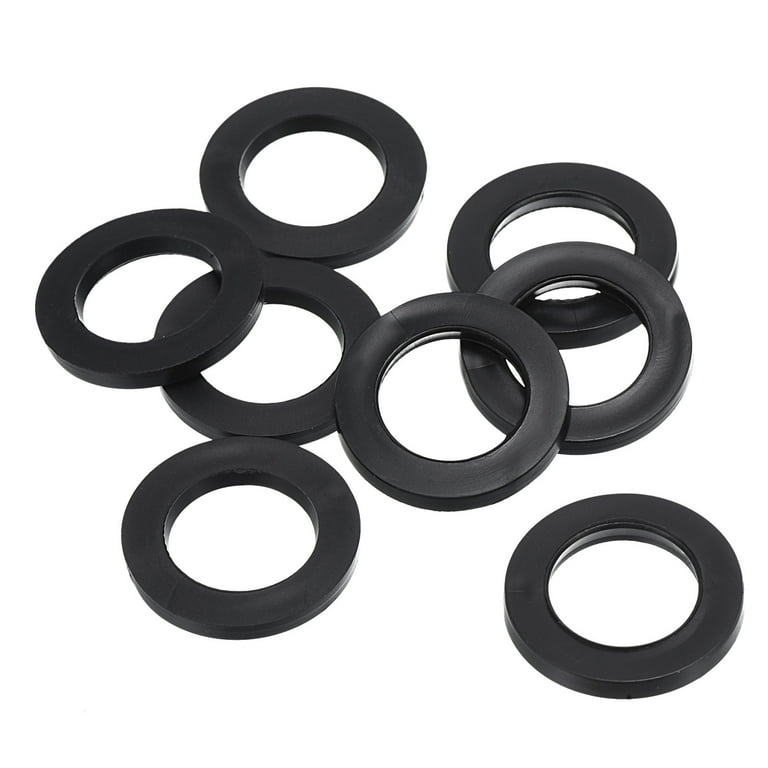
Customization Process for Bulk Fender Washers: Precision Engineering from Concept to Volume Supply
At Suzhou Baoshida Trading Co., Ltd., our bulk fender washer customization follows a rigorously defined sequence to guarantee dimensional accuracy, material performance, and seamless scalability. This process eliminates costly iterations and ensures compliance with demanding industrial applications, from automotive chassis systems to heavy machinery mounting points.
Drawing Analysis: Translating Specifications into Actionable Parameters
Every project begins with comprehensive GD&T (Geometric Dimensioning and Tolerancing) validation of client-provided technical drawings. Our engineering team scrutinizes critical features including outer diameter tolerances (typically ±0.1mm for diameters >50mm), inner hole concentricity, cross-sectional geometry, and surface finish requirements (Ra ≤ 3.2μm). We cross-reference these against ISO 3266 and SAE J484 standards, identifying potential manufacturability conflicts such as undercuts or insufficient draft angles. Material compatibility with fluid exposure (e.g., brake fluid, hydraulic oil) is pre-assessed during this phase to inform formulation strategy.
Formulation: Tailoring Polymer Chemistry for Application Demands
Based on the environmental and mechanical requirements determined in drawing analysis, our rubber chemists develop a proprietary compound. Key considerations include temperature range (-50°C to +150°C for EPDM; -40°C to +125°C for NBR), fluid resistance, compression set (target <25% per ASTM D395), and Shore A hardness (60–80 typical for fender washers). Accelerated aging tests per ASTM D573 and ozone resistance screening (ASTM D1149) are conducted on candidate formulations. Critical additives—such as peroxide curing systems for high-temperature stability or specialty fillers for abrasion resistance—are precisely dosed to meet performance thresholds without compromising processability.
Prototyping: Validating Performance Before Scale-Up
Prototypes are manufactured using production-intent tooling under controlled molding parameters (curing time, temperature, pressure). Each batch undergoes rigorous validation:
Dimensional verification via CMM (Coordinate Measuring Machine) against original drawings
Dynamic compression testing per SAE J1409
Fluid immersion testing (72 hours at 100°C in specified media)
Hardness and tensile strength confirmation (ASTM D412)
Client approval of physical samples and test reports is mandatory before progression, ensuring zero deviation in critical sealing surfaces.
Mass Production: Consistent High-Volume Output with Embedded Quality Control
Upon prototype sign-off, production transitions to our automated molding lines with integrated SPC (Statistical Process Control). Every lot undergoes:
In-process checks of cure time and mold temperature stability
100% visual inspection for flash or voids
Randomized batch testing for hardness, tensile strength, and compression set
Traceability via serialized lot numbering (ISO 9001 compliant)
Our minimum order quantity starts at 50,000 units, with lead times of 15–25 days for standard compounds.
Key Material Specifications for Custom Fender Washers
| Property | Standard Range | Test Standard | Customization Capability |
|---|---|---|---|
| Shore A Hardness | 60–80 | ASTM D2240 | ±2 points precision |
| Tensile Strength | 10–20 MPa | ASTM D412 | Up to 25 MPa achievable |
| Elongation at Break | 200–400% | ASTM D412 | Optimized for flexibility |
| Compression Set (22h/70°C) | <25% | ASTM D395 | <15% with premium compounds |
| Temperature Range | -50°C to +150°C | ASTM D573 | Material-dependent |
| Fluid Resistance | Customizable | ASTM D471 | Optimized per fluid type |
This structured workflow ensures Suzhou Baoshida delivers bulk fender washers that achieve zero leakage, extended service life, and absolute interchangeability—critical for OEM assembly line efficiency and end-product reliability. All stages are documented per IATF 16949, providing full auditability from raw material to finished part.
Contact Engineering Team
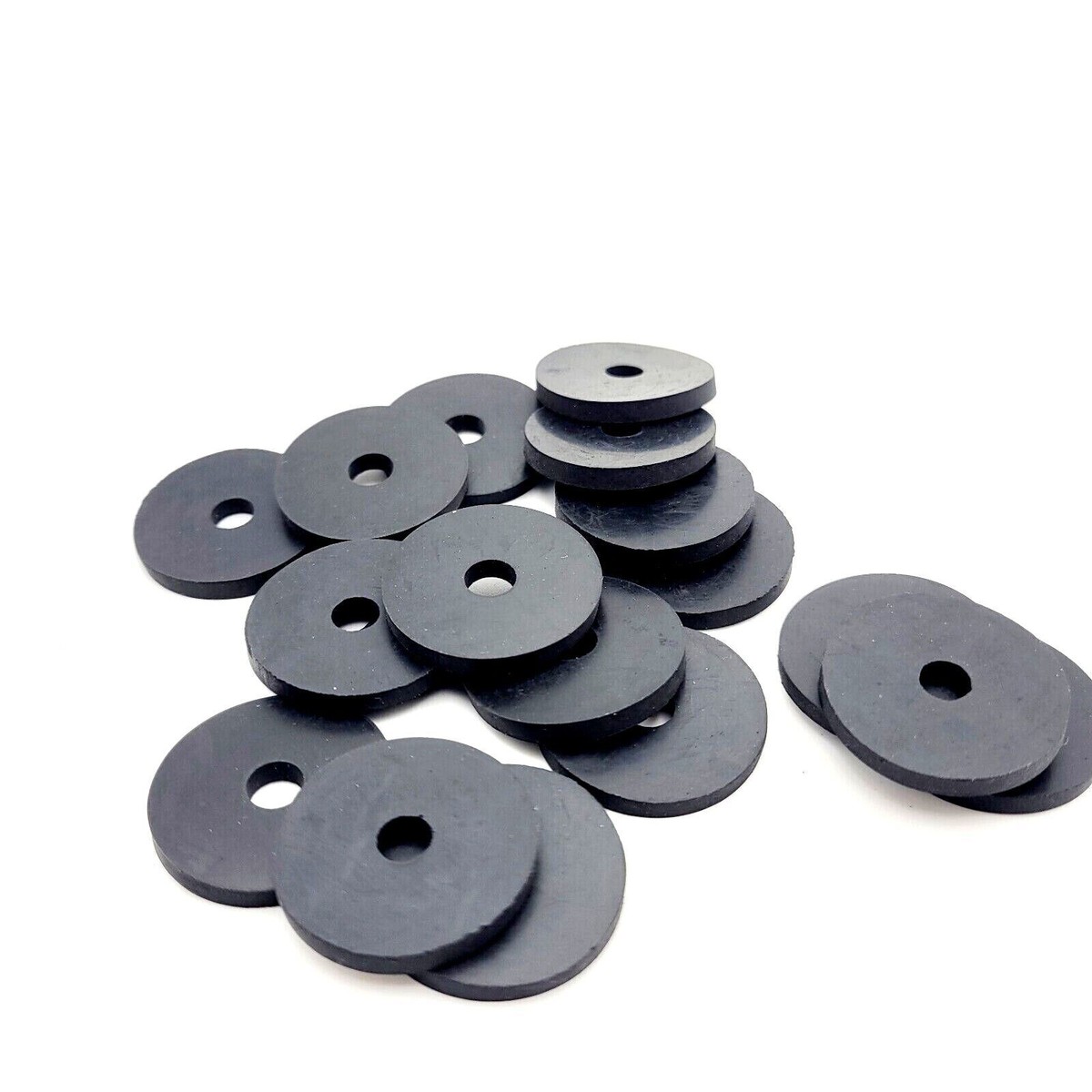
For industrial manufacturers and procurement specialists seeking high-performance rubber components, Suzhou Baoshida Trading Co., Ltd. stands as a trusted partner in the field of precision rubber seals and engineered solutions. As a specialized OEM manager and rubber formula engineer, we understand that reliability, material integrity, and dimensional accuracy are non-negotiable in demanding mechanical applications. Bulk fender washers, while seemingly simple, play a critical role in load distribution, vibration damping, and sealing performance across automotive, construction, and industrial equipment sectors. Our expertise lies in tailoring rubber formulations and geometries to meet exact functional requirements, ensuring long service life and operational consistency.
Suzhou Baoshida does not merely supply rubber washers—we engineer performance. Each batch of bulk fender washers is developed with attention to compression set resistance, tensile strength, and environmental durability. Whether your application demands resistance to oil, ozone, UV exposure, or extreme temperature fluctuations, our rubber compounding laboratory formulates materials using EPDM, NBR, silicone, or custom blends to match your operational conditions. Our production partners utilize precision molding techniques to maintain tight tolerances, ensuring uniformity across thousands of units. This level of consistency is vital for assembly-line efficiency and long-term field reliability.
We recognize that bulk procurement decisions hinge on more than just price. Lead times, material traceability, and technical documentation are equally critical. Suzhou Baoshida provides full material certification, batch testing reports, and dimensional validation upon request. Our team supports clients from initial specification review through to mass production, offering technical consultation to optimize both performance and cost-efficiency.
Below is a representative specification table for a standard bulk fender washer configuration. All parameters are customizable based on client requirements.
| Property | Specification |
|---|---|
| Material | NBR (Nitrile Butadiene Rubber) |
| Hardness (Shore A) | 70 ± 5 |
| Inner Diameter | 12.5 mm |
| Outer Diameter | 35.0 mm |
| Thickness | 3.0 mm |
| Temperature Range | -30°C to +100°C (short peaks to +125°C) |
| Color | Black |
| Compression Set (22 hrs @ 100°C) | ≤ 25% |
| Tensile Strength | ≥ 10 MPa |
| Elongation at Break | ≥ 200% |
| Production Method | Compression Molding |
| Packaging | 1,000 pcs per polybag, 10 bags per carton |
For applications requiring alternative dimensions, durometers, or specialty elastomers such as FKM or HNBR, we offer rapid prototyping and formulation adjustment services. Our goal is to deliver a technically optimized solution that integrates seamlessly into your manufacturing workflow.
To initiate a technical discussion or request a quotation for bulk fender washers, contact Mr. Boyce directly at [email protected]. As the dedicated OEM Manager and Rubber Formula Engineer, Mr. Boyce will provide engineering support, material recommendations, and pricing tailored to your volume and performance needs. At Suzhou Baoshida Trading Co., Ltd., we are committed to precision, performance, and partnership in every product we deliver.
⚖️ O-Ring Weight Calculator
Estimate rubber O-ring weight (Approx).