
Technical Contents
Engineering Guide: Buna N Seals
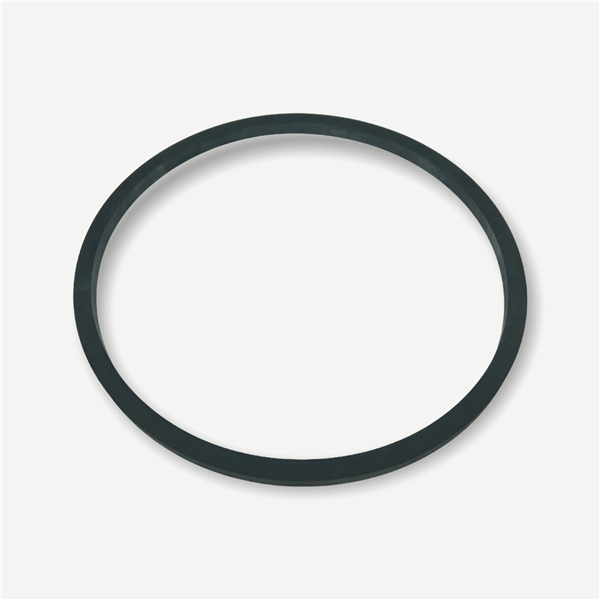
Engineering Insight: Material Selection Criticality in Buna-N Seals
Material selection for Buna-N (Nitrile Rubber, NBR) seals is not a generic procurement decision but a precision engineering requirement. Off-the-shelf Buna-N seals frequently fail in demanding industrial applications due to unaddressed thermodynamic and chemical variables. Standard formulations prioritize cost and broad compatibility, sacrificing performance in specific operational envelopes. This compromises seal integrity through accelerated compression set, chemical degradation, or thermal instability—ultimately causing leakage, downtime, and safety hazards. The acrylonitrile (ACN) content in NBR directly governs oil/fuel resistance but inversely affects low-temperature flexibility. A 33% ACN compound may resist hydraulic fluids yet embrittle below -30°C, while a 45% ACN variant withstands -15°C but swells excessively in aromatic fuels. Generic seals rarely optimize this balance for your exact fluid matrix, temperature profile, or dynamic stress conditions.
Three failure mechanisms dominate off-the-shelf seal failures. First, inadequate compression set resistance in continuous high-temperature exposure (>100°C) leads to permanent deformation and loss of sealing force—common in automotive turbocharger gaskets. Second, unrecognized chemical incompatibility with additives (e.g., ester-based biolubricants or amine-containing coolants) causes rapid swelling or hardening. Third, insufficient dynamic property tuning results in extrusion under pressure spikes or abrasion in reciprocating motion. These failures stem from standardized cure systems, filler packages, and plasticizer choices that ignore application-specific kinetic degradation pathways.
Custom-engineered Buna-N seals mitigate these risks through application-driven formulation. At Suzhou Baoshida, we initiate with fluid immersion testing per ASTM D471 and dynamic mechanical analysis (DMA) to map viscoelastic behavior across your operational range. This data informs tailored ACN content, peroxide vs. sulfur cure selection, and specialty additives like thermal stabilizers or anti-extrusion agents. The result is a seal with calibrated swell tolerance (<15% in target fluids), compression set <20% after 70 hours at 125°C, and consistent durometer stability across -40°C to 120°C.
The table below contrasts standard versus custom Buna-N performance under identical test conditions:
| Property | Standard Buna-N (Off-the-Shelf) | Custom Buna-N (Application-Optimized) |
|---|---|---|
| Compression Set (70h/125°C) | 35% | 15% |
| Volume Swell in ISO 7622 Oil | 28% | 12% |
| Low-Temperature Flex (ASTM D1329) | -30°C (Brittle) | -45°C (Flexible) |
| Tensile Strength Retention (After 168h Air Oven) | 45% | 78% |
| Extrusion Resistance (15MPa, 85°C) | Fail | Pass |
Investing in engineered material selection eliminates the false economy of generic seals. Suzhou Baoshida’s OEM partnership model integrates fluid dynamics analysis, failure mode simulation, and iterative prototyping to deliver seals that achieve >99.9% reliability in critical systems. This precision prevents cascading failures where a $2 seal defect incurs $50,000 in collateral damage. Material science must align with your operational reality—not the lowest common denominator.
Material Specifications
Buna-N seals, commonly referred to as nitrile rubber or NBR seals, are widely used in precision industrial applications due to their excellent resistance to oils, fuels, and aliphatic hydrocarbons. At Suzhou Baoshida Trading Co., Ltd., we specialize in manufacturing high-performance rubber seals tailored to demanding operational environments. Our expertise includes the formulation and production of seals using three primary elastomers: Nitrile (NBR), Viton (FKM), and Silicone (VMQ). Each material offers distinct chemical, thermal, and mechanical properties, allowing for optimized selection based on application requirements.
Nitrile rubber is the most cost-effective option among the three and is particularly suited for hydraulic systems, fuel handling equipment, and general-purpose sealing applications. It demonstrates strong abrasion resistance and maintains sealing integrity under dynamic conditions. However, its performance diminishes at extreme temperatures and in the presence of aromatic hydrocarbons or chlorinated solvents. Typical continuous service temperatures range from -30°C to +100°C, with short-term exposure tolerance up to +125°C.
Viton, a fluorocarbon-based elastomer, provides superior thermal stability and chemical resistance compared to both NBR and silicone. It is ideal for high-temperature environments such as aerospace, automotive fuel systems, and chemical processing equipment. Viton seals can operate continuously from -20°C to +200°C, with brief excursions up to +250°C. This material exhibits exceptional resistance to ozone, UV radiation, and a broad spectrum of aggressive fluids, including aromatic and chlorinated hydrocarbons, acids, and jet fuels.
Silicone rubber offers outstanding flexibility and thermal performance over a wide temperature range, typically from -60°C to +200°C. While it does not match the tensile strength or abrasion resistance of NBR or Viton, it excels in electrical insulation and biocompatibility, making it suitable for medical devices, food processing, and electronic enclosures. Silicone is highly resistant to weathering and ozone but has limited resistance to petroleum-based oils and solvents.
Material selection is critical in ensuring long-term seal reliability and system efficiency. The following table summarizes key physical and chemical properties of these elastomers to guide engineering decisions.
| Property | Nitrile (NBR) | Viton (FKM) | Silicone (VMQ) |
|---|---|---|---|
| Temperature Range (°C) | -30 to +100 | -20 to +200 | -60 to +200 |
| Tensile Strength (MPa) | 15–25 | 10–20 | 5–10 |
| Elongation at Break (%) | 200–400 | 150–300 | 200–600 |
| Hardness (Shore A) | 50–90 | 60–90 | 30–80 |
| Compression Set (22 hrs, 100°C) | 15–30% | 10–20% | 20–40% |
| Resistance to Oils & Fuels | Excellent | Excellent | Poor |
| Resistance to Ozone/UV | Fair | Excellent | Excellent |
| Resistance to Acids/Bases | Moderate | Excellent | Good |
| Electrical Insulation | Good | Fair | Excellent |
At Suzhou Baoshida Trading Co., Ltd., we ensure precise formulation control and rigorous quality testing to meet international standards. Our technical team supports OEMs in material selection, ensuring optimal performance, durability, and cost-efficiency across diverse industrial applications.
Manufacturing Capabilities
Engineering Excellence in Buna-N Seal Manufacturing
Suzhou Baoshida Trading Co., Ltd. delivers precision-engineered Buna-N (NBR) seals through an integrated technical framework combining advanced material science and agile manufacturing. Our core strength lies in a dedicated engineering team comprising five certified mold designers and two specialized rubber formula engineers, enabling end-to-end control from compound development to production validation. This structure ensures optimal material performance for demanding industrial applications, particularly in hydraulic systems, fuel handling, and automotive subsystems where oil and fuel resistance are critical.
Our formula engineers leverage 15+ years of compound optimization experience to tailor Buna-N formulations for specific client requirements. By adjusting acrylonitrile (ACN) content between 18% and 50%, we precisely balance oil resistance, low-temperature flexibility, and compression set performance. Each formulation undergoes rigorous laboratory testing per ASTM D2000 standards, including accelerated aging in IRM 903 oil and ozone exposure validation. Concurrently, our mold engineering team utilizes 3D simulation software (Moldflow®) to eliminate flow imbalances and knit lines, achieving dimensional tolerances within ±0.05mm for critical sealing surfaces. This synergy reduces prototyping cycles by 40% compared to industry averages.
As a certified OEM partner, we implement a structured development protocol: client specifications are translated into material master data sheets, followed by DFM analysis and PPAP documentation. Our facility supports low-volume prototyping (100–500 units) to full-scale production (500k+ units annually), with ISO/TS 16949-compliant traceability from raw material lot to finished part. Clients benefit from dedicated APQP project management, ensuring on-time delivery while meeting stringent OEM quality gates.
Key Buna-N Seal Performance Specifications
| Parameter | Standard Range | Baoshida Enhanced Range | Test Method |
|————————–|———————-|————————-|—————-|
| Hardness (Shore A) | 40–90 | 35–95 | ASTM D2240 |
| Temperature Range (°C) | -30 to +100 | -40 to +125 | ASTM D1329 |
| Tensile Strength (MPa) | ≥10 | ≥15 | ASTM D412 |
| Elongation at Break (%) | ≥200 | ≥250 | ASTM D412 |
| Compression Set (70h/100°C) | ≤35% | ≤25% | ASTM D395 |
| Volume Swell in IRM 903 | ≤30% | ≤15% | ASTM D471 |
Material traceability is maintained through barcode-linked batch records, with every production lot subjected to real-time rheometry and post-cure hardness validation. Our formula engineers continuously refine curing kinetics to minimize reversion in high-temperature applications, extending service life by up to 30% in aggressive media. For OEM clients, we provide comprehensive failure mode analysis (FMEA) support and rapid reformulation capabilities when fluid compatibility challenges arise.
Suzhou Baoshida’s engineering rigor translates to seals with superior sealing force retention under dynamic pressure cycles and extended service intervals. With 99.2% first-pass yield rates in production and a 72-hour technical response commitment, we mitigate supply chain risks while delivering uncompromised performance in critical sealing interfaces. Partner with us to transform material specifications into engineered reliability.
Customization Process
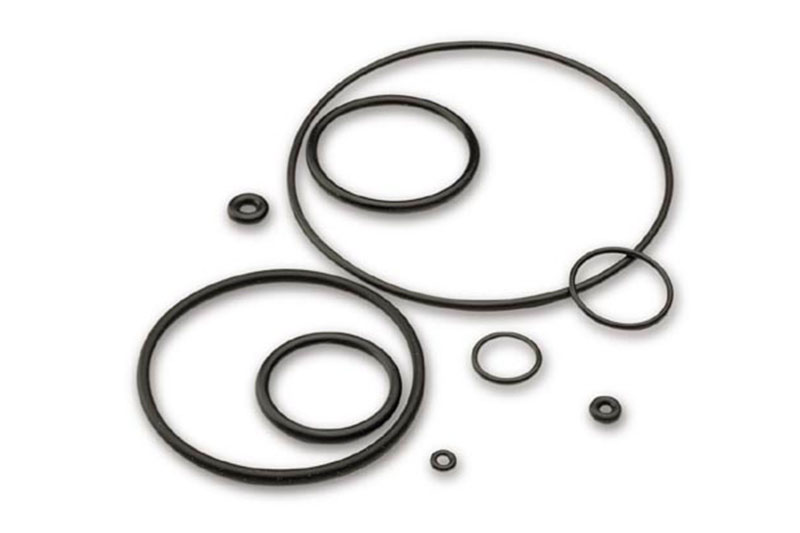
Drawing Analysis: The Foundation of Precision Sealing Solutions
At Suzhou Baoshida Trading Co., Ltd., the customization process for Buna N (Nitrile Rubber) seals begins with rigorous drawing analysis. This initial step ensures dimensional accuracy, functional compatibility, and adherence to client-specific engineering requirements. Our technical team evaluates customer-supplied CAD drawings or sketches to verify critical parameters such as inner diameter (ID), outer diameter (OD), cross-sectional diameter, tolerance classes per ISO 3601 or AS568 standards, and groove design specifications. We assess sealing interface geometry, installation clearances, and potential stress points under operational conditions. Any discrepancies or optimization opportunities are communicated promptly through formal engineering feedback. This phase is critical in preventing fitment issues and ensuring long-term reliability in dynamic or static sealing applications.
Formulation: Tailoring Material Performance to Application Demands
Once dimensional parameters are confirmed, we proceed to material formulation—a core competency in our precision rubber manufacturing process. Buna N is selected for its excellent resistance to oils, fuels, and aliphatic hydrocarbons, but its performance can be significantly enhanced through customized compounding. Our rubber formula engineers adjust acrylonitrile (ACN) content to balance oil resistance and low-temperature flexibility. For instance, high-ACN formulations (48%) are deployed for aggressive oil environments, while low-ACN (18%) variants improve cold flexibility down to -40°C. Additives such as antidegradants, processing aids, and reinforcing fillers are precisely metered to achieve target hardness (Shore A), compression set resistance, and volume swell characteristics. Each formulation is documented under controlled batch records to ensure repeatability and traceability across production cycles.
Prototyping: Validating Design and Material Synergy
Following formulation development, small-batch prototyping is conducted using precision compression or injection molding techniques. Prototypes are subjected to dimensional inspection via coordinate measuring machines (CMM) and non-destructive visual testing. Functional validation includes compression set testing per ASTM D395, volume swell analysis in reference fluids (e.g., IRM 903), and dynamic bench testing under simulated service conditions. Clients receive sample sets with full material certification (including RoHS and REACH compliance documentation) for field evaluation. Feedback from this stage informs final adjustments in both geometry and compound design before release to mass production.
Mass Production: Consistency at Scale
With approved prototypes, we transition to high-volume manufacturing under ISO 9001-certified processes. Automated molding lines, in-line dimensional monitoring, and statistical process control (SPC) ensure batch-to-batch consistency. Final products undergo 100% visual inspection and抽样 physical testing per AQL Level II. Packaging is customized to prevent deformation and contamination during transit.
The following table outlines typical performance specifications for customized Buna N seals produced through this workflow:
| Property | Test Method | Typical Value |
|---|---|---|
| Hardness (Shore A) | ASTM D2240 | 60–90 ±5 |
| Tensile Strength | ASTM D412 | ≥15 MPa |
| Elongation at Break | ASTM D412 | ≥250% |
| Compression Set (70h at 100°C) | ASTM D395 B | ≤30% |
| Volume Swell in IRM 903 (70h at 100°C) | ASTM D471 | ≤25% |
| Operating Temperature Range | — | -30°C to +120°C (short peaks to +150°C) |
This structured approach—drawing analysis, formulation, prototyping, and mass production—ensures that every Buna N seal delivered by Suzhou Baoshida meets the highest standards of engineering integrity and application-specific performance.
Contact Engineering Team
Contact Suzhou Baoshida for Precision Buna N Seal Solutions
Suzhou Baoshida Trading Co., Ltd. stands at the forefront of engineered rubber compound development and precision seal manufacturing for demanding industrial applications. Our specialization in Nitrile Butadiene Rubber (Buna N, NBR) formulations ensures unmatched performance in fuel, oil, and hydraulic systems where resilience against swelling, abrasion, and thermal degradation is non-negotiable. As your dedicated Rubber Formula Engineer and OEM Manager, I oversee the technical integrity of every seal we produce, translating your operational challenges into bespoke material science solutions. Generic off-the-shelf seals often fail under extreme pressure differentials or chemical exposure; our engineered NBR compounds are rigorously tested to exceed ISO 3601 and SAE AS568 standards, minimizing downtime and extending service life in critical machinery.
Understanding the precise interplay between polymer structure, filler systems, and curing dynamics is paramount for seal reliability. Our laboratory utilizes advanced rheometry, DSC, and accelerated aging protocols to optimize acrylonitrile content (ranging from 18% to 50%) for your specific fluid compatibility and temperature requirements. Whether your application involves aerospace hydraulics operating at -40°C to 125°C or high-pressure injection molding equipment exposed to aggressive biodegradable esters, our formulations balance hardness, tensile strength, and compression set to exacting tolerances. The table below outlines typical performance characteristics achievable with our custom NBR compounds, reflecting real-world test data under controlled conditions.
| Property | Test Method | Typical Range (Customizable) |
|---|---|---|
| Hardness (Shore A) | ASTM D2240 | 50–90 ±2 points |
| Tensile Strength (MPa) | ASTM D412 | 15–28 |
| Elongation at Break (%) | ASTM D412 | 250–450 |
| Compression Set (70h @ 100°C) (%) | ASTM D395 | 15–35 |
| Volume Swell in IRM 903 (70h @ 100°C) (%) | ASTM D471 | 10–25 |
| Temperature Range (°C) | – | -40 to +135 (continuous) |
These values represent baseline capabilities; actual specifications are fine-tuned during collaborative development phases using your fluid samples and operational parameters. Our ISO 9001-certified production facility integrates computerized molding control and 100% dimensional inspection via CMM, ensuring zero-defect delivery for OEM volume contracts.
Do not compromise on seal integrity when system failure risks safety, compliance, or revenue. Contact Mr. Boyce, our dedicated OEM Manager and Rubber Formulation Specialist, to initiate a technical dialogue grounded in material science rigor. With over 15 years of experience solving complex sealing challenges for Tier-1 automotive, energy, and industrial equipment manufacturers, Mr. Boyce will coordinate our engineering team to deliver a validated NBR solution within your timeline. Provide your fluid compatibility requirements, pressure profiles, and dimensional drawings to receive a comprehensive compound proposal with accelerated life testing data.
Reach Mr. Boyce directly at [email protected] or +86 512 6288 7510. Include your application’s critical performance parameters and target volume for immediate technical assessment. Suzhou Baoshida transforms sealing challenges into engineered advantages—partner with us to eliminate leakage risks at the molecular level. Your next-generation seal begins with a single, precise specification.
⚖️ O-Ring Weight Calculator
Estimate rubber O-ring weight (Approx).