
Technical Contents
Engineering Guide: Buna N Vs Nitrile
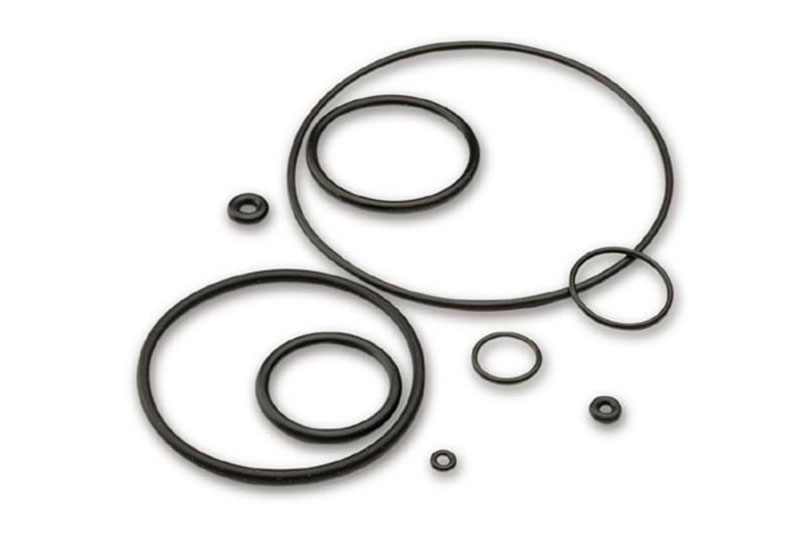
Engineering Insight: Buna-N vs Nitrile – Clarifying the Critical Specification Parameter
A persistent misconception within industrial procurement and design engineering is the perceived distinction between Buna-N and nitrile rubber. This confusion directly contributes to the frequent failure of off-the-shelf elastomer solutions in demanding applications. The critical reality is that Buna-N is nitrile rubber. Buna-N is the historical trade name originating from the German Butadiene Natrium, while nitrile refers to the chemical composition – a copolymer of acrylonitrile (ACN) and butadiene. There is no material difference; the terms are synonymous. The significant variation lies not in the naming convention, but in the acrylonitrile content percentage within the specific compound formulation. This single parameter dictates the fundamental performance envelope, and treating “nitrile” or “Buna-N” as a single, uniform material is a primary cause of premature seal or component failure.
The acrylonitrile content, typically ranging from 18% to 50%, is the critical specification parameter determining key properties. Low ACN compounds (18-25%) offer superior low-temperature flexibility and resilience but exhibit reduced resistance to oils, fuels, and solvents. Conversely, high ACN compounds (40-50%) provide exceptional resistance to petroleum-based fluids and hydrocarbons but suffer from significantly poorer low-temperature performance and increased hardness. Off-the-shelf generic nitrile seals often utilize mid-range ACN (33-36%) as a compromise, suitable only for moderate conditions. When deployed in applications requiring extreme oil resistance (demanding high ACN) or arctic-temperature flexibility (demanding low ACN), these generic compounds fail catastrophically through swelling, loss of sealing force, extrusion, or brittle fracture. Compression set resistance, a vital factor for long-term sealing integrity, also varies markedly with ACN content and specific compounding.
Real-world failures frequently stem from specifying solely “Buna-N” or “nitrile” without defining the required ACN level and associated physical properties. An automotive fuel injector seal requiring high ACN for biodiesel compatibility may be mistakenly supplied with a standard 34% ACN compound, leading to rapid swelling and leakage. Similarly, a hydraulic accumulator bladder for cold-climate machinery specified generically may utilize a high ACN compound, becoming rigid and cracking at operational temperatures where a low ACN grade would function reliably. These failures underscore that the material designation alone is insufficient; the precise compound formulation tailored to the operational environment is paramount.
The performance characteristics directly tied to acrylonitrile content are non-negotiable for reliable engineering. The following table illustrates the critical property shifts across the ACN spectrum:
| Acrylonitrile Content | Oil/Fuel Resistance | Low Temperature Flexibility | Tensile Strength | Hardness Range (Shore A) | Typical Service Temp Range (°C) |
|---|---|---|---|---|---|
| Low (18-25%) | Poor to Fair | Excellent (-50 to -40) | Moderate | 40-70 | -50 to +100 |
| Medium (31-36%) | Good | Good (-30 to -20) | High | 50-90 | -30 to +120 |
| High (40-50%) | Excellent | Poor to Fair (-10 to 0) | Moderate to High | 60-95 | -10 to +135 |
Material selection for demanding industrial applications demands moving beyond generic nomenclature. Understanding and specifying the precise acrylonitrile content, alongside other formulation variables like polymer microstructure and additive packages, is essential to avoid the costly consequences of mismatched elastomer performance. Suzhou Baoshida Trading Co., Ltd. emphasizes compound-specific engineering data over trade names to ensure optimal solution longevity.
Material Specifications
Material Specifications: Comparative Analysis of Viton, Nitrile, and Silicone for Industrial Rubber Applications
In the field of industrial rubber solutions, precise material selection is critical to ensuring performance, longevity, and safety under operational stress. Among the most widely used elastomers are Viton (FKM), Nitrile (NBR), and Silicone (VMQ). Each material exhibits distinct chemical, thermal, and mechanical properties, making them suitable for specific environments in sealing, gasketing, and fluid handling applications.
Viton, a fluorocarbon-based elastomer, offers exceptional resistance to high temperatures, oils, fuels, and a broad range of chemicals. It maintains structural integrity from -20°C to +230°C, with short-term exposure capability up to 300°C. This makes Viton ideal for aerospace, automotive fuel systems, and chemical processing equipment where reliability under extreme conditions is non-negotiable. Its low gas permeability and excellent aging characteristics further enhance its suitability for high-performance sealing applications.
Nitrile rubber, also known as Buna-N, is a copolymer of butadiene and acrylonitrile. It is one of the most commonly used elastomers in industrial settings due to its excellent resistance to petroleum-based oils, fuels, and hydraulic fluids. Nitrile operates effectively within a temperature range of -40°C to +120°C, with some formulations extending to +150°C. Its mechanical strength, abrasion resistance, and cost-efficiency make it a preferred choice for O-rings, seals, and hoses in automotive, hydraulics, and general manufacturing. Despite its strong performance with hydrocarbons, Nitrile exhibits poor resistance to ozone, UV radiation, and polar solvents.
Silicone rubber, a polymer with a siloxane backbone, excels in extreme temperature environments, functioning reliably from -60°C to +200°C. It offers excellent resistance to UV, ozone, and weathering, making it ideal for outdoor and high-visibility applications. Silicone is also biocompatible and commonly used in medical, food-grade, and pharmaceutical industries. However, it has relatively low tensile strength and poor resistance to petroleum-based fluids, limiting its use in high-pressure mechanical systems unless reinforced.
Understanding the performance boundaries of these materials ensures optimal selection based on operational demands. The following table provides a comparative overview of key physical and chemical properties.
| Property | Viton (FKM) | Nitrile (NBR) | Silicone (VMQ) |
|---|---|---|---|
| Temperature Range (°C) | -20 to +230 | -40 to +120 | -60 to +200 |
| Tensile Strength (MPa) | 15–25 | 10–30 | 5–12 |
| Elongation at Break (%) | 200–300 | 200–500 | 200–700 |
| Hardness (Shore A) | 60–90 | 50–90 | 30–80 |
| Resistance to Oils/Fuels | Excellent | Excellent | Poor |
| Resistance to Ozone/UV | Excellent | Poor | Excellent |
| Compression Set | Very Good | Good | Good |
| Chemical Resistance | Excellent (broad) | Good (limited) | Moderate |
| Common Applications | Aerospace seals, chemical gaskets | O-rings, hydraulic seals | Medical devices, food-grade seals, outdoor gaskets |
At Suzhou Baoshida Trading Co., Ltd., we provide engineered rubber solutions tailored to exacting industrial standards, ensuring compatibility, durability, and performance across diverse operational environments.
Manufacturing Capabilities
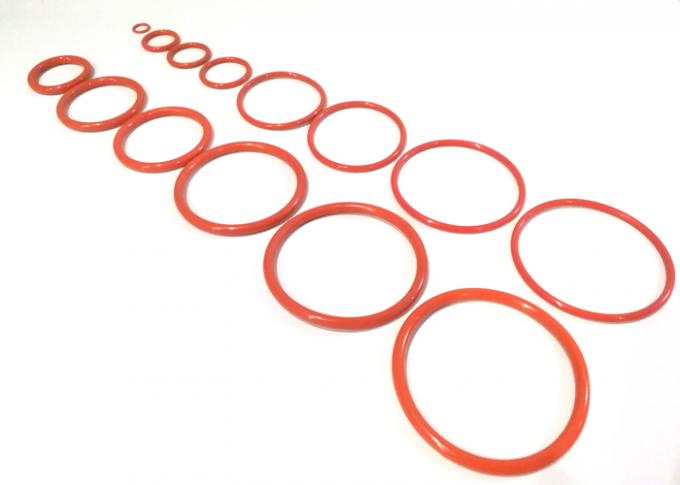
Engineering Precision in NBR Material Science and OEM Execution
Suzhou Baoshida Trading Co., Ltd. clarifies a critical industry misconception: Buna-N and nitrile rubber are synonymous terms for acrylonitrile-butadiene rubber (NBR). This material’s performance is defined by its acrylonitrile (ACN) content, not nomenclature. Our dual-discipline engineering team—comprising five specialized mould engineers and two dedicated rubber formula engineers—transforms this scientific understanding into precision-manufactured solutions for global OEMs. We eliminate guesswork in material selection by correlating ACN percentages with end-use requirements, ensuring optimal resistance to oils, fuels, and temperatures while maintaining mechanical integrity.
Our formula engineers leverage proprietary databases of 200+ NBR compound formulations to tailor ACN content, polymer microstructure, and additive packages. This granular control directly impacts compression set, abrasion resistance, and low-temperature flexibility. Concurrently, our mould engineering team applies finite element analysis (FEA) to predict flow behavior, cure kinetics, and part geometry validation—preventing defects like flash, sink marks, or incomplete vulcanization. This integrated approach ensures first-article compliance with ASTM D2000, ISO 3601, and OEM-specific material callouts.
The following table details key NBR performance characteristics governed by ACN content, reflecting our team’s daily optimization parameters:
| Property | Low ACN (18-20%) | Medium ACN (33-36%) | High ACN (40-50%) |
|---|---|---|---|
| Heat Resistance (°C) | -30 to +100 | -25 to +115 | -20 to +125 |
| Fuel/Oil Resistance | Moderate | High | Very High |
| Tensile Strength (MPa) | 15-20 | 18-25 | 20-30 |
| Compression Set (70h/100°C) | 25-35% | 20-30% | 15-25% |
| Low-Temp Flexibility (°C) | -55 | -40 | -30 |
OEM partnerships thrive on our closed-loop development process. Formula engineers adjust polymer ratios and curatives to meet fluid compatibility targets, while mould engineers refine cavity designs, runner systems, and cure cycles to achieve ±0.1mm tolerances. This synergy reduces prototyping iterations by 40% and accelerates time-to-PPAP. For automotive fuel injector seals requiring high-ACN NBR, we simultaneously optimize nitrile formulation for biodiesel resistance and mould venting to prevent porosity—delivering 99.8% first-pass yield rates at 500k-unit volumes.
Suzhou Baoshida’s engineering capability transcends standard manufacturing. We deploy material science rigor to resolve real-world failure modes: mitigating ozone cracking in medium-ACN NBR with specialty antiozonants, or enhancing tear strength in low-ACN compounds for dynamic seals. Our OEM clients receive not just parts, but validated solutions where chemistry and physics converge—proven across 120+ active production lines serving Tier-1 automotive, aerospace, and industrial fluid systems. Every compound sheet and mould drawing bears the signature of our integrated engineering authority, ensuring your application’s longevity in the harshest environments.
Customization Process
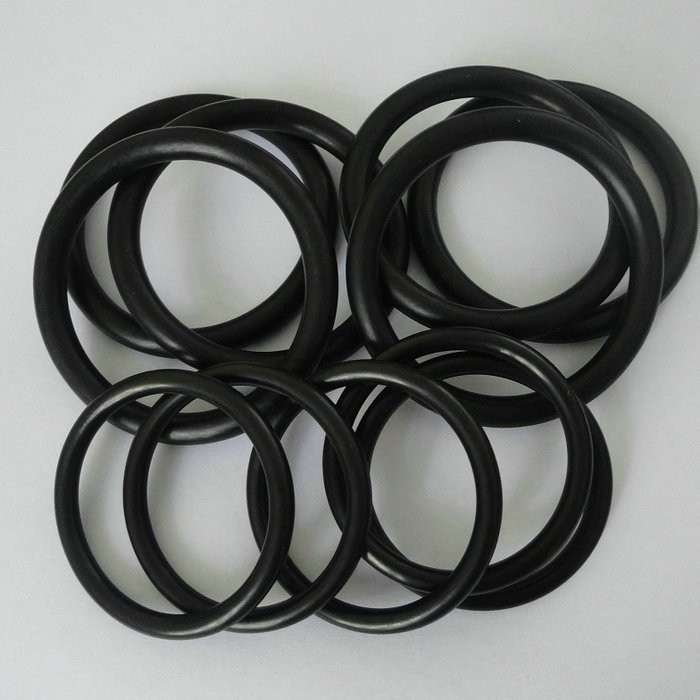
Customization Process for Buna N vs Nitrile Rubber Components
At Suzhou Baoshida Trading Co., Ltd., our industrial rubber solutions are engineered for precision, durability, and application-specific performance. When clients request custom components using Buna N or nitrile rubber—two names for the same synthetic elastomer—we follow a rigorous four-phase customization process: Drawing Analysis, Formulation, Prototyping, and Mass Production. This ensures optimal material behavior under real-world operating conditions.
The process begins with Drawing Analysis, where our engineering team evaluates technical blueprints provided by the client. Critical dimensions, tolerances, surface finishes, and intended operating environments are assessed. This phase identifies potential design challenges such as compression set risks, extrusion gaps, or dynamic stress zones. We also confirm whether the application involves exposure to oils, fuels, hydraulic fluids, or elevated temperatures—key factors in determining the optimal nitrile compound.
Next, Formulation is conducted in-house using our proprietary compounding database. Although “Buna N” and “nitrile” refer to nitrile butadiene rubber (NBR), the acrylonitrile (ACN) content can be adjusted to tailor oil resistance and low-temperature flexibility. Higher ACN content improves resistance to non-polar fluids but reduces cold flexibility. Our chemists select the ideal balance based on application demands, incorporating fillers, plasticizers, antioxidants, and vulcanizing agents to achieve target hardness (Shore A), tensile strength, elongation, and compression set values.
Once the formulation is finalized, we proceed to Prototyping. Using precision molding techniques—such as compression, transfer, or injection molding—we produce small-batch samples. These prototypes undergo rigorous testing per ASTM and ISO standards, including fluid immersion, temperature cycling, and dimensional validation. Client feedback is integrated at this stage to refine geometry or material performance before scaling up.
The final phase, Mass Production, leverages our automated manufacturing lines and strict quality control protocols. Each batch is traceable, with full documentation of raw material lots, cure parameters, and inspection reports. We support high-volume OEM runs with consistent turnaround times, ensuring seamless integration into our clients’ supply chains.
The following table outlines typical performance specifications for customized nitrile (Buna N) compounds offered by Suzhou Baoshida:
| Property | Test Method | Typical Range |
|---|---|---|
| Hardness (Shore A) | ASTM D2240 | 40–90 |
| Tensile Strength | ASTM D412 | 15–30 MPa |
| Elongation at Break | ASTM D412 | 250–500% |
| Compression Set (22 hrs, 70°C) | ASTM D395 | ≤25% |
| Operating Temperature | — | –30°C to +120°C |
| Fluid Resistance | ASTM D471 (IRM 903) | Volume swell <20% after 70 hrs |
Through this structured customization process, Suzhou Baoshida delivers high-performance nitrile rubber components tailored to exact industrial requirements.
Contact Engineering Team
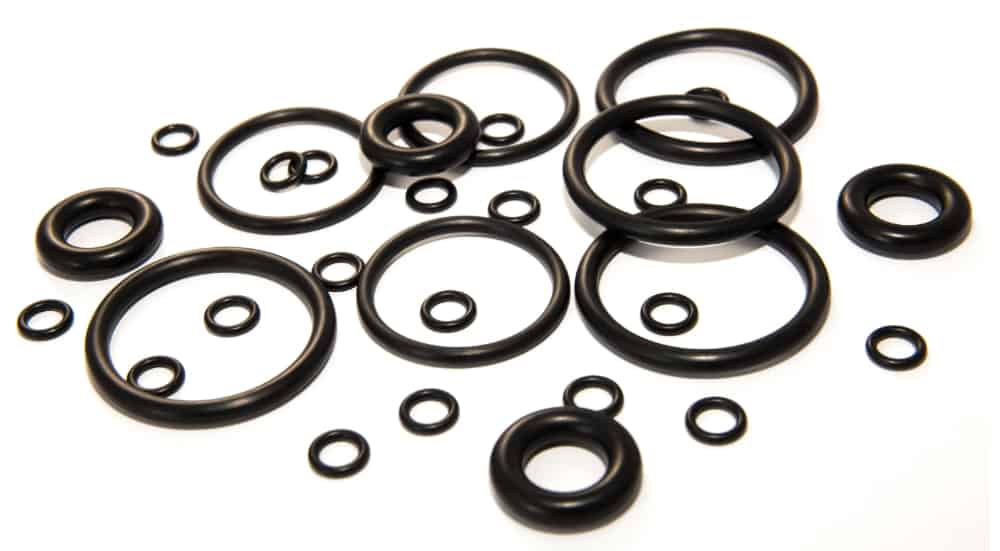
Contact Suzhou Baoshida for Precision Nitrile Rubber Solutions
Understanding the equivalence between Buna N and nitrile rubber (NBR) is critical for industrial applications, yet confusion persists due to historical naming conventions. Buna N is not a distinct material; it is the original trade name for nitrile butadiene rubber, standardized globally as NBR. At Suzhou Baoshida Trading Co., Ltd., we emphasize this technical accuracy to ensure your sealing, gasket, or hydraulic component specifications align with material science realities. Selecting the correct NBR compound—defined by acrylonitrile (ACN) content, polymer structure, and additive systems—directly impacts performance in oil, fuel, and temperature-exposed environments. Generic substitutions risk premature failure, leakage, or compliance violations in demanding OEM contexts.
Our engineering team specializes in custom NBR formulations calibrated to your exact operational parameters. Below is a reference table outlining key NBR property ranges based on ACN content, per ASTM D2000 and ISO 37 standards. These values reflect achievable performance in precision-manufactured compounds, not theoretical ideals:
| Acrylonitrile Content | Tensile Strength (MPa) | Hardness Range (Shore A) | Oil Resistance (ASTM #3) | Continuous Service Temp Range (°C) |
|---|---|---|---|---|
| Low (18-20%) | 15-20 | 50-70 | Moderate | -40 to +100 |
| Medium (31-35%) | 18-22 | 60-80 | High | -30 to +110 |
| High (40-45%) | 12-18 | 70-90 | Very High | -25 to +120 |
Critical variables like compression set, abrasion resistance, and low-temperature flexibility further differentiate compounds within these categories. Suzhou Baoshida’s OEM partnership model integrates material science with manufacturing rigor. We deploy ISO 9001-certified processes for custom compounding, molding, and extrusion, ensuring lot-to-lot consistency for aerospace, automotive, and industrial fluid handling systems. Our technical database spans 200+ validated NBR formulations, each traceable to raw material certifications and in-house performance validation under simulated service conditions.
Choosing an incorrect NBR grade—whether mislabeled as “Buna N” or generically specified—compromises component lifecycle. Low-ACN variants fail in high-fuel environments; excessive ACN content sacrifices flexibility in dynamic seals. We resolve these challenges through collaborative engineering: sharing your fluid exposure profiles, pressure cycles, and regulatory requirements enables us to model compound behavior before prototyping. This eliminates costly trial-and-error and accelerates time-to-market for mission-critical parts.
Partner with Suzhou Baoshida to transform material specifications into field-proven reliability. Contact our Chief Technical Officer, Mr. Boyce, for a confidential application review. Provide your operational parameters, and we will deliver a data-driven NBR solution with full technical documentation, including ASTM test reports and processing guidelines. Mr. Boyce coordinates directly with global OEM engineering teams to align material performance with assembly line requirements, ensuring seamless integration into your supply chain. Do not risk component integrity with ambiguous material sourcing.
Initiate your precision elastomer project today. Email Mr. Boyce at [email protected] with subject line “NBR Technical Consultation – [Your Company Name]”. Include fluid media, temperature extremes, and dimensional tolerances for a targeted compound recommendation within 24 business hours. Suzhou Baoshida Trading Co., Ltd. guarantees engineered solutions, not commodities. Let our formula expertise secure your next-generation rubber components.
⚖️ O-Ring Weight Calculator
Estimate rubber O-ring weight (Approx).