
Technical Contents
Engineering Guide: Butyl O Rings
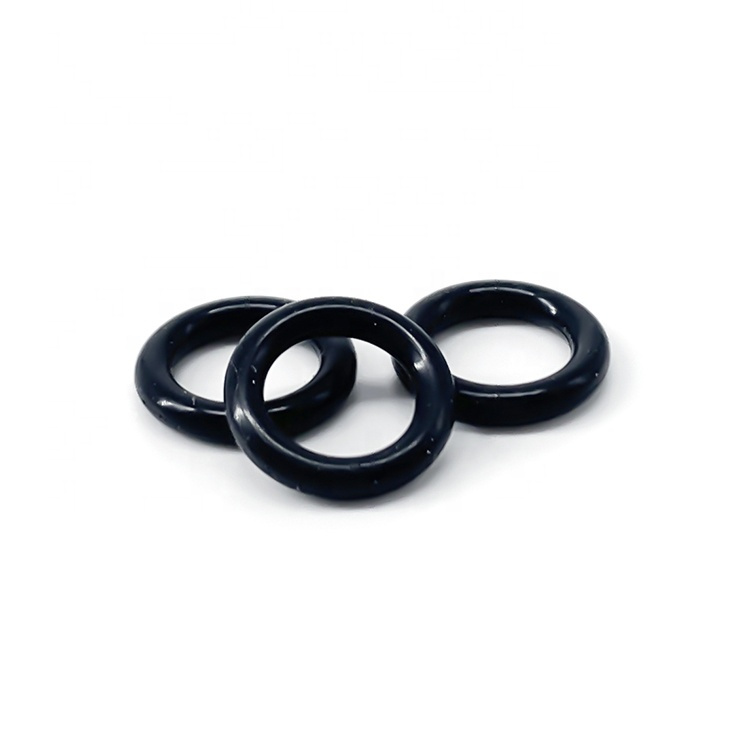
Engineering Insight: The Critical Role of Material Selection in Butyl O-Rings
In precision sealing applications, the selection of elastomeric materials is not a matter of convenience—it is a fundamental engineering decision that directly impacts system integrity, longevity, and safety. Butyl rubber (isobutylene-isoprene copolymer, IIR) is renowned for its exceptional impermeability to gases and resistance to weathering, ozone, and aging. These characteristics make butyl O-rings a preferred choice in demanding environments such as automotive tire liners, pharmaceutical packaging, and certain industrial vacuum systems. However, despite these advantages, off-the-shelf butyl O-rings frequently underperform when deployed without rigorous material evaluation against specific operational parameters.
The failure of generic butyl O-rings often stems from an oversimplified approach to material compatibility. While butyl exhibits excellent resistance to polar substances like water, alcohols, and alkalis, it demonstrates poor performance when exposed to non-polar solvents, hydrocarbons, and oils. A standard butyl formulation may degrade rapidly in environments involving fuel, lubricants, or chlorinated hydrocarbons—conditions commonly encountered even in seemingly benign industrial systems. This chemical incompatibility leads to swelling, loss of mechanical strength, and ultimately seal failure.
Temperature range is another frequently overlooked factor. Butyl O-rings perform optimally between -40°C and +120°C. Beyond this range, especially under prolonged exposure, the material undergoes accelerated thermal degradation or embrittlement, compromising sealing force and resilience. Off-the-shelf products often lack the reinforced polymer architecture or specialized additives needed to extend performance at temperature extremes.
Moreover, compression set resistance—a critical metric for dynamic and static seals—is highly formulation-dependent. Standard butyl compounds may exhibit high compression set after prolonged stress, resulting in permanent deformation and loss of sealing pressure. High-performance variants, often modified with halogenation (e.g., chlorobutyl or bromobutyl), offer improved cure compatibility and reduced compression set, but these are rarely found in generic inventory.
Custom engineering of butyl O-rings allows for precise tailoring of polymer structure, filler content, and cure system to match fluid, thermal, and mechanical demands. At Suzhou Baoshida Trading Co., Ltd., we prioritize application-specific material analysis to prevent premature failure and ensure compliance with OEM standards.
| Property | Standard Butyl (IIR) | Halogenated Butyl (CIIR/BIIR) | Units |
|---|---|---|---|
| Tensile Strength | 18–22 | 20–25 | MPa |
| Elongation at Break | 400–550 | 450–600 | % |
| Hardness (Shore A) | 55–75 | 60–80 | — |
| Operating Temperature | -40 to +120 | -40 to +135 | °C |
| Compression Set (22h, 100°C) | 25–40 | 15–30 | % |
| Fluid Resistance (e.g., water, steam) | Excellent | Excellent | — |
| Fluid Resistance (e.g., oils, fuels) | Poor | Poor to Fair | — |
Material Specifications
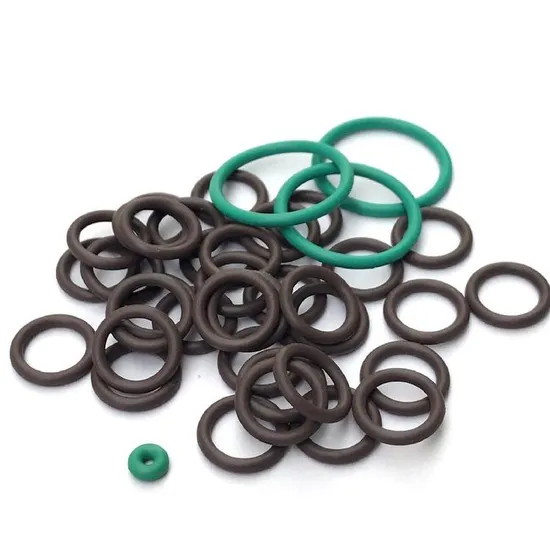
Material Specifications for Butyl O-Rings in Precision Sealing Applications
Selecting the appropriate elastomer for butyl O-rings is critical for ensuring long-term sealing integrity, particularly in applications demanding exceptional resistance to gas permeation and environmental exposure. Butyl rubber (IIR) itself offers outstanding impermeability to gases and moisture vapor, coupled with good resistance to heat, ozone, and weathering. However, optimal performance in diverse industrial environments requires careful pairing with compatible base polymers or blends, where Viton (FKM), Nitrile (NBR), and Silicone (VMQ) serve distinct and vital roles. Understanding the precise material specifications of these compounds is fundamental for OEM design validation and manufacturing consistency.
Viton fluorocarbon rubber provides the highest level of chemical and thermal resistance among standard elastomers suitable for butyl compound enhancement. Its molecular structure delivers exceptional stability against aggressive fluids including hydrocarbons, acids, bases, and jet fuels. Viton-based butyl formulations maintain sealing force across a broad temperature spectrum from -20°C to +230°C continuous service, with short-term excursions possible. This makes them indispensable for demanding aerospace, semiconductor, and chemical processing seals where failure is not an option. Compression set resistance remains excellent even after prolonged high-temperature exposure, a key factor for dynamic and static sealing longevity.
Nitrile rubber remains the most cost-effective solution for general-purpose butyl O-rings requiring robust resistance to oils, greases, and aliphatic hydrocarbons. Standard NBR formulations offer reliable performance within a temperature range of -40°C to +120°C, with specialty high-acrylonitrile or hydrogenated (HNBR) variants extending low-temperature flexibility or heat resistance marginally. While permeation rates for gases like oxygen are higher than pure butyl, NBR-butyl blends provide an optimal balance of fuel/oil resistance, mechanical strength, and abrasion resistance for automotive fuel systems, hydraulic equipment, and general industrial machinery, adhering strictly to ASTM D2000 classification requirements.
Silicone rubber excels where extreme temperature stability and biocompatibility are paramount, though its inherent gas permeability is higher than butyl. Silicone-butyl compounds achieve an unparalleled operational range from -60°C to +200°C, maintaining flexibility at cryogenic temperatures and stability under repeated thermal cycling. They exhibit excellent resistance to oxygen, ozone, and UV radiation, alongside very low toxicity. These properties make them essential for pharmaceutical, food and beverage, and high-temperature aerospace applications requiring stringent regulatory compliance (USP Class VI, FDA 21 CFR). However, silicone demonstrates poor resistance to concentrated acids, bases, and non-polar solvents compared to Viton or NBR.
The following table summarizes critical performance specifications for butyl O-ring materials incorporating these key polymers, based on standard test methods per ASTM D2000 and ISO 3601:
| Property | Viton (FKM) Enhanced Butyl | Nitrile (NBR) Enhanced Butyl | Silicone (VMQ) Enhanced Butyl |
|---|---|---|---|
| Temperature Range (°C) | -20 to +230 | -40 to +120 | -60 to +200 |
| Key Chemical Resistance | Excellent: Fuels, Oils, Acids, Bases, Solvents | Good: Oils, Greases, Aliphatic Hydrocarbons | Excellent: Oxygen, Ozone, UV; Poor: Strong Acids/Bases, Solvents |
| Gas Impermeability | Very High | High | Moderate |
| Compression Set (ASTM D395) | Excellent (Low) | Good | Excellent (Low at Temp Extremes) |
| Typical Applications | Aerospace Fuel Systems, Chemical Seals, Semiconductor | Automotive Fuel/Oil Systems, Hydraulics, General Industrial | Pharma, Food Processing, High-Temp Aerospace, Cryogenic |
Material selection must align precisely with the specific fluid media, temperature profile, pressure conditions, and regulatory demands of the end application. Suzhou Baoshida Trading Co., Ltd. rigorously validates all butyl O-ring compounds against these material specifications to ensure OEMs receive precision seals meeting exacting global industrial standards. Consultation with our engineering team is essential for critical applications to determine the optimal formulation.
Manufacturing Capabilities
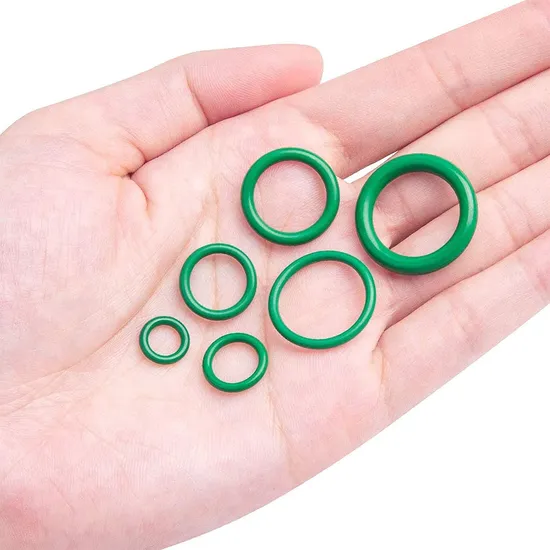
Engineering Capability: Precision Development for Butyl O-Rings
At Suzhou Baoshida Trading Co., Ltd., our engineering capability forms the backbone of our precision rubber seal manufacturing, particularly in the development and production of high-performance butyl O-rings. With a dedicated team comprising five experienced mould engineers and two specialized rubber formula engineers, we maintain full in-house control over the design, material formulation, and production processes. This integrated approach enables us to deliver technically advanced sealing solutions tailored to the exacting demands of industrial, automotive, and pharmaceutical applications.
Our mould engineers possess extensive expertise in precision tooling design for elastomeric components. Utilizing advanced CAD/CAM software and CNC machining, they develop high-tolerance moulds that ensure dimensional accuracy, surface finish consistency, and long service life. Each butyl O-ring mould is engineered with optimized runner systems and venting to minimize flash and material waste, while maximizing cycle efficiency and part repeatability. Our team conducts rigorous design validation through finite element analysis (FEA) and prototype testing, ensuring performance under real-world conditions.
Complementing our mould engineering strength is our proprietary rubber compounding capability. Our two formula engineers specialize in butyl rubber (IIR) formulation, focusing on balancing critical properties such as gas impermeability, chemical resistance, and thermal stability. By adjusting polymer grades, curing systems, fillers, and additives, we customize compound formulations to meet specific application requirements, including low compression set, high aging resistance, and compliance with FDA or USP Class VI standards where necessary. This level of formulation control is rare among trading companies and positions Suzhou Baoshida as a true technical partner in seal development.
Our OEM capabilities are built on this engineering foundation. We support customers from concept to量产 (mass production), offering design for manufacturability (DFM) reviews, material selection guidance, and rapid prototyping. Whether producing standard O-rings or custom geometries, we ensure seamless scalability with consistent quality. Our ISO 9001-certified processes include incoming material inspection, in-process controls, and final product verification using precision measuring instruments.
The following table outlines typical technical specifications for our butyl O-rings, reflecting our standard engineering benchmarks:
| Property | Test Method | Typical Value |
|---|---|---|
| Hardness (Shore A) | ASTM D2240 | 50–90 ±5 |
| Tensile Strength | ASTM D412 | ≥12 MPa |
| Elongation at Break | ASTM D412 | ≥300% |
| Compression Set (24h, 70°C) | ASTM D395 | ≤25% |
| Operating Temperature Range | — | -40°C to +120°C (short-term up to 150°C) |
| Specific Gravity | ASTM D297 | 1.15–1.25 |
| Gas Permeability (Low) | ASTM E96 | Excellent barrier to air and moisture |
By combining advanced tooling design, scientific rubber formulation, and scalable OEM manufacturing, Suzhou Baoshida delivers butyl O-rings that meet the highest standards of reliability and performance. Our engineering team is available to collaborate directly with clients on custom solutions, ensuring optimal seal function in demanding environments.
Customization Process
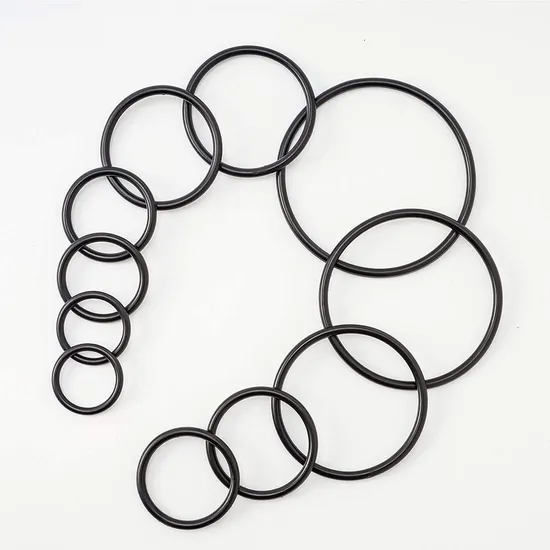
Customization Process for Precision Butyl O-Rings
At Suzhou Baoshida Trading Co., Ltd., our butyl O-ring customization follows a rigorously defined engineering sequence to ensure dimensional accuracy, material integrity, and functional reliability. This process eliminates design ambiguities and material-performance mismatches common in generic sealing solutions.
Drawing Analysis
We initiate with a comprehensive review of client-provided technical drawings against ISO 3601 and AS568 standards. Critical parameters scrutinized include cross-section tolerances (±0.05 mm precision), groove geometry compatibility, and surface finish requirements. Our engineers verify interference fit calculations to prevent extrusion under system pressure and validate chemical exposure notations against butyl rubber’s inherent resistance profile. Any deviations from manufacturable tolerances or material limitations are flagged for collaborative redesign prior to formulation.
Formulation
Leveraging butyl rubber’s superior impermeability and ozone resistance, our compounding team tailors formulations to the application’s thermal, chemical, and mechanical demands. Base polymers are modified with proprietary additives to enhance compression set resistance below 25% (per ASTM D395) and extend service temperature range. Critical adjustments include optimizing cure systems for low-temperature flexibility (down to -50°C) and incorporating fillers for abrasion resistance in dynamic applications. Each formulation is validated through small-batch rheometry to confirm scorch safety and cure kinetics.
Prototyping
Pre-production prototypes undergo multi-stage validation in our ISO 17025-accredited lab. Dimensional conformity is verified via CMM inspection against the approved drawing. Functional testing includes:
Compression set measurement after 70 hours at 100°C (ASTM D395)
Fluid immersion resistance per ASTM D471 in specified media
Leak testing at 1.5x operational pressure in application-simulated fixtures
Client feedback on prototype performance triggers iterative refinements, with material or geometry adjustments documented in our change control system.
Mass Production
Full-scale manufacturing occurs in our ISO 9001-certified facility under strict process controls. Key protocols include:
Real-time monitoring of molding temperature (±2°C) and cure time via IoT sensors
In-line dimensional checks every 30 minutes using laser micrometers
Batch traceability through serialized material certificates (ASTM D2000 line callout)
Final inspection adheres to AQL 1.0 sampling per ANSI/ASQ Z1.4, with full certification packages including hardness, tensile strength, and elongation reports.
Critical Butyl O-Ring Material Properties
| Property | Typical Value | Test Standard | Relevance to Performance |
|---|---|---|---|
| Compression Set (70h/100°C) | ≤ 25% | ASTM D395 | Ensures long-term sealing force retention |
| Temperature Range | -50°C to +125°C | ISO 1817 | Suitable for cryogenic to moderate heat |
| Tensile Strength | ≥ 12 MPa | ASTM D412 | Resists extrusion in high-pressure systems |
| Fluid Resistance (Water) | Excellent | ASTM D471 | Ideal for steam, coolant, and aqueous media |
| Gas Permeability | 1-2 g·mm/m²·day·kPa | ISO 2782 | Superior barrier for vacuum/low-leakage apps |
This systematic approach guarantees that every butyl O-ring we deliver meets the exact operational demands of hydraulic systems, pharmaceutical processing, and semiconductor manufacturing—where failure is not an option. Our engineering-led workflow reduces time-to-qualification by 30% versus industry averages while ensuring zero field failures due to material or dimensional nonconformity.
Contact Engineering Team
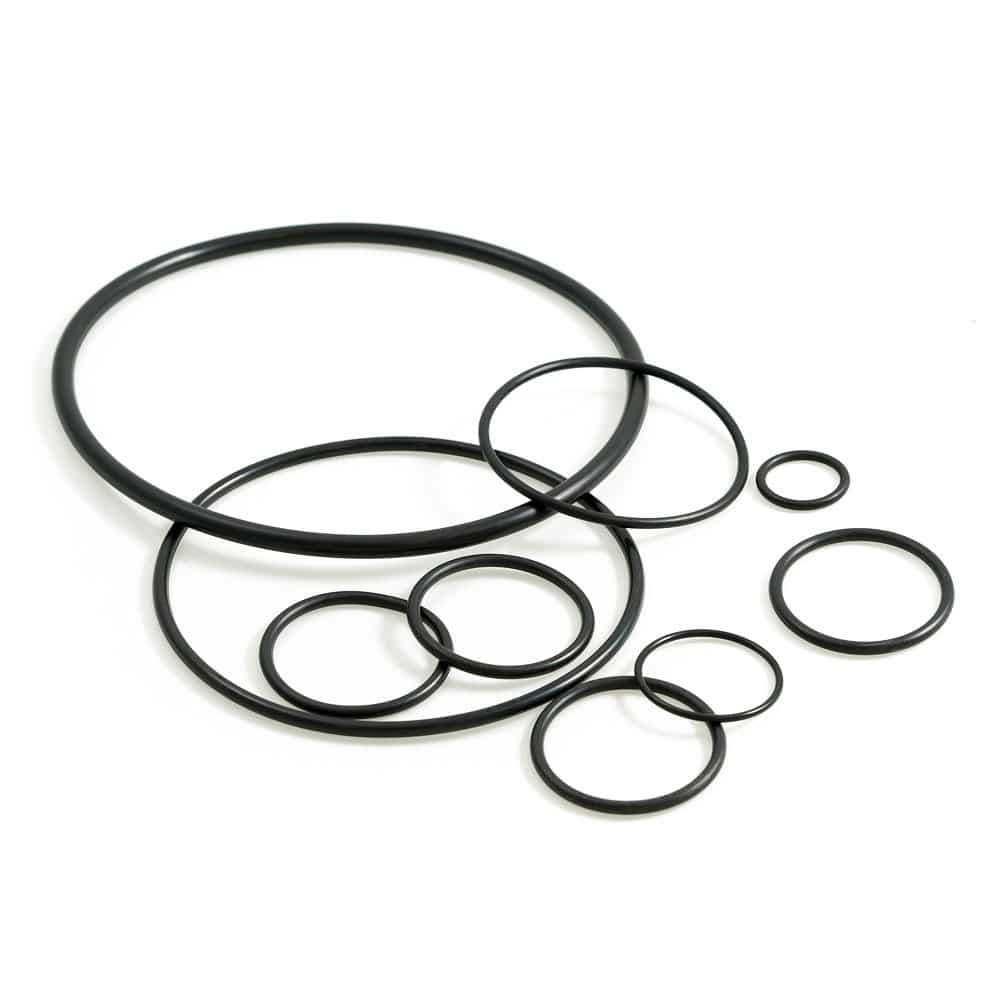
For precision-engineered butyl O rings designed to deliver superior sealing performance in demanding industrial environments, Suzhou Baoshida Trading Co., Ltd. stands as a trusted OEM partner for global manufacturers. Our expertise in rubber formulation and precision molding ensures consistent quality, tight tolerances, and material integrity across every production batch. As a leader in the Precision Rubber Seals category, we combine advanced compounding techniques with rigorous quality control to meet the exacting standards of automotive, pharmaceutical, chemical processing, and HVAC industries.
Butyl rubber (IIR) is renowned for its exceptional impermeability to gases and moisture, outstanding resistance to ozone and weathering, and reliable performance across a broad temperature range. At Suzhou Baoshida, we optimize butyl formulations to enhance dynamic sealing capabilities, minimize compression set, and extend service life under continuous stress. Whether you require standard O rings or custom-molded profiles for niche applications, our engineering team collaborates directly with clients to refine material selection, hardness, and dimensional accuracy.
We understand that performance consistency is non-negotiable in critical sealing applications. That is why our production process adheres to ISO 9001 standards, with full traceability from raw material sourcing to final inspection. Every butyl O ring undergoes dimensional verification, visual inspection, and batch testing for tensile strength, elongation, and hardness. For mission-critical clients, we offer accelerated aging tests, permeability analysis, and custom validation protocols.
To ensure seamless integration into your supply chain, we support low to high-volume orders with competitive lead times and global logistics coordination. Our technical documentation package includes material certifications (e.g., FDA, RoHS, REACH compliance upon request), molding diagrams, and batch-specific test reports.
For immediate technical consultation or custom quotation, contact Mr. Boyce, Rubber Formula Engineer & OEM Manager, at [email protected]. Mr. Boyce leads our application engineering team and specializes in butyl compound optimization, failure mode analysis, and OEM co-development projects. He will work closely with your engineering staff to review sealing requirements, environmental exposure conditions, and performance expectations to ensure optimal O ring specification and performance.
Below are typical physical properties of our standard butyl rubber O ring formulation:
| Property | Test Method | Value |
|---|---|---|
| Hardness (Shore A) | ASTM D2240 | 70 ±5 |
| Tensile Strength | ASTM D412 | ≥14 MPa |
| Elongation at Break | ASTM D412 | ≥400% |
| Compression Set (22 hrs @ 100°C) | ASTM D395B | ≤25% |
| Operating Temperature Range | — | -40°C to +120°C |
| Specific Gravity | ASTM D297 | 1.18 ±0.03 |
| Air Permeability (Relative) | — | 1.5 (vs. NBR = 100) |
Partner with Suzhou Baoshida for technically validated butyl O rings that meet the highest standards of reliability and repeatability. Initiate your project with expert support—contact Mr. Boyce today.
⚖️ O-Ring Weight Calculator
Estimate rubber O-ring weight (Approx).