
Technical Contents
Engineering Guide: Butyl Rubber O Rings
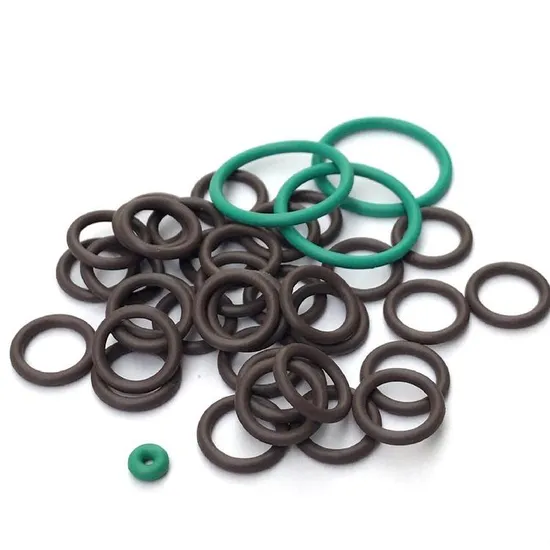
Engineering Insight: Material Selection Imperatives for Butyl Rubber O-Rings
The catastrophic failure of sealing systems in critical applications often traces back to inappropriate material substitution. Butyl rubber (IIR) O-rings possess unique molecular properties that make them indispensable for specific industrial environments, yet off-the-shelf alternatives frequently lead to premature seal degradation. Generic elastomer solutions ignore the nuanced interplay between polymer chemistry, operational stressors, and fluid compatibility, resulting in leaks, contamination, or system downtime. Butyl’s saturated backbone and low unsaturation (1–2 mol%) confer exceptional resistance to ozone, weathering, and gas permeation—properties unattainable in common alternatives like nitrile (NBR) or ethylene propylene diene monomer (EPDM). However, this same structure renders butyl vulnerable to hydrocarbon swelling and limited high-temperature resilience. Selecting a standard NBR O-ring for a butyl-specified application—driven by cost or availability—ignores these fundamental chemical constraints, accelerating compression set and extrusion in vacuum or steam systems.
Material failure manifests when off-the-shelf O-rings encounter unanticipated chemical exposure or thermal cycling. Butyl’s impermeability to gases like oxygen and nitrogen (critical in pharmaceutical or semiconductor manufacturing) stems from its high molecular weight and chain entanglement. Substituting with EPDM, which has 10–20× higher gas permeability, compromises sterile integrity. Similarly, butyl’s poor resistance to non-polar solvents means a generic seal in fuel-handling equipment will swell irreversibly, whereas a fluorocarbon (FKM) would be appropriate. OEMs must recognize that ASTM D2000 classification codes alone are insufficient; compound formulation must address application-specific variables like fluid immersion duration, dynamic motion, and pressure differentials.
The table below contrasts butyl’s core properties against common alternatives, highlighting why material-specific engineering is non-negotiable:
| Property | Butyl (IIR) | Nitrile (NBR) | EPDM | Test Standard |
|---|---|---|---|---|
| Gas Permeability (O₂) | 0.4–0.8 Barrer | 20–30 Barrer | 5–8 Barrer | ASTM D1434 |
| Continuous Temp Range | -60°C to +125°C | -30°C to +120°C | -50°C to +150°C | ASTM D2000 |
| Compression Set (70h/100°C) | 15–25% | 20–40% | 10–20% | ASTM D395 |
| Toluene Resistance | Poor (Swelling >50%) | Excellent (<15%) | Moderate (20–30%) | ASTM D471 |
| Ozone Resistance | Excellent | Poor | Excellent | ASTM D1149 |
Off-the-shelf O-rings fail because they prioritize inventory simplicity over precision engineering. A seal operating in a steam autoclave requires butyl’s low steam permeability and resilience to repeated thermal shocks—properties sacrificed in cost-driven substitutions. Similarly, generic seals in gas-cylinder valves permit leakage due to inadequate barrier performance. At Suzhou Baoshida, we mandate compound validation against actual service conditions, not just nominal specifications. This includes dynamic testing in target media and accelerated aging per ISO 188. Material selection must begin with fluid compatibility charts, permeation data, and application stress analysis—not catalog part numbers. When butyl is the engineered solution, compromising with alternatives risks cascading failures far exceeding initial cost savings. Specify with science, not convenience.
Material Specifications
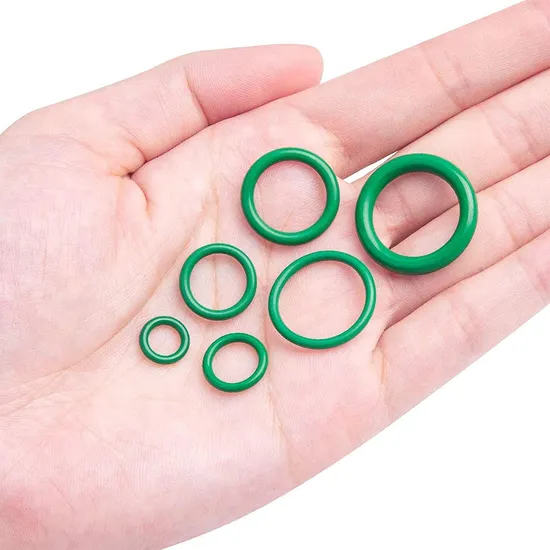
Butyl rubber O-rings are engineered for high-performance sealing applications where resistance to gases, moisture, and chemical permeation is critical. As a synthetic elastomer, butyl rubber (isobutylene-isoprene copolymer) exhibits exceptionally low gas permeability, making it ideal for applications requiring airtight seals such as in automotive tire liners, pharmaceutical stoppers, and industrial gas containment systems. Its molecular structure provides outstanding resistance to ozone and weathering, along with good flex fatigue resistance. However, butyl rubber has limited resistance to hydrocarbon oils and solvents, which restricts its use in certain industrial environments. For such cases, alternative elastomers such as Viton, Nitrile (NBR), and Silicone are often considered based on application-specific demands.
Viton (FKM) is a fluorocarbon-based elastomer known for its exceptional thermal stability and broad chemical resistance. It performs reliably in temperatures ranging from -20°C to +230°C, making it suitable for high-temperature environments such as aerospace, automotive fuel systems, and chemical processing equipment. Viton O-rings demonstrate excellent resistance to oils, fuels, acids, and many halogenated hydrocarbons. Their low compression set and long-term sealing integrity under stress make them a premium choice for critical sealing applications.
Nitrile rubber (NBR) remains one of the most widely used elastomers in the sealing industry due to its balanced performance and cost-effectiveness. It offers strong resistance to aliphatic hydrocarbons, oils, fuels, and water, functioning effectively between -30°C and +120°C, with some formulations extending to +150°C. Nitrile O-rings are commonly used in hydraulic systems, fuel delivery components, and general industrial machinery. The acrylonitrile content in NBR can be adjusted to enhance oil resistance, though this may reduce low-temperature flexibility.
Silicone rubber (VMQ) is valued for its extreme temperature resilience, operating reliably from -60°C to +200°C. It exhibits excellent resistance to oxidation, UV radiation, and ozone, making it ideal for outdoor and high-temperature environments. While silicone lacks the mechanical strength and abrasion resistance of NBR or Viton, it excels in biocompatibility and is frequently used in medical, food-grade, and electronic applications. Its high gas permeability limits use in vacuum or gas-sealing roles unless specially formulated.
The following table compares key performance characteristics of butyl rubber with Viton, Nitrile, and Silicone to assist in material selection for precision O-ring applications.
| Property | Butyl Rubber | Viton (FKM) | Nitrile (NBR) | Silicone (VMQ) |
|---|---|---|---|---|
| Temperature Range (°C) | -40 to +120 | -20 to +230 | -30 to +120 | -60 to +200 |
| Tensile Strength (MPa) | 15–25 | 10–20 | 10–25 | 5–10 |
| Elongation at Break (%) | 400–600 | 200–400 | 200–500 | 200–700 |
| Hardness (Shore A) | 50–80 | 60–90 | 50–90 | 30–80 |
| Gas Permeability | Very Low | Low | Moderate | High |
| Resistance to Oils/Fuels | Poor | Excellent | Good to Excellent | Poor |
| Resistance to Ozone | Excellent | Excellent | Good | Excellent |
| Compression Set Resistance | Good | Excellent | Good | Moderate |
| Common Applications | Tire liners, gas seals | Aerospace, chemical seals | Hydraulics, fuel systems | Medical, food, electronics |
Material selection must consider operating environment, media exposure, temperature extremes, and mechanical stress. At Suzhou Baoshida Trading Co., Ltd., we provide precision-engineered O-rings tailored to meet rigorous industrial standards across sectors.
Manufacturing Capabilities
Engineering Excellence in Butyl Rubber O-Ring Manufacturing
Suzhou Baoshida Trading Co., Ltd. leverages deep material science and precision engineering to deliver mission-critical butyl rubber O-rings for demanding industrial applications. Our dedicated team of 5 Mold Engineers and 2 Formula Engineers forms the core of our technical capability, ensuring every component meets exacting performance and reliability standards. This integrated expertise allows us to solve complex sealing challenges where gas impermeability, chemical resistance, and long-term stability are non-negotiable.
Our Formula Engineers specialize in optimizing butyl rubber (IIR) compounds for specific operational environments. Through rigorous polymer modification and additive selection, we enhance critical properties such as low gas permeability, resistance to polar solvents, and thermal stability while mitigating inherent limitations like poor ozone resistance. Each formulation undergoes iterative laboratory testing under simulated service conditions—exposure to acids, alkalis, steam, and extreme temperatures—to validate performance before production. This scientific approach ensures compounds meet or exceed ASTM D2000 classifications and OEM-specific material specifications, directly impacting seal longevity and system safety.
Precision mold engineering is equally vital to O-ring functionality. Our Mold Engineering team utilizes advanced CAD/CAM software and finite element analysis (FEA) to design cavities that compensate for material flow, shrinkage, and flash control. Critical tolerances per ISO 3601-1 and SAE AS568 are consistently achieved through meticulous tool steel selection, precision machining (±0.02mm), and in-process metrology. We prioritize cavity geometry that minimizes knit lines and ensures uniform cross-section density—key factors in preventing extrusion and maintaining consistent compression set resistance. This attention to dimensional integrity translates directly to leak-free performance in hydraulic, pneumatic, and vacuum systems.
As a trusted OEM partner, Suzhou Baoshida integrates seamlessly into client supply chains through co-engineering and volume manufacturing. We support full technical collaboration from prototype through量产, offering DFM feedback, material certification (including traceable lot records), and PPAP documentation. Our flexible production lines accommodate low-volume custom runs and high-volume JIT delivery, all under ISO 9001-certified quality management. Clients benefit from reduced development cycles, minimized total cost of ownership, and assured compliance with industry regulations such as FDA 21 CFR 177.2600 for food-grade applications.
The table below summarizes key performance characteristics of our engineered butyl rubber compounds compared to standard alternatives:
| Property | Baoshida Optimized Butyl (IIR) | Standard Nitrile (NBR) | Standard EPDM | Test Standard |
|---|---|---|---|---|
| Gas Permeability (O₂) | Extremely Low | Moderate | Low | ASTM D1434 |
| Temperature Range | -60°C to +150°C | -30°C to +120°C | -50°C to +150°C | ASTM D2240 |
| Resistance to Aliphatic Hydrocarbons | Good | Excellent | Poor | ASTM D471 |
| Compression Set (70h/100°C) | ≤ 25% | ≤ 30% | ≤ 20% | ASTM D395 |
| Steam Resistance (130°C) | Excellent | Poor | Good | ISO 1817 |
This engineering rigor—combining compound science with mold precision—enables Suzhou Baoshida to deliver butyl O-rings that perform reliably in aerospace, pharmaceutical, and semiconductor applications where failure is not an option. We partner with clients to transform sealing requirements into optimized, production-ready solutions.
Customization Process
Drawing Analysis
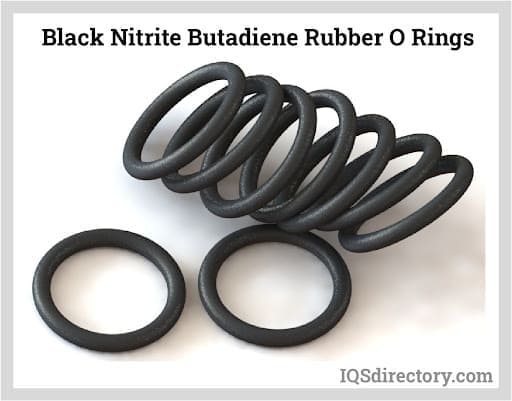
The customization process for butyl rubber O rings begins with a comprehensive drawing analysis, a critical step that ensures dimensional accuracy and functional compatibility. At Suzhou Baoshida Trading Co., Ltd., our engineering team evaluates customer-provided technical drawings to verify key parameters such as inner diameter, cross-sectional diameter, tolerance class (typically per ISO 3601 or AS568 standards), and any special surface or chamfer requirements. We also assess application-specific factors including groove design, mating hardware, and installation method. This stage involves close collaboration with the client to clarify ambiguities, confirm material compatibility with operating environments, and identify potential design risks such as excessive compression or twist under dynamic loads. Only after full alignment on specifications does the process advance to formulation.
Formulation Development
Butyl rubber (IIR) is selected for its exceptional impermeability to gases, outstanding resistance to ozone and weathering, and good performance in low-temperature environments. However, standard butyl compounds may not meet all operational demands. Our rubber formula engineers tailor the polymer matrix by adjusting the base IIR grade, incorporating halogenation (e.g., chlorobutyl or bromobutyl) for improved curing compatibility and heat resistance, and fine-tuning the additive package. This includes optimizing sulfur or resin-based cure systems, reinforcing fillers, plasticizers, and antioxidants to achieve target properties such as compression set resistance, thermal stability (up to 150°C short-term), and fluid resistance. The formulation is validated through predictive modeling and small-batch compounding to ensure it aligns with the mechanical and environmental requirements identified during drawing analysis.
Prototyping and Validation
Once the compound is finalized, we proceed to prototyping using precision molding techniques—typically compression or transfer molding—to produce sample O rings under controlled conditions. These prototypes undergo rigorous testing, including dimensional inspection, durometer hardness measurement, tensile and elongation analysis, and application-specific exposure tests (e.g., to steam, aliphatic gases, or aqueous chemicals). Performance data is compiled and compared against the original specifications. Customer feedback is integrated at this stage, and iterative adjustments are made if necessary. Approval of prototypes confirms both design integrity and material suitability.
Mass Production
With approved samples, we transition to mass production using automated molding lines and statistical process control (SPC) to maintain consistency across batches. Each production run is accompanied by full traceability documentation, including material batch numbers, cure profiles, and inspection reports. Final products are packaged per client requirements, with options for vacuum sealing or anti-corrosion protection.
The following table summarizes typical physical and chemical properties of our custom butyl rubber O rings:
| Property | Test Method | Typical Value |
|---|---|---|
| Hardness (Shore A) | ASTM D2240 | 60–80 |
| Tensile Strength | ASTM D412 | ≥12 MPa |
| Elongation at Break | ASTM D412 | ≥400% |
| Compression Set (22h, 100°C) | ASTM D395 | ≤30% |
| Operating Temperature Range | — | -40°C to +150°C |
| Fluid Resistance | Immersion in water, alcohols, mild acids | Excellent |
Contact Engineering Team
Technical Engagement for Precision Butyl Rubber O-Ring Solutions
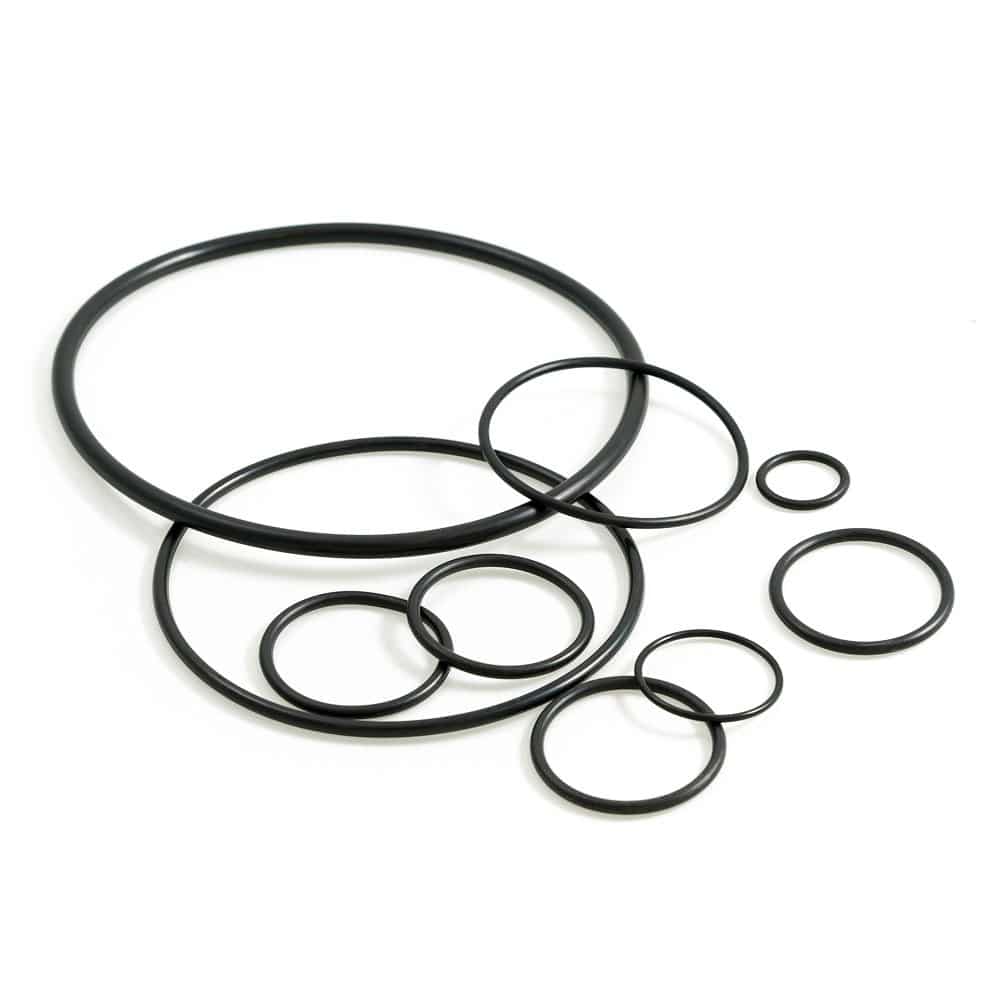
Suzhou Baoshida Trading Co., Ltd. operates at the forefront of engineered elastomer solutions, specializing in high-integrity butyl rubber O-rings for critical industrial sealing applications. Our formulations leverage butyl rubber’s exceptional gas impermeability, ozone resistance, and thermal stability to deliver seals that perform reliably in demanding environments—from pharmaceutical processing to aerospace hydraulic systems. As your dedicated Rubber Formula Engineer and OEM Manager, I oversee the molecular design and production protocols ensuring every O-ring meets stringent ISO 3601 and AS568 standards. We recognize that substandard sealing compounds compromise system integrity, leading to costly downtime or safety hazards. Our facility in Suzhou integrates state-of-the-art compounding, precision molding, and rigorous batch testing to eliminate variability, providing seals with consistent compression set resistance and minimal outgassing.
The technical superiority of our butyl rubber compounds stems from proprietary additive systems that enhance resilience without sacrificing chemical inertness. Below are key performance specifications for our standard butyl rubber O-rings, validated per ASTM D2000 and ISO 1817 protocols. These metrics reflect our commitment to dimensional accuracy and long-term service life under extreme conditions.
| Property | Test Method | Value |
|---|---|---|
| Temperature Range | ASTM D1329 | -50°C to +120°C |
| Tensile Strength | ASTM D412 | ≥ 14 MPa |
| Elongation at Break | ASTM D412 | ≥ 400% |
| Hardness (Shore A) | ASTM D2240 | 70 ± 5 |
| Compression Set (22h/100°C) | ASTM D395 | ≤ 25% |
| Fluid Resistance (Water) | ISO 1817 | Excellent (No swelling) |
These specifications are not theoretical ideals but guaranteed outcomes from our closed-loop manufacturing process. We excel in customizing formulations for niche requirements—such as enhancing low-temperature flexibility for cryogenic valves or optimizing resistance to polar solvents in semiconductor tooling. Our OEM partnerships begin with collaborative material analysis, where we match compound chemistry to your operational stressors, ensuring seamless integration into existing assemblies. Unlike generic suppliers, we provide full traceability from raw material sourcing to final inspection, with certificates of conformance detailing durometer variance, tensile consistency, and lot-specific aging data.
Initiate a technical dialogue to resolve your most challenging sealing failures. Contact Mr. Boyce, our lead Technical Account Manager, who possesses 15 years of expertise in elastomer application engineering. He will coordinate a comprehensive needs assessment, including free material compatibility testing against your specific media and pressure cycles. Forward your application parameters, dimensional drawings, and performance pain points to [email protected]. Mr. Boyce will respond within 4 business hours with a tailored solution proposal, including prototype timelines and validation protocols. Do not settle for off-the-shelf compromises when precision-engineered butyl rubber seals can elevate your product’s reliability. Suzhou Baoshida transforms sealing challenges into competitive advantages through science-driven rubber technology.
Act now to secure engineering support for your next-generation sealing system.
Mr. Boyce | Technical Account Manager
[email protected] | Suzhou Baoshida Trading Co., Ltd.
Precision Rubber Seals Division | ISO 9001:2015 Certified Manufacturer
⚖️ O-Ring Weight Calculator
Estimate rubber O-ring weight (Approx).