
Technical Contents
Engineering Guide: Butyl Sheet
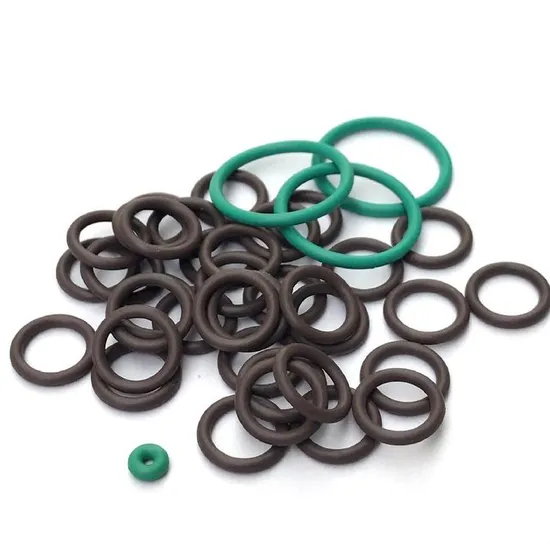
Engineering Insight: Butyl Sheet Material Selection Imperatives
Butyl rubber sheet, renowned for its exceptional impermeability to gases and moisture vapor coupled with outstanding weathering and ozone resistance, is a critical material in demanding sealing, damping, and barrier applications. Its saturated hydrocarbon chain backbone provides inherent stability, making it indispensable for fuel systems, pharmaceutical packaging, construction air barriers, and specialized industrial gaskets. However, the assumption that all butyl sheet performs equivalently is a significant engineering oversight leading to premature field failures. Off-the-shelf generic butyl compounds frequently fail because they prioritize initial cost reduction over the precise formulation and rigorous quality control required for specific operational environments. These standard grades often utilize lower-purity base polymers, suboptimal cure systems, and insufficient additive packages to withstand the combined stresses encountered in real-world applications.
The primary failure mechanisms stem from inadequate material specification. Standard butyl sheets frequently exhibit excessive compression set under sustained load, particularly at elevated temperatures common in engine compartments or industrial processes. This loss of sealing force results in leaks and system contamination. Furthermore, insufficient resistance to specific fluids – such as modern biofuels, aggressive hydraulic fluids, or cleaning agents – causes swelling, hardening, or extraction of critical additives, degrading mechanical properties and barrier function. Ozone resistance, while generally good in butyl, can be compromised in low-cost formulations lacking adequate protective waxes or antiozonants, leading to surface cracking under dynamic stress. Crucially, variations in raw material consistency and cure state in generic sheets introduce unacceptable performance variability, undermining reliability in precision OEM assemblies.
Material selection must transcend basic polymer type; it demands a detailed understanding of the application’s thermal profile, fluid exposure, mechanical stresses, and required service life. Precision-engineered butyl compounds address these challenges through controlled polymer molecular weight distribution, optimized sulfur or peroxide cure systems for resilience and low compression set, and tailored antioxidant/antiozonant packages. Rigorous batch testing against application-specific criteria, not just generic ASTM standards, is non-negotiable for mission-critical components. The initial cost premium for a correctly specified, engineered butyl sheet is consistently offset by the elimination of warranty claims, production downtime, and reputational damage caused by field failures of inferior alternatives. Material selection is not a commodity decision; it is foundational engineering.
Critical performance parameters distinguishing engineered butyl sheet from standard offerings are quantified below:
| Property | Standard Butyl Sheet | Engineered Butyl Sheet (OEM Specification) |
|---|---|---|
| Tensile Strength (MPa) | 10 – 14 | 16 – 20+ |
| Elongation at Break (%) | 300 – 450 | 400 – 550 |
| Compression Set (70°C, 22h) | 40% – 60% | 20% – 35% |
| Air Permeability (ASTM D1434) | Moderate | Very Low (Optimized) |
| Fluid Resistance (IRM 901) | Swelling > 25% | Swelling < 15% |
| Ozone Resistance (50 pphm) | Cracking evident (20h) | No Cracking (100h+) |
| Hardness Consistency (ShA) | ±5 points | ±2 points |
Suzhou Baoshida Trading Co., Ltd. emphasizes collaborative engineering with OEM partners to define exact material requirements, ensuring butyl sheet solutions deliver consistent, failure-free performance under the most stringent operational demands. Precision formulation is the cornerstone of reliability.
Material Specifications
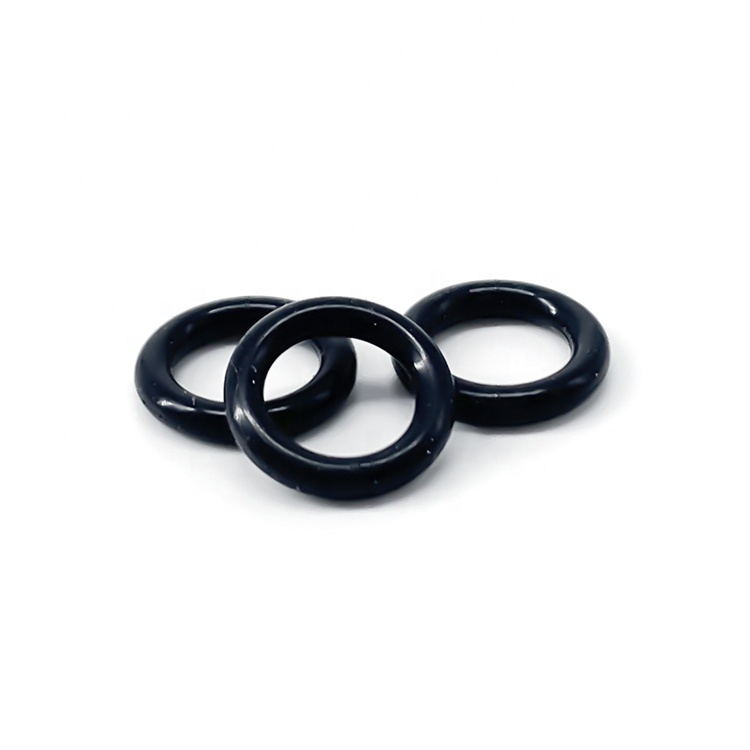
Butyl sheet materials are widely utilized in industrial applications requiring excellent impermeability to gases, chemical resistance, and thermal stability. At Suzhou Baoshida Trading Co., Ltd., we specialize in high-performance rubber solutions tailored for demanding environments. Our butyl-based formulations are engineered to meet rigorous OEM standards, particularly when integrated with advanced elastomers such as Viton, Nitrile, and Silicone. Each material offers distinct mechanical and chemical characteristics, making them suitable for specific operational conditions in automotive, pharmaceutical, chemical processing, and sealing industries.
Viton, a fluorocarbon-based rubber (FKM), exhibits superior resistance to high temperatures, oils, fuels, and a broad range of chemicals. It maintains performance between -20°C and +200°C, with short-term exposure capability up to 250°C. This makes Viton an ideal choice for applications involving aggressive solvents or elevated thermal loads. Its low gas permeability and excellent aging properties ensure long-term reliability in critical sealing applications.
Nitrile rubber (NBR) is a cost-effective solution for environments dominated by petroleum-based oils and hydraulic fluids. With a functional temperature range of -30°C to +100°C, extendable to +120°C under controlled conditions, Nitrile provides robust mechanical strength and abrasion resistance. While its chemical resistance is not as broad as Viton, it remains the preferred option for dynamic seals, gaskets, and hoses in industrial machinery and automotive systems.
Silicone rubber (VMQ) excels in extreme temperature applications, operating reliably from -60°C to +200°C. It offers outstanding resistance to ozone, UV radiation, and weathering, making it suitable for outdoor and medical-grade applications. Though lower in tensile strength compared to Nitrile or Viton, silicone provides exceptional flexibility and electrical insulation properties. It is frequently selected for food-contact, pharmaceutical, and high-purity environments due to its compliance with FDA and USP Class VI standards.
The selection of the appropriate butyl sheet material depends on the operational environment, chemical exposure, temperature profile, and regulatory requirements. Suzhou Baoshida Trading Co., Ltd. ensures precise formulation control, consistent sheet thickness, and batch traceability to support industrial clients in achieving optimal performance and compliance.
Below is a comparative overview of key properties for Viton, Nitrile, and Silicone butyl sheet materials:
| Property | Viton (FKM) | Nitrile (NBR) | Silicone (VMQ) |
|---|---|---|---|
| Temperature Range (°C) | -20 to +200 (up to 250) | -30 to +100 (+120 peak) | -60 to +200 |
| Tensile Strength (MPa) | 15–20 | 10–25 | 5–8 |
| Elongation at Break (%) | 200–300 | 250–500 | 400–700 |
| Hardness (Shore A) | 60–90 | 50–90 | 30–80 |
| Resistance to Oils & Fuels | Excellent | Very Good | Poor |
| Resistance to Ozone/UV | Excellent | Good | Excellent |
| Gas Permeability | Very Low | Low | Moderate |
| Compression Set Resistance | Excellent | Good | Good |
| FDA/USP Class VI Compliance | Limited grades | No | Yes |
Understanding these material characteristics enables precise matching of butyl sheet performance to application demands, ensuring longevity and operational safety.
Manufacturing Capabilities
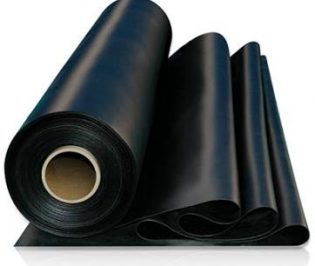
Engineering Capabilities for Precision Butyl Sheet Manufacturing
Suzhou Baoshida Trading Co., Ltd. leverages deep technical expertise to deliver engineered butyl rubber solutions meeting stringent industrial demands. Our integrated engineering team comprises five dedicated Mould Engineers and two specialized Rubber Formula Engineers, ensuring end-to-end control from molecular design to final product validation. This dual-discipline structure eliminates siloed development, enabling seamless translation of client specifications into high-performance butyl sheet products with zero compromise on consistency or functionality.
Our Formula Engineers focus on optimizing butyl polymer matrices for critical performance attributes. Through advanced compounding techniques, we tailor formulations to achieve ultra-low gas permeability, exceptional ozone resistance, and thermal stability across extreme temperature ranges. Each batch undergoes rigorous spectroscopic and rheometric analysis to verify crosslink density, cure kinetics, and aging characteristics. This scientific approach guarantees sheets maintain dimensional integrity and sealing efficacy in demanding applications such as automotive weatherstripping, pharmaceutical stoppers, and industrial gaskets.
Complementing formulation precision, our Mould Engineering team masters the complexities of butyl sheet production tooling. We design and validate precision calendering and extrusion tooling with micron-level tolerances, addressing inherent challenges like butyl’s low surface energy and slow cure rates. Finite element analysis (FEA) simulations predict material flow behavior, minimizing defects such as porosity or edge tearing. All tooling adheres to ISO 2768-mK geometric standards, ensuring uniform thickness distribution (±0.05 mm) and surface smoothness (Ra ≤ 3.2 μm) critical for secondary bonding or coating processes.
As a certified OEM partner, Suzhou Baoshida executes client-driven specifications with full technical accountability. We manage IP-protected formulations under strict NDA frameworks and provide comprehensive documentation including ASTM D2000 material reports, DFMEA studies, and batch-specific traceability logs. Our agile prototyping pipeline reduces time-to-market by 30% through concurrent engineering—simultaneously refining formulas and tooling while validating performance against client test protocols. This capability is proven across 120+ successful OEM programs for Tier-1 automotive and medical device manufacturers.
Key butyl sheet specifications consistently achieved through our engineering workflow include:
| Property | Test Method | Typical Range | Industrial Significance |
|---|---|---|---|
| Hardness (Shore A) | ASTM D2240 | 40–80 | Sealing force optimization |
| Tensile Strength (MPa) | ASTM D412 | 10–18 | Durability under compression |
| Elongation at Break (%) | ASTM D412 | 400–800 | Flex fatigue resistance |
| Temperature Range (°C) | ISO 188 | -50 to +120 | Operational envelope stability |
| Water Vapor Permeability | ASTM E96 | ≤0.3 g·mm/m²·day·kPa | Barrier performance benchmark |
Suzhou Baoshida’s engineering synergy between molecular science and precision manufacturing establishes a definitive quality threshold for industrial butyl sheet applications. We transform complex material challenges into reliable, scalable production outcomes through data-driven development and uncompromising process control.
Customization Process
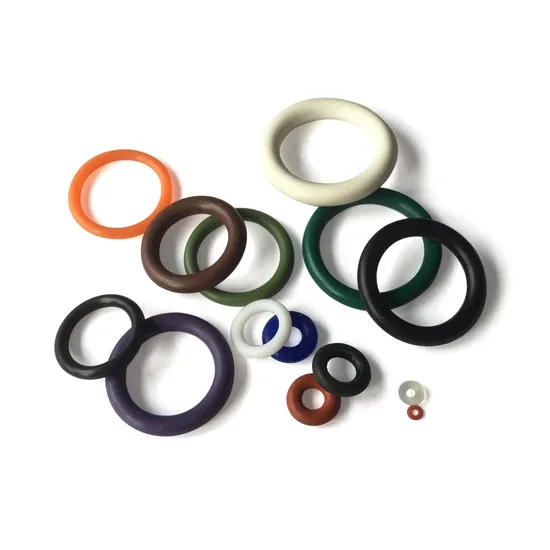
Customization Process for Butyl Sheet Manufacturing at Suzhou Baoshida Trading Co., Ltd.
At Suzhou Baoshida Trading Co., Ltd., our industrial rubber solutions are engineered to meet the precise performance demands of global OEMs and high-specification manufacturing sectors. The customization process for butyl sheet begins with a rigorous technical evaluation and progresses through defined stages: Drawing Analysis, Formulation Development, Prototyping, and Mass Production. Each phase is executed with scientific precision and adherence to international quality standards.
The process initiates with Drawing Analysis, where our engineering team evaluates customer-provided technical drawings, dimensional tolerances, application environment, and functional requirements. This includes assessing thickness uniformity, edge integrity, surface finish, and compatibility with mating components. We examine both 2D blueprints and 3D CAD models to identify critical-to-function zones and potential manufacturing constraints. This phase ensures that the final product will integrate seamlessly into the customer’s assembly line or end-use application.
Following drawing validation, our Rubber Formula Engineers proceed to Formulation Development. Butyl rubber is selected for its exceptional air impermeability, chemical resistance, and thermal stability. However, performance can be fine-tuned through polymer modification, filler integration (such as carbon black or silica), plasticizers, and curatives. Our team adjusts the formulation to achieve desired Shore A hardness, elongation at break, tensile strength, and low-temperature flexibility. Special additives may be incorporated for UV resistance, ozone stability, or flame retardancy depending on operational conditions.
Once the optimal compound is determined, we move into Prototyping. Small-batch production is conducted using calibrated calendering or extrusion lines to fabricate sample sheets. These prototypes undergo in-house physical testing, including compression set, aging resistance, and adhesion performance. Dimensional conformity is verified using coordinate measuring machines (CMM) and laser profilometry. Samples are then submitted to the client for field evaluation, with feedback loops established to refine the design or compound if necessary.
Upon approval, the project transitions to Mass Production. Full-scale manufacturing is executed under ISO 9001-certified processes, with real-time quality monitoring and batch traceability. Butyl sheets are produced in widths up to 1,500 mm and thicknesses ranging from 0.5 mm to 10.0 mm, with options for roll packing, sheet stacking, or custom cutting. All final products are inspected for visual defects, dimensional accuracy, and mechanical consistency before shipment.
The following table outlines typical technical specifications achievable with our customized butyl sheet formulations:
| Property | Test Method | Typical Value Range |
|---|---|---|
| Hardness (Shore A) | ASTM D2240 | 40 – 80 |
| Tensile Strength | ASTM D412 | 10 – 22 MPa |
| Elongation at Break | ASTM D412 | 400 – 800% |
| Specific Gravity | ASTM D297 | 1.15 – 1.25 |
| Compression Set (22h, 70°C) | ASTM D395B | ≤ 25% |
| Thickness Tolerance | ISO 3302 | ±0.1 mm to ±0.3 mm |
This structured customization pathway ensures that every butyl sheet delivered meets the exact functional, environmental, and regulatory demands of modern industrial applications.
Contact Engineering Team
Technical Engagement with Suzhou Baoshida: Precision Butyl Sheet Solutions
Suzhou Baoshida Trading Co., Ltd. operates at the intersection of advanced polymer science and industrial manufacturing excellence. Our butyl sheet formulations are engineered for mission-critical applications demanding impermeability, chemical resistance, and thermal stability. Unlike commodity rubber suppliers, we leverage proprietary vulcanization protocols and rigorous QC validation to ensure each batch meets exact ASTM D2000 or ISO 37 specifications. For OEMs requiring consistent material performance in sealing, damping, or barrier applications, our technical team provides granular control over durometer (40–90 Shore A), tensile strength, and low-temperature flexibility. We reject generic solutions; every compound is tailored to your operational environment, whether aerospace gasketing, pharmaceutical packaging, or automotive fluid containment.
The following table details core performance metrics for our standard butyl sheet grades. Custom formulations adjust these parameters within defined boundaries to address unique stressors like ozone exposure, fuel immersion, or cyclic fatigue.
| Property | Test Method | Standard Grade | High-Performance Grade |
|---|---|---|---|
| Tensile Strength (MPa) | ASTM D412 | ≥ 10.0 | ≥ 15.0 |
| Elongation at Break (%) | ASTM D412 | ≥ 400 | ≥ 500 |
| Hardness (Shore A) | ASTM D2240 | 50–70 | 60–85 |
| Temperature Range (°C) | ASTM D1329 | -40 to +120 | -50 to +135 |
| Gas Permeability (O₂) | ASTM D1434 | ≤ 0.5 | ≤ 0.2 |
| Compression Set (%) | ASTM D395 | ≤ 25 | ≤ 18 |
Global manufacturers partner with us for three non-negotiable advantages: First, our Suzhou-based R&D center utilizes Fourier-transform infrared spectroscopy (FTIR) and dynamic mechanical analysis (DMA) to preempt material failure modes. Second, we maintain ISO 9001-certified production lines with full traceability from raw monomer to finished sheet, eliminating batch variance risks. Third, as an OEM-dedicated supplier, we integrate directly with your engineering workflows—providing DFMEA support, rapid prototyping, and JIT inventory management without minimum order constraints. When your application tolerates zero defects, our closed-loop quality system delivers repeatability where competitors compromise.
Initiate a technical consultation with Mr. Boyce, our OEM Solutions Director, to resolve material bottlenecks. Specify your requirements—including dimensional tolerances, regulatory certifications (e.g., FDA 21 CFR, REACH), and volume cadence—and receive a validated compound proposal within 72 hours. Mr. Boyce coordinates cross-functional teams to align formulation chemistry with your manufacturing throughput, ensuring seamless scale-up from prototype to serial production. Contact him directly at [email protected] to submit material specifications or request ASTM-compliant test reports. Do not settle for off-the-shelf rubber; leverage Suzhou Baoshida’s engineering rigor to transform butyl sheet from a component into a competitive asset. Global logistics support and technical documentation packages are available for immediate dispatch upon project confirmation.
⚖️ O-Ring Weight Calculator
Estimate rubber O-ring weight (Approx).