
Technical Contents
Engineering Guide: C Type Coupler
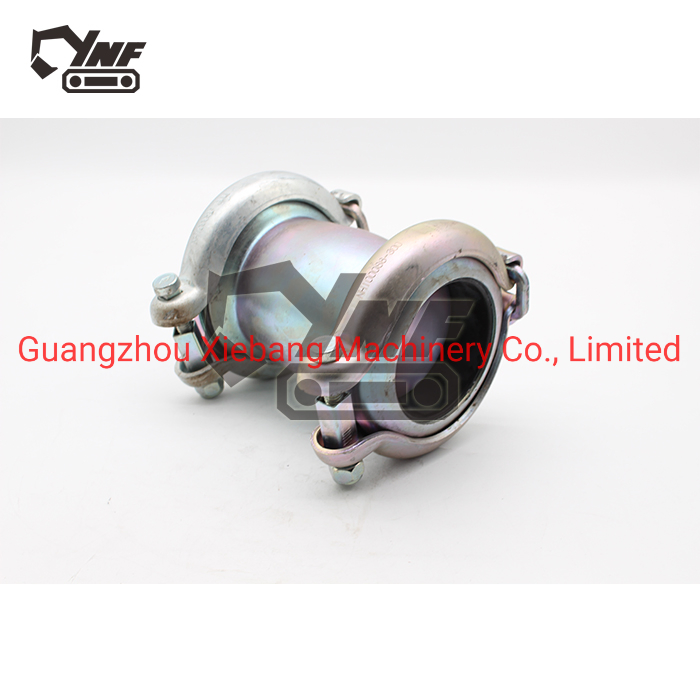
Engineering Insight: Material Selection Imperatives for C-Type Couplers
The operational integrity of C-type couplers in demanding industrial drive systems hinges critically on precision elastomer formulation. Generic rubber compounds marketed as universal solutions frequently fail under the combined stresses of torque transmission, angular misalignment compensation, and continuous vibration damping inherent to these components. Off-the-shelf materials lack the tailored molecular architecture required to resist the synergistic degradation mechanisms encountered in real-world applications, leading to premature coupling failure, unplanned downtime, and significant collateral damage to connected machinery. Understanding the specific material science behind coupler performance is non-negotiable for OEM reliability.
Standard commercial rubber grades typically utilize basic Nitrile Butadiene Rubber (NBR) or Ethylene Propylene Diene Monomer (EPDM) formulations optimized for cost rather than performance under cyclic loading. These compounds exhibit inadequate resistance to oil swell, thermal aging beyond 100°C, and dynamic fatigue. Under sustained operational loads, generic elastomers rapidly develop compression set, losing their ability to maintain requisite clamping force and torque transmission efficiency. Simultaneously, exposure to lubricants, ozone, and elevated temperatures accelerates hardening or softening, culminating in catastrophic drive train failure. The root cause is insufficient crosslink density control and inadequate antioxidant/package stabilization for the specific duty cycle, a deficiency masked during short-term bench testing but evident in field deployment.
Suzhou Baoshida Trading Co., Ltd. addresses this through proprietary, application-specific elastomer engineering. Our C-type coupler formulations leverage advanced hydrogenated nitrile (HNBR) or peroxide-cured fluoroelastomer (FKM) bases, meticulously compounded with high-purity reinforcing fillers and multi-stage antioxidant systems. This approach delivers superior dynamic mechanical properties, maintaining elasticity and damping characteristics across extended temperature ranges (-40°C to +180°C) while resisting aggressive industrial fluids. The result is couplers exhibiting minimal permanent deformation, consistent torque transmission, and extended service life even under severe misalignment and shock loading.
Critical material performance differentiators are quantified below:
| Property | Standard Compound | Baoshida Engineered Compound | Test Method |
|---|---|---|---|
| Tensile Strength (MPa) | 15-18 | 24-28 | ASTM D412 |
| Compression Set (70h/100°C) | 35-45% | <15% | ASTM D395 |
| Oil Resistance (IRM 903) | +25% volume swell | <5% volume swell | ASTM D471 |
| Dynamic Fatigue Life | 1.0 x 10⁶ cycles | >5.0 x 10⁶ cycles | ISO 13356 |
| Heat Aging (70h/150°C) | Δ Hardness +15° | Δ Hardness +5° | ASTM D573 |
Relying on commoditized elastomers for C-type couplers represents a false economy. The accelerated wear, leakage, and system failures incurred far outweigh initial material savings. Suzhou Baoshida partners with OEMs to co-engineer coupler elastomers precisely matched to the application’s torque profile, environmental exposure, and lifecycle requirements. Our technical team conducts rigorous application analysis and accelerated life testing to validate formulations, ensuring the coupler performs as a reliable, long-term system component rather than a critical point of failure. Precision-engineered elastomer formulations are the foundation of industrial drivetrain resilience.
Material Specifications
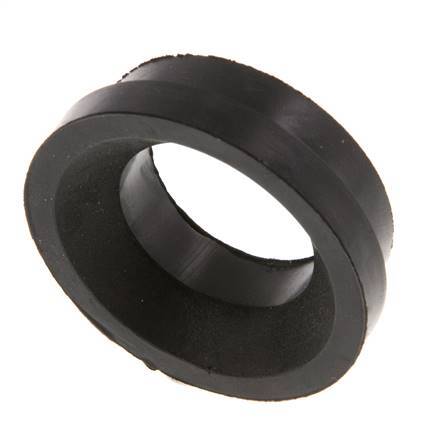
Material selection for C-type couplers in industrial applications requires a precise understanding of chemical compatibility, temperature resistance, mechanical strength, and sealing performance. At Suzhou Baoshida Trading Co., Ltd., we specialize in high-performance rubber solutions tailored for demanding environments. Our C-type couplers are engineered using three primary elastomers: Viton (FKM), Nitrile (NBR), and Silicone (VMQ). Each material offers distinct advantages depending on the operational parameters of the system, including fluid type, temperature range, and mechanical stress.
Viton is a fluorocarbon-based rubber renowned for its exceptional resistance to high temperatures, oils, fuels, and a broad spectrum of chemicals. It performs reliably in continuous service temperatures up to 200°C and short-term exposure up to 250°C. This makes Viton the preferred choice for aerospace, automotive, and chemical processing applications where exposure to aggressive media such as aromatic hydrocarbons, chlorinated solvents, and acids is common. Its low gas permeability and excellent aging characteristics further enhance long-term reliability in critical sealing applications.
Nitrile rubber, or Buna-N, is a cost-effective solution widely used in hydraulic and pneumatic systems. It exhibits excellent resistance to aliphatic hydrocarbons, mineral oils, and greases, making it ideal for use in industrial machinery and mobile equipment. Nitrile couplers maintain stable mechanical properties within a temperature range of -30°C to 100°C, with some formulations extending to 120°C. While Nitrile is less resistant to ozone, UV radiation, and polar solvents compared to Viton, its high abrasion resistance and compressive strength make it a robust choice for dynamic applications involving mechanical wear.
Silicone rubber offers superior flexibility and thermal stability across extreme temperatures, from -60°C to 200°C. It demonstrates excellent resistance to UV, ozone, and weathering, making it suitable for outdoor and high-purity environments such as food processing, pharmaceuticals, and medical devices. However, silicone has lower tensile strength and abrasion resistance compared to Viton and Nitrile, and it is not recommended for applications involving petroleum-based fluids. Its biocompatibility and low toxicity further support its use in sanitary and regulatory-sensitive industries.
The selection of the appropriate elastomer is critical to ensuring leak-free performance, service longevity, and system safety. Below is a comparative summary of key material properties for C-type coupler applications.
| Property | Viton (FKM) | Nitrile (NBR) | Silicone (VMQ) |
|---|---|---|---|
| Temperature Range (°C) | -20 to 200 (up to 250) | -30 to 100 (up to 120) | -60 to 200 |
| Fluid Resistance | Excellent (oils, fuels, acids) | Good (mineral oils, greases) | Poor (petroleum fluids) |
| Chemical Resistance | Excellent | Moderate | Good (ozone, UV) |
| Tensile Strength | High | High | Moderate |
| Compression Set Resistance | Excellent | Good | Good |
| Abrasion Resistance | Good | Excellent | Fair |
| Gas Permeability | Low | Moderate | High |
| Common Applications | Aerospace, chemical processing | Hydraulic systems, machinery | Medical, food, outdoor |
Understanding these material characteristics ensures optimal performance and reliability in industrial C-type coupler systems.
Manufacturing Capabilities
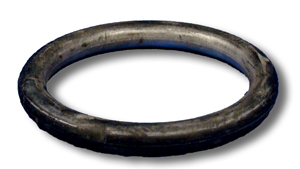
Engineering Capability: Precision Rubber Solutions for C Type Couplers
Suzhou Baoshida Trading Co., Ltd. delivers engineered excellence in industrial rubber components, specifically for demanding C type coupler applications. Our core strength resides in the integrated expertise of our dedicated engineering resources, combining deep material science with advanced mold design to solve complex fluid transfer challenges. We maintain rigorous control over the entire manufacturing value chain, ensuring consistent performance and reliability critical for OEM partnerships.
Engineering Expertise Driving Performance
Our capability is anchored by a specialized team comprising five certified Mould Engineers and two experienced Rubber Formula Engineers. This dual-engineering structure is fundamental to our success. The Formula Engineers focus exclusively on optimizing the polymer matrix, filler systems, curatives, and processing aids for each specific C type coupler requirement. They develop proprietary NBR and EPDM-based compounds targeting precise balances of tensile strength, elongation, compression set, and fluid resistance against oils, fuels, or hydraulic fluids. Concurrently, the Mould Engineering team leverages CAD/CAM and mold flow simulation to design and fabricate precision tooling. Their expertise ensures optimal cavity geometry, venting, and runner systems, directly translating compound performance into defect-free parts with tight dimensional tolerances and consistent sealing surfaces. This synergy between material formulation and mold engineering eliminates common failure points like flash, incomplete cure, or dimensional drift during production.
OEM Partnership and Customization
As a strategic OEM manufacturing partner, we excel in translating customer specifications into robust, production-ready solutions. Our process begins with thorough RFQ analysis, where both engineering teams collaborate to assess material compatibility, performance targets, and volume requirements. We offer full customization of compound formulations to meet unique environmental or regulatory demands, such as low-temperature flexibility down to -40°C or enhanced ozone resistance. Prototyping utilizes production-intent tooling, enabling accurate validation of form, fit, and function before full-scale launch. Our zero-defect prototyping methodology, supported by in-house material testing and dimensional inspection, significantly reduces time-to-market and mitigates supply chain risk for our clients. Suzhou Baoshida manages all stages from compound mixing through vulcanization and final inspection under stringent ISO 9001 protocols.
Critical C Type Coupler Material Specifications
The table below outlines typical performance characteristics achievable with our engineered compounds for standard C type coupler applications. All values are validated per international test standards.
| Property | Standard Value | Test Method | Application Impact |
|---|---|---|---|
| Tensile Strength | 15.0 – 18.0 MPa | ASTM D412 | Resists pull-apart forces during use |
| Elongation at Break | 350% – 450% | ASTM D412 | Accommodates coupling insertion |
| Hardness (Shore A) | 60 – 70 | ASTM D2240 | Balances seal integrity & flexibility |
| Compression Set (70h/70°C) | ≤ 25% | ASTM D395 | Maintains sealing force over time |
| Fluid Resistance (IRM 903) | Δ Volume ≤ 25% | ASTM D471 | Ensures longevity in oil/fuel contact |
Our integrated engineering approach, combining seven specialized professionals with advanced OEM processes, guarantees C type couplers that exceed industry durability and sealing performance expectations. Suzhou Baoshida provides not just components, but engineered reliability for critical fluid systems.
Customization Process
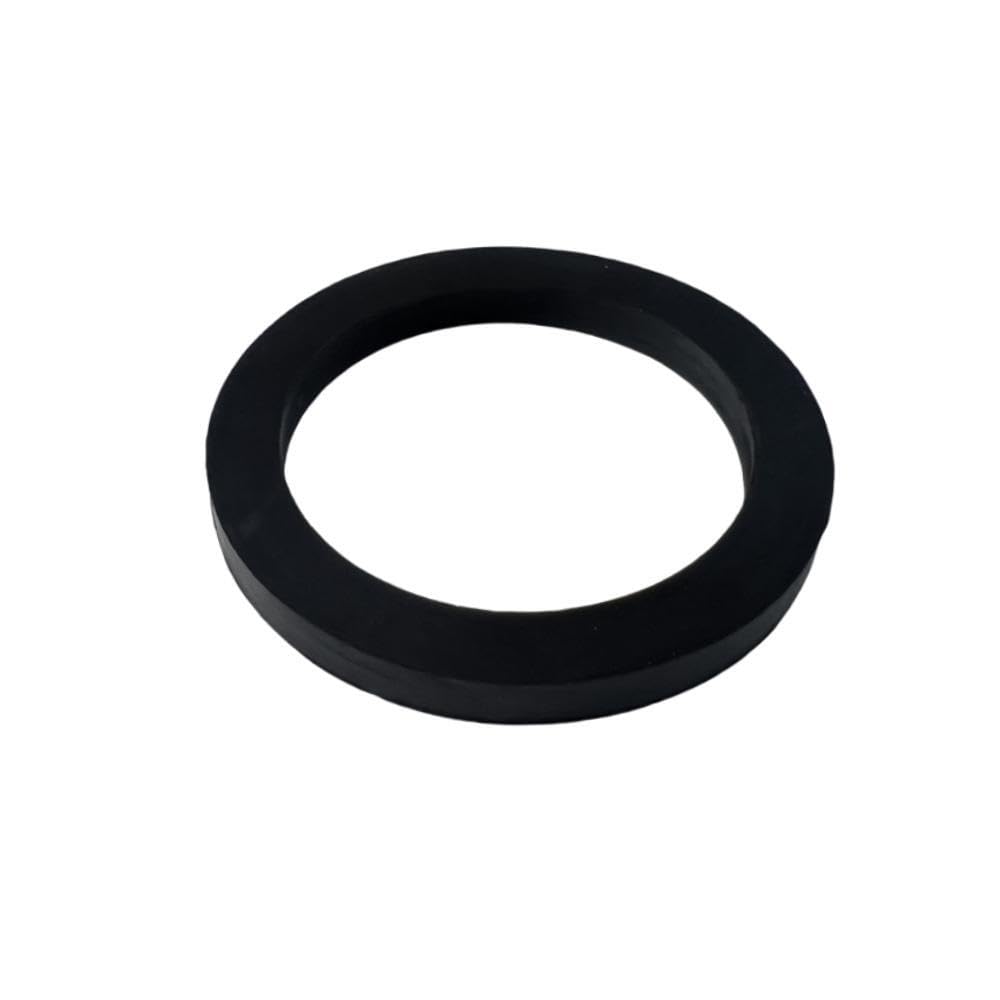
Drawing Analysis
The customization process for a C type coupler begins with rigorous drawing analysis, where engineering blueprints are reviewed for dimensional accuracy, tolerance specifications, and interface compatibility. At Suzhou Baoshida Trading Co., Ltd., our technical team evaluates client-submitted CAD models or ISO-standard drawings to verify critical parameters such as inner diameter, outer diameter, flange configuration, and sealing surface geometry. Special attention is given to mating components and installation environment conditions, including pressure differentials, media type, and operating temperature range. This phase ensures that the coupler will integrate seamlessly within the existing hydraulic or pneumatic system while meeting international standards such as ISO 8434-1 or SAE J514. Any discrepancies or potential design inefficiencies are flagged and discussed with the client for revision prior to material selection.
Formulation Development
Based on the operational requirements derived from the drawing analysis, our rubber formulation engineers develop a compound tailored to the application. The C type coupler often operates in dynamic sealing environments, necessitating elastomers with high resilience, abrasion resistance, and compatibility with hydraulic fluids such as mineral oil, water-glycol, or synthetic esters. Common base polymers include NBR (nitrile butadiene rubber) for general-purpose use, FKM (fluoroelastomer) for high-temperature and chemical resistance, and EPDM for steam and water applications. Reinforcing fillers, cure systems, and anti-degradation additives are precisely balanced to meet performance targets. Each formulation is documented under internal control numbers and subjected to preliminary testing for hardness, tensile strength, and compression set in accordance with ASTM D2000 standards.
Prototyping and Validation
Once the compound is finalized, a prototype batch of the C type coupler is manufactured using precision molding techniques—typically compression or transfer molding, depending on part complexity. Prototypes undergo dimensional inspection via coordinate measuring machines (CMM) and are tested in simulated service conditions. Functional assessments include pressure cycling, leak rate measurement, and pull-off force evaluation to ensure secure coupling engagement. Feedback from this phase informs final design or material adjustments before release to production.
Mass Production and Quality Assurance
Upon client approval, the project transitions to mass production. Our facility employs statistical process control (SPC) to maintain consistency across batches. Every production lot is tested for critical physical properties and traceability is maintained through batch coding and material certifications.
Typical C Type Coupler Specifications
| Parameter | Value / Range | Test Standard |
|---|---|---|
| Inner Diameter (ID) | 6 mm – 50 mm | ISO 8434-1 |
| Hardness (Shore A) | 70 ± 5 to 90 ± 5 | ASTM D2240 |
| Operating Temperature | -30°C to +120°C (NBR) | ASTM D1329 |
| -20°C to +200°C (FKM) | ||
| Maximum Working Pressure | Up to 40 MPa | ISO 10093 |
| Fluid Compatibility | Mineral oil, water, air, glycol | ISO 6508 |
| Tensile Strength | ≥ 15 MPa (NBR), ≥ 12 MPa (FKM) | ASTM D412 |
| Elongation at Break | ≥ 250% | ASTM D412 |
| Compression Set (24h, 70°C) | ≤ 20% | ASTM D395 |
Contact Engineering Team
Partner with Suzhou Baoshida for Precision C-Type Coupler Solutions
Suzhou Baoshida Trading Co., Ltd. stands at the forefront of industrial rubber compounding and OEM manufacturing, specializing in engineered elastomeric components for demanding applications. Our C-type couplers exemplify this expertise, integrating advanced rubber formulations with rigorous dimensional tolerances to ensure seamless integration into hydraulic, pneumatic, and fluid transfer systems. Unlike generic alternatives, our couplers undergo stringent material fatigue testing and dynamic load profiling, guaranteeing consistent performance under extreme pressure cycles, thermal fluctuations, and chemical exposure. We leverage proprietary polymer blends—tailored for abrasion resistance, compression set stability, and fluid compatibility—to deliver couplers that minimize downtime and extend service life in critical infrastructure.
The technical superiority of our C-type couplers is defined by quantifiable material science parameters. Below is a comparison of standard industry specifications versus Baoshida’s premium engineering benchmarks:
| Parameter | Standard Industry Spec | Baoshida Premium Spec |
|---|---|---|
| Durometer (Shore A) | 60 ± 5 | 70 ± 3 (Customizable) |
| Temp Range (°C) | -20 to +100 | -40 to +135 |
| Max Working Pressure | 250 bar | 350 bar |
| Fluid Resistance | Basic hydraulic oils | Full synthetic oils, HFDU, biodegradable fluids |
| Compression Set (22h/100°C) | ≤ 25% | ≤ 12% |
These specifications reflect our commitment to exceeding OEM requirements through iterative formula optimization and in-house validation protocols. Each coupler batch is traceable to raw material lot numbers and subjected to real-time performance monitoring during production, ensuring zero deviation from client-specified mechanical properties. For applications involving aggressive media like phosphate esters or biodiesel, our fluorocarbon and HNBR compounds provide unmatched sealing integrity without swelling or degradation.
Choosing Suzhou Baoshida means partnering with an engineer-led organization that treats rubber compounding as a precision science, not a commodity process. Our technical team collaborates directly with your design engineers to refine material selection, optimize cavity tooling, and validate prototypes against operational stress models—reducing time-to-market by up to 30%. We maintain ISO 9001-certified production facilities with automated mixing and curing systems, eliminating human variability in critical stages. Whether you require high-volume production for agricultural machinery or bespoke couplers for aerospace hydraulics, our vertical integration from raw polymer sourcing to final assembly delivers cost efficiency without compromising on quality thresholds.
Initiate your project with definitive technical collaboration. Contact Mr. Boyce, our dedicated OEM Manager, to discuss material formulation strategies, prototype timelines, or volume production scaling. Provide your application’s dynamic load profile, fluid media, and environmental conditions for a targeted compounding analysis. Mr. Boyce will coordinate our engineering resources to deliver a solution calibrated to your exact performance envelope—not an off-the-shelf approximation. Specify your requirements via email to [email protected], and expect a detailed technical response within 24 business hours. Suzhou Baoshida transforms rubber science into operational reliability; let us engineer your next-generation C-type coupler.
⚖️ O-Ring Weight Calculator
Estimate rubber O-ring weight (Approx).