
Technical Contents
Engineering Guide: Camelbak Products Chute Water Bottle
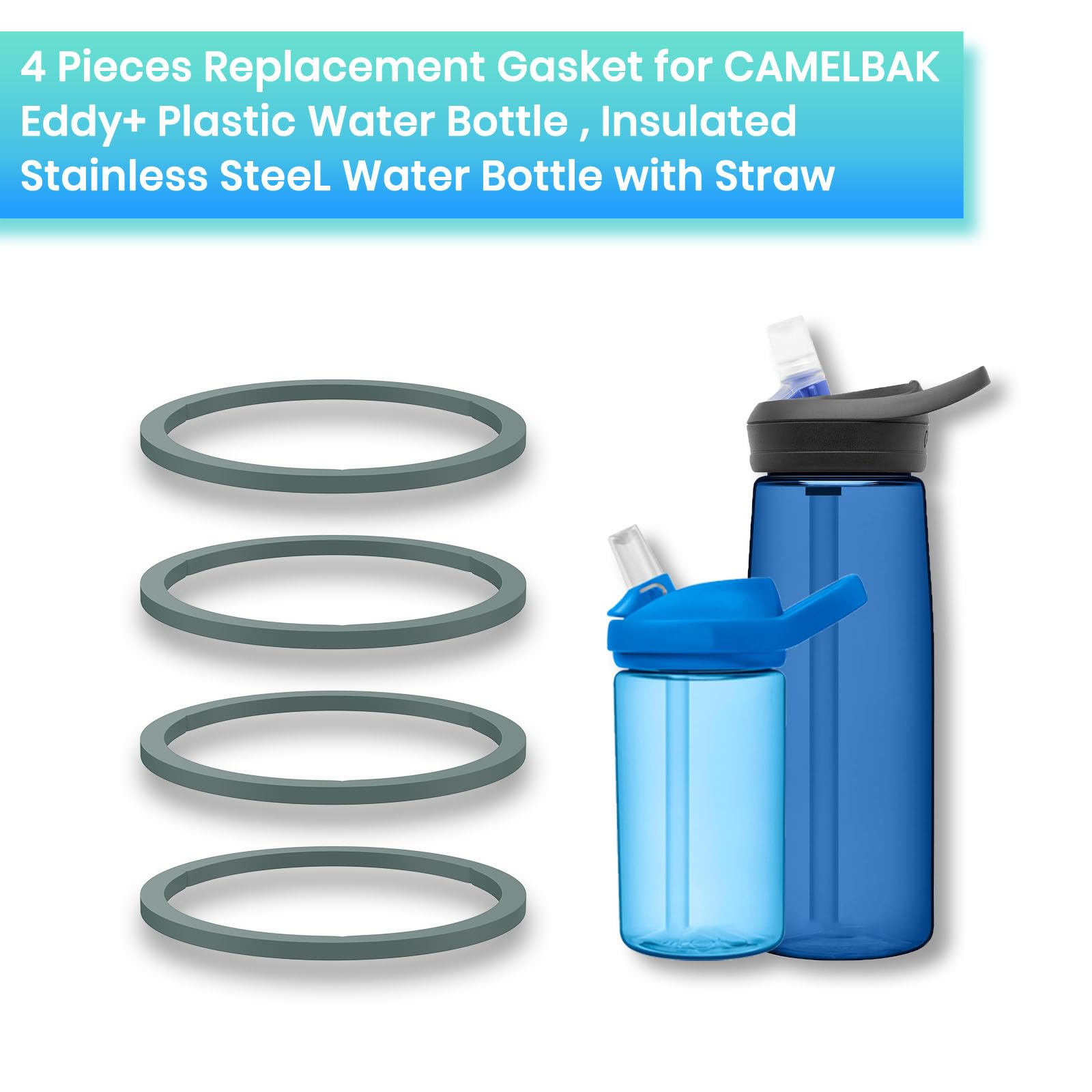
Engineering Insight: Material Selection in camelbak products chute water bottle Applications
In the manufacturing and distribution of hydration solutions such as the camelbak products chute water bottle, material integrity is not merely a design consideration—it is a performance determinant. At Suzhou Baoshida Trading Co., Ltd., our expertise in industrial rubber solutions reveals a recurring challenge: the failure of off-the-shelf sealing and flow-control components due to inappropriate material selection. These failures compromise both functionality and longevity, particularly in dynamic environments involving repeated compression, exposure to aqueous media, and temperature fluctuations.
The chute valve mechanism in hydration systems like the camelbak chute water bottle relies heavily on elastomeric seals and flexible diaphragms to maintain leak-proof operation while enabling user-activated fluid delivery. Standard commercial-grade rubber compounds—often based on natural rubber (NR) or low-grade styrene-butadiene rubber (SBR)—are frequently employed in mass-market alternatives. However, these materials exhibit poor resistance to hydrolysis, oxidative aging, and repeated mechanical stress. As a result, premature cracking, swelling, or loss of elastic recovery is commonly observed, leading to leakage, contamination, and user dissatisfaction.
In contrast, engineered elastomers such as hydrogenated nitrile butadiene rubber (HNBR), silicone rubber (VMQ), or thermoplastic polyurethane (TPU) offer superior performance under operational stress. HNBR, for example, provides exceptional tensile strength, ozone resistance, and thermal stability up to 150°C, making it ideal for dynamic sealing applications. Silicone rubber ensures biocompatibility and maintains flexibility across a wide temperature range, while TPU delivers excellent abrasion resistance and hydrolytic stability—critical for components exposed to frequent cleaning and moisture.
Off-the-shelf solutions often fail because they prioritize cost reduction over material science rigor. Generic suppliers may substitute high-performance polymers with commodity rubbers lacking certification for food contact or long-term durability. Furthermore, inadequate curing processes, inconsistent filler dispersion, and absence of accelerated life testing contribute to field failures.
At Suzhou Baoshida, we apply OEM-level material qualification protocols to ensure compatibility with both functional demands and regulatory standards such as FDA 21 CFR 177.2600 and EU 10/2011 for food contact materials. Our formulation strategy includes dynamic mechanical analysis (DMA) to assess viscoelastic behavior, aging studies under simulated use conditions, and extractable testing to verify chemical inertness.
The table below summarizes key elastomer properties relevant to chute valve applications:
| Material | Hardness (Shore A) | Tensile Strength (MPa) | Elongation at Break (%) | Temperature Range (°C) | Fluid Resistance | FDA Compliant |
|---|---|---|---|---|---|---|
| HNBR | 70–90 | 25–35 | 200–350 | -30 to 150 | Excellent | Yes (per grade) |
| VMQ | 40–80 | 6–10 | 300–700 | -60 to 200 | Good | Yes |
| TPU | 80–95 | 30–50 | 400–600 | -40 to 100 | Excellent | Yes (per grade) |
| SBR | 50–70 | 15–20 | 300–500 | -20 to 100 | Fair | Limited |
Precision in material selection directly correlates with product reliability. For OEMs and industrial partners, investing in engineered elastomers is not an overhead—it is a strategic imperative to ensure performance, safety, and brand integrity in demanding hydration systems.
Material Specifications
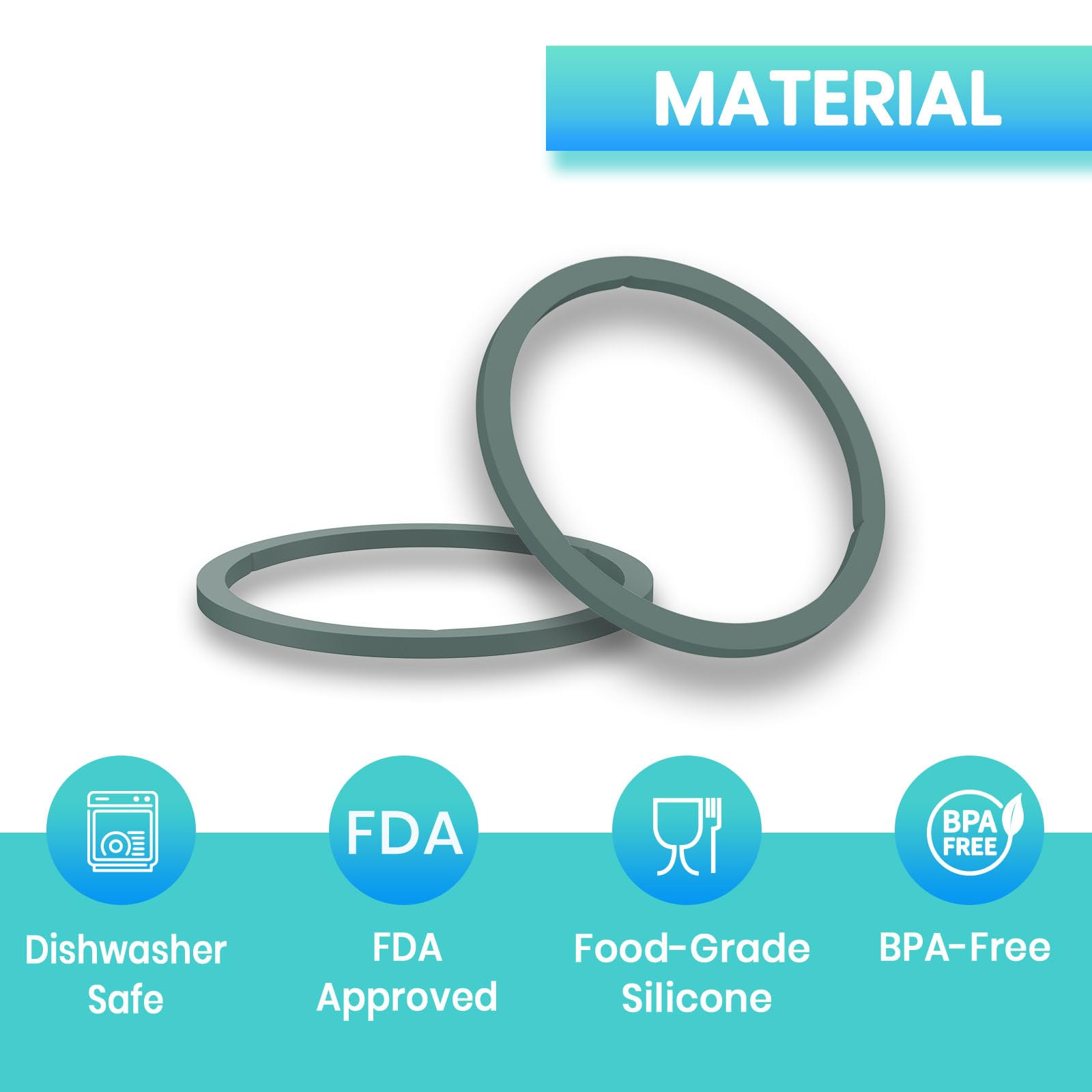
Material Specifications for CamelBak Chute Water Bottle Sealing Components
Suzhou Baoshida Trading Co., Ltd. provides precision-engineered rubber solutions for high-performance hydration systems, including the CamelBak Chute series. Material selection for seals, gaskets, and valve components is critical to ensure leak-proof functionality, chemical resistance, and compliance with food safety standards. We rigorously evaluate Viton (FKM), Nitrile (NBR), and Silicone (VMQ) based on ASTM D2000 classification, fluid exposure, temperature extremes, and regulatory requirements. Each polymer offers distinct advantages for industrial manufacturing, with suitability determined by operational parameters and cost-efficiency targets.
Viton fluorocarbon rubber delivers exceptional resistance to hydrolysis, oxidation, and aggressive chemicals, including alcohols and diluted acids encountered during bottle cleaning cycles. Its thermal stability spans -20°C to 230°C, making it ideal for autoclave sterilization processes. However, Viton exhibits higher compression set at elevated temperatures compared to alternatives and carries a premium cost, typically reserved for specialized military or chemical-handling variants of hydration systems.
Nitrile butadiene rubber provides optimal balance for standard consumer hydration products. With a temperature range of -30°C to 120°C and excellent resistance to water, aliphatic hydrocarbons, and mild detergents, NBR ensures reliable sealing under typical usage conditions. Its lower cost and superior abrasion resistance facilitate high-volume OEM production, though prolonged exposure to ozone or strong oxidizing agents may accelerate degradation. Shore A hardness customization (50–90) allows precise torque management for cap assembly.
Silicone rubber excels in applications demanding extreme temperature resilience (-60°C to 230°C) and stringent food safety compliance. Platinum-cured silicone variants meet FDA 21 CFR 177.2600 and EU 1935/2004 standards, exhibiting negligible extractables in potable water. While superior in biocompatibility and color stability, silicone requires specialized molding techniques due to lower tensile strength and higher raw material costs. It is preferred for premium product lines targeting medical or infant-use markets.
The comparative analysis below details critical specifications for industrial implementation:
| Property | Viton (FKM) | Nitrile (NBR) | Silicone (VMQ) |
|---|---|---|---|
| Temperature Range (°C) | -20 to 230 | -30 to 120 | -60 to 230 |
| Hardness Range (Shore A) | 70–90 | 50–90 | 30–80 |
| Fluid Resistance | Excellent (acids, fuels) | Good (water, oils) | Fair (water only) |
| Compression Set (22h/150°C) | 25–35% | 15–25% | 10–20% |
| FDA Compliance | Limited variants | Standard grades | Platinum-cured grades |
| Typical OEM Cost Factor | High | Low | Medium |
Suzhou Baoshida prioritizes material-performance alignment with CamelBak’s engineering tolerances and lifecycle requirements. For standard Chute models, NBR remains the industry-preferred solution due to cost-effectiveness and robust water resistance. Silicone is recommended for temperature-extreme environments or regulatory-critical applications, while Viton serves niche high-chemical-exposure scenarios. Our OEM team conducts accelerated aging tests per ISO 188 to validate material longevity against real-world hydration demands, ensuring seamless integration into global manufacturing workflows. All compounds undergo batch-specific spectroscopic verification to guarantee compositional consistency.
Manufacturing Capabilities
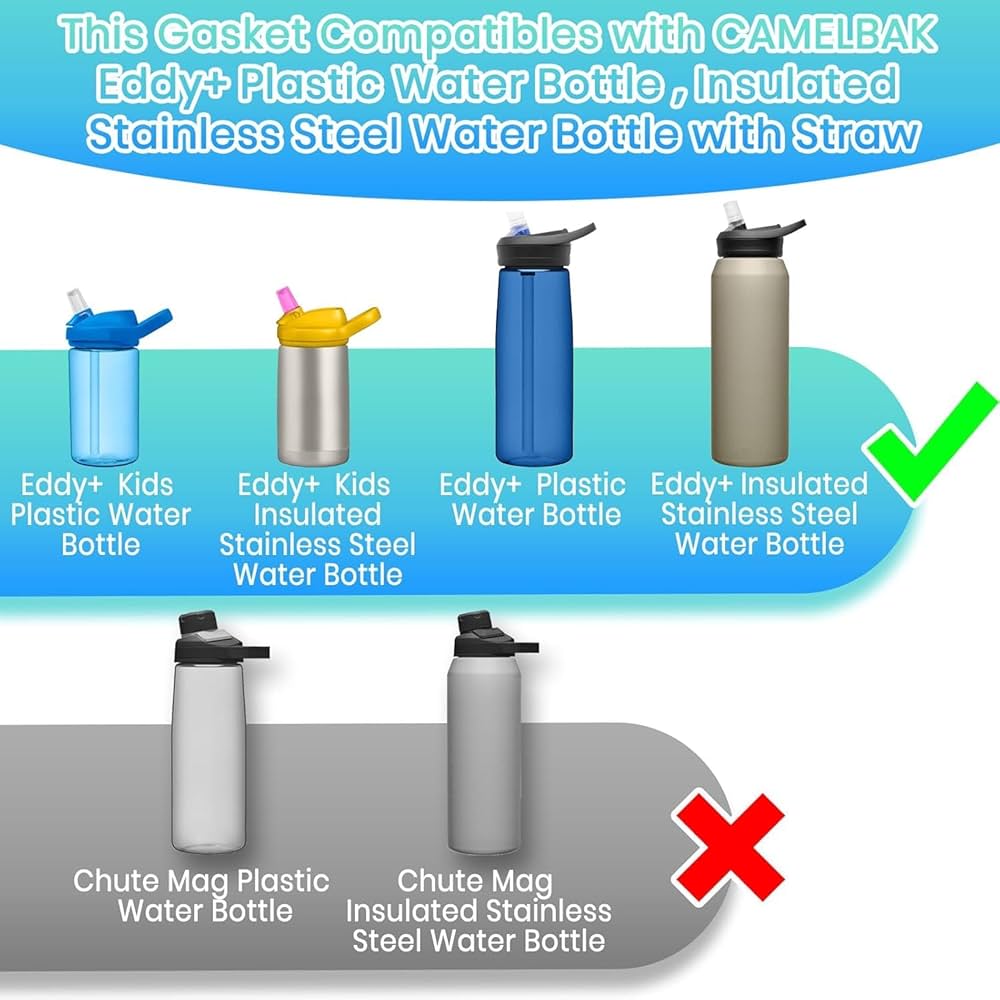
Engineering Capability
At Suzhou Baoshida Trading Co., Ltd., our engineering division is built on a foundation of technical precision and industrial expertise, specifically tailored to meet the demanding requirements of high-performance rubber components used in advanced consumer and industrial applications. With a dedicated team of five experienced mould engineers and two specialized rubber formula engineers, we maintain full in-house control over the product development lifecycle—from conceptual design to final production validation. This integrated engineering capability ensures rapid prototyping, optimized tooling, and material performance that aligns precisely with OEM specifications.
Our mould engineers possess extensive experience in precision tool design for complex rubber-to-plastic overmoulding, a critical process in manufacturing reliable and leak-proof components such as the Chute™ valve system used in CamelBak®-style hydration bottles. Utilizing advanced CAD/CAM software, including SolidWorks and UG NX, our team designs multi-cavity, high-tolerance moulds that ensure consistency, durability, and repeatability in high-volume production. Each mould undergoes rigorous simulation and DFM (Design for Manufacturability) analysis to minimize cycle times, reduce material waste, and prevent defects such as flash or incomplete filling.
Complementing our mould engineering strength, our two rubber formula engineers specialize in developing custom elastomer compounds tailored for specific mechanical, thermal, and chemical performance criteria. For hydration product applications, this includes formulating platinum-cured silicone and thermoplastic vulcanizates (TPV) that exhibit excellent flexibility, compression set resistance, and compliance with food-grade safety standards such as FDA 21 CFR 177.2600 and EU 1935/2004. These formulations are engineered to withstand repeated sterilization, UV exposure, and extreme temperature fluctuations while maintaining seal integrity and tactile performance.
Our OEM capabilities are designed to support global partners in bringing innovative hydration solutions to market efficiently. We offer complete technical collaboration, from reverse engineering existing components to co-developing next-generation valve systems with enhanced flow dynamics and leak resistance. All developments are supported by comprehensive material data sheets, mould flow analysis reports, and first-article inspection (FAI) documentation.
The following table outlines key engineering and material specifications relevant to our Chute™-style water bottle valve production:
| Parameter | Specification |
|---|---|
| Mould Tolerance | ±0.02 mm |
| Material Types | Platinum-cured silicone, TPV, TPE |
| Hardness Range (Shore A) | 40–80 |
| Temperature Resistance | -40°C to +150°C (continuous) |
| Regulatory Compliance | FDA, LFGB, REACH, RoHS |
| Tooling Lead Time | 25–35 days (from design approval) |
| Sample Development Cycle | 7–10 days (after tool completion) |
| Production Cycle Time (per valve) | 45–60 seconds (multi-cavity hot runner system) |
This disciplined, science-driven approach enables Suzhou Baoshida to deliver technically superior rubber components that meet the exacting standards of leading hydration product manufacturers worldwide.
Customization Process
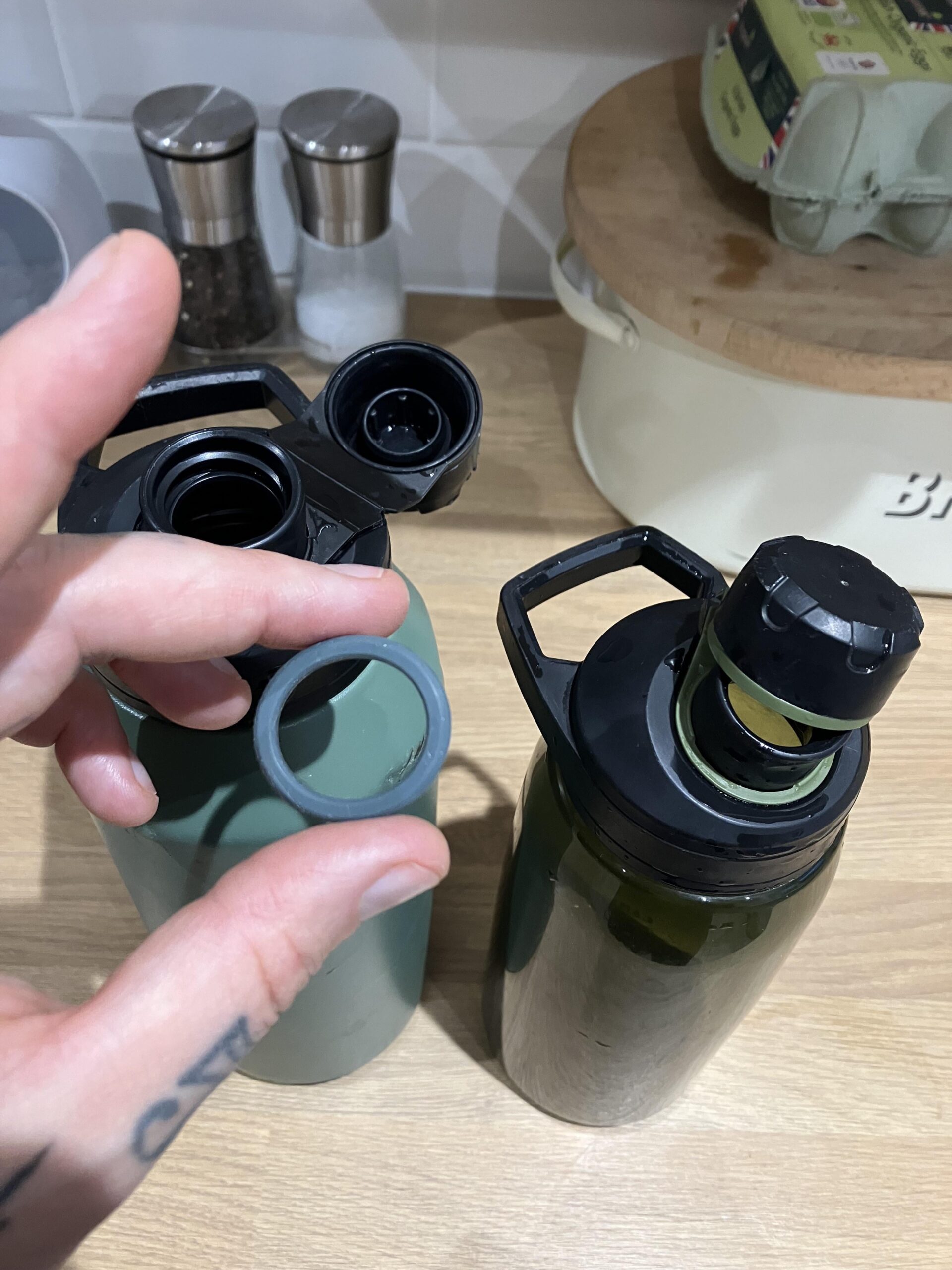
Customization Process for CamelBak Chute Water Bottle Rubber Components
Suzhou Baoshida Trading Co., Ltd. executes a rigorous, science-driven customization pathway for critical rubber elements within the CamelBak Chute water bottle system, such as seals, gaskets, and valve components. This process ensures absolute compatibility with demanding hydration applications while meeting stringent OEM specifications. Our methodology begins with comprehensive Drawing Analysis. Engineering teams meticulously dissect provided CAD models and technical drawings, focusing on geometric dimensioning and tolerancing (GD&T) per ISO 2768, material callouts, functional interfaces, and critical sealing surfaces. We identify potential molding challenges, draft angles, and ejection points, cross-referencing against material behavior models. This phase confirms feasibility and establishes the precise technical foundation for compound development, ensuring the rubber part will perform flawlessly within the Chute mechanism’s dynamic assembly.
Following drawing validation, the Formulation stage commences. Our rubber chemists develop bespoke elastomer compounds tailored to the Chute bottle’s operational requirements. Key parameters include resistance to hydrolysis from constant water exposure, compatibility with potential cleaning agents, low compression set for enduring seal integrity, and specific Shore A hardness for optimal squeeze dynamics and leak prevention. Compounds are engineered using peroxide-cured EPDM or FKM polymers, prioritizing NSF/ANSI 51 compliance for indirect food contact. Each formulation undergoes iterative laboratory mixing and preliminary physical property screening against baseline targets before advancing. This phase balances performance, regulatory adherence, and cost-efficiency through precise control of polymer grade, filler loading, and curing system chemistry.
Prototyping utilizes the finalized compound in precision-engineered molds under controlled production-like conditions. Multiple prototype batches are manufactured, subjected to rigorous functional and analytical testing per ASTM D2000 and ISO 37 standards. Critical evaluations include compression set after 70°C aging, tensile strength, elongation at break, hardness stability across -40°C to 120°C, and real-world cycle testing simulating hundreds of squeeze activations. Dimensional verification against the original drawing using CMM technology is mandatory. Client feedback on prototype fit, feel, and function within the Chute assembly triggers any necessary micro-adjustments to compound or mold design before final sign-off. Typically, three validation rounds ensure robustness.
Upon prototype approval, seamless transition to Mass Production occurs within our ISO 9001-certified facility. Production runs implement Statistical Process Control (SPC) for all critical molding parameters—temperature, pressure, cure time—and 100% automated visual inspection for surface defects. Each batch undergoes lot-release testing against the agreed specification sheet. Traceability is maintained from raw material batch to finished component via integrated MES. Continuous monitoring of key quality characteristics, coupled with annual requalification testing, guarantees sustained performance and compliance throughout the product lifecycle, delivering consistent, high-integrity rubber components for global CamelBak distribution.
Key Rubber Component Performance Specifications
| Property | Target Value | Test Standard | Acceptance Criteria |
|---|---|---|---|
| Hardness (Shore A) | 55 ± 5 | ASTM D2240 | Within ±5 points |
| Tensile Strength | ≥ 10.0 MPa | ISO 37 | Minimum value met |
| Elongation at Break | ≥ 300% | ISO 37 | Minimum value met |
| Compression Set (70°C x 22h) | ≤ 25% | ASTM D395 B | Maximum value not exceeded |
| Temperature Range | -40°C to +120°C | Internal | Functional integrity maintained |
| NSF/ANSI 51 Compliance | Required | NSF Protocol | Certification documentation provided |
Contact Engineering Team
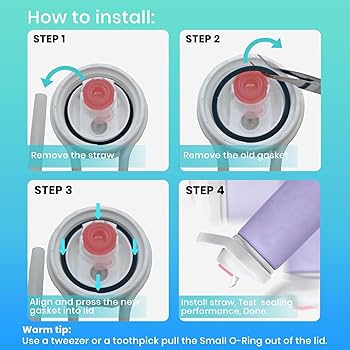
For manufacturers and OEM partners seeking precision-engineered rubber components tailored for high-performance hydration systems, Suzhou Baoshida Trading Co., Ltd. stands as a trusted leader in industrial rubber solutions. Our expertise extends to the development and production of custom elastomeric parts used in advanced fluid delivery mechanisms, including those integral to CamelBak-style Chute water bottle systems. As a specialized supplier serving global hydration technology brands, we deliver materials and components that meet rigorous standards for durability, chemical resistance, and user safety.
Our engineering team focuses on the critical sealing and valve mechanisms that ensure leak-proof performance, smooth fluid dynamics, and long-term reliability in reusable hydration bottles. Whether you require custom silicone seals, thermoplastic elastomer (TPE) valve components, or overmolded drinking spouts, Suzhou Baoshida provides end-to-end rubber processing capabilities—from material formulation and mold design to high-volume manufacturing and quality assurance. We work closely with OEMs to optimize part performance under real-world conditions, including repeated thermal cycling, exposure to diverse liquids, and mechanical stress from daily use.
All materials are compliant with FDA, REACH, and RoHS standards, ensuring suitability for food contact and environmentally responsible production. Our manufacturing facility in Suzhou is equipped with advanced injection molding, two-shot molding, and cleanroom assembly lines, enabling us to support both prototyping and large-scale production runs with tight tolerances and consistent repeatability.
Below is a representative specification table for a typical elastomeric valve seal used in Chute-style hydration systems:
| Parameter | Specification |
|---|---|
| Material | Platinum-cured Liquid Silicone Rubber (LSR) or TPE |
| Hardness (Shore A) | 40–60 ±5 |
| Tensile Strength | ≥8 MPa |
| Elongation at Break | ≥400% |
| Compression Set (22 hrs, 70°C) | ≤20% |
| Temperature Range | -40°C to +150°C (intermittent) |
| FDA Compliance | Yes (21 CFR 177.2600) |
| Color Options | Custom (Pantone matching available) |
| Tolerance | ±0.1 mm (critical dimensions) |
| Production Method | Liquid Injection Molding (LIM) or Two-Shot Molding |
Partnering with Suzhou Baoshida means gaining access to deep technical expertise in rubber formulation and precision manufacturing, backed by responsive project management and rigorous quality control. We support co-engineering initiatives to refine designs for manufacturability, cost-efficiency, and performance.
To discuss your next generation hydration product or to request material samples and technical documentation, contact Mr. Boyce directly at [email protected]. Our team is ready to assist with engineering consultations, prototyping timelines, and scalable production planning tailored to your OEM requirements.
⚖️ O-Ring Weight Calculator
Estimate rubber O-ring weight (Approx).