
Technical Contents
Engineering Guide: Camlock Fittings Stainless
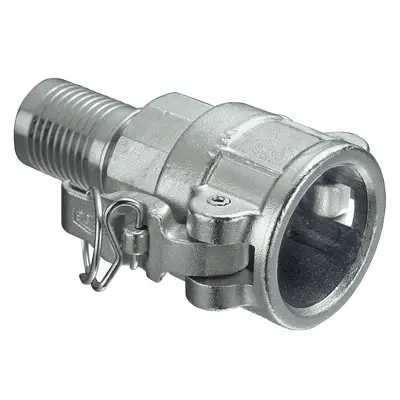
Engineering Insight: Material Science Imperatives in Stainless Camlock Fittings for Rubber Systems
Material selection for stainless steel camlock fittings is not a commodity decision but a critical engineering parameter directly impacting system integrity, longevity, and safety within industrial rubber processing and fluid transfer applications. Off-the-shelf fittings, often sourced based solely on dimensional conformity and lowest cost, frequently fail prematurely due to inadequate material specification for the operational environment. This failure mode manifests as pitting corrosion, stress corrosion cracking (SCC), gasket degradation, or catastrophic joint separation, leading to costly downtime, product contamination, and safety hazards. The root cause lies in the misalignment between generic 304 stainless steel (SS304) commonly used in standard fittings and the aggressive chemical, thermal, and mechanical demands encountered in rubber manufacturing processes involving acids, alkalis, solvents, steam, or high-pressure cycles.
Stainless steel corrosion resistance hinges on the passive chromium oxide layer. However, chlorides prevalent in water systems, certain rubber additives, or cleaning agents readily penetrate this layer on SS304, initiating pitting. More critically, environments exceeding 60°C with even trace chlorides induce SCC in SS304 – a brittle failure mechanism unrelated to pressure ratings. Furthermore, galvanic incompatibility between the fitting and connected components (e.g., carbon steel pipes) or inappropriate elastomer seals (e.g., nitrile exposed to amines) accelerates degradation. Generic fittings rarely account for these synergistic effects. Precision-engineered solutions require alloy selection matched to the specific media composition, concentration, temperature profile, and pressure dynamics. SS316L, with its molybdenum addition (2-3%), significantly enhances resistance to chlorides and acids, making it the baseline standard for reliable rubber industry service. For highly aggressive media like hot concentrated acids or bleach solutions, super austenitic or duplex grades become necessary.
The performance delta between generic and engineered fittings is quantifiable through material specifications:
| Critical Material Specification | Generic SS304 Camlock | Engineered SS316L Camlock | Relevance to Rubber Systems |
|---|---|---|---|
| Molybdenum Content (wt%) | 0 | 2.0 – 3.0 | Critical for chloride pitting resistance; prevents failure in water-based systems & cleaning regimes |
| Pitting Resistance Equivalent Number (PREN) | 18-20 | 24-26 | Direct indicator of localized corrosion resistance; >24 essential for reliable service |
| Maximum Chloride Exposure (ppm) @ 60°C | < 200 | < 1000 | Determines suitability for process water, steam condensate, or formulated rubber compounds |
| Yield Strength (MPa) | 205 min | 170 min | Adequate for standard pressures; SS316L’s slightly lower yield is offset by superior corrosion margin |
| Maximum Continuous Temp (°C) | 870 | 870 | Equal high-temp stability, but SS316L maintains integrity longer in corrosive atmospheres |
OEM validation protocols at Suzhou Baoshida Trading Co., Ltd. mandate rigorous material certification (mill test reports), traceability to heat number, and application-specific compatibility testing against client media. We reject dimensional-only conformity as insufficient. The cost premium for correctly specified SS316L or higher alloys is negligible compared to the total lifecycle cost of system failure – including scrap, rework, environmental remediation, and reputational damage. True reliability stems from understanding that the camlock fitting is not merely a connector, but a precision-engineered interface where material science dictates operational success. Partnering with an OEM-focused supplier ensures material selection is grounded in application physics, not procurement convenience.
Material Specifications
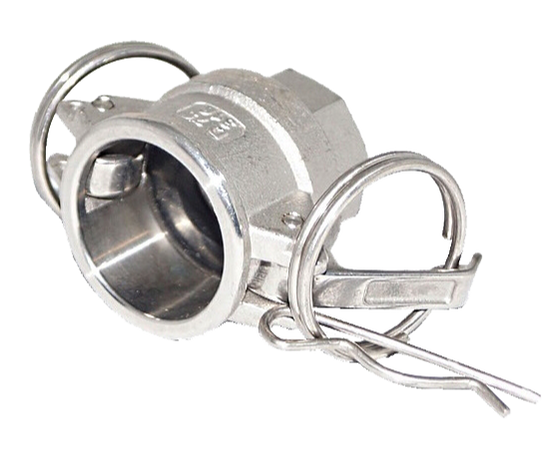
Material Specifications for Camlock Fittings: Stainless Steel with Elastomeric Seals
In industrial fluid transfer systems, camlock fittings made from stainless steel are widely selected for their durability, corrosion resistance, and compatibility with high-pressure and high-temperature environments. However, the performance of these fittings is not solely dependent on the metal components—elastomeric seals play a critical role in ensuring leak-free connections and long-term reliability. At Suzhou Baoshida Trading Co., Ltd., we specialize in industrial rubber solutions that complement stainless steel camlock fittings, offering precision-engineered seals in Viton (FKM), Nitrile (NBR), and Silicone (VMQ) to meet diverse operational demands.
Viton (FKM) is a fluorocarbon-based elastomer renowned for its exceptional resistance to heat, oils, fuels, and a broad spectrum of chemicals. It operates effectively within a temperature range of -20°C to +200°C, making it ideal for aggressive media such as aromatic hydrocarbons, chlorinated solvents, and high-temperature hydraulic fluids. Its low gas permeability and excellent aging characteristics ensure long service life in demanding chemical processing, petrochemical, and aerospace applications. However, Viton exhibits limited flexibility at low temperatures and is not recommended for exposure to ketones or organic acids.
Nitrile (NBR) rubber is one of the most widely used elastomers in industrial sealing due to its excellent resistance to petroleum-based oils, fuels, and hydraulic fluids. With a functional temperature range of -30°C to +100°C (with short-term peaks up to +120°C), NBR offers good mechanical strength and abrasion resistance. It is particularly suited for applications in oil and gas, automotive, and general hydraulic systems. While cost-effective and reliable under standard conditions, NBR has poor resistance to ozone, UV radiation, and polar solvents, limiting its use in outdoor or chemically aggressive environments.
Silicone (VMQ) is valued for its extreme temperature performance, operating reliably from -60°C to +200°C. It exhibits excellent resistance to ozone, UV light, and weathering, making it suitable for outdoor applications and those involving repeated thermal cycling. Silicone also maintains flexibility at very low temperatures and is commonly used in food, pharmaceutical, and high-purity industries due to its clean, non-toxic properties. However, it has relatively low tensile strength and poor resistance to petroleum-based fluids, restricting its use in high-pressure oil systems.
The selection of the appropriate elastomer must align with fluid type, temperature profile, pressure conditions, and environmental exposure. Below is a comparative summary of key material properties.
| Property | Viton (FKM) | Nitrile (NBR) | Silicone (VMQ) |
|---|---|---|---|
| Temperature Range | -20°C to +200°C | -30°C to +100°C | -60°C to +200°C |
| Fluid Resistance | Excellent (oils, fuels, chemicals) | Excellent (petroleum oils, fuels) | Poor (oils, fuels); Good (water, glycols) |
| Chemical Resistance | High | Moderate | Low to Moderate |
| Ozone/UV Resistance | Excellent | Poor | Excellent |
| Mechanical Strength | Good | Very Good | Fair |
| Compression Set Resistance | Excellent | Good | Good |
| Typical Applications | Chemical processing, aerospace, fuel systems | Oil & gas, hydraulics, automotive | Food, pharma, outdoor, high-temp seals |
At Suzhou Baoshida Trading Co., Ltd., we ensure material compatibility and performance consistency across all elastomeric components used with stainless steel camlock fittings, providing engineered solutions tailored to your industrial requirements.
Manufacturing Capabilities
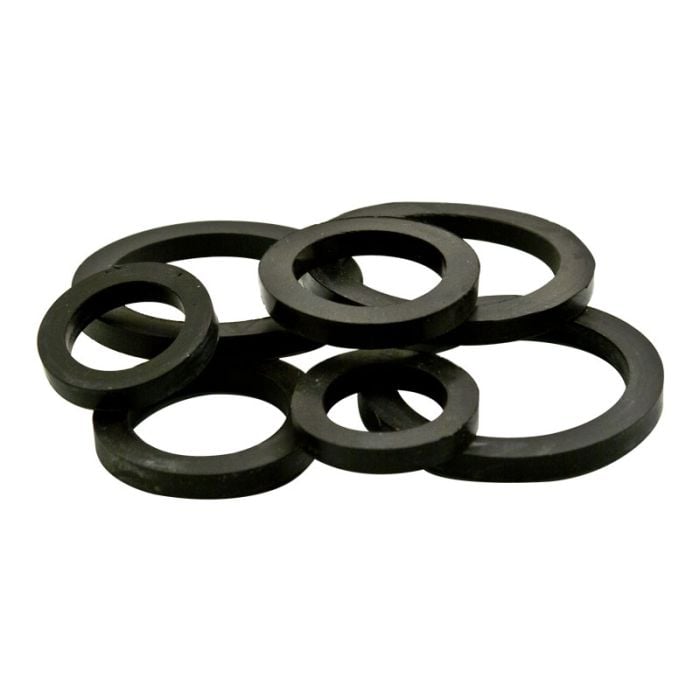
Engineering Capability: Precision Development for Stainless Camlock Fittings
Precision engineering forms the backbone of Suzhou Baoshida Trading Co., Ltd.’s stainless camlock fitting production. Our dedicated team integrates advanced material science with rigorous manufacturing protocols to deliver components meeting the most demanding industrial specifications. Central to this capability are seven specialized engineers: five Mould Engineers focused on dimensional accuracy and flow dynamics, and two Rubber Formula Engineers optimizing elastomer performance for sealing integrity under extreme conditions. This cross-functional expertise ensures seamless alignment between metal fabrication and critical sealing interfaces, eliminating common failure points in fluid transfer systems.
Material science drives our competitive edge. Our Rubber Formula Engineers develop proprietary elastomer compounds specifically engineered to resist degradation from aggressive media—hydrocarbons, acids, and high-temperature steam—encountered in petrochemical, pharmaceutical, and food processing applications. Each formulation undergoes empirical validation for compression set, tensile strength, and chemical resistance per ASTM D2000 and ISO 3601 standards. This eliminates seal extrusion and leakage risks in stainless camlock assemblies operating at elevated pressures and cyclic loads. Concurrently, Mould Engineers employ finite element analysis (FEA) to optimize cavity design, ensuring zero flash, perfect concentricity, and consistent wall thickness in 304/316L stainless housings. Their work guarantees ±0.05mm tolerancing for critical sealing surfaces, directly enhancing gasket lifespan and system reliability.
The following table summarizes key performance specifications achieved through our integrated engineering approach:
| Parameter | Standard Specification | Baoshida Enhanced Performance | Testing Standard |
|---|---|---|---|
| Pressure Rating | 150 PSI @ 70°F | 300 PSI @ 250°F | ASME B16.11 |
| Temperature Range | -20°F to 250°F | -60°F to 400°F | ASTM D2000 |
| Corrosion Resistance | Basic 304 SS | 316L SS + Electropolished | ASTM A967 |
| Seal Compression Set | ≤35% after 70 hrs | ≤15% after 168 hrs | ASTM D395 Method B |
| Dimensional Tolerance | ±0.1mm | ±0.05mm | ISO 2768-mK |
Our OEM capabilities translate this engineering rigor into client-specific solutions. We manage end-to-end development—from CAD-based reverse engineering of legacy fittings to full production validation—under strict ISO 9001:2015 protocols. Clients provide operational parameters (media type, pressure cycles, environmental exposure), and our team tailors both the stainless housing geometry and elastomer formulation to exceed application demands. This includes prototyping with rapid tooling, batch traceability via laser marking, and performance dossiers documenting every validation test. For global OEM partners, we ensure compliance with regional standards (PED 2014/68/EU, CRN, JIS) while maintaining cost efficiency through automated CNC machining and in-house rubber compounding.
Suzhou Baoshida Trading Co., Ltd. transforms engineering precision into operational reliability. By unifying metallurgical expertise with advanced polymer science, we deliver stainless camlock fittings that minimize downtime and extend service life in critical fluid handling systems worldwide.
Customization Process
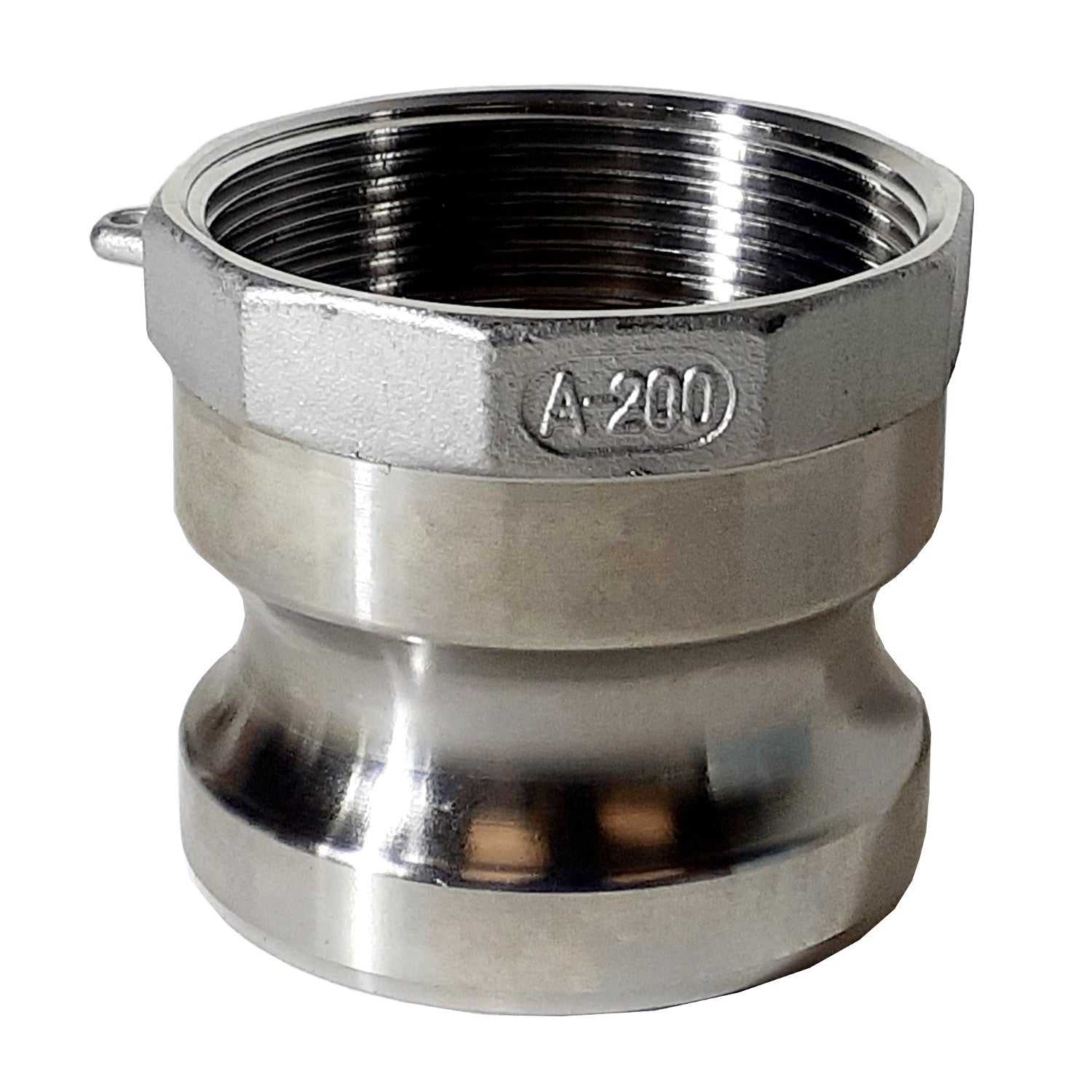
Drawing Analysis
The customization process for stainless steel camlock fittings within industrial rubber systems begins with rigorous drawing analysis. At Suzhou Baoshida Trading Co., Ltd., engineering teams evaluate client-submitted technical drawings to verify dimensional accuracy, material compatibility, and interface requirements. This phase includes assessing flange geometry, sealing surface profiles, port dimensions, and alignment tolerances. We examine both 2D ISO-compliant schematics and 3D CAD models to identify potential integration issues with existing hose assemblies or fluid transfer systems. Critical parameters such as maximum operating pressure, temperature range, and media exposure (e.g., oils, acids, steam) are extracted to inform downstream material and design decisions. Any discrepancies or optimization opportunities are flagged for technical review and client consultation before proceeding.
Formulation Development
Following drawing validation, our rubber formulation engineers initiate material development tailored to the operational environment. While the camlock body is constructed from stainless steel (typically SS304 or SS316), the sealing element—often an elastomeric gasket or O-ring—is customized using advanced polymer science. Based on chemical resistance, thermal stability, and mechanical stress requirements, we select base polymers such as EPDM, Nitrile (NBR), Silicone (VMQ), or Fluoroelastomer (FKM). Additives including reinforcing fillers, antioxidants, and processing agents are precisely compounded to achieve target hardness (Shore A 60–90), compression set resistance, and long-term sealing integrity. Each formulation is documented under controlled batch records, ensuring repeatability and compliance with ASTM D2000 or OEM-specific standards.
Prototyping and Validation
Once the formulation is finalized, prototype gaskets or integrated seals are manufactured using precision molding techniques—compression, transfer, or injection—depending on complexity and volume. These prototypes are assembled with sample stainless camlock fittings for functional testing. Performance validation includes pressure cycling, leak testing under elevated temperatures, and exposure to simulated service media. Dimensional inspection is conducted using coordinate measuring machines (CMM) to ensure conformity with the original drawing. Clients receive test reports, material certifications (e.g., RoHS, FDA if applicable), and physical samples for field evaluation. Feedback is incorporated into final design adjustments before release for production.
Mass Production and Quality Assurance
Approved prototypes transition into mass production under ISO 9001-certified manufacturing protocols. Automated mixing, molding, and curing systems ensure batch consistency, while in-process inspections monitor critical attributes. Final products undergo 100% visual inspection and抽样 physical testing per AQL Level II. All rubber components are traceable by batch number, with full material disclosure and test data available upon request.
| Parameter | Standard Value | Test Method |
|---|---|---|
| Hardness Range (Shore A) | 60–90 ±5 | ASTM D2240 |
| Tensile Strength | ≥8 MPa | ASTM D412 |
| Elongation at Break | ≥200% | ASTM D412 |
| Compression Set (24h @ 70°C) | ≤25% | ASTM D395 |
| Operating Temperature | -30°C to +150°C (varies by compound) | — |
| Media Resistance | Custom (per client fluid exposure) | Immersion Testing |
Contact Engineering Team
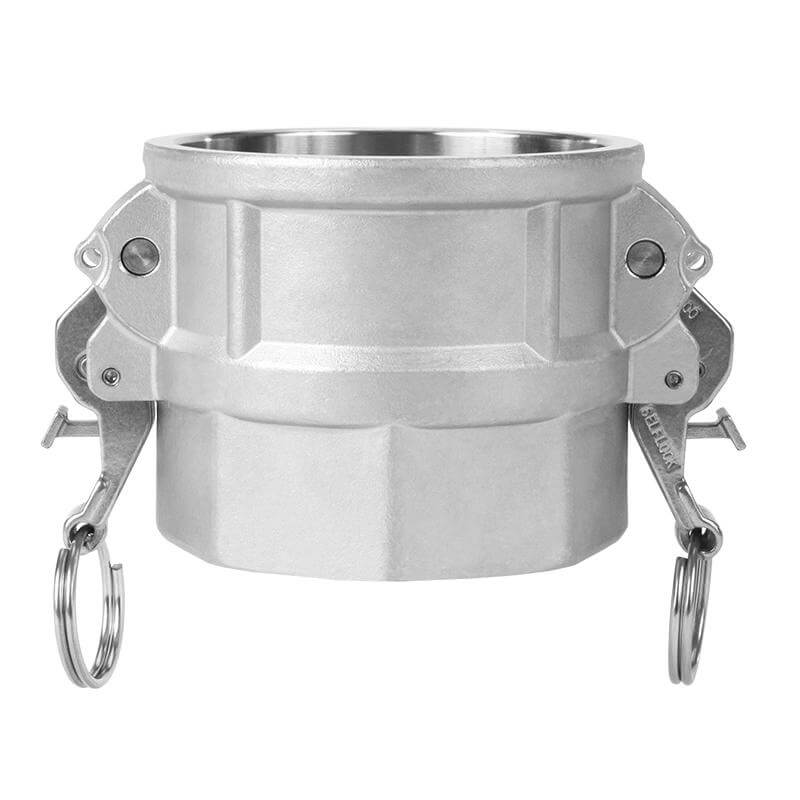
Technical Engagement: Precision Camlock Fitting Solutions for Demanding Industrial Applications
Suzhou Baoshida Trading Co., Ltd. operates at the intersection of advanced rubber compounding and precision fluid transfer engineering. Our stainless steel camlock fittings are engineered to address critical challenges in high-purity, high-pressure, and corrosive environments common across chemical processing, pharmaceutical, and food-grade manufacturing sectors. Unlike generic alternatives, our fittings integrate seamlessly with custom rubber formulations—such as EPDM, FKM, and PTFE-lined variants—to ensure leak-free performance under extreme thermal cycling and aggressive media exposure. Material compatibility is non-negotiable; our team validates every specification against ISO 1127 and ASTM F1387 standards to guarantee system integrity over extended operational lifecycles.
The following table details core technical parameters for our 304 and 316L stainless steel camlock series, reflecting our commitment to dimensional accuracy and regulatory compliance:
| Specification | 304 Stainless Steel | 316L Stainless Steel | Test Standard |
|---|---|---|---|
| Max Operating Pressure | 150 PSI @ 70°F | 200 PSI @ 70°F | ASME B16.11 |
| Temperature Range | -40°F to 450°F | -40°F to 500°F | ASTM F2394 |
| Corrosion Resistance | Moderate acids/bases | Superior chloride resistance | ASTM A262 |
| Surface Finish | Ra ≤ 32 μin | Ra ≤ 16 μin (electropolished) | ISO 1302 |
| Certifications | CE, PED 2014/68/EU | CE, PED, FDA 21 CFR 177.2600 | EN 10204 3.1 |
These specifications are not theoretical benchmarks but rigorously validated outcomes of our in-house OEM testing protocols. Each fitting undergoes hydrostatic pressure validation, helium leak detection, and material traceability auditing to eliminate field failure risks. For applications involving abrasive slurries or ultra-high-purity requirements, we deploy proprietary surface treatments—such as passivation per ASTM A967—and collaborate with clients to optimize rubber gasket durometer and compound selection. This holistic approach prevents premature wear, reduces maintenance downtime, and aligns with stringent industry hygiene directives.
Initiate your technical collaboration by contacting Mr. Boyce, our dedicated OEM Solutions Manager, who specializes in fluid system integration challenges. With 12 years of experience resolving compatibility issues between elastomers and metallic components, Mr. Boyce will conduct a free system audit to identify pressure differentials, chemical exposure risks, and thermal expansion variables specific to your process line. His engineering-led consultations focus on preemptive problem-solving—not transactional sales—ensuring your camlock assemblies meet exacting operational tolerances from day one. Provide your system schematics, media composition data, and performance expectations to receive a tailored material compatibility report within 72 hours.
Reach Mr. Boyce directly at [email protected] to schedule a technical review. Include your project timeline, fluid media specifications, and target pressure/temperature parameters to accelerate solution development. Suzhou Baoshida does not supply fittings; we deliver certified system reliability through metallurgical expertise and rubber science. Partner with us to eliminate field failures and achieve uncompromised fluid transfer integrity. Your operational excellence begins with a single engineered connection.
⚖️ O-Ring Weight Calculator
Estimate rubber O-ring weight (Approx).