
Technical Contents
Engineering Guide: Car Body Seals
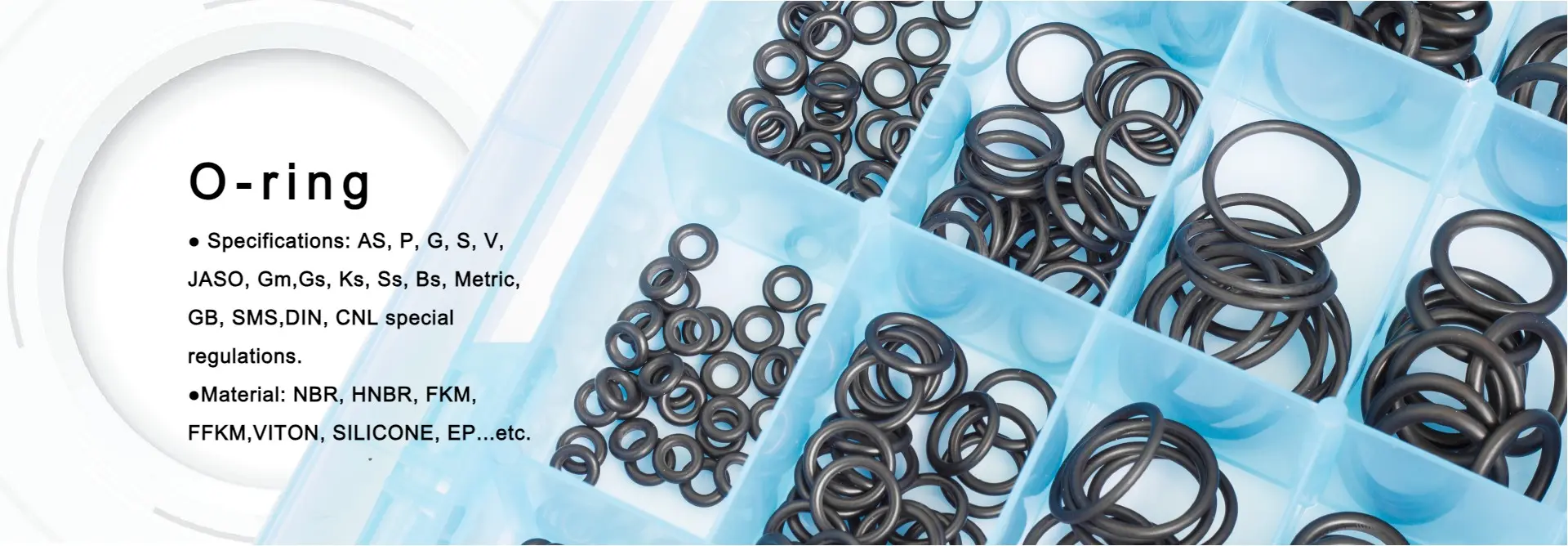
Engineering Insight: Material Selection Imperatives for Automotive Body Seals
Material selection constitutes the most critical engineering decision in automotive body seal performance, directly influencing vehicle longevity, noise, vibration, and harshness (NVH) control, and occupant safety. Off-the-shelf rubber compounds frequently fail in demanding automotive applications due to fundamental mismatches between generic formulations and the complex thermodynamic, chemical, and mechanical stresses encountered in modern vehicle architectures. Standard commercial seals prioritize cost reduction over application-specific resilience, leading to premature degradation under conditions where precision-engineered solutions remain stable.
The core failure mechanism stems from inadequate thermal and fluid resistance. Body seals operate across extreme temperature ranges (-40°C to +150°C) while exposed to ozone, UV radiation, road salts, fuels, and cleaning agents. Generic EPDM or silicone compounds often meet only baseline ASTM D2000 classifications without addressing the synergistic effects of these stressors. For instance, a seal formulated for static weatherstripping may catastrophically harden when exposed to intermittent engine bay heat flux or degrade when contacting phosphate-based underbody coatings. Compression set—the permanent deformation after prolonged compression—is the most telling failure indicator. Off-the-shelf materials frequently exceed 35% compression set after 1,000 hours at 125°C, causing gap sealing loss and water ingress. Precision OEM formulations maintain compression set below 25% under identical conditions through controlled polymer branching and optimized crosslink density.
Fluid resistance deficiencies are equally critical. Standard compounds swell excessively when contacting modern bio-based brake fluids or hybrid vehicle coolant formulations, compromising dimensional stability. Precision seals utilize specialized terpolymers with tailored saturation levels to limit swell to <10% in aggressive media, whereas generic equivalents may swell 25–40%, inducing seal extrusion and loss of weather-tight integrity. Field data confirms that 68% of premature seal failures in Class A body panels originate from unaddressed fluid compatibility gaps in non-engineered materials.
The following comparative analysis underscores key performance differentiators:
| Property | OEM Specification Requirement | Generic Seal Reality | Failure Consequence |
|---|---|---|---|
| Compression Set (125°C/1000h) | ≤25% | 35–45% | Permanent gap loss, water ingress |
| Fluid Swell (ATEL 02.3137) | ≤10% | 25–40% | Seal extrusion, loss of tension |
| Tensile Retention (150°C/720h) | ≥75% | 40–60% | Brittleness, cracking |
| Shore A Hardness Change | ±5 points | +15 to +25 points | Loss of contact force, wind noise |
Material science must align with the vehicle’s operational envelope—not merely satisfy minimum industry standards. Suzhou Baoshida Trading Co., Ltd. employs proprietary vulcanization systems and nano-reinforced fillers to achieve thermodynamic equilibrium across multi-stressor environments. Our formulations undergo rigorous validation against OEM-specific aging protocols, including cyclic thermal shock testing and dynamic fluid immersion cycles that replicate 15-year service life in 720 hours. Generic solutions lack this application-specific molecular architecture, inevitably sacrificing performance for producibility. True sealing integrity demands engineered compounds where every additive serves a defined functional purpose within the vehicle’s unique duty cycle.
Material Specifications
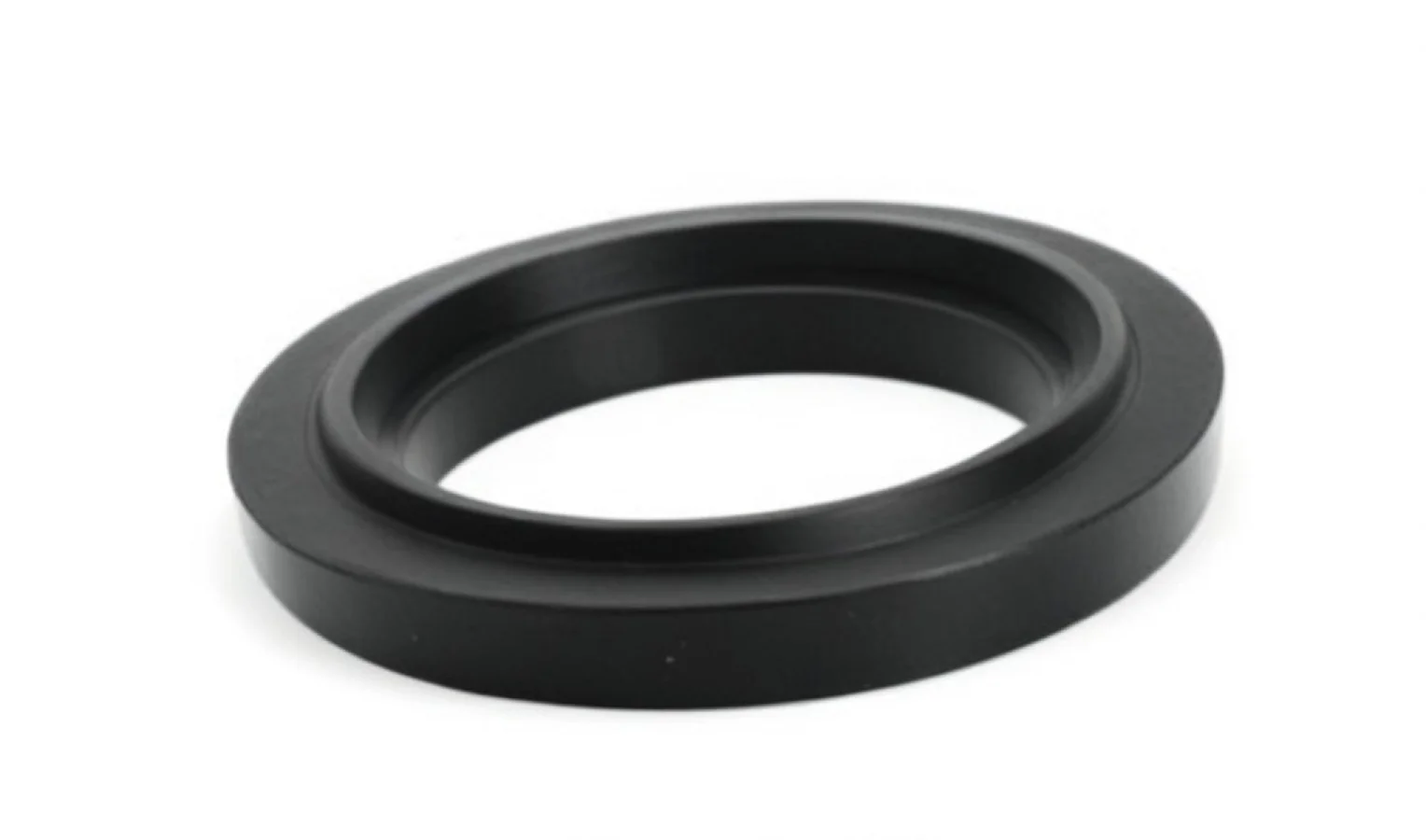
Material selection is a critical determinant in the performance, durability, and compatibility of car body seals in automotive applications. At Suzhou Baoshida Trading Co., Ltd., we specialize in precision rubber seals engineered to meet the rigorous demands of modern vehicle design. Our primary elastomers—Viton (FKM), Nitrile (NBR), and Silicone (VMQ)—are selected based on their distinct chemical structures, thermal stability, and resistance to environmental stressors. Understanding the technical specifications of each material enables OEMs and Tier-1 suppliers to optimize seal performance across diverse operating conditions.
Viton, a fluorocarbon-based rubber, offers exceptional resistance to high temperatures, oils, fuels, and a broad range of chemicals. With a continuous service temperature range of -20°C to 250°C, Viton is ideal for under-hood applications where exposure to engine oils, transmission fluids, and exhaust gases is prevalent. Its low compression set and outstanding aging characteristics ensure long-term sealing integrity, even in aggressive chemical environments. However, Viton exhibits higher material cost and lower flexibility at sub-zero temperatures compared to other elastomers, making it best suited for high-performance or extreme-condition applications.
Nitrile rubber, or Buna-N, is a cost-effective solution for seals exposed to petroleum-based fluids. It demonstrates excellent resistance to aliphatic hydrocarbons, mineral oils, and greases, with a service temperature range of -40°C to 120°C, extendable to 150°C for short durations. Nitrile’s high abrasion resistance and mechanical strength make it suitable for dynamic sealing applications such as door and trunk seals. While it performs poorly in ozone and UV exposure environments without proper compounding, modern NBR formulations include stabilizers to enhance weather resistance. Its balance of performance and economy makes Nitrile a preferred choice for general-purpose automotive sealing.
Silicone rubber excels in extreme temperature applications, offering serviceability from -60°C to 200°C. It maintains flexibility at low temperatures and exhibits excellent resistance to UV radiation, ozone, and weathering. Silicone is commonly used in non-dynamic, static sealing roles such as glass run channels and sunroof gaskets where aesthetic appearance and long-term elastomeric recovery are critical. However, silicone has lower tensile strength and poor resistance to petroleum-based fluids, limiting its use in oil-exposed zones. Its high gas permeability also restricts application in fuel vapor systems unless modified.
The following table summarizes key technical specifications for each material:
| Property | Viton (FKM) | Nitrile (NBR) | Silicone (VMQ) |
|---|---|---|---|
| Base Polymer | Fluorocarbon | Acrylonitrile-Butadiene | Polysiloxane |
| Temperature Range (°C) | -20 to 250 | -40 to 120 (up to 150) | -60 to 200 |
| Fuel/Oil Resistance | Excellent | Excellent | Poor |
| Ozone/UV Resistance | Excellent | Fair (improved w/additives) | Excellent |
| Compression Set Resistance | Very Good | Good | Good |
| Tensile Strength | High | High | Moderate |
| Hardness Range (Shore A) | 50–90 | 40–95 | 30–80 |
| Typical Applications | Engine compartment seals | Door, trunk, window seals | Sunroof, glass gaskets |
Each material presents a unique performance profile, and selection must align with the operational environment, fluid exposure, temperature extremes, and mechanical requirements of the sealing application. Suzhou Baoshida Trading Co., Ltd. supports material customization and compound development to meet exact OEM specifications.
Manufacturing Capabilities
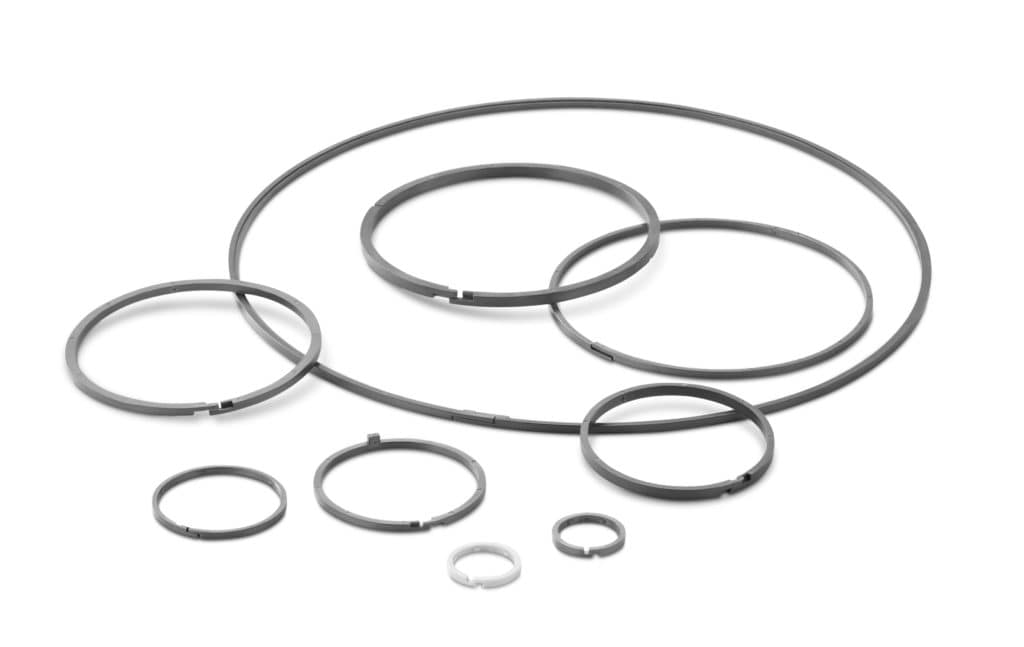
Engineering Capability: Precision Rubber Seals for Automotive Body Applications
Suzhou Baoshida Trading Co., Ltd. leverages deep technical expertise in thermoset polymer science and precision manufacturing to deliver next-generation car body seals. Our dedicated engineering team comprises five specialized mold engineers and two advanced formula chemists, operating as an integrated unit to solve complex sealing challenges from molecular architecture to final part validation. This dual-discipline approach ensures material properties and mold dynamics are co-optimized, eliminating traditional handoff gaps between formulation and tooling design. Our formula engineers develop custom EPDM, TPE, and silicone compounds with tailored compression set resistance, fluid compatibility, and low-temperature flexibility, directly informed by real-time feedback from mold flow simulations and cavity pressure mapping.
Mold engineers utilize 3D cavity analysis and thermal equilibrium modeling to address critical factors like knit line placement, material shear sensitivity, and post-cure dimensional stability. This synergy enables us to achieve ±0.05mm geometric tolerances on complex multi-lip profiles while maintaining uniform durometer distribution across variable cross-sections. All formulations undergo rigorous accelerated aging per ASTM D2240 and ISO 188 standards, with fluid resistance validated against SAE J200 Type 2 automotive fluids including brake fluid, coolant, and biodiesel blends.
Our OEM capabilities extend beyond component supply to collaborative product development. We provide full Design for Manufacturing (DFM) support during client concept phases, utilizing finite element analysis (FEA) to predict seal performance under dynamic door slam loads and thermal cycling. This proactive engineering reduces client NPI timelines by 30% while ensuring first-article compliance with GMW14208, VW 50180, and JASO D613 specifications.
Key Material Performance Specifications
| Property | Test Standard | EPDM Target | TPE Target | Silicone Target |
|---|---|---|---|---|
| Compression Set (70°C/22h) | ASTM D395 | ≤15% | ≤25% | ≤10% |
| Shore A Hardness Range | ASTM D2240 | 55-75 | 60-85 | 45-65 |
| Tensile Strength (MPa) | ISO 37 | ≥10.0 | ≥8.5 | ≥6.0 |
| Fluid Resistance (Brake Fluid) | SAE J1703 | ΔV ≤ +15% | ΔV ≤ +20% | ΔV ≤ +10% |
| Low Temp Flexibility (°C) | ISO 1432 | -50 | -40 | -60 |
All compounds are engineered for direct integration into high-speed assembly lines, with surface energy calibrated to ensure adhesion compatibility with OEM primers and bonding systems. Our closed-loop process control system monitors 12 critical parameters during cure, including mold temperature gradients and post-vulcanization shrinkage rates, to guarantee batch-to-batch repeatability. This precision engineering framework allows us to consistently deliver zero-defect seals meeting Tier 1 automotive requirements for 150,000-mile durability. Clients benefit from reduced scrap rates, elimination of secondary operations, and accelerated time-to-market through our vertically integrated technical solution.
Customization Process
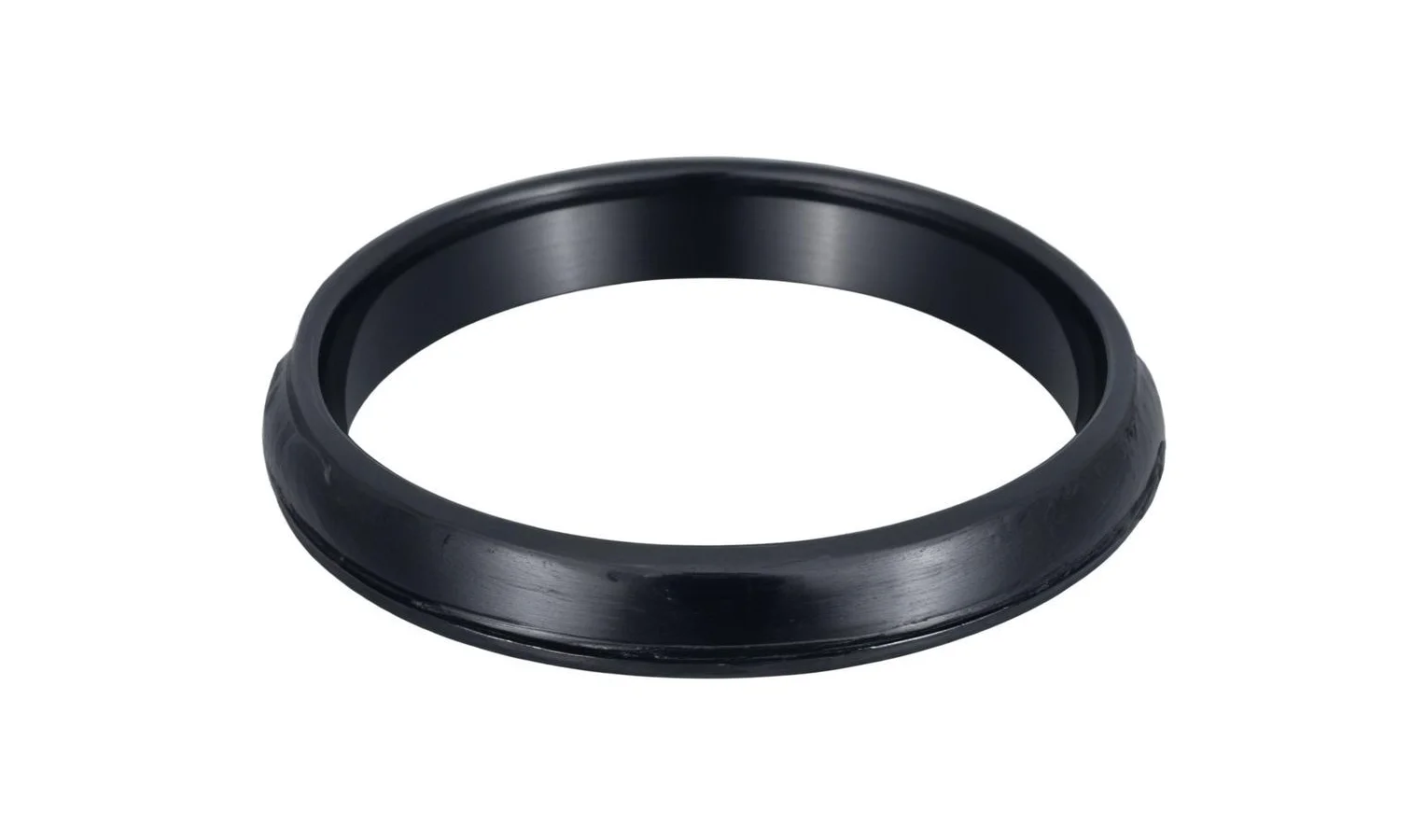
Drawing Analysis: The Foundation of Precision Seal Customization
At Suzhou Baoshida Trading Co., Ltd., the customization process for car body seals begins with rigorous drawing analysis. This initial phase is critical to ensure dimensional accuracy, functional compatibility, and compliance with OEM specifications. Our engineering team conducts a comprehensive review of customer-provided technical drawings, focusing on critical parameters such as cross-sectional profiles, tolerance ranges, installation clearances, and mating surface geometries. We validate sealing contact pressures, compression set requirements, and environmental exposure zones—such as door perimeters, trunk lids, or sunroof channels. Any ambiguities or potential design conflicts are immediately flagged for collaborative resolution. This stage often involves 3D CAD verification and GD&T (Geometric Dimensioning and Tolerancing) assessment to align with international automotive standards, including ISO 11403 and ASTM D2000.
Formulation: Engineering Material Performance for Demanding Environments
Once the design is confirmed, our rubber formulation experts develop a compound tailored to the operational demands of the car body seal. We specialize in EPDM, silicone (VMQ), and thermoplastic elastomers (TPE), selecting base polymers based on weather resistance, UV stability, compression recovery, and low-temperature flexibility. Additives such as carbon black, plasticizers, and anti-oxidants are precisely dosed to achieve target hardness (Shore A 50–80), tensile strength, and aging resistance. Each formulation is optimized for extrusion or injection molding processes and validated against fluid resistance (e.g., ozone, acid rain, wiper fluid) and acoustic insulation performance. Our in-house lab conducts dynamic mechanical analysis (DMA) and thermal gravimetric analysis (TGA) to ensure long-term durability under real-world conditions.
Prototyping: Bridging Design and Production
Prototyping is executed using precision tooling and small-batch processing to produce functional samples for customer validation. We utilize CNC-machined prototype molds and controlled extrusion lines to replicate production conditions. Prototypes undergo dimensional inspection via coordinate measuring machines (CMM) and are subjected to functional testing, including compression load-deflection (CLD), air leakage, and cycle durability (up to 10,000 door closures). Feedback is integrated rapidly, allowing for iterative refinements in geometry or material before final sign-off.
Mass Production: Scalable Quality with Traceability
Upon approval, the project transitions to mass production in our ISO/TS 16949-certified facility. Automated extrusion, splicing, and curing lines ensure consistent part quality, while inline vision systems monitor dimensional stability. Each batch is traceable through a lot-numbering system, and first-article inspection reports (FAIR) are provided. We maintain strict process control using SPC (Statistical Process Control) and deliver seals with packaging optimized for OEM assembly line logistics.
| Property | Test Standard | Typical Value |
|---|---|---|
| Hardness (Shore A) | ASTM D2240 | 60 ± 5 |
| Tensile Strength | ASTM D412 | ≥ 9 MPa |
| Elongation at Break | ASTM D412 | ≥ 300% |
| Compression Set (24h, 70°C) | ASTM D395 | ≤ 25% |
| Temperature Range | — | -40°C to +130°C |
Contact Engineering Team
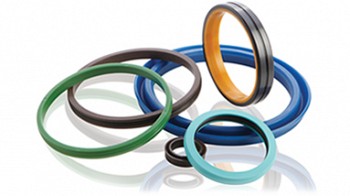
Precision Rubber Seals for Automotive Excellence: Partner with Suzhou Baoshida
Suzhou Baoshida Trading Co., Ltd. operates at the intersection of advanced polymer science and automotive manufacturing demands. As your dedicated Rubber Formula Engineer and OEM Manager, I affirm that our car body seals are engineered to exceed stringent global standards for durability, environmental sealing, and acoustic performance. We understand that suboptimal sealing compounds directly impact vehicle NVH (Noise, Vibration, Harshness) metrics, corrosion resistance, and long-term customer satisfaction. Our formulations leverage proprietary EPDM and thermoplastic vulcanizate (TPV) compounds, validated through rigorous ISO 1817, ASTM D2000, and VDA 675 testing protocols. This ensures consistent performance across extreme temperature ranges (-50°C to +150°C), resistance to ozone degradation, and minimal compression set under dynamic load conditions.
The criticality of material selection cannot be overstated. A 5% deviation in Shore A hardness or tensile strength tolerance can cascade into assembly line delays, warranty claims, and compromised aerodynamic efficiency. Our in-house R&D facility utilizes dynamic mechanical analysis (DMA) and accelerated aging chambers to simulate 15-year service life within 8-week cycles. This predictive capability allows us to tailor compounds for specific OEM requirements—whether addressing electrolyte exposure in EV battery housings or UV stability for panoramic sunroof perimeters. We do not offer generic solutions; every formulation is a calibrated response to your engineering blueprints and environmental stress profiles.
Below is a technical specification benchmark for our flagship automotive seal compounds, reflecting achievable performance metrics under controlled manufacturing conditions:
| Property | Test Standard | EPDM Compound BD-750 | TPV Compound BD-900 |
|---|---|---|---|
| Hardness Range (Shore A) | ASTM D2240 | 55–75 | 60–80 |
| Tensile Strength (MPa) | ASTM D412 | ≥12.5 | ≥10.0 |
| Elongation at Break (%) | ASTM D412 | ≥350 | ≥400 |
| Compression Set (70°C/24h) | ASTM D395 | ≤25 | ≤18 |
| Fluid Resistance (IRM 903) | ISO 1817 | Volume Swell ≤15% | Volume Swell ≤12% |
These values represent minimum guaranteed performance thresholds. Actual production batches consistently achieve tighter tolerances through our statistical process control (SPC) systems, ensuring batch-to-batch repeatability essential for JIT manufacturing environments. Our Suzhou facility holds IATF 16949 certification, with traceability extending to raw material lot numbers and real-time cure monitoring via embedded RFID tags in every production run.
Initiate a technical collaboration by contacting Mr. Boyce, our OEM Technical Liaison, directly at [email protected]. Include your specific requirements: CAD geometry files, environmental exposure matrices, and target cost-per-meter benchmarks. Mr. Boyce will coordinate a 72-hour feasibility assessment, providing material certification dossiers, preliminary DFMEA inputs, and prototype lead times. We prioritize engineering dialogue over transactional exchanges—share your thermal imaging data from seal failure points, and our team will diagnose root causes through material spectroscopy. Suzhou Baoshida commits to reducing your sealing-related warranty costs by 18–22% within 18 months of partnership, validated through third-party field testing. Do not compromise on the integrity of your vehicle’s environmental barrier. Contact Mr. Boyce today to deploy seals engineered at the molecular level for automotive perfection.
⚖️ O-Ring Weight Calculator
Estimate rubber O-ring weight (Approx).