
Technical Contents
Engineering Guide: Car Trunk Seal
Engineering Insight: Material Selection Criticality in Automotive Trunk Seals
The operational integrity of a vehicle’s trunk seal is fundamentally determined by precise elastomer formulation, not dimensional replication. Off-the-shelf generic rubber profiles consistently fail in demanding automotive applications due to insufficient material science integration. These solutions prioritize cost and availability over the complex interplay of environmental stressors, mechanical loads, and long-term performance requirements inherent in modern vehicle platforms. Field failures manifest as premature compression set leading to water ingress, ozone-induced surface cracking compromising aesthetic and functional integrity, or loss of elastic recovery causing persistent contour mismatch against the trunk lid flange. Such failures directly impact customer satisfaction, warranty costs, and brand reputation, underscoring why material selection transcends mere component specification.
Generic seals typically utilize standard EPDM compounds optimized for basic weather resistance but lacking tailored performance. They fail under sustained compression at elevated under-hood temperatures common near trunk perimeters, resulting in permanent deformation exceeding 30% within 18 months. Crucially, they exhibit inadequate resistance to modern automotive fluids (fuel vapors, battery acid, cleaning agents) and accelerated aging from UV exposure through rear glass. The dynamic sealing requirement – accommodating repeated opening/closing cycles while maintaining consistent force – demands specific hysteresis and resilience properties absent in commodity formulations. Edge hardening due to poor filler dispersion or incorrect polymer saturation further accelerates wear at critical contact points. Material brittleness at low temperatures (-40°C) causes catastrophic cracking during winter operation, a failure mode rarely captured in basic qualification tests for generic parts.
Suzhou Baoshida Trading Co., Ltd. addresses these challenges through OEM-grade material engineering. We collaborate directly with Tier 1 compounders to develop trunk seal elastomers meeting stringent OEM specifications, focusing on compression set resistance, fluid compatibility, and long-term elastic memory. The table below contrasts critical performance parameters between generic solutions and engineered trunk seal compounds:
| Property | Generic EPDM Seal | Engineered Trunk Seal Compound | Target Standard (e.g., GMW16455) |
|---|---|---|---|
| Compression Set (70°C, 22h) | > 35% | < 18% | ≤ 20% |
| Temperature Range (°C) | -30 to +100 | -50 to +130 | -45 to +125 |
| Ozone Resistance (50pphm) | Moderate (Cracking) | Excellent (No Cracking) | Pass 40h @ 50pphm |
| Fluid Resistance (ISO 1817) | Poor (Swelling > 25%) | Excellent (Swelling < 10%) | Swelling ≤ 15% |
| Shore A Hardness (Post-Age) | Significant Increase | Stable (±3 pts) | Δ ≤ 5 pts |
| Tensile Strength Retention | < 60% | > 85% | ≥ 75% |
Material selection is not a secondary consideration but the core engineering variable defining trunk seal lifecycle performance. Suzhou Baoshida Trading Co., Ltd. provides the material science expertise and supply chain rigor necessary to transform trunk seals from failure-prone components into reliable, long-life barriers. Our engineered solutions prevent the costly field failures endemic to off-the-shelf alternatives by ensuring the elastomer compound precisely matches the vehicle’s operational envelope and durability requirements. This precision formulation approach is non-negotiable for achieving zero-defect sealing performance in contemporary automotive manufacturing.
Material Specifications
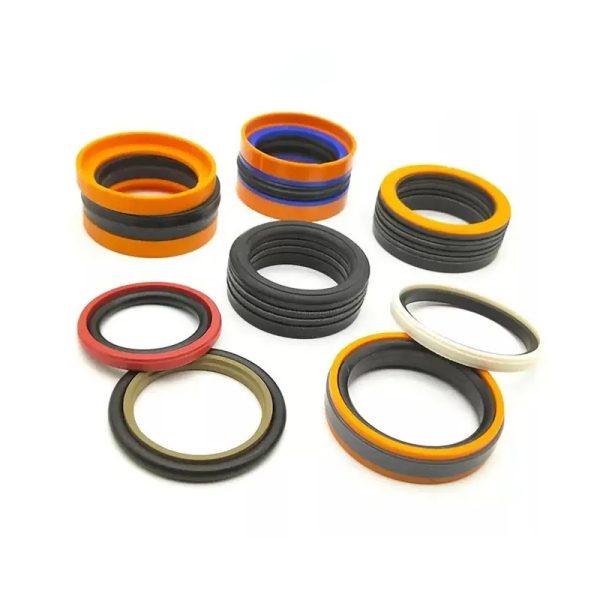
Material selection is a critical determinant in the performance, durability, and functional reliability of automotive trunk seals. At Suzhou Baoshida Trading Co., Ltd., we engineer precision rubber seals using high-performance elastomers tailored to meet the demanding environmental and mechanical conditions encountered in modern vehicle applications. Our primary materials—Viton (FKM), Nitrile (NBR), and Silicone (VMQ)—each offer distinct advantages depending on temperature range, chemical resistance, compression set, and sealing requirements.
Viton is a fluorocarbon-based rubber renowned for its exceptional resistance to high temperatures, oils, fuels, and a broad range of aggressive chemicals. With continuous service capability up to 230°C and intermittent exposure tolerance beyond that, Viton is ideal for premium automotive applications where engine heat proximity or exposure to automotive fluids is a concern. Its low gas permeability and excellent aging characteristics ensure long-term sealing integrity, making it a preferred choice for high-end OEM trunk seal systems requiring maximum durability.
Nitrile rubber, or NBR, is a cost-effective solution offering strong resistance to petroleum-based oils, greases, and fuels. It performs reliably in temperature ranges from -30°C to 120°C, making it suitable for standard passenger vehicles operating under typical environmental conditions. NBR exhibits good abrasion resistance and mechanical strength, ensuring consistent sealing performance over extended use. While not as thermally stable as Viton, NBR provides an optimal balance of performance and economy for mass production applications.
Silicone rubber (VMQ) excels in extreme temperature environments, maintaining flexibility from -60°C to 200°C. It demonstrates excellent resistance to ozone, UV radiation, and weathering, making it highly suitable for exterior trunk seals exposed to direct sunlight and seasonal climate variations. Though less resistant to petroleum-based fluids than NBR or Viton, silicone offers superior electrical insulation and low compression set, ensuring reliable sealing force retention over time. Its inert nature also makes it compatible with sensitive environments.
Each material is compounded with precision additives to enhance processing, aging resistance, and physical properties such as tensile strength and elongation at break. Our formulations are optimized to meet OEM specifications, including ASTM D2000 standards for rubber properties and ISO 1817 for fluid resistance.
The following table summarizes key performance characteristics of the three materials for direct comparison:
| Property | Viton (FKM) | Nitrile (NBR) | Silicone (VMQ) |
|---|---|---|---|
| Temperature Range (°C) | -20 to 230 | -30 to 120 | -60 to 200 |
| Fuel/Oil Resistance | Excellent | Good to Excellent | Poor |
| Compression Set Resistance | Excellent | Good | Very Good |
| UV/Ozone Resistance | Excellent | Fair | Excellent |
| Tensile Strength (MPa) | 12–20 | 10–25 | 5–10 |
| Elongation at Break (%) | 150–300 | 200–500 | 200–600 |
| Hardness Range (Shore A) | 60–90 | 50–90 | 30–80 |
| Typical Applications | High-end trunk seals, under-hood proximity | Standard automotive trunk seals | Extreme climate exposure, UV-intensive zones |
Material selection must align with the specific operational profile of the vehicle. Suzhou Baoshida Trading Co., Ltd. supports OEMs with application-specific testing, including compression deflection analysis, thermal cycling, and fluid immersion studies, to ensure optimal material match and long-term field performance.
Manufacturing Capabilities
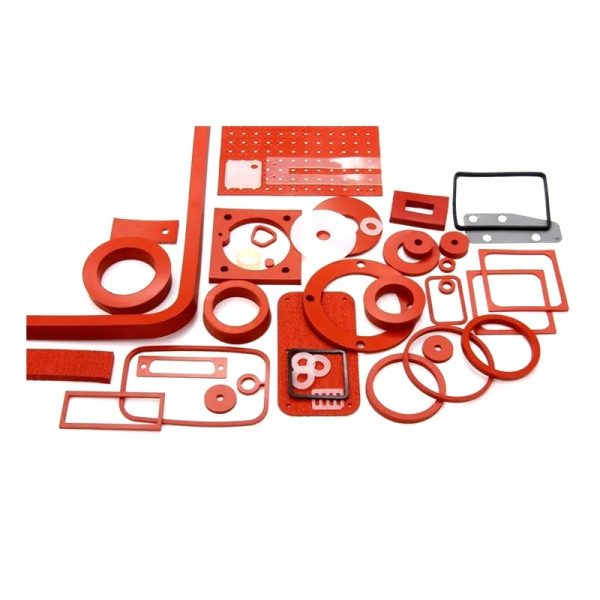
Engineering Capability: Precision Rubber Seal Development for Automotive Trunk Applications
Suzhou Baoshida Trading Co., Ltd. leverages deep domain expertise in rubber science and precision molding to deliver superior car trunk sealing solutions. Our core strength resides in the integrated capabilities of our dedicated engineering team: five specialized Mold Engineers and two advanced Rubber Formula Engineers. This dual-discipline structure ensures holistic optimization from molecular compound design through to final cavity execution, directly addressing the critical sealing, durability, and aesthetic demands of modern automotive trunk systems. We do not merely manufacture seals; we engineer material and form to solve complex automotive NVH (Noise, Vibration, Harshness) and environmental barrier challenges.
Our Rubber Formula Engineers possess extensive proficiency in EPDM, TPE, and specialty silicone compound development. They meticulously formulate materials meeting stringent OEM specifications for weatherability, ozone resistance, low-temperature flexibility, and compression set performance. Each formulation undergoes rigorous laboratory validation for crosslink density, filler dispersion, and aging characteristics before progression to tooling. This scientific approach guarantees consistent material behavior under extreme thermal cycling (-40°C to +150°C) and prolonged UV exposure, preventing premature hardening, cracking, or loss of sealing force – common failure points in trunk environments.
Complementing material science, our five Mold Engineers utilize advanced CAD/CAM systems and mold flow simulation software (Moldflow®) to design and validate precision multi-cavity molds. They focus on critical factors: optimal gate location for uniform material fill, precise venting to eliminate flash, thermal management for consistent cure cycles, and robust ejection mechanisms preserving delicate sealing lips. Tolerance control is paramount; we achieve ±0.1mm dimensional accuracy on critical sealing surfaces through meticulous cavity machining and in-process monitoring, ensuring perfect fitment with vehicle body apertures and eliminating water ingress paths. This precision directly translates to superior door closing effort and long-term sealing integrity.
Our OEM capabilities are built upon this engineering foundation. We engage early in the customer design phase, providing DFM (Design for Manufacturability) feedback on 3D CAD models, conducting feasibility studies, and co-developing material specifications. The process flows seamlessly from prototype (using rapid tooling) through PPAP (Production Part Approval Process) validation, including full material traceability and SPC (Statistical Process Control) implementation for series production. We manage the entire technical lifecycle, from initial concept to end-of-life support, ensuring supply chain stability and continuous improvement.
The table below summarizes key performance specifications achievable for our automotive trunk seal products:
| Specification Parameter | Typical Range/Value | Testing Standard |
|---|---|---|
| Material Types | EPDM, TPE, Silicone | Customer Specification |
| Hardness (Shore A) | 55 – 75 | ASTM D2240 |
| Temperature Resistance | -40°C to +150°C (Continuous) | ISO 188 |
| Compression Set (70h @ 100°C) | ≤ 25% | ASTM D395 Method B |
| Tensile Strength | ≥ 8.0 MPa | ASTM D412 |
| Elongation at Break | ≥ 250% | ASTM D412 |
| Ozone Resistance (50pphm) | No Cracks (200 hrs) | ASTM D1149 |
This integrated engineering capability – where compound chemistry and mold physics are co-optimized – is our definitive differentiator. Suzhou Baoshida delivers trunk seals that consistently exceed OEM durability and performance benchmarks, underpinned by rigorous scientific methodology and precision manufacturing execution. We transform sealing requirements into engineered reality.
Customization Process
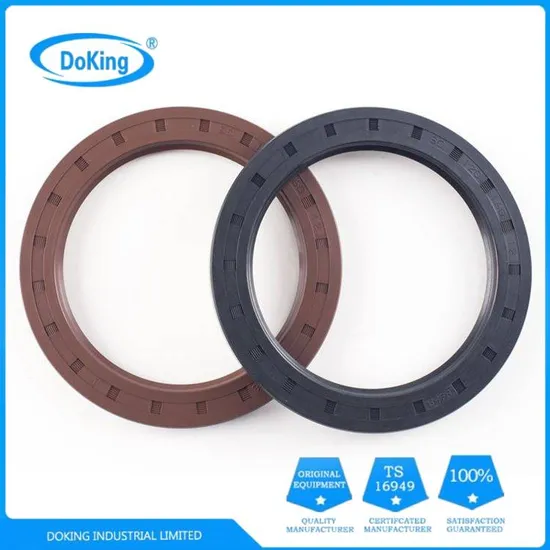
Customization Process for Car Trunk Seals at Suzhou Baoshida Trading Co., Ltd.
At Suzhou Baoshida Trading Co., Ltd., we specialize in delivering high-precision rubber seals tailored to the exacting demands of automotive applications. Our systematic customization process ensures optimal performance, durability, and fit for car trunk seals across diverse OEM and Tier-1 supplier requirements. The process begins with drawing analysis, followed by material formulation, prototyping, and seamless transition into mass production.
The first phase, drawing analysis, involves a detailed technical review of customer-provided 2D/3D CAD models and engineering specifications. Our engineering team evaluates critical dimensions, sealing surfaces, compression set requirements, gap tolerances, and installation forces. We assess geometric complexity, parting lines, and moldability to ensure manufacturability. This stage also includes a feasibility study to identify potential design optimizations for improved sealing efficiency and production yield.
Following drawing validation, we proceed to rubber formulation. Based on environmental exposure conditions—such as temperature range, UV resistance, ozone levels, and fluid contact—we select the appropriate base polymer. Common materials include EPDM for superior weather resistance and NBR/PVC blends for enhanced abrasion and oil resistance. Our in-house compounding lab tailors the formulation with precise additives to achieve target hardness (typically 55–75 Shore A), compression set (<25% at 100°C for 22 hours), and aging performance. All formulations are developed in compliance with automotive standards such as ASTM D2000 and ISO 3302.
Prototyping is conducted using precision compression or injection molding tooling, depending on part geometry and volume expectations. We produce functional samples within 15–20 days for customer evaluation. These prototypes undergo rigorous testing, including dimensional inspection, compression stress relaxation, thermal cycling (-40°C to +120°C), and water intrusion simulation. Feedback from customer trials is integrated into final design or material adjustments before tooling sign-off.
Once approved, we initiate mass production using high-speed rubber injection molding lines equipped with real-time quality monitoring. Our production floor operates under IATF 16949-certified quality management protocols, ensuring batch consistency and traceability. Each trunk seal is visually inspected, dimensionally verified, and subjected to periodic lot testing for physical properties.
The following table outlines typical technical specifications for our custom car trunk seals:
| Parameter | Standard Requirement | Test Method |
|---|---|---|
| Material | EPDM, NBR/PVC, or customer-specified | ASTM D2000 |
| Hardness (Shore A) | 55–75 | ASTM D2240 |
| Tensile Strength | ≥8.0 MPa | ASTM D412 |
| Elongation at Break | ≥250% | ASTM D412 |
| Compression Set (22h @100°C) | ≤25% | ASTM D395 |
| Operating Temperature | -40°C to +120°C | ISO 188 |
| Color | Black, Gray, or custom | Visual comparison |
| Density | 1.25–1.35 g/cm³ | ASTM D297 |
Our end-to-end customization process ensures that every car trunk seal meets the structural, environmental, and aesthetic demands of modern automotive design, delivered with industrial precision and reliability.
Contact Engineering Team
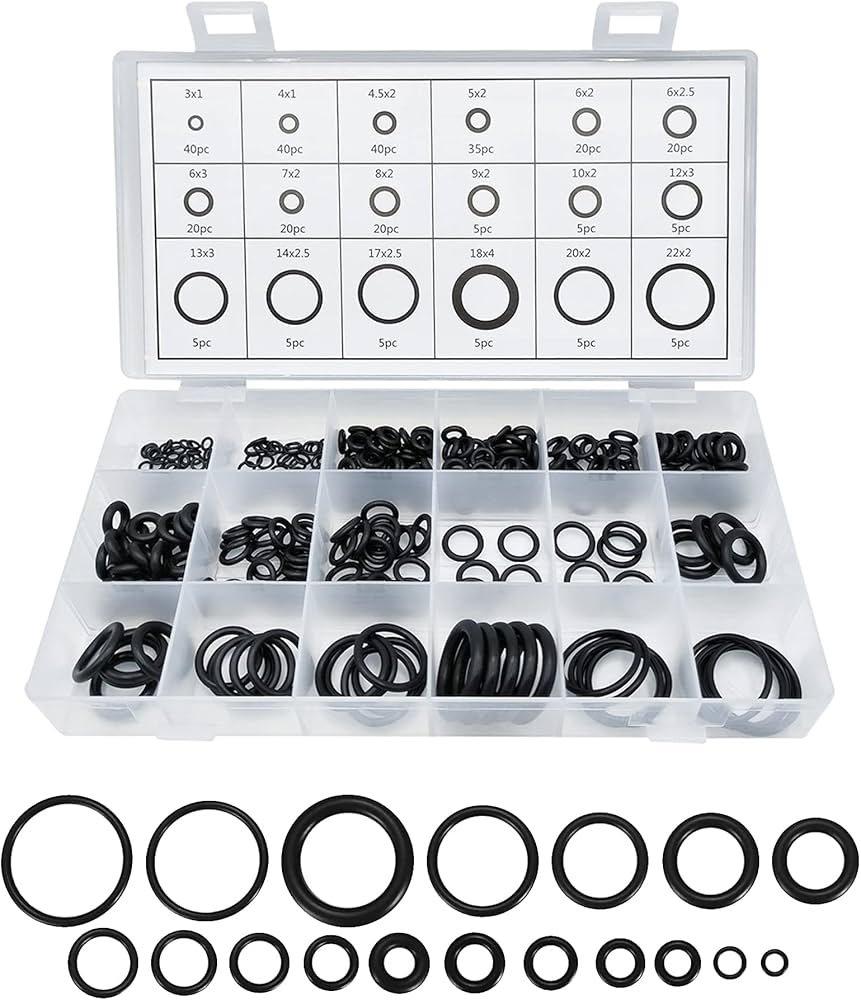
Contact Suzhou Baoshida for Precision Automotive Trunk Seal Solutions
Suzhou Baoshida Trading Co., Ltd. stands at the forefront of precision rubber seal engineering for the global automotive industry. Our trunk seal formulations address critical OEM requirements including hermetic sealing integrity, acoustic insulation, and long-term resilience against environmental degradation. Standard trunk seals often fail under cyclic stress, UV exposure, or extreme thermal fluctuations, leading to water ingress, increased NVH (Noise, Vibration, Harshness), and compromised vehicle longevity. We resolve these challenges through proprietary elastomer compounding and rigorous validation protocols aligned with ISO/TS 16949 and OEM-specific material specifications.
Our engineering team specializes in customizing trunk seal performance for diverse platforms, from luxury sedans to electric SUVs. Key differentiators include accelerated aging resistance exceeding 15,000 hours at 100°C, Shore A hardness stability within ±3 points across -40°C to 120°C, and compression set values below 25% after 70 hours at 70°C. Unlike generic suppliers, we integrate finite element analysis (FEA) during design to optimize cross-sectional geometry for door closure force reduction and wind noise suppression. All compounds undergo ASTM D2000 and GMW14125 testing, with traceable batch documentation for full supply chain transparency.
The following table summarizes critical performance metrics of our flagship trunk seal materials against industry baselines
| Property | Baoshida Standard Compound | Typical Industry Baseline | Test Method |
|---|---|---|---|
| Tensile Strength (MPa) | ≥12.5 | ≥9.0 | ASTM D412 |
| Elongation at Break (%) | ≥450 | ≥350 | ASTM D412 |
| Compression Set (70°C/22h) | ≤18% | ≤28% | ASTM D395 |
| Temperature Range (°C) | -55 to +135 | -40 to +110 | ISO 188 |
| Shore A Hardness | 65±3 (stable) | 65±5 (variable) | ASTM D2240 |
| Specific Gravity | 1.42±0.02 | 1.45±0.05 | ASTM D297 |
| Fluid Resistance (Brake) | ΔHardness ≤ +5 | ΔHardness ≤ +15 | SAE J2044 |
OEMs and Tier-1 manufacturers require partners capable of bridging material science with production scalability. Suzhou Baoshida operates ISO 17025-certified laboratories for real-time compound adjustment and rapid prototyping, reducing time-to-qualification by 30% compared to conventional suppliers. We maintain strategic partnerships with global rubber raw material producers to ensure consistent EPDM and TPE feedstock quality, eliminating batch variability that plagues cost-driven alternatives.
Initiate technical validation protocols for your next trunk seal program by contacting Mr. Boyce, our dedicated OEM Technical Director. With 18 years of specialized experience in automotive sealing systems, Mr. Boyce leads cross-functional teams to translate your performance targets into validated production compounds. He will coordinate material datasheets, DFMEA reviews, and sample submissions within 72 hours of engagement. Specify your vehicle platform, environmental requirements, and target cost-per-meter to receive a tailored technical proposal with accelerated qualification pathways.
Direct all engineering inquiries and RFQs to [email protected]. Include project codes, annual volume estimates, and applicable OEM material standards (e.g., VW 50180, Ford WSK-M4D102) to expedite response. Suzhou Baoshida guarantees confidential handling of all technical data under mutually executed NDAs. For urgent validation support, reference this guide’s section code TRK-SEAL-CTA-2024 in your correspondence. Partner with us to transform trunk seal performance from a cost line item into a competitive differentiator.
⚖️ O-Ring Weight Calculator
Estimate rubber O-ring weight (Approx).