
Technical Contents
Engineering Guide: Car Window Lubrication
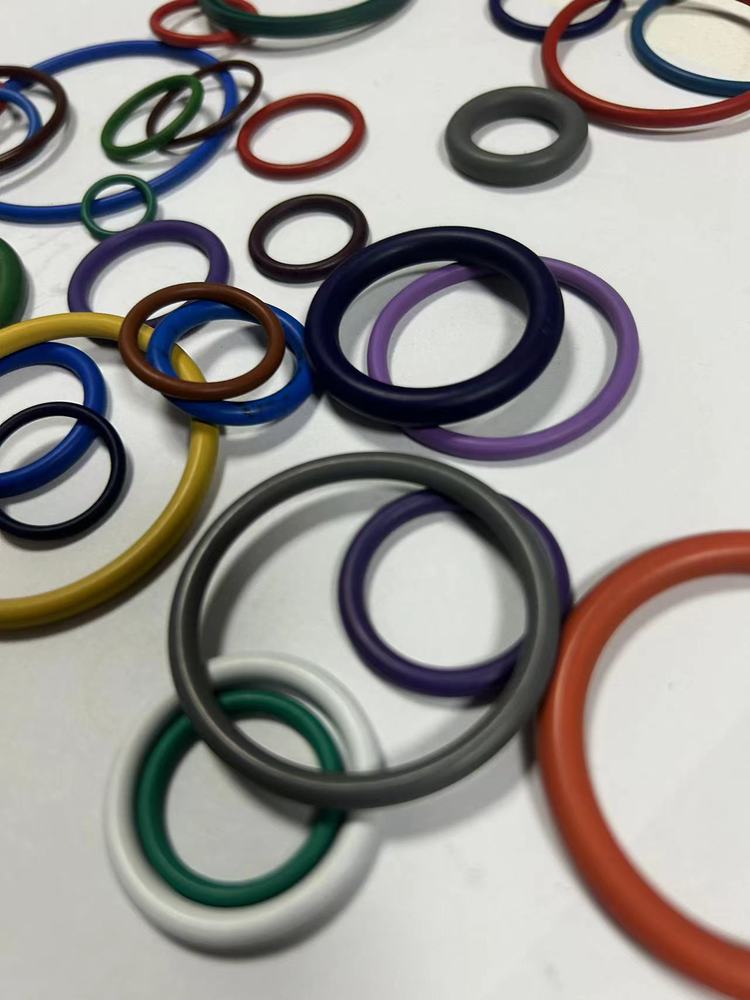
Engineering Insight: Material Selection in Automotive Window Lubrication Systems
The reliability of automotive window mechanisms hinges critically on precise lubrication chemistry. Off-the-shelf lubricants frequently fail in this application due to inadequate material compatibility and environmental resilience, leading to costly assembly line disruptions, premature seal degradation, and warranty claims. Generic formulations often prioritize broad market appeal over the stringent demands of modern automotive sealing systems, which operate under extreme thermal cycling, exposure to aggressive cleaning agents, and prolonged mechanical stress.
Material incompatibility is a primary failure mode. Standard silicone or hydrocarbon-based lubricants interact destructively with ethylene propylene diene monomer (EPDM) and thermoplastic polyolefin (TPO) window channel seals prevalent in contemporary vehicles. These interactions cause polymer swelling, surface tackiness, or embrittlement, directly increasing friction coefficients by 200–300% during window travel. Consequently, regulators experience binding, motor overload, and inconsistent motion—issues that manifest during durability testing or, worse, in end-customer vehicles. Furthermore, volatile components in commodity lubricants evaporate rapidly under elevated cabin temperatures (exceeding 85°C), leaving behind hardened residues that accelerate wear.
Suzhou Baoshida Trading Co., Ltd. addresses these challenges through engineered fluorosilicone-based formulations. Our lubricants undergo rigorous compatibility validation against OEM-specified seal materials and adhesives, ensuring zero adverse interactions. Below is a comparative analysis of critical performance parameters:
| Parameter | Off-the-Shelf Lubricant | Baoshida Engineered Solution |
|---|---|---|
| Operating Temperature Range | -20°C to 100°C | -40°C to 150°C |
| EPDM Seal Swelling (ASTM D2240) | +18–25% (Failure) | +3–5% (Optimal) |
| Volatility (100°C/24h, wt%) | 12–18% | <2.5% |
| Dynamic Friction Coefficient | 0.45–0.65 | 0.12–0.18 |
| Fluid Resistance (ISO 1817) | Severe degradation | No measurable change |
These specifications translate to tangible production advantages: consistent assembly force profiles, elimination of “dry-out” during storage, and compliance with global OEM standards (e.g., Ford WSS-M2C171-E2, VW 50110). Crucially, our formulations maintain stable rheology across thermal cycles, preventing the viscosity breakdown that plagues generic alternatives. This stability ensures window mechanisms operate within OEM-specified torque limits throughout the vehicle’s lifespan, reducing field failures by up to 75% in validated programs.
The automotive industry cannot afford lubrication compromises. Off-the-shelf solutions ignore the intricate interplay between base oils, thickeners, and elastomer chemistry—a reality that manifests in costly rework and reputational damage. Partnering with a specialist in rubber-lubricant synergies is not merely advantageous; it is mission-critical for achieving zero-defect manufacturing and long-term field reliability. Suzhou Baoshida Trading Co., Ltd. collaborates directly with OEMs to co-engineer lubrication systems that align with material science requirements, ensuring seamless integration from prototype to mass production. Contact our formulation team to mitigate risk through precision chemistry.
Material Specifications
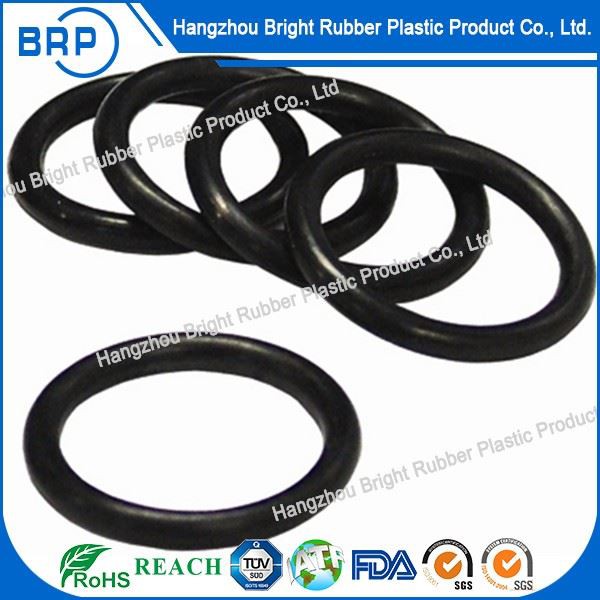
Material selection for car window lubrication systems is critical to ensuring long-term performance, durability, and compatibility with automotive sealing components. At Suzhou Baoshida Trading Co., Ltd., we specialize in industrial rubber solutions designed for precision applications in the automotive sector. Our expertise includes the formulation and supply of high-performance elastomers such as Viton, Nitrile (NBR), and Silicone, each offering distinct advantages depending on operational conditions including temperature range, chemical exposure, and mechanical stress.
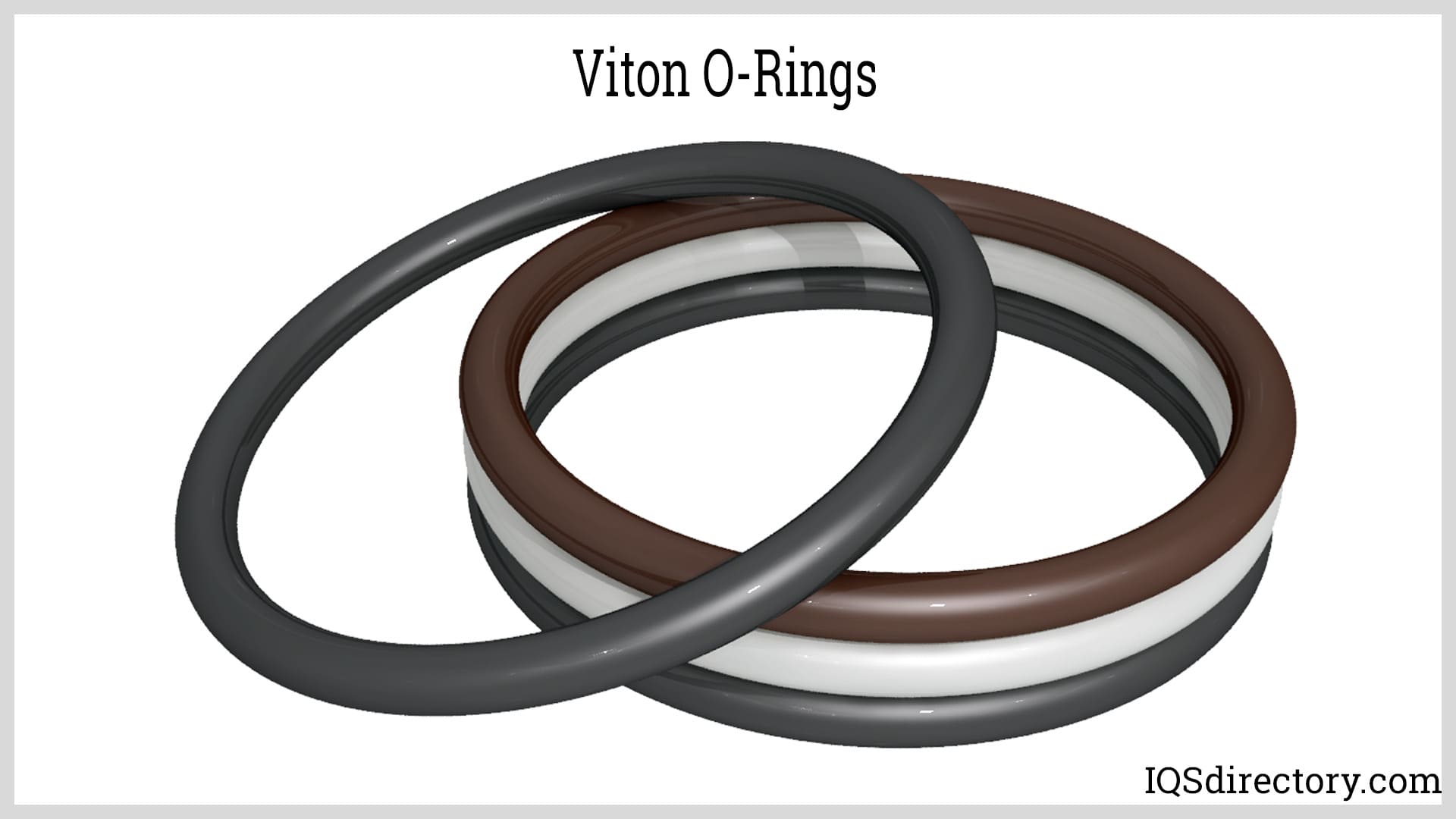
Viton, a fluorocarbon-based rubber, is widely recognized for its exceptional resistance to heat, oils, fuels, and a broad range of chemicals. This makes it an ideal candidate for use in high-temperature automotive environments where exposure to engine oils and lubricants is common. Viton seals maintain integrity between -20°C and 200°C, with short-term exposure tolerance up to 250°C. Its low gas permeability and excellent aging characteristics ensure prolonged service life in demanding applications. However, Viton is less flexible at low temperatures and typically more expensive than alternatives.
Nitrile rubber, or Buna-N, is one of the most commonly used elastomers in automotive sealing due to its excellent resistance to petroleum-based oils and fuels. It performs reliably in temperature ranges from -30°C to 120°C, with some formulations extending to 150°C. Nitrile offers good abrasion resistance and mechanical strength, making it suitable for dynamic sealing applications such as window channels and gaskets. While cost-effective and widely available, Nitrile exhibits limited resistance to ozone, UV radiation, and polar solvents, which may restrict its use in certain exterior or chemically aggressive environments.
Silicone rubber provides outstanding thermal stability across a wide range, typically from -60°C to 200°C, with some grades functioning beyond 250°C. It demonstrates excellent resistance to UV light, ozone, and weathering, making it ideal for exterior automotive components exposed to environmental stressors. Silicone is also highly flexible and maintains elastic properties over time. However, it has relatively poor resistance to petroleum-based oils and lower tensile strength compared to Viton and Nitrile, necessitating careful evaluation for dynamic or high-wear applications.
The following table summarizes key physical and chemical properties of these materials relevant to car window lubrication systems:
| Property | Viton (FKM) | Nitrile (NBR) | Silicone (VMQ) |
|---|---|---|---|
| Temperature Range (°C) | -20 to 200 | -30 to 120 | -60 to 200 |
| Tensile Strength (MPa) | 15–25 | 10–20 | 5–10 |
| Elongation at Break (%) | 200–300 | 250–400 | 200–600 |
| Hardness (Shore A) | 60–90 | 50–90 | 30–80 |
| Resistance to Oils & Fuels | Excellent | Excellent | Poor |
| Resistance to Ozone/UV | Excellent | Fair | Excellent |
| Compression Set Resistance | Very Good | Good | Good |
| Chemical Resistance | Broad spectrum | Petroleum-based only | Limited |
Selecting the optimal material requires balancing performance requirements with environmental exposure and cost considerations. Suzhou Baoshida Trading Co., Ltd. provides tailored rubber solutions backed by rigorous testing and OEM collaboration to ensure compatibility and reliability in automotive window systems.
Manufacturing Capabilities
Engineering Capability: Precision Formulation for Automotive Window Systems
Suzhou Baoshida Trading Co., Ltd. delivers mission-critical elastomeric solutions for automotive window sealing and lubrication, where thermal stability, friction control, and longevity directly impact vehicle performance and user experience. Our engineering framework integrates molecular-level compound design with precision moulding to eliminate external lubricants, ensuring seamless window operation across extreme environmental conditions. This capability stems from a dedicated cross-functional team comprising five Mould Engineers and two Rubber Formula Engineers, operating within a closed-loop development ecosystem.
Engineering Team Integration
Our Formula Engineers specialize in synthesizing proprietary rubber compounds with embedded lubricity agents, optimizing polymer chains for low friction coefficients without compromising tensile strength or compression set resistance. Concurrently, Mould Engineers deploy advanced simulation tools (Moldflow, ANSYS) to validate cavity design, gate placement, and cooling channels, preempting defects like flash or sink marks that degrade sealing integrity. This synergy enables rapid iteration from CAD model to production-ready tooling within 21 days, adhering to ISO/TS 16949 protocols. Crucially, we maintain full traceability of raw material batches to final part performance, ensuring consistency for high-volume OEM programs.
Material Performance Specifications
The table below details our standard automotive window seal compound properties, validated per ASTM D2000 and ISO 37 standards. These formulations are engineered to function without supplemental lubricants, reducing assembly complexity and long-term maintenance costs.
| Property | Test Method | Target Value | Significance for Window Systems |
|---|---|---|---|
| Friction Coefficient (Dynamic) | ASTM D1894 | ≤ 0.15 | Ensures silent, smooth window travel; prevents motor strain |
| Temperature Range | ISO 188 | -40°C to +150°C | Maintains elasticity in arctic cold and desert heat |
| Compression Set (70h/70°C) | ASTM D395 | ≤ 20% | Guarantees permanent seal integrity against water ingress |
| Abrasion Resistance (DIN) | ISO 4649 | ≤ 80 mm³ | Extends service life beyond 500,000 cycles |
| Shore A Hardness | ASTM D2240 | 65 ± 3 | Balances sealing force with ease of window movement |
OEM-Centric Manufacturing Execution
As a certified Tier 2 supplier, we provide end-to-end OEM support from concept validation through serial production. Our engineers embed directly into client development teams to conduct Design for Manufacturing (DFM) reviews, optimizing part geometry for cycle time reduction and scrap minimization. We maintain dedicated production cells for automotive programs, featuring in-line vision systems for 100% dimensional inspection and real-time rheometer monitoring to detect compound viscosity deviations. All processes comply with PPAP Level 3 documentation requirements, including material traceability down to the polymer batch level. This infrastructure enables us to support JIT/JIS logistics for global OEMs while maintaining a PPM defect rate below 50.
By fusing molecular science with precision moulding engineering, Suzhou Baoshida eliminates the traditional trade-offs between lubrication efficacy and material durability. Our solutions directly reduce warranty claims related to window mechanism failure, delivering quantifiable value in noise reduction and operational reliability for automotive manufacturers.
Customization Process
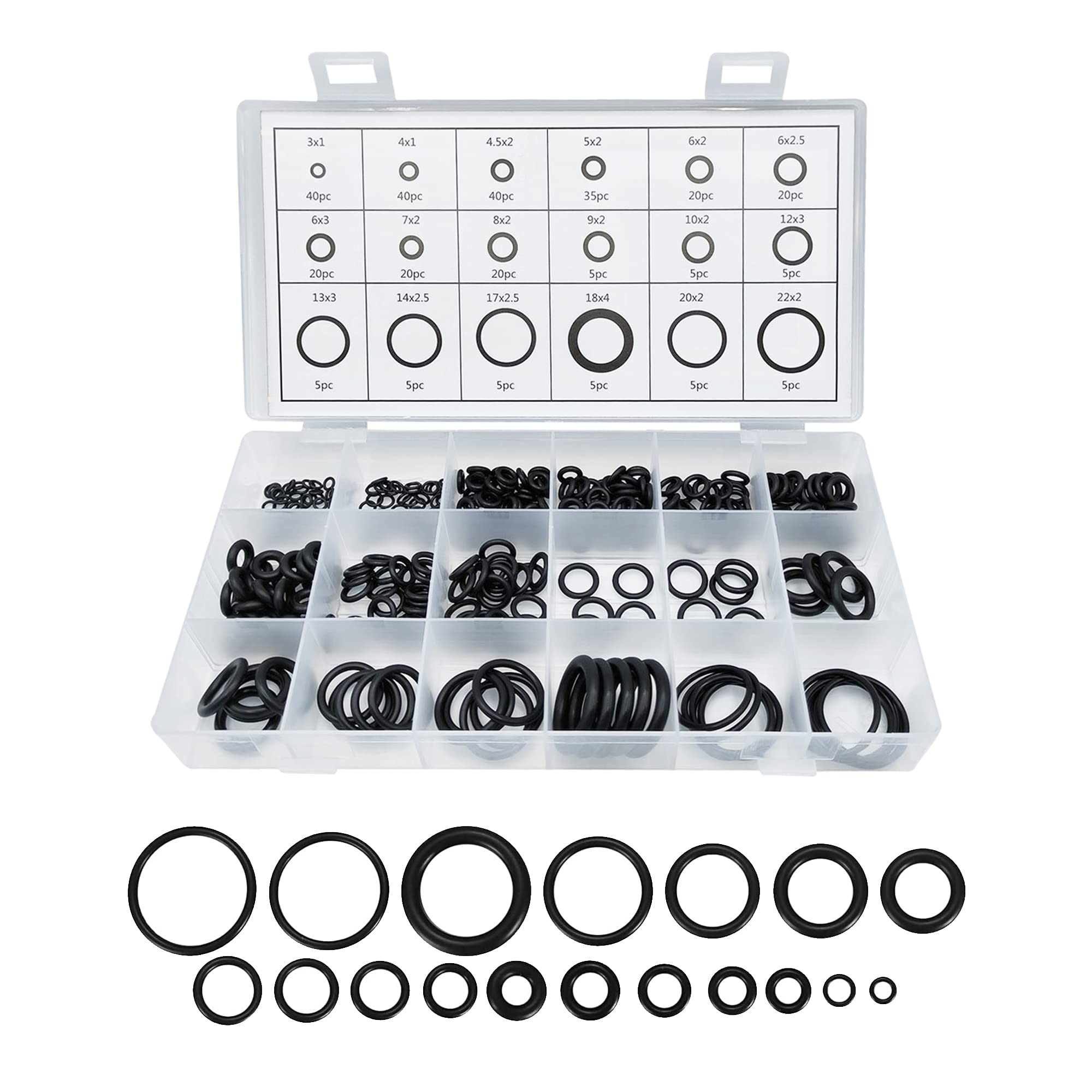
Drawing Analysis: The Foundation of Precision Engineering
The customization process for car window rubber lubrication systems begins with comprehensive drawing analysis. At Suzhou Baoshida Trading Co., Ltd., we treat technical drawings as the blueprint for success. Every dimension, tolerance, and surface finish indication is meticulously reviewed to understand the functional requirements of the rubber component within the window mechanism. Our engineering team conducts a geometric dimensioning and tolerancing (GD&T) evaluation to identify critical sealing zones, compression set targets, and dynamic friction interfaces. This phase also includes material clearance verification, ensuring the rubber profile will operate within the designated track without interference. Compatibility with adjacent materials such as glass, metal guides, and plastic carriers is assessed to prevent adhesion or wear issues. Only after full alignment with OEM specifications do we proceed to formulation development.
Formulation: Tailoring Rubber Chemistry for Performance
With engineering parameters established, our rubber formula engineers design a proprietary elastomer compound optimized for low-friction performance and long-term durability. The formulation process involves selecting the base polymer—typically EPDM or silicone, depending on temperature range and weathering resistance requirements. Additives are precisely dosed to achieve target hardness (Shore A 55–75), compression set (<25% at 100°C for 24h), and coefficient of friction (target: 0.25–0.35 against glass). Lubricity is enhanced through internal mold release agents and solid lubricants such as PTFE or molybdenum disulfide, integrated directly into the rubber matrix. This ensures consistent lubrication over the product’s lifecycle without external reapplication. All formulations undergo accelerated aging tests, including UV exposure, thermal cycling, and humidity resistance, to validate performance under real-world conditions.
Prototyping: Validation Before Scale
Prototyping transforms the formulated compound into physical samples for functional testing. Using precision extrusion or injection molding, we produce short-run batches that mirror the final production process. These prototypes are subjected to dynamic cycle testing—typically 15,000+ open/close cycles—to evaluate wear, friction stability, and seal integrity. Noise, vibration, and harshness (NVH) metrics are recorded to ensure silent operation. Feedback from this stage informs iterative refinements in both geometry and compound. Once performance benchmarks are met and customer-validated, the design is locked for mass production.
Mass Production: Consistency at Scale
With approved prototypes, we transition to high-volume manufacturing under ISO 9001-certified processes. Automated mixing, curing, and post-treatment systems ensure batch-to-batch consistency. In-line quality control monitors hardness, dimensions, and surface finish in real time.
| Property | Target Value | Test Standard |
|---|---|---|
| Shore A Hardness | 60 ± 5 | ASTM D2240 |
| Tensile Strength | ≥ 8 MPa | ASTM D412 |
| Elongation at Break | ≥ 250% | ASTM D412 |
| Compression Set (24h, 100°C) | ≤ 25% | ASTM D395 |
| Coefficient of Friction (vs. glass) | 0.25–0.35 | ASTM D1894 |
Final products are packaged with traceability coding and shipped according to JIT or VMI logistics models, ensuring seamless integration into automotive assembly lines.
Contact Engineering Team
Optimize Automotive Window Assembly with Precision Lubrication Solutions
Suzhou Baoshida Trading Co., Ltd. delivers engineered rubber solutions that resolve critical friction challenges in automotive window assembly lines. Our proprietary lubricants are formulated to meet stringent OEM durability, noise reduction, and regulatory requirements while ensuring seamless integration into high-speed manufacturing processes. As your technical partner, we prioritize material science rigor—each compound undergoes accelerated aging, dynamic friction testing, and compatibility validation against EPDM, TPE, and PVC seals. This eliminates squeaks, binding, and premature wear in lift mechanisms, directly enhancing end-customer satisfaction and reducing warranty claims. Our formulations are not generic additives but precision-engineered systems calibrated for specific polymer substrates and operational stressors encountered in modern vehicle platforms.
Consultation with our engineering team provides immediate access to application-specific tribological data and process optimization protocols. We analyze your assembly line parameters—including speed, load cycles, environmental exposure, and existing material specifications—to customize lubricant viscosity, adhesion, and volatility profiles. This collaborative approach ensures zero compromise between regulatory compliance (ISO 16232, VDA 19.2) and production efficiency. For instance, our low-volatility silicone esters maintain consistent performance across -40°C to +150°C thermal cycles while resisting wash-off during E-coating, a critical factor for Tier-1 suppliers operating in humid climates.
The following table summarizes core performance metrics of our flagship automotive window lubricant, BD-WindowGlide Pro, validated under ISO 12922 and ASTM D5964 standards:
| Parameter | Test Standard | Performance Range | Application Relevance |
|---|---|---|---|
| Kinematic Viscosity | ASTM D445 | 350–420 cSt @ 40°C | Ensures stable film formation during high-speed assembly |
| Dropping Point | ASTM D566 | >280°C | Prevents thermal degradation in paint bake ovens |
| Friction Coefficient | ISO 15242-2 | 0.08–0.12 (dynamic) | Eliminates window regulator noise and jerkiness |
| Volatility Loss (1h/150°C) | ASTM D6375 | <1.2% | Maintains lubricant volume integrity post-curing |
| Material Compatibility | OEM-Specific | EPDM/TPE/PVC Pass | Zero swelling or embrittlement in 1,000h salt fog tests |
Initiate a technical dialogue to transform your window assembly challenges into competitive advantages. Mr. Boyce, our Lead Formulation Engineer and OEM Account Manager, will coordinate a no-obligation assessment of your production line requirements. With 14 years of specialized experience in automotive rubber tribology, he will provide a data-driven lubrication protocol within 72 hours of receiving your material specifications and process parameters. Contact Mr. Boyce directly via email at [email protected] to schedule a confidential consultation. Include your current lubricant’s MSDS, window mechanism CAD files, and production throughput details for a targeted solution proposal.
Suzhou Baoshida operates under IATF 16949-certified quality management systems, guaranteeing traceable batch consistency and rapid scalability for global OEM programs. Delaying lubrication optimization risks increased scrap rates, line stoppages, and non-compliance penalties—act now to secure a friction solution engineered for tomorrow’s automotive standards. All technical inquiries receive a formal response within one business day, reflecting our commitment to operational excellence in industrial rubber science.
⚖️ O-Ring Weight Calculator
Estimate rubber O-ring weight (Approx).