
Technical Contents
Engineering Guide: Carb Gasket
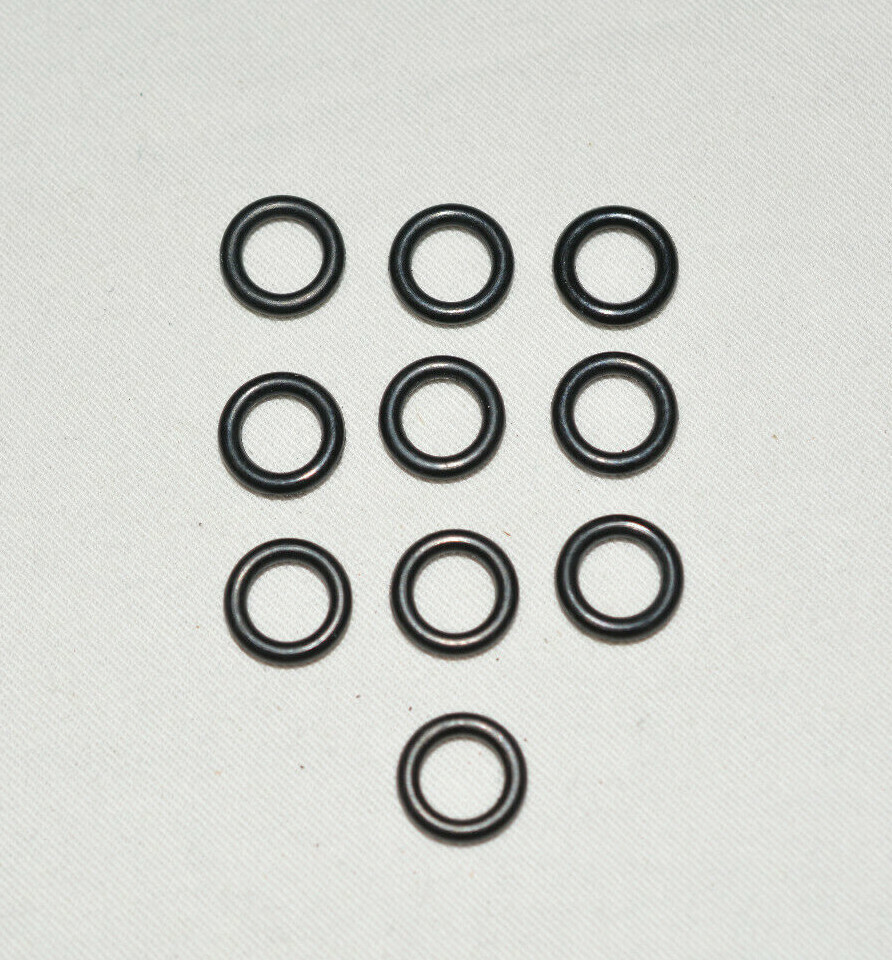
Engineering Insight: Material Selection in Carb Gasket Performance
In the domain of precision rubber seals, the carb gasket serves a pivotal function in maintaining the integrity of fuel delivery systems, particularly in internal combustion engines. Its primary role is to prevent fuel and vapor leakage between the carburetor body and intake manifold, ensuring optimal air-fuel mixture and consistent engine performance. Despite its seemingly simple form, the operational environment of a carb gasket is highly demanding—subject to fluctuating temperatures, exposure to hydrocarbon fuels, and dynamic mechanical stresses. These conditions necessitate a meticulous approach to material selection, where generic or off-the-shelf elastomers frequently fail to meet long-term reliability standards.
Standard gasket materials such as conventional nitrile rubber (NBR) may offer adequate initial sealing but degrade rapidly when exposed to modern ethanol-blended fuels. Ethanol, commonly present in E10 or E85 gasoline, induces swelling, hardening, and loss of tensile strength in non-resistant elastomers. This degradation compromises the gasket’s dimensional stability and sealing force, leading to fuel leaks, performance drop-offs, and potential safety hazards. Furthermore, temperature cycles—from cold starts to engine operating temperatures exceeding 120°C—exacerbate material fatigue, particularly in compounds lacking thermal resilience.
At Suzhou Baoshida Trading Co., Ltd., we emphasize engineered elastomer solutions tailored to the specific chemical and mechanical demands of carburetor applications. Our proprietary formulations leverage hydrogenated nitrile rubber (HNBR) and fluorocarbon (FKM) compounds, which exhibit superior resistance to fuel permeation, oxidation, and thermal aging. HNBR, for instance, offers a balanced profile of fuel resistance and low-temperature flexibility, making it ideal for mid-range performance applications. FKM, while more costly, delivers exceptional stability in high-temperature and aggressive fuel environments, often extending service life by 3–5 times compared to standard NBR.
The failure of off-the-shelf gaskets often stems from a one-size-fits-all design philosophy that ignores the nuances of fuel composition, operating temperature, and pressure dynamics. Precision manufacturing requires matching material properties to real-world conditions—not just dimensional compatibility. Even minor deviations in swell rate or compression set can cascade into system-level failures.
Below is a comparative analysis of common elastomers used in carb gasket applications:
| Material | Fuel Resistance (Ethanol) | Operating Temp Range (°C) | Compression Set (%) @ 1000h | Typical Service Life (hrs) |
|---|---|---|---|---|
| Standard NBR | Poor | -30 to +100 | 45–60 | 500–800 |
| HNBR | Good to Very Good | -40 to +150 | 25–35 | 1500–2500 |
| FKM | Excellent | -20 to +200 | 15–25 | 3000–5000 |
Material selection is not a peripheral consideration—it is foundational to the performance and longevity of carb gaskets. At Baoshida, we prioritize application-specific engineering to deliver seals that perform reliably under exact OEM and industrial specifications.
Material Specifications
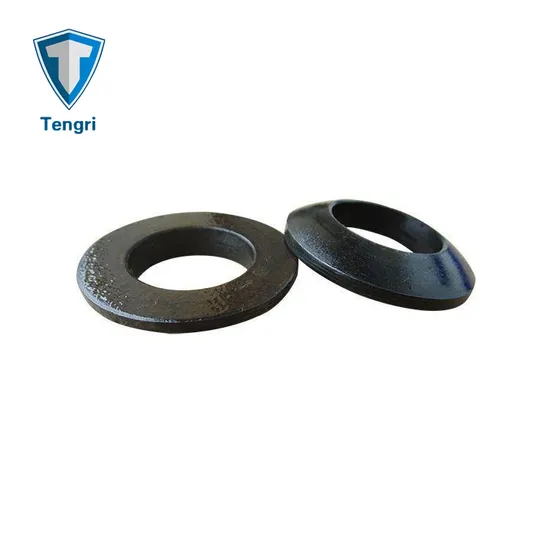
Material Specifications for Precision Carburetor Gaskets
Selecting the optimal elastomer for carburetor gaskets is critical to ensuring long-term sealing integrity under aggressive fuel exposure, temperature fluctuations, and mechanical stress. At Suzhou Baoshida Trading Co., Ltd., our OEM-engineered solutions prioritize chemical compatibility, thermal stability, and compression set resistance to prevent fuel leaks, emissions failures, and performance degradation. The three primary materials deployed in carb gasket manufacturing—Nitrile (NBR), Viton (FKM), and Silicone (VMQ)—exhibit distinct performance profiles validated through rigorous ASTM D2000 and ISO 3601 testing protocols.
Nitrile rubber remains the industry standard for cost-sensitive applications requiring robust resistance to petroleum-based fuels and lubricants. With a typical hardness range of 70–90 Shore A and continuous service temperatures spanning -40°C to 125°C, NBR delivers optimal balance between fuel resistance and mechanical resilience. Its acrylonitrile content directly correlates with hydrocarbon resistance; formulations exceeding 45% ACN are mandatory for modern ethanol-blended fuels. However, NBR exhibits limited ozone resistance and degrades above 125°C, restricting use in high-temperature engine compartments.
Viton fluorocarbon elastomers address extreme operational demands where NBR fails. Viton maintains integrity in continuous exposure to 200°C–250°C temperatures while resisting aggressive oxygenated fuels, acids, and synthetic lubricants. Its fluorine content (66–68%) provides unparalleled chemical inertness, with swelling rates below 15% in ASTM Type B fuel blends. The trade-off is higher material cost and reduced low-temperature flexibility (-20°C minimum), necessitating precise hardness calibration (75–85 Shore A) to avoid brittle fracture during cold starts. Viton is indispensable for performance and turbocharged engines.
Silicone offers the broadest thermal range (-60°C to 230°C) and exceptional ozone/weathering resistance but demonstrates poor hydrocarbon fuel compatibility. Swelling in gasoline typically exceeds 50%, making pure silicone unsuitable for direct fuel contact zones. Its primary role is in secondary sealing interfaces requiring extreme thermal cycling resistance, such as air intake manifolds. Reinforced silicone compounds with phenyl modifications improve fuel resistance marginally but cannot match NBR or Viton for primary carburetor sealing.
The comparative performance metrics below guide material selection based on application-specific stressors. All compounds comply with ISO 1629 nomenclature and undergo 72-hour immersion testing per SAE J2044.
| Material | Key Properties | Typical Applications |
|---|---|---|
| Nitrile (NBR) | Hardness: 70–90 Shore A Temp Range: -40°C to 125°C Fuel Swelling: 15–25% (ASTM B) Compression Set: ≤25% (22h/100°C) |
Standard carburetor flanges, fuel pump gaskets, economy-tier OEM applications |
| Viton (FKM) | Hardness: 75–85 Shore A Temp Range: -20°C to 250°C Fuel Swelling: <15% (ASTM B) Compression Set: ≤15% (22h/150°C) |
Performance engines, turbocharged systems, marine carburetors, ethanol-flex fuel systems |
| Silicone (VMQ) | Hardness: 50–80 Shore A Temp Range: -60°C to 230°C Fuel Swelling: >50% (ASTM B) Compression Set: ≤20% (22h/150°C) |
Non-fuel air intake gaskets, throttle body spacers, secondary sealing interfaces |
Suzhou Baoshida’s OEM partnerships leverage this material science framework to customize compound formulations. We prioritize Viton for high-stress fuel circuits requiring 500,000-mile durability and NBR for cost-optimized volume production, while rigorously validating all gaskets against OEM thermal cycling and fuel permeation specifications. Material selection directly dictates service life—compromising on elastomer chemistry risks catastrophic emissions non-compliance and field failures.
Manufacturing Capabilities

Suzhou Baoshida Trading Co., Ltd. operates at the forefront of precision rubber seal manufacturing, delivering engineered solutions tailored to the exacting demands of global industrial and automotive clients. At the core of our technical capability lies a dedicated engineering team comprising five experienced mould designers and two specialized rubber formulation scientists. This integrated expertise enables us to deliver fully optimized gasket solutions—from concept to production—ensuring performance, durability, and seamless integration into customer applications.
Our mould engineering team leverages advanced CAD/CAM software and precision CNC machining to develop high-tolerance moulds for complex gasket geometries. Each design undergoes rigorous simulation for flow dynamics, compression set behavior, and dimensional stability, ensuring consistent part quality across high-volume production runs. With over 15 years of cumulative experience in rubber compression, transfer, and injection moulding, our engineers specialize in multi-cavity, family, and insert mould configurations that maximize efficiency and minimize material waste.
Complementing our mould design capability is our in-house rubber formulation laboratory, led by two certified formula engineers with expertise in elastomer chemistry. We develop proprietary rubber compounds tailored to specific environmental and mechanical requirements, including resistance to temperature extremes, oils, fuels, ozone, and dynamic compression. Our formulation process integrates raw material selection, cure kinetics optimization, and long-term aging analysis to ensure compliance with ASTM, ISO, and OEM material specifications.
We maintain full OEM (Original Equipment Manufacturer) capability, supporting clients from prototype development through serial production. Our engineering team collaborates directly with customer R&D departments to reverse-engineer legacy gaskets, optimize sealing performance, and qualify materials for new applications. This includes DFMEA support, dimensional certification (GD&T), and process validation via statistical process control (SPC). Our facility is equipped for rapid prototyping, allowing for functional testing and design iteration within compressed timelines.
Our technical infrastructure is certified to ISO 9001:2015 standards, with traceability systems ensuring full batch accountability. We support a wide range of elastomers, including NBR, EPDM, FKM, silicone, and CR, with hardness ranges from 40 to 90 Shore A. All compounds are developed and tested in-house, enabling precise control over physical properties and performance consistency.
The following table summarizes key technical specifications and capabilities:
| Parameter | Specification |
|---|---|
| Mould Design Software | SolidWorks, AutoCAD, Moldflow |
| Mould Tolerance | ±0.05 mm |
| Production Capacity | Up to 500,000 units/month |
| Hardness Range | 40–90 Shore A |
| Temperature Resistance | –50°C to +250°C (depending on compound) |
| Compression Set (ASTM D395) | <15% @ 70 hrs, 100°C |
| Tensile Strength | 8–20 MPa (compound-dependent) |
| OEM Services | Full design, testing, and production support |
Suzhou Baoshida Trading Co., Ltd. combines deep technical expertise with agile manufacturing to deliver carb gasket solutions that meet the highest standards of reliability and performance in critical sealing applications.
Customization Process
Customization Process for Precision Carb Gasket Manufacturing
At Suzhou Baoshida Trading Co., Ltd., our carb gasket customization process integrates rigorous engineering analysis with industrial-scale precision to ensure optimal sealing performance under demanding automotive conditions. This structured workflow guarantees material compatibility, dimensional accuracy, and long-term reliability while adhering to OEM specifications.
Drawing Analysis
Initial assessment begins with comprehensive review of client-provided technical drawings against international standards (ISO 3601, SAE J518). Our engineers scrutinize critical parameters including groove geometry, surface finish requirements, and operating environment data (temperature range, fluid exposure, pressure cycles). Dimensional tolerances are cross-verified using GD&T principles to prevent assembly failures. This phase identifies potential stress concentration zones and validates feasibility for rubber compression set resistance.
Formulation Development
Based on the drawing analysis, our rubber compounding team designs proprietary elastomer formulations targeting specific performance thresholds. Material selection prioritizes base polymers (NBR, EPDM, or FKM) matched to fluid resistance needs, while reinforcing fillers and curatives are optimized for dynamic sealing. Critical properties such as compression set, tensile strength, and thermal stability are modeled using predictive algorithms before lab-scale mixing. All compounds undergo preliminary ASTM D2000 classification checks to ensure baseline compliance.
Prototyping & Validation
Precision-molded prototypes are produced using CNC-machined tooling replicating production conditions. Each sample undergoes multi-stage validation:
First, dimensional inspection via CMM against drawing tolerances.
Second, physical property testing per ASTM standards (e.g., ASTM D2240 for hardness, ASTM D395 for compression set).
Third, functional validation in simulated operating environments including thermal cycling (-40°C to +150°C) and fluid immersion tests. Client feedback is incorporated iteratively until all specifications are met, with full documentation provided for PPAP submission.
Mass Production Execution
Approved formulations transition to our ISO/TS 16949-certified production lines with strict process controls. Continuous monitoring includes:
Real-time rheometer tracking of cure characteristics.
Automated vision systems for 100% dimensional verification.
Statistical process control (SPC) of key parameters like durometer and weight variation.
Each production batch undergoes final audit testing per the agreed AQL level, with full traceability from raw material lot to finished gasket.
Critical Material Specifications for Carb Gaskets
| Parameter | Standard Range | Test Method | Performance Target |
|————————–|———————-|—————–|——————–|
| Hardness (Shore A) | 50–90 ±5 | ASTM D2240 | Match OEM spec |
| Compression Set (70h/100°C) | ≤25% | ASTM D395 | ≤20% |
| Tensile Strength | ≥8 MPa | ASTM D412 | ≥10 MPa |
| Fluid Resistance (Oil IRM 903) | Volume swell ≤25% | ASTM D471 | ≤15% |
| Dimensional Tolerance | ±0.1 mm (critical) | ISO 2768-m | Per drawing |
This end-to-end process ensures carb gaskets deliver leak-free operation across 500,000+ engine cycles while minimizing total cost of ownership. Suzhou Baoshida’s engineering-led approach transforms technical drawings into validated production realities through material science expertise and industrial discipline.
Contact Engineering Team
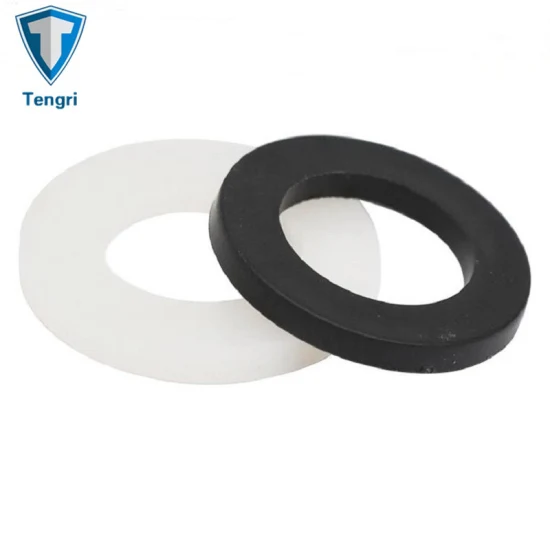
For industrial OEMs and precision manufacturing partners seeking high-performance sealing solutions, Suzhou Baoshida Trading Co., Ltd. stands as a trusted leader in advanced rubber gasket engineering. Specializing in carb gaskets and custom elastomeric seals, our technical team delivers solutions engineered for extreme environments—ensuring leak-free performance, extended service life, and compliance with stringent industry standards. As your dedicated Rubber Formula Engineer and OEM Manager, I oversee the development of formulations and production processes that meet exact application demands, from automotive fuel systems to industrial pneumatic controls.
Carb gaskets must withstand thermal cycling, fuel exposure, and mechanical compression while maintaining dimensional stability and sealing integrity. At Suzhou Baoshida, we utilize proprietary rubber compounds—including NBR, FKM, EPDM, and custom blends—formulated to resist gasoline, ethanol blends, oil, and oxidative degradation. Our in-house testing facilities validate compression set, tensile strength, hardness, and fluid resistance per ASTM and ISO standards, ensuring every gasket performs reliably under real-world conditions.
We invite engineering teams, procurement managers, and R&D specialists to contact Mr. Boyce directly for technical collaboration, sample requests, or volume production planning. Whether you require a standard carb gasket redesign or a fully customized sealing solution, our team provides full material traceability, rapid prototyping, and scalable manufacturing with consistent quality control. With ISO 9001-certified processes and a focus on lean production, Suzhou Baoshida supports just-in-time delivery and long-term supply agreements for global OEMs.
Partner with us to optimize your sealing performance, reduce field failures, and accelerate time-to-market. Mr. Boyce is available to discuss material selection, cost-efficient tooling options, and compliance with regional emissions and safety regulations. As a responsive, engineering-driven supplier, we prioritize technical transparency and long-term partnership over transactional sales.
For immediate assistance, email Mr. Boyce at [email protected]. Include your application details, performance requirements, and preferred contact time for a prompt technical consultation.
The following table outlines typical material specifications for standard carb gasket compounds. Custom formulations are available upon request.
| Material | Hardness (Shore A) | Tensile Strength (MPa) | Elongation at Break (%) | Fluid Resistance | Temperature Range (°C) |
|---|---|---|---|---|---|
| NBR | 60–75 | 12–18 | 250–350 | Gasoline, oil, water | –30 to +120 |
| FKM | 70–80 | 14–20 | 180–250 | Ethanol, fuel blends, oil | –20 to +200 |
| EPDM | 55–70 | 10–15 | 300–400 | Water, steam, brake fluid | –50 to +150 |
| Custom NBR-FKM Blend | 65–75 | 13–17 | 220–300 | High ethanol fuels, oils | –30 to +150 |
Contact Mr. Boyce today to align your next-generation carb gasket design with precision engineering and industrial-grade reliability.
⚖️ O-Ring Weight Calculator
Estimate rubber O-ring weight (Approx).