
Technical Contents
Engineering Guide: Chemical Resistant O Rings
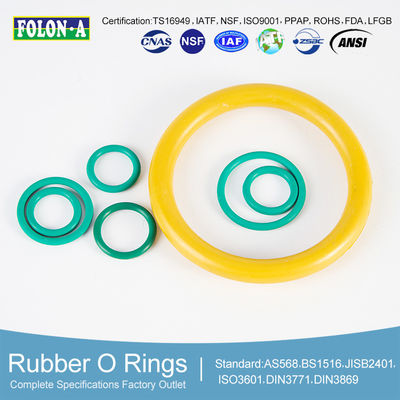
Engineering Insight Chemical Resistant O Rings Material Selection Imperatives
Material selection constitutes the absolute cornerstone of reliable chemical resistant o ring performance. Generic off-the-shelf solutions frequently fail catastrophically in demanding industrial environments because they prioritize cost and availability over the complex interplay of chemical exposure variables. Chemical resistance is not an inherent, static property of a base polymer alone; it is a system behavior dictated by the specific chemical formulation, concentration, temperature, exposure duration, mechanical stress, and dynamic sealing conditions. A seal rated for hydraulic oil at 80°C may rapidly degrade in the same fluid at 120°C or when trace water contamination alters the chemical equilibrium. Off-the-shelf o rings typically utilize standardized compound formulations optimized for broad market appeal, not the precise chemical cocktail and operational profile of your specific application. This leads to critical failures such as excessive volume swell, hardening, cracking, or extraction of critical additives, resulting in seal extrusion, leakage, and unplanned downtime.
The consequences of inadequate material selection are severe. Volume swell exceeding 20% compromises dimensional integrity within the gland, reducing sealing force and accelerating wear. Conversely, chemical extraction causing hardening and shrinkage creates gaps for leakage paths. Temperature dramatically accelerates chemical attack; a compound stable at ambient conditions may decompose rapidly at elevated process temperatures, breaking polymer chains and destroying elastomeric properties. Furthermore, mixed chemical exposures present unique challenges not reflected in single-chemical resistance charts. A seal resistant to sulfuric acid may fail instantly when exposed to a mixture containing trace amines. Relying solely on generic chemical resistance guides without validating performance under actual service conditions is a high-risk strategy.
Suzhou Baoshida Trading Co., Ltd. emphasizes a rigorous engineering approach. We utilize advanced compound formulation, tailoring base polymers, cure systems, and protective additive packages specifically to the chemical and thermal profile provided by the OEM. This involves testing beyond standard ASTM D2000 classifications, simulating real-world dynamic stress and fluid mixtures. The table below illustrates why generic selection fails; apparent suitability in one condition masks critical vulnerabilities in another.
| Elastomer Type | 70% Sulfuric Acid (100°C) | Skydrol LD-4 (150°C) | Toluene (100°C) | Key Failure Mechanism in Unsuitable Apps |
|---|---|---|---|---|
| NBR (70 Shore A) | Severe Swell (>50%) | Rapid Degradation | Extreme Swell | Additive extraction, loss of tensile |
| FKM (GLT Type) | Excellent (<10% swell) | Moderate Swell (15-20%) | Severe Swell | Swell-induced extrusion in fuels |
| EPDM (50 Shore A) | Excellent (<5% swell) | Severe Swell (>40%) | Failure | Complete dissolution in Skydrol |
| FFKM (Perfluoro) | Excellent (<5% swell) | Excellent (<5% swell) | Excellent | Cost-prohibitive for mild services |
Selecting the optimal chemical resistant o ring demands moving beyond catalog listings. It requires detailed application analysis, understanding the nuances of chemical interactions at operational temperatures, and access to specialized compound expertise. Suzhou Baoshida partners with OEMs to define precise material requirements, conduct application-specific validation testing, and deliver engineered sealing solutions that prevent the costly failures inherent in off-the-shelf compromises. Precision sealing under chemical stress is an engineering discipline, not a commodity purchase.
Material Specifications
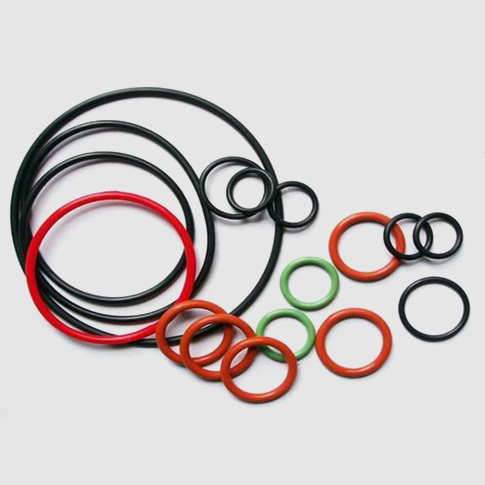
Material selection is critical in the design and manufacturing of chemical resistant O rings, particularly in industrial, automotive, and chemical processing environments where exposure to aggressive media can compromise seal integrity. At Suzhou Baoshida Trading Co., Ltd., we specialize in precision rubber seals engineered for maximum performance under extreme chemical and thermal conditions. Our core materials—Viton, Nitrile (NBR), and Silicone—are selected based on compatibility with specific media, temperature range, mechanical strength, and longevity. Each material offers distinct advantages depending on the application requirements.
Viton, a fluorocarbon-based elastomer (FKM), is widely recognized for its exceptional resistance to a broad spectrum of chemicals, including hydrocarbons, acids, fuels, and chlorinated solvents. It maintains stable mechanical properties across a wide temperature range from -20°C to +200°C, with intermittent exposure up to 250°C. Viton O rings are ideal for high-performance applications in the petrochemical, aerospace, and semiconductor industries where long-term sealing under aggressive chemical exposure is essential. Additionally, Viton exhibits low gas permeability and excellent resistance to aging and ozone, making it suitable for dynamic sealing applications.
Nitrile rubber, or Buna-N, is a cost-effective solution for applications involving petroleum-based oils, fuels, and hydraulic fluids. With a temperature range of -30°C to +100°C (up to 120°C intermittently), Nitrile provides good abrasion resistance and compressive strength. While it performs poorly in the presence of polar solvents and ozone, its compatibility with aliphatic hydrocarbons makes it a standard choice in automotive and industrial hydraulic systems. Suzhou Baoshida offers Nitrile O rings in various acrylonitrile (ACN) contents to fine-tune oil resistance versus low-temperature flexibility.
Silicone rubber (VMQ) excels in extreme temperature environments, operating effectively from -60°C to +200°C. It demonstrates excellent resistance to ozone, UV radiation, and weathering, making it ideal for outdoor and high-temperature applications. However, its chemical resistance is limited compared to Viton and Nitrile, particularly against hydrocarbons and fuels. Silicone is often selected for applications involving water, steam, alcohols, and certain acids, especially in food, pharmaceutical, and medical industries due to its inherent purity and compliance with regulatory standards.
The following table summarizes key performance characteristics of these materials for informed selection:
| Property | Viton (FKM) | Nitrile (NBR) | Silicone (VMQ) |
|---|---|---|---|
| Temperature Range (°C) | -20 to +200 (up to 250°C) | -30 to +100 (up to 120°C) | -60 to +200 |
| Chemical Resistance | Excellent (hydrocarbons, acids, fuels, solvents) | Good (oils, fuels, aliphatic hydrocarbons) | Fair (alcohols, acids, water; poor in oils) |
| Fuel and Oil Resistance | Outstanding | Very Good | Poor |
| Ozone and Weathering | Excellent | Fair | Excellent |
| Mechanical Strength | High | High | Moderate |
| Gas Permeability | Low | Moderate | High |
| Typical Applications | Petrochemical, aerospace, semiconductor | Automotive, hydraulics, machinery | Medical, food, outdoor, high-temp seals |
Material selection must balance chemical compatibility, thermal exposure, mechanical load, and regulatory compliance. Suzhou Baoshida Trading Co., Ltd. provides technical support to ensure optimal O ring performance across diverse industrial environments.
Manufacturing Capabilities
Engineering Capability: Precision Chemical Resistance Through Integrated Development
Suzhou Baoshida Trading Co., Ltd. delivers mission-critical chemical resistant o-rings through a vertically integrated engineering framework combining deep material science expertise with advanced mould design proficiency. Our core strength lies in the dedicated collaboration of seven specialized engineers: five Mould Engineers possessing extensive experience in precision rubber component tooling and two Rubber Formula Engineers holding advanced degrees in polymer chemistry. This dual-engineering structure ensures chemical resistance is engineered at both the molecular compound level and the physical seal geometry simultaneously, eliminating the common disconnect between material specification and manufacturability experienced with generic suppliers.
Our Rubber Formula Engineers operate beyond standard compound selection. They actively design and optimize proprietary elastomer formulations targeting specific chemical exposure profiles defined by the client. Utilizing accelerated aging protocols per ASTM D471 and D2000, alongside FTIR and DSC analysis, we precisely tailor polymer backbone chemistry, crosslink density, and additive packages to maximize resistance against aggressive media while maintaining essential mechanical properties like compression set and tensile strength. This proactive formulation approach prevents the costly trial-and-error often associated with off-the-shelf solutions in demanding chemical environments.
Concurrently, our Mould Engineering team ensures these high-performance compounds translate into flawless, dimensionally stable seals. They leverage advanced CAD/CAM software and finite element analysis (FEA) to design moulds that accommodate the unique flow characteristics and shrinkage behaviors of specialized chemical-resistant elastomers. Critical factors such as gate placement, venting strategy, and thermal management are meticulously optimized to prevent defects like flash, incomplete cures, or internal stresses that could compromise the seal’s chemical integrity under pressure. This integrated development cycle guarantees that the theoretical chemical resistance of the compound is fully realized in the final manufactured o-ring.
Our OEM capabilities are built upon this engineering foundation. We engage clients early in the design phase, translating operational requirements—chemical concentration, temperature extremes, pressure cycles, and regulatory needs—into validated material and dimensional specifications. Rigorous in-house testing against client-specified media, including full-scale dynamic simulation where applicable, provides documented performance data before production launch. This co-engineering approach minimizes risk and accelerates time-to-market for bespoke sealing solutions.
The following table outlines representative chemical resistance performance of our core engineered compounds against common industrial challenges, validated under controlled laboratory conditions per ASTM standards:
| Chemical Agent | Compound Code | Concentration | Temp Range (°C) | Resistance Rating (1-5) | Key Performance Notes |
|---|---|---|---|---|---|
| Sulfuric Acid (H₂SO₄) | BD-FKM-8001 | 70% | -20 to +200 | 5 (Excellent) | Minimal swell (<5%), retains tensile |
| Toluene | BD-FFKM-9500 | 100% | -15 to +250 | 5 (Excellent) | Negligible extraction, stable modulus |
| Sodium Hydroxide (NaOH) | BD-EPDM-6002 | 30% | -40 to +150 | 4 (Very Good) | Slight swell (<8%), no cracking |
| Jet Fuel (JP-8) | BD-AKM-7005 | 100% | -50 to +180 | 5 (Excellent) | Excellent retention of physical properties |
| Phosphoric Acid (H₃PO₄) | BD-FVMQ-8500 | 85% | -60 to +200 | 4 (Very Good) | Moderate swell (<10%), stable compression |
This systematic integration of formula science, precision mould engineering, and collaborative OEM development ensures Suzhou Baoshida delivers chemical resistant o-rings engineered for predictable, long-term performance in the world’s most demanding industrial sealing applications.
Customization Process
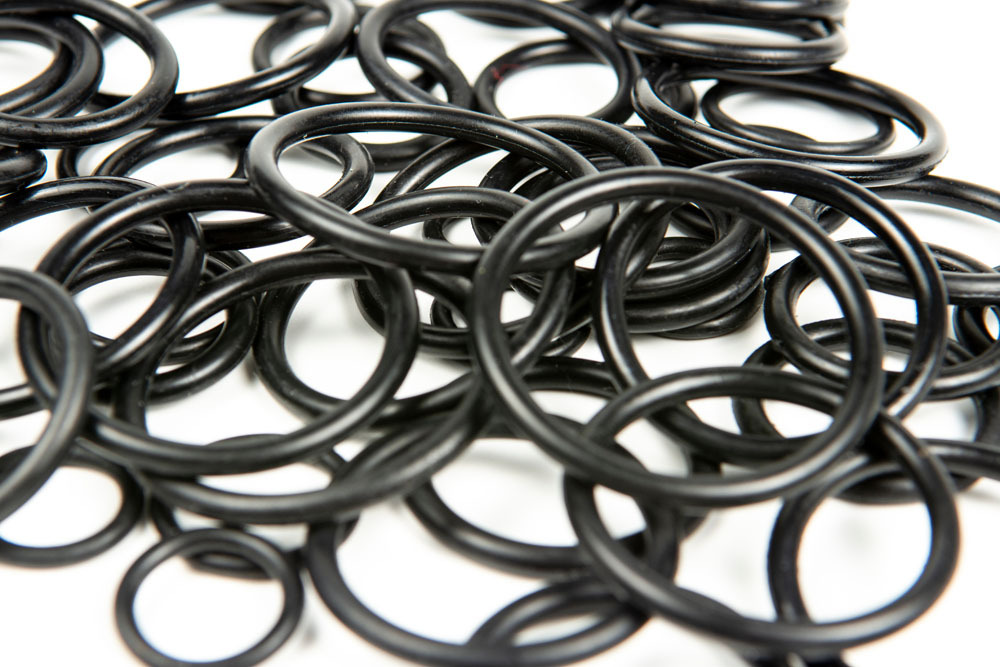
Drawing Analysis: The Foundation of Precision Engineering
The customization process for chemical resistant O rings begins with rigorous drawing analysis, a critical step that ensures dimensional accuracy and functional compatibility. At Suzhou Baoshida Trading Co., Ltd., our engineering team evaluates customer-provided technical drawings or CAD models to verify key parameters such as inner diameter, cross-section, tolerance class (per ISO 3601 or AS568 standards), and surface finish requirements. We assess groove design, installation constraints, and dynamic or static sealing applications to predict performance under operational stress. Any discrepancies or design risks—such as extrusion gaps or compression set concerns—are flagged and discussed with the client to optimize seal integrity. This phase establishes the geometric blueprint that guides all downstream processes.
Material Formulation: Engineering for Chemical Resistance
Once dimensional specifications are confirmed, we proceed to material formulation, the core of chemical resistance. Our rubber formula engineers select elastomer families based on the exposure profile: fluorocarbon (FKM), perfluoroelastomer (FFKM), ethylene propylene diene monomer (EPDM), or hydrogenated nitrile (HNBR). Each polymer is evaluated against the specific chemicals, temperatures, and pressures the O ring will encounter. For instance, FFKM is chosen for aggressive solvents and high-temperature environments exceeding 300°C, while EPDM offers superior resistance to steam and polar solvents. Additives such as reinforcing fillers, stabilizers, and proprietary cross-linking agents are precisely dosed to enhance chemical inertness, compression set resistance, and mechanical strength. All formulations are validated using ASTM D471 immersion testing and thermogravimetric analysis (TGA) to ensure long-term performance.
Prototyping: Validation Under Real Conditions
Prototyping transforms design and formulation into physical samples for functional validation. Using precision molding techniques—such as compression, transfer, or injection molding—we produce small-batch prototypes with traceable lot numbers. These samples undergo rigorous testing, including hardness checks (Shore A), tensile strength measurement, volume swell analysis in target media, and leak testing under simulated service conditions. Clients receive test reports and physical samples for field evaluation. Feedback from this phase drives iterative refinements in both geometry and compound composition, ensuring optimal performance before scale-up.
Mass Production: Consistency at Scale
Upon approval, we transition to mass production using automated molding lines and in-line quality control systems. Each batch is manufactured under ISO 9001-certified protocols, with real-time monitoring of cure time, temperature, and pressure. Final inspection includes 100% visual checks and statistical dimensional sampling. All chemical resistant O rings are packaged in clean, labeled containers with material certificates and compliance documentation.
The following table summarizes key elastomer options and their chemical resistance profiles:
| Elastomer | Temperature Range (°C) | Key Chemical Resistances | Common Applications |
|---|---|---|---|
| FKM (Viton®) | -20 to 250 | Fuels, oils, acids, hydraulic fluids | Automotive, aerospace, chemical processing |
| FFKM (Kalrez®) | -15 to 327 | Strong acids, bases, solvents, steam | Semiconductor, pharmaceutical, ultra-high purity |
| EPDM | -50 to 150 | Water, steam, alkalis, ketones | HVAC, medical devices, food processing |
| HNBR | -40 to 150 | Oils, refrigerants, mild acids | Oil & gas, refrigeration, industrial hydraulics |
Contact Engineering Team
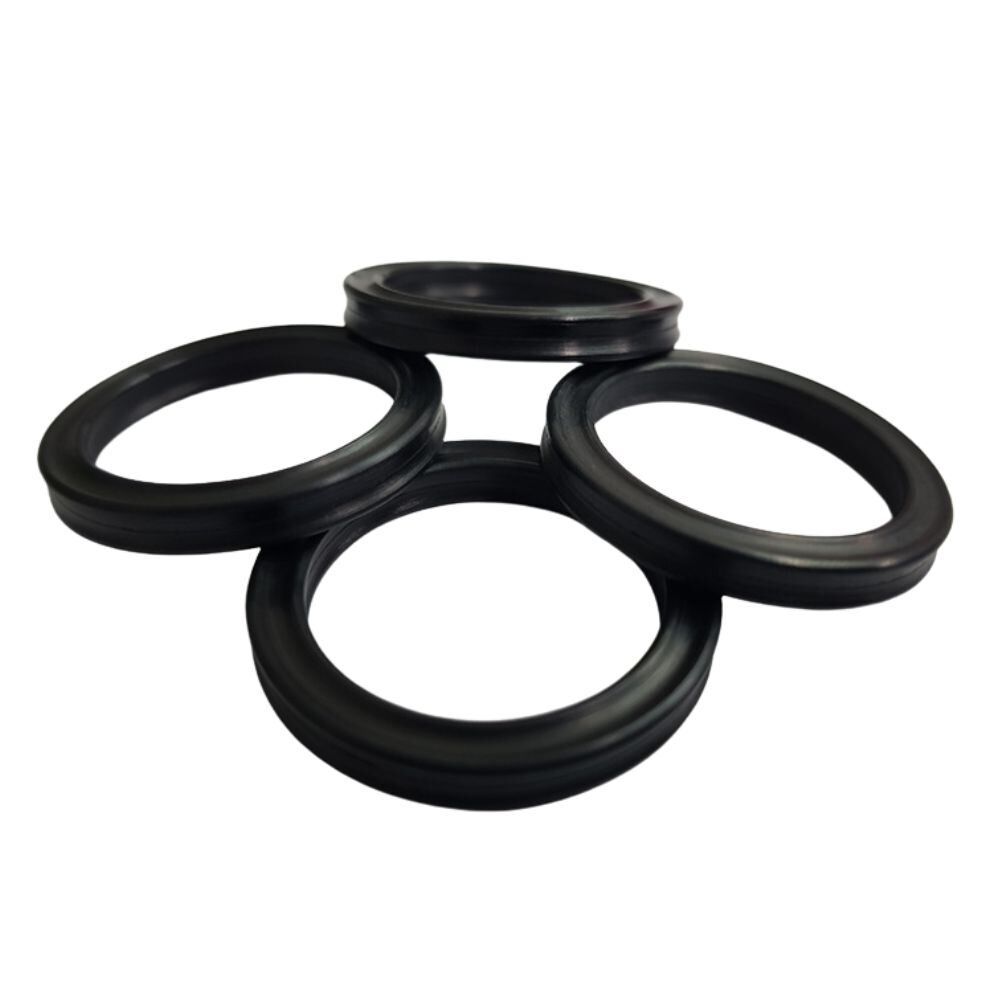
Optimize Chemical Resistance with Precision Engineering: Contact Suzhou Baoshida
Achieving reliable sealing performance in aggressive chemical environments demands more than standard o-ring specifications. Material degradation, swelling, or compression set failure due to incompatible chemical exposure leads to catastrophic system breaches, unplanned downtime, and significant safety hazards. At Suzhou Baoshida Trading Co., Ltd., our core competency lies in formulating and manufacturing bespoke chemical resistant o-rings engineered at the molecular level for your exact application parameters. Generic solutions fail under critical conditions; our OEM partnership ensures your seals withstand the specific solvents, acids, bases, fuels, or specialty chemicals encountered in semiconductor processing, chemical injection molding, pharmaceutical bioreactors, or oilfield downhole tools. We translate complex chemical compatibility data and operational stressors—temperature extremes, pressure cycles, dynamic movement—into resilient elastomeric components through rigorous polymer science and accelerated aging protocols.
Our engineering team possesses deep expertise in fluorocarbon (FKM/Viton®), perfluoroelastomer (FFKM), ethylene tetrafluoroethylene (ETFE), hydrogenated nitrile (HNBR), and specialty silicone formulations. We do not merely supply catalog items; we co-develop solutions. This involves comprehensive material selection based on your chemical exposure profile, precise durometer and geometry optimization for sealing force retention, and validation through ASTM D471 immersion testing and FTIR spectroscopic analysis to confirm molecular stability. The table below summarizes key material performance characteristics for common industrial challenges, illustrating why generic recommendations are insufficient.
| Material Type | Chemical Resistance Range | Temperature Range (°C) | Key Application Examples |
|---|---|---|---|
| FFKM (e.g., Kalrez®) | Exceptional: Strong acids, bases, amines, steam, most solvents | -20 to +327 | Semiconductor CVD chambers, aggressive chemical transfer |
| FKM (Standard) | Very Good: Hydrocarbons, oils, many acids, limited ketones | -20 to +230 | Automotive fuel systems, hydraulic fluids |
| FKM (Specialty) | Enhanced: Amines, hot water/steam, specific solvents | -15 to +250 | Oilfield downhole tools, chemical pumps |
| HNBR | Good: Oils, water, alcohols, limited acids | -40 to +150 | Industrial hydraulics, refrigeration systems |
| ETFE (Lining) | Outstanding: Strong oxidizers, halogens, acids | -70 to +150 | Critical chemical reactor seals, ultra-pure fluid handling |
Selecting the optimal material requires nuanced understanding beyond basic chemical charts. Factors like concentration, trace contaminants, intermittent vs. continuous exposure, and synergistic effects with temperature critically impact longevity. Suzhou Baoshida’s OEM management process integrates your engineering data with our formulation database and manufacturing precision. We control the entire chain—from raw polymer selection and additive compounding to molding parameters and post-cure optimization—ensuring batch-to-batch consistency and adherence to ISO 3601 or custom dimensional tolerances critical for zero-leak performance.
Initiate your sealing solution with engineering certainty. Contact Mr. Boyce, our dedicated OEM Manager and Rubber Formula Specialist, to discuss your chemical resistance requirements. Provide your fluid composition, operating temperatures, pressure profiles, and dynamic/static conditions. Mr. Boyce will coordinate our materials science team to deliver a validated proposal, including compatibility test data and prototype timelines, within 48 hours of receiving complete specifications. Do not risk system integrity with off-the-shelf compromises. Email Mr. Boyce directly at [email protected] with your project details. Specify your target chemical exposure and critical performance parameters to receive a tailored engineering assessment. Partner with Suzhou Baoshida for o-rings engineered not just to resist, but to reliably perform where failure is not an option. Your application demands precision chemistry—contact us to secure it.
⚖️ O-Ring Weight Calculator
Estimate rubber O-ring weight (Approx).