
Technical Contents
Engineering Guide: Clear Plastic Vinyl Sheeting
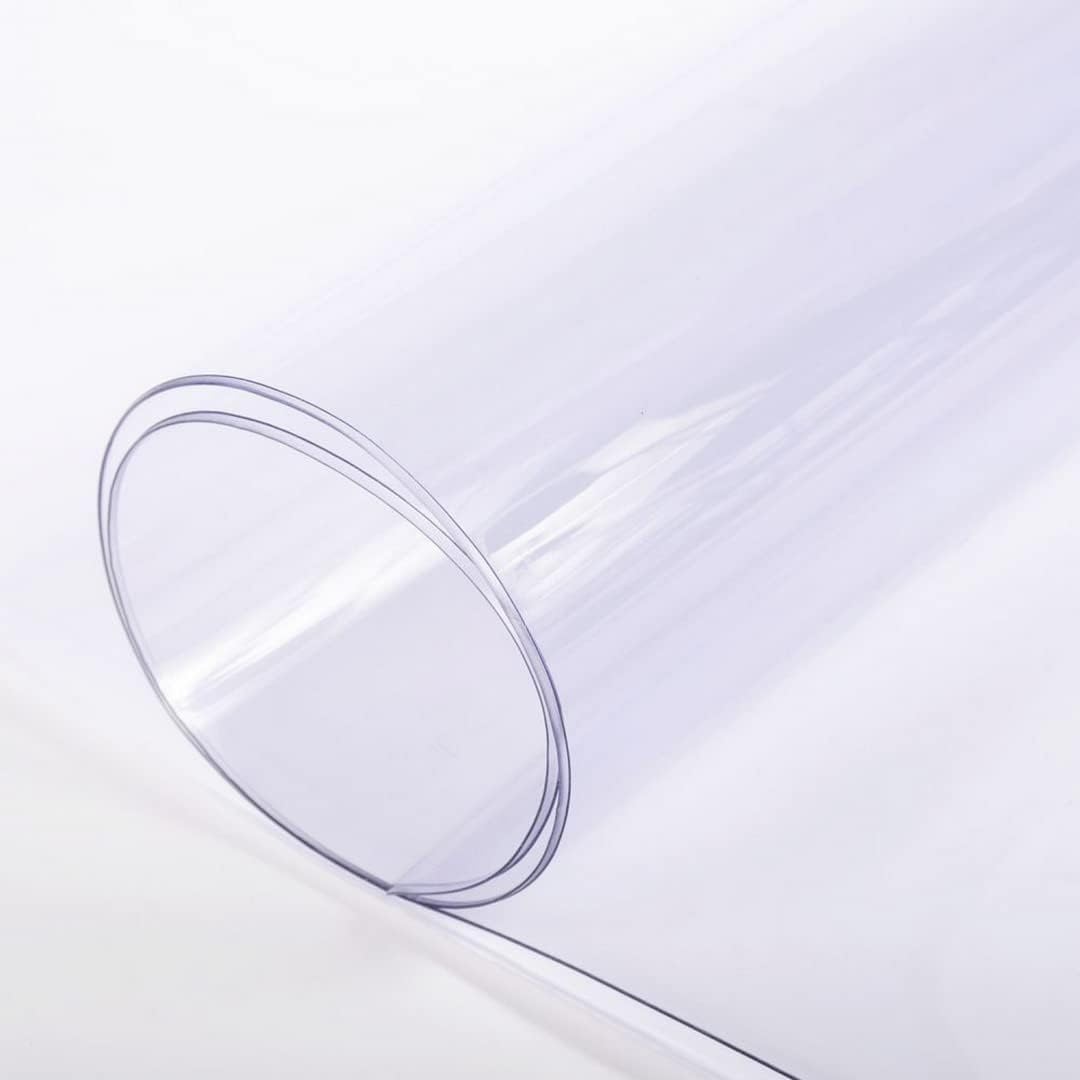
Engineering Insight: Material Selection Criticality in Clear Plastic Vinyl Sheeting
Industrial applications demand precision-engineered clear plastic vinyl sheeting far beyond commodity-grade offerings. Generic off-the-shelf vinyl sheeting frequently fails under operational stress due to unoptimized formulations, leading to premature degradation, safety hazards, and unplanned downtime. At Suzhou Baoshida Trading Co., Ltd., we emphasize that material selection is not a cost-driven decision but a foundational engineering requirement. Standard vinyl products prioritize low cost over performance, utilizing high levels of volatile plasticizers that migrate over time. This migration causes embrittlement, surface tackiness, and delamination in critical environments such as automotive gasketing, medical enclosures, or outdoor signage. Additionally, inadequate UV stabilizers in generic grades accelerate yellowing and loss of optical clarity when exposed to sunlight, while poor thermal stability compromises integrity during thermoforming or high-temperature service.
The core failure mechanism lies in inconsistent raw material sourcing and lax quality control. Commodity vinyl often exhibits batch-to-batch variability in thickness tolerance, haze levels, and chemical resistance. For instance, uncontrolled plasticizer volatility in low-grade formulations results in dimensional instability when exposed to oils or solvents, directly impacting seal performance in hydraulic systems. Similarly, insufficient thermal stabilizers cause discoloration and reduced tensile strength above 60°C, rendering standard sheeting unusable in under-hood automotive applications. These deficiencies translate to field failures—cracked protective covers, fogged vision panels, or compromised barrier properties in pharmaceutical packaging—ultimately increasing total cost of ownership through replacements and production halts.
Precision-engineered vinyl sheeting addresses these vulnerabilities through controlled polymer chemistry and rigorous OEM validation. Below is a comparative analysis of critical specifications:
| Parameter | Generic Off-the-Shelf Vinyl | Suzhou Baoshida Engineered Vinyl |
|---|---|---|
| Plasticizer System | Low-cost phthalates (25-30% content) | Non-migrating polyesters (18-22% content) |
| UV Resistance (ASTM G154) | < 500 hours before yellowing | > 3,000 hours with optical clarity retention |
| Continuous Service Temp | 50-70°C | -30°C to 100°C |
| Thickness Tolerance | ±15% | ±5% (per ISO 9001 process control) |
| Haze (ASTM D1003) | 12-18% | ≤ 5% |
Suzhou Baoshida’s OEM-managed process begins with application-specific formulation design, selecting premium PVC resins and proprietary stabilizer packages tailored to environmental stressors. Our sheeting undergoes in-house accelerated aging tests simulating 5+ years of field exposure, ensuring compliance with ISO 10993 for medical use or SAE J200 for automotive sealing. Unlike commoditized alternatives, we enforce strict batch traceability and dimensional repeatability, critical for automated fabrication lines. This engineering-first approach eliminates the hidden costs of failure—retooling downtime, warranty claims, and reputational damage—by delivering vinyl sheeting that performs reliably under exact operational parameters. Material selection must align with functional longevity; it is where industrial resilience is engineered, not incidental.
Material Specifications
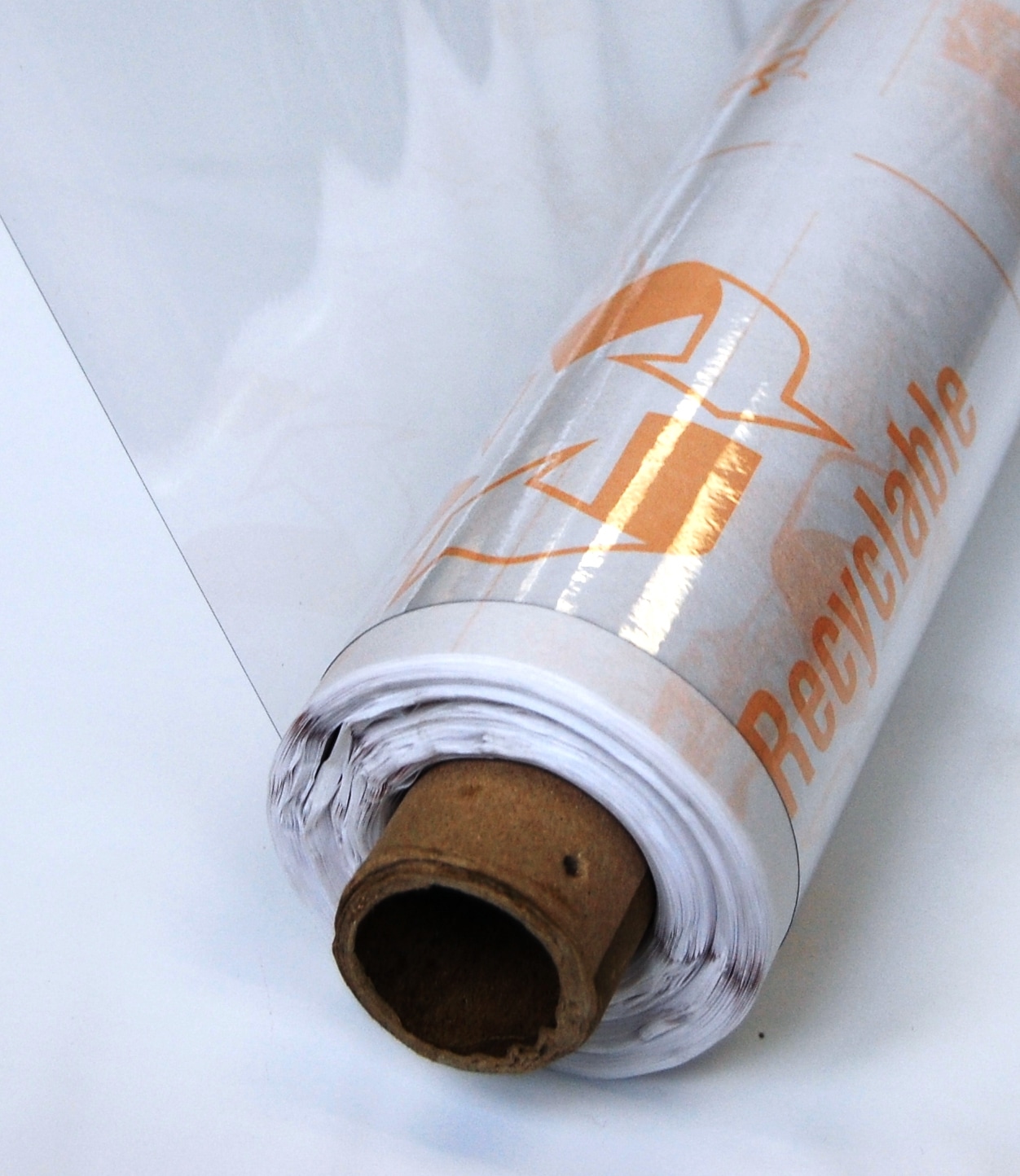
Material Specifications for Industrial Rubber Solutions: Clear Plastic Vinyl Sheeting
Suzhou Baoshida Trading Co., Ltd. provides high-performance clear plastic vinyl sheeting engineered for demanding industrial environments. These materials serve as critical components in sealing, gasketing, and protective barrier applications where transparency, chemical resistance, and mechanical durability are essential. Among the most widely used elastomers in such applications are Viton, Nitrile (NBR), and Silicone. Each material offers distinct performance characteristics tailored to specific operational conditions, including temperature extremes, exposure to aggressive chemicals, and dynamic mechanical stress.
Viton, a fluorocarbon-based rubber (FKM), is renowned for its exceptional resistance to high temperatures, oils, fuels, and a broad range of aggressive chemicals. It maintains integrity in continuous service temperatures up to 200°C and short-term exposure up to 250°C. This makes Viton ideal for aerospace, automotive, and chemical processing industries where reliability under extreme conditions is non-negotiable. Its low gas permeability and excellent aging characteristics further enhance long-term performance in sealed systems.
Nitrile rubber, or Buna-N, is a cost-effective solution for applications involving exposure to aliphatic hydrocarbons, oils, and fuels. With a service temperature range of -30°C to 100°C, Nitrile offers good abrasion resistance and tensile strength, making it suitable for hydraulic seals, fuel system gaskets, and industrial machinery components. While it exhibits limited resistance to ozone, weathering, and polar solvents, its performance in oil-rich environments remains superior among general-purpose elastomers.
Silicone rubber (VMQ) delivers outstanding thermal stability across a wide temperature spectrum, from -60°C to 200°C, with some formulations tolerating brief excursions beyond. It is highly resistant to UV radiation, ozone, and weathering, making it ideal for outdoor and medical applications. Silicone also offers excellent electrical insulation properties and low toxicity, supporting use in food-grade and healthcare environments. However, it has lower tensile strength and abrasion resistance compared to Viton and Nitrile, necessitating careful design considerations in high-wear scenarios.
All three materials are available in clear plastic vinyl sheeting formats, enabling visual inspection in sealed systems while maintaining functional integrity. Optical clarity does not compromise mechanical performance, as each formulation is optimized for balanced transparency and durability.
The following table summarizes key performance metrics for Viton, Nitrile, and Silicone rubber sheeting:
| Property | Viton (FKM) | Nitrile (NBR) | Silicone (VMQ) |
|---|---|---|---|
| Temperature Range (°C) | -20 to 200 | -30 to 100 | -60 to 200 |
| Tensile Strength (MPa) | 15–20 | 10–25 | 5–8 |
| Elongation at Break (%) | 200–300 | 250–400 | 400–600 |
| Hardness (Shore A) | 60–90 | 50–90 | 30–80 |
| Resistance to Oils & Fuels | Excellent | Excellent | Poor |
| Resistance to Ozone/UV | Excellent | Fair | Excellent |
| Chemical Resistance | Outstanding | Good | Moderate |
| Electrical Insulation | Good | Moderate | Excellent |
| Gas Permeability | Low | Moderate | High |
These specifications enable precise material selection based on environmental exposure, mechanical demands, and regulatory requirements. Suzhou Baoshida Trading Co., Ltd. ensures all sheeting products meet international quality standards, supporting OEMs and industrial partners in achieving optimal performance and reliability.
Manufacturing Capabilities
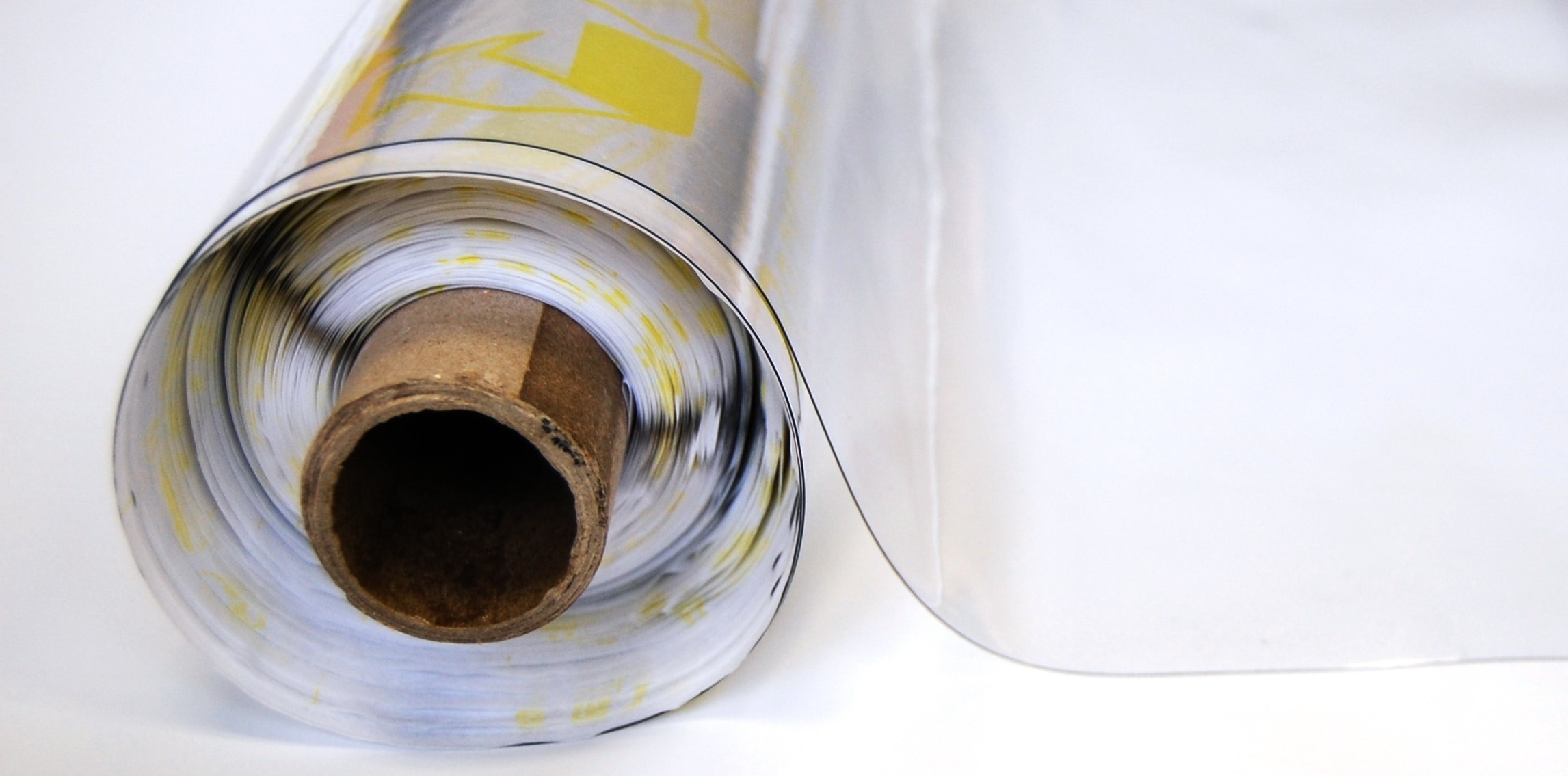
Engineering Excellence in Clear Vinyl Sheet Production
Suzhou Baoshida Trading Co., Ltd. leverages deep polymer science expertise to deliver precision-engineered clear plastic vinyl sheeting for demanding industrial applications. Our dedicated engineering team—comprising five specialized Mold Engineers and two advanced Formula Engineers—ensures every product meets exacting performance and regulatory standards. This integrated capability bridges material science with manufacturing precision, specifically optimizing formulations for clarity, durability, and process efficiency in PVC-based sheeting.
Our Formula Engineers focus on molecular-level customization of vinyl compounds, meticulously balancing plasticizers, stabilizers, and UV inhibitors to achieve target properties. Unlike generic suppliers, we control critical variables such as plasticizer migration resistance and thermal stability during extrusion, preventing haze or embrittlement in end-use environments. This is essential for applications requiring optical clarity under stress, such as medical device housings or protective barriers. Concurrently, our Mold Engineers design tooling with micron-level tolerances for consistent thickness distribution and surface finish, eliminating flow lines or dimensional drift during high-speed calendaring. This synergy reduces scrap rates by up to 18% compared to industry averages while accelerating time-to-market.
As an OEM partner, we implement a closed-loop development protocol: client specifications undergo rigorous feasibility analysis, followed by DOE-driven compound iteration and mold validation. Our facility supports rapid prototyping within 24 hours, with full traceability from raw material lot to finished sheet. This process is certified to ISO 9001:2015 and complies with FDA 21 CFR 177.2600 for food-contact applications, ensuring regulatory readiness across global markets.
Critical performance parameters for our clear vinyl sheeting are validated through in-house testing against ASTM D4236 and ISO 1183 standards. Key specifications include:
| Parameter | Standard Value | Tolerance | OEM Customization Range |
|---|---|---|---|
| Thickness | 0.50 mm | ±0.05 mm | 0.10–3.00 mm |
| Light Transmission | ≥90% @ 2mm | ±2% | 85–92% |
| Tensile Strength | 18 MPa | ±1.5 MPa | 12–25 MPa |
| Flexibility Temperature | -20°C | ±5°C | -40°C to 10°C |
| Custom Additives | Standard Stabilizers | N/A | Anti-fog, Conductive, Flame-Retardant |
This technical foundation enables us to solve complex challenges—such as eliminating static cling in electronic assembly films or enhancing chemical resistance for laboratory curtains—without compromising optical quality. Our engineers collaborate directly with clients to align material behavior with application physics, whether for thermoforming, welding, or long-term outdoor exposure. By integrating formula innovation with precision tooling, Suzhou Baoshida transforms vinyl sheeting from a commodity into a engineered solution, backed by full documentation and batch-specific QC reports. This commitment to scientific rigor ensures reliability in every square meter supplied.
Customization Process
Customization Process for Clear Plastic Vinyl Sheeting at Suzhou Baoshida Trading Co., Ltd.
At Suzhou Baoshida Trading Co., Ltd., our industrial rubber solutions extend into high-performance clear plastic vinyl sheeting, engineered for durability, clarity, and application-specific functionality. Our customization process follows a disciplined, four-phase approach: Drawing Analysis, Formulation, Prototyping, and Mass Production. This ensures seamless alignment between client specifications and final product performance.
The process begins with Drawing Analysis, where technical blueprints, dimensional schematics, and performance requirements are rigorously evaluated. Our engineering team scrutinizes tolerances, environmental exposure conditions (UV, temperature, chemical contact), and mechanical stress factors. This phase determines critical parameters such as thickness, tensile strength, elongation at break, and optical clarity requirements. All inputs are documented and cross-referenced with material capability databases to ensure feasibility.
Following drawing validation, we proceed to Formulation Development. Our rubber formula engineers design a proprietary PVC-based compound tailored to the application. Additives are precisely balanced to achieve desired properties—plasticizers for flexibility, UV stabilizers for outdoor resilience, and optical clarifiers for maximum transparency. Flame retardants or anti-static agents may be incorporated based on industrial use cases such as cleanroom enclosures or electrical insulation barriers. Each formulation undergoes computational modeling to predict long-term performance under real-world conditions.
Once the formulation is finalized, we initiate Prototyping. Small-batch production runs are executed using calibrated calendering or extrusion methods, ensuring uniform thickness and surface finish. Prototype sheets are subjected to in-house quality testing, including haze measurement, tensile testing, and thermal cycling. Clients receive physical samples along with full material test reports (MTRs) for verification. Feedback is integrated iteratively until all specifications are met.
Upon client approval, we transition to Mass Production. Our manufacturing facilities operate under ISO 9001-certified protocols, ensuring consistency across large volumes. Real-time monitoring systems track thickness variation, clarity index, and roll integrity. Finished sheets are packaged per client logistics requirements—cut-to-size, roll-wound, or palletized—with traceability tags for batch tracking.
Throughout the entire process, Suzhou Baoshida maintains direct technical engagement with OEM partners, ensuring transparency, speed-to-market, and uncompromised quality in every meter of clear plastic vinyl sheeting produced.
Typical Technical Specifications of Custom Clear Vinyl Sheeting
| Property | Standard Range | Test Method |
|---|---|---|
| Thickness | 0.15 mm – 2.0 mm | ASTM D374 |
| Tensile Strength (MPa) | 18 – 28 | ASTM D412 |
| Elongation at Break (%) | 250 – 350 | ASTM D412 |
| Haze (%) | ≤ 3.0 | ASTM D1003 |
| Light Transmission (%) | ≥ 88 | ASTM D1003 |
| Operating Temperature Range | -20°C to +60°C | ISO 188 / ISO 2231 |
| Hardness (Shore A) | 70 – 95 | ASTM D2240 |
| Flame Resistance (UL94) | HB or V-2 (optional) | UL 94 |
This structured customization pathway enables Suzhou Baoshida to deliver precision-engineered clear plastic vinyl sheeting that meets the rigorous demands of industrial, medical, and protective applications.
Contact Engineering Team
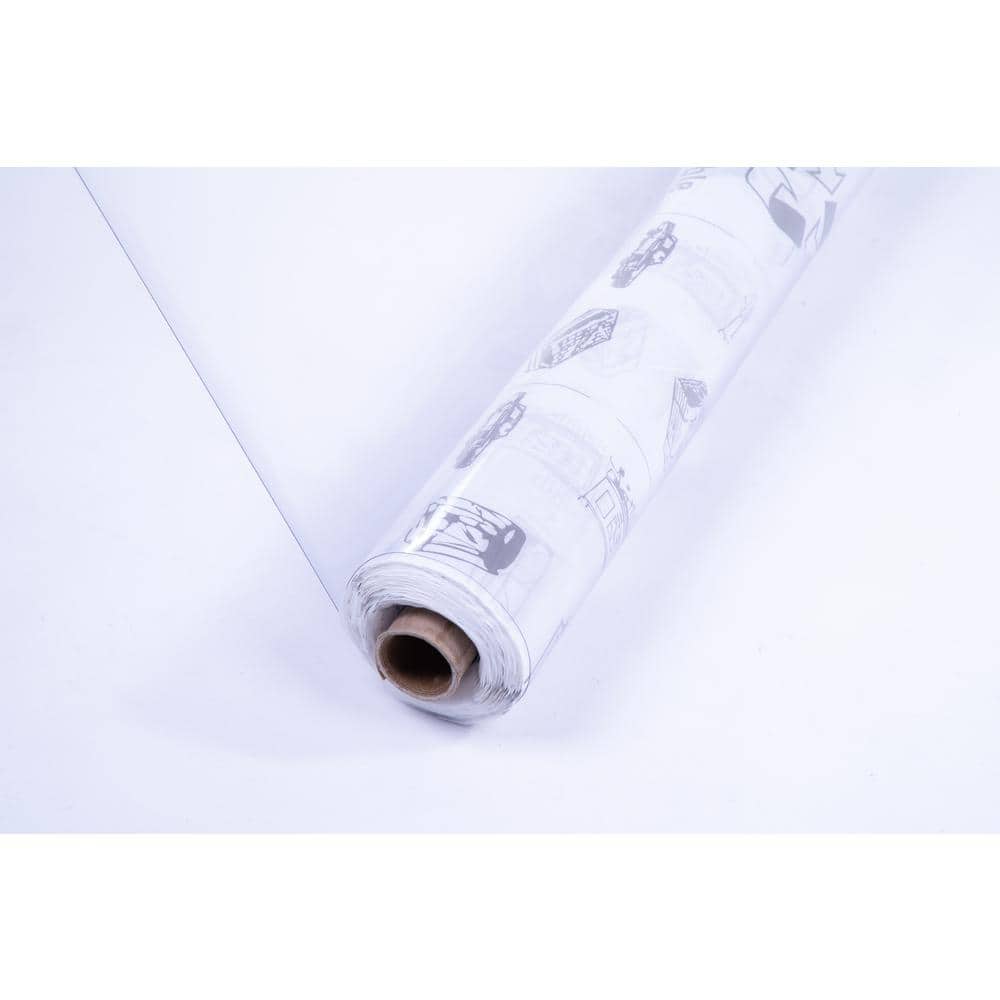
Initiate Technical Collaboration for Precision Vinyl Sheeting Solutions
Suzhou Baoshida Trading Co., Ltd. operates at the intersection of polymer science and industrial manufacturing excellence, specializing in engineered clear plastic vinyl sheeting for demanding B2B applications. Our technical team leverages advanced compounding methodologies and stringent process controls to deliver vinyl formulations meeting exacting optical, mechanical, and environmental specifications. As your OEM partner, we prioritize material consistency, regulatory compliance, and supply chain resilience—critical factors for industries ranging from medical device packaging to automotive interiors and protective barriers. Our ISO 9001:2015-certified production ecosystem ensures every meter of sheeting adheres to global quality benchmarks, eliminating variability that compromises downstream fabrication.
Key technical parameters for our standard clear vinyl sheeting portfolio are summarized below. These values reflect baseline capabilities; all properties are adjustable through proprietary plasticizer systems and stabilizer packages tailored to your operational requirements.
| Property | Standard Value | Test Method |
|---|---|---|
| Thickness Range | 0.15 mm – 3.0 mm | ASTM D5947 |
| Tensile Strength | ≥ 18 MPa | ASTM D412 |
| Elongation at Break | ≥ 300% | ASTM D412 |
| Optical Clarity (Haze) | ≤ 3% | ASTM D1003 |
| Operating Temperature | -30°C to +60°C | ISO 188 |
| Plasticizer Retention | ≥ 95% (72h @ 70°C) | ISO 175 |
| Flame Resistance | UL 94 HB | UL 94 |
Customization is not an afterthought but a core engineering function at Baoshida. Our formula development laboratory iterates material compositions to address specific challenges: enhanced UV stability for outdoor applications, anti-static properties for electronics handling, or biocompatibility certifications for healthcare use. We collaborate with clients during the prototyping phase to validate sheeting performance against real-world stressors—whether chemical exposure in industrial enclosures or flex fatigue in dynamic sealing environments. This iterative approach minimizes time-to-market while ensuring dimensional stability across high-volume production runs.
As your OEM manager, I oversee seamless integration of our sheeting into your manufacturing workflow. We provide comprehensive technical documentation including material safety data sheets (MSDS), conformance certificates, and lot-specific traceability reports. Our just-in-time logistics framework supports global supply chains with containerized shipments from our Suzhou facility, reducing inventory overhead without compromising delivery cadence. For mission-critical projects, we implement co-engineering protocols where our chemists work alongside your R&D team to refine material specifications at the molecular level.
To advance your next-generation product development cycle, contact Mr. Boyce directly for a confidential technical consultation. Specify your application’s performance thresholds, volume requirements, and regulatory constraints to receive a precision-engineered solution proposal within 48 hours. Initiate dialogue at [email protected] with subject line “Vinyl Sheeting Technical Query – [Your Company Name]” to trigger our rapid-response engineering protocol. Suzhou Baoshida commits to transforming material science challenges into competitive advantages through data-driven collaboration. Your project’s success begins with a single email—dispatch it today to secure engineered clarity for tomorrow’s industrial innovations.
⚖️ O-Ring Weight Calculator
Estimate rubber O-ring weight (Approx).