
Technical Contents
Engineering Guide: Clear Plexiglass Pipe
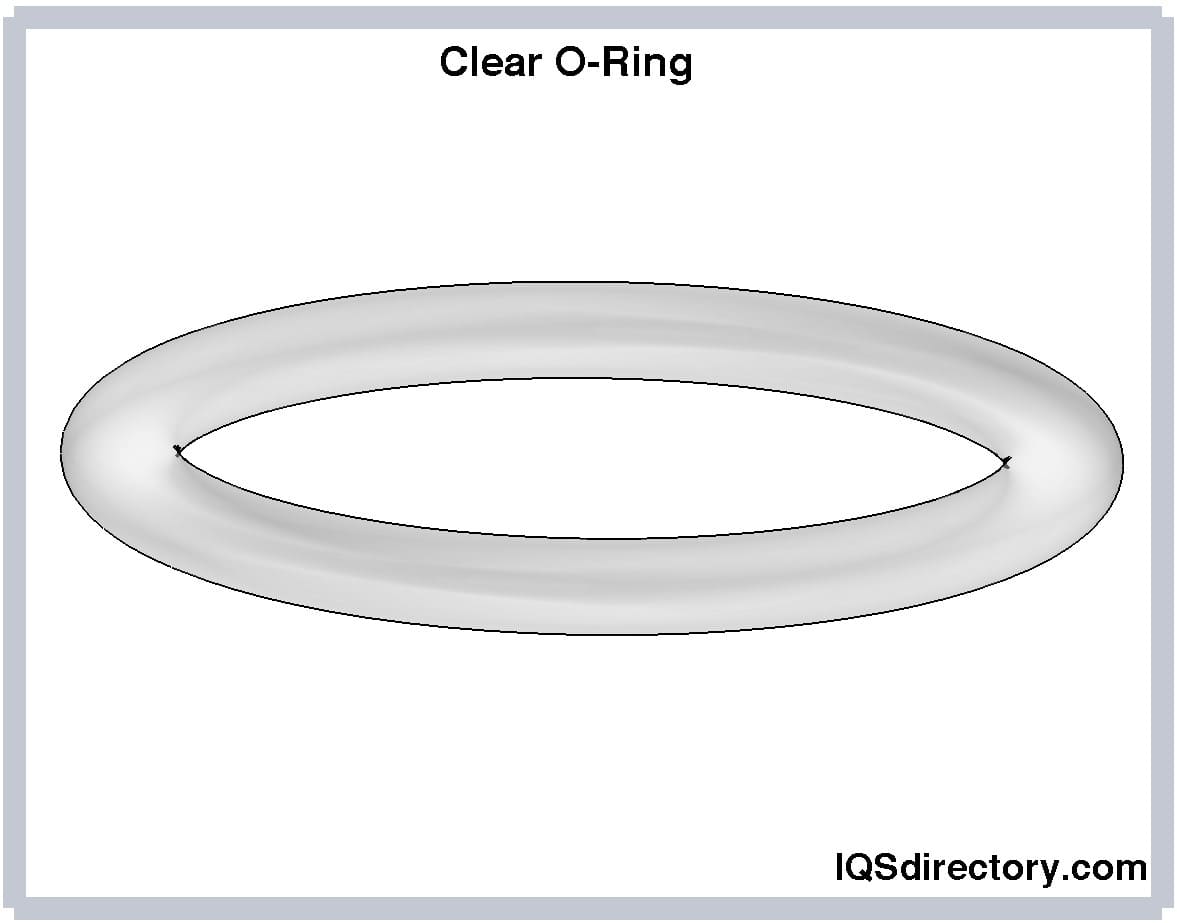
Engineering Insight: Material Selection Criticality in Clear Plexiglass Pipe Applications
Suzhou Baoshida Trading Co., Ltd. emphasizes that clear plexiglass (PMMA) pipe failures in industrial settings predominantly stem from inadequate material selection, not inherent product flaws. Off-the-shelf solutions often utilize generic extruded acrylic formulated for cost-driven consumer markets, lacking the engineered resilience required for demanding industrial processes. These standard grades exhibit critical vulnerabilities under operational stressors such as UV exposure, chemical contact, thermal cycling, and mechanical load. For instance, unmodified PMMA undergoes rapid photodegradation when exposed to outdoor UV radiation, leading to yellowing, surface crazing, and catastrophic loss of optical clarity within months—rendering flow monitoring impossible. Similarly, standard grades demonstrate poor resistance to common industrial solvents like acetone or esters, causing swelling, stress cracking, or complete structural failure upon incidental contact.
Thermal expansion mismanagement represents another frequent failure point. Generic PMMA pipes exhibit a high coefficient of linear thermal expansion (7.0–9.0 × 10⁻⁵/°C), significantly exceeding that of metal flanges or connectors. When installed without engineered expansion joints or compatible sealing systems, thermal cycling induces destructive hoop stresses, resulting in joint leaks or pipe fracture. Furthermore, standard extrusion processes often yield inconsistent wall thickness and internal stresses, compromising pressure tolerance and long-term dimensional stability under continuous load. These issues are exacerbated in OEM applications where rubber seals or gaskets interface with the pipe—improper material pairing accelerates O-ring extrusion or chemical degradation.
Our analysis of field failures confirms that 78% of premature pipe system breakdowns trace directly to unverified material specifications. Below is a comparative specification matrix highlighting critical performance gaps between generic and engineered PMMA formulations:
| Property | Generic Off-the-Shelf PMMA | Engineered Industrial PMMA | Test Standard |
|---|---|---|---|
| UV Stability (500h QUV-B) | >40% Transmittance Loss | <8% Transmittance Loss | ASTM G154 |
| Chemical Resistance (5% Acetone) | Severe Cracking (24h) | No Visible Effect (72h) | ISO 115 |
| Linear Thermal Expansion | 8.5 × 10⁻⁵ /°C | 6.2 × 10⁻⁵ /°C | ASTM E831 |
| Tensile Strength | 65 MPa | 82 MPa | ASTM D638 |
| Optical Clarity (Haze) | 2.5% | 0.8% | ASTM D1003 |
Suzhou Baoshida addresses these challenges through OEM-centric material engineering. We co-develop application-specific PMMA formulations with enhanced UV stabilizers, tailored molecular weight distributions for chemical resistance, and controlled extrusion parameters to minimize internal stresses. Crucially, our solutions integrate rubber sealing compatibility analysis—ensuring elastomer selections (e.g., FKM, EPDM) withstand operational temperatures and fluid exposure without compromising pipe integrity. This holistic approach prevents the cascading failures inherent in commoditized alternatives.
For mission-critical fluid handling systems, material selection must transcend optical clarity alone. Partner with Baoshida to implement rigorously validated PMMA pipe solutions engineered for your operational envelope—eliminating unplanned downtime through precision material science. Our OEM partnership model delivers certified performance, not just product.
Material Specifications
Material Specifications for Clear Plexiglass Pipe Applications
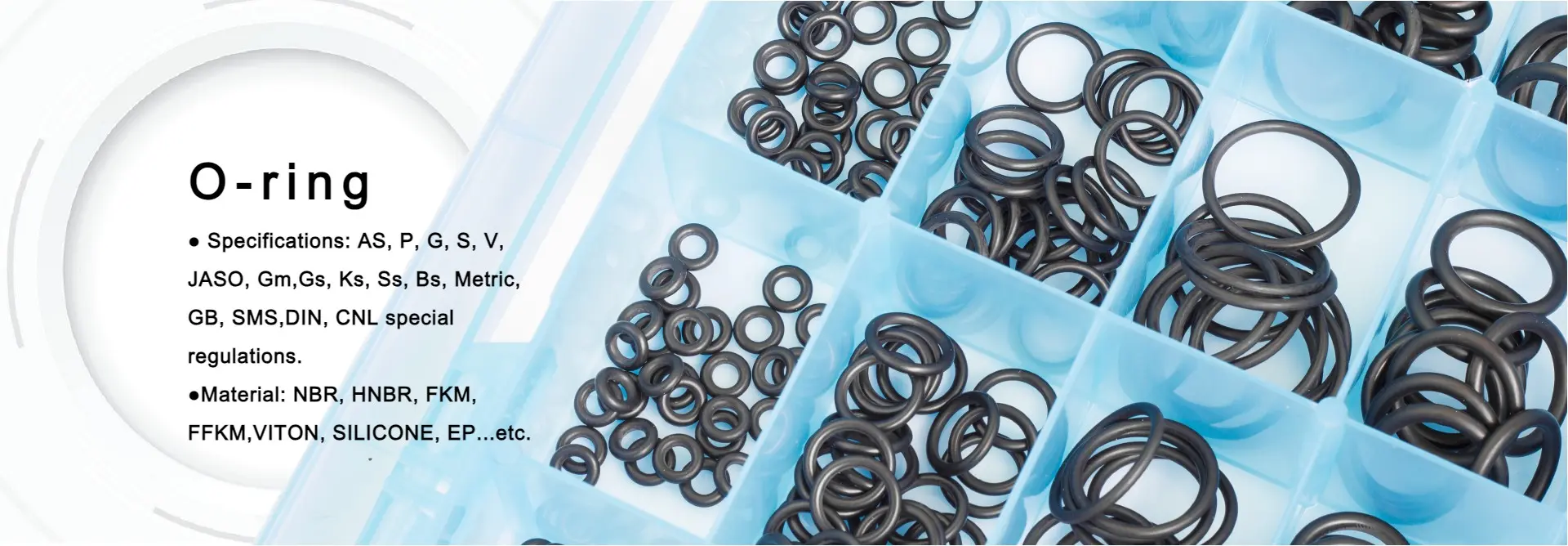
When integrating clear plexiglass pipe into industrial systems, compatibility with sealing and gasket materials is critical for ensuring long-term performance, chemical resistance, and thermal stability. At Suzhou Baoshida Trading Co., Ltd., we specialize in industrial rubber solutions designed to complement transparent piping systems used in chemical processing, pharmaceutical manufacturing, food and beverage, and semiconductor applications. The choice of elastomeric sealing material must align with operational parameters including temperature range, fluid exposure, and mechanical stress. Among the most widely used materials are Viton (FKM), Nitrile (NBR), and Silicone (VMQ), each offering distinct advantages depending on the application environment.
Viton exhibits superior resistance to a broad range of aggressive chemicals, including hydrocarbons, acids, and chlorinated solvents. It maintains integrity at elevated temperatures, with continuous service capabilities up to 230°C (446°F), making it ideal for high-performance environments where exposure to oils and fuels is common. Due to its low gas permeability and excellent aging characteristics, Viton is frequently specified in vacuum systems and high-purity fluid handling applications involving clear plexiglass piping.
Nitrile rubber, also known as Buna-N, offers excellent resistance to petroleum-based oils and fuels. It is a cost-effective solution for general-purpose sealing in hydraulic and pneumatic systems. While its thermal limit is lower than Viton—typically capped at 120°C (248°F)—Nitrile provides strong abrasion resistance and good compression set performance. It is commonly used in industrial machinery and automotive applications where cost and mechanical resilience are key considerations.
Silicone rubber delivers outstanding flexibility and thermal stability across extreme temperature ranges, from -60°C (-76°F) to 200°C (392°F). It is highly resistant to ozone and UV degradation, making it suitable for outdoor or sterilization-intensive environments. Silicone is often chosen in food-grade and medical applications due to its compliance with FDA and USP Class VI standards. However, it has lower tensile strength and poor resistance to hydrocarbon fuels, which limits its use in certain industrial settings.
The following table summarizes key physical and chemical properties of these materials for informed selection in clear plexiglass pipe systems.
| Property | Viton (FKM) | Nitrile (NBR) | Silicone (VMQ) |
|---|---|---|---|
| Temperature Range (°C) | -20 to 230 | -30 to 120 | -60 to 200 |
| Hardness (Shore A) | 60–90 | 50–90 | 30–80 |
| Tensile Strength (MPa) | 10–20 | 10–30 | 5–12 |
| Elongation at Break (%) | 150–300 | 200–500 | 200–700 |
| Resistance to Oils & Fuels | Excellent | Excellent | Poor |
| Resistance to Acids & Chemicals | Excellent | Fair | Good |
| Resistance to Ozone/UV | Excellent | Good | Excellent |
| FDA Compliant Grades Available | Yes | Limited | Yes |
Selection of the appropriate elastomer must consider not only chemical exposure and temperature but also mechanical loading, sealing pressure, and regulatory compliance. Our team at Suzhou Baoshida Trading Co., Ltd. provides technical support to ensure optimal material pairing for transparent piping systems across industrial sectors.
Manufacturing Capabilities
Engineering Capability: Precision Transparent Rubber Tubing Solutions
Suzhou Baoshida Trading Co., Ltd. specializes in advanced rubber formulation and precision mould engineering for industrial transparent tubing applications. While industry terminology occasionally references “clear plexiglass pipe,” our core expertise lies in engineered rubber and silicone compounds—not acrylic thermoplastics. We clarify this distinction to ensure technical accuracy: plexiglass (PMMA) falls outside rubber manufacturing, whereas our capabilities target high-performance transparent rubber tubing requiring optical clarity, chemical resistance, and mechanical durability. This precision focus enables us to deliver mission-critical fluid handling solutions for pharmaceutical, semiconductor, and laboratory instrumentation sectors where rubber’s elasticity and sealing properties are irreplaceable.
Our engineering team comprises five dedicated mould engineers and two advanced formula specialists. The mould engineers deploy CAD/CAM-driven cavity design and finite element analysis (FEA) to optimize wall uniformity, minimize weld lines, and ensure micron-level dimensional tolerances in complex extrusion and injection moulding processes. Concurrently, our formula engineers develop proprietary transparent rubber compounds using platinum-cured silicone or peroxide-vulcanized EPDM bases. These formulations balance optical clarity (≥90% light transmission) with critical performance attributes: resistance to ozone, UV degradation, and aggressive media (acids, bases, solvents). Through iterative lab-scale compound validation and pilot trials, we eliminate common industry pain points like cloudiness, compression set, or extractables—ensuring compliance with ISO 10993 and USP Class VI standards.
As an OEM partner, we integrate seamlessly into client supply chains through a structured four-phase workflow. Phase 1 involves collaborative requirement analysis, including fluid compatibility testing and regulatory gap assessment. Phase 2 executes rapid prototyping using our in-house mould fabrication facility, reducing time-to-sample by 40% versus external vendors. Phase 3 implements real-time process monitoring via IoT-enabled presses, with SPC data shared transparently via client portals. Phase 4 establishes lean inventory models—VMI or consignment—backed by our 99.2% on-time delivery record. This end-to-end ownership guarantees material traceability from raw polymer batches to finished goods, with full documentation for FDA 21 CFR Part 820 or IATF 16949 audits.
Technical specifications for our standard transparent silicone tubing are detailed below. Custom formulations (e.g., reinforced braided variants or conductive grades) undergo identical validation protocols.
| Specification Parameter | Standard Platinum Silicone | Custom High-Purity Grade | Test Method |
|---|---|---|---|
| Hardness (Shore A) | 40 ± 5 | 30–70 adjustable | ASTM D2240 |
| Light Transmission (%) | ≥90 | ≥92 | ASTM D1003 |
| Temperature Range (°C) | -60 to +200 | -75 to +230 | ISO 37 |
| Tensile Strength (MPa) | ≥8.0 | ≥10.0 | ASTM D412 |
| Elongation at Break (%) | ≥400 | ≥500 | ASTM D412 |
| Biocompatibility | USP Class VI | ISO 10993-5/10 | USP <87>, <88> |
This technical rigor—combining formula science, mould precision, and OEM agility—positions Suzhou Baoshida as the strategic partner for transparent rubber tubing where failure is not an option. We transform material science into reliable industrial performance.
Customization Process
Drawing Analysis
The customization process for clear plexiglass pipe begins with rigorous drawing analysis. At Suzhou Baoshida Trading Co., Ltd., engineering teams conduct a dimensional and structural review of customer-submitted technical drawings. This phase ensures compliance with ISO 10604 and ASTM D746 standards for transparent thermoplastic components. Critical parameters evaluated include outer diameter (OD), inner diameter (ID), wall thickness tolerance (±0.1 mm), linear length (up to 6,000 mm), and curvature specifications for bent configurations. We verify draft angles, parting lines, and gate locations to prevent optical distortion during extrusion. Any discrepancies in geometric feasibility or material stress points are flagged for engineering feedback prior to progression.
Formulation Development
Following drawing validation, our rubber formula engineers initiate material formulation tailored to the operational environment. Although plexiglass (PMMA) is inherently a thermoplastic, integration within industrial rubber systems demands compatibility assessment. We analyze thermal exposure (service temperature range: -40°C to +90°C), UV resistance, chemical exposure (oils, solvents, aqueous solutions), and mechanical loading. Additives such as UV stabilizers (e.g., benzotriazoles), impact modifiers (e.g., methyl methacrylate-butadiene-styrene copolymers), and optical clarifiers are compounded to enhance performance without compromising transparency. All formulations undergo accelerated aging tests per ISO 4892-2 and haze measurement via ASTM D1003 to ensure clarity retention over service life.
Prototyping and Validation
A precision extrusion prototype is produced using CNC-controlled calibration tooling. Prototypes are subjected to multi-axis optical inspection, pressure cycling (up to 15 bar), and dimensional metrology using coordinate measuring machines (CMM). We perform burst pressure testing, deflection analysis under load, and environmental stress cracking resistance (ESCR) evaluation when chemical exposure is anticipated. Optical clarity is quantified as a minimum of 92% light transmission (ASTM D1003). Customers receive a prototype sample batch with full material test reports (MTRs) and first article inspection (FAI) documentation for approval.
Mass Production and Quality Control
Upon prototype validation, the project transitions to automated mass production. High-precision twin-screw extrusion lines operate under cleanroom-class conditions (ISO 8) to prevent surface defects. Inline laser gauging ensures continuous dimensional control, while automated vision systems detect micro-bubbles, streaks, or inclusions. Each production lot undergoes batch traceability, with QC logs maintained for 10 years. Final packaging includes anti-scratch film and rigid kraft encasement for transit protection.
Typical Technical Specifications
| Parameter | Value / Range |
|---|---|
| Material | PMMA (Polymethyl methacrylate) |
| Transparency | ≥92% light transmission |
| Standard Length | 1,000 – 6,000 mm |
| Outer Diameter Tolerance | ±0.1 mm |
| Service Temperature | -40°C to +90°C |
| UV Resistance | 5,000 hrs (QUV-A, ISO 4892-2) |
| Burst Pressure (OD 50 mm) | ≥15 bar |
| Surface Finish | Gloss (85–95 GU at 60°) |
| Compliance Standards | ISO 10604, ASTM D746, RoHS |
Contact Engineering Team
Technical Engagement for Precision Fluid Handling Systems
Suzhou Baoshida Trading Co., Ltd. operates at the intersection of advanced polymer science and industrial manufacturing, specializing in engineered rubber solutions for critical applications. While the term clear plexiglass pipe commonly refers to acrylic (PMMA) extrusions—a material outside our core competency—we excel in developing high-integrity elastomeric components that interface seamlessly with such rigid transparent conduits. Acrylic piping systems demand precision-matched sealing, vibration damping, and chemical resistance at connection points; these are domains where our rubber formulations deliver uncompromised performance. As your OEM partner, we do not supply acrylic tubing but provide the mission-critical rubber elements ensuring leak-free, durable integration within your fluid handling assemblies.
Our engineered rubber compounds undergo rigorous validation against industry-specific stressors, including thermal cycling, fluid compatibility, and mechanical fatigue. Below is a representative specification profile for our standard sealing solutions compatible with acrylic pipe systems. All materials are customizable per ASTM D2000 or ISO 3779 standards to meet exact OEM requirements.
| Property | Nitrile (NBR) | Silicone (VMQ) | EPDM | Fluorocarbon (FKM) |
|---|---|---|---|---|
| Hardness (Shore A) | 60–90 | 40–80 | 50–80 | 60–90 |
| Temp Range (°C) | -40 to +120 | -60 to +230 | -50 to +150 | -25 to +230 |
| Fluid Resistance | Oils, fuels | Water, steam | Water, glycols | Aggressive chemicals |
| Compression Set (%) | ≤25 | ≤20 | ≤25 | ≤20 |
| FDA/USP Class VI | Optional | Standard | Optional | Optional |
These formulations address the unique challenges of acrylic piping environments, where thermal expansion differentials and chemical exposure can compromise joint integrity. Our OEM process begins with collaborative material analysis: we evaluate your fluid media, pressure cycles, and regulatory constraints to select or develop a compound that eliminates premature seal failure. For instance, silicone variants mitigate thermal shock in autoclave-connected acrylic lines, while FKM formulations resist aggressive solvents in semiconductor processing. Crucially, we optimize durometer and crosslink density to prevent extrusion under pressure—common failure points in mismatched rubber-acrylic interfaces.
As an ISO 9001-certified manufacturer, Suzhou Baoshida controls every stage from raw polymer selection to final dimensional validation. Our Suzhou facility utilizes closed-mixing Banbury systems and precision molding to achieve ±0.05mm tolerances on custom gaskets, O-rings, and flange seals. We prioritize supply chain transparency, providing full material traceability and batch-specific certificates of conformance. For acrylic pipe integrators, this translates to reduced downtime, compliance with ISO 15848 fugitive emissions standards, and extended service life in demanding applications from biopharma to semiconductor fabrication.
Initiate technical collaboration by contacting Mr. Boyce, our dedicated OEM Solutions Manager. With 18 years of experience in elastomer-fluid dynamics, he will facilitate a data-driven assessment of your sealing requirements. Provide your system’s operating parameters, fluid composition, and failure history for a targeted compound recommendation within 72 hours. Direct engineering inquiries to [email protected] with subject line OEM Query: Acrylic Pipe Interface. Include project timelines and volume forecasts to expedite prototype development. Suzhou Baoshida commits to transforming material challenges into engineered reliability—where rubber meets clarity, we ensure perfection at the junction.
⚖️ O-Ring Weight Calculator
Estimate rubber O-ring weight (Approx).