
Technical Contents
Engineering Guide: Clear Pvc Fabric
Engineering Insight Clear PVC Fabric Material Selection Criticality
Clear PVC fabric performance hinges on molecular-level formulation precision, not merely optical transparency. Generic commercial-grade PVC films frequently fail in industrial applications due to unoptimized plasticizer systems and inadequate stabilizer packages. Off-the-shelf solutions prioritize initial cost reduction over functional longevity, resulting in catastrophic degradation under operational stressors. Key failure modes include irreversible yellowing from UV exposure, plasticizer migration causing surface tackiness and embrittlement, and thermal instability during processing or end-use. These issues stem from low-cost ortho-phthalate plasticizers and minimal UV absorber concentrations, which cannot withstand continuous industrial exposure.
Material science dictates that industrial clear PVC requires engineered plasticizer-polymer compatibility. High-molecular-weight trimellitates or polymeric plasticizers prevent migration while maintaining flexibility across -30°C to 80°C ranges. Equally critical are hindered amine light stabilizers (HALS) combined with benzotriazole UV absorbers at 1.5-2.5% concentration to achieve >5,000 hours of xenon arc weathering resistance. Standard commercial PVC typically uses <0.5% UV protection, leading to transmittance loss exceeding 40% within 1,000 hours. Thermal stabilizers must also be optimized; calcium-zinc systems with epoxy co-stabilizers prevent HCl degradation during calendering, whereas generic formulations rely on lead-based stabilizers incompatible with food-grade or medical applications.
The following specifications demonstrate performance gaps between industrial-grade and commercial PVC fabric:
| Parameter | Industrial-Grade Clear PVC | Commercial-Grade PVC | Test Standard |
|---|---|---|---|
| Plasticizer Type | Polymeric Trimellitate | DEHP | ASTM D2197 |
| UV Stabilizer Concentration | 2.0% HALS + Benzotriazole | 0.3% Benzophenone | ASTM G154 |
| Thermal Stability (200°C) | >60 minutes | <25 minutes | ISO 182-1 |
| Initial Transmittance | 90% ± 2% | 85% ± 5% | ASTM D1003 |
| Transmittance Retention (1,000h UV) | 85% of initial | 55% of initial | SAE J2527 |
Suzhou Baoshida’s OEM approach addresses these failure points through application-specific formulation. We analyze end-use environmental profiles—UV intensity, temperature cycles, chemical exposure, and mechanical stress—to select plasticizer chemistry and stabilizer synergies meeting ISO 10993 or FDA 21 CFR 177.2600 compliance where required. Our compounds undergo accelerated aging validation per ASTM G155, ensuring transmittance retention and tensile strength stability exceed OEM specifications.
Generic PVC fabric represents a false economy; its rapid degradation necessitates frequent replacement, increasing total cost of ownership by 300-400% versus precision-engineered solutions. True industrial clarity demands molecular integrity that only tailored polymer science delivers. Partnering with a specialist rubber formula engineer ensures your clear PVC fabric performs as a functional component, not a liability.
Material Specifications
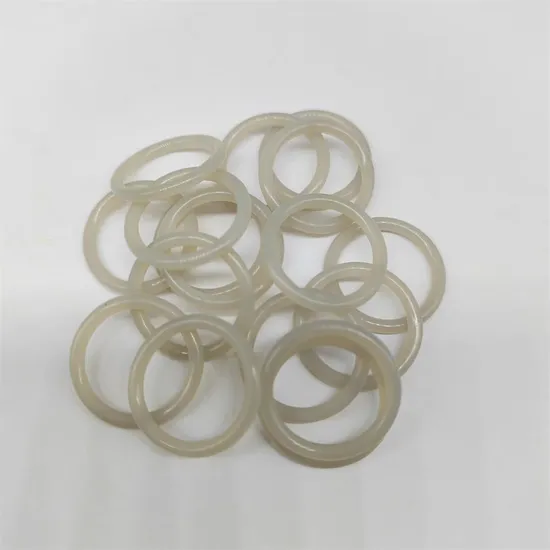
Clear PVC fabric is a versatile industrial material widely utilized in applications requiring transparency, chemical resistance, and mechanical durability. At Suzhou Baoshida Trading Co., Ltd., we specialize in advanced rubber and polymer solutions tailored for demanding environments. While clear PVC serves as a foundational material in many sealing, protective, and containment systems, its performance can be significantly enhanced or replaced by high-performance elastomers such as Viton, Nitrile (NBR), and Silicone, depending on operational requirements. These materials offer superior resistance to temperature extremes, oils, solvents, and aging, making them ideal candidates for critical industrial applications where standard PVC may fall short.
Viton, a fluorocarbon-based elastomer, delivers exceptional performance in high-temperature and chemically aggressive environments. It maintains integrity when exposed to fuels, aromatic hydrocarbons, and many acids, making it a preferred choice for aerospace, automotive, and chemical processing industries. Its service temperature range typically spans from -20°C to +200°C, with short-term exposure tolerance up to 250°C. However, Viton exhibits lower flexibility at low temperatures and higher material cost compared to alternatives.
Nitrile rubber, or Buna-N, is one of the most commonly used elastomers in industrial sealing applications due to its excellent resistance to oils, greases, and aliphatic hydrocarbons. It performs reliably in dynamic sealing environments such as hydraulic systems and fuel handling equipment. With a service temperature range of -30°C to +100°C (up to +120°C intermittently), Nitrile offers a balanced combination of performance and cost-effectiveness. However, it is less resistant to ozone, UV radiation, and polar solvents, limiting its use in outdoor or highly oxidative conditions.
Silicone rubber stands out for its outstanding thermal stability and flexibility across a wide temperature spectrum, typically from -60°C to +200°C. It is highly resistant to UV and ozone degradation, making it ideal for outdoor and medical applications. While it offers good electrical insulation properties and low toxicity, standard silicone has relatively poor resistance to petroleum-based oils and fuels, and lower mechanical strength compared to Nitrile or Viton. Modified formulations can improve fluid resistance, but often at increased cost.
The selection of the appropriate elastomer depends on the specific operational demands, including temperature profile, chemical exposure, mechanical stress, and regulatory requirements. Clear PVC fabric may serve as a cost-effective solution for low-stress, visible applications, but for enhanced performance, Viton, Nitrile, or Silicone provide engineered alternatives.
Below is a comparative overview of the key material properties:
| Property | Viton | Nitrile (NBR) | Silicone |
|---|---|---|---|
| Temperature Range (°C) | -20 to +200 (up to 250°C) | -30 to +100 (+120°C peak) | -60 to +200 |
| Oil & Fuel Resistance | Excellent | Excellent | Poor to Fair |
| Chemical Resistance | Excellent | Good | Good (varies by compound) |
| Ozone & UV Resistance | Excellent | Fair | Excellent |
| Flexibility at Low Temp | Moderate | Good | Excellent |
| Compression Set Resistance | Excellent | Good | Good |
| Typical Applications | Aerospace, chemical seals | Hydraulic seals, fuel systems | Medical devices, outdoor seals |
Manufacturing Capabilities
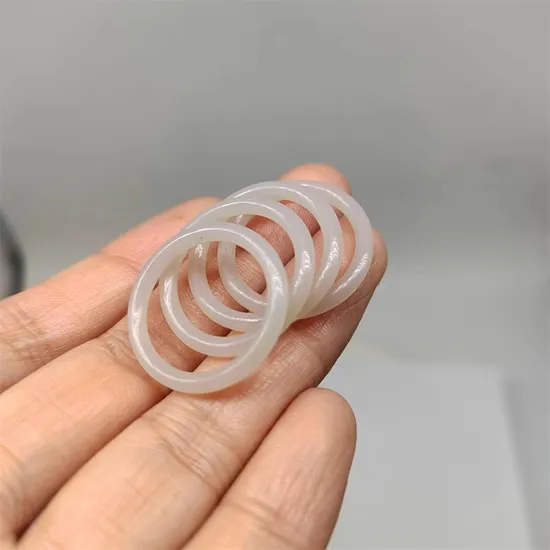
Engineering Capability: Precision Formulation and OEM Excellence for Clear PVC Fabric
Suzhou Baoshida Trading Co., Ltd. leverages deep technical expertise in industrial rubber and polymer solutions to deliver engineered clear PVC fabric meeting exacting B2B manufacturing standards. Our dedicated engineering cohort comprises five specialized mould engineers and two advanced formula engineers, collectively ensuring end-to-end control from molecular design to finished product validation. This integrated team structure eliminates siloed development, enabling rapid iteration and precise alignment with client specifications for optical clarity, mechanical resilience, and environmental stability.
Our formula engineers focus on resolving inherent challenges in clear PVC systems, such as plasticizer migration, UV-induced yellowing, and thermal degradation. Through proprietary stabilizer packages and high-purity raw material selection, we achieve exceptional transparency retention (>92% light transmission) and long-term color stability under accelerated aging protocols. Critical to this process is the elimination of impurities that cause haze or cloudiness—common failures in commodity-grade PVC. Each formulation undergoes empirical validation via FTIR spectroscopy and DSC thermal analysis to confirm polymer-plasticizer compatibility and phase homogeneity.
Mould engineering expertise ensures dimensional precision and surface integrity in calendared or extruded sheets. Our team optimizes roll temperature gradients, pressure differentials, and cooling rates to prevent internal stresses that compromise optical performance. Tight thickness tolerances (±0.05mm) are maintained across widths up to 2.2 meters, critical for applications requiring laser-cutting accuracy or seamless welding.
As an OEM partner, we implement co-engineering protocols where client requirements directly inform material architecture. Whether enhancing flame retardancy for transportation interiors or boosting hydrolysis resistance for medical enclosures, our engineers translate functional needs into validated specifications. The OEM workflow includes: joint DFMEA reviews, pilot-scale trials with real-time rheology monitoring, and full traceability from compound batch to finished roll.
Clear PVC Fabric Technical Specifications
| Property | Standard Grade | Premium Grade | Test Method |
|---|---|---|---|
| Thickness Range | 0.3–2.0 mm | 0.3–2.0 mm | ISO 2286-1 |
| Thickness Tolerance | ±0.10 mm | ±0.05 mm | ISO 2286-1 |
| Light Transmission (400nm) | ≥88% | ≥92% | ASTM D1003 |
| Tensile Strength (MD) | ≥18 MPa | ≥22 MPa | ISO 10545-4 |
| Elongation at Break | ≥280% | ≥320% | ISO 10545-4 |
| Yellowing Index (ΔYI) | ≤5.0 (100h UV) | ≤2.5 | ASTM D4329 |
| Plasticizer Migration | ≤1.5% | ≤0.8% | ISO 175 |
Quality assurance is non-negotiable. Every production lot undergoes in-process spectrophotometric clarity checks and post-cure tensile verification against client-specific benchmarks. Our ISO 9001-certified systems document all critical parameters, providing auditable proof of conformance for regulated industries. Suzhou Baoshida’s engineering rigor transforms clear PVC from a generic commodity into a mission-critical material—where optical precision and structural reliability are engineered at the molecular level. Partner with us to convert demanding application requirements into validated, high-performance fabric solutions.
Customization Process
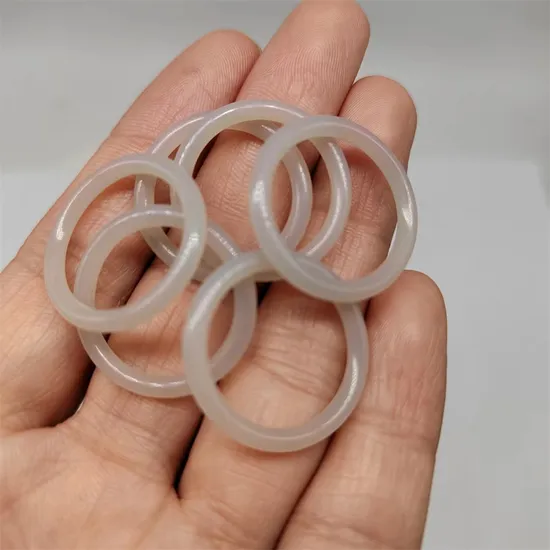
Clear PVC Fabric Customization Process: From Design to Delivery
At Suzhou Baoshida Trading Co., Ltd., we specialize in engineered industrial rubber solutions, with a focused expertise in high-performance clear PVC fabric. Our customization process is structured to ensure precision, consistency, and compliance with client-specific performance requirements. We follow a four-phase workflow: Drawing Analysis, Formulation Development, Prototyping, and Mass Production. Each stage is rigorously controlled to deliver materials that meet exact mechanical, environmental, and aesthetic criteria.
The process begins with Drawing Analysis, where our technical team evaluates client-provided technical drawings, dimensional specifications, and application environment data. This includes assessing thickness tolerances, tensile requirements, UV resistance needs, flame retardancy standards (e.g., UL94, NFPA 701), and optical clarity levels. Our engineers cross-reference these inputs with substrate compatibility, expected service life, and regulatory compliance to define the technical roadmap.
Next, we proceed to Formulation Development. Based on the analysis, our rubber chemists design a proprietary PVC compound tailored to the application. The formulation adjusts plasticizer content for flexibility, stabilizers for thermal and UV resistance, and optical enhancers to maintain clarity without compromising durability. We use phthalate-free and RoHS-compliant additives upon request, ensuring environmental and safety standards are met. The compound is optimized for processing method—typically calendering or coating—depending on the final product geometry and performance demands.
Once the formulation is finalized, we initiate Prototyping. A small-batch production run generates sample sheets or fabricated components for physical testing and client validation. These prototypes undergo in-house evaluation for tensile strength, elongation at break, haze percentage, and low-temperature flexibility. Clients receive detailed test reports and physical samples for real-world assessment. Feedback is integrated swiftly, and iterative adjustments are made if necessary.
Upon approval, we transition to Mass Production. Our manufacturing partners operate fully automated lines with inline quality monitoring systems, ensuring batch-to-batch consistency. Production is conducted under ISO 9001-certified conditions, with raw material traceability and real-time process control. We support order volumes from 500 to over 50,000 meters, with lead times averaging 15–25 days depending on complexity and quantity.
All clear PVC fabric products are packaged to prevent surface scratching and shipped with full material certification.
Typical Clear PVC Fabric Technical Specifications
| Property | Test Method | Standard Value | Customizable Range |
|---|---|---|---|
| Thickness | ASTM D374 | 0.15 mm – 1.0 mm | Up to 2.0 mm |
| Tensile Strength | ASTM D412 | ≥18 MPa | 15–30 MPa |
| Elongation at Break | ASTM D412 | ≥280% | 200–450% |
| Haze (Clarity) | ASTM D1003 | ≤3% | ≤5% (high clarity grade) |
| Operating Temperature | — | -20°C to +70°C | -40°C to +80°C (stabilized) |
| Flame Resistance | UL94 | V-2 or V-0 | Available on request |
| Plasticizer Type | REACH | DINP standard | DOTP, TOTM, non-phthalate |
Our systematic approach ensures that every clear PVC fabric solution is not only visually precise but engineered for long-term industrial reliability.
Contact Engineering Team
Technical Engagement with Suzhou Baoshida for Clear PVC Fabric Solutions
As your dedicated Rubber Formula Engineer and OEM Manager at Suzhou Baoshida Trading Co., Ltd., I emphasize that precision in clear PVC fabric formulation directly impacts product longevity, optical clarity, and chemical resistance in demanding industrial applications. Our engineered solutions address critical pain points such as plasticizer migration, UV degradation, and dimensional instability—common failures in substandard materials. The specifications below validate our technical commitment to excellence, ensuring your end products meet rigorous OEM standards for medical enclosures, automotive glazing, or protective barriers.
Table 1: Clear PVC Fabric Technical Specifications (ASTM D412/D2240 Compliant)
| Parameter | Standard Value | Tolerance | Test Method |
|————————-|———————-|————–|——————|
| Thickness | 0.30 mm – 2.00 mm | ±0.02 mm | ASTM D374 |
| Tensile Strength | ≥ 22 MPa | ±1.5 MPa | ASTM D412 |
| Elongation at Break | ≥ 280% | ±15% | ASTM D412 |
| Shore A Hardness | 75 – 95 | ±3 points | ASTM D2240 |
| Light Transmission | ≥ 88% (at 1mm) | ±1.5% | ASTM D1003 |
| Heat Resistance (70°C) | No tack, no warping | 72 hours | ISO 188 |
| Plasticizer Retention | ≥ 95% after 168h | 100°C | ISO 175 |
These metrics reflect our proprietary stabilizer packages and high-purity PVC resin selection, eliminating haze formation and maintaining optical integrity under continuous stress. Unlike commodity suppliers, we optimize formulations for your specific environmental exposures—whether saline resistance for marine applications or flame retardancy (UL 94 V-0) for transit safety systems. Our in-house R&D lab conducts accelerated aging tests to simulate 5+ years of field performance, guaranteeing your product’s lifecycle reliability.
Initiate collaboration by contacting Mr. Boyce, our Technical Sales Director, who holds 14 years of OEM partnership experience in polymer engineering. Mr. Boyce will review your application requirements, including substrate adhesion needs, regulatory certifications (REACH, FDA 21 CFR 177), and volume scalability—from prototyping to 500,000+ meter monthly production. He specializes in resolving formulation conflicts, such as balancing clarity with puncture resistance for inflatable medical devices, or adjusting flex fatigue thresholds for dynamic automotive seals. Provide your target durometer, color stability demands (ΔE < 0.5 after 1,000h QUV), and substrate bonding method (e.g., RF welding, solvent adhesion), and he will deliver a tailored compound datasheet within 48 hours.
Direct technical inquiries to [email protected] with subject line “Clear PVC Fabric Technical Query – [Your Company Name].” Include your required roll width (max 2.2m), annual volume, and critical failure modes observed with current suppliers. Mr. Boyce coordinates responses within 24 business hours, supported by our Suzhou-based quality assurance team for rapid sample validation. For urgent projects, contact him via WeChat (ID: Boyce_SZBD) or call +86-512-6750-XXXX during China Standard Time (08:30–17:30 GMT+8). All communications undergo strict IP confidentiality protocols per ISO 9001:2015 Clause 8.3.2. Partner with Suzhou Baoshida to transform PVC limitations into engineered advantages—where molecular precision meets industrial reliability.
⚖️ O-Ring Weight Calculator
Estimate rubber O-ring weight (Approx).