
Technical Contents
Engineering Guide: Clear Thick Plastic Sheets
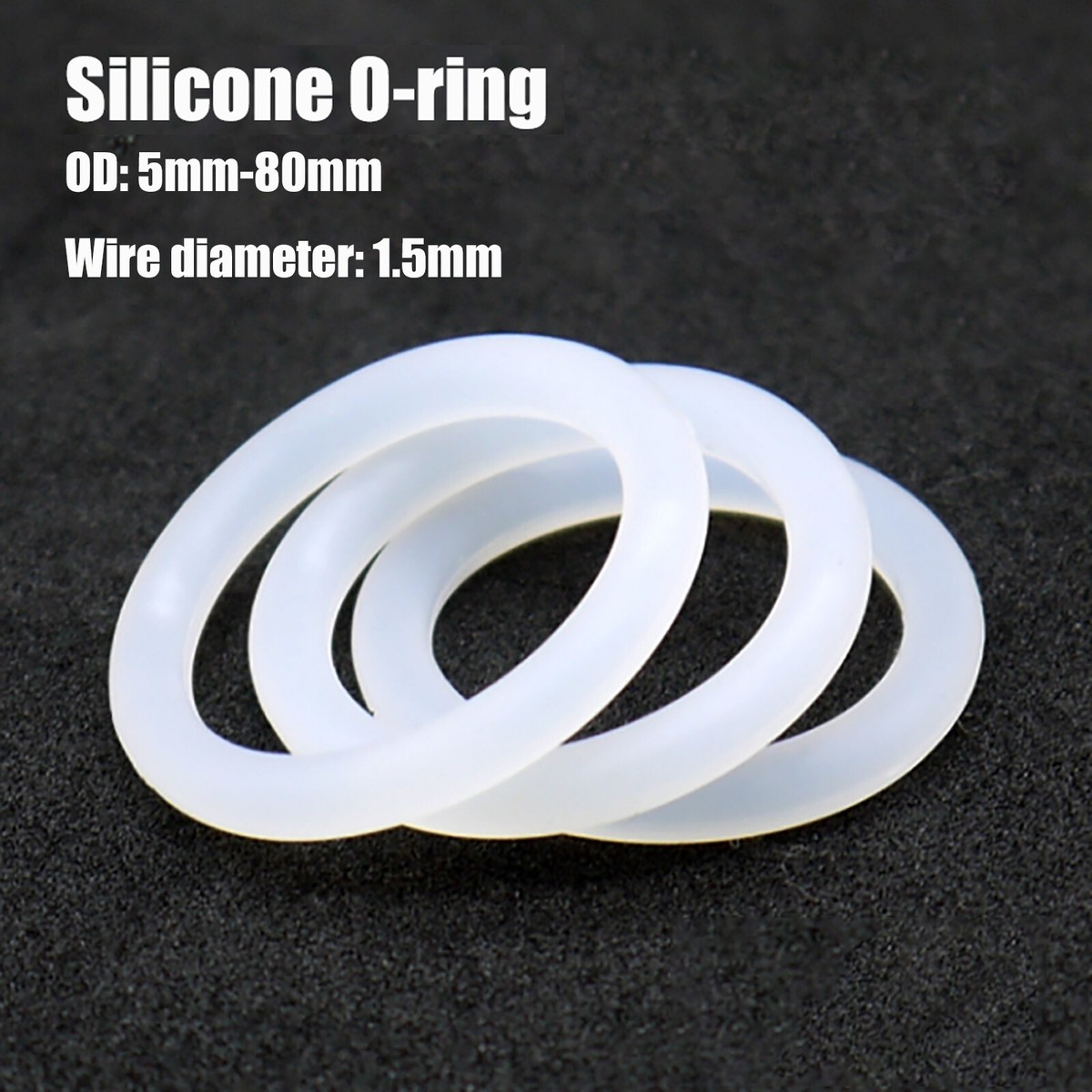
Engineering Insight: Material Selection in Clear Thick Plastic Sheets
In industrial applications requiring clear thick plastic sheets, material selection is not a matter of optical preference alone—it is a critical engineering decision that directly impacts performance, longevity, and system integrity. At Suzhou Baoshida Trading Co., Ltd., we emphasize that off-the-shelf solutions frequently fail under real-world operational conditions due to inadequate material properties, poor environmental resistance, or dimensional instability. These failures manifest as cracking under stress, clouding from UV exposure, or chemical degradation in aggressive environments.
Standard-grade acrylic or polycarbonate sheets may offer initial clarity and ease of fabrication, but they are often formulated for commercial or architectural use, not industrial demands. In high-vibration machinery enclosures, chemical processing view windows, or outdoor-rated equipment housings, such materials exhibit premature failure. For instance, general-purpose polycarbonate yellows when exposed to prolonged UV radiation and is susceptible to stress cracking when in contact with hydrocarbons or alcohols. Similarly, standard acrylic lacks impact resistance and thermal stability, making it unsuitable for dynamic load environments.
The correct material must balance optical clarity with mechanical resilience, chemical inertness, and thermal performance. At Baoshida, we guide clients toward purpose-engineered polymers such as UV-stabilized polycarbonate, optical-grade PMMA with enhanced toughness, or specialty copolyesters designed for transparency and durability. These materials undergo rigorous testing for haze resistance, tensile strength, and environmental aging to ensure they meet the operational envelope of industrial systems.
Moreover, thickness selection must align with structural requirements. A 10 mm sheet may suffice for a static display panel but fail under cyclic loading in a hydraulic press guard. Engineers must evaluate deflection limits, load distribution, and mounting constraints to determine the optimal gauge. Improper thickness can lead to warping, optical distortion, or catastrophic fracture.
We advocate for application-specific formulation rather than dimensional substitution. A successful design integrates material science with mechanical engineering principles, ensuring that clarity does not compromise safety or function.
Below is a comparison of key engineering plastics used in industrial clear thick sheet applications:
| Material | Thickness Range (mm) | Tensile Strength (MPa) | UV Resistance | Chemical Resistance | Max Continuous Use Temp (°C) |
|---|---|---|---|---|---|
| Standard Acrylic | 3 – 100 | 70 | Low | Moderate | 80 |
| UV-Stabilized PC | 3 – 150 | 65 | High | Low to Moderate | 120 |
| Optical PMMA | 5 – 120 | 80 | Moderate | High | 90 |
| Copolyester (PETG) | 3 – 50 | 55 | High | High | 70 |
Material selection is the foundation of reliable performance in clear thick plastic sheet applications. Off-the-shelf options may reduce initial cost but increase total cost of ownership through maintenance, downtime, and replacement. At Baoshida, we deliver engineered solutions tailored to the operational lifecycle of your equipment.
Material Specifications
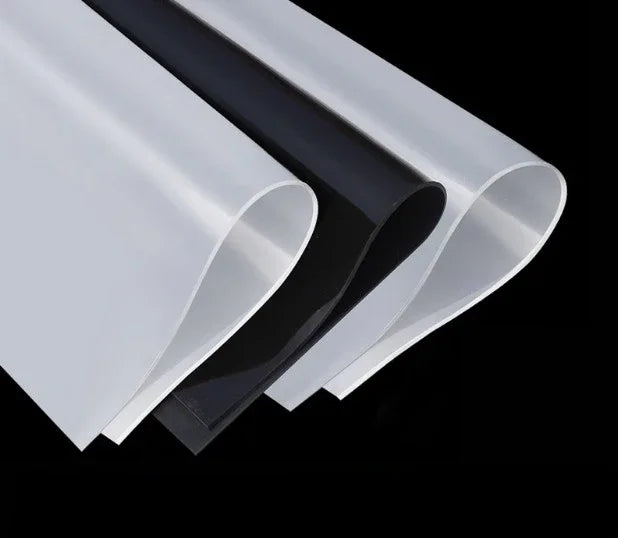
Material Specifications: Rubber Compounds for Industrial Sheet Applications
Suzhou Baoshida Trading Co., Ltd. clarifies a critical distinction for B2B manufacturing partners: true optical clarity in thick-section industrial materials is unattainable with standard rubber compounds. Viton, Nitrile, and Silicone are elastomers engineered for mechanical resilience, chemical resistance, and thermal stability—not transparency. Unlike acrylic or polycarbonate thermoplastics, rubber’s molecular chain entanglement inherently scatters light, resulting in translucent or opaque finishes even in thin gauges. For thick-section applications (≥3mm), light diffusion intensifies due to increased path length, eliminating viable clarity. Industrial rubber sheets prioritize functional performance over aesthetics; specifying “clear” rubber risks misaligned expectations and application failure.
Our engineered rubber sheets excel in demanding sealing, damping, and barrier roles where visual inspection is non-critical. Viton (FKM) delivers exceptional resistance to fuels, oils, and extreme temperatures. Nitrile (NBR) offers cost-effective resilience against petroleum-based fluids. Silicone (VMQ) provides flexibility across wide temperature ranges and biocompatibility. All are compounded for optimal compression set recovery in thick cross-sections—critical for maintaining seal integrity under prolonged load. Hardness ranges (40–90 Shore A) are precisely controlled to balance extrusion stability during sheet production with end-use deflection requirements.
The following table details comparative specifications for industrial rubber sheeting:
| Material | Key Properties | Temperature Range (°C) | Chemical Resistance | Typical Hardness Range (Shore A) | Primary Industrial Applications |
|---|---|---|---|---|---|
| Viton (FKM) | High heat/fuel resistance, low gas permeability | -20 to +250 | Excellent against oils, acids, solvents | 50–90 | Aerospace fuel systems, chemical processing seals, automotive turbo hoses |
| Nitrile (NBR) | Abrasion-resistant, good tensile strength | -30 to +120 | Excellent against petroleum, water, alcohols | 40–90 | Hydraulic seals, printing rolls, oilfield gaskets, general industrial hoses |
| Silicone (VMQ) | Low toxicity, high flexibility retention | -60 to +230 | Good against water, ozone, mild chemicals | 30–80 | Medical device components, food processing seals, high-temp electrical insulation |
Note that all rubber sheets exhibit inherent translucency at best; true optical clarity requires thermoplastic alternatives. Suzhou Baoshida’s rubber formulations prioritize dimensional stability in thick sections (up to 50mm), minimizing vulcanization-induced shrinkage through controlled peroxide curing. Compression set values for 25mm-thick sheets remain ≤20% after 70 hours at 150°C for Viton, ensuring long-term sealing force retention.
For applications requiring visual monitoring, we recommend laminated solutions: rubber sheets bonded to transparent polycarbonate substrates. This hybrid approach leverages rubber’s sealing properties while enabling inspection. Suzhou Baoshida’s OEM team collaborates with clients to validate material suitability against ASTM D2000 standards, ensuring compliance with sector-specific fluid exposure, thermal cycling, and load-deflection requirements. Contact our engineering department to specify rubber sheeting optimized for your thick-section application—where performance, not clarity, defines success.
Manufacturing Capabilities
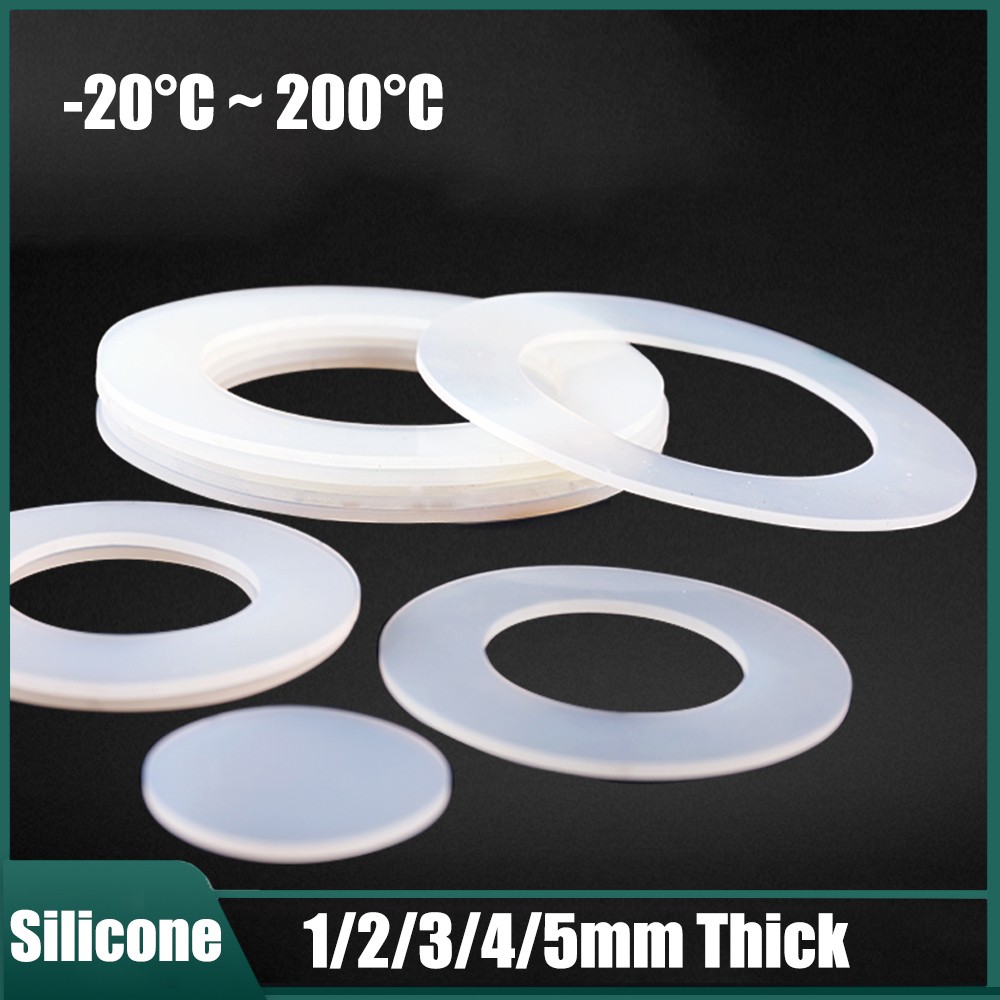
Engineering Capability: Precision-Driven Development for Industrial Rubber and Plastic Applications
At Suzhou Baoshida Trading Co., Ltd., our engineering capability is anchored in a dedicated team of technical specialists focused on delivering high-performance rubber and plastic material solutions for demanding industrial environments. Our core team comprises five experienced mould engineers and two advanced formula engineers, enabling us to support clients across the entire product development lifecycle—from concept and material formulation to precision tooling and scalable OEM manufacturing.
Our formula engineers specialize in polymer science with a focus on elastomer and thermoplastic compound development. They are responsible for designing custom rubber formulations that meet exact performance criteria, including resistance to temperature extremes, UV exposure, chemical degradation, and mechanical stress. This expertise extends to the development of specialized clear thick plastic sheets, where optical clarity, impact resistance, and dimensional stability are critical. By tailoring base resins, additives, and processing parameters, we ensure that each sheet product achieves optimal balance between transparency, toughness, and long-term durability.
Complementing this material expertise, our five mould engineers bring deep knowledge in precision tool design and manufacturing processes. They utilize advanced CAD/CAM software and finite element analysis (FEA) to simulate flow, cooling, and stress distribution during the injection and compression moulding of thick-section plastic components. This ensures minimal warpage, consistent wall thickness, and superior surface finish—particularly vital for clear sheets where visual defects are unacceptable. Our in-house tooling oversight allows rapid prototyping, design iteration, and seamless transition to high-volume production.
We offer full OEM (Original Equipment Manufacturer) services, supporting global partners in the automotive, electronics, medical device, and industrial equipment sectors. Our OEM capability includes confidential product development, strict adherence to ISO standards, batch traceability, and compliance with international material regulations such as RoHS and REACH. Clients benefit from a single-source solution where material formulation, mould design, and production are fully integrated, reducing lead times and improving quality control.
The following table outlines key technical specifications achievable with our clear thick plastic sheet manufacturing process:
| Property | Typical Value | Test Standard |
|---|---|---|
| Thickness Range | 3.0 – 25.0 mm | ASTM D785 |
| Light Transmission (at 3mm) | ≥ 89% | ASTM D1003 |
| Haze | ≤ 1.5% | ASTM D1003 |
| Tensile Strength | 65 – 75 MPa | ASTM D638 |
| Flexural Modulus | 2.8 – 3.2 GPa | ASTM D790 |
| Heat Deflection Temperature (HDT) | 105 – 115°C @ 1.8 MPa | ASTM D648 |
| Operating Temperature Range | -40°C to +120°C | ISO 188 |
| Flame Rating | UL94 HB | UL 94 |
Through the synergy of material science and precision engineering, Suzhou Baoshida delivers technically robust, visually flawless plastic sheet solutions tailored to the functional demands of modern industrial applications.
Customization Process
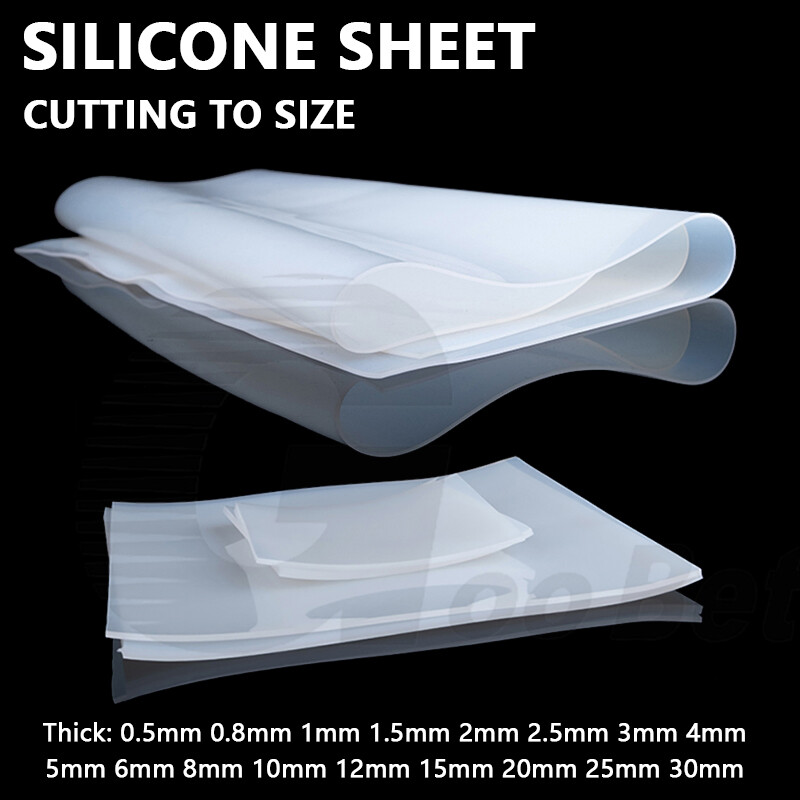
Customization Process for Rubber Components in Clear Thick Plastic Sheet Applications
At Suzhou Baoshida Trading Co., Ltd., our industrial rubber solutions are engineered to integrate seamlessly with clear thick plastic sheets (e.g., acrylic, polycarbonate) in demanding OEM environments. This process ensures rubber components—such as gaskets, seals, or vibration dampeners—meet exact optical, mechanical, and environmental requirements when paired with rigid transparent substrates. We execute a rigorous four-phase workflow to eliminate interface failures and performance degradation.
Drawing Analysis
Our engineering team initiates with granular scrutiny of client technical drawings, focusing on dimensional tolerances, surface finish specifications, and thermal expansion coefficients of the plastic sheet. Critical parameters include groove geometry for rubber insertion, expected deflection under load, and UV exposure zones. We cross-reference ASTM D2003 (plastic sheet standards) with ISO 3302 (rubber tolerance classes) to identify conflict points, such as mismatched CTE values that could cause delamination. Finite element analysis (FEA) simulates stress distribution at the rubber-plastic junction under operational temperatures (-40°C to +120°C), ensuring no optical distortion or seal failure occurs.
Formulation
Based on analysis outcomes, our rubber chemists develop custom compounds balancing transparency, elasticity, and adhesion. Standard rubber formulations lack optical clarity; thus, we prioritize halogenated butyl or silicone bases with proprietary optical brighteners and nano-silica fillers. Key adjustments address plastic sheet compatibility:
Reducing filler content to 5–15 phr to maintain >85% light transmission
Incorporating adhesion promoters (e.g., silanes) for polycarbonate bonding
Optimizing Shore A hardness (60–80) to prevent plastic sheet warping
All formulations undergo accelerated aging tests per ISO 188, verifying no yellowing or haze formation when laminated against clear plastics.
Prototyping
Precision-molded prototypes are produced using CNC-machined aluminum tooling, adhering to ISO 2768-mK tolerances. Each prototype undergoes three-phase validation:
1. Dimensional inspection via CMM against client CAD data, with ±0.05mm tolerance on critical sealing surfaces
2. Optical clarity testing using haze meters (ASTM D1003) to confirm <5% haze at 3mm thickness
3. Functional trials under simulated conditions (e.g., 500k compression cycles, 85% RH exposure)
Client feedback drives iterative refinements, typically within 10–15 days, before tooling sign-off.
Mass Production
Approved designs transition to automated production in ISO 14644 Class 8 cleanrooms. We deploy multi-cavity compression molding with real-time cavity pressure monitoring to ensure uniform density. Every batch undergoes 100% visual inspection for inclusions or surface defects that could scatter light. Statistical process control (SPC) tracks hardness (±3 Shore A), tensile strength (±10%), and adhesion peel strength (≥4.5 kN/m to polycarbonate). Final shipments include traceability logs linking rubber lots to specific plastic sheet batches, mitigating field incompatibility risks.
Critical Rubber Properties for Clear Plastic Sheet Integration
| Property | Target Range | Test Standard | Significance for Plastic Sheets |
|---|---|---|---|
| Light Transmission | 85–92% (3mm) | ASTM D1003 | Prevents visual distortion in optical assemblies |
| Shore A Hardness | 60–80 | ASTM D2240 | Balances seal force without deforming plastic |
| CTE (20–80°C) | 180–220 x 10⁻⁶/°C | ISO 11359-2 | Matches acrylic/polycarbonate expansion |
| Peel Adhesion | ≥4.5 kN/m | ASTM D903 | Ensures long-term bond integrity |
| Compression Set (70°C) | ≤15% (22h) | ASTM D395 | Maintains sealing pressure over service life |
This systematic approach guarantees rubber components that preserve the optical integrity and structural reliability of clear thick plastic sheet assemblies, from aerospace glazing to medical device enclosures. Baoshida’s OEM partnership delivers zero-defect transition from prototype to volume production.
Contact Engineering Team

For industrial manufacturers seeking precision-engineered clear thick plastic sheets tailored for demanding applications, Suzhou Baoshida Trading Co., Ltd. delivers high-performance solutions backed by deep expertise in industrial rubber and polymer materials. As a trusted OEM partner, we specialize in custom-formulated thermoplastics and elastomeric composites that meet rigorous standards for clarity, durability, chemical resistance, and mechanical strength. Our clear thick plastic sheets are engineered for use in sectors such as automotive sealing systems, medical device enclosures, industrial machinery view windows, and protective barriers where optical clarity and structural integrity are non-negotiable.
At Suzhou Baoshida, we understand that material performance is directly tied to application success. That is why our engineering team collaborates closely with clients to evaluate environmental stressors—UV exposure, temperature cycling, abrasion, and chemical contact—and select or develop the optimal polymer matrix. Whether specifying polycarbonate (PC), polymethyl methacrylate (PMMA), or specialty co-extruded laminates, we ensure each sheet meets exact dimensional tolerances and optical clarity requirements. Our production capabilities include precision calendering, extrusion, and post-processing such as CNC trimming, drilling, and surface treatment to enhance adhesion or anti-fog properties.
We maintain strict quality control protocols aligned with ISO 9001 standards, conducting in-line spectral transmittance testing, tensile strength validation, and haze measurement to guarantee consistency across production batches. All materials are traceable, and full certification packages—including RoHS, REACH, and FDA compliance documentation—are available upon request. Our agile supply chain enables rapid prototyping and scalable volume manufacturing, supporting both short-run development projects and long-term supply agreements.
To ensure seamless integration into your production workflow, we offer technical data sheets, material safety data sheets (MSDS), and direct engineering consultation to support material qualification and regulatory submissions. Our clear thick plastic sheets are available in standard and custom thicknesses, with surface finishes ranging from optical-grade polish to anti-reflective or scratch-resistant coatings.
For immediate technical support or to request sample materials for evaluation, contact Mr. Boyce, Rubber Formula Engineer and OEM Manager at Suzhou Baoshida Trading Co., Ltd. He will provide detailed formulation insights, lead time estimates, and pricing based on your specific performance criteria and volume requirements.
| Property | Typical Value | Test Method |
|---|---|---|
| Thickness Range | 1.0 – 15.0 mm | ISO 2818 |
| Light Transmittance (at 3mm) | ≥ 89% | ASTM D1003 |
| Haze | ≤ 1.5% | ASTM D1003 |
| Tensile Strength (Yield) | 65 MPa (PC) | ISO 527-2 |
| Vicat Softening Temperature | 145°C (PC) | ISO 306 |
| Operating Temperature Range | -40°C to +120°C | Internal |
| Chemical Resistance | Excellent to oils, greases, aliphatic hydrocarbons | ISO 175 |
Contact Mr. Boyce directly at [email protected] to initiate a technical discussion or request a formal quotation. Include your application details, required dimensions, and performance specifications for a tailored response within 24 business hours.
⚖️ O-Ring Weight Calculator
Estimate rubber O-ring weight (Approx).