
Technical Contents
Engineering Guide: Coir Runner
Engineering Insight: Material Selection Imperatives for Coir-Reinforced Rubber Conveyor Belts
The term “coir runner” within industrial rubber contexts specifically denotes conveyor belt systems utilizing coconut coir fiber reinforcement within the rubber carcass. While coir offers distinct advantages such as high tensile strength, low elongation, and biodegradability, its integration into demanding conveyor applications presents unique material science challenges. Off-the-shelf rubber conveyor belts incorporating coir frequently fail prematurely in industrial settings due to inadequate material selection that neglects the complex interplay between the natural fiber, the polymer matrix, and operational stressors. Generic formulations fail to address coir’s inherent hydroscopic nature, leading to dimensional instability and interfacial delamination when exposed to humidity or moisture common in agriculture, waste handling, or tropical environments. Furthermore, standard rubber compounds lack the tailored adhesion promoters necessary for robust coir-rubber bonding, resulting in catastrophic fiber pull-out under tension or impact loads. Thermal degradation is another critical failure mode; conventional elastomers like SBR or low-grade NR used in economical belts cannot withstand sustained temperatures exceeding 60°C, causing premature hardening, cracking, and loss of flexibility around the coir reinforcement.
Material selection must transcend basic tensile strength metrics. The polymer matrix requires precise engineering to manage coir’s moisture sensitivity through hydrophobic modifiers and coupling agents like silanes. Vulcanization systems must be optimized to cure deeply within the dense coir weave without scorching, a balance rarely achieved in mass-produced belts. Crucially, abrasion resistance – often the primary wear mechanism – is heavily dependent on the rubber compound’s resilience and filler dispersion, not merely the presence of coir. Standard formulations exhibit significantly higher abrasion loss rates compared to engineered solutions, directly impacting belt lifespan and operational costs. Dynamic fatigue resistance, essential for belts navigating pulleys and impacts, is frequently overlooked in generic products, leading to rapid carcass failure at stress points.
The table below contrasts critical performance parameters between standard off-the-shelf coir-reinforced belts and engineered solutions developed for specific industrial duty cycles:
| Performance Parameter | Standard Off-the-Shelf Belt | Engineered Coir-Reinforced Belt | Test Standard |
|---|---|---|---|
| Abrasion Loss (mm³) | 100 – 150 | 35 – 55 | ASTM D5963 |
| Maximum Continuous Temp (°C) | 60 | 90 – 100 | ISO 188 |
| Tensile Strength (MPa) | 12 – 18 | 22 – 28 | ISO 37 |
| Elongation at Break (%) | 250 – 350 | 180 – 250 | ISO 37 |
| Moisture-Induced Dimensional Change (%) | > 5.0 | < 1.5 | Custom Protocol |
These discrepancies underscore why application-specific engineering is non-negotiable. Suzhou Baoshida Trading Co., Ltd. leverages advanced compounding techniques, rigorous environmental testing, and OEM collaboration to formulate coir-reinforced belts where the rubber matrix actively synergizes with the natural fiber. This approach mitigates the root causes of failure inherent in generic solutions, delivering predictable service life and reduced total cost of ownership in targeted industrial applications. Material selection is not a commodity decision; it is the foundational engineering variable determining operational reliability.
Material Specifications
Material Specifications for Coir Runner Applications
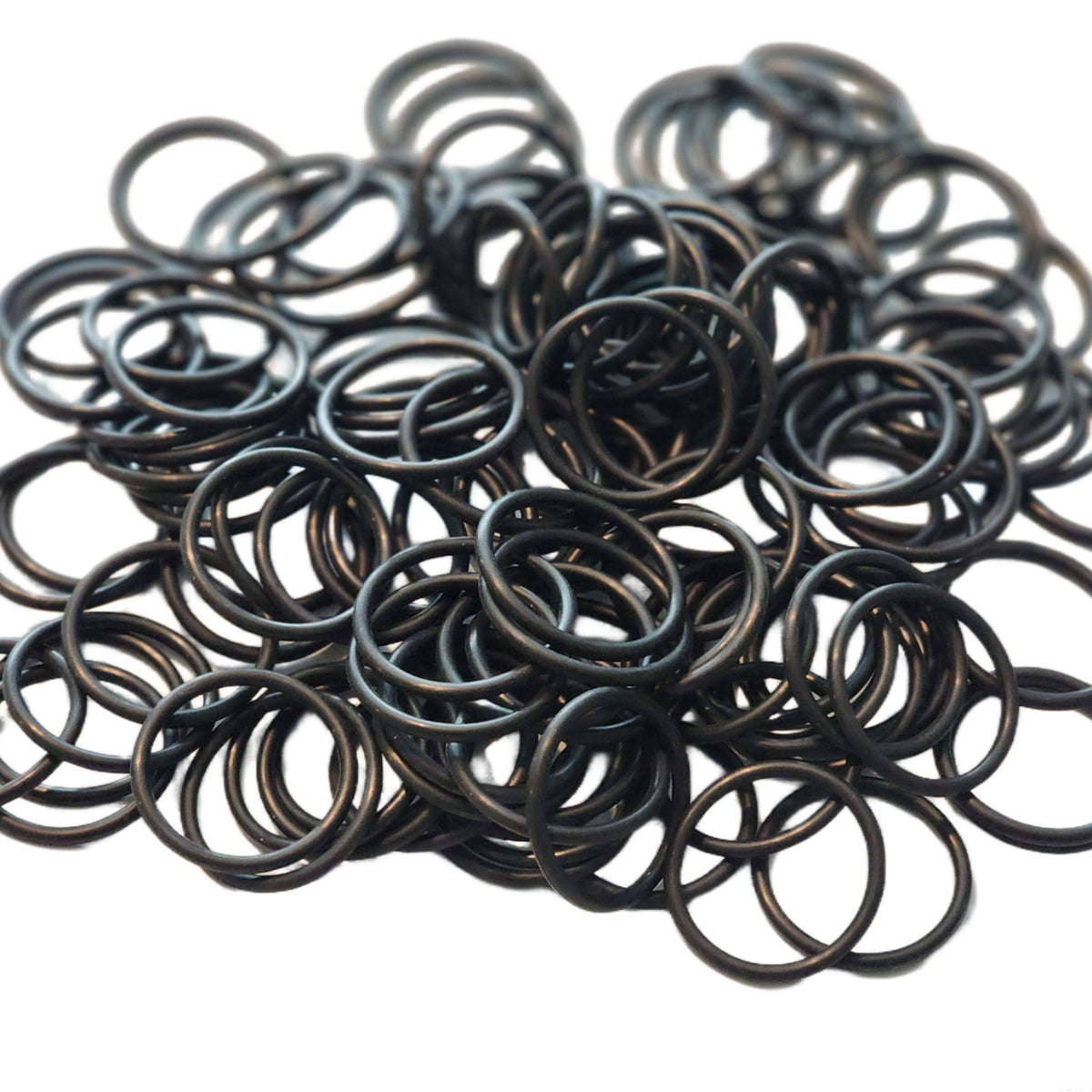
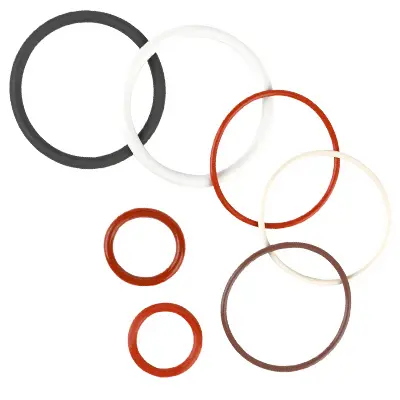
In industrial environments where coir runners interface with mechanical systems, the selection of elastomeric sealing and protective materials is critical to ensuring long-term durability, chemical resistance, and operational integrity. Suzhou Baoshida Trading Co., Ltd. provides high-performance rubber solutions tailored to the demanding conditions encountered in coir processing and handling equipment. The three primary elastomers utilized—Viton, Nitrile (NBR), and Silicone—each offer distinct advantages depending on the operational parameters such as temperature exposure, fluid compatibility, and mechanical stress.
Viton, a fluorocarbon-based rubber (FKM), is engineered for extreme chemical resistance and high-temperature performance. It maintains structural stability in the presence of oils, fuels, acids, and many solvents, making it ideal for environments where coir runners are exposed to aggressive cleaning agents or lubricants. With a continuous service temperature range of -20°C to 230°C, Viton ensures reliable performance under thermal cycling and prolonged heat exposure. Its low gas permeability and excellent aging characteristics further enhance its suitability for sealed industrial systems.
Nitrile rubber (NBR) remains one of the most widely used elastomers in industrial sealing due to its outstanding resistance to petroleum-based oils and fuels. For coir runner applications involving contact with hydraulic fluids or greases, NBR provides a cost-effective and mechanically robust solution. It exhibits good abrasion resistance and tensile strength, crucial for components subjected to friction and wear. The operational temperature range of Nitrile spans from -30°C to 108°C, making it suitable for moderate environments. However, its performance degrades when exposed to ozone, UV radiation, or polar solvents, necessitating protective measures in certain installations.
Silicone rubber (VMQ) is selected primarily for its exceptional thermal stability and flexibility at low temperatures. With a service range from -60°C to 200°C, silicone maintains elasticity in cryogenic conditions and resists hardening or cracking under thermal stress. While it offers limited resistance to oils and fuels compared to Viton or Nitrile, silicone excels in applications requiring high purity, UV resistance, and biocompatibility. In coir runner systems operating in clean or outdoor environments, silicone provides long-term resilience against weathering and ozone degradation.
The following table summarizes key physical and chemical properties of these materials to guide optimal selection:
| Property | Viton (FKM) | Nitrile (NBR) | Silicone (VMQ) |
|---|---|---|---|
| Temperature Range (°C) | -20 to 230 | -30 to 108 | -60 to 200 |
| Tensile Strength (MPa) | 15–20 | 10–25 | 5–8 |
| Elongation at Break (%) | 200–300 | 250–500 | 200–700 |
| Hardness (Shore A) | 60–90 | 50–90 | 30–80 |
| Resistance to Oils & Fuels | Excellent | Excellent | Poor |
| Resistance to Ozone/UV | Excellent | Good | Excellent |
| Resistance to Acids/Bases | Excellent | Fair | Good |
| Compression Set Resistance | Excellent | Good | Good |
Each material must be evaluated in the context of the specific coir runner application, balancing performance requirements with cost and environmental exposure. Suzhou Baoshida Trading Co., Ltd. supports OEMs with material testing, formulation customization, and technical validation to ensure optimal integration into industrial systems.
Manufacturing Capabilities
Engineering Capabilities: Precision Rubber Component Manufacturing
Suzhou Baoshida Trading Co., Ltd. leverages integrated engineering expertise to deliver mission-critical rubber components, including specialized core runner systems for industrial molding applications. Our technical foundation rests on a dedicated team of five mold design engineers and two rubber formulation specialists, operating within a vertically integrated OEM framework. This structure ensures seamless translation of client specifications into high-performance, production-ready solutions with uncompromised material integrity and dimensional accuracy.
Our mold engineering team employs advanced CAD/CAM systems and finite element analysis (FEA) to optimize runner geometry, gate placement, and thermal management. This precision minimizes material waste, reduces cycle times, and eliminates flow inconsistencies in complex molding operations. Each design undergoes rigorous virtual prototyping to validate pressure distribution and cooling efficiency, ensuring first-article success rates exceeding 92% for demanding automotive and industrial clients. Critical tolerances for core runners are consistently maintained within ±0.05 mm, directly enhancing part consistency and reducing scrap rates in high-volume production.
Complementing this, our rubber formulation engineers specialize in developing proprietary elastomer compounds tailored to specific application stresses. We analyze end-use requirements—including dynamic loading, chemical exposure, and temperature extremes—to engineer formulations with precise vulcanization kinetics, tear resistance, and compression set properties. This scientific approach ensures core runners withstand repeated thermal cycling and mechanical shear without degradation, directly extending mold tool life and maintaining flow integrity over 500,000+ cycles. All compounds are validated through ASTM D2000-compliant testing protocols prior to production release.
As a certified OEM partner, we manage the entire product lifecycle under strict IP protection protocols. Clients retain full ownership of tooling and specifications, while our facility handles material sourcing, molding, post-cure processing, and 100% dimensional validation. This eliminates third-party dependencies and accelerates time-to-market by 30% compared to fragmented supply chains. Our ISO 9001:2015-certified processes include real-time SPC monitoring and traceability from raw material lot to finished component.
Material performance is central to our core runner solutions. The table below summarizes key compound options engineered for molding system reliability:
| Material Type | Hardness (Shore A) | Tensile Strength (MPa) | Elongation at Break (%) | Key Application Advantages |
|---|---|---|---|---|
| Custom EPDM | 55–75 | 12–18 | 250–400 | Extreme heat/ozone resistance; low compression set |
| High-Purity Silicone | 40–60 | 7–10 | 400–600 | Biocompatibility; ultra-wide temp range (-60°C to 230°C) |
| Reinforced NBR | 60–80 | 15–22 | 200–350 | Fuel/oil resistance; high abrasion durability |
| Specialty TPE | 50–70 | 8–14 | 300–500 | Rapid cycling; low viscosity for thin runners |
All formulations undergo client-specific validation against ISO 37 and ISO 188 standards. Suzhou Baoshida’s engineering synergy—combining mold physics with molecular science—delivers core runners that maximize molding efficiency while minimizing total cost of ownership. We partner with clients to transform technical challenges into competitive advantages through data-driven material and design innovation.
Customization Process
Drawing Analysis: Precision in Initial Evaluation
The customization process for coir runner production begins with a comprehensive drawing analysis, serving as the foundation for all subsequent development stages. At Suzhou Baoshida Trading Co., Ltd., our engineering team conducts a rigorous review of technical drawings provided by the client, verifying dimensional accuracy, tolerance specifications, and functional design intent. This phase includes geometric dimensioning and tolerancing (GD&T) validation, material zone mapping, and identification of critical performance areas such as wear surfaces, compression zones, and interface points. Our engineers use CAD-integrated inspection tools to simulate fit and function within the intended application environment, ensuring compliance with OEM standards. Any discrepancies or optimization opportunities are communicated through formal engineering feedback, enabling collaborative refinement prior to material selection.
Formulation: Tailored Rubber Compound Development
Following drawing validation, the formulation stage focuses on developing a proprietary rubber compound optimized for the coir runner’s operational demands. Our Rubber Formula Engineers analyze required physical properties—tensile strength, abrasion resistance, hardness, and resilience—based on application parameters such as load frequency, surface contact, and environmental exposure. Suzhou Baoshida leverages a modular compounding approach, integrating natural rubber (NR), styrene-butadiene rubber (SBR), or ethylene propylene diene monomer (EPDM) as base polymers, reinforced with carbon black or silica fillers. Additives including anti-oxidants, plasticizers, and vulcanizing agents are precisely metered to achieve target Shore A hardness and aging resistance. Each formulation is documented and archived for batch traceability, ensuring consistency across production cycles.
Prototyping: Functional Validation and Iteration
Once the compound is finalized, a pilot batch of coir runners is produced using precision molding techniques. Prototypes are subjected to a battery of in-house tests, including compression set, tear strength, and dynamic friction analysis. Dimensional conformity is verified via coordinate measuring machine (CMM) inspection against the original drawing. Functional testing is conducted under simulated operational conditions to assess durability and interface compatibility. Client feedback is integrated into potential design or material refinements, with a maximum of two prototype iterations typically required before approval. This phase ensures that both form and function meet exacting industrial standards.
Mass Production: Scalable, Quality-Assured Manufacturing
Upon prototype approval, the project transitions to mass production. Suzhou Baoshida employs automated molding lines with real-time process monitoring to maintain consistency. Each production batch undergoes statistical process control (SPC) checks, with hardness, weight, and dimensional sampling conducted at defined intervals. Final inspection includes 100% visual screening and random destructive testing to validate compound integrity.
Typical Coir Runner Technical Specifications
| Property | Test Method | Typical Value |
|---|---|---|
| Hardness (Shore A) | ASTM D2240 | 60 ± 5 |
| Tensile Strength | ASTM D412 | ≥12 MPa |
| Elongation at Break | ASTM D412 | ≥250% |
| Tear Resistance | ASTM D624 | ≥40 kN/m |
| Compression Set (24h @ 70°C) | ASTM D395 | ≤20% |
| Specific Gravity | ASTM D297 | 1.15 ± 0.05 |
All production units are packaged with batch-specific certification, including material test reports and dimensional compliance documentation, ensuring full traceability and adherence to industrial quality benchmarks.
Contact Engineering Team
Contact Suzhou Baoshida for Precision Coir Runner Manufacturing Solutions
Suzhou Baoshida Trading Co., Ltd. stands at the forefront of industrial rubber compounding and OEM manufacturing, specializing in engineered solutions for demanding applications. Our coir runner products exemplify this commitment, integrating natural coir fiber reinforcement within high-performance rubber matrices to deliver exceptional durability, slip resistance, and environmental resilience. These critical components are essential for industrial flooring, conveyor systems, and safety matting where consistent traction and longevity under heavy loads are non-negotiable. We understand that substandard materials lead to premature failure, operational downtime, and increased lifecycle costs—risks our scientifically formulated compounds are designed to eliminate.
Our coir runners are not generic commodities but precision-engineered products developed through rigorous material science protocols. Each formulation undergoes extensive laboratory testing and real-world validation to ensure compliance with international industrial standards, including ASTM D2240 for hardness and ISO 48 for tensile properties. The strategic incorporation of treated coir fiber enhances mechanical stability while maintaining eco-friendly credentials, a balance rarely achieved by conventional synthetic alternatives. Below details the core technical specifications defining our premium coir runner series:
| Property | Standard Value | Test Method | Industrial Significance |
|---|---|---|---|
| Material Composition | NR/SBR + Coir Fiber | Visual/FTIR | Optimal balance of elasticity & reinforcement |
| Tensile Strength | ≥ 18 MPa | ASTM D412 | Resists tearing under mechanical stress |
| Elongation at Break | 350% – 450% | ASTM D412 | Accommodates dynamic loads without fracture |
| Hardness (Shore A) | 75 ± 5 | ASTM D2240 | Maintains surface grip while absorbing impact |
| Abrasion Resistance | ≤ 120 mm³ loss | ASTM D5963 | Extends service life in high-traffic zones |
| Operating Temperature | -30°C to +80°C | ISO 188 | Stable performance across diverse climates |
| Customization Capability | Full OEM Tailoring | Client Specs | Adapts to unique dimensional/load requirements |
Suzhou Baoshida’s value proposition extends beyond material excellence. Our vertically integrated supply chain guarantees batch-to-batch consistency, while our in-house R&D team collaborates directly with clients to solve complex application challenges—from chemical exposure in manufacturing plants to extreme weather resilience in port facilities. We prioritize seamless integration into your production workflow, offering just-in-time logistics and stringent QC documentation (including MTRs and COAs) to meet your operational timelines and compliance mandates.
For project-specific technical consultation or OEM partnership discussions, direct engagement with our engineering leadership is essential. Contact Mr. Boyce, our dedicated OEM Manager, to initiate a solutions-focused dialogue. Provide your application parameters, volume requirements, and performance targets to receive a targeted formulation proposal within 48 hours. Mr. Boyce will coordinate material sampling, factory audits, and contractual terms aligned with your strategic objectives. Do not settle for off-the-shelf compromises when your operational efficiency depends on precision-engineered rubber.
Contact Mr. Boyce Immediately
Email: [email protected]
Subject Line: Coir Runner OEM Inquiry – [Your Company Name]
Include: Required dimensions, annual volume, critical performance criteria, and target delivery schedule. Our engineering team will respond with a technical roadmap and quotation, demonstrating how Suzhou Baoshida’s coir runners optimize your total cost of ownership. Partner with us to transform material specifications into measurable operational reliability.
⚖️ O-Ring Weight Calculator
Estimate rubber O-ring weight (Approx).