
Technical Contents
Engineering Guide: Collector Gasket
Engineering Insight: Material Selection Imperatives for Collector Gaskets
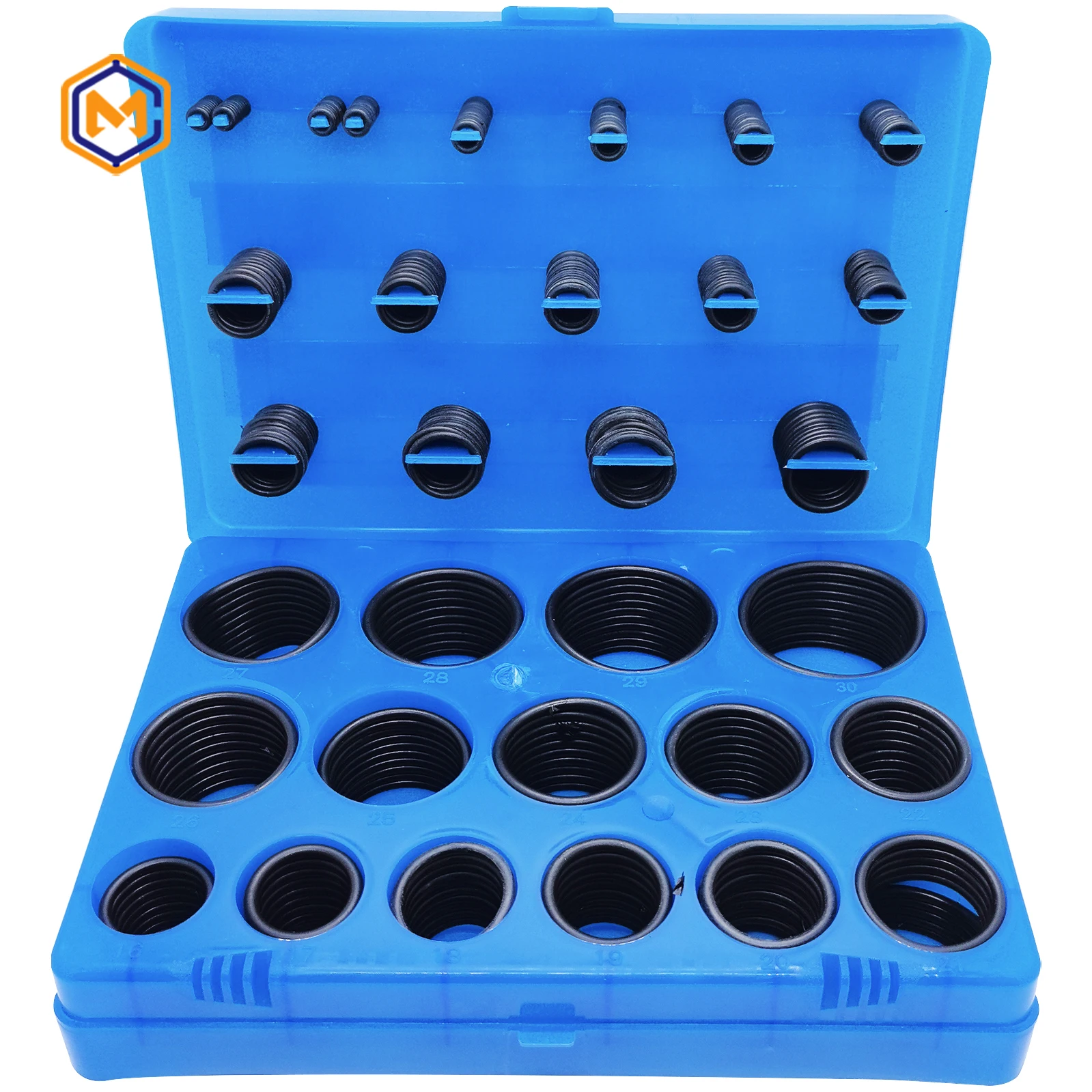
Collector gaskets serve as critical fluid interface components in demanding industrial systems, including hydraulic manifolds, coolant distribution units, and pneumatic control assemblies. Their primary function extends beyond simple sealing; they must maintain integrity under dynamic pressure cycles, thermal transients, and prolonged exposure to aggressive media. Off-the-shelf elastomer gaskets frequently fail in these applications due to inadequate material formulation for the specific operational profile. Generic solutions often prioritize cost and availability over the precise chemical, thermal, and mechanical resistance required, leading to premature degradation, leakage, and costly system downtime. Understanding the root causes of these failures is essential for specifying reliable sealing solutions.
Material failure in collector gaskets typically manifests through three key mechanisms: chemical degradation, compression set, and thermal instability. Standard NBR or basic EPDM compounds may exhibit acceptable initial sealing but rapidly deteriorate when exposed to modern synthetic hydraulic fluids, biodiesel blends, or high-temperature coolants. Hydrocarbon permeation swells and weakens the elastomer matrix, while oxidation at elevated temperatures accelerates chain scission, causing hardening and loss of resilience. Crucially, compression set—the permanent loss of elastic recovery after prolonged deflection—is the most insidious failure mode. Off-the-shelf gaskets often utilize lower-grade polymers or insufficient cure systems, resulting in irreversible deformation under constant load. This compromises the sealing force, creating micro-leak paths even if the gasket appears intact. Temperature excursions further exacerbate this, as many standard compounds exceed their glass transition point (Tg) during operation, losing elasticity.
The following table outlines critical material properties for common collector gasket elastomers under typical industrial conditions:
| Material | Continuous Temp Range (°C) | Key Fluid Resistance | Compression Set (24h @ 150°C) | Critical Limitation |
|---|---|---|---|---|
| Standard EPDM | -50 to +150 | Water, Steam, Alkalis | 25-35% | Poor resistance to petroleum oils, fuels |
| Standard FKM (VMQ) | -20 to +200 | Mineral Oils, Fuels, Many Acids | 15-25% | Limited low-temp flexibility, poor brake fluid resistance |
| ACM (Specialty Grade) | -30 to +175 | Automatic Transmission Fluids, Lubricants | 20-30% | Vulnerable to water hydrolysis, ozone degradation |
Suzhou Baoshida Trading Co., Ltd. addresses these challenges through precision compound engineering. We reject one-size-fits-all approaches, instead developing custom formulations where polymer backbone chemistry, filler systems, and cure packages are optimized for the client’s exact fluid media, temperature profile, and mechanical load requirements. Our engineered compounds utilize high-purity peroxide cures for superior compression set resistance, specialty monomers for enhanced chemical barrier properties, and tailored filler networks to maintain elasticity across extreme thermal cycles. This scientific methodology ensures the gasket maintains its designed sealing force throughout its service life, preventing the leakage pathways inherent in generic alternatives. Material selection is not a commodity decision; it is the foundational engineering parameter determining system reliability and operational longevity in critical collector applications. Precision-engineered elastomers are the only viable solution for demanding industrial environments.
Material Specifications
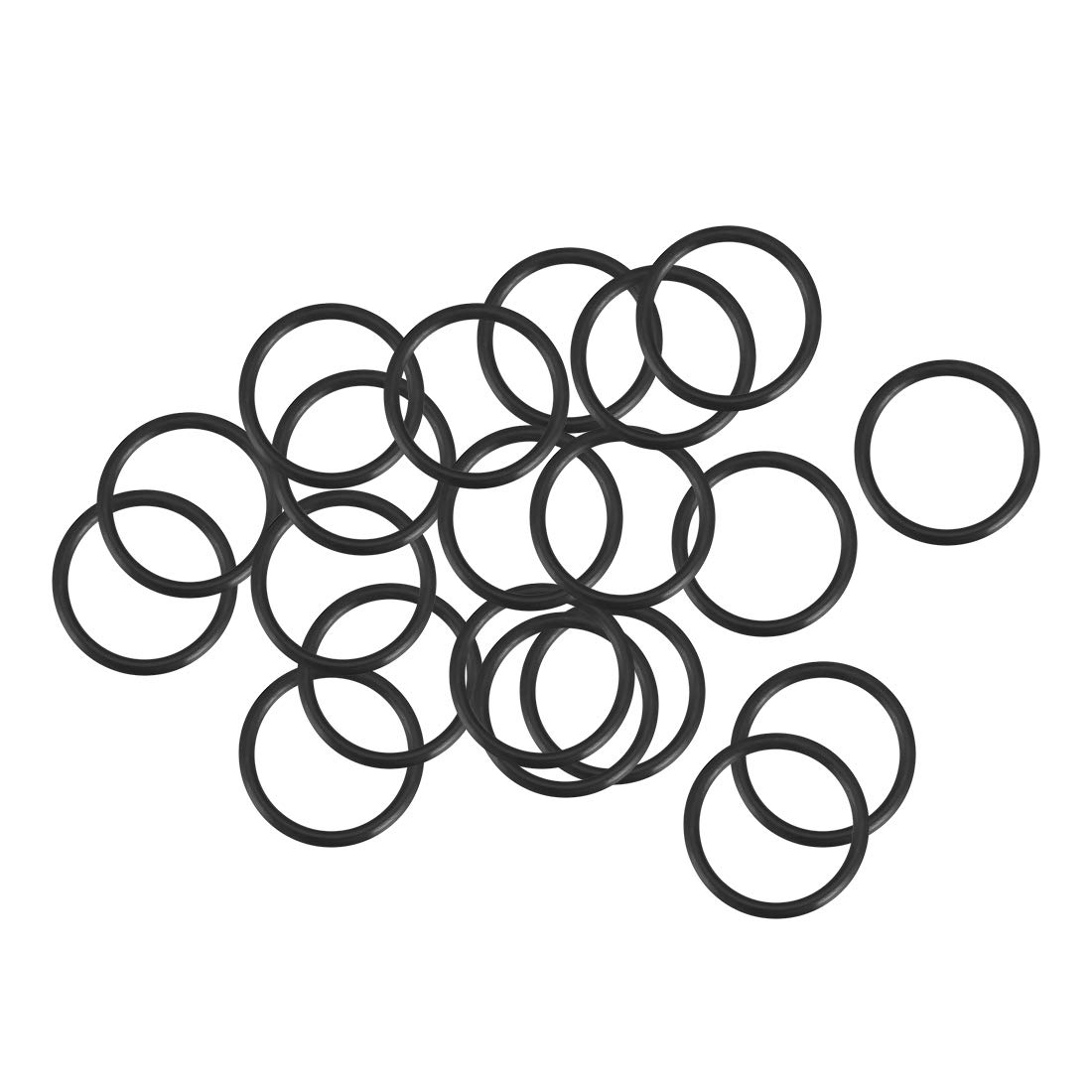
Material selection is a critical determinant in the performance and longevity of collector gaskets used in demanding industrial environments. At Suzhou Baoshida Trading Co., Ltd., we specialize in precision rubber seals engineered to meet rigorous operational standards across automotive, aerospace, chemical processing, and energy sectors. Our core materials—Viton, Nitrile (NBR), and Silicone—are selected based on chemical compatibility, thermal stability, mechanical resilience, and sealing efficiency under dynamic or static conditions.
Viton, a fluorocarbon-based elastomer (FKM), offers superior resistance to high temperatures, oils, fuels, and a broad spectrum of aggressive chemicals. With continuous service capabilities up to 230°C and intermittent tolerance exceeding 260°C, Viton is ideal for applications involving exposure to hydrocarbons, aromatic fuels, and oxidizing agents. Its low gas permeability and excellent aging characteristics make it a preferred choice in high-performance sealing systems where reliability under extreme conditions is non-negotiable.
Nitrile rubber, or Buna-N, is a cost-effective solution for applications requiring strong resistance to petroleum-based oils, hydraulic fluids, and aliphatic hydrocarbons. Operating effectively within a temperature range of -30°C to 120°C, Nitrile provides excellent abrasion resistance and mechanical strength. It is widely used in industrial hydraulics, fuel systems, and pneumatic equipment where moderate thermal stability and high physical durability are required. However, its performance diminishes in the presence of ozone, weathering, and polar solvents, limiting its use in outdoor or highly oxidative environments.
Silicone rubber (VMQ) excels in applications demanding wide thermal flexibility and biocompatibility. Capable of functioning from -60°C to 200°C, with short-term exposure tolerance up to 230°C, silicone maintains elasticity and structural integrity across extreme thermal cycles. It exhibits excellent resistance to UV radiation, ozone, and weathering, making it suitable for outdoor and high-purity applications such as food processing, medical devices, and semiconductor manufacturing. While silicone has relatively low tensile strength and poor resistance to hydrocarbon fuels, its electrical insulation properties and low compression set enhance its utility in static sealing roles.
The following table summarizes key physical and chemical properties of these materials for comparative evaluation:
| Property | Viton (FKM) | Nitrile (NBR) | Silicone (VMQ) |
|---|---|---|---|
| Temperature Range (°C) | -20 to 230 | -30 to 120 | -60 to 200 |
| Tensile Strength (MPa) | 15–20 | 10–25 | 5–8 |
| Elongation at Break (%) | 150–250 | 200–500 | 200–600 |
| Hardness (Shore A) | 60–90 | 50–90 | 30–80 |
| Compression Set (22h, 150°C) | 15–25% | 20–40% | 10–20% |
| Resistance to Oils & Fuels | Excellent | Excellent | Poor |
| Resistance to Ozone/UV | Excellent | Good | Excellent |
| Chemical Resistance | Broad (acids, bases) | Moderate (non-polar) | Limited |
Each material presents distinct advantages tailored to specific operational profiles. Selection must be guided by application-specific stressors including media exposure, temperature cycling, mechanical load, and regulatory compliance. Suzhou Baoshida Trading Co., Ltd. supports OEMs and industrial partners with material testing, custom formulation, and precision molding to ensure optimal gasket performance.
Manufacturing Capabilities
Engineering Capability: Precision Rubber Seals for Collector Gasket Applications
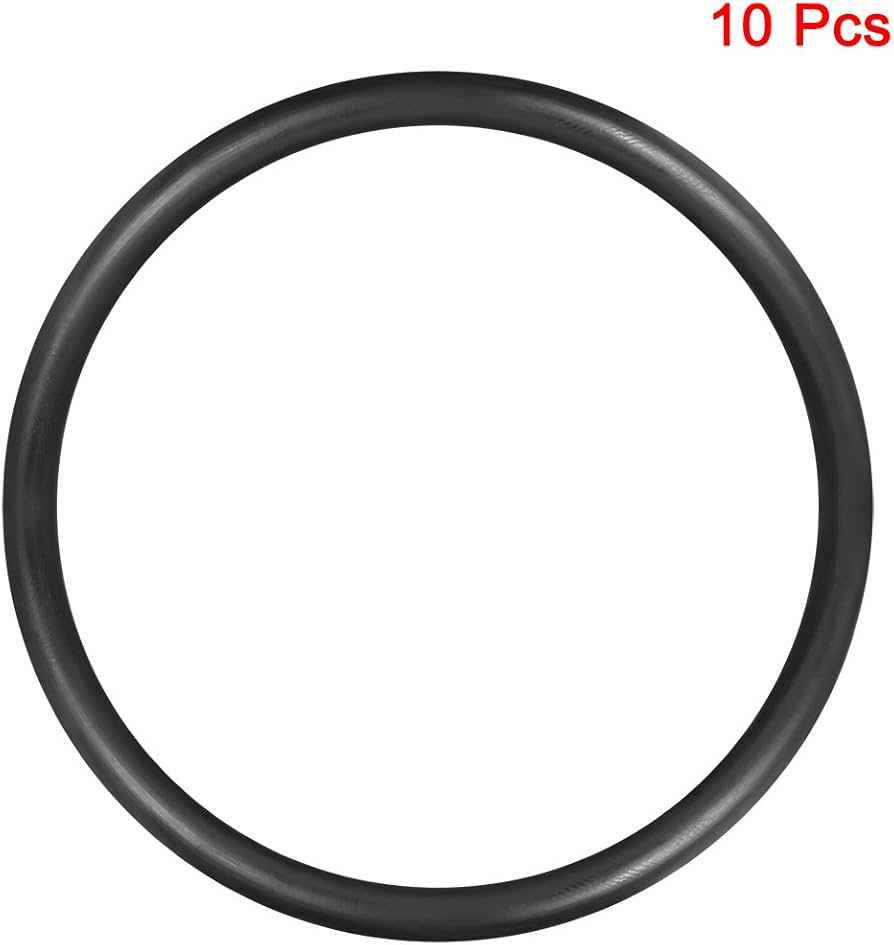
Suzhou Baoshida Trading Co., Ltd. operates beyond conventional trading by integrating deep engineering expertise into every collector gasket solution. Our in-house technical team comprises five dedicated Mold Engineers and two specialized Rubber Formula Engineers, enabling end-to-end control from material science to precision manufacturing. This structure ensures OEM partners receive not just components, but engineered sealing systems validated for critical performance parameters under extreme operational demands.
Our Rubber Formula Engineers focus on elastomer chemistry optimization for collector gasket applications, where resistance to thermal cycling, chemical exposure, and compression set is non-negotiable. We develop proprietary blends using FKM, EPDM, and specialty silicone compounds, tailoring polymer architecture to mitigate swelling in aggressive media (e.g., fuel cell coolants, industrial lubricants) while maintaining low-temperature flexibility down to -50°C. Each formulation undergoes rigorous ASTM D2000 characterization, with iterative adjustments to crosslink density and filler dispersion to achieve target compression set values below 25% after 70°C/72h exposure. This molecular-level precision directly translates to extended service life and reduced leakage rates in dynamic sealing interfaces.
Complementing material science, our Mold Engineering team executes precision tooling strategies for complex gasket geometries. Utilizing 3D CAD/CAM simulation (SolidWorks, Moldflow), we optimize cavity design to eliminate knit lines in critical sealing zones, control flash tolerance to ≤0.1mm, and ensure uniform material flow for consistent durometer distribution. This capability is essential for multi-ported collector gaskets requiring exacting flatness tolerances (±0.05mm) across large surface areas. All molds undergo rigorous in-house validation via CMM metrology before production release, guaranteeing dimensional repeatability across high-volume runs.
As an OEM solutions partner, we co-develop gaskets integrated into assembly processes. Our engineers collaborate during the design phase to address manufacturability constraints, thermal expansion mismatches, and installation force requirements. For instance, we recently engineered a low-compression-force FKM gasket for a hydrogen fuel cell collector, reducing assembly time by 18% while maintaining zero leakage at 2.5MPa differential pressure. This holistic approach—from compound formulation to mold validation—ensures gaskets perform as engineered system components, not isolated parts.
Critical Collector Gasket Specifications Achieved via Integrated Engineering
| Parameter | Typical Value | Test Standard | Application Relevance |
|---|---|---|---|
| Material Hardness | 60–90 Shore A | ASTM D2240 | Balances sealing force & recovery |
| Tensile Strength | ≥15 MPa | ASTM D412 | Resists extrusion under pressure |
| Compression Set (70°C) | ≤25% | ASTM D395 | Ensures long-term sealing force retention |
| Fluid Resistance (IRM 903) | Volume Swell ≤15% | ASTM D471 | Critical for coolant/fuel compatibility |
| Temperature Range | -50°C to +230°C | ISO 188 | Supports thermal cycling stability |
| Durometer Tolerance | ±3 Shore A | ISO 48-4 | Uniform sealing pressure distribution |
| Dimensional Tolerance | ±0.10 mm (critical) | ISO 3302 | Prevents misalignment in collector stacks |
This engineering synergy—material science precision paired with mold technology excellence—positions Suzhou Baoshida as a strategic OEM partner. We deliver collector gaskets that consistently exceed OEM durability and reliability benchmarks, reducing total cost of ownership through minimized field failures and extended maintenance intervals. Our technical team stands ready to translate your sealing challenges into validated elastomeric solutions.
Customization Process
Drawing Analysis
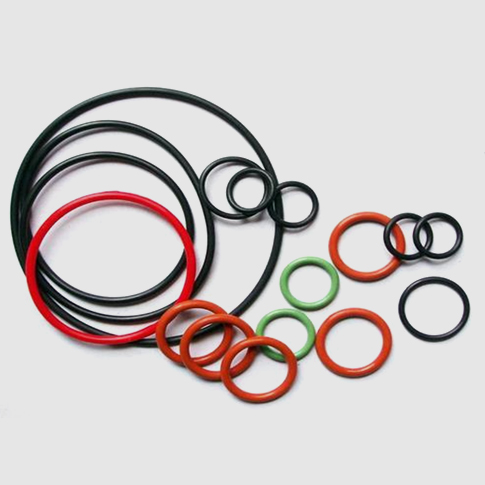
The customization process for a collector gasket begins with rigorous drawing analysis, a foundational step that ensures dimensional accuracy and functional compliance. At Suzhou Baoshida Trading Co., Ltd., our engineering team evaluates customer-provided technical drawings with precision, focusing on critical parameters such as outer diameter, inner diameter, thickness, groove dimensions, and surface finish requirements. Tolerance grades are cross-referenced against ISO 3302 and ISO 2768 standards to validate manufacturability. Any ambiguities or potential design conflicts—such as insufficient compression set allowance or inadequate sealing contact area—are flagged for collaborative review. This phase integrates CAD software verification and feasibility simulation to preempt assembly or performance issues, ensuring the final gasket will operate reliably under specified thermal, pressure, and chemical conditions.
Formulation Development
Following drawing validation, our rubber formula engineers initiate material formulation tailored to the operational environment of the collector gasket. The selection of base polymer—commonly NBR, EPDM, FKM, or silicone—is determined by exposure to media such as oils, coolants, or exhaust gases, as well as temperature ranges. Hardness is optimized between 50 to 90 Shore A to balance sealing force and compression recovery. Special additives are incorporated to enhance ozone resistance, thermal stability, or low-temperature flexibility, depending on application demands. Each compound is documented under internal batch control standards and subjected to preliminary testing for cure characteristics using Moving Die Rheometry (MDR). The resulting formulation is then aligned with international material certifications, including ASTM D2000 and ROHS compliance, ensuring suitability for automotive, industrial, or HVAC systems.
Prototyping and Validation
A functional prototype is produced using precision compression or injection molding, replicating production tooling geometry. Prototypes undergo dimensional inspection via CMM (Coordinate Measuring Machine) and are tested for compression set (ASTM D395), tensile strength (ASTM D412), and fluid resistance. Real-world simulation tests, including pressure decay leak testing and thermal cycling, are conducted to validate sealing integrity. Customer feedback is integrated at this stage, allowing for iterative refinements in design or material before tooling finalization. Lead time for prototype delivery typically ranges from 7 to 14 days, depending on complexity.
Mass Production
Upon approval, the project transitions to mass production using automated molding lines with in-process quality controls. Each batch is traceable through lot numbering, and first-article inspection reports are generated. Final products are packaged per OEM requirements, with options for vacuum sealing or anti-corrosion wrapping.
Typical Collector Gasket Specifications
| Parameter | Standard Range | Test Method |
|---|---|---|
| Material | NBR, EPDM, FKM, Silicone | ASTM D2000 |
| Hardness | 50–90 ±5 Shore A | ASTM D2240 |
| Tensile Strength | ≥8 MPa | ASTM D412 |
| Elongation at Break | ≥200% | ASTM D412 |
| Compression Set (24h) | ≤25% (70°C) | ASTM D395 |
| Operating Temperature | -40°C to +230°C (varies by material) | — |
| Tolerance (Dimensions) | ISO 3302 Class M2 or M3 | ISO 3302 |
Contact Engineering Team
Contact Suzhou Baoshida for Precision Collector Gasket Engineering Solutions
In critical fluid handling and sealing applications, the performance integrity of collector gaskets directly impacts system reliability, operational safety, and total cost of ownership. Generic off-the-shelf solutions often fail to address the nuanced material science and dimensional tolerances required for demanding industrial environments. Suzhou Baoshida Trading Co., Ltd. specializes in engineered rubber formulations and precision manufacturing for OEM-grade collector gaskets, ensuring optimal compression set resistance, chemical compatibility, and long-term sealing stability under dynamic thermal and pressure cycles. Our technical team leverages decades of polymer chemistry expertise and advanced molding capabilities to transform your functional requirements into validated sealing components.
We understand that gasket failure in collector systems—whether in hydraulic manifolds, fuel distribution networks, or semiconductor process tools—carries significant operational risk. Our approach begins with rigorous material characterization against your specific media exposure, temperature profile, and mechanical load conditions. Through iterative prototyping and accelerated life testing, we develop custom elastomer compounds that exceed industry standards while optimizing cost efficiency. This collaborative engineering process eliminates the guesswork inherent in standard catalog parts, delivering gaskets engineered for your exact application lifecycle.
The table below summarizes key performance parameters achievable through our tailored formulation and manufacturing process. All specifications are validated per ASTM, ISO, or customer-defined test protocols.
| Property | Standard Range (NBR Base) | High-Performance Option (FKM) | Customizable Threshold |
|---|---|---|---|
| Hardness (Shore A) | 60–90 | 65–85 | ±2 units |
| Tensile Strength (MPa) | ≥10.0 | ≥12.0 | Up to 25.0 |
| Elongation at Break (%) | ≥200 | ≥150 | Optimized per stress profile |
| Compression Set (70h/100°C) | ≤25% | ≤15% | Target ≤10% |
| Fluid Resistance (IRMOG) | Volume swell ≤15% | Volume swell ≤8% | Media-specific tuning |
| Operating Temperature | -30°C to +120°C | -20°C to +200°C | Down to -55°C / Up to +300°C |
Partnering with Suzhou Baoshida means engaging a technical OEM supplier committed to your engineering success, not merely fulfilling a purchase order. Our quality management system is ISO 9001:2015 certified, with full traceability from raw material batch to finished component. We support rapid prototyping, PPAP documentation, and continuous process refinement through statistical process control on critical dimensions. For high-volume production, our automated molding lines ensure micron-level consistency while maintaining the material integrity essential for zero-leakage performance.
Initiate a preventative engineering consultation with Mr. Boyce, our dedicated Technical OEM Manager, to resolve your collector gasket challenges at the source. Provide your application specifications, failure mode analysis, or performance targets via email to [email protected]. Mr. Boyce will coordinate a cross-functional review within 24 business hours, delivering a formal technical proposal including material validation data, dimensional conformance reports, and a scalable production timeline. Do not compromise system integrity with suboptimal sealing solutions—contact Suzhou Baoshida to implement gasket engineering that performs reliably under your most stringent operational demands. Your next-generation collector system deserves precision sealing engineered for zero compromise.
⚖️ O-Ring Weight Calculator
Estimate rubber O-ring weight (Approx).