
Technical Contents
Engineering Guide: Compression Door Weather Stripping
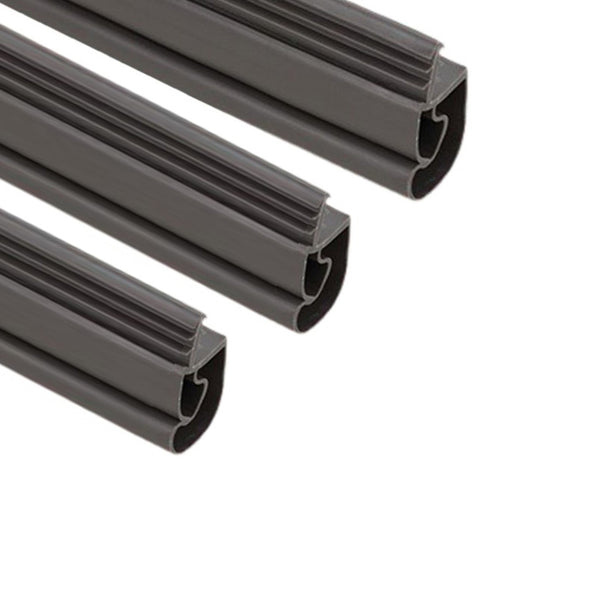
Engineering Insight: Material Science Imperatives in Compression Door Weather Stripping
Compression door weather stripping represents a critical interface between structural integrity and environmental control in commercial and industrial applications. Standardized, off-the-shelf solutions frequently underperform or fail prematurely due to fundamental mismatches between generic material formulations and the specific, demanding operational profiles encountered in real-world installations. This failure stems not from inherent flaws in the concept of compression sealing, but from the neglect of precise material science principles during selection. Generic strips often utilize cost-optimized elastomers like basic SBR or low-grade EPDM with insufficient consideration for the complex interplay of compression set resistance, thermal stability, fluid exposure, and dynamic cycling requirements unique to each door system and environment.
The core failure mechanism lies in inadequate resistance to permanent deformation, quantified as compression set. Off-the-shelf products typically employ formulations with suboptimal crosslink density and polymer backbone stability. Under sustained compressive load – especially across wide temperature excursions common in unconditioned spaces or exterior applications – these materials undergo irreversible molecular rearrangement. The result is a loss of sealing force, leading to air infiltration, water ingress, energy loss, and compromised acoustic performance. Furthermore, exposure to ozone, UV radiation, automotive fluids, or industrial chemicals rapidly degrades unsaturated polymers like standard SBR, causing surface cracking and embrittlement that generic suppliers rarely adequately address in their base formulations. The dynamic nature of door operation, involving repeated compression and recovery cycles, further accelerates failure in materials lacking precise resilience and fatigue resistance tailored to the expected cycle count.
Material selection must therefore be an engineered solution, not a commodity purchase. Critical parameters extend far beyond basic hardness (Shore A). Optimal performance requires elastomers with saturated molecular backbones (e.g., high-purity, triad-rich EPDM, specialty ACM, or fluorosilicones for extreme conditions) formulated with advanced curatives and protective additives. Precise control over polymer molecular weight distribution, filler type and dispersion, and antioxidant package is essential to achieve the necessary balance of low-temperature flexibility, high-temperature stability, and exceptional recovery. The following table illustrates key performance differentiators between generic solutions and engineered formulations:
| Performance Parameter | Generic Off-the-Shelf Strip | Engineered OEM Formulation (Baoshida) | Critical Impact |
|---|---|---|---|
| Compression Set (ASTM D395) | 40-60% (70°C, 22h) | <25% (100°C, 22h) | Maintains sealing force over years; prevents gap formation and energy leakage. |
| Temperature Range | -20°C to +70°C | -50°C to +150°C | Reliable performance in extreme cold storage, desert heat, or near-engine zones. |
| Tensile Strength (ASTM D412) | 8-12 MPa | 15-20 MPa | Resists tearing during installation and door operation; withstands wind loads. |
| Fluid Resistance (IRMOG) | Poor (Swelling >30%) | Excellent (Swelling <10%) | Maintains integrity when exposed to oils, fuels, cleaning agents, or de-icers. |
Suzhou Baoshida Trading Co., Ltd. leverages deep expertise in rubber compounding and OEM collaboration to move beyond the limitations of generic strips. We analyze the specific door dynamics, environmental stressors, and lifecycle requirements to formulate weather stripping with precisely calibrated viscoelastic properties. This engineering-first approach ensures consistent sealing performance, extended service life, and reduced total cost of ownership – transforming weather stripping from a frequent point of failure into a reliable, long-term asset for demanding industrial and commercial applications. Material selection is not a cost center; it is the foundation of functional integrity.
Material Specifications
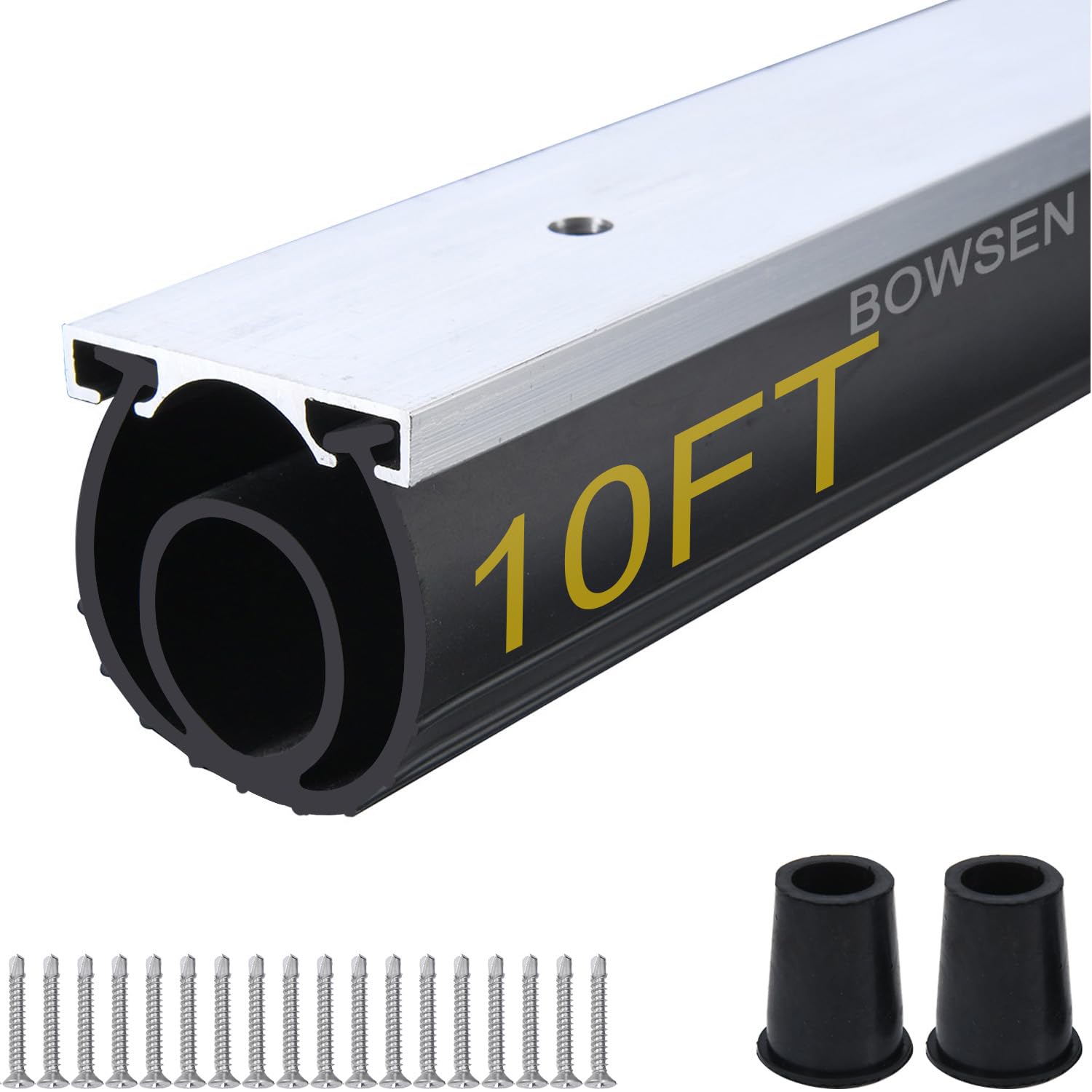
Material selection is a critical factor in the performance and longevity of compression door weather stripping used in industrial, automotive, and architectural applications. At Suzhou Baoshida Trading Co., Ltd., we specialize in high-performance rubber solutions tailored to meet rigorous environmental and mechanical demands. Our compression door weather stripping systems are engineered using three primary elastomers: Viton (FKM), Nitrile (NBR), and Silicone (VMQ). Each material offers distinct advantages depending on temperature range, chemical exposure, compression set resistance, and sealing requirements.
Viton, a fluorocarbon-based rubber, exhibits exceptional resistance to high temperatures, oils, fuels, and a broad range of aggressive chemicals. This makes it ideal for sealing applications in harsh industrial environments, aerospace systems, and engine compartments where thermal stability up to 250°C is required. Its low gas permeability and excellent aging characteristics ensure long-term reliability, although it comes at a higher material cost compared to alternatives.
Nitrile rubber, or Buna-N, is widely used for its outstanding resistance to petroleum-based oils and fuels. With a standard operating temperature range of -30°C to 120°C, Nitrile provides excellent mechanical strength and abrasion resistance, making it suitable for general-purpose sealing in automotive and manufacturing equipment. It offers a cost-effective solution for applications where exposure to hydraulic fluids, greases, and aliphatic hydrocarbons is common.
Silicone rubber delivers superior performance in extreme temperature conditions, functioning reliably from -60°C to 200°C. It maintains flexibility at low temperatures and resists degradation under prolonged heat exposure. Silicone is also highly resistant to ozone, UV radiation, and weathering, making it optimal for exterior architectural seals and outdoor enclosures. While it exhibits lower tensile strength compared to Nitrile, its electrical insulation properties and biocompatibility extend its use into medical and electronic housings.
The following table summarizes key physical and chemical properties of these materials for comparative evaluation in compression door weather stripping applications.
| Property | Viton (FKM) | Nitrile (NBR) | Silicone (VMQ) |
|---|---|---|---|
| Temperature Range (°C) | -20 to 250 | -30 to 120 | -60 to 200 |
| Tensile Strength (MPa) | 12–20 | 15–25 | 5–10 |
| Elongation at Break (%) | 150–300 | 200–500 | 200–600 |
| Hardness (Shore A) | 60–90 | 50–90 | 30–80 |
| Compression Set (22 hrs, 150°C) | <20% | 15–30% | 10–25% |
| Resistance to Oils & Fuels | Excellent | Excellent | Poor |
| Resistance to Ozone/UV | Excellent | Good | Excellent |
| Chemical Resistance | Excellent | Moderate | Good (limited acids/bases) |
| Cost Level | High | Low to Medium | Medium |
Selecting the appropriate elastomer requires a balanced assessment of operational conditions, service life expectations, and cost targets. Suzhou Baoshida Trading Co., Ltd. provides customized formulation and extrusion capabilities to ensure optimal performance across diverse industrial sealing challenges.
Manufacturing Capabilities
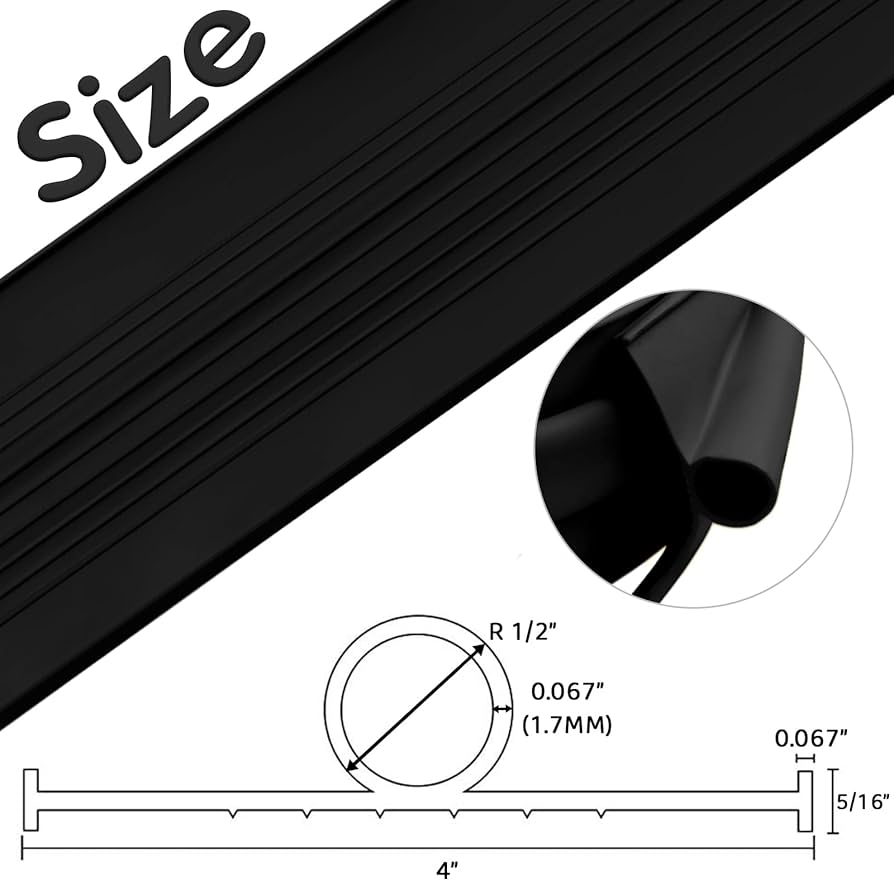
Engineering Capability: Precision Development for Compression Door Weather Stripping
Suzhou Baoshida Trading Co., Ltd. leverages deep technical expertise to deliver engineered compression door weather stripping solutions that meet stringent industrial performance criteria. Our dedicated engineering team comprises five specialized mould designers and two advanced rubber formula engineers, ensuring end-to-end control from material science to tooling precision. This integrated structure eliminates siloed development, enabling rapid iteration and validation of complex sealing profiles under real-world conditions. We prioritize dimensional stability, compression set resistance, and environmental durability as non-negotiable parameters in all formulations.
Our formula engineering team focuses on custom elastomer compound development, optimizing EPDM, silicone, and TPE systems for specific client applications. Through rigorous laboratory testing—including ASTM D2000 classification validation, accelerated aging per ISO 188, and dynamic compression set analysis at -40°C to +150°C—we ensure compounds maintain sealing integrity across extreme thermal cycles and chemical exposures. Material formulations are fine-tuned for extrusion processability, minimizing scrap rates while achieving tight tolerances of ±0.15mm on critical sealing surfaces. Each compound undergoes finite element analysis (FEA) simulation to predict compression behavior under load, guaranteeing consistent force distribution and leak prevention in final assembly.
As an OEM-focused manufacturer, we execute full turnkey projects from prototype to mass production. Our capabilities include CAD/CAM mould design for multi-cavity tooling, automated rubber injection molding with real-time process monitoring, and 100% inline dimensional verification via optical scanning systems. We support clients through DFMEA collaboration, regulatory compliance documentation (REACH, RoHS), and batch traceability via blockchain-enabled material logs. Recent projects include bespoke low-temperature EPDM strips for Arctic-rated commercial vehicles and flame-retardant silicone profiles for high-speed rail applications, both achieving zero field failures after 24-month validation.
Material performance specifications for standard and custom compounds are summarized below:
| Parameter | Standard EPDM Compound | Custom Compound Range | Test Standard |
|---|---|---|---|
| Hardness (Shore A) | 70 ± 5 | 50–90 adjustable | ASTM D2240 |
| Tensile Strength (MPa) | ≥10.0 | ≥8.0–15.0 | ASTM D412 |
| Compression Set (%) | ≤25 @ 70°C/22h | ≤15 @ client-specified T | ASTM D395 Method B |
| Temp. Range (°C) | -40 to +125 | -60 to +180 | ISO 188 |
| Fluid Resistance | Gasoline, water, ozone | Custom chemical exposure | ASTM D471 |
This systematic engineering approach ensures our weather stripping delivers 100,000+ compression cycles without permanent deformation, directly reducing OEM assembly costs and enhancing end-product lifespan. Partner with Baoshida for technically validated sealing solutions where precision and reliability are mission-critical.
Customization Process
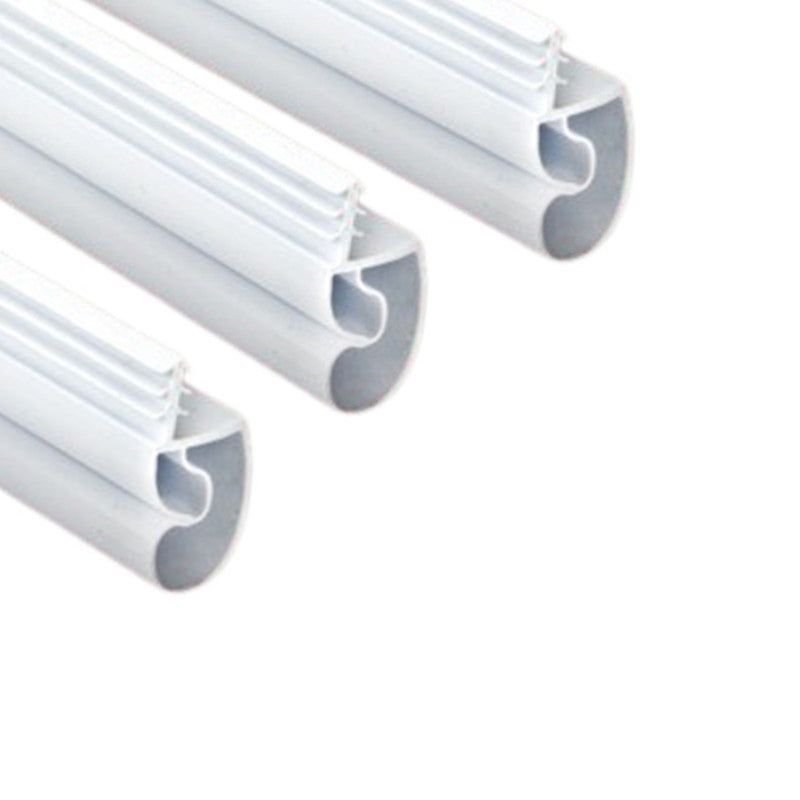
Compression Door Weather Stripping: Customization Process
At Suzhou Baoshida Trading Co., Ltd., our industrial rubber solutions are engineered for precision, durability, and performance in demanding environments. The customization process for compression door weather stripping follows a rigorous four-phase methodology: Drawing Analysis, Formulation, Prototyping, and Mass Production. Each phase is critical to ensuring that the final product meets exact OEM specifications and operational requirements.
The process begins with Drawing Analysis, where technical blueprints provided by the client are evaluated for dimensional accuracy, compression profile geometry, and installation interface. Our engineering team conducts a thorough review of cross-sectional tolerances, sealing surface angles, and mating component clearances. Finite element analysis (FEA) may be applied to simulate compression behavior under operational loads. This phase ensures design feasibility and identifies potential stress concentrations or material limitations before moving forward.
Following drawing validation, the Formulation phase commences. Based on environmental exposure—such as temperature range, UV resistance, ozone levels, and chemical contact—our rubber chemists select the optimal elastomer compound. Common base materials include EPDM for outdoor durability, silicone for extreme temperature stability, and neoprene for balanced mechanical and chemical resistance. Additives are precisely metered to enhance compression set resistance, tensile strength, and aging performance. All formulations are developed in accordance with ASTM D2000 standards and undergo preliminary lab testing for hardness, elongation, and thermal stability.
Once the compound is finalized, we proceed to Prototyping. Using precision extrusion and molding equipment, short-run samples are produced under controlled conditions that mirror mass production parameters. These prototypes are subjected to functional testing, including compression deflection analysis, air/water leakage checks, and cycle durability assessments. Clients receive physical samples along with material test reports (MTRs) for verification. Any necessary adjustments to profile dimensions or material properties are implemented at this stage to ensure optimal sealing performance.
Upon client approval, the project transitions into Mass Production. Our manufacturing facility operates under ISO 9001-certified quality management systems, ensuring consistency across large batches. Real-time process monitoring, statistical process control (SPC), and in-line inspection guarantee that every meter of weather stripping meets specified tolerances. Final products are packaged per client requirements and shipped with full traceability documentation.
The following table summarizes key technical specifications commonly associated with our compression door weather stripping solutions:
| Property | Typical Value | Test Standard |
|---|---|---|
| Hardness (Shore A) | 50–80 | ASTM D2240 |
| Tensile Strength | ≥8 MPa | ASTM D412 |
| Elongation at Break | ≥250% | ASTM D412 |
| Compression Set (22 hrs, 70°C) | ≤25% | ASTM D395 |
| Temperature Range | -40°C to +120°C (EPDM) | ASTM D1329 |
| Density | 1.2–1.3 g/cm³ | ASTM D297 |
This structured customization pathway ensures that every compression door weather stripping solution delivered by Suzhou Baoshida meets the highest standards of engineering integrity and industrial reliability.
Contact Engineering Team
Technical Engagement: Precision Compression Sealing Solutions
Suzhou Baoshida Trading Co., Ltd. operates at the critical intersection of advanced polymer science and demanding industrial manufacturing requirements. Our specialization in engineered rubber compounds, particularly for compression door weather stripping applications, is founded upon rigorous material formulation protocols and deep OEM process integration expertise. We understand that consistent sealing performance under variable thermal cycling, sustained compression loads, and environmental exposure is non-negotiable for automotive, aerospace, and heavy equipment integrity. Generic elastomer solutions often fail to address the precise balance of compression set resistance, force-deflection characteristics, and long-term resilience required in modern assembly lines. Our proprietary EPDM and specialty silicone formulations undergo iterative refinement to meet exacting dimensional stability and functional lifespan mandates, validated through accelerated aging protocols simulating 10+ years of field service.
The performance differentiators of our compression weather stripping are quantifiable through controlled material testing. Below represents the baseline performance envelope achievable with our standard production compounds, subject to customization based on specific OEM environmental and mechanical specifications.
| Property | Test Method | Suzhou Baoshida Standard Range | Significance for Door Sealing |
|---|---|---|---|
| Hardness (Shore A) | ASTM D2240 | 70 – 80 | Optimized balance: sufficient firmness for shape retention, adequate softness for low insertion force and conformability |
| Compression Set (70°C, 22h) | ASTM D395, Method B | ≤ 15% | Critical indicator of permanent deformation resistance; ensures long-term sealing force retention after compression |
| Tensile Strength (MPa) | ASTM D412 | ≥ 10.0 | Maintains structural integrity during installation and service cycling |
| Elongation at Break (%) | ASTM D412 | ≥ 300 | Accommodates door flexure and assembly tolerances without fracture |
| Temperature Range (Continuous) | ISO 188 | -40°C to +120°C | Reliable performance in extreme climates; resists hardening/cracking at low temp, softening at high temp |
| Ozone Resistance (200 pphm) | ASTM D1149 | No cracks (48h, 50°C) | Essential durability against atmospheric degradation, especially for exterior vehicle applications |
Achieving these specifications consistently requires more than raw material selection; it demands mastery of vulcanization kinetics, filler dispersion, and extrusion molding parameters. Our ISO 9001:2015 certified production facility implements real-time process monitoring and statistical process control (SPC) at every stage, from polymer blending through final profile curing. This ensures batch-to-batch repeatability critical for automated OEM assembly lines where seal dimensional variance directly impacts door closing effort and acoustic performance. We integrate seamlessly with client CAD/CAM systems for rapid prototyping and tooling validation, typically delivering functional samples within 15 working days for engineering sign-off.
OEM manufacturers require a partner capable of translating stringent functional requirements into robust, cost-effective sealing components without compromising on material science fundamentals. Suzhou Baoshida provides not just a product, but a validated engineering solution backed by decades of compound development experience and a commitment to supply chain resilience. Engage directly with our technical leadership to address specific application challenges, review material certification packages, or initiate a formal qualification process. Mr. Boyce, our dedicated OEM Manager and Rubber Formulation Specialist, possesses the cross-functional authority to align our R&D, production, and quality teams with your project timeline and performance targets. Initiate a technical dialogue to secure the dimensional stability, environmental resistance, and lifecycle performance your compression door weather stripping demands. Contact Mr. Boyce immediately at [email protected] to schedule an engineering consultation and receive comprehensive material data sheets for your specific application review. Precision sealing begins with the right technical partnership.
⚖️ O-Ring Weight Calculator
Estimate rubber O-ring weight (Approx).