
Technical Contents
Engineering Guide: Concrete Pump Hoses
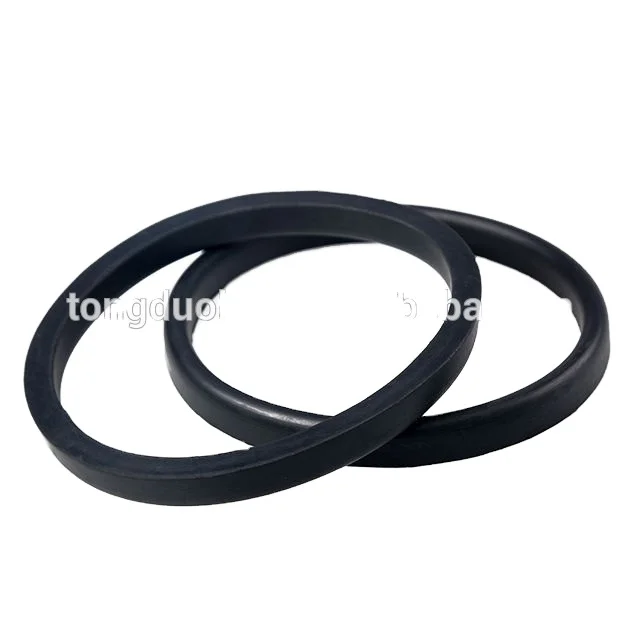
Engineering Insight: The Critical Role of Material Selection in Concrete Pump Hoses
In the demanding environment of concrete pumping operations, hose performance directly impacts system efficiency, safety, and total cost of ownership. While off-the-shelf rubber hoses may appear to offer cost-effective solutions, they frequently fail to meet the mechanical and chemical stresses inherent in high-pressure concrete delivery systems. The root cause lies in improper material selection—a compromise that leads to premature wear, structural failure, and unplanned downtime.
Concrete pump hoses are subjected to extreme abrasion from aggregate-laden slurry, cyclical pressure surges exceeding 150 bar, and exposure to alkaline cementitious materials. Standard rubber compounds, typically based on natural rubber or general-purpose SBR (styrene-butadiene), lack the resilience required under these conditions. They degrade rapidly due to swelling, micro-cracking, and delamination, especially at the inner tube and reinforcement interface. In contrast, engineered solutions utilize specialized elastomers such as high-abrasion-resistant synthetic rubber (e.g., NBR or EPDM blends) with optimized cross-linking systems to resist both chemical attack and mechanical fatigue.
The reinforcement architecture further depends on the elastomer’s compatibility. Poor bonding between rubber and steel wire braid—common in generic hoses—leads to separation under pulsating loads. High-performance hoses use adhesion-promoting primers and co-vulcanizing compounds to ensure permanent bonding between the rubber matrix and high-tensile steel reinforcements. This integration is critical for maintaining dimensional stability and burst resistance.
Another often-overlooked factor is temperature variability. Concrete mix temperatures can exceed 60°C during summer pours, while winter conditions may drop below freezing. Off-the-shelf hoses exhibit significant modulus shifts under thermal cycling, increasing the risk of kinking or joint leakage. Precision-formulated compounds maintain elastic properties across a broad temperature range, ensuring consistent performance.
Suzhou Baoshida Trading Co., Ltd. applies OEM-grade material science to tailor hose construction for specific pumping applications. By analyzing pump type, concrete mix design, and operating pressure profiles, we engineer solutions that extend service life by up to 3× compared to generic alternatives.
Below is a comparison of material performance characteristics in standard versus engineered concrete pump hoses:
| Property | Standard Hose (Generic) | Engineered Hose (Baoshida OEM) |
|---|---|---|
| Inner Tube Material | SBR/NR blend | High-abrasion NBR/EPDM composite |
| Abrasion Resistance (DIN 53516) | 120 mm³ loss | ≤60 mm³ loss |
| Operating Pressure (Max) | 100 bar | 160 bar |
| Temperature Range | -10°C to +70°C | -30°C to +90°C |
| Adhesion Strength (Rubber-Steel) | 8 kN/m | ≥16 kN/m |
| Expected Service Life (avg. cycles) | 1,500 | 4,500+ |
Material selection is not a commodity decision—it is a precision engineering requirement. At Baoshida, we ensure every hose meets the exacting standards of industrial durability, delivering reliability where generic solutions fall short.
Material Specifications
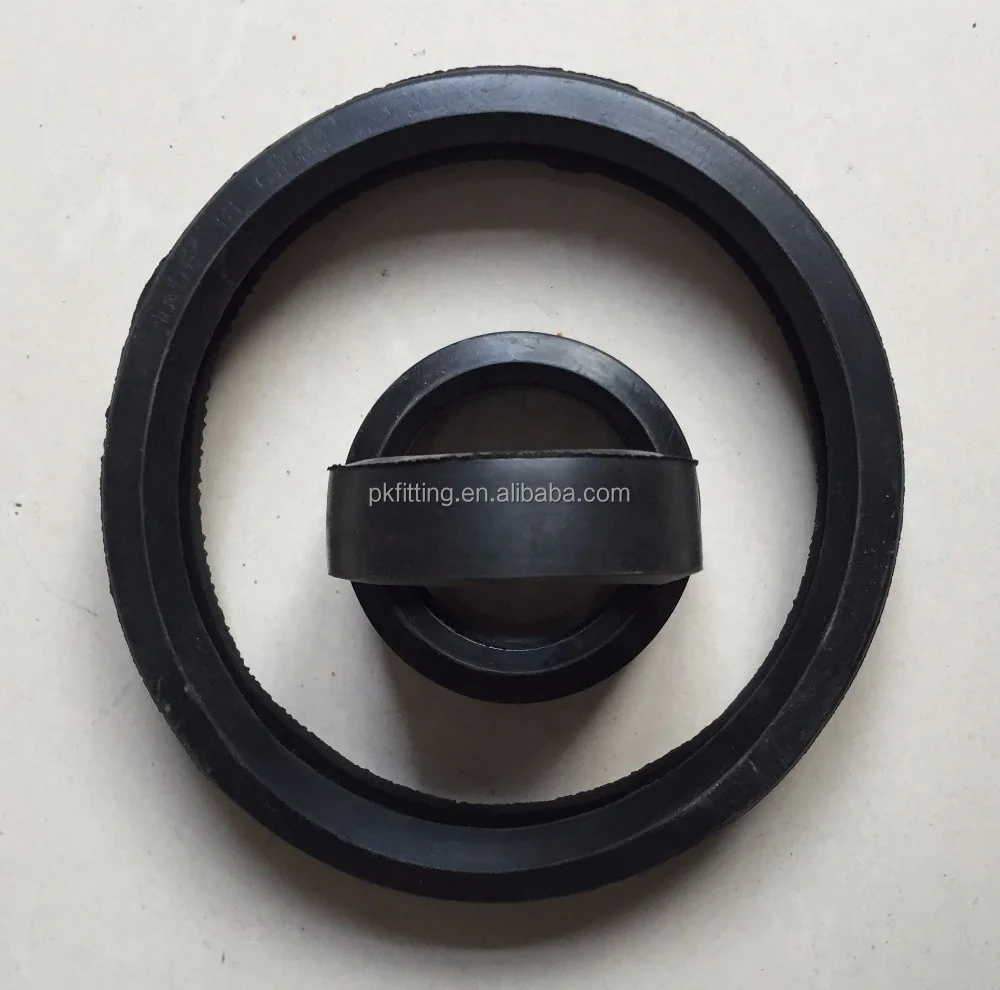
Material Specifications for Concrete Pump Hose Engineering
Concrete pump hoses demand rigorous material selection to withstand extreme operational stresses including high pressure cycling, abrasive aggregate flow, chemical exposure from cementitious materials, and fluctuating environmental temperatures. At Suzhou Baoshida Trading Co., Ltd., our industrial rubber solutions leverage polymer science to optimize hose longevity and safety. The three primary elastomers employed—Viton, Nitrile, and Silicone—exhibit distinct molecular properties that dictate their suitability for specific pumping scenarios. Material choice directly influences resistance to hydraulic fluid degradation, flex fatigue, and thermal degradation, which are critical failure modes in continuous-duty applications.
Viton (FKM) fluorocarbon rubber provides exceptional resistance to aromatic hydrocarbons, acids, and alkaline solutions prevalent in cement additives and curing agents. Its carbon-fluorine backbone maintains integrity at continuous temperatures up to 230°C, making it ideal for high-heat pumping environments where standard elastomers degrade. However, Viton exhibits lower flexibility at sub-zero temperatures and higher raw material costs, typically reserved for aggressive chemical exposure where Nitrile or Silicone would fail prematurely.
Nitrile (NBR) butadiene-acrylonitrile rubber remains the industry standard for general-purpose concrete pumping due to its balanced cost-performance profile. With acrylonitrile content optimized at 33-35%, it delivers robust resistance to hydraulic oils, aliphatic hydrocarbons, and water-based slurries. NBR hoses reliably operate between -30°C and 120°C with excellent abrasion resistance against aggregate wear. Its mechanical strength supports pressure ratings up to 450 psi, though performance diminishes with exposure to ozone, ketones, or chlorinated solvents common in specialty concrete admixtures.
Silicone (VMQ) methyl-vinyl polysiloxane excels in extreme temperature applications, functioning from -60°C to 200°C without hardening or cracking. This polymer’s inorganic Si-O backbone provides unmatched flexibility in cold climates and resistance to thermal aging. While silicone offers superior electrical insulation properties, its lower tensile strength and abrasion resistance necessitate reinforced construction for abrasive concrete mixes. It is chemically vulnerable to concentrated acids and steam, limiting use to non-corrosive pumping conditions.
The following comparative analysis details critical performance parameters per ASTM D2000 and ISO 1307 standards:
| Material | Temperature Range (°C) | Pressure Rating (psi) | Abrasion Resistance | Key Chemical Resistances | Primary Application Limitation |
|---|---|---|---|---|---|
| Viton (FKM) | -20 to 230 | 350-400 | Moderate | Acids, alkalis, aromatics, hydraulic fluids | Poor low-temp flexibility; high cost |
| Nitrile (NBR) | -30 to 120 | 300-450 | High | Aliphatic oils, water, alcohols | Weak against ozone, ketones, strong acids |
| Silicone (VMQ) | -60 to 200 | 250-350 | Low-Moderate | Aliphatic hydrocarbons, oxygen, ozone | Low mechanical strength; vulnerable to acids |
OEM manufacturing protocols at Suzhou Baoshida mandate material validation through accelerated aging tests per ISO 188 and hydraulic pulse testing at 2x working pressure. NBR dominates standard applications due to its abrasion resilience and cost efficiency, while Viton is specified for chemical-intensive pours. Silicone serves niche cold-weather operations but requires textile reinforcement to compensate for inherent abrasion sensitivity. Precise durometer selection (typically 65-75 Shore A) and layered reinforcement design further tailor performance to project-specific demands, ensuring compliance with EN 197-1 cement standards and minimizing unplanned downtime in critical infrastructure projects.
Manufacturing Capabilities
Engineering Excellence in Concrete Pump Hose Development
At Suzhou Baoshida Trading Co., Ltd., our engineering capabilities form the backbone of advanced industrial rubber solutions, particularly in the design and production of high-performance concrete pump hoses. With a dedicated team comprising five specialized mould engineers and two expert rubber formula engineers, we maintain full in-house control over material science and precision manufacturing processes. This integrated approach ensures that every hose meets the rigorous demands of construction, mining, and infrastructure applications where durability, flexibility, and pressure resistance are non-negotiable.
Our rubber formula engineers focus on developing proprietary elastomer compounds tailored to resist abrasion, oil degradation, and thermal stress—common challenges in concrete pumping environments. By optimizing polymer blends, reinforcing fillers, and vulcanization systems, we achieve a balance between flexibility and structural integrity. These formulations are validated through accelerated aging tests, dynamic flexing trials, and adhesion strength measurements to guarantee long service life under continuous operation.
Complementing material innovation, our five mould engineers specialize in precision tooling for hose architecture. They design and maintain mandrels, curing sleeves, and reinforcement layer tooling with micron-level accuracy to ensure dimensional consistency across production batches. Their expertise enables us to produce complex internal geometries, including multi-layer reinforcement structures with spiral steel wire and textile braiding, critical for withstanding high-pressure concrete delivery.
We offer comprehensive OEM (Original Equipment Manufacturer) services, supporting global partners in custom product development from concept to mass production. Our engineering team collaborates directly with clients to interpret performance requirements, adapt to regional standards (such as ISO 1431 and DIN 20066), and deliver application-specific solutions. Whether modifying bend radius, coupling type, or pressure rating, we provide technical drawings, prototyping, and performance validation reports to ensure seamless integration into existing pumping systems.
This synergy between material science and precision engineering allows us to exceed industry benchmarks in reliability and performance. Our facility supports rapid iteration, small-batch customization, and scalable production, making Suzhou Baoshida a trusted partner for OEMs seeking technically superior concrete pump hoses.
The following table outlines key technical specifications achievable through our engineering platform:
| Parameter | Standard Range | Custom Capability |
|---|---|---|
| Inner Diameter | 65 mm – 150 mm | Up to 200 mm |
| Working Pressure | 12 bar – 20 bar | Up to 30 bar |
| Burst Pressure | ≥ 4 × Working Pressure | ≥ 5 × Working Pressure |
| Temperature Range | -30°C to +80°C | -40°C to +100°C (special compound) |
| Reinforcement Layers | 2–4 (textile + steel spiral) | Up to 6 layers |
| Bend Radius (min) | 450 mm (for 125 mm ID) | As low as 350 mm (custom design) |
| Coupling Types | Flanged, Threaded, Quick-Connect | OEM-specific designs |
| Abrasion Resistance (DIN 53516) | ≤ 80 mm³ (wear volume) | ≤ 60 mm³ (enhanced compound) |
Through deep technical expertise and a client-driven innovation model, Suzhou Baoshida delivers engineered rubber solutions that set new standards in the concrete pumping industry.
Customization Process
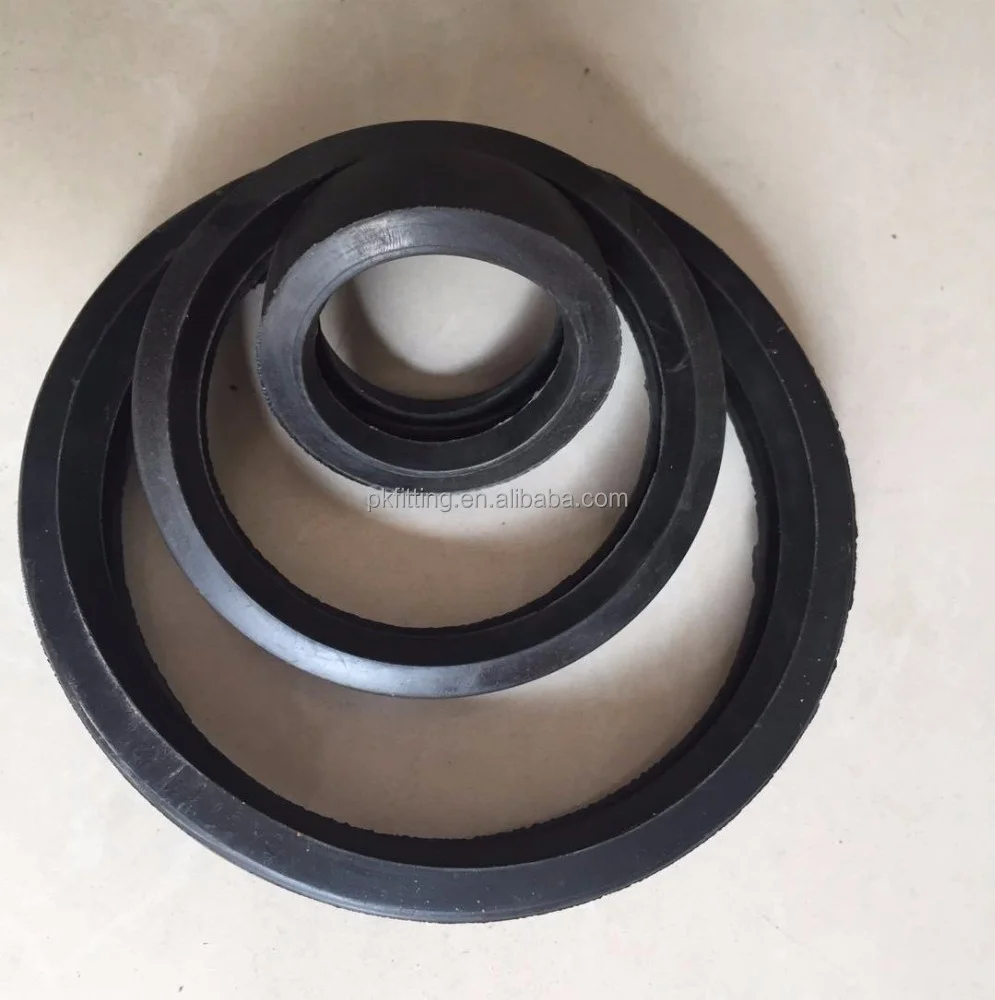
Concrete Pump Hose Customization Process: Precision Engineering from Concept to Production
At Suzhou Baoshida Trading Co., Ltd., our customization process for concrete pump hoses integrates material science with industrial rigor to deliver solutions meeting exact OEM specifications. This four-phase workflow ensures optimal performance in high-abrasion, high-pressure environments while adhering to global standards such as EN 1977 and ISO 1436.
Drawing Analysis
Initial engagement begins with comprehensive technical drawing review. Our engineering team validates critical parameters including inner diameter tolerances (±0.5 mm), bend radius constraints, flange compatibility, and pressure zone requirements. We cross-reference client schematics against ASTM D2628 and ISO 1307 standards to identify potential stress points or material limitations. This phase includes finite element analysis (FEA) simulations to predict hose behavior under pulsating concrete flow conditions, ensuring structural integrity before material selection.
Formulation Development
Based on operational demands, our rubber compounding laboratory designs proprietary elastomer blends. Standard formulations utilize EPDM for weather resistance or NBR for oil tolerance; however, custom mixes incorporate aramid fiber reinforcement and silica-modified compounds to enhance abrasion resistance by 30–40% over conventional hoses. Key variables adjusted include:
| Parameter | Standard Hose | Custom Hose (Typical) |
|---|---|---|
| Working Pressure | 160 bar | 180–220 bar |
| Abrasion Loss (DIN 53516) | ≤120 mm³ | ≤75 mm³ |
| Bend Radius | 4× ID | 3× ID (optimized) |
| Temperature Range | -30°C to +80°C | -40°C to +100°C |
Formulations undergo accelerated aging tests per ISO 188 and ozone resistance validation at 50 pphm to guarantee 20,000+ cycle longevity in harsh construction sites.
Prototyping and Validation
Three functional prototypes are manufactured using precision mandrel-curing techniques. Each unit undergoes: hydrostatic pressure validation at 150% working pressure, impulse testing per SAE J343 (100,000 cycles minimum), and concrete slurry abrasion trials simulating 500 m³ throughput. Third-party lab reports from TÜV-certified facilities document results, with dimensional rechecks ensuring <0.3% variance from CAD models. Client feedback triggers iterative refinements until all KPIs are satisfied.
Mass Production and Quality Assurance
Approved designs transition to our ISO/TS 16949-certified production line. Continuous vulcanization ensures uniform wall thickness (±5% tolerance), while laser-guided cutting maintains length accuracy within ±2 mm. Every batch undergoes 100% visual inspection, pressure testing, and hardness verification (Shore A 65±5). Statistical process control (SPC) monitors critical dimensions in real-time, with full traceability via serialized QR codes. Final shipment includes material certification, test reports, and compliance documentation for CE marking.
This systematic approach minimizes time-to-market while guaranteeing hoses withstand extreme concrete pumping dynamics. Suzhou Baoshida’s engineering-led customization delivers measurable operational cost savings through extended service life and reduced downtime.
Contact Engineering Team
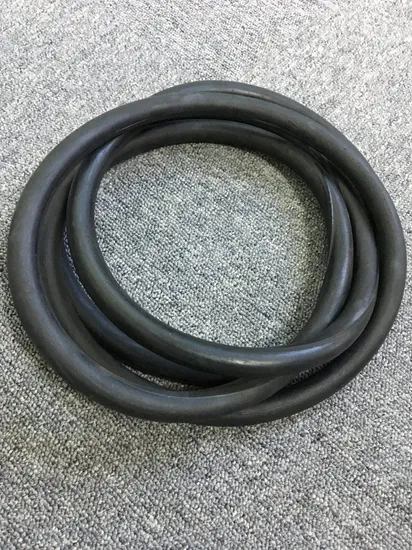
For industrial manufacturers and construction equipment suppliers seeking high-performance concrete pump hoses, Suzhou Baoshida Trading Co., Ltd. stands as a trusted partner in the field of advanced rubber engineering. Our technical expertise, precision manufacturing standards, and commitment to material durability ensure that every hose we deliver meets the rigorous demands of concrete pumping applications under extreme pressure and abrasive conditions. As a specialized provider of industrial rubber solutions, we design our products to deliver optimal flow efficiency, extended service life, and consistent performance across diverse job site environments.
Our concrete pump hoses are engineered using high-strength synthetic rubber compounds, reinforced with multiple layers of steel wire braiding and textile plies to resist internal pressure surges, external abrasion, and kinking. Each hose undergoes stringent quality control protocols, including hydrostatic burst testing, dimensional accuracy verification, and flex life cycle evaluation, to guarantee compliance with international industrial standards. Whether you require DN125, DN100, or custom diameter configurations, our production capabilities support a wide range of lengths, coupling types, and pressure ratings tailored to Schwing, Putzmeister, Sany, Zoomlion, and other major pump systems.
We understand that downtime in concrete delivery operations leads to significant cost implications. That is why our hoses are optimized for rapid installation, minimal maintenance, and resistance to concrete buildup—ensuring uninterrupted throughput and reduced total cost of ownership. Furthermore, our R&D team continuously evaluates wear patterns and field feedback to refine material formulations and structural designs, resulting in next-generation hoses that outperform conventional alternatives in both lifespan and operational reliability.
To support global clients, Suzhou Baoshida offers comprehensive technical documentation, OEM packaging, and logistics coordination with reliable lead times. Our engineering staff is available for direct consultation on application-specific challenges, including high-rise pumping, tunneling projects, and remote site deployments where reliability is non-negotiable.
For immediate technical support or to request a customized quotation, contact Mr. Boyce, Rubber Formula Engineer & OEM Manager, at [email protected]. Mr. Boyce leads our product development and client integration initiatives, ensuring that every inquiry receives a precise, data-driven response aligned with your operational requirements.
Below are key technical specifications of our standard concrete pump hose series:
| Parameter | Specification |
|---|---|
| Nominal Diameter (DN) | 80, 100, 125 mm |
| Working Pressure (DN125) | 13–16 bar (188–232 psi) |
| Burst Pressure | ≥ 4× Working Pressure |
| Temperature Range | -30°C to +80°C |
| Cover Material | Abrasion-resistant synthetic rubber (NBR/EPDM) |
| Reinforcement | 2–4 layers of high-tensile steel wire braid |
| Coupling Type | Flanged, Clamp, or Threaded (customizable) |
| Bend Radius (DN125) | ≥ 600 mm |
| Compliance Standards | ISO 1431, GB/T 7544, ASTM D2000 |
Reach out today to integrate engineered durability into your concrete pumping systems. Partner with Suzhou Baoshida for industrial rubber solutions built to perform.
⚖️ O-Ring Weight Calculator
Estimate rubber O-ring weight (Approx).