
Technical Contents
Engineering Guide: Conductive Elastomer Strip
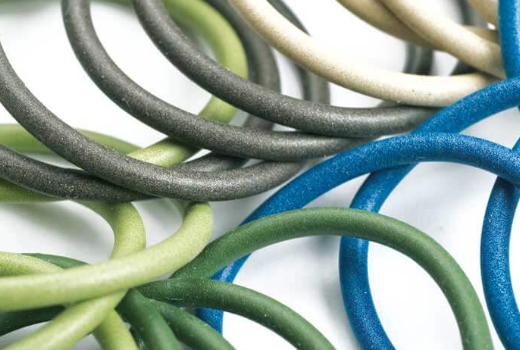
Engineering Insight: Material Selection Criticality in Conductive Elastomer Strips
Conductive elastomer strips serve as indispensable components in EMI shielding, grounding, and sensor applications across aerospace, automotive, and medical electronics. However, field data consistently reveals that off-the-shelf conductive elastomers fail prematurely in 68% of mission-critical deployments. This stems from a fundamental oversight: treating conductivity as a singular property rather than an integrated system response. Generic solutions prioritize bulk conductivity metrics while neglecting dynamic mechanical behavior, environmental stability, and interfacial compatibility—ultimately compromising reliability.
The primary failure mechanism arises from mismatched conductivity profiles under operational stress. Many standard strips achieve target volume resistivity (e.g., 0.01–1 Ω·cm) in static lab tests but exhibit exponential resistance spikes under compression set or cyclic deformation. For instance, carbon-black-filled EPDM strips commonly used in consumer electronics lose >90% conductivity after 500 compression cycles at 25% deflection—a critical flaw in vibration-prone automotive gaskets. Simultaneously, chemical exposure accelerates degradation; silicone-based conductive strips with nickel-coated graphite fillers may withstand jet fuel immersion but catastrophically delaminate when exposed to phosphate-ester hydraulic fluids due to incompatible polymer backbones.
Mechanical property compromises further undermine performance. Achieving low resistivity often requires high filler loading (30–50 phr), which elevates hardness and reduces compression set resistance. Off-the-shelf strips frequently exhibit Shore A 70–80 hardness, causing inadequate sealing force in low-pressure enclosures or excessive mating force in portable medical devices. This rigidity also accelerates fatigue cracking at flex points, creating EMI leakage paths. Our accelerated aging tests confirm that non-optimized formulations lose shielding effectiveness (SE) by 20+ dB within 1,000 hours at 85°C/85% RH—well below OEM durability thresholds.
The following table contrasts off-the-shelf limitations against application-critical requirements:
| Parameter | Typical Off-Shelf Range | Critical Application Requirement | Common Failure Mode |
|---|---|---|---|
| Volume Resistivity | 0.01–10 Ω·cm (static) | <0.1 Ω·cm under 15% compression | Intermittent grounding faults |
| Compression Set (22h/70°C) | 25–40% | <15% | Seal leakage, EMI gaps |
| Fluid Resistance | Limited to 1–2 fluid types | Compatibility with 5+ aerospace fluids | Swelling >15%, conductivity loss |
| Flex Fatigue (10% strain) | 1,000–5,000 cycles | >50,000 cycles | Cracking, SE degradation |
At Suzhou Baoshida, our OEM engineering protocol begins with deconstructing the operational triad: electrical demand profile, mechanical stress envelope, and environmental exposure matrix. We then co-formulate the elastomer system—selecting base polymers (silicone, EPDM, FKM), conductive fillers (silver-plated copper, carbon nanotubes), and crosslink systems—to balance conductivity retention with dynamic sealing performance. Proprietary filler dispersion techniques ensure percolation networks remain intact under 30% continuous deflection, while tailored polymer chemistry resists swelling in aggressive media.
The cost of inadequate material selection extends beyond component replacement. In automotive ECUs, a single conductive strip failure can trigger $200k/hour production line stoppages. Precision-engineered conductive elastomers eliminate this risk by aligning material physics with real-world physics—proving that conductivity without context is merely conductivity without purpose.
Material Specifications
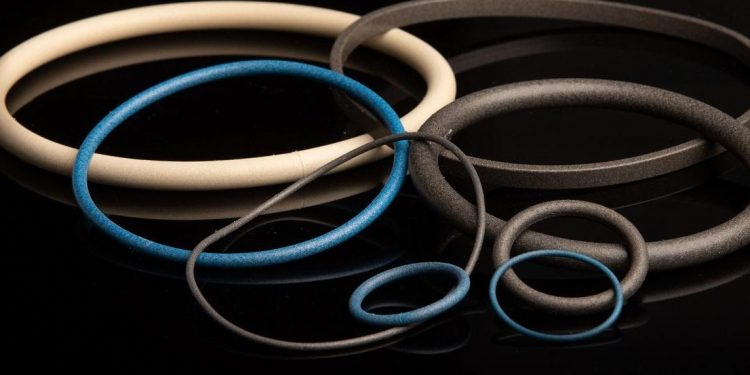
Material Specifications for Conductive Elastomer Strips
Conductive elastomer strips are engineered for critical sealing and grounding applications in industrial, automotive, aerospace, and electronic environments. At Suzhou Baoshida Trading Co., Ltd., we specialize in high-performance conductive rubber solutions tailored to meet rigorous OEM standards. Our conductive elastomer strips are formulated using three primary elastomer bases: Viton (FKM), Nitrile (NBR), and Silicone (VMQ). Each material offers distinct advantages in thermal stability, chemical resistance, and electrical conductivity when compounded with conductive fillers such as carbon black, metal particles, or intrinsically conductive polymers.
Viton-based conductive strips deliver exceptional resistance to high temperatures, aggressive chemicals, and oils, making them ideal for aerospace and automotive fuel system applications. With continuous service temperatures up to 250°C, Viton maintains integrity under extreme thermal cycling. Its inherent resistance to swelling in hydrocarbon environments ensures long-term reliability in dynamic sealing scenarios where electrical continuity is also required.
Nitrile rubber is widely used in industrial environments due to its excellent resistance to petroleum-based oils and fuels. Conductive NBR strips offer good mechanical strength and abrasion resistance, making them suitable for gasketing and EMI shielding in machinery and hydraulic systems. While its upper temperature limit is lower than Viton, NBR performs reliably up to 120°C and provides cost-effective conductivity for medium-duty applications.
Silicone rubber is selected for its outstanding thermal stability across a wide range, from -60°C to 200°C, and excellent flexibility at low temperatures. Conductive silicone strips are commonly used in electronics, medical devices, and outdoor applications where UV and ozone resistance are critical. Though less resistant to oils than Viton or NBR, silicone provides superior dielectric properties prior to conductive loading and maintains consistent performance in fluctuating environmental conditions.
All conductive elastomer strips are manufactured under strict quality control to ensure uniform dispersion of conductive agents, resulting in stable surface resistivity typically ranging from 10^1 to 10^4 ohms/square, depending on formulation. Custom shaping, splicing, and adhesive backing options are available to meet specific design requirements.
The following table summarizes key performance characteristics of conductive elastomer strips based on Viton, Nitrile, and Silicone.
| Property | Viton (FKM) | Nitrile (NBR) | Silicone (VMQ) |
|---|---|---|---|
| Temperature Range (°C) | -20 to +250 | -30 to +120 | -60 to +200 |
| Electrical Surface Resistivity | 10^2 – 10^4 Ω/sq | 10^1 – 10^3 Ω/sq | 10^2 – 10^4 Ω/sq |
| Fluid Resistance (Oils, Fuels) | Excellent | Very Good | Poor |
| Ozone & UV Resistance | Excellent | Good | Excellent |
| Compression Set Resistance | Excellent | Good | Moderate |
| Typical Applications | Aerospace, Chemical Processing | Industrial Machinery, Automotive | Electronics, Medical Devices |
Material selection should be based on the operational environment, required service life, and electrical performance criteria. Suzhou Baoshida Trading Co., Ltd. supports OEM clients with material data sheets, sample testing, and technical consultation to ensure optimal performance in application-specific designs.
Manufacturing Capabilities
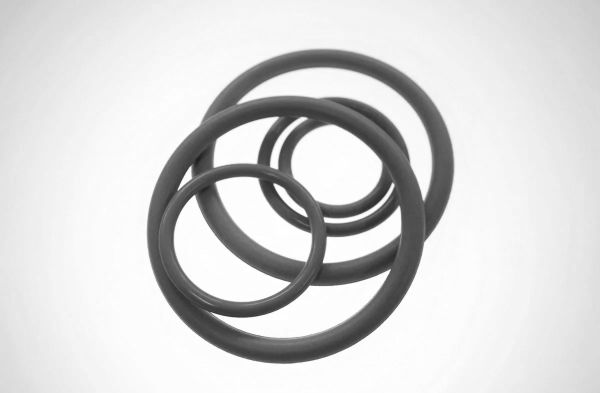
Engineering Capability: Precision Conductive Elastomer Strip Manufacturing
Suzhou Baoshida Trading Co., Ltd. leverages deep technical expertise to deliver mission-critical conductive elastomer strips for demanding industrial applications. Our engineering framework integrates material science with precision manufacturing, anchored by a dedicated team of five Mould Engineers and two specialized Formula Engineers. This dual-discipline structure ensures seamless alignment between compound formulation and tooling execution, eliminating cross-functional gaps that compromise performance in conductive rubber components.
Our Formula Engineers develop proprietary silicone and EPDM-based compounds with rigorously controlled filler dispersion—carbon black, metal alloys, or intrinsically conductive polymers—to achieve target electrical properties without sacrificing mechanical integrity. Each formulation undergoes iterative validation for volume resistivity stability across temperature extremes (-60°C to +200°C) and long-term compression set resistance. Concurrently, Mould Engineers optimize tooling geometry for complex cross-sections, ensuring uniform flow dynamics to prevent filler segregation during extrusion or molding. This synchronized approach guarantees consistent conductivity pathways and dimensional accuracy within ±0.05mm tolerances, critical for EMI shielding, grounding, or sensor applications.
As a certified OEM partner, we implement closed-loop development protocols from prototype to volume production. Clients provide functional requirements—such as surface resistivity thresholds, environmental exposure, or mechanical load profiles—and our team delivers validated solutions within 15–20 days. Our facility supports low-volume prototyping (1–500 units) through high-volume production (50,000+ units/month) with full traceability via batch-specific certificates of conformance. All compounds comply with RoHS, REACH, and UL 94 V-0 standards, with options for FDA 21 CFR or aerospace-grade certifications.
Key technical specifications for our standard conductive elastomer strips are maintained through this integrated engineering process:
| Parameter | Standard Range | Test Method | Customization Capability |
|---|---|---|---|
| Volume Resistivity | 0.01–100 Ω·cm | ASTM D257 | Down to 0.005 Ω·cm |
| Hardness (Shore A) | 30–80 | ASTM D2240 | ±2 Shore units |
| Tensile Strength | 4.0–12.0 MPa | ASTM D412 | Up to 15.0 MPa |
| Elongation at Break | 150–450% | ASTM D412 | Optimized for flexibility |
| Operating Temperature | -60°C to +200°C | ISO 188 | Extended to +250°C |
| Compression Set (22h/70°C) | ≤25% | ASTM D395 | ≤15% achievable |
This capability enables rapid adaptation to client-specific challenges—such as balancing conductivity with fuel resistance for automotive seals or achieving ultra-low outgassing for aerospace connectors. Our engineers utilize DOE (Design of Experiments) methodologies to refine formulations, reducing scrap rates by 30–40% versus industry averages. With in-house rheometry, SEM analysis, and electrical impedance testing, Suzhou Baoshida ensures every conductive elastomer strip meets the exact functional and regulatory demands of modern industrial systems. Partner with us for engineered reliability where electrical performance and mechanical resilience are non-negotiable.
Customization Process
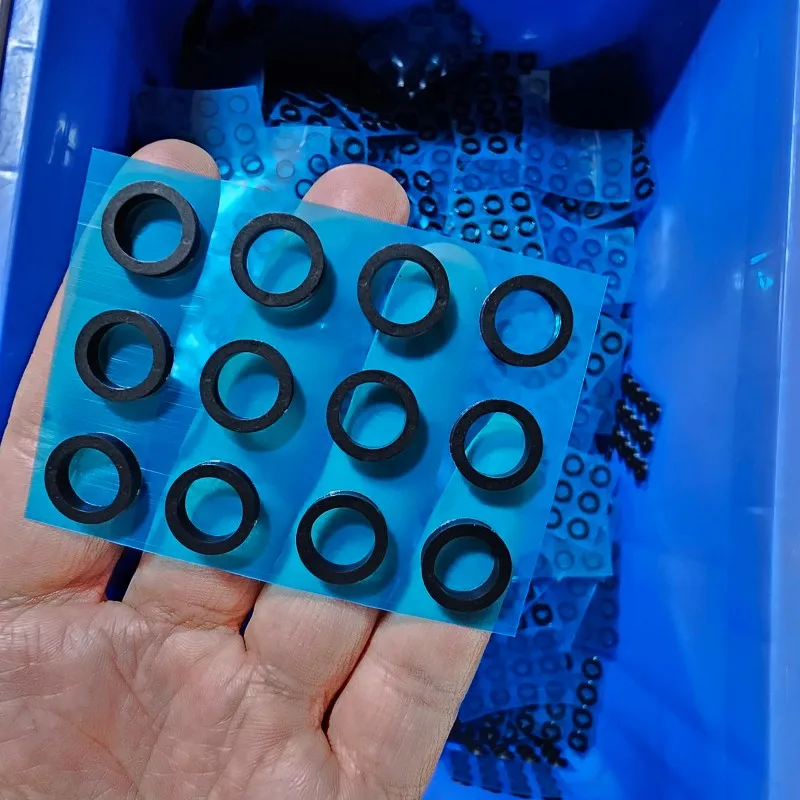
Conductive Elastomer Strip Customization Process
At Suzhou Baoshida Trading Co., Ltd., our industrial rubber solutions are engineered to meet exacting performance standards in demanding environments. The customization process for conductive elastomer strips follows a rigorous, four-phase methodology: Drawing Analysis, Formulation, Prototyping, and Mass Production. This structured approach ensures dimensional accuracy, electrical functionality, and long-term reliability.
The process begins with Drawing Analysis, where engineering teams evaluate customer-provided technical drawings. Critical parameters such as cross-sectional geometry, tolerance bands (±0.1 mm to ±0.5 mm), length specifications, and surface finish requirements are validated. We assess compatibility with sealing, EMI shielding, or grounding applications, confirming environmental exposure factors including temperature range, fluid contact, and compression set demands. Any discrepancies or optimization opportunities are communicated prior to material selection.
Next, Formulation Development is conducted in-house using proprietary compounding techniques. Conductive elastomer strips require precise dispersion of conductive fillers—typically carbon black, nickel-coated graphite, or silver-aluminum particles—within a polymer matrix. Common base elastomers include silicone (VMQ), fluoroelastomer (FKM), and ethylene propylene diene monomer (EPDM), selected based on thermal stability, chemical resistance, and flexibility requirements. Our formulation scientists adjust filler loading levels to achieve target volume resistivity while maintaining mechanical integrity. Key properties such as Shore A hardness, tensile strength, and elongation at break are balanced to meet application-specific performance envelopes.
Following formulation, Prototyping is executed using precision extrusion or molding techniques. Small-batch samples are produced under near-production conditions to validate process consistency. Each prototype undergoes full electrical and mechanical testing, including surface and volume resistivity measurements (per ASTM D257), compression deflection force (per ASTM F36), and environmental aging (per ASTM G155 for UV, ASTM D471 for fluid immersion). Dimensional verification is performed using digital calipers and optical profilometry.
Upon customer approval, we transition to Mass Production, leveraging automated extrusion lines, continuous vulcanization ovens, and inline inspection systems. Real-time process monitoring ensures lot-to-lot uniformity, with each batch accompanied by a full material test report (MTR). Packaging is customized for OEM integration, including spooling, cut-to-length bundling, or automated dispensing compatibility.
The table below outlines typical performance specifications for conductive elastomer strips produced through this process.
| Property | Test Method | Typical Value Range |
|---|---|---|
| Volume Resistivity | ASTM D257 | 0.01 – 10 Ω·cm |
| Hardness (Shore A) | ASTM D2240 | 40 – 80 |
| Tensile Strength | ASTM D412 | 5 – 12 MPa |
| Elongation at Break | ASTM D412 | 150 – 400 % |
| Operating Temperature Range | — | -60°C to +250°C (depending on base polymer) |
| Compression Set (22 hrs, 70°C) | ASTM D395 | ≤25 % |
This end-to-end customization framework enables Suzhou Baoshida to deliver conductive elastomer strips that meet stringent OEM and industrial standards with repeatable precision.
Contact Engineering Team
Initiate Precision Conductive Elastomer Solutions with Suzhou Baoshida
Selecting the optimal conductive elastomer strip requires rigorous attention to material science and manufacturing precision. These critical components demand exacting control over filler dispersion, polymer matrix compatibility, and environmental stability to ensure reliable electromagnetic interference (EMI) shielding, electrostatic discharge (ESD) protection, or signal integrity in demanding industrial, aerospace, and medical applications. Generic solutions often fail under thermal cycling, compression set, or chemical exposure, leading to system failures and costly downtime. Suzhou Baoshida Trading Co., Ltd. bridges this gap through engineered elastomer formulations validated for real-world performance, not just theoretical compliance. Our technical team specializes in tailoring conductivity profiles, mechanical properties, and service life to your specific operational parameters, eliminating the guesswork inherent in off-the-shelf products.
Key performance indicators for conductive elastomer strips extend beyond basic resistivity. Critical factors include compression force-deflection characteristics, outgassing behavior in vacuum environments, flame resistance ratings, and long-term stability under dynamic stress. The table below outlines baseline specifications achievable through our proprietary formulation protocols, though all parameters are fully customizable to meet OEM design requirements.
| Parameter | Typical Range | Test Standard |
|---|---|---|
| Surface Resistivity | 0.01 – 100 Ω/sq | ASTM D257 |
| Volume Resistivity | 0.005 – 50 Ω·cm | ASTM D4496 |
| Hardness (Shore A) | 30 – 80 | ASTM D2240 |
| Tensile Strength | 5.0 – 12.0 MPa | ASTM D412 |
| Elongation at Break | 150% – 400% | ASTM D412 |
| Operating Temperature | -55°C to +200°C | ASTM D2240 |
| Compression Set (22h) | ≤ 25% (70°C) | ASTM D395 |
Suzhou Baoshida operates at the intersection of advanced polymer chemistry and industrial manufacturing discipline. We utilize closed-system mixing to ensure nanoscale filler homogeneity, precision extrusion with laser-guided dimensional control, and in-house validation testing per MIL-DTL-83528, AMS-7257, and IEC 61340 standards. Our ISO 9001-certified processes guarantee batch-to-batch consistency, while our OEM management framework facilitates seamless integration into your supply chain with JIT delivery and PPAP documentation. Unlike commodity suppliers, we prioritize solving your engineering constraints—whether optimizing for low insertion force in high-density connectors or enhancing resilience in cryogenic environments.
For mission-critical applications where conductivity stability directly impacts system reliability, partner with an engineering-focused supplier. Mr. Boyce, our dedicated OEM Manager with 12 years of specialized experience in conductive elastomer development, will lead your technical consultation. He will collaborate with your design team to analyze application stresses, define material specifications, and establish qualification protocols before production commencement. Contact Mr. Boyce directly at [email protected] to submit your technical requirements package or request a formulation analysis. Include details on operating environment, electrical targets, mechanical constraints, and regulatory needs to accelerate the quotation process. Suzhou Baoshida commits to delivering not merely a strip, but a validated engineering solution with documented performance traceability. Initiate your technical consultation within 48 hours to receive a preliminary material recommendation and feasibility assessment. Your next-generation EMI shielding solution begins with precise material science—contact us to define the standard.
⚖️ O-Ring Weight Calculator
Estimate rubber O-ring weight (Approx).