
Technical Contents
Engineering Guide: Conductive Plastic

Engineering Insight: Conductive Plastic – The Critical Role of Material Selection
In industrial applications requiring electrostatic dissipation or electromagnetic interference (EMI) shielding, conductive plastics have become essential. However, selecting the appropriate conductive plastic is far more complex than substituting a standard polymer with a conductive variant. Off-the-shelf solutions often fail because they overlook the interplay between electrical performance, mechanical integrity, environmental resistance, and processing parameters. At Suzhou Baoshida Trading Co., Ltd., we emphasize engineered material selection as a foundational step in ensuring long-term reliability and functionality in demanding environments.
Conductive plastics achieve their electrical properties through the incorporation of conductive fillers such as carbon black, carbon fibers, stainless steel fibers, or graphene. Each filler type imparts distinct characteristics to the base polymer matrix. For instance, carbon black offers moderate conductivity at lower cost but may compromise mechanical strength and colorability. In contrast, carbon fiber provides superior conductivity and enhanced stiffness, yet increases material brittleness and wear on processing equipment. Selecting the wrong filler-polymer combination can lead to premature part failure, inconsistent performance, or incompatibility with manufacturing processes such as injection molding or extrusion.
Moreover, many off-the-shelf conductive plastics are formulated for general-purpose applications, often prioritizing cost over performance consistency. These materials may exhibit variable surface resistivity under fluctuating humidity or temperature conditions. In precision industrial environments—such as semiconductor handling, fuel system components, or medical devices—such variability is unacceptable. A material that performs adequately in a controlled lab setting may fail in real-world operation due to chemical exposure, thermal cycling, or mechanical stress.
Another frequently underestimated factor is the anisotropic nature of conductivity in filled polymers. Conductivity is often higher in the flow direction of molding due to filler alignment, creating uneven charge dissipation across a part. Without proper simulation and design input during material selection, this can result in localized electrostatic buildup, defeating the purpose of using a conductive material.
At Baoshida, we advocate for application-specific formulation development, working closely with OEMs to match material properties with operational demands. This includes evaluating long-term aging, chemical resistance, regulatory compliance (e.g., UL, RoHS), and manufacturability.
The following table outlines key conductive plastic variants and their typical performance characteristics:
| Material System | Filler Type | Volume Resistivity (Ω·cm) | Tensile Strength (MPa) | Heat Deflection Temp (°C) | Common Applications |
|---|---|---|---|---|---|
| Polypropylene + Carbon Black | Carbon Black | 10^2 – 10^4 | 25–30 | 80–100 | Static-dissipative housings |
| PA6 + Carbon Fiber | Carbon Fiber | 10^0 – 10^2 | 120–150 | 210–230 | Automotive fuel systems |
| PEEK + Graphene | Graphene | 10^-1 – 10^1 | 90–100 | 300–320 | Aerospace & semiconductor tools |
| PC + Stainless Steel Fiber | Stainless Steel | 10^-2 – 10^0 | 60–70 | 130–140 | EMI shielding enclosures |
Material selection is not a commodity decision—it is an engineering imperative. Partnering with a solutions-driven supplier ensures that conductive plastics perform as engineered components, not just placeholders.
Material Specifications

Material Specifications for Conductive Plastics in Industrial Applications
Selecting the appropriate base polymer for conductive plastic formulations is critical for achieving target electrical performance while maintaining mechanical integrity in demanding industrial environments. At Suzhou Baoshida Trading Co., Ltd., we engineer conductive compounds by integrating conductive fillers—such as carbon black, graphene, or metal particles—into high-performance elastomers. The percolation threshold, filler dispersion quality, and polymer-filler interaction directly influence volume resistivity, which typically ranges from 10⁻⁵ to 10³ S/cm in our validated formulations. Below, we detail the core properties of three essential elastomer systems optimized for conductivity: Viton, Nitrile, and Silicone. Each material presents distinct trade-offs between thermal stability, chemical resistance, flexibility, and cost, necessitating precise OEM collaboration to align specifications with application requirements.
Viton (FKM) serves as the premier choice for extreme-condition applications requiring simultaneous chemical inertness and thermal resilience. Our conductive Viton compounds maintain stable electrical properties up to 300°C continuous service temperature, with intermittent peaks at 327°C. They exhibit exceptional resistance to fuels, oils, acids, and ozone, making them indispensable for aerospace seals, semiconductor manufacturing components, and chemical processing equipment. However, the high fluorine content increases raw material costs and complicates processing, requiring specialized compounding to achieve target conductivity without sacrificing compression set resistance.
Nitrile (NBR) offers an optimal balance of affordability and performance for general industrial conductive applications. With a service temperature range of -40°C to 120°C (extendable to 150°C with peroxide curing), it delivers robust resistance to petroleum-based fluids, hydraulic fluids, and aliphatic hydrocarbons. Our NBR formulations achieve reliable conductivity at lower filler loadings than many alternatives, preserving flexibility and tensile strength for dynamic sealing applications like automotive fuel systems and hydraulic O-rings. Limitations include poor resistance to polar solvents, ozone, and elevated temperatures beyond 150°C.
Silicone (VMQ) provides unmatched flexibility and biocompatibility across extreme temperature cycles. Conductive silicone compounds function effectively from -60°C to 230°C, with short-term excursions to 300°C. Their inherent purity and FDA compliance suit medical device housings, EMI shielding gaskets, and high-voltage insulators requiring stable dielectric properties alongside controlled conductivity. While exhibiting excellent weathering and ozone resistance, silicone’s lower tensile strength and susceptibility to撕裂 (tear) necessitate careful reinforcement in high-stress applications.
The comparative analysis below summarizes critical parameters for OEM decision-making:
| Material | Temperature Range (°C) | Typical Conductivity Range (S/cm) | Key Strengths | Primary Limitations |
|---|---|---|---|---|
| Viton (FKM) | -20 to 300 | 10⁻³ to 10⁰ | Extreme chemical/thermal resistance; Low gas permeability | High cost; Complex processing; Limited low-temp flexibility |
| Nitrile (NBR) | -40 to 120 (+150) | 10⁻⁴ to 10¹ | Cost-effective; Excellent oil/fuel resistance; Good mechanical properties | Poor ozone/weathering resistance; Limited high-temp stability |
| Silicone (VMQ) | -60 to 230 | 10⁻⁵ to 10² | Ultra-wide temp range; Biocompatible; High purity | Lower tensile strength; Tear-sensitive; Moderate fluid resistance |
Suzhou Baoshida Trading Co., Ltd. emphasizes that conductivity targets must be defined alongside mechanical and environmental requirements during the OEM design phase. Our formula engineering team tailors filler systems to minimize trade-offs—such as using hybrid carbon structures to enhance NBR’s thermal stability without compromising flexibility. For mission-critical applications, we recommend accelerated aging tests per ASTM D573 and volume resistivity validation per ASTM D257 to ensure field reliability. Partner with us to transform base elastomers into precision-engineered conductive solutions meeting ISO 9001 and IATF 16949 standards.
Manufacturing Capabilities
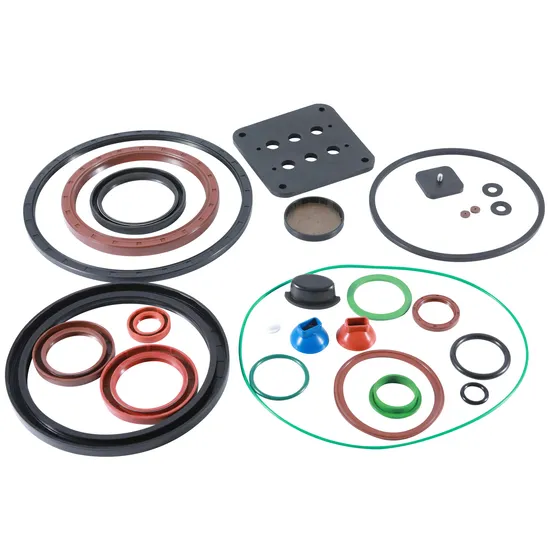
Engineering Capability: Advanced Material Development and Precision Moulding for Conductive Plastics
At Suzhou Baoshida Trading Co., Ltd., our engineering capability in industrial rubber solutions is anchored in a deep integration of material science and precision manufacturing. With a dedicated team of five mould engineers and two specialized rubber formula engineers, we deliver fully customized conductive plastic solutions tailored to the exacting demands of industrial and electronic applications. Our expertise spans from compound formulation to final product realization, ensuring seamless transition from concept to volume production.
Our formula engineers possess advanced knowledge in polymer chemistry and conductive filler systems, including carbon black, carbon nanotubes, and metallic particulates. They design and optimize rubber-based conductive compounds to achieve precise electrical resistivity, mechanical durability, and environmental stability. Each formulation is developed with application-specific performance in mind—whether for EMI shielding, static dissipation, or electrical grounding in harsh environments. Rigorous in-house testing ensures compliance with international standards such as ASTM D257 and IEC 60093 for volume resistivity, as well as mechanical benchmarks for tensile strength, elongation, and compression set.
Complementing our material expertise, our five mould engineers specialize in precision tooling design and process optimization for complex conductive rubber components. Utilizing advanced CAD/CAM software and mold flow simulation tools, they ensure optimal material distribution, minimal flash, and consistent part geometry. This synergy between material and mould engineering enables us to produce high-integrity conductive seals, gaskets, connectors, and custom profiles with tight tolerances and repeatable performance.
We offer full OEM capabilities, supporting clients from initial design consultation through prototyping, validation, and mass production. Our collaborative engineering approach allows for rapid iteration and design-for-manufacturability feedback, reducing time-to-market and minimizing development costs. Whether producing small-batch prototypes or scaling to high-volume runs, our integrated systems ensure consistency, traceability, and compliance with ISO 9001 standards.
Our conductive plastic solutions are engineered to perform under extreme thermal, chemical, and mechanical stress, making them ideal for automotive electronics, industrial automation, medical devices, and telecommunications infrastructure. By combining proprietary formulations with precision moulding technology, we deliver products that meet the highest functional and reliability requirements.
Typical Conductive Rubber Material Specifications
| Property | Test Method | Typical Value |
|---|---|---|
| Volume Resistivity | ASTM D257 | 10¹ – 10⁴ Ω·cm |
| Surface Resistivity | ASTM D257 | 10² – 10⁵ Ω/sq |
| Hardness (Shore A) | ASTM D2240 | 50 – 80 |
| Tensile Strength | ASTM D412 | ≥ 6.0 MPa |
| Elongation at Break | ASTM D412 | ≥ 200% |
| Compression Set (22 hrs, 70°C) | ASTM D395 | ≤ 25% |
| Operating Temperature Range | — | -40°C to +125°C |
This comprehensive engineering framework enables Suzhou Baoshida to serve as a trusted technical partner in the development of mission-critical conductive components.
Customization Process
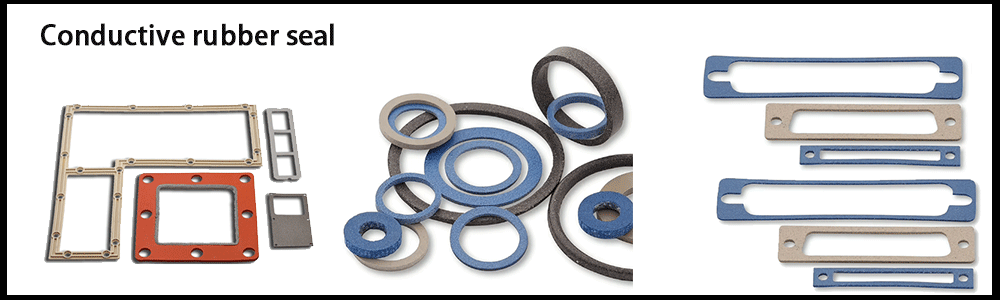
Conductive Plastic Customization Process: Precision Engineering for Industrial Applications
At Suzhou Baoshida Trading Co., Ltd., our conductive plastic customization process integrates rigorous scientific methodology with industrial-scale execution to deliver solutions meeting exact OEM specifications. This four-stage workflow ensures optimal electrical performance, mechanical integrity, and production scalability for demanding applications in automotive, electronics, and industrial automation.
Drawing Analysis
Initial engagement begins with comprehensive geometric and functional assessment of client-provided CAD drawings or physical samples. Our engineering team evaluates critical factors including part geometry, wall thickness variations, and intended electrical pathways. This phase identifies potential anisotropy risks in conductivity due to flow-induced filler alignment during molding. We cross-reference ISO 20753 standards to define test specimen locations and validate dimensional tolerances against ASTM D374 requirements. Any design features risking inconsistent filler distribution—such as sharp corners or thin ribs—trigger collaborative redesign recommendations to ensure uniform percolation networks.
Formulation Development
Leveraging 15+ years of rubber compounding expertise, we engineer proprietary conductive masterbatches using carbon black, graphene, or metal-coated polymer hybrids. Formulation targets are derived from resistivity requirements, environmental exposure (e.g., -40°C to 150°C), and mechanical property trade-offs. Our lab utilizes torque rheometry to optimize filler loading (typically 15–35 wt%) while maintaining processability. Critical adjustments address hysteresis losses and EMI shielding effectiveness (SE), validated through ASTM D4496 and IEC 61000-4-21 testing protocols. Each compound is documented with traceable batch records for regulatory compliance.
Prototyping & Validation
Short-run prototypes are produced via precision injection molding under controlled parameters (±1°C temperature stability, 5% pressure tolerance). We conduct three-tiered validation:
1. Electrical: Volume/surface resistivity mapping across 5+ sample zones
2. Mechanical: Tensile strength, elongation, and hardness per ASTM D2240
3. Environmental: 1,000-hour aging tests at 85°C/85% RH per IEC 60068-2-67
Client feedback loops refine formulations within 10 business days, resolving issues like conductivity drift during thermal cycling or surface oxidation.
Mass Production Assurance
Upon prototype approval, we transition to high-volume manufacturing with integrated SPC controls. Real-time monitoring of melt viscosity (via in-line rheometers) and resistivity (contactless eddy current sensors) ensures batch consistency. All production lots undergo 100% dimensional inspection via CMM and statistical sampling for electrical properties. Our Suzhou facility maintains ISO 13485-certified cleanrooms for medical-grade conductive plastics, with traceability to raw material lot numbers.
Critical Conductive Plastic Specifications
| Property | Standard Range | Test Method | Target Tolerance |
|————————-|———————-|—————-|——————|
| Volume Resistivity | 10³–10⁹ Ω·cm | ASTM D257 | ±15% |
| Hardness (Shore A/D) | 50A–85D | ASTM D2240 | ±0.5 units |
| Tensile Strength | 8–25 MPa | ISO 37 | ±10% |
| Operating Temperature | -55°C to +150°C | IEC 60068-2 | ±2°C |
| EMI Shielding Effectiveness | 30–60 dB (30–1,000 MHz) | ASTM D4935 | ±3 dB |
This structured approach minimizes time-to-market while guaranteeing that every conductive plastic component meets the stringent reliability demands of industrial OEMs. Suzhou Baoshida’s vertical integration—from raw material sourcing to final validation—ensures seamless transition from prototype to volume manufacturing without performance compromise.
Contact Engineering Team
Contact Suzhou Baoshida for Advanced Conductive Plastic Solutions
At Suzhou Baoshida Trading Co., Ltd., we specialize in delivering high-performance industrial rubber and polymer solutions tailored to the rigorous demands of modern manufacturing. As a trusted partner in the field of conductive plastics, we provide engineered materials that ensure reliable electrostatic dissipation, electromagnetic interference (EMI) shielding, and consistent electrical performance across a wide range of operating environments. Whether your application involves precision electronics, automotive components, or industrial automation systems, our conductive plastic formulations are designed to meet exacting OEM specifications.
Our technical team, led by Mr. Boyce, brings decades of combined experience in polymer science and industrial material integration. We understand that conductivity is not a one-size-fits-all property—resistivity requirements, mechanical durability, thermal stability, and regulatory compliance all play critical roles in material selection. That’s why we work closely with clients to develop customized conductive plastic compounds using a variety of base resins and conductive fillers, including carbon black, carbon fiber, stainless steel fiber, and specialty conductive additives. Each formulation is rigorously tested to ensure repeatability, long-term performance, and compatibility with existing production processes such as injection molding, extrusion, and thermoforming.
We serve a global network of manufacturers who require materials that prevent static buildup, protect sensitive electronics, and comply with industry standards such as ANSI/ESD S20.20, IEC 61340, and UL 94 flammability ratings. Our conductive plastics are widely used in semiconductor handling trays, automotive fuel system components, medical devices, and explosion-proof enclosures where safety and reliability are non-negotiable.
To ensure seamless integration into your production workflow, we provide comprehensive technical data sheets, lot traceability, and full regulatory documentation, including RoHS and REACH compliance. Our quality management system adheres to ISO 9001 standards, and we maintain strict control over raw material sourcing and batch consistency.
Below is a representative specification table for one of our standard conductive polypropylene compounds. Custom formulations can be developed to meet specific surface resistivity, mechanical strength, and environmental resistance requirements.
| Property | Test Method | Typical Value |
|---|---|---|
| Surface Resistivity | ASTM D257 | 10^3 – 10^6 Ω/sq |
| Volume Resistivity | ASTM D257 | 10^2 – 10^5 Ω·cm |
| Tensile Strength | ASTM D638 | 32 MPa |
| Elongation at Break | ASTM D638 | 180% |
| Flexural Modulus | ASTM D790 | 1,450 MPa |
| Heat Deflection Temperature (HDT) | ASTM D648 | 105°C @ 1.82 MPa |
| Flammability Rating | UL 94 | HB |
| Specific Gravity | ASTM D792 | 1.08 |
For technical consultation, sample requests, or to discuss a custom formulation project, contact Mr. Boyce directly at [email protected]. We respond to all inquiries within 24 business hours and offer material sampling, prototyping support, and on-site technical evaluations for qualified partners. Suzhou Baoshida Trading Co., Ltd. is committed to advancing industrial material performance through precision engineering and responsive customer service. Let us help you solve your toughest conductivity challenges with confidence.
⚖️ O-Ring Weight Calculator
Estimate rubber O-ring weight (Approx).