
Technical Contents
Engineering Guide: Convaer Belt
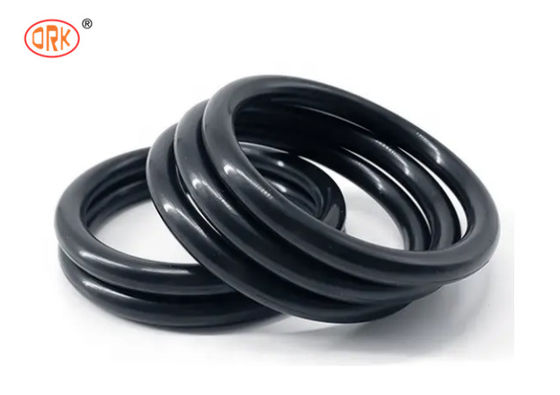
Engineering Insight: Conveyor Belt Material Selection and the Failure of Off-the-Shelf Solutions
In industrial environments where conveyor belts operate under extreme mechanical stress, chemical exposure, thermal fluctuations, and abrasive conditions, material selection is not merely a design consideration—it is the cornerstone of operational reliability. At Suzhou Baoshida Trading Co., Ltd., we emphasize that generic, off-the-shelf conveyor belt solutions frequently fail to meet the rigorous demands of specialized manufacturing processes. These failures stem from an oversimplified approach to material engineering, where standard elastomer compounds are applied without accounting for site-specific variables such as load dynamics, environmental exposure, and service life expectations.
Conveyor belt performance is directly tied to the molecular architecture of the rubber compound. Natural rubber (NR), styrene-butadiene rubber (SBR), nitrile (NBR), ethylene propylene diene monomer (EPDM), and chloroprene (CR) each exhibit distinct physical and chemical properties. For instance, while NR offers excellent tensile strength and resilience, it degrades rapidly under ozone or UV exposure. SBR provides good abrasion resistance but performs poorly in oil-rich environments. NBR excels in oil and fuel resistance but lacks flexibility at low temperatures. Selecting the appropriate base polymer requires a precise understanding of the operating environment.
Equally critical are the compounding additives—reinforcing fillers, antioxidants, plasticizers, and vulcanizing agents—that modify the base polymer’s behavior. A belt designed for a steel mill must resist temperatures exceeding 150°C and resist thermal degradation, necessitating specialized heat-resistant formulations with modified cross-linking densities. In food processing, compliance with FDA or EU 10/2011 standards demands non-toxic, easily cleanable surfaces, often achieved through peroxide-cured EPDM with food-grade additives.
Off-the-shelf belts typically utilize cost-optimized, generalized formulations that sacrifice durability for affordability. These belts may appear functionally adequate during initial installation but exhibit premature wear, delamination, or cracking within months. The root cause is often mismatched material properties—such as insufficient cut resistance in mining applications or poor static dissipation in explosive atmospheres.
Custom-engineered belts, by contrast, integrate application-specific data into the formulation process. At Baoshida, we conduct site audits, analyze wear patterns, and simulate service conditions to develop compounds that align with the client’s operational lifecycle goals. This precision engineering approach reduces unplanned downtime, lowers total cost of ownership, and enhances safety.
Below is a comparison of common rubber materials used in industrial conveyor belts, highlighting key performance characteristics.
| Material | Tensile Strength (MPa) | Abrasion Resistance | Oil Resistance | Temperature Range (°C) | Key Applications |
|---|---|---|---|---|---|
| Natural Rubber (NR) | 18–28 | Excellent | Poor | -40 to +80 | Mining, aggregate handling |
| SBR | 15–25 | Very Good | Poor | -40 to +100 | General industrial conveyors |
| Nitrile (NBR) | 10–20 | Good | Excellent | -30 to +120 | Automotive, oil processing |
| EPDM | 12–22 | Moderate | Poor | -50 to +150 | Food processing, HVAC |
| Chloroprene (CR) | 15–25 | Good | Moderate | -40 to +120 | Chemical handling, outdoor use |
Material selection is not a one-size-fits-all proposition. The failure of standard conveyor belts in demanding environments underscores the necessity of engineered rubber solutions tailored to real-world conditions. At Suzhou Baoshida Trading Co., Ltd., we deliver not just belts—but performance-defined industrial systems.
Material Specifications

Material Specifications for Industrial Conveyor Belt Applications
Material selection is a critical determinant of conveyor belt performance, longevity, and operational safety in industrial environments. At Suzhou Baoshida Trading Co., Ltd., we engineer precision rubber compounds to withstand rigorous mechanical stress, chemical exposure, and thermal fluctuations. This section details three core elastomers—Viton, Nitrile, and Silicone—validated for conveyor systems under ASTM D2000 and ISO 37 standards. Each material offers distinct advantages aligned with specific industrial demands, from food processing to chemical manufacturing. Understanding these specifications ensures optimal OEM integration and lifecycle reliability.
Viton (FKM) fluorocarbon rubber excels in extreme chemical and thermal resistance. Its molecular structure provides exceptional stability against fuels, oils, acids, and solvents, making it ideal for petrochemical or aerospace conveyance. Operating continuously from -20°C to +230°C, Viton maintains integrity where standard elastomers degrade. However, its high fluorine content increases material cost and reduces flexibility at low temperatures. Nitrile (NBR) butadiene-acrylonitrile copolymer remains the industry benchmark for oil and fuel resistance at moderate cost. With a functional range of -30°C to +120°C, it delivers robust abrasion resistance and tensile strength, particularly suited for automotive assembly lines and hydraulic systems. Silicone (VMQ) polysiloxane rubber dominates high-purity and extreme-temperature applications. Its biocompatibility and non-toxic profile meet FDA 21 CFR 177.2600 standards for food/pharma conveyors, while enduring -60°C to +200°C excursions. Silicone’s low compression set ensures consistent sealing but requires reinforcement for high-load mechanical stress.
The comparative analysis below summarizes key physical and chemical properties essential for conveyor belt design:
| Property | Viton (FKM) | Nitrile (NBR) | Silicone (VMQ) |
|---|---|---|---|
| Base Polymer | Fluorocarbon | Nitrile-Butadiene | Polysiloxane |
| Temp Range (°C) | -20 to +230 | -30 to +120 | -60 to +200 |
| Tensile Strength (MPa) | 15–20 (ASTM D412) | 20–30 (ASTM D412) | 6–10 (ASTM D412) |
| Elongation at Break (%) | 200–300 | 300–500 | 200–600 |
| Hardness Range (Shore A) | 60–90 | 50–90 | 30–80 |
| Key Resistance | Acids, Solvents, Ozone | Oils, Fuels, Abrasion | Heat, Cold, Steam |
| Primary Applications | Chemical transfer, Jet fuel lines | Automotive, Printing presses | Food processing, Medical devices |
Selection must balance operational parameters against cost efficiency. For instance, Nitrile offers the best value for general oil resistance, while Viton is non-negotiable for aggressive chemical exposure despite higher procurement costs. Silicone’s thermal versatility is unmatched but requires careful evaluation of mechanical load requirements. Suzhou Baoshida Trading Co., Ltd. provides OEMs with material certification documentation, custom durometer adjustments, and accelerated aging test data to validate performance under client-specific conditions. Our engineering team collaborates directly with manufacturers to optimize compound formulations—enhancing tear strength via carbon black reinforcement in NBR or improving extrusion stability in silicone through controlled vinyl content. Precision in material specification directly translates to reduced downtime and extended service life in conveyor operations. Partner with us to implement rigorously tested rubber solutions that meet global industrial standards.
Manufacturing Capabilities
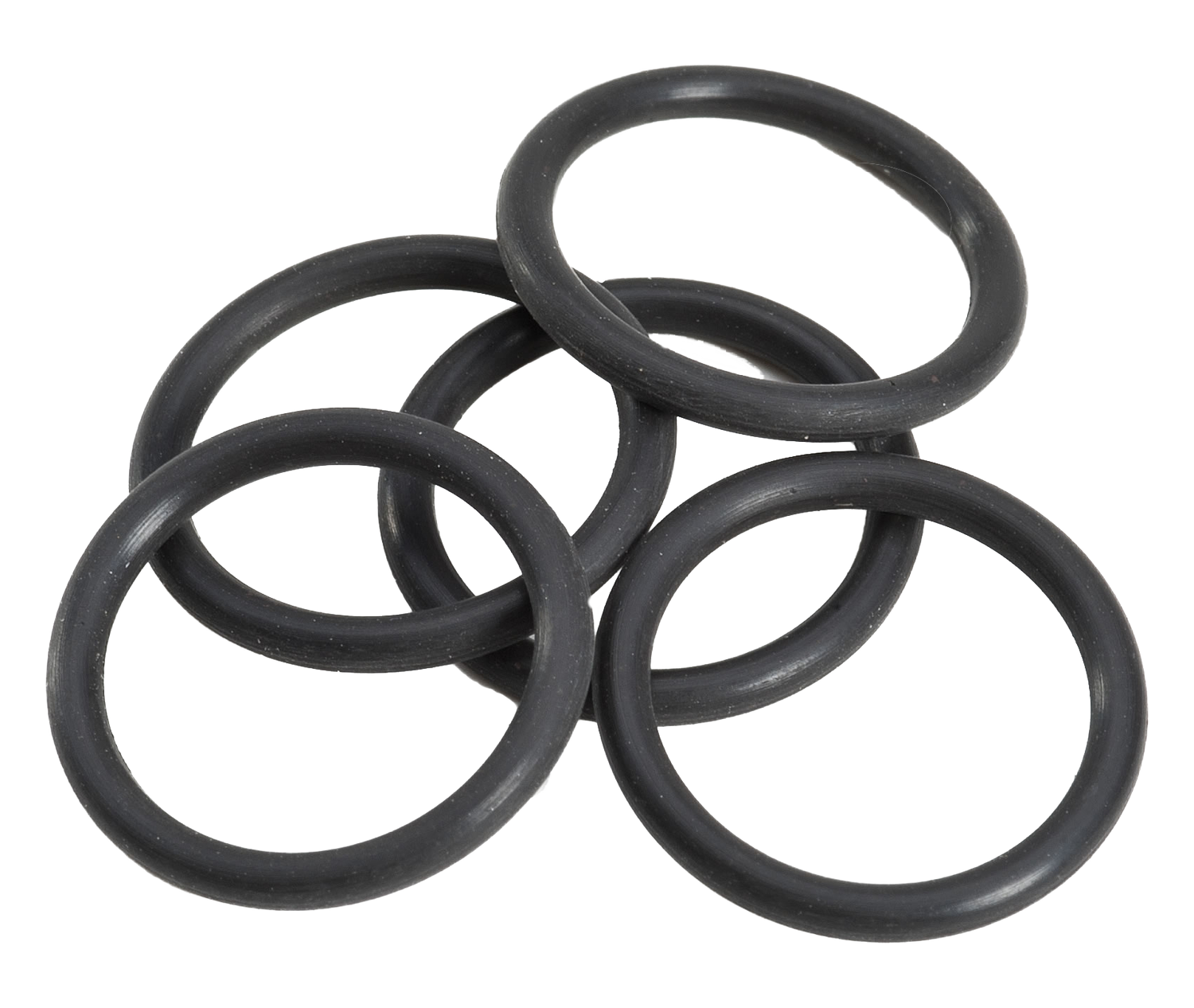
Engineering Capability: Precision-Driven Rubber Solutions for Conveyor Belt Applications
At Suzhou Baoshida Trading Co., Ltd., our engineering capability forms the backbone of our industrial rubber solutions, particularly in the design and production of high-performance conveyor belts. With a dedicated team of five specialized mold engineers and two advanced formula engineers, we maintain full in-house control over the development lifecycle—from concept to final product. This integrated approach ensures technical precision, rapid iteration, and seamless scalability tailored to the demanding requirements of global OEMs.
Our mold engineering team specializes in the design and optimization of vulcanization molds and calendering tooling used in conveyor belt manufacturing. Utilizing advanced CAD/CAM systems and finite element analysis (FEA), they ensure dimensional accuracy, uniform pressure distribution during curing, and extended mold service life. Each mold is engineered to support complex surface patterns, cleat configurations, and splice geometries critical for traction, load stability, and operational efficiency in mining, logistics, and bulk material handling industries.
Complementing this expertise, our two rubber formulation engineers bring deep knowledge in polymer chemistry and compounding science. They develop custom rubber compounds optimized for abrasion resistance, oil and heat resistance, flame retardancy (per ISO 340 and EN 14973), and low-temperature flexibility. By precisely balancing natural rubber (NR), styrene-butadiene rubber (SBR), nitrile (NBR), and EPDM with reinforcing fillers, curatives, and protective additives, we achieve performance-tuned materials that extend conveyor belt service life under extreme mechanical and environmental stress.
Our OEM capabilities are built on a foundation of technical collaboration and confidentiality. We work directly with original equipment manufacturers to reverse-engineer legacy components, validate new designs through prototype testing, and deliver high-volume production runs with consistent quality. Our facility supports full traceability, batch-specific compound certification, and compliance with international standards including ISO 9001, REACH, and RoHS.
Below is a representative specification table of our standard conveyor belt compounds, illustrating the performance parameters achievable through our engineering integration:
| Property | NR/SBR Blend | NBR-Based | EPDM Variant |
|---|---|---|---|
| Tensile Strength (MPa) | ≥18 | ≥16 | ≥15 |
| Elongation at Break (%) | ≥450 | ≥400 | ≥420 |
| Hardness (Shore A) | 60–75 | 65–80 | 60–70 |
| Abrasion Loss (mm³) | ≤100 | ≤120 | ≤110 |
| Operating Temperature Range (°C) | -30 to +80 | -20 to +100 | -40 to +130 |
| Flame Resistance (ISO 340) | Compliant | Compliant | Compliant |
| Oil Resistance (Grade) | Low | High | Medium |
This synergy between mold design and material science enables Suzhou Baoshida to deliver conveyor belt solutions that meet exacting industrial demands. Our engineering team remains committed to innovation, reliability, and long-term partnership with OEM clients worldwide.
Customization Process
Conveyor Belt Customization Process: Precision Engineering from Concept to Production
At Suzhou Baoshida Trading Co., Ltd., our conveyor belt customization process eliminates guesswork through a rigorously structured methodology. We prioritize technical alignment between client specifications and material science realities, ensuring optimal performance in demanding industrial environments. This four-phase workflow—Drawing Analysis, Formulation, Prototyping, and Mass Production—minimizes iteration cycles and guarantees seamless scalability.
Drawing Analysis initiates every project. Our engineering team dissects CAD files, technical drawings, or PDF schematics to validate critical parameters: operating temperature range, load distribution, surface contact dynamics, and environmental exposure (e.g., oil, abrasives, or UV). We cross-reference these against ISO 21183 and ASTM D1566 standards, identifying potential stress points or material incompatibilities early. This phase includes collaborative reviews with OEM clients to resolve ambiguities in pulley geometry, splice requirements, or edge wear zones, preventing costly redesigns later.
Formulation leverages our proprietary compound library and 15+ years of rubber chemistry expertise. Based on the validated drawing inputs, we engineer bespoke elastomer matrices balancing tensile strength, abrasion resistance, and flex fatigue. For instance, high-impact mining applications demand formulations with reinforced carbon-black dispersion and specialized antidegradants, while food-grade belts require FDA-compliant, non-staining compounds. Each formula undergoes computational simulation for vulcanization kinetics and thermal stability before physical batching.
Prototyping transforms theoretical formulations into validated physical assets. We produce 1–3 meter test segments using pilot-scale calendering and curing equipment replicating mass-production conditions. These prototypes undergo accelerated lifecycle testing: DIN 22102 abrasion trials, ISO 188 heat aging, and dynamic splice integrity checks. Clients receive comprehensive test reports with tear strength, elongation at break, and cover adhesion metrics. Only after OEM sign-off on all performance criteria do we proceed.
Mass Production integrates stringent process controls. Raw materials are batch-tracked via ERP systems, with real-time monitoring of mixing temperature, curing time, and calender roll pressure. Statistical Process Control (SPC) charts ensure dimensional tolerances (±0.5mm thickness) and cover hardness (±3 Shore A) remain within spec. Every 500-meter lot undergoes destructive testing, with full traceability to raw material certificates. Final inspection includes laser-guided surface defect scanning and splice ultrasonic verification.
Critical performance specifications for custom conveyor belts are summarized below. All values are validated per international standards and adjustable within technical feasibility limits.
| Property | Standard Range | Custom Capability | Test Method |
|---|---|---|---|
| Tensile Strength | 15–30 MPa | Up to 45 MPa | ASTM D412 |
| Elongation at Break | 300–500% | 200–600% | ASTM D412 |
| Abrasion Resistance | ≤120 mm³ loss | ≤80 mm³ loss | ISO 4649 |
| Operating Temperature | -30°C to +80°C | -50°C to +120°C | ISO 188 |
| Cover Hardness | 60–75 Shore A | 45–85 Shore A | ASTM D2240 |
This systematic approach ensures Suzhou Baoshida delivers conveyor belts that meet exact operational demands while adhering to ISO 9001 quality protocols. By anchoring customization in data-driven validation, we reduce time-to-deployment by 30% versus industry averages and eliminate field failure risks inherent in generic solutions. Partner with us to transform your technical drawings into engineered reality.
Contact Engineering Team
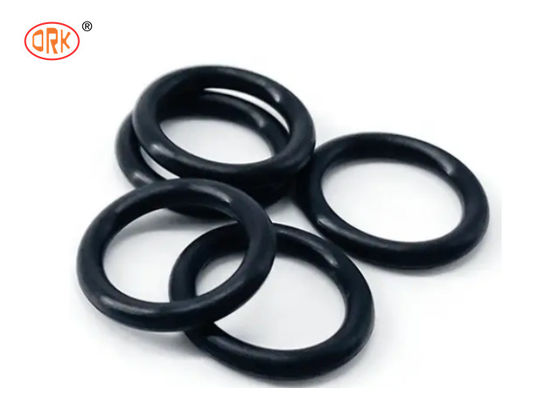
Contact Suzhou Baoshida for Precision Rubber Conveyor Belt Solutions
At Suzhou Baoshida Trading Co., Ltd., we specialize in the development and supply of high-performance industrial rubber conveyor belts engineered for durability, efficiency, and operational consistency across diverse manufacturing and material handling environments. Our expertise lies in formulating advanced rubber compounds tailored to meet the rigorous demands of industries such as mining, cement production, food processing, logistics, and bulk material transport. Whether you require heat-resistant, oil-resistant, anti-static, or low-rolling-resistance conveyor systems, our technical team ensures every product aligns with ISO standards and OEM specifications.
For project-specific inquiries, technical consultations, or custom formulation support, we invite you to contact Mr. Boyce, our dedicated OEM Manager and Rubber Formula Engineer. With over 15 years of experience in polymer science and industrial belt applications, Mr. Boyce leads the integration of material innovation with real-world performance requirements. He is available to review your operational conditions, failure analysis reports, and environmental constraints to recommend or develop a conveyor belt solution optimized for longevity and cost-efficiency.
Our manufacturing partners utilize state-of-the-art calendaring, vulcanization, and splice-verification technologies to ensure dimensional accuracy, tensile strength consistency, and seamless joint integrity. Every belt undergoes rigorous quality control testing, including adhesion strength, elongation at break, abrasion resistance (per DIN ISO 4649), and cover hardness evaluation. We support both metric and imperial configurations and offer conveyor belts in standard and custom widths up to 2.4 meters, with carcass options in polyester-nylon (EP), cotton, or steel cord construction.
To facilitate informed decision-making, below is a representative specification table of our most widely deployed conveyor belt series:
| Property | EP-300 | NN-200 | Steel Cord (ST1000) | Heat-Resistant (HR-150°C) |
|---|---|---|---|---|
| Tensile Strength (N/mm per ply) | 300 | 200 | 1000 | 300 |
| Number of Plies | 3–6 | 3–5 | Single core | 4–6 |
| Top Cover Thickness (mm) | 3–8 | 3–8 | 6–10 | 6–12 |
| Bottom Cover Thickness (mm) | 1.5–3 | 1.5–3 | 2–4 | 3–4 |
| Abrasion Loss (mm³) | ≤90 | ≤100 | ≤85 | ≤110 |
| Operating Temperature Range (°C) | -20 to +80 | -20 to +80 | -20 to +80 | -20 to +150 |
| Special Features | High modulus, low stretch | Impact-resistant, flexible | High tensile, long-distance | Resists thermal degradation |
Partnering with Suzhou Baoshida means gaining access to technically grounded solutions backed by responsive engineering support. For immediate assistance, please contact Mr. Boyce directly at [email protected]. Include details such as belt dimensions, operating environment, material conveyed, and any prior failure modes to accelerate the evaluation process. We respond to all technical inquiries within 4 business hours and offer sample submissions for performance validation.
⚖️ O-Ring Weight Calculator
Estimate rubber O-ring weight (Approx).