
Technical Contents
Engineering Guide: Converyor Belt
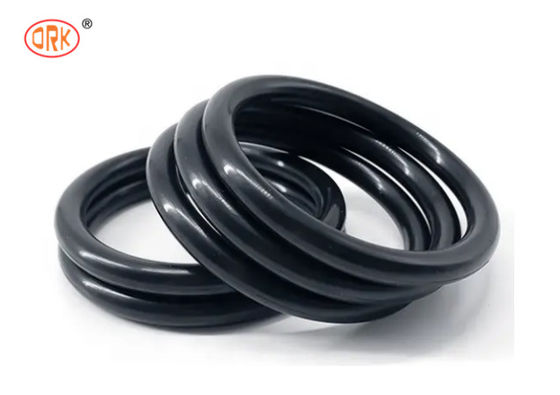
Engineering Insight: The Critical Role of Material Selection in Conveyor Belt Performance
In industrial environments where conveyor belts serve as the backbone of material handling systems, performance reliability is non-negotiable. A common misconception among procurement teams is that off-the-shelf conveyor belts offer cost-effective and universally applicable solutions. However, real-world operational data consistently demonstrates that generic belts fail prematurely when deployed in specialized applications. The root cause lies in inadequate material selection—a factor that directly influences wear resistance, tensile strength, temperature tolerance, and chemical compatibility.
Conveyor belts are subjected to dynamic stressors including abrasion, impact loading, exposure to oils and solvents, and extreme temperature fluctuations. Off-the-shelf products are typically engineered for average conditions, not the specific mechanical and environmental demands of niche industries such as mining, food processing, or chemical manufacturing. For example, a belt constructed with standard natural rubber may degrade rapidly when exposed to petroleum-based fluids, while a PVC belt may become brittle in sub-zero cold storage environments.
At Suzhou Baoshida Trading Co., Ltd., we emphasize engineered-to-application solutions. Our industrial rubber formulations are tailored to match the operational profile of the end-use environment. This begins with a thorough analysis of load dynamics, conveyor speed, ambient conditions, and material conveyed. From there, we select base polymers—such as nitrile (NBR), ethylene propylene diene monomer (EPDM), or chloroprene (CR)—that offer optimal resistance to the anticipated stressors.
For instance, in high-temperature applications exceeding 120°C, EPDM compounds provide superior thermal stability compared to standard SBR rubber. In food processing lines requiring compliance with FDA regulations, we utilize white food-grade rubber with antimicrobial additives and non-toxic curing systems. Each formulation is validated through accelerated life testing, ensuring longevity under actual operating conditions.
The consequences of improper material selection extend beyond premature failure. Downtime, safety hazards, and increased maintenance costs compound the total cost of ownership, often negating any initial savings from choosing a generic belt. Custom-engineered belts, while requiring a higher upfront investment, deliver longer service life, reduced replacement frequency, and improved operational efficiency.
Below is a comparative overview of common rubber materials used in conveyor belt manufacturing, highlighting their performance characteristics.
| Material | Temperature Range (°C) | Abrasion Resistance | Oil Resistance | Chemical Resistance | Typical Application |
|---|---|---|---|---|---|
| Natural Rubber (NR) | -20 to +80 | Excellent | Poor | Poor | Mining, aggregate handling |
| Styrene-Butadiene (SBR) | -20 to +80 | Good | Poor | Moderate | General-purpose conveying |
| Nitrile (NBR) | -30 to +100 | Good | Excellent | Good | Oil and fuel handling |
| EPDM | -50 to +150 | Moderate | Poor | Excellent | High-temperature, ozone-rich environments |
| Chloroprene (CR) | -30 to +100 | Good | Good | Very Good | Outdoor, marine, chemical exposure |
Material selection is not a secondary consideration—it is the foundation of conveyor belt integrity. At Suzhou Baoshida, we partner with OEMs and end users to ensure every belt is engineered for performance, not just price.
Material Specifications
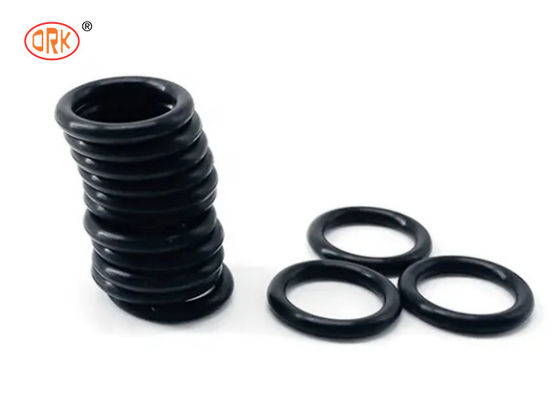
Material Specifications for Industrial Conveyor Belting
Suzhou Baoshida Trading Co., Ltd. provides precision-engineered rubber conveyor belts tailored to demanding industrial environments. Material selection directly impacts operational longevity, chemical compatibility, and thermal stability. Our core formulations—Viton, Nitrile, and Silicone—address distinct application challenges while adhering to ASTM D2000 and ISO 37 standards. Each compound undergoes rigorous QC validation for tensile strength, elongation, and abrasion resistance prior to OEM deployment.
Viton fluoroelastomer belts excel in extreme chemical and thermal exposure. With a continuous service range of -20°C to 230°C, they resist aggressive solvents, acids, and hydrocarbons common in petrochemical and semiconductor manufacturing. Tensile strength averages 15 MPa, though higher-cost formulation is justified by 5–7-year service life in corrosive settings. Limitations include poor flexibility below -10°C and incompatibility with ketones or ammonia-based cleaners.
Nitrile butadiene rubber (NBR) remains the industry standard for oil and fuel resistance. Operating effectively from -30°C to 100°C, it delivers 12–18 MPa tensile strength and superior abrasion performance in automotive assembly and logistics. Its acrylonitrile content (typically 33–45%) dictates oil resistance levels; higher percentages enhance fuel tolerance but reduce low-temperature flexibility. NBR degrades under prolonged ozone or UV exposure, necessitating protective top covers in outdoor applications.
Silicone rubber belts serve high-purity and extreme-temperature niches. With an unmatched range of -60°C to 200°C continuous use, they maintain flexibility in cryogenic food processing and resist steam sterilization in pharmaceutical lines. Tensile strength is moderate at 6–9 MPa, and tear resistance is inferior to NBR or Viton. Critical advantages include FDA 21 CFR compliance, non-toxicity, and resilience against oxidation—though mechanical strength requires reinforcement for heavy-load conveyance.
The following table summarizes critical performance parameters for OEM decision-making:
| Material | Temperature Range (°C) | Tensile Strength (MPa) | Key Chemical Resistances | Primary Limitations |
|---|---|---|---|---|
| Viton | -20 to 230 | 14–16 | Acids, fuels, solvents, oils | Poor low-temp flexibility; high cost |
| Nitrile | -30 to 100 | 12–18 | Oils, fuels, aliphatic hydrocarbons | Ozone degradation; limited heat resistance |
| Silicone | -60 to 200 | 6–9 | Steam, oxygen, water, weak acids | Low tear strength; expensive reinforcement |
Optimal material selection requires correlating operational parameters—peak temperatures, chemical exposure profiles, and mechanical stress—with these validated specifications. Suzhou Baoshida’s engineering team conducts application-specific compound adjustments, such as adding carbon black for NBR UV resistance or fluorosilicone variants for Viton’s low-temperature gaps. All formulations undergo 72-hour accelerated aging tests per ISO 188 to ensure field reliability. Partner with our OEM division to translate these material properties into conveyor systems that minimize downtime and total cost of ownership.
Manufacturing Capabilities
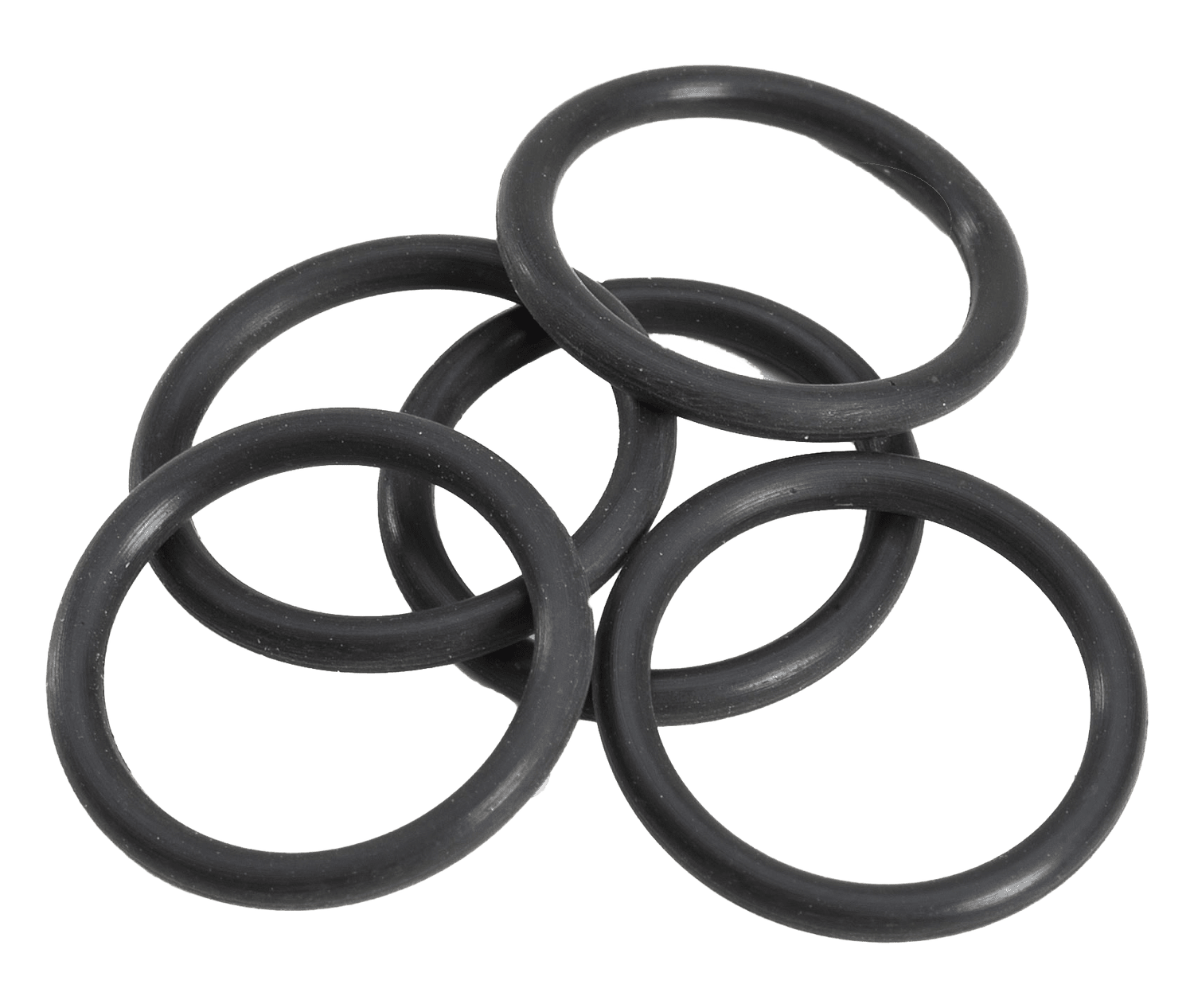
Engineering Excellence in Industrial Conveyor Belt Development
At Suzhou Baoshida Trading Co., Ltd., our engineering capability forms the backbone of our industrial rubber solutions, ensuring precision, durability, and performance in every conveyor belt we develop. With a dedicated team of 5 experienced mould engineers and 2 specialized rubber formula engineers, we maintain full in-house control over the design, material development, and manufacturing processes. This integrated approach enables us to deliver customized conveyor belt systems tailored to the rigorous demands of industrial applications.
Our mould engineers possess extensive expertise in precision tooling design, utilizing advanced CAD/CAM software and CNC machining techniques to produce high-tolerance moulds. These capabilities ensure consistent belt geometry, accurate surface patterning, and seamless splice compatibility—critical factors in maintaining operational efficiency across material handling systems. By controlling the entire mould fabrication process internally, we reduce lead times and maintain strict quality standards, allowing for rapid prototyping and scalable production.
Complementing our mould engineering strength is our advanced rubber formulation laboratory. Our two certified formula engineers specialize in polymer chemistry and material performance optimization. They develop proprietary rubber compounds designed to meet specific industrial requirements such as abrasion resistance, oil and heat resistance, static dissipation, and low-temperature flexibility. Each formulation is rigorously tested under simulated operational conditions to validate mechanical properties, aging behavior, and long-term durability.
This synergy between mould design and material science empowers our OEM capabilities. We collaborate directly with equipment manufacturers and industrial end-users to co-engineer conveyor belts that integrate seamlessly into existing systems. Whether modifying tensile strength, adjusting belt thickness, or incorporating special additives for food-grade or flame-retardant compliance, our team ensures that every specification is met with scientific precision.
Our OEM service model emphasizes flexibility, confidentiality, and technical partnership. We support clients from concept validation through to mass production, offering full documentation, batch traceability, and performance certification. This end-to-end engineering control ensures that every conveyor belt not only meets but exceeds industry standards for safety, efficiency, and longevity.
Key Engineering Specifications and Capabilities
| Parameter | Specification Range | Testing Standard |
|---|---|---|
| Tensile Strength | 15–35 MPa | ISO 37 |
| Elongation at Break | 300–600% | ISO 37 |
| Hardness (Shore A) | 50–85 | ISO 48 |
| Operating Temperature Range | -40°C to +120°C (up to +180°C with special compounds) | ASTM D1329 / ISO 188 |
| Abrasion Loss (Taber, 1000 rev) | ≤120 mg | ISO 4649 |
| Oil Resistance (IRHD) | Volume swell ≤25% after 70 hrs at 100°C | ISO 1817 |
| Mould Tolerance | ±0.1 mm | Internal QC Standard |
| Custom Compound Development | Available (NBR, EPDM, NR, SBR, CR, and blends) | ASTM D2000 |
Through this comprehensive engineering framework, Suzhou Baoshida Trading Co., Ltd. delivers high-performance conveyor belt solutions that stand up to the most demanding industrial environments. Our technical expertise ensures reliability, innovation, and long-term value for global manufacturing partners.
Customization Process
Customization Process for Industrial Conveyor Belts
At Suzhou Baoshida Trading Co., Ltd., our conveyor belt customization process integrates rigorous engineering with client-specific requirements to deliver optimal performance in demanding industrial environments. This structured workflow ensures precision from initial concept to final production, minimizing risk and maximizing operational efficiency for OEM partners.
Drawing Analysis
The process initiates with comprehensive technical drawing review. Our engineering team scrutinizes client-provided specifications, including belt dimensions, splice configurations, pulley diameters, and operational parameters such as load capacity, speed, and environmental exposure. Critical factors like temperature ranges, chemical contact, and abrasion severity are quantified against ISO 21183 and ISO 15243 standards. This phase identifies potential design conflicts early, such as inadequate cover thickness for high-impact applications or insufficient tensile strength for long-haul conveyors. Client collaboration is essential here; we provide actionable feedback within 72 hours to refine geometry and material allocation before progression.
Formulation
Based on validated operational data, our rubber chemists develop a bespoke compound formulation. Key variables include polymer selection (e.g., natural rubber for high elasticity, EPDM for ozone resistance), reinforcing fillers, vulcanization systems, and protective additives. Below outlines typical compound properties for common industrial scenarios:
| Compound Type | Tensile Strength (MPa) | Abrasion Loss (mm³) | Temperature Range (°C) | Key Additive Systems |
|---|---|---|---|---|
| High-Abrasion NR | 28–32 | ≤90 | -30 to +80 | Silica/carbon black hybrid |
| Oil-Resistant SBR | 22–26 | ≤120 | -20 to +100 | Nitrile modifiers |
| Extreme Temp EPDM | 18–22 | ≤150 | -50 to +150 | Peroxide curing |
Formulations are optimized using Mooney viscometry and DSC thermal analysis to balance processability with end-use durability. All compounds undergo preliminary ASTM D2000 validation for hardness, elongation, and compression set.
Prototyping
A functional prototype is manufactured using client-approved tooling and the finalized compound. This stage includes dynamic testing on our in-house conveyor simulator, replicating real-world stressors like edge wear, impact loading, and splice integrity at 120% of rated capacity. Accelerated aging tests (e.g., 72-hour ozone exposure at 50 ppm) verify chemical resistance. Prototype performance data is benchmarked against client KPIs; deviations trigger immediate compound or design recalibration. Typically, two iterative cycles suffice to achieve 98%+ specification compliance, documented per ISO 9001 traceability protocols.
Mass Production
Upon prototype sign-off, seamless transition to mass production occurs under stringent process control. Each batch undergoes real-time rheometer monitoring during mixing and vulcanization to ensure ±2% consistency in cure characteristics. Final belts are 100% inspected for dimensional accuracy (±0.5mm tolerance), cover adhesion (peel strength ≥12 kN/m), and splice quality via ultrasonic testing. Production scalability is supported by our 20,000m² facility, with batch sizes from 50m to 10,000m achievable within 15–30 days. All output includes full material traceability certificates and third-party test reports for OEM compliance documentation.
This disciplined approach transforms complex operational demands into reliable, high-performance conveyor solutions, reinforcing Suzhou Baoshida’s commitment to engineering excellence in industrial rubber systems.
Contact Engineering Team
For industrial manufacturers seeking high-performance conveyor belt solutions, Suzhou Baoshida Trading Co., Ltd. stands as a trusted partner in the design, supply, and technical support of advanced rubber-based systems. Specializing in industrial rubber solutions, our company integrates material science, engineering precision, and OEM-level customization to deliver conveyor belts that meet the rigorous demands of mining, manufacturing, logistics, and material handling sectors.
Our conveyor belts are engineered using premium synthetic and natural rubber compounds, reinforced with high-tensile fabric or steel cords, ensuring durability under extreme mechanical stress, temperature fluctuations, and exposure to abrasion, oil, and chemicals. Each product is developed in alignment with international quality standards, including ISO 9001 certification, and undergoes rigorous testing for tensile strength, elongation, adhesion, and resistance to environmental degradation.
We understand that every industrial application presents unique operational challenges. Whether you require heat-resistant belts for kiln transport, flame-retardant belts for underground mining, or food-grade belts compliant with FDA regulations, our technical team collaborates directly with clients to define performance parameters and deliver tailored solutions. This client-centric engineering approach ensures optimal belt selection, extended service life, and minimized downtime.
To support seamless integration and long-term performance, we provide comprehensive technical documentation, installation guidance, and lifecycle maintenance recommendations. Our global supply chain ensures timely delivery to clients across Asia, Europe, North America, and beyond, backed by responsive after-sales service and quality assurance protocols.
For immediate technical consultation or quotation requests, contact Mr. Boyce, Rubber Formula Engineer and OEM Manager at Suzhou Baoshida Trading Co., Ltd. Mr. Boyce leads material formulation, product development, and OEM collaboration, ensuring every conveyor belt solution is aligned with the client’s operational environment and performance goals. Reach him directly via email at [email protected] to discuss custom specifications, request samples, or schedule a technical review.
Below are key technical specifications for our standard conveyor belt series, illustrating the performance range available for industrial applications.
| Property | Standard Fabric Belt | Steel Cord Belt | Heat-Resistant Belt | Oil-Resistant Belt |
|---|---|---|---|---|
| Tensile Strength (N/mm) | 100–300 | 600–3000 | 150–400 | 120–350 |
| Elongation at Break (%) | ≥10 | ≥4 | ≥8 | ≥9 |
| Operating Temperature Range (°C) | -20 to +80 | -20 to +80 | -20 to +180 | -20 to +80 |
| Cover Hardness (Shore A) | 60–75 | 65–80 | 65–75 | 70–80 |
| Abrasion Resistance (mm³ loss) | ≤120 | ≤100 | ≤130 | ≤110 |
| Adhesion Strength (N/mm) | ≥3.5 | ≥4.0 | ≥3.0 | ≥3.8 |
Initiate your project with engineered reliability. Contact Mr. Boyce today at [email protected] to advance your conveyor system performance with scientifically formulated rubber solutions from Suzhou Baoshida Trading Co., Ltd.
⚖️ O-Ring Weight Calculator
Estimate rubber O-ring weight (Approx).