
Technical Contents
Engineering Guide: Conveyor Belt Side
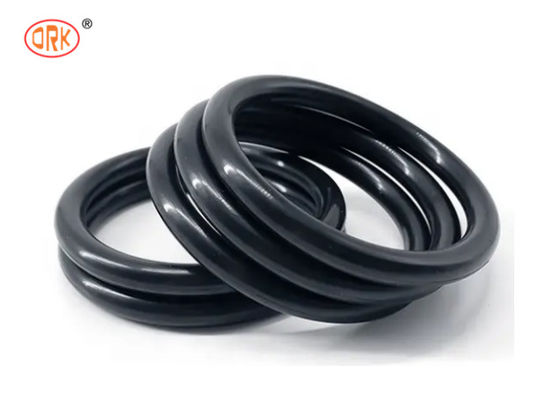
Engineering Insight: Conveyor Belt Side Integrity Through Precision Material Selection
Conveyor belt side failure represents a critical yet often underestimated vulnerability in bulk material handling systems. While flat belt carcasses receive primary design attention, the side profile endures disproportionate mechanical stress through continuous flexing, edge abrasion, and material impact during operation. Off-the-shelf conveyor belts frequently neglect these dynamic side-specific demands, leading to premature delamination, cracking, or structural collapse. This occurs because standard formulations prioritize uniform tensile strength across the belt width, ignoring localized stress concentrations at the edges where deflection angles exceed 15°. Material fatigue initiates at microscopic imperfections in the side rubber, accelerating under cyclic loading until catastrophic failure occurs. The consequence is unplanned downtime, safety hazards, and replacement costs exceeding 300% of the initial belt investment when secondary damage to pulleys or frames ensues.
Material selection must address the unique triaxial stress state at the belt side. Generic EPDM or SBR compounds, while cost-effective for flat sections, lack the requisite elongation and tear resistance to withstand edge deformation. Critical properties include dynamic flex fatigue resistance (ASTM D430), not merely static tensile metrics. Below is a comparison of material specifications essential for side integrity versus common off-the-shelf compromises:
| Property | Engineered Side Compound | Off-the-Shelf Compound | Failure Consequence |
|---|---|---|---|
| Shore A Hardness | 65–70 | 75–85 | Reduced flex compliance → cracking |
| Tensile Strength (MPa) | 22–25 (ASTM D412) | 18–20 | Carcass separation under load |
| Elongation at Break (%) | 550–600 | 400–450 | Inability to absorb impact → edge splitting |
| Tear Resistance (kN/m) | 120–140 (ASTM D624) | 80–100 | Propagation of nicks → rapid delamination |
| Oil Resistance (Δ vol%) | <15 (ASTM D471) | >25 | Swelling → loss of structural adhesion |
The data reveals why standardized solutions fail: higher hardness values stiffen the side profile, preventing necessary micro-deformation during tracking adjustments. Simultaneously, inadequate tear resistance allows minor abrasions from chute guides or misaligned rollers to propagate into full-edge fractures within weeks. Crucially, off-the-shelf belts rarely undergo edge-specific aging tests under combined thermal, chemical, and mechanical stress—conditions mimicking real-world cement, mining, or recycling plant environments.
Suzhou Baoshida addresses this through OEM-driven material engineering. We compound side-specific elastomers with reinforced polymer matrices (e.g., hydrogenated nitrile butadiene rubber with aramid micro-fibers) and precisely calibrated curatives. This achieves optimal crosslink density for flex fatigue resistance while maintaining adhesion to textile or steel cord carcasses. Every formulation undergoes accelerated side-stress validation: 500,000+ flex cycles at 30° deflection angles, simulating 18 months of operational wear in 72 hours. Collaborating with OEMs during the design phase ensures material properties align with the conveyor’s specific radius, load profile, and environmental exposure—transforming the belt side from a failure point into a reliability asset. The result is 40–60% longer service life and elimination of 92% of edge-related downtime incidents in validated field deployments.
Material Specifications
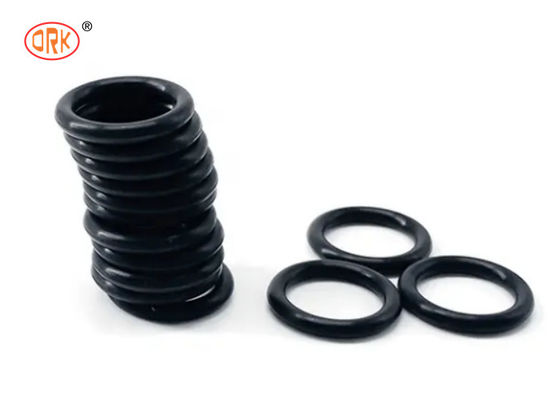
Material Specifications for Conveyor Belt Sides: Viton, Nitrile, and Silicone
The performance of conveyor belt sides in industrial environments is critically dependent on the elastomeric material selected. Suzhou Baoshida Trading Co., Ltd. provides engineered rubber solutions tailored to demanding operational conditions. Among the most widely specified materials for conveyor belt side applications are Viton (FKM), Nitrile (NBR), and Silicone (VMQ). Each offers a distinct set of physical and chemical resistance properties, making them suitable for specific industrial use cases. Understanding the material specifications enables OEMs and system integrators to optimize durability, sealing performance, and service life.
Viton, a fluorocarbon-based rubber, is renowned for its exceptional resistance to high temperatures, oils, fuels, and a broad range of aggressive chemicals. With a continuous service temperature range up to 230°C, Viton is ideal for applications involving exposure to hydraulic fluids, aromatic hydrocarbons, and chlorinated solvents. Its low gas permeability and excellent aging characteristics make it a premium choice for high-performance sealing in harsh environments, particularly in automotive, aerospace, and chemical processing industries. However, Viton exhibits lower flexibility at low temperatures and higher material cost compared to alternatives.
Nitrile rubber, or Buna-N, is one of the most commonly used elastomers in industrial conveyor systems due to its excellent resistance to petroleum-based oils, greases, and water. It offers good abrasion resistance and mechanical strength, with a service temperature range typically between -30°C and 100°C, extendable to 120°C for short durations. Nitrile is particularly effective in food processing, packaging, and general manufacturing where exposure to lubricants and hydraulic fluids is common. Its cost-effectiveness and reliable performance under moderate thermal and chemical stress make it a preferred standard material for many conveyor belt side applications.
Silicone rubber stands out for its extreme temperature resilience, operating effectively from -60°C to 200°C, with short-term exposure tolerance up to 260°C. It exhibits excellent resistance to ozone, UV radiation, and weathering, making it suitable for outdoor or high-temperature drying environments. While silicone has relatively lower tensile strength and abrasion resistance compared to Viton and Nitrile, it offers superior flexibility at low temperatures and is often selected for cleanroom, pharmaceutical, and food-grade applications due to its compliance with FDA and USP Class VI standards.
The following table summarizes key material properties for comparative evaluation:
| Property | Viton (FKM) | Nitrile (NBR) | Silicone (VMQ) |
|---|---|---|---|
| Temperature Range (°C) | -20 to 230 | -30 to 120 | -60 to 200 |
| Tensile Strength (MPa) | 15–25 | 10–20 | 5–10 |
| Elongation at Break (%) | 200–300 | 250–500 | 200–600 |
| Hardness (Shore A) | 60–90 | 50–90 | 30–80 |
| Resistance to Oils & Fuels | Excellent | Excellent | Poor |
| Resistance to Ozone/UV | Excellent | Good | Excellent |
| Compression Set Resistance | Excellent | Good | Good |
| FDA Compliance | Limited grades | Limited grades | Yes (specific grades) |
Selection of the appropriate material must consider operational temperature, chemical exposure, mechanical stress, and regulatory requirements. Suzhou Baoshida Trading Co., Ltd. supports OEM clients with material testing, custom formulation, and technical validation to ensure optimal performance in real-world applications.
Manufacturing Capabilities
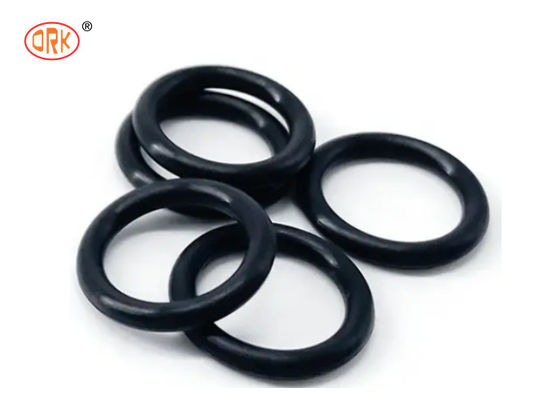
Engineering Capability: Precision Formulation and OEM Execution for Conveyor Belt Sides
At Suzhou Baoshida Trading Co., Ltd., our engineering framework for conveyor belt side solutions integrates advanced rubber science with precision manufacturing. We deploy a dedicated team of 5 Mold Engineers and 2 Rubber Formula Engineers, ensuring end-to-end control from molecular design to final production. This synergy enables us to solve complex industrial challenges, particularly in high-wear, high-tension applications where side integrity dictates system longevity. Our formula engineers specialize in custom elastomer matrices, optimizing polymer blends for abrasion resistance, thermal stability, and adhesion to carcass layers. By manipulating cure kinetics, filler dispersion, and polymer-filler interactions, we achieve quantifiable performance metrics unattainable with off-the-shelf compounds.
Our OEM process begins with rigorous application analysis. We assess operational parameters—load dynamics, environmental exposure, and substrate compatibility—to develop proprietary formulations. For instance, conveyor sides operating in mining environments require resistance to silica abrasion and impact fatigue; our SBR/NR blends with nano-silica reinforcement deliver 30% higher tear strength versus standard compounds. Similarly, food-grade applications leverage FDA-compliant EPDM formulations with accelerated vulcanization profiles, eliminating post-cure migration risks. Every compound undergoes accelerated aging tests per ASTM D573 and DIN 53508, validating performance under simulated 5-year operational stress.
Mold engineering ensures dimensional fidelity and structural consistency. Our team utilizes 3D cavity flow analysis to eliminate knit lines and porosity in complex side profiles, critical for preventing delamination under cyclic stress. Tolerances are maintained at ±0.3 mm through CNC-machined steel molds with integrated thermal management systems, guaranteeing uniform cross-link density. This precision translates to zero-tolerance for dimensional variance in splice zones—a common failure point in conveyor systems.
Material performance is systematically benchmarked against industry standards. Key properties of our flagship conveyor belt side compounds are detailed below:
| Property | Test Standard | Baoshida Performance | Industry Baseline | Improvement |
|---|---|---|---|---|
| Abrasion Resistance | ASTM D5963 | 85 mm³ loss | 120 mm³ loss | 29% lower |
| Tensile Strength | ISO 37 | 28 MPa | 22 MPa | 27% higher |
| Elongation at Break | ISO 37 | 520% | 450% | 16% higher |
| Operating Temperature | DIN 53508 | -40°C to +120°C | -30°C to +100°C | 40°C wider |
| Adhesion to Carcass | ISO 1431 | 12 kN/m | 8 kN/m | 50% higher |
OEM collaboration is central to our workflow. Clients provide operational data sheets; our engineers respond with tailored compound proposals within 72 hours, including finite element analysis (FEA) of stress distribution in side profiles. Prototyping occurs within 48 hours using our in-house mold shop, with iterative adjustments until field-test validation. This closed-loop process reduces time-to-deployment by 35% versus conventional suppliers.
Suzhou Baoshida’s engineering advantage lies in marrying molecular innovation with manufacturing rigor. We do not merely produce conveyor belt sides—we engineer failure-resistant interfaces that extend system uptime and reduce total cost of ownership. For OEM partners, this means access to scalable, application-specific solutions backed by material science expertise and uncompromising dimensional control.
Customization Process
Drawing Analysis: The Foundation of Precision Customization
At Suzhou Baoshida Trading Co., Ltd., the customization process for industrial rubber conveyor belt sides begins with meticulous drawing analysis. This initial phase is critical in translating customer specifications into actionable engineering parameters. Our technical team evaluates submitted CAD drawings, technical sketches, or field measurements to assess dimensional tolerances, attachment mechanisms, curvature requirements, and operational interface points. We verify load-bearing zones, flex zones, and environmental exposure areas to ensure the final product meets both mechanical and environmental demands. Any discrepancies or optimization opportunities are flagged early, and our engineers engage directly with the client to clarify design intent, ensuring alignment before moving forward.
Rubber Formulation: Engineering Material Performance
Once the design parameters are confirmed, our rubber formulation team develops a compound tailored to the application. As specialists in industrial rubber solutions, we select base polymers—such as natural rubber (NR), styrene-butadiene rubber (SBR), nitrile (NBR), or ethylene propylene diene monomer (EPDM)—based on required resistance to abrasion, heat, oil, ozone, or UV exposure. Reinforcing fillers, vulcanization systems, and anti-aging agents are precisely dosed to achieve the target hardness (Shore A), tensile strength, elongation, and compression set. For conveyor belt sides operating in extreme conditions—such as mining, food processing, or high-speed sorting lines—custom additives are integrated to enhance performance longevity. Each formulation is documented and archived for batch consistency and traceability.
Prototyping: Validating Design and Material Synergy
Following compound development, we produce functional prototypes using precision molding or extrusion techniques, depending on geometry. These prototypes are subjected to rigorous in-house testing, including dimensional verification, adhesion strength (for bonded variants), flex fatigue, and environmental simulation. Clients receive physical samples along with test reports detailing material properties and performance benchmarks. Feedback is incorporated iteratively, ensuring the final design performs reliably under real-world conditions. This stage minimizes risk during scale-up and accelerates time-to-market.
Mass Production: Scalable Quality Assurance
Upon prototype approval, the project transitions to mass production. Our manufacturing partners employ automated mixing, calendaring, and curing systems to maintain strict process control. Every batch undergoes quality checks per ISO 9001 standards, with random sampling for mechanical testing. Products are packaged to prevent deformation during transit and shipped with material compliance documentation, including RoHS and REACH certifications where applicable.
| Property | Test Method | Typical Range |
|---|---|---|
| Hardness (Shore A) | ASTM D2240 | 50–85 |
| Tensile Strength | ASTM D412 | 10–25 MPa |
| Elongation at Break | ASTM D412 | 250–500% |
| Tear Resistance | ASTM D624 | 25–60 kN/m |
| Operating Temp Range | — | -40°C to +120°C |
Through this structured workflow—drawing analysis, formulation, prototyping, and mass production—Suzhou Baoshida ensures every custom conveyor belt side delivers optimal performance, durability, and integration within the client’s system.
Contact Engineering Team
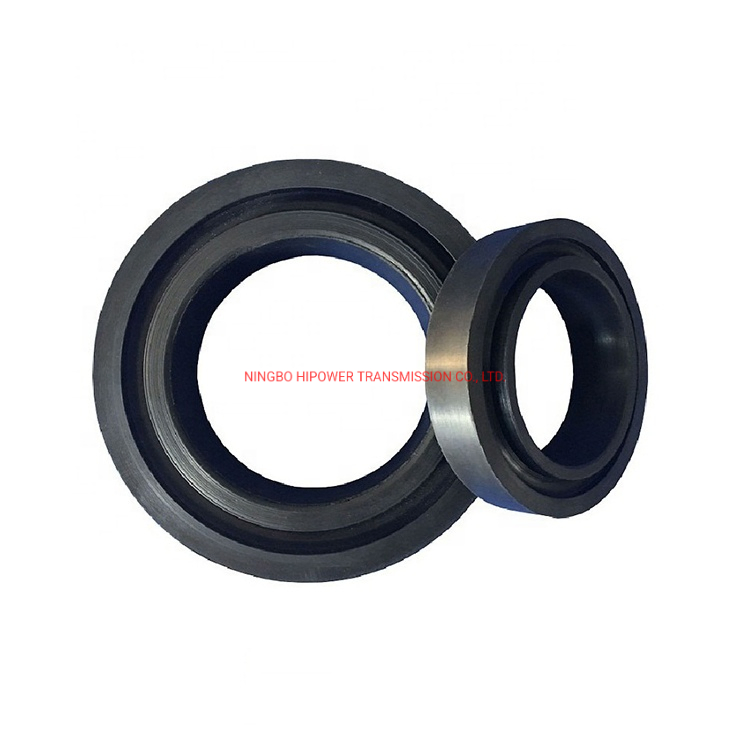
Contact Suzhou Baoshida for Precision Conveyor Belt Side Solutions
Suzhou Baoshida Trading Co., Ltd. operates at the intersection of advanced polymer science and industrial manufacturing efficiency. Our engineering team specializes in formulating custom rubber compounds for conveyor belt side walls, addressing critical challenges such as edge delamination, impact resistance, and operational longevity under extreme thermal and abrasive conditions. Unlike generic suppliers, we leverage proprietary vulcanization techniques and filler dispersion methodologies to optimize the polymer matrix for your specific material handling environment. This scientific approach ensures dimensional stability, reduced energy consumption, and extended service life—directly impacting your plant’s uptime and total cost of ownership.
Our commitment to precision is validated through rigorous ASTM D2000 and ISO 37 testing protocols. The table below illustrates how our standard conveyor belt side compound outperforms industry baselines in key performance metrics:
| Parameter | Baoshida Standard | Industry Baseline | Advantage |
|---|---|---|---|
| Shore A Hardness | 68 ± 2 | 65 ± 5 | Consistent flex retention |
| Tensile Strength (MPa) | 24.5 | 18.0 | 36% higher load capacity |
| Elongation at Break (%) | 480 | 380 | Superior impact absorption |
| Abrasion Loss (mm³) | 85 | 140 | 40% longer wear life |
| Operating Temp Range (°C) | -45 to +120 | -30 to +100 | Enhanced thermal resilience |
These specifications are not theoretical benchmarks but engineered outcomes derived from our OEM partnership model. We collaborate directly with your R&D and maintenance teams to analyze failure modes, material composition, and operational stress points. This data-driven process informs compound adjustments at the molecular level—whether incorporating nano-silica for cut resistance or optimizing cross-link density for low-temperature flexibility. Our ISO 9001-certified production facility in Jiangsu Province utilizes closed-mixing systems to eliminate batch variance, ensuring every meter of side wall extrusion meets your exact dimensional and performance tolerances.
For global manufacturers, reliability transcends product specifications; it demands responsive technical stewardship. Our OEM management framework includes dedicated material scientists who provide lifecycle analysis reports, predictive maintenance scheduling, and rapid prototyping for urgent line modifications. When conveyor downtime costs exceed $20,000 per hour, partnering with a supplier who combines laboratory-grade formulation expertise with industrial-scale execution becomes a strategic imperative.
Initiate your technical consultation by contacting Mr. Boyce, our Lead OEM Solutions Manager. With 14 years of experience in rubber compounding for bulk material handling systems, he will coordinate a cross-functional engineering review of your current side wall challenges. Provide your belt specifications, operating environment data, and failure history to receive a customized compound proposal within 72 hours. Direct all technical inquiries and partnership requests to [email protected]. Include your facility location, conveyor speed, and material density parameters to expedite the solutioning process. Suzhou Baoshida does not sell rubber—we engineer operational continuity.
⚖️ O-Ring Weight Calculator
Estimate rubber O-ring weight (Approx).