
Technical Contents
Engineering Guide: Conveyor Cord
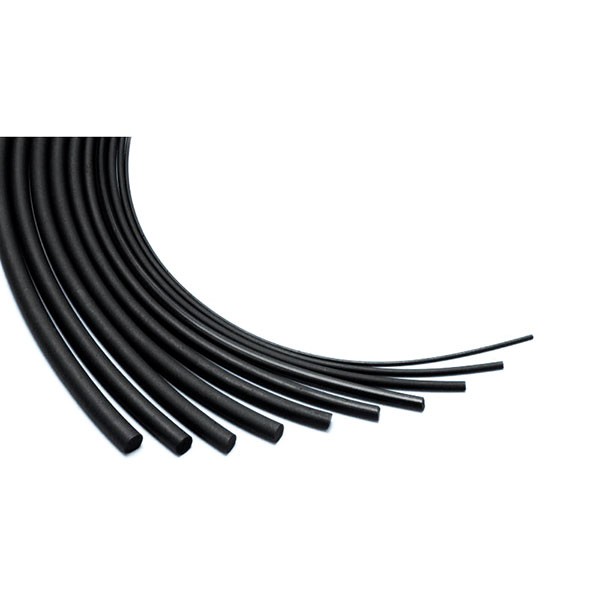
Engineering Insight: The Critical Role of Material Selection in Conveyor Cord Performance
In industrial conveyor systems, the cord—commonly referred to as the tensile member or carcass reinforcement—serves as the backbone of the belt, responsible for transmitting mechanical power and maintaining dimensional stability under load. Despite its seemingly passive role, the material selection for conveyor cord is a decisive factor in system longevity, operational efficiency, and total cost of ownership. Off-the-shelf solutions often fail to meet the rigorous demands of specialized industrial environments because they are designed for generalized applications rather than engineered for specific stress profiles, environmental conditions, or dynamic loads.
Conveyor cords are typically constructed from synthetic fibers such as polyester, nylon, aramid, or high-tenacity viscose, or from steel cords in heavy-duty applications. Each material exhibits distinct mechanical and chemical properties that influence elongation, tensile strength, fatigue resistance, and adhesion to rubber matrices. For example, polyester offers excellent dimensional stability and moderate elasticity, making it suitable for moderate-speed, medium-load applications. Nylon, while highly flexible and impact-resistant, suffers from high moisture absorption and creep under sustained load—making it unsuitable for humid or continuous-duty environments without proper treatment.
The failure of generic conveyor belts often originates from mismatched cord material selection. A common scenario involves deploying a standard polyester-reinforced belt in a high-impact mining conveyor, where dynamic shock loads exceed the cord’s fatigue threshold. Over time, microfractures propagate within the filaments, leading to delamination and catastrophic belt rupture. Similarly, steel cords in corrosive environments—such as food processing or chemical plants—can degrade due to inadequate zinc or polymer coatings, accelerating rust and reducing structural integrity.
Material performance is further influenced by the cord’s construction geometry, twist level, and adhesion-promoting treatments. Poor rubber-to-cord bonding, often overlooked in mass-produced belts, results in interlaminar separation under shear stress. At Suzhou Baoshida Trading Co., Ltd., we prioritize engineered compatibility between cord substrate and rubber compound, utilizing resorcinol-formaldehyde-latex (RFL) dipping processes calibrated to the specific polymer system.
Below is a comparative overview of common conveyor cord materials and their performance characteristics:
| Material | Tensile Strength (MPa) | Elongation at Break (%) | Adhesion to Rubber | Moisture Resistance | Typical Application |
|---|---|---|---|---|---|
| Polyester | 700–900 | 15–25 | High | Excellent | General manufacturing, packaging |
| Nylon 6 | 600–800 | 30–50 | Moderate | Poor | Impact-prone systems (short span) |
| Aramid | 3000–3500 | 2–4 | High (with treatment) | Excellent | High-speed, precision conveyors |
| High-Tenacity Viscose | 500–650 | 12–18 | Moderate | Moderate | Textile, paper industries |
| Steel Cord | 1800–2200 | 0.2–0.5 | Very High | Low (unless coated) | Mining, bulk material handling |
Custom engineering of conveyor cord systems ensures optimal alignment between operational parameters and material behavior. At Baoshida, we advocate for application-specific design, where load cycles, ambient conditions, and failure history inform material selection—moving beyond commoditized solutions toward durable, intelligent rubber systems.
Material Specifications
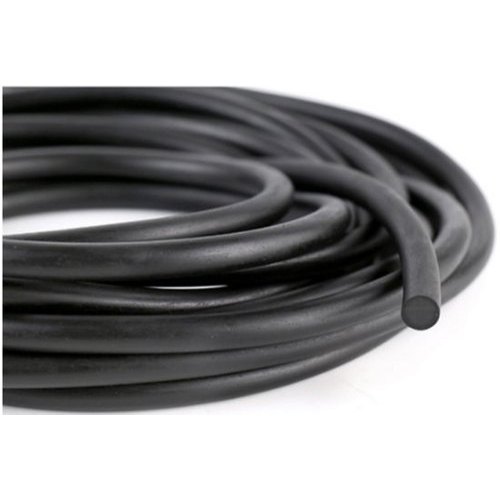
Material Specifications for Industrial Conveyor Cord Applications
Selecting the optimal elastomer for conveyor cord systems is critical for operational longevity, chemical compatibility, and thermal stability in demanding industrial environments. At Suzhou Baoshida Trading Co., Ltd., we engineer rubber compounds to meet rigorous OEM performance standards, ensuring seamless integration with textile or steel cord reinforcements. The three primary materials—Viton (FKM), Nitrile (NBR), and Silicone (VMQ)—exhibit distinct properties that dictate their suitability for specific conveyor applications. Viton excels in extreme chemical and high-temperature scenarios, Nitrile offers cost-effective resistance to oils and fuels, while Silicone provides unparalleled flexibility across wide temperature excursions. Each material must be compounded to achieve precise adhesion to cord substrates, critical for preventing delamination under cyclic stress.
The comparative analysis below details key specifications per ASTM D2000 and ISO 37 standards, reflecting real-world performance in conveyor cord manufacturing. Hardness values are optimized for 60–80 Shore A to balance flex fatigue resistance and tensile integrity, while elongation ensures dynamic strain accommodation during belt articulation.
| Material | Temperature Range (°C) | Key Resistance Properties | Tensile Strength (MPa) | Elongation at Break (%) | Primary Conveyor Applications |
|---|---|---|---|---|---|
| Viton (FKM) | -20 to +250 (short-term +300) | Exceptional: Acids, oils, ozone, jet fuels, hydraulic fluids | 12–18 | 150–250 | Chemical processing, aerospace fuel handling, high-temperature ovens |
| Nitrile (NBR) | -40 to +120 (short-term +150) | Excellent: Aliphatic hydrocarbons, greases, water, alcohols | 15–22 | 200–400 | Automotive assembly lines, printing machinery, general material handling |
| Silicone (VMQ) | -60 to +230 (short-term +260) | Good: Ozone, UV, water; Poor: Fuels, acids | 6–10 | 300–600 | Food processing (FDA-compliant grades), pharmaceutical cleanrooms, cryogenic transfer |
Viton’s fluoropolymer backbone delivers unmatched stability against aggressive solvents and sustained heat, though its higher cost necessitates justified use in severe-service contexts. Nitrile remains the industry benchmark for oil-resistant conveyor cords due to its robust mechanical properties and economical processing, particularly in automotive and logistics sectors. Silicone’s extreme low-temperature flexibility and biocompatibility make it indispensable for sanitary applications, though its lower abrasion resistance requires protective top covers in high-wear zones.
OEMs must prioritize compound formulation alongside base polymer selection. For instance, hydrogenated NBR (HNBR) variants extend temperature limits to +150°C while improving ozone resistance, and peroxide-cured Silicone grades enhance tear strength for high-tension cords. At Suzhou Baoshida, our R&D team tailors filler systems—such as silica for wet-grip or carbon black for abrasion resistance—to align with your conveyor’s operational profile. All materials undergo stringent adhesion testing per ASTM D429 Method B to guarantee cord-rubber bonding integrity under 150% dynamic elongation. Consult our engineering team to optimize material selection against your specific chemical exposure, speed, and load requirements, minimizing total cost of ownership through extended service life.
Manufacturing Capabilities
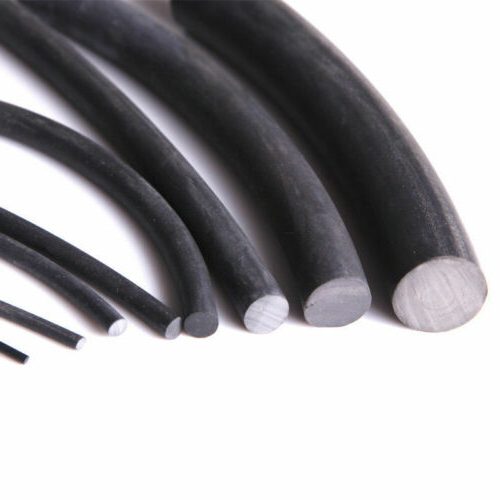
Suzhou Baoshida Trading Co., Ltd. operates at the forefront of industrial rubber solutions, delivering engineered performance through precision formulation and advanced manufacturing. Our Engineering Capability division is anchored by a dedicated team of five mould engineers and two specialized rubber formula engineers, enabling us to provide fully integrated OEM (Original Equipment Manufacturer) services tailored to the demanding requirements of conveyor cord applications.
The development of high-performance conveyor cord systems hinges on both material science and structural integrity. Our two in-house rubber formula engineers bring over 15 years of combined expertise in elastomer chemistry, focusing on optimizing compound formulations for tensile strength, abrasion resistance, heat dissipation, and adhesion to cord substrates. These engineers utilize advanced testing methodologies—including rheometry, thermogravimetric analysis (TGA), and dynamic mechanical analysis (DMA)—to refine rubber compounds that maintain consistent performance under extreme industrial conditions. Their work ensures that each conveyor cord formulation meets the exact operational demands of industries such as mining, bulk material handling, and port logistics.
Complementing this material expertise, our team of five mould engineers specializes in the design, simulation, and validation of precision tooling for rubber-to-cord bonding and profile extrusion. Utilizing CAD/CAM software and finite element analysis (FEA), they develop mould systems that ensure uniform pressure distribution, optimal flow dynamics, and minimal flash formation during curing. This precision engineering translates into conveyor cords with consistent dimensional accuracy, superior splice strength, and extended service life. Our mould engineers also lead rapid prototyping initiatives, reducing time-to-market for custom OEM designs by up to 40% compared to industry benchmarks.
Our OEM capabilities are built on a foundation of vertical integration and technical agility. We support clients from concept validation through mass production, offering full documentation, material traceability, and compliance with international standards such as ISO 9001 and DIN 22102. Whether modifying an existing conveyor cord profile or developing a novel compound for oil-resistant or flame-retardant applications, our engineering team ensures that every product is engineered to specification and validated under real-world conditions.
The following table outlines key technical parameters achievable through our current engineering and production platform:
| Property | Typical Value | Test Method |
|---|---|---|
| Tensile Strength | 18–25 MPa | ISO 37 |
| Elongation at Break | ≥ 400% | ISO 37 |
| Hardness (Shore A) | 60–75 | ISO 48 |
| Adhesion Strength to Polyester Cord | ≥ 120 N/mm | ASTM D429 |
| Operating Temperature Range | -30°C to +100°C | Internal Test |
| Abrasion Loss (DIN) | ≤ 120 mm³ | DIN 53516 |
This technical rigor, combined with our dual focus on formulation and tooling, positions Suzhou Baoshida as a trusted engineering partner in the industrial rubber sector. We do not merely manufacture conveyor cord components—we engineer solutions that enhance durability, efficiency, and reliability across the entire conveyor system lifecycle.
Customization Process
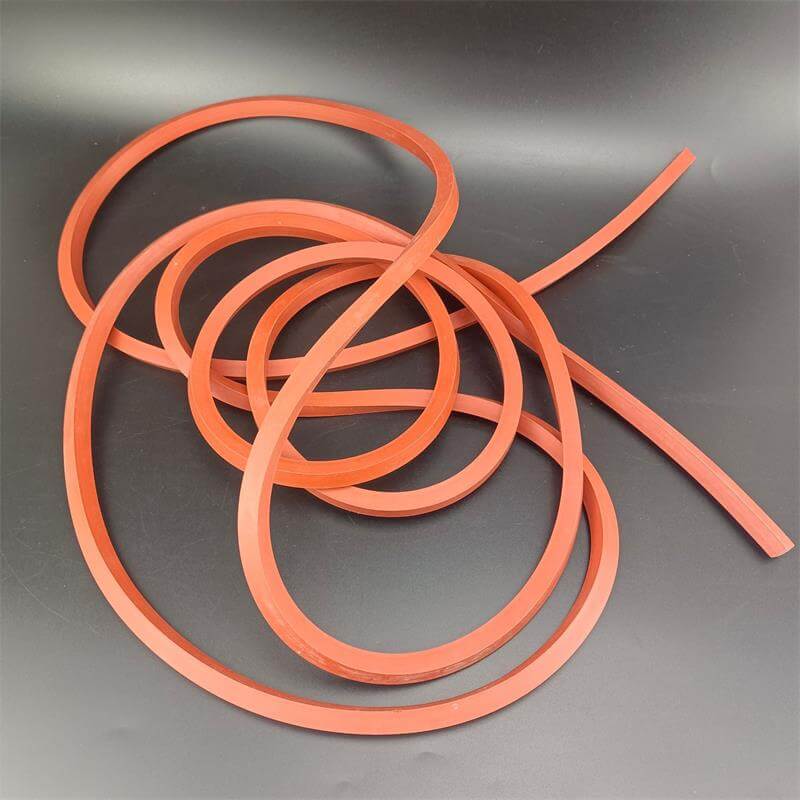
Conveyor Cord Customization: Precision Engineering from Specification to Scale
At Suzhou Baoshida Trading Co., Ltd., conveyor cord performance is intrinsically linked to precise material science and rigorous process control. Our OEM customization pathway transforms client specifications into high-integrity rubber composite cords engineered for demanding industrial applications. This structured methodology ensures optimal adhesion, tensile strength, fatigue resistance, and environmental stability, directly impacting conveyor system longevity and operational efficiency. We execute this through four critical, interdependent phases.
Drawing Analysis initiates the process with meticulous technical dissection. Our engineering team scrutinizes provided CAD drawings, dimensional schematics, and operational parameters including load profiles, speed requirements, ambient temperature ranges, and chemical exposure risks. This phase identifies critical interfaces between the cord and rubber matrix, pinpointing stress concentration zones and adhesion requirements. We validate feasibility against our manufacturing capabilities and material limitations, providing actionable feedback to refine the design for optimal producibility and performance before formulation begins.
Formulation leverages our deep expertise in rubber chemistry and reinforcement science. Based on the validated drawing analysis, our Rubber Formula Engineers develop a bespoke compound. This involves selecting the optimal elastomer base (e.g., NR for high resilience, CR for oil resistance, EPDM for heat/ozone stability), determining precise carbon black or silica reinforcement grades and loadings, and integrating specialized additives for adhesion promotion, aging resistance, and processability. Every component ratio is calculated to achieve the target physical properties while ensuring compatibility with the chosen cord substrate (typically polyester, nylon, or steel). Computational modeling often predicts compound behavior under simulated service conditions.
Prototyping translates the formulated compound into physical validation. Small-batch production on controlled laboratory mills and extruders creates sample cords. These undergo stringent in-house testing per ASTM/ISO standards: tensile strength, modulus, elongation, adhesion peel strength (cord-rubber interface), flex fatigue cycles, and accelerated aging. Results are compared against the client’s performance targets and the initial drawing specifications. Iterative refinement of the compound or processing parameters occurs here until all critical metrics are consistently met, providing tangible proof of concept.
Mass Production implements the validated prototype process under stringent OEM quality protocols. Full-scale production utilizes calibrated extrusion lines with precise temperature and tension control to ensure cord dimensional accuracy and consistent rubber coating. In-process quality checks monitor key parameters like gauge, cord spacing, and surface integrity. Final inspection includes comprehensive physical testing on production samples, dimensional verification against the master drawing, and batch traceability documentation. This phase guarantees seamless scalability from prototype to high-volume output without compromising the engineered performance.
The following table outlines key specifications routinely optimized during our customization process for industrial conveyor cords:
| Parameter | Typical Target Range | Critical Influence | Testing Standard |
|---|---|---|---|
| Tensile Strength | 150 – 300 MPa | Load capacity, belt integrity | ASTM D412 |
| Adhesion Peel Strength | ≥ 120 N/mm | Cord-rubber interface durability | ASTM D4393 |
| Modulus at 100% Elong. | 5 – 15 MPa | Belt stiffness, troughability | ASTM D412 |
| Heat Aging Resistance | ΔTensile ≤ ±15% (70°C, 7d) | Long-term performance in elevated temps | ASTM D573 |
| Ozone Resistance | No cracks (200 pphm, 40°C) | Outdoor/weathering application viability | ASTM D1149 |
| Flex Fatigue Life | ≥ 50,000 cycles | Resistance to bending stress in operation | Internal Method |
This systematic approach, grounded in material science and industrial process rigor, ensures Suzhou Baoshida delivers conveyor cords that meet exacting OEM requirements, minimizing field failures and maximizing total cost of ownership for our industrial partners.
Contact Engineering Team
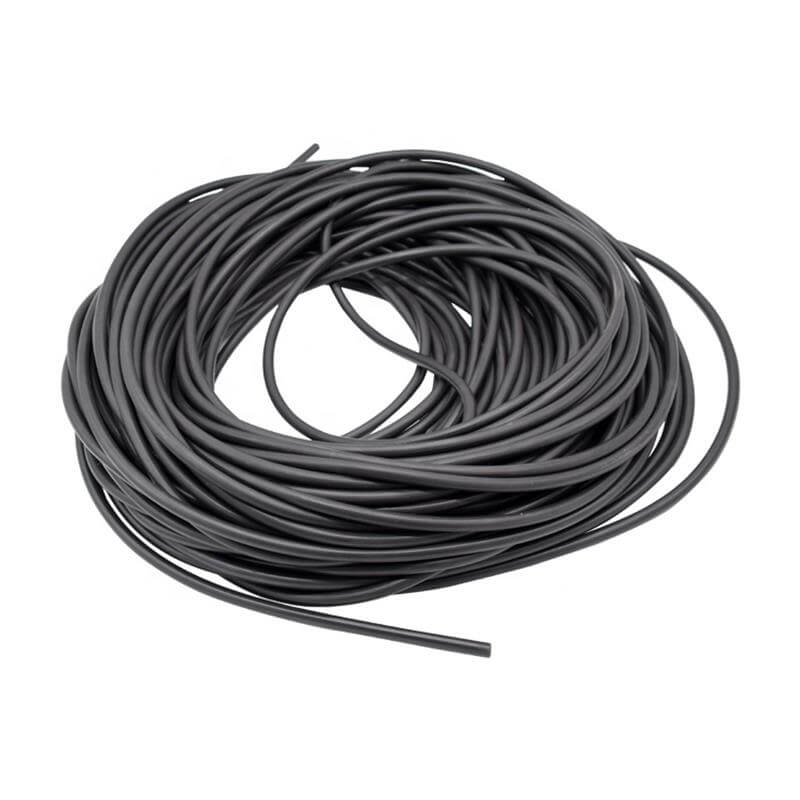
Contact Suzhou Baoshida for Precision Conveyor Cord Solutions
At Suzhou Baoshida Trading Co., Ltd., we specialize in high-performance industrial rubber solutions tailored to the rigorous demands of modern manufacturing and material handling systems. Our engineered conveyor cord products are designed for superior tensile strength, dimensional stability, and resistance to abrasion, heat, and dynamic fatigue—critical factors in maintaining operational efficiency across industries such as automotive, logistics, food processing, and heavy machinery.
When selecting a supplier for conveyor cord components, precision matters. Our technical team ensures every batch meets exact OEM specifications, utilizing advanced textile-reinforced rubber compounding techniques and state-of-the-art extrusion processes. Whether you require polyester, nylon, or aramid-based cord materials, we deliver consistent quality with tight tolerances for elongation, modulus, and adhesion to rubber matrices.
We understand that downtime is costly. That is why our products are developed not only for durability but also for seamless integration into existing production lines. Our quality assurance protocols include rigorous batch testing, traceability documentation, and compliance with international standards such as ISO 9001 and ASTM D579.
To support our global client base, Suzhou Baoshida maintains a responsive technical service network. We work closely with OEMs and system integrators to optimize cord selection, improve splice performance, and extend conveyor belt lifecycle. Our engineering team provides material data sheets, application testing support, and custom formulation services upon request.
For immediate assistance or technical consultation, contact Mr. Boyce, OEM Manager and Rubber Formula Engineer at Suzhou Baoshida Trading Co., Ltd. Mr. Boyce brings over 12 years of experience in rubber compounding and industrial belt systems, offering in-depth expertise in material selection, failure analysis, and performance optimization. He is your direct technical liaison for custom specifications, sample requests, and volume production planning.
Reach out via email at [email protected] to initiate a technical discussion, request product samples, or obtain a detailed quotation. We respond to all inquiries within 24 business hours and can provide technical documentation, including adhesion test reports, thermal aging data, and extrusion profiles.
Below are key technical specifications for our standard conveyor cord offerings:
| Property | Polyester Cord | Nylon Cord | Aramid Cord |
|---|---|---|---|
| Tensile Strength (MPa) | 1800 | 850 | 3000 |
| Elongation at Break (%) | 12–15 | 28–32 | 3–4 |
| Adhesion to Rubber (N/mm) | ≥ 12 | ≥ 8 | ≥ 15 |
| Operating Temperature Range (°C) | -40 to +120 | -40 to +100 | -40 to +180 |
| Modulus at 10% Elongation (MPa) | 800 | 300 | 1900 |
| Fatigue Resistance (cycles) | > 10⁶ | > 5×10⁵ | > 2×10⁶ |
Partner with Suzhou Baoshida for technically advanced conveyor cord solutions backed by engineering excellence and industrial reliability. Contact Mr. Boyce today to align your production requirements with our proven material science expertise.
⚖️ O-Ring Weight Calculator
Estimate rubber O-ring weight (Approx).