
Technical Contents
Engineering Guide: Cooler Door Gaskets
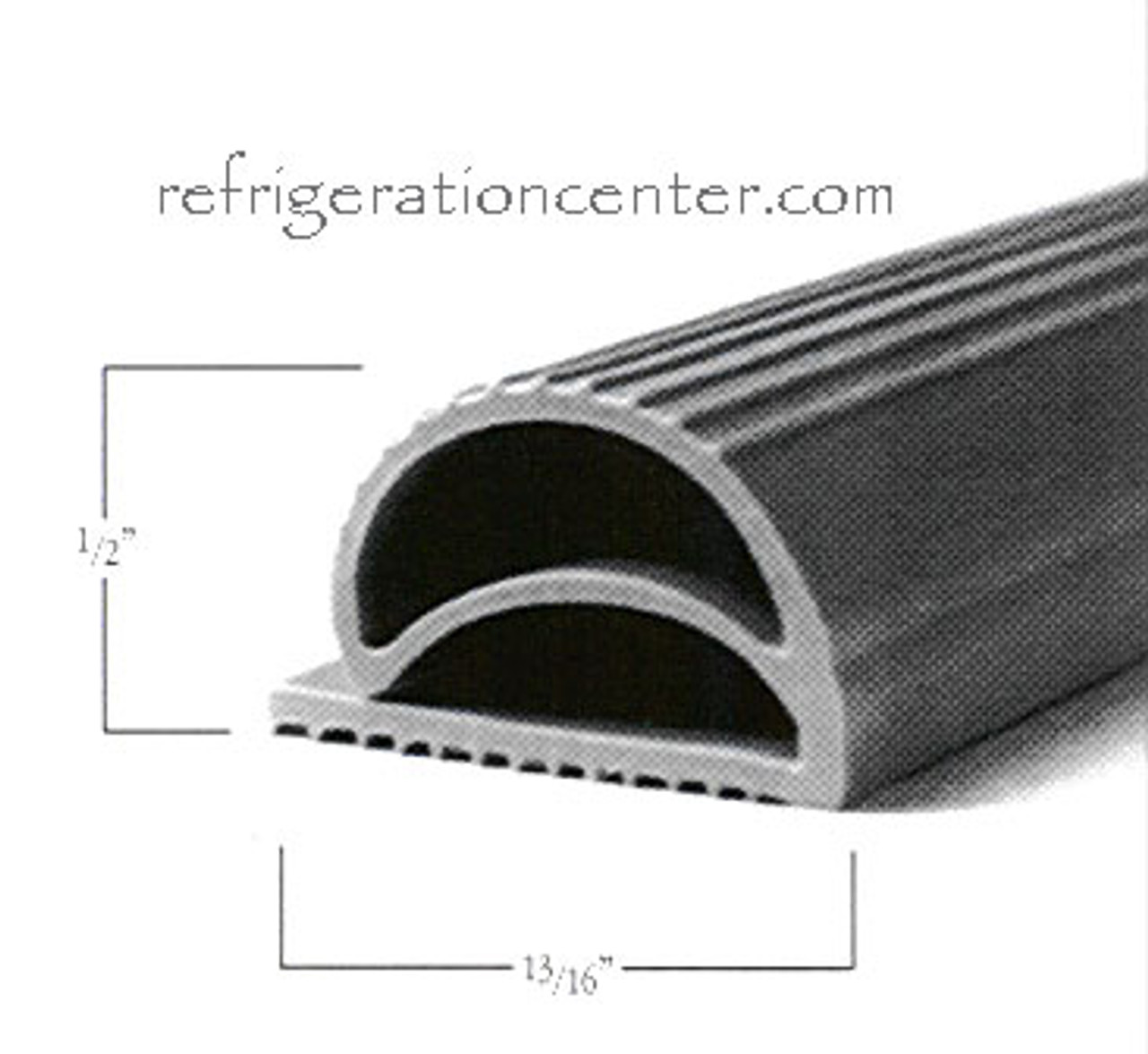
Engineering Insight: Material Selection in Cooler Door Gaskets
In the precision-driven field of refrigeration system design, the performance of a cooler door gasket is not merely a function of shape or fit—it is fundamentally determined by material selection. At Suzhou Baoshida Trading Co., Ltd., we emphasize that off-the-shelf rubber gaskets frequently fail to meet the operational demands of commercial and industrial cooling environments due to inadequate material properties tailored to specific thermal, chemical, and mechanical stressors.
Cooler door gaskets are subjected to continuous compression, wide temperature fluctuations, exposure to moisture, and frequent mechanical cycling. Standard elastomers such as generic EPDM or low-grade silicone may appear cost-effective initially, but they often degrade prematurely under sustained low temperatures or aggressive cleaning protocols. This results in compromised sealing integrity, energy inefficiency, and increased maintenance costs. The root cause lies in the absence of engineered material formulations that account for real-world service conditions.
A high-performance cooler gasket must maintain elastic recovery after repeated compression cycles, resist embrittlement at sub-zero temperatures, and exhibit low compression set. Furthermore, resistance to ozone, UV exposure, and cleaning agents—particularly chlorinated and caustic solutions—is critical in food service and pharmaceutical applications. These requirements necessitate a deliberate selection of specialty compounds such as high-purity EPDM with enhanced cross-link density, fluorosilicone for extreme chemical resistance, or thermoplastic vulcanizates (TPV) for balanced performance and recyclability.
Material selection also influences regulatory compliance. In environments governed by FDA, NSF, or EU 1935/2004 standards, the rubber compound must be non-toxic, non-leaching, and suitable for food contact. Off-the-shelf gaskets often lack full traceability or certification, exposing end users to compliance risks.
At Baoshida, we engineer gasket materials based on application-specific parameters. This includes analyzing door weight, closure force, ambient humidity, and expected service life. Our formulations are validated through accelerated aging tests, compression set analysis, and thermal cycling per ASTM D395 and ISO 1817 standards.
Below is a comparison of common elastomers used in cooler door gaskets, highlighting key performance metrics relevant to industrial applications.
| Material | Temperature Range (°C) | Compression Set (22h, 70°C) | Chemical Resistance | Food-Grade Availability | Typical Service Life (years) |
|---|---|---|---|---|---|
| Standard EPDM | -40 to +120 | 25–35% | Moderate | Limited | 3–5 |
| High-Purity EPDM | -55 to +135 | 15–20% | High | Yes (FDA-compliant) | 7–10 |
| Silicone | -60 to +200 | 20–30% | Low to Moderate | Yes | 5–8 |
| Fluorosilicone | -50 to +175 | 18–25% | Very High | Limited | 6–9 |
| TPV | -40 to +135 | 12–18% | High | Yes | 8–12 |
The data illustrates that material performance varies significantly, even within the same elastomer family. A one-size-fits-all approach cannot guarantee reliability. Custom-engineered solutions, developed through rigorous material science and application analysis, are essential for ensuring long-term sealing performance, energy efficiency, and regulatory adherence in modern cooling systems.
Material Specifications
Material Specifications for Cooler Door Gaskets
Selecting the optimal elastomer for cooler door gaskets is critical for ensuring energy efficiency, product longevity, and operational safety in commercial refrigeration systems. At Suzhou Baoshida Trading Co., Ltd., we prioritize material science to deliver precision seals that withstand thermal cycling, chemical exposure, and mechanical stress. This section details the technical specifications of three industry-standard compounds: Viton (FKM), Nitrile (NBR), and Silicone (VMQ), each engineered for distinct operational environments.
Viton fluoroelastomers excel in applications demanding extreme chemical and thermal resistance. With a continuous service temperature range of -20°C to +230°C, Viton maintains integrity against aggressive refrigerants like ammonia (R717) and hydrofluorocarbons (HFCs), as well as cleaning agents such as chlorine-based sanitizers. Its low gas permeability prevents refrigerant leakage, while exceptional resistance to compression set (≤25% after 70°C/22h) ensures consistent sealing force over extended cycles. However, Viton’s high raw material cost and limited low-temperature flexibility below -20°C necessitate strategic deployment in high-value industrial refrigeration units.
Nitrile rubber remains the cost-effective solution for standard commercial coolers operating between -40°C and +120°C. Its superior resistance to oils, greases, and aliphatic hydrocarbons makes it ideal for systems using R134a or R404a refrigerants. Nitrile formulations achieve optimal balance between abrasion resistance and compression set performance (≤30% at 70°C/22h), though ozone exposure requires protective additives to prevent surface cracking. This material dominates mid-tier retail and food service applications where budget constraints intersect with moderate chemical exposure.
Silicone elastomers address ultra-low and high-temperature extremes, functioning reliably from -60°C to +200°C. Its inert composition provides outstanding resistance to ozone, UV radiation, and food-grade sanitizers, making it suitable for medical refrigeration or cleanroom environments. Silicone’s minimal compression set (≤20% at 70°C/22h) ensures door seal retention after repeated openings, but its poor resistance to hydrocarbon oils and higher gas permeability limit use in systems with aggressive refrigerants. The material’s premium cost is justified only where thermal stability is non-negotiable.
The comparative analysis below quantifies critical performance parameters for informed material selection.
| Material | Temperature Range (°C) | Key Chemical Resistance | Compression Set (70°C/22h) | Relative Cost Index |
|---|---|---|---|---|
| Viton (FKM) | -20 to +230 | Ammonia, HFCs, Chlorine cleaners | ≤25% | 3.0 |
| Nitrile (NBR) | -40 to +120 | R134a, R404a, Oils, Greases | ≤30% | 1.0 |
| Silicone (VMQ) | -60 to +200 | Ozone, UV, Food sanitizers | ≤20% | 2.5 |
Material choice directly impacts gasket lifecycle cost. Viton suits high-stress industrial systems despite its premium pricing, Nitrile delivers optimal value for standard commercial refrigeration, and Silicone is reserved for niche applications requiring extreme thermal resilience. Suzhou Baoshida Trading Co., Ltd. validates all compounds against ISO 3601 flange standards and ASTM D2000 specifications, ensuring dimensional stability and sealing performance under real-world operational loads. Partner with our engineering team to match material properties with your specific cooler architecture and environmental demands.
Manufacturing Capabilities
Suzhou Baoshida Trading Co., Ltd. maintains a robust engineering framework dedicated to the precision development and manufacturing of rubber seals, with a specialized focus on cooler door gaskets for commercial and industrial applications. Our engineering capability is anchored by a team of five dedicated mould engineers and two advanced rubber formulation specialists, enabling end-to-end control from material science to final tooling. This integrated approach ensures that every gasket meets exacting performance standards for sealing integrity, durability, and environmental resistance.
Our mould engineers possess extensive experience in precision tool design for EPDM, silicone, and thermoplastic vulcanizate (TPV) compounds. Utilizing advanced CAD/CAM software and CNC machining protocols, they develop high-tolerance moulds optimized for consistent part geometry, minimal flash, and long service life. Each mould undergoes rigorous validation through first-article inspection and process capability studies (Cp/Cpk analysis), ensuring repeatability across high-volume production runs. The close collaboration between tooling and formulation teams enables rapid prototyping, reducing time-to-market for custom gasket solutions.
The two in-house rubber formula engineers bring deep expertise in polymer chemistry and compounding. They formulate custom elastomer blends tailored to specific thermal, chemical, and mechanical requirements, including resistance to refrigerants, UV exposure, and repeated compression cycling. Our lab conducts accelerated aging tests, compression set analysis, and Shore hardness validation to ensure long-term performance under real-world operating conditions. This scientific approach to material development allows us to exceed OEM specifications and deliver gaskets with superior sealing longevity.
We offer full OEM manufacturing services, supporting global clients from initial concept through to mass production. Our facility is equipped for low-volume prototyping and scalable to high-volume output, with strict adherence to ISO 9001 quality management standards. All designs are protected under confidentiality agreements, and we provide full documentation, including material test reports, dimensional certifications, and process FMEAs.
Key performance specifications for our standard cooler door gasket formulations are detailed below:
| Property | Test Method | EPDM Standard | Silicone Option | TPV Custom Blend |
|---|---|---|---|---|
| Hardness (Shore A) | ASTM D2240 | 60 ±5 | 55 ±5 | 58 ±5 |
| Tensile Strength (MPa) | ASTM D412 | ≥10.0 | ≥8.5 | ≥9.8 |
| Elongation at Break (%) | ASTM D412 | ≥250 | ≥300 | ≥280 |
| Compression Set (22h, 70°C) | ASTM D395 | ≤20% | ≤15% | ≤18% |
| Temperature Range (°C) | — | -40 to +120 | -60 to +200 | -40 to +135 |
| Resistance to Refrigerants | ISO 1817 | Excellent | Good | Excellent |
| Density (g/cm³) | ASTM D297 | 1.25 | 1.18 | 1.22 |
This technical foundation enables Suzhou Baoshida to deliver cooler door gaskets that combine precise fit, long-term resiliency, and compliance with international safety and performance standards.
Customization Process
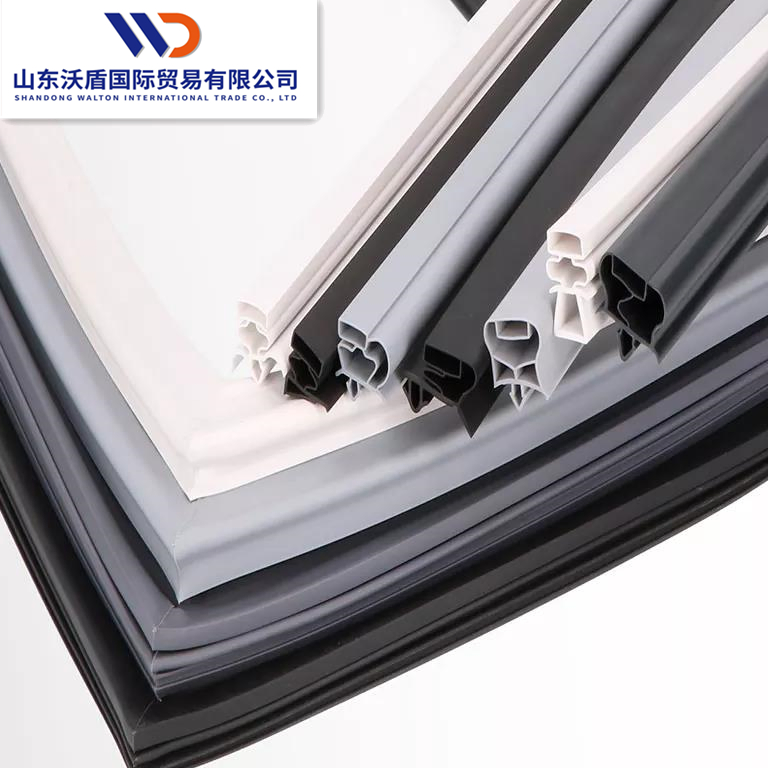
Customization Process for Precision Cooler Door Gaskets
At Suzhou Baoshida Trading Co., Ltd., our customization process for cooler door gaskets rigorously follows an engineering-driven sequence to ensure optimal performance in demanding cold chain environments. This structured approach guarantees dimensional accuracy, material resilience, and long-term sealing integrity under continuous thermal cycling and mechanical stress. The process begins with comprehensive Drawing Analysis. Our engineering team meticulously reviews client-provided CAD files or technical drawings against international standards (ISO 3302, ASTM D2000). Critical parameters assessed include groove dimensions, compression ratios, tolerances (typically ±0.1mm for critical sealing surfaces), and installation geometry. We identify potential stress concentration points and verify compatibility with common door frame materials like stainless steel or aluminum, ensuring the design prevents extrusion or premature wear during operation. This phase often involves collaborative refinement with the client to optimize manufacturability without compromising functional requirements.
Following design validation, the Formulation stage commences. Leveraging our expertise in elastomer science, we select and compound the optimal base polymer, predominantly high-saturation EPDM for its superior ozone resistance and low-temperature flexibility. Precise adjustments to the formulation are made based on the specific operational profile. Key variables include filler type and loading for reinforcement, plasticizer selection to maintain flexibility down to -50°C, and curative systems engineered for rapid cure kinetics while minimizing compression set. Critical material properties are targeted through controlled adjustments to the polymer molecular weight distribution and crosslink density. The resulting compound specifications are rigorously defined against the application’s thermal, chemical, and mechanical demands.
Material properties are validated through our internal Prototyping phase. Short-run samples are manufactured using precision extrusion and vulcanization techniques mirroring final production parameters. These prototypes undergo stringent in-house testing per ASTM D2000 and client-specific protocols. Performance metrics include compression set after 70 hours at -40°C, tensile strength, elongation at break, and low-temperature retraction (TR10). Dimensional verification against the approved drawing is performed using calibrated CMM equipment. Client feedback on prototype fit, feel, and initial function within their door assembly is integral before final sign-off.
Upon prototype approval, seamless transition to Mass Production occurs within our ISO 9001-certified facility. Production utilizes automated extrusion lines with real-time laser micrometry for diameter control and continuous vulcanization ovens with precise thermal profiling. 100% inline visual inspection and statistical process control (SPC) monitoring of key dimensions ensure batch consistency. Final gaskets undergo batch-level validation testing against the approved specification sheet. Rigorous traceability, from raw material batch codes to finished goods, is maintained throughout, providing full accountability for every gasket shipped to safeguard your cold chain integrity.
Key Material Specifications for Standard Cooler Door Gaskets
| Property | Target Value | Test Standard | Significance for Cooler Applications |
| :———————- | :—————- | :———— | :——————————————– |
| Hardness (Shore A) | 65 ± 5 | ASTM D2240 | Ensures adequate sealing force without excessive door closure effort |
| Temperature Range | -50°C to +120°C | ASTM D1329 | Maintains flexibility in deep freeze and resilience near compressor units |
| Compression Set (70h @ -40°C) | ≤ 25% | ASTM D395 | Critical for long-term seal retention preventing cold air leakage |
| Tensile Strength | ≥ 10 MPa | ASTM D412 | Resists tearing during installation and door slamming |
| Elongation at Break | ≥ 300% | ASTM D412 | Accommodates door frame tolerances and thermal movement |
Contact Engineering Team
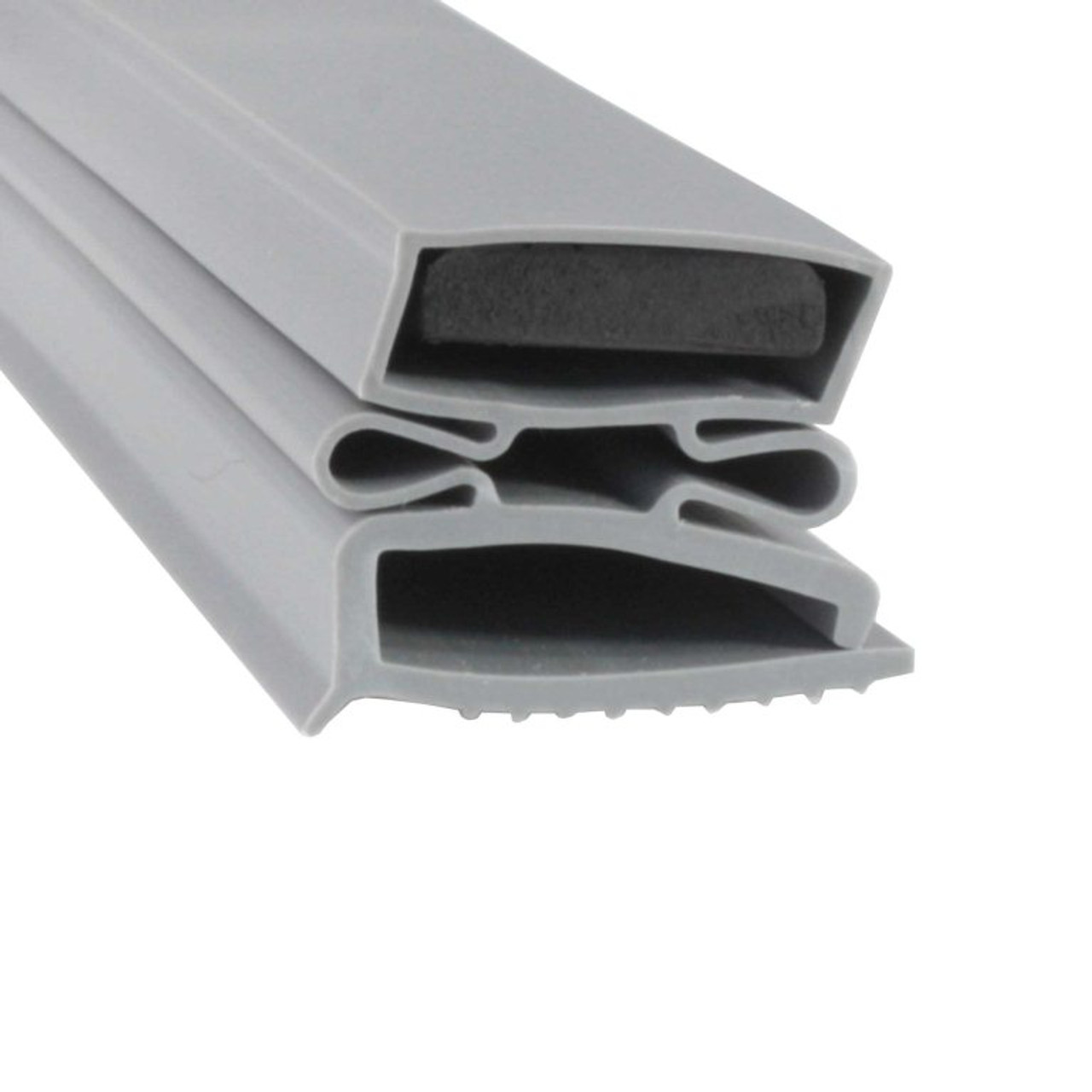
Contact Suzhou Baoshida for Precision Cooler Door Gaskets
When it comes to high-performance rubber seals for commercial and industrial cooling applications, Suzhou Baoshida Trading Co., Ltd. stands at the forefront of precision engineering and consistent manufacturing excellence. As a specialized supplier of rubber components, we focus on delivering cooler door gaskets that meet the most stringent requirements for sealing integrity, temperature resistance, and long-term durability. If your operation demands reliable, OEM-grade gaskets designed to minimize energy loss and maximize operational efficiency, we invite you to contact Mr. Boyce directly at [email protected] to discuss your technical needs.
Our cooler door gaskets are engineered using advanced rubber formulations, including EPDM, silicone, and thermoplastic elastomers (TPE), selected based on application-specific parameters such as temperature range, UV exposure, compression set resistance, and regulatory compliance. Each gasket is manufactured under tightly controlled conditions to ensure dimensional accuracy, consistent durometer hardness, and optimal sealing performance across repeated opening and closing cycles. Whether you are producing medical refrigeration units, supermarket display coolers, or industrial cold storage doors, our solutions are tailored to your exact specifications.
Suzhou Baoshida operates at the intersection of material science and industrial application, offering full technical support from prototype development through mass production. Our team collaborates directly with OEMs to optimize gasket geometry, material selection, and installation methods—ensuring seamless integration into your existing assembly processes. With in-house testing capabilities, including compression deflection analysis, accelerated aging, and low-temperature flexibility trials, we validate performance before delivery.
Below is a reference table outlining typical technical specifications for our standard cooler door gasket offerings. Custom configurations are available upon request.
| Property | EPDM | Silicone | TPE |
|---|---|---|---|
| Temperature Range | -50°C to +150°C | -60°C to +200°C | -40°C to +135°C |
| Durometer (Shore A) | 55–75 | 45–80 | 60–70 |
| Compression Set (22h, 100°C) | ≤25% | ≤20% | ≤30% |
| Tensile Strength | ≥8.0 MPa | ≥6.5 MPa | ≥9.0 MPa |
| Elongation at Break | ≥250% | ≥200% | ≥300% |
| Color Options | Black, White, Gray | Custom Colors | Black, Beige |
| FDA/UL Compliance | Optional | Standard | Optional |
We understand that in the competitive landscape of refrigeration manufacturing, even minor inefficiencies in sealing can lead to significant energy losses and customer dissatisfaction. That is why Suzhou Baoshida is committed to delivering not just components, but engineered sealing solutions that enhance product performance and reliability.
To initiate a technical consultation, request samples, or discuss volume pricing for your next production run, contact Mr. Boyce at [email protected]. Our team responds promptly to all inquiries and is equipped to support global clients with logistics, documentation, and quality assurance protocols aligned with international standards. Partner with Suzhou Baoshida and experience the difference precision rubber engineering makes in your cooler door applications.
⚖️ O-Ring Weight Calculator
Estimate rubber O-ring weight (Approx).