
Technical Contents
Engineering Guide: Cork Sealing
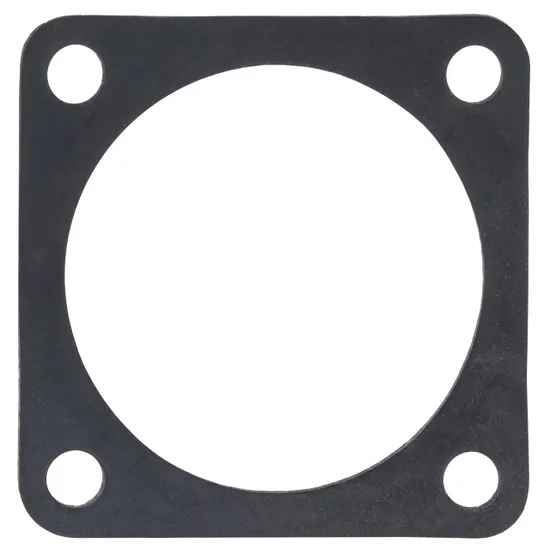
Engineering Insight: Material Science Imperatives in Cork Sealing Applications
Cork-rubber composites represent a critical yet frequently misunderstood category within precision sealing solutions. Their unique viscoelastic properties, derived from the cellular structure of natural cork granules bonded within a rubber matrix, offer exceptional compressibility and recovery under static load. However, the inherent heterogeneity of cork necessitates meticulous material engineering far beyond generic formulations. Off-the-shelf cork seals often fail catastrophically in demanding industrial environments due to inadequate consideration of the specific interplay between cork particle size distribution, rubber polymer selection, binder chemistry, and operational parameters. Standardized blends prioritize cost reduction over performance fidelity, leading to premature degradation when subjected to thermal cycling, chemical exposure, or dynamic compression scenarios common in automotive transmissions, hydraulic systems, and industrial machinery housings.
The primary failure modes stem directly from suboptimal material composition. Excessive cork content or insufficiently cross-linked rubber binders result in high compression set, where the seal permanently deforms under sustained load, losing sealing force. Inadequate polymer resistance to oils, fuels, or elevated temperatures causes swelling, hardening, or dissolution of the rubber phase, compromising dimensional stability and chemical integrity. Furthermore, poor resilience characteristics inherent in low-grade composites lead to rapid fatigue failure during repeated compression-release cycles. These failures manifest as leaks, increased maintenance downtime, and potential system contamination – costs that vastly exceed the initial savings from non-engineered solutions. The critical oversight lies in treating cork sealing as a commodity rather than a precisely engineered system where the rubber matrix chemistry and cork modification process dictate functional longevity.
Material performance is demonstrably quantifiable through rigorous testing protocols. Key differentiators between standard and engineered composites are evident in standardized metrics:
| Material Property | Off-the-Shelf Standard Composite | Engineered Composite (Baoshida OEM Specification) |
|---|---|---|
| Compression Set (70°C, 22h) | 40% – 55% | ≤ 18% |
| Volume Swell (IRM 903, 70h) | +25% to +40% | ≤ +12% |
| Resilience (ASTM D2632) | 25% – 35% | ≥ 48% |
| Max Continuous Temp (Air) | 80°C | 120°C |
| Tensile Strength | 2.5 – 4.0 MPa | ≥ 6.5 MPa |
Suzhou Baoshida Trading Co., Ltd. addresses these failure points through proprietary rubber formulation science and OEM-centric material development. We do not supply generic cork seals; we engineer application-specific composites. Our process begins with rigorous analysis of the operating environment – fluid media, temperature profile, pressure dynamics, and cycle frequency. This data directly informs the selection of high-purity, fractionated cork granules, the optimal rubber polymer (typically NBR, ACM, or custom-modified blends), specialized phenolic resins for enhanced thermal stability, and precision-controlled vulcanization systems. The result is a composite where the rubber matrix uniformly encapsulates and bonds with the cork, minimizing micro-voids and maximizing resilience and fluid resistance. Partnering with us ensures your cork sealing solution is not merely a component, but a validated, failure-resistant system integral to your product’s operational reliability and lifecycle cost efficiency. Precision sealing demands precision material science – a principle embedded in every Baoshida OEM specification.
Material Specifications
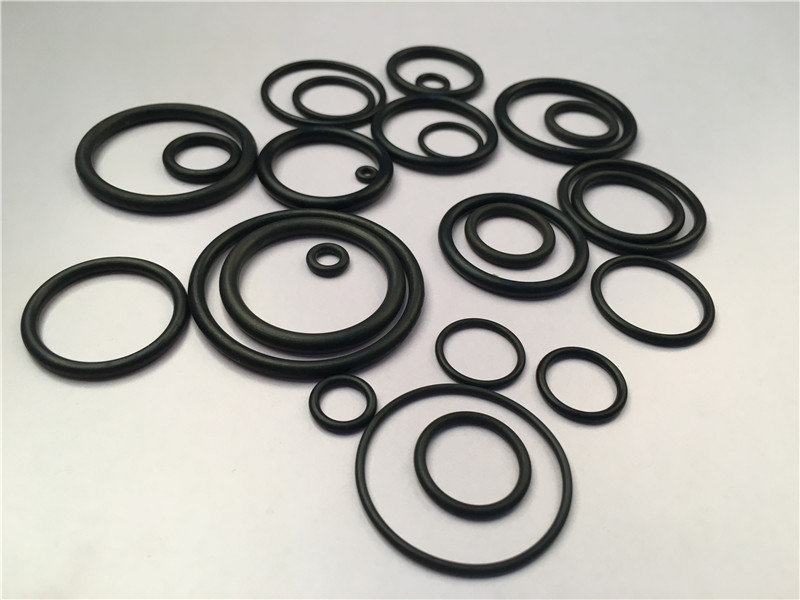
Cork sealing solutions are widely employed in precision industrial applications where reliable, compressible, and chemically stable sealing is required under fluctuating thermal and mechanical conditions. At Suzhou Baoshida Trading Co., Ltd., we specialize in engineered rubber sealing systems, integrating high-performance elastomers such as Viton, Nitrile (NBR), and Silicone with natural or synthetic cork composites to deliver optimal sealing integrity. These hybrid materials combine the resilience and conformability of cork with the durability and chemical resistance of advanced rubber compounds, making them ideal for gasketing applications in automotive, aerospace, marine, and industrial machinery sectors.
Viton rubber, a fluorocarbon-based elastomer, offers exceptional resistance to high temperatures, oils, fuels, and a broad range of aggressive chemicals. When bonded with cork, it forms a composite material suitable for extreme environments, particularly in engine compartments and hydraulic systems where exposure to hydrocarbons and sustained heat is common. The operating temperature range of Viton-cork composites typically spans from -20°C to +200°C, with short-term excursions up to 250°C. This material exhibits low compression set and outstanding aging characteristics, ensuring long-term sealing performance.
Nitrile rubber, or Buna-N, is one of the most widely used elastomers in industrial sealing due to its excellent resistance to petroleum-based oils and fuels. Nitrile-cork composites are cost-effective and mechanically robust, functioning efficiently in dynamic and static sealing applications. With a service temperature range of -30°C to +120°C, NBR-cork materials are frequently selected for automotive transmissions, pumps, and compressors. Their moderate resistance to ozone and UV radiation makes them suitable for both indoor and outdoor use, provided exposure to extreme heat or aggressive solvents is limited.
Silicone rubber-cork composites are engineered for applications demanding extreme temperature stability and flexibility. Silicone provides superior performance at low temperatures and maintains elasticity at elevated heat levels, with an operational range from -60°C to +200°C. These composites exhibit excellent resistance to oxidation, UV radiation, and weathering but have limited resistance to petroleum-based fluids. As such, they are commonly used in HVAC systems, food processing equipment, and electrical enclosures where thermal cycling and environmental exposure are primary concerns.
The following table summarizes the key material properties of cork composites bonded with Viton, Nitrile, and Silicone rubbers:
| Property | Viton-Cork Composite | Nitrile-Cork Composite | Silicone-Cork Composite |
|---|---|---|---|
| Temperature Range (°C) | -20 to +200 (up to 250°C) | -30 to +120 | -60 to +200 |
| Fluid Resistance | Excellent (oils, fuels, acids) | Good (oils, water, alcohols) | Poor (oils), Excellent (water, ozone) |
| Compression Set Resistance | High | Moderate | High |
| Tensile Strength (MPa) | 8–12 | 6–10 | 5–8 |
| Hardness (Shore A) | 60–80 | 50–75 | 50–70 |
| Aging & Ozone Resistance | Excellent | Moderate | Excellent |
| Typical Applications | Engine gaskets, aerospace | Pumps, transmissions | HVAC, food processing, electrical |
Each material system is selected based on the operational environment, chemical exposure, temperature profile, and mechanical loading. Suzhou Baoshida Trading Co., Ltd. ensures precise formulation and quality control to meet OEM and industrial standards.
Manufacturing Capabilities
Engineering Capability: Precision Cork Sealing Solutions
Suzhou Baoshida Trading Co., Ltd. leverages deep technical expertise to deliver mission-critical cork sealing solutions for demanding industrial applications. Our engineering framework integrates material science with precision manufacturing, ensuring optimal performance under extreme thermal, chemical, and mechanical stress. Central to this capability is a dedicated team of five Mold Design Engineers and two Rubber Formula Engineers, each with 10+ years of specialized experience in elastomeric composites. This cross-functional structure enables end-to-end control—from molecular formulation to cavity optimization—eliminating interface gaps common in outsourced production.
Our Formula Engineers specialize in cork-rubber composite chemistry, developing proprietary blends that balance resilience, fluid resistance, and thermal stability. Unlike standard cork-rubber formulations, we precisely modulate nitrile (NBR), ethylene propylene diene monomer (EPDM), and silicone matrices with controlled cork particle sizing (60–120 mesh) and bonding agents. This yields superior compression set resistance (<25% per ASTM D395) and extended service life in dynamic sealing applications. Empirical validation occurs through accelerated aging tests simulating 5,000+ hours of exposure to hydraulic fluids, fuels, and temperatures ranging from -40°C to +200°C.
Mold Engineering excellence ensures dimensional precision critical for zero-leakage performance. Utilizing 3D flow analysis (Moldflow®), we optimize runner systems, venting, and cooling channels to prevent knit lines and material degradation during vulcanization. All molds undergo rigorous cavity pressure monitoring and first-article inspection via CMM, achieving tolerances to ±0.05mm for complex geometries. This precision directly translates to consistent part density and sealing force distribution—key factors in preventing extrusion under high pressure.
As an OEM partner, we implement a structured development protocol:
Concept validation occurs within 15 business days through rapid prototyping using production-intent tooling.
Material batches are traceable to raw compound lots, with full certification to ISO 22307 and customer-specific specifications.
Scalability is guaranteed via dual-shift production on 12 hydraulic presses (50–300 tons), supporting volumes from 500 to 500,000 units monthly.
Cork-Rubber Composite Performance Specifications
| Property | Industry Standard | Baoshida Performance | Test Method |
|---|---|---|---|
| Compression Set (22h/100°C) | ≤35% | ≤22% | ASTM D395 |
| Tensile Strength | ≥8 MPa | 10–14 MPa | ASTM D412 |
| Fluid Resistance (IRM 903) | Volume Swell ≤30% | ≤18% | ASTM D471 |
| Operating Temperature | -30°C to +150°C | -40°C to +200°C | ISO 188 |
| Hardness (Shore A) | 60–80 | 65–75 (customizable) | ASTM D2240 |
This technical rigor, combined with proactive failure-mode analysis during design reviews, minimizes field failures for automotive transmission seals, aerospace fluid systems, and industrial hydraulic manifolds. Our engineers collaborate directly with client R&D teams to refine sealing interfaces—adjusting durometer gradients, filler ratios, or surface textures—ensuring seamless integration into final assemblies. Suzhou Baoshida operates not as a supplier, but as an extension of your engineering capability, transforming sealing challenges into reliability advantages through data-driven material innovation.
Customization Process
Drawing Analysis
The customization process for cork sealing solutions begins with comprehensive drawing analysis. At Suzhou Baoshida Trading Co., Ltd., our engineering team evaluates customer-supplied technical drawings with emphasis on dimensional tolerances, mating surfaces, and operational environment parameters. Critical factors such as groove dimensions, compression requirements, and sealing interface geometry are cross-referenced against industry standards including ISO 3601 and AS568. This stage ensures geometric compatibility and identifies potential design risks such as over-compression or extrusion gaps. Our CAD-integrated review system allows for 2D/3D model validation, enabling early-stage corrections and minimizing downstream production deviations.
Formulation Development
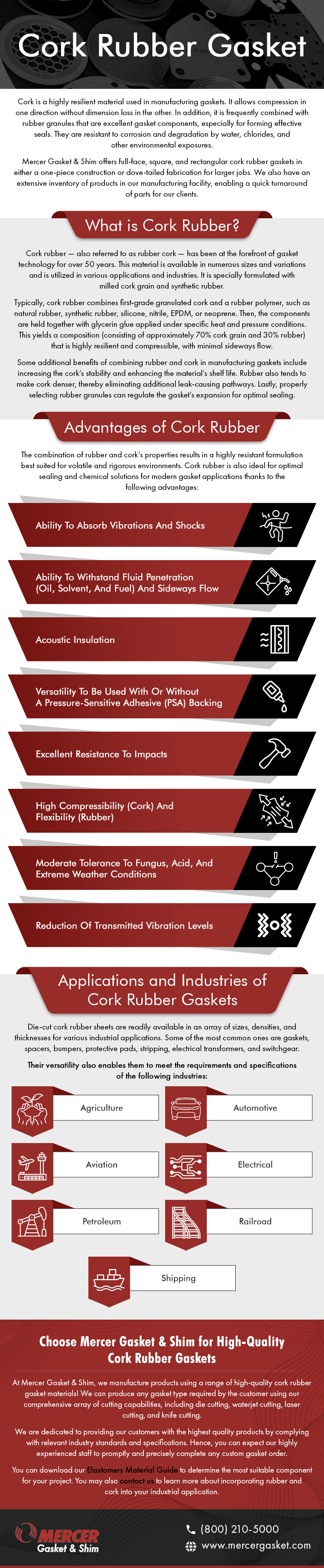
Following design validation, the rubber compound formulation is engineered to meet the specific performance demands of the application. Cork-rubber composites are typically blended with Nitrile (NBR), EPDM, or Silicone rubber matrices depending on temperature range, fluid resistance, and compression set requirements. Our in-house material science laboratory conducts elastomer screening to optimize the blend ratio between granulated cork and polymer base. Additives such as sulfur accelerators, reinforcing fillers, and anti-aging agents are calibrated to enhance durability and environmental resistance. Each formulation is documented under controlled batch records and subjected to preliminary testing for hardness (Shore A), density, and thermal stability before prototyping.
Prototyping and Validation
Prototype manufacturing is executed using precision compression molding techniques calibrated to the final production tooling specifications. Sample seals are produced in controlled batches of 5–10 units and subjected to rigorous physical and chemical testing. Performance metrics include compression deflection force, fluid immersion resistance (per ASTM D471), and long-term aging behavior (per ASTM D573). Dimensional inspection is performed using digital micrometers and optical comparators to verify conformity within ±0.1 mm tolerance. Customer feedback is integrated at this stage, allowing for iterative refinement of both geometry and material composition prior to scale-up.
Mass Production and Quality Assurance
Once prototype approval is obtained, the project transitions to mass production. Suzhou Baoshida employs automated molding lines with real-time process monitoring to ensure batch consistency. Each production lot undergoes 100% visual inspection and statistical dimensional sampling. Final quality certification includes material traceability reports, hardness verification, and compression set data. All cork sealing products are packaged to prevent deformation and shipped with compliance documentation meeting ISO 9001 and IATF 16949 standards.
Typical Physical Properties of Custom Cork-Rubber Seals
| Property | Test Method | NBR-Cork | EPDM-Cork | Silicone-Cork |
|---|---|---|---|---|
| Hardness (Shore A) | ASTM D2240 | 50–70 | 55–75 | 60–80 |
| Density (g/cm³) | ASTM D297 | 0.75–0.85 | 0.78–0.88 | 0.80–0.90 |
| Compression Set (%) | ASTM D395 | ≤25 (70h, 70°C) | ≤30 (70h, 100°C) | ≤20 (70h, 150°C) |
| Temperature Range (°C) | — | -30 to +120 | -40 to +135 | -60 to +200 |
| Fluid Resistance | ASTM D471 | Oil, fuel, water | Water, steam, alkalis | Wide chemical range |
Contact Engineering Team
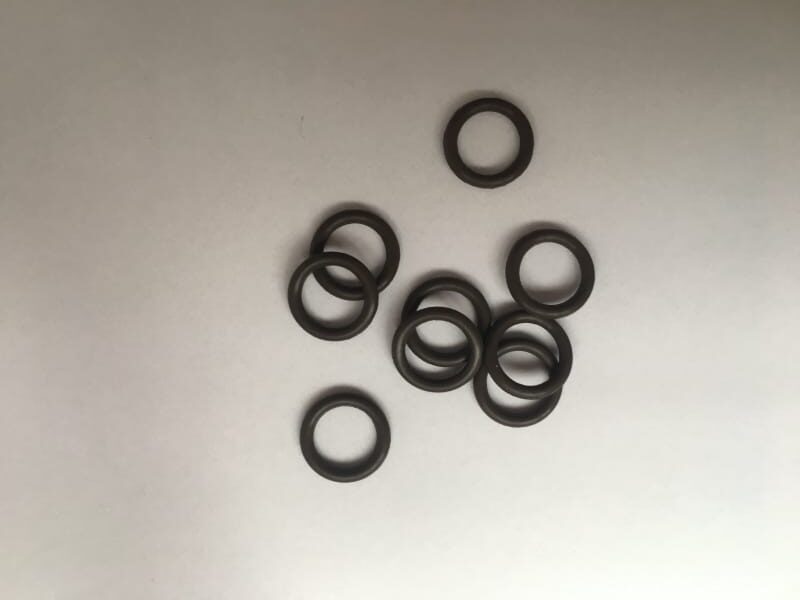
Contact Suzhou Baoshida for Precision Cork Sealing Solutions
Suzhou Baoshida Trading Co., Ltd. stands at the forefront of engineered cork-rubber composite technology, delivering mission-critical sealing performance where standard elastomers fall short. Our specialization lies in formulating and manufacturing precision cork sealing components that excel in demanding industrial environments characterized by vibration, thermal cycling, surface irregularities, and the need for controlled compression set. We move beyond generic solutions, leveraging deep material science expertise to tailor cork composite formulations—balancing natural cork granules, synthetic rubbers, and proprietary additives—to meet the exact dimensional, chemical, and physical property requirements of your specific application. This precision engineering ensures optimal flange surface conformity, long-term resilience against creep relaxation, and reliable sealing integrity under operational stress, directly impacting your equipment uptime and safety compliance.
The inherent advantages of cork-rubber composites—low density, excellent vibration damping, and superior conformability to rough or uneven mating surfaces—make them indispensable across automotive transmissions, industrial pumps, compressors, marine engines, and heavy machinery housings. However, achieving peak performance demands rigorous control over material composition and manufacturing processes. Suzhou Baoshida provides this critical control through advanced compounding, precise molding techniques, and stringent quality validation protocols. Our engineering team collaborates directly with OEMs and Tier suppliers to translate challenging sealing requirements into robust, cost-effective cork composite solutions, ensuring seamless integration into your production workflow and adherence to global industry standards.
Key performance characteristics of our engineered cork-rubber sealing compounds are defined by controlled specifications:
| Material Composition | Density Range (g/cm³) | Compression Set (70°C, 24h) | Temp Range (°C) | Hardness (Shore A) | Primary Applications |
|---|---|---|---|---|---|
| Standard Cork-Rubber | 0.75 – 0.95 | ≤ 35% | -40 to +120 | 50 – 75 | General flange gaskets, low-pressure housings |
| High-Performance Cork-NBR | 0.80 – 1.00 | ≤ 25% | -40 to +150 | 60 – 80 | Automotive transmissions, industrial pumps, moderate oil exposure |
| Cork-EPDM Specialty | 0.85 – 1.05 | ≤ 20% | -50 to +135 | 65 – 85 | Coolant systems, marine applications, enhanced weather/ozone resistance |
These specifications represent our baseline capabilities; true value is realized through customization. Suzhou Baoshida excels in modifying formulations to achieve specific fluid resistance (oils, coolants, fuels), enhanced temperature tolerance, reduced outgassing, or tailored compression load-deflection profiles. Our ISO 9001-certified manufacturing processes guarantee batch-to-batch consistency, critical for high-volume OEM production lines where seal failure is not an option. We provide comprehensive material test reports (MTRs) and dimensional certifications, ensuring traceability and compliance with your stringent quality management systems.
Initiate your precision cork sealing project with Suzhou Baoshida’s engineering team. Contact Mr. Boyce, our dedicated OEM Manager, to discuss your specific sealing challenge, material requirements, and volume needs. Provide details on operating environment, fluid exposure, flange geometry, and performance expectations to receive a targeted technical assessment and quotation. Mr. Boyce facilitates direct access to our formulation chemists and production engineers, enabling rapid prototyping, empirical validation, and seamless scale-up to full production. Do not compromise on critical sealing integrity—partner with a supplier that combines material science rigor with industrial manufacturing excellence. Specify your application parameters and contact Mr. Boyce immediately at [email protected] to secure engineered cork sealing performance that meets your exact operational demands. Response time for technical inquiries is typically within 4 business hours.
⚖️ O-Ring Weight Calculator
Estimate rubber O-ring weight (Approx).