
Technical Contents
Engineering Guide: Cork Stone
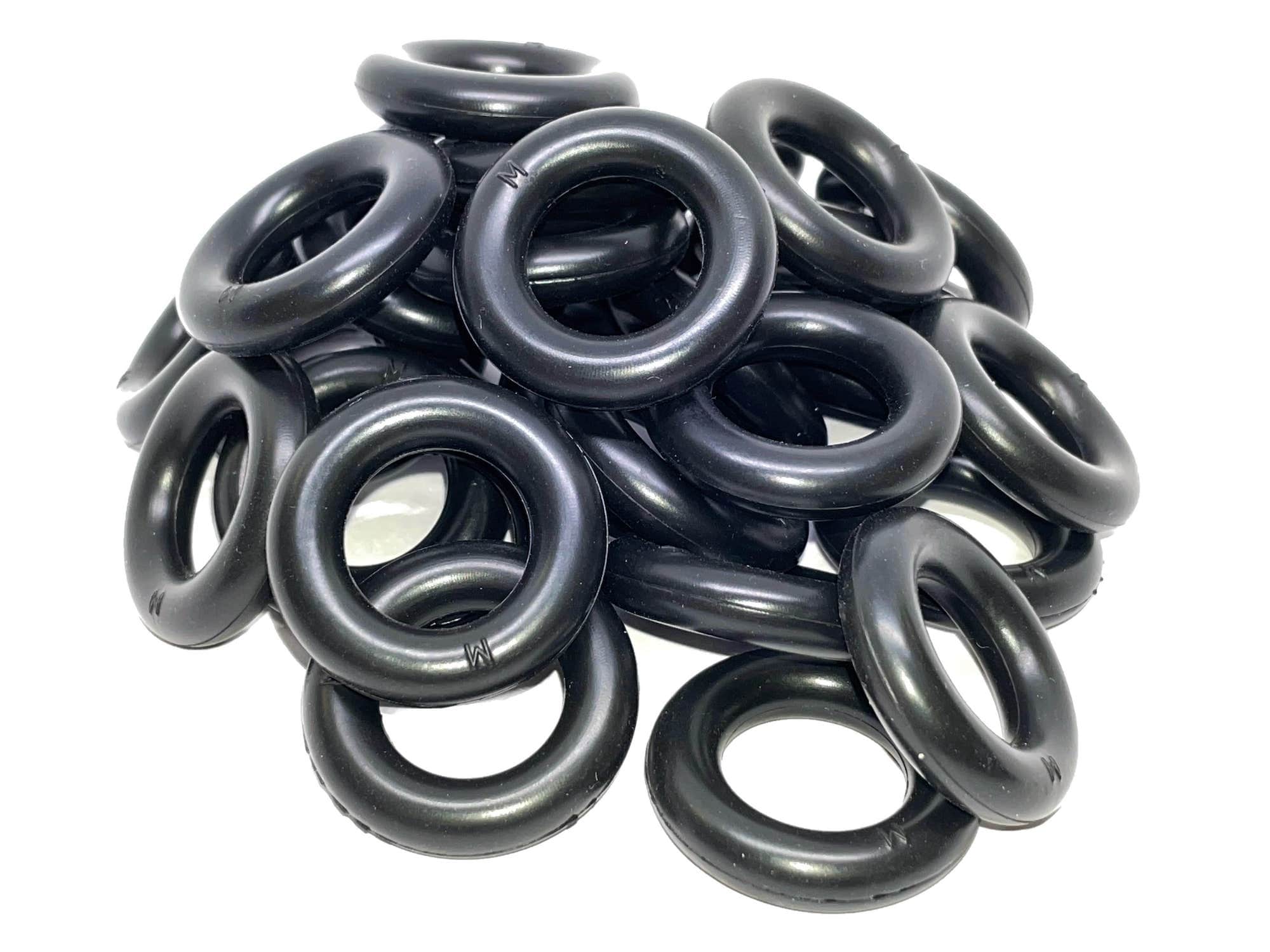
Engineering Insight: Material Selection for Cork-Rubber Composites in Industrial Sealing
The term “cork stone” commonly refers to cork-rubber composites, a critical class of engineered materials within industrial sealing applications. These composites blend granulated cork with synthetic rubber binders, primarily nitrile (NBR) or ethylene propylene diene monomer (EPDM), to achieve a unique balance of compressibility, resilience, and thermal insulation. Precise material selection is not merely advantageous; it is fundamental to preventing catastrophic field failures. Off-the-shelf cork-rubber solutions frequently fail because they prioritize generic cost reduction over the specific, often extreme, operational demands of industrial environments. Standard formulations lack the tailored resistance to complex chemical exposures, sustained high temperatures, or dynamic compression loads encountered in machinery, leading to accelerated degradation, seal leakage, and unplanned downtime. The cost of such failures—measured in production stoppages, environmental incidents, and replacement labor—routinely exceeds material costs by 300% or more, underscoring the false economy of non-specialized solutions.
Failure mechanisms stem directly from material-property mismatches. Generic cork-rubber blends often utilize lower-grade rubber polymers with insufficient saturation, resulting in poor resistance to oils, fuels, or industrial solvents. This causes excessive swelling, loss of sealing force, and eventual extrusion. Similarly, inadequate crosslink density in the rubber matrix leads to high compression set, meaning the material fails to recover its shape after being compressed, creating permanent gaps. Thermal stability is another critical vulnerability; standard formulations may degrade rapidly above 100°C, releasing volatiles and hardening, which destroys the seal interface. These shortcomings are inherent in mass-produced variants that cannot address the nuanced interplay of temperature cycles, fluid compatibility, and mechanical stress profiles unique to each application.
Suzhou Baoshida Trading Co., Ltd. addresses these challenges through rigorous application-specific engineering. We do not offer generic “cork stone”; we develop validated cork-rubber composites calibrated to your operational parameters. Our process begins with a detailed analysis of fluid media, temperature extremes, pressure dynamics, and required service life. This data drives proprietary rubber formulation—optimizing polymer grade, filler dispersion, curing systems, and cork particle size distribution—to achieve target performance metrics. The resulting material delivers predictable, long-term functionality where standard products fail prematurely.
Key performance metrics distinguishing engineered cork-rubber composites from generic alternatives are summarized below:
| Performance Parameter | Generic Off-the-Shelf Cork-Rubber | Suzhou Baoshida Engineered Composite | Test Standard |
|---|---|---|---|
| Compression Set (22h, 100°C) | 45% – 60% | ≤ 22% | ASTM D395 Method B |
| Continuous Service Temp. | -20°C to +100°C | -40°C to +150°C | ASTM D2240 |
| Resistance to IRM 903 Oil | Severe Swelling (>25%) | Minimal Swelling (<8%) | ASTM D471 |
These specifications reflect the tangible outcome of precision material science. Selecting a composite based solely on initial cost ignores the total cost of ownership. Suzhou Baoshida’s engineered cork-rubber solutions provide documented reliability under real-world industrial stress, transforming sealing from a failure point into a foundation for operational continuity. Partner with us to convert material selection from a risk into your competitive advantage.
Material Specifications
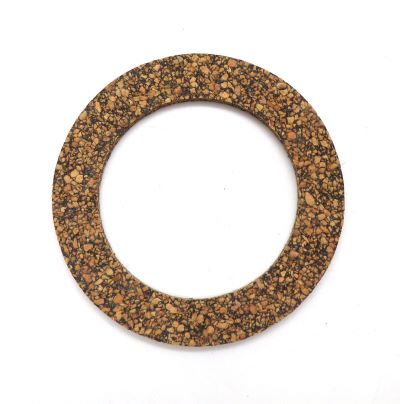
Material Specifications for Industrial Rubber Solutions in Cork Stone Applications
Suzhou Baoshida Trading Co., Ltd. provides high-performance rubber materials specifically engineered for industrial cork stone applications, where resilience, sealing integrity, and environmental resistance are critical. Our formulations are optimized for use in gaskets, vibration dampeners, and thermal insulation components, particularly in automotive, HVAC, and heavy machinery sectors. The three primary elastomers utilized—Viton (FKM), Nitrile (NBR), and Silicone (VMQ)—offer distinct advantages depending on operational parameters such as temperature, chemical exposure, and mechanical stress. Each material is compounded to meet stringent OEM performance benchmarks, ensuring reliability under dynamic service conditions.
Viton, a fluorocarbon-based rubber, exhibits exceptional resistance to high temperatures, oils, fuels, and a broad range of aggressive chemicals. With continuous service capabilities up to 230°C and intermittent resistance to 260°C, Viton is the preferred choice for high-temperature sealing applications in engine compartments and industrial processing environments. Its low gas permeability and excellent aging characteristics make it ideal for long-term performance in demanding settings. However, due to its higher cost, Viton is typically specified where extreme performance cannot be compromised.
Nitrile rubber, or acrylonitrile butadiene rubber (NBR), is widely used for its excellent resistance to petroleum-based oils, greases, and hydraulic fluids. It performs reliably in temperature ranges from -30°C to 120°C, with certain formulations extending to 150°C for short durations. Nitrile’s high abrasion resistance and good tensile strength make it suitable for dynamic sealing applications, particularly in hydraulic systems and fuel handling equipment. It offers a cost-effective solution for environments dominated by oil exposure, though it is less effective in ozone, sunlight, or extreme high-temperature conditions compared to Viton or Silicone.
Silicone rubber (VMQ) delivers outstanding thermal stability across a wide temperature spectrum, from -60°C to 200°C, with some grades reaching 230°C intermittently. It maintains flexibility at low temperatures and resists degradation from UV radiation, ozone, and weathering. While not as mechanically robust as Nitrile or Viton, Silicone excels in electrical insulation and biocompatible applications. Its use in cork stone composites is primarily for thermal and acoustic insulation components where temperature extremes and environmental exposure are key concerns.
The following table summarizes the comparative technical specifications of these materials for informed material selection in industrial cork stone manufacturing.
| Property | Viton (FKM) | Nitrile (NBR) | Silicone (VMQ) |
|---|---|---|---|
| Temperature Range (°C) | -20 to 230 (up to 260 intermittent) | -30 to 120 (150 intermittent) | -60 to 200 (230 intermittent) |
| Tensile Strength (MPa) | 15–20 | 10–25 | 5–9 |
| Elongation at Break (%) | 200–300 | 250–500 | 200–600 |
| Hardness (Shore A, 70–90) | 70–90 | 60–90 | 30–80 |
| Resistance to Oils/Fuels | Excellent | Excellent | Poor |
| Resistance to Ozone/UV | Excellent | Fair | Excellent |
| Compression Set Resistance | Excellent | Good | Good |
| Electrical Insulation | Fair | Fair | Excellent |
| Typical Applications | Engine gaskets, chemical seals | Fuel hoses, O-rings, seals | Insulation pads, electrical components |
Material selection must consider the full scope of operational demands. Suzhou Baoshida Trading Co., Ltd. supports OEMs with tailored compounding and rigorous quality control to ensure optimal performance in every application.
Manufacturing Capabilities
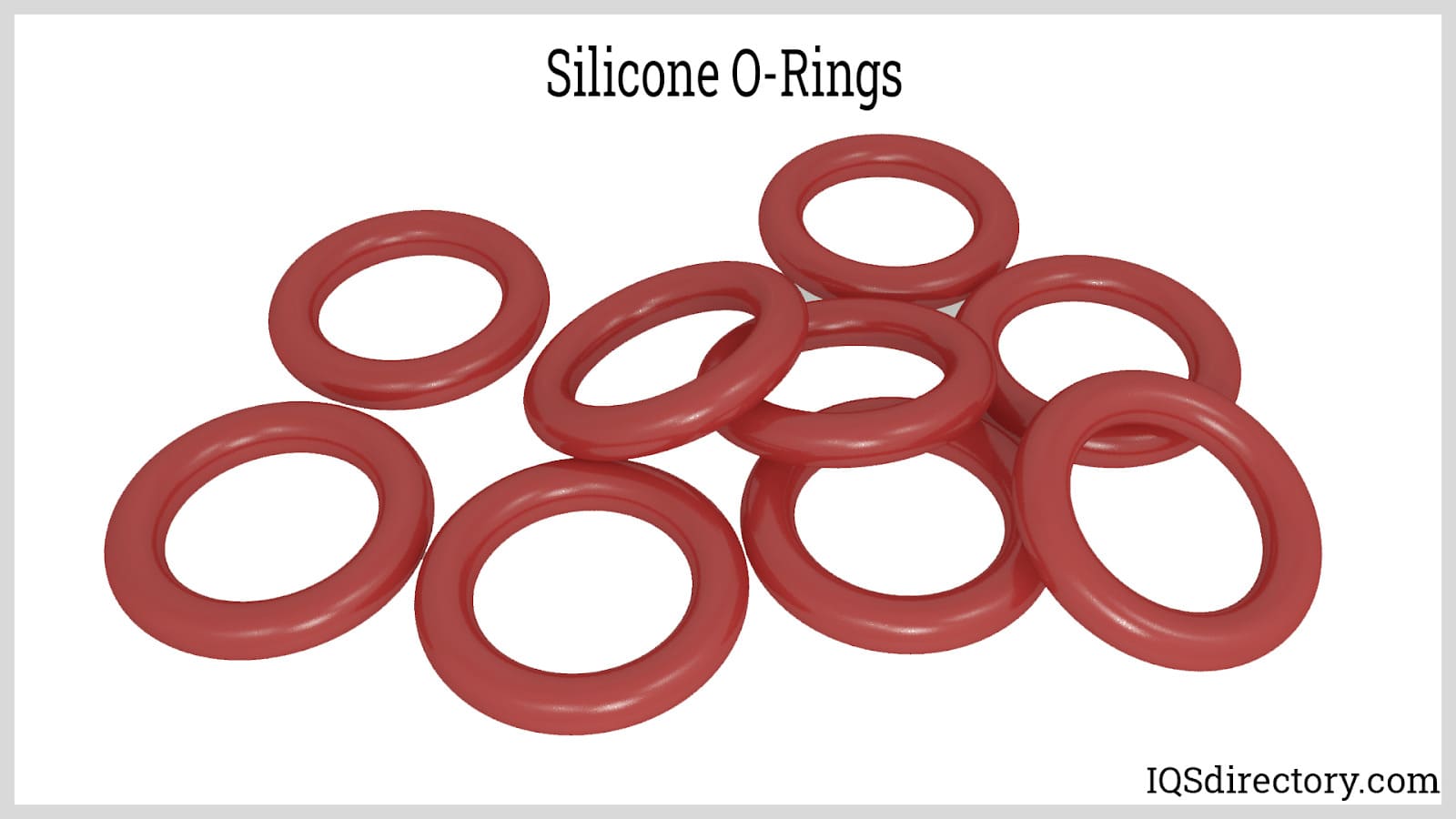
Engineering Excellence in Cork Stone Composite Development
Suzhou Baoshida Trading Co., Ltd. leverages deep material science expertise to engineer high-performance cork stone composites for demanding industrial applications. Our dedicated team comprises five certified Mold Engineers and two specialized Rubber Formula Engineers, ensuring end-to-end control from molecular design to precision manufacturing. This integrated capability allows us to solve complex challenges in vibration damping, thermal insulation, and sealing—where conventional rubber or cork alone falls short.
Our Formula Engineers optimize the polymer matrix by balancing natural cork granules with synthetic rubbers (EPDM, NBR, or silicone), adjusting crosslink density, filler ratios, and curing kinetics to meet exact operational requirements. Simultaneously, Mold Engineers design tooling that accommodates cork’s irregular particle morphology, preventing flash, voids, or density inconsistencies during compression or injection molding. This synergy enables us to achieve ±0.1 mm dimensional tolerances and uniform material distribution—critical for automotive gaskets, HVAC seals, and industrial machinery mounts operating under extreme thermal cycling or dynamic loads.
As an OEM partner, we implement a closed-loop development protocol: client specifications undergo rigorous feasibility analysis, followed by iterative prototyping with real-time material property validation. We maintain ISO 9001-certified processes for traceability, from raw material sourcing to final part certification. Clients receive comprehensive technical dossiers including ASTM/ISO test reports, mold flow analysis, and aging performance data—ensuring seamless integration into their assembly lines.
Key technical parameters for our standard cork stone formulations are detailed below. All properties are fully customizable within defined ranges to address unique environmental or mechanical demands.
| Property | Standard Range | Customizable Range | Test Method |
|---|---|---|---|
| Density | 0.85–1.15 g/cm³ | 0.70–1.30 g/cm³ | ASTM D297 |
| Hardness (Shore A) | 40–80 | 30–90 | ASTM D2240 |
| Compression Set (22h/70°C) | ≤25% | ≤15% (optimized) | ASTM D395 |
| Temperature Resistance | -40°C to +150°C | -60°C to +200°C | ISO 188 |
| Tensile Strength | 2.5–5.0 MPa | 1.8–7.0 MPa | ASTM D412 |
This precision engineering framework reduces client time-to-market by 30% compared to generic suppliers. We validate every formulation against application-specific stressors—such as oil resistance for engine components or UV stability for outdoor infrastructure—using accelerated aging chambers and dynamic mechanical analysis (DMA). Our OEM clients benefit from reduced failure rates in field deployments, with documented case studies showing 40% longer service life in heavy-duty transport applications.
Suzhou Baoshida’s commitment to material innovation transforms cork stone from a basic composite into a mission-critical solution. By merging formula science with mold engineering rigor, we deliver parts that consistently exceed OEM durability and performance benchmarks—proving that industrial rubber solutions demand more than raw material supply: they require engineered intelligence.
Customization Process
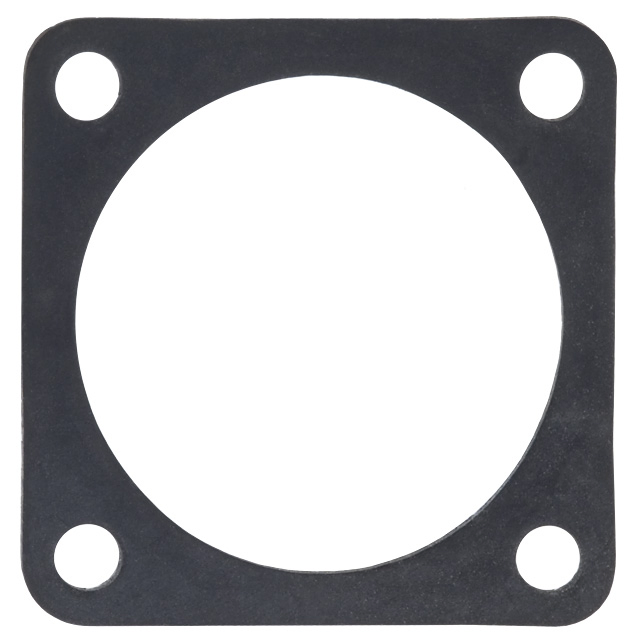
Drawing Analysis: Precision Engineering at the Foundation
The customization process for cork stone composite materials begins with rigorous drawing analysis, a critical phase that ensures dimensional accuracy, functional compatibility, and adherence to OEM specifications. At Suzhou Baoshida Trading Co., Ltd., our engineering team conducts a comprehensive review of customer-provided technical drawings, focusing on geometric tolerances, sealing interfaces, load distribution zones, and environmental exposure conditions. This stage involves 2D/3D CAD validation, material thickness optimization, and joint design assessment to prevent compression set or extrusion under operational stress. Our engineers collaborate directly with client R&D departments to resolve ambiguities, recommend design improvements, and confirm compliance with international standards such as ISO 11751 (rubber product tolerances) and ASTM D2000 (material classification). Only upon formal sign-off do we proceed to formulation development.
Formulation: Tailoring Material Performance
Once design parameters are locked, our rubber formula engineers initiate the formulation phase, where the cork-rubber matrix is chemically engineered to meet specific mechanical and thermal demands. Cork, known for its resilience, low thermal conductivity, and vibration damping, is compounded with synthetic elastomers—typically NBR, EPDM, or CR—based on fluid resistance, temperature range, and compression load requirements. Additives such as reinforcing fillers, anti-aging agents, and processing oils are precisely metered to achieve target hardness (Shore A 40–90), density (0.7–1.2 g/cm³), and compression deflection characteristics. Each formulation is documented under controlled batch records and subjected to preliminary testing for cure kinetics, scorch safety, and rheological behavior using Mooney viscometry and moving die rheometry. This ensures consistent processability during molding.
Prototyping: Validation Through Physical Testing
Prototyping transforms the engineered formulation into functional samples for real-world validation. Using compression or injection molding techniques, we produce pilot batches of cork stone gaskets, seals, or insulation pads as specified. These prototypes undergo a battery of performance tests including compression set (ASTM D395), thermal aging (70–150°C for 72–168 hrs), fluid immersion resistance (oil, coolant, water), and dynamic fatigue cycling. Dimensional inspection via CMM (Coordinate Measuring Machine) verifies conformity to drawing tolerances. Test data is compiled into a material compliance report, which is submitted to the client for approval. Iterations are conducted if performance deviations occur, ensuring final design freeze before scale-up.
Mass Production: Industrial Scalability with Quality Assurance
With prototype approval, we transition to mass production under IATF 16949-aligned quality management protocols. Production runs are executed on high-tonnage presses with automated material feeding and in-line thickness monitoring. Each batch undergoes first-article inspection and periodic QA checks for hardness, density, and visual defects. Final packaging is customized per client logistics needs, with traceability tags and CoA (Certificate of Analysis) included. Our facility supports monthly outputs from 50,000 to 500,000 units, depending on part complexity and material grade.
| Property | Test Method | Typical Range |
|---|---|---|
| Hardness (Shore A) | ASTM D2240 | 40–90 |
| Density (g/cm³) | ASTM D297 | 0.7–1.2 |
| Compression Set (%) | ASTM D395 | ≤25% (24h, 70°C) |
| Tensile Strength (MPa) | ASTM D412 | 2.0–6.0 |
| Operating Temp Range | — | -40°C to +150°C |
Contact Engineering Team
Technical Collaboration Pathway: Cork-Rubber Composite Solutions
Suzhou Baoshida Trading Co., Ltd. operates at the intersection of advanced polymer science and precision industrial manufacturing, specializing in engineered cork-rubber composites colloquially termed “cork stone.” This material represents a critical innovation for vibration damping, thermal insulation, and acoustic management in demanding operational environments. Unlike natural stone or pure cork, our formulations integrate vulcanized rubber matrices with micronized cork granules to achieve tunable mechanical properties unattainable through conventional materials. The resulting composites exhibit exceptional resilience under cyclic stress, chemical resistance to oils and solvents, and consistent performance across temperature ranges from -40°C to +120°C. These attributes make them indispensable for automotive suspension components, industrial machinery mounts, marine gasketing, and precision instrumentation platforms where failure is not an option.
Material selection requires rigorous alignment with application-specific stress profiles. Our engineering team employs finite element analysis (FEA) to model compression set behavior, dynamic modulus, and fatigue life under simulated operational loads. The table below outlines baseline performance metrics for our standard formulations, though all parameters are subject to OEM-driven customization through our compounding laboratory:
| Property | Test Standard | Standard Grade A | Standard Grade B | Custom Range |
|---|---|---|---|---|
| Hardness (Shore A) | ASTM D2240 | 65 ± 5 | 85 ± 5 | 40–95 |
| Tensile Strength (MPa) | ASTM D412 | 8.5 | 12.0 | 5.0–18.0 |
| Compression Set (%) | ASTM D395 | 22 | 18 | 10–35 |
| Operating Temp Range (°C) | ISO 188 | -40 to +100 | -40 to +120 | -60 to +150 |
| Density (g/cm³) | ASTM D297 | 0.95 | 1.10 | 0.80–1.30 |
These specifications reflect our commitment to repeatability in high-volume production. However, true value emerges through collaborative engineering. Suzhou Baoshida maintains dedicated OEM project cells that integrate directly with client R&D teams to reformulate compounds addressing unique challenges—such as cryogenic flexibility for aerospace actuators or hydrocarbon resistance for offshore drilling equipment. Our ISO 9001-certified manufacturing facilities utilize closed-mixing systems with real-time rheometry monitoring, ensuring batch-to-batch consistency down to ±0.5% variance in critical properties. This level of control is non-negotiable for Tier-1 automotive suppliers or medical device manufacturers where material drift compromises safety certifications.
Initiating a technical partnership begins with granular requirement mapping. Mr. Boyce, our OEM Account Director and Rubber Formulation Specialist, leads cross-functional technical consultations to deconstruct your operational pain points into material science solutions. With 14 years of experience managing complex supply chains for global industrial clients, he translates engineering constraints into actionable compounding protocols. Contact Mr. Boyce directly at [email protected] to submit material requirement specifications (MRS) or request a Failure Mode and Effects Analysis (FMEA) review for existing components. Include your target application environment, load profiles, and regulatory compliance needs (e.g., UL 94, FDA 21 CFR 177). For time-sensitive projects, reference your OEM part number in the subject line to trigger expedited laboratory allocation. All technical inquiries receive a validated test plan within 72 business hours, including projected DFM feedback and prototype delivery timelines. Suzhou Baoshida does not sell materials—we deliver certified performance solutions engineered to your exact operational signature.
⚖️ O-Ring Weight Calculator
Estimate rubber O-ring weight (Approx).