
Technical Contents
Engineering Guide: Custom Die Cutting Services
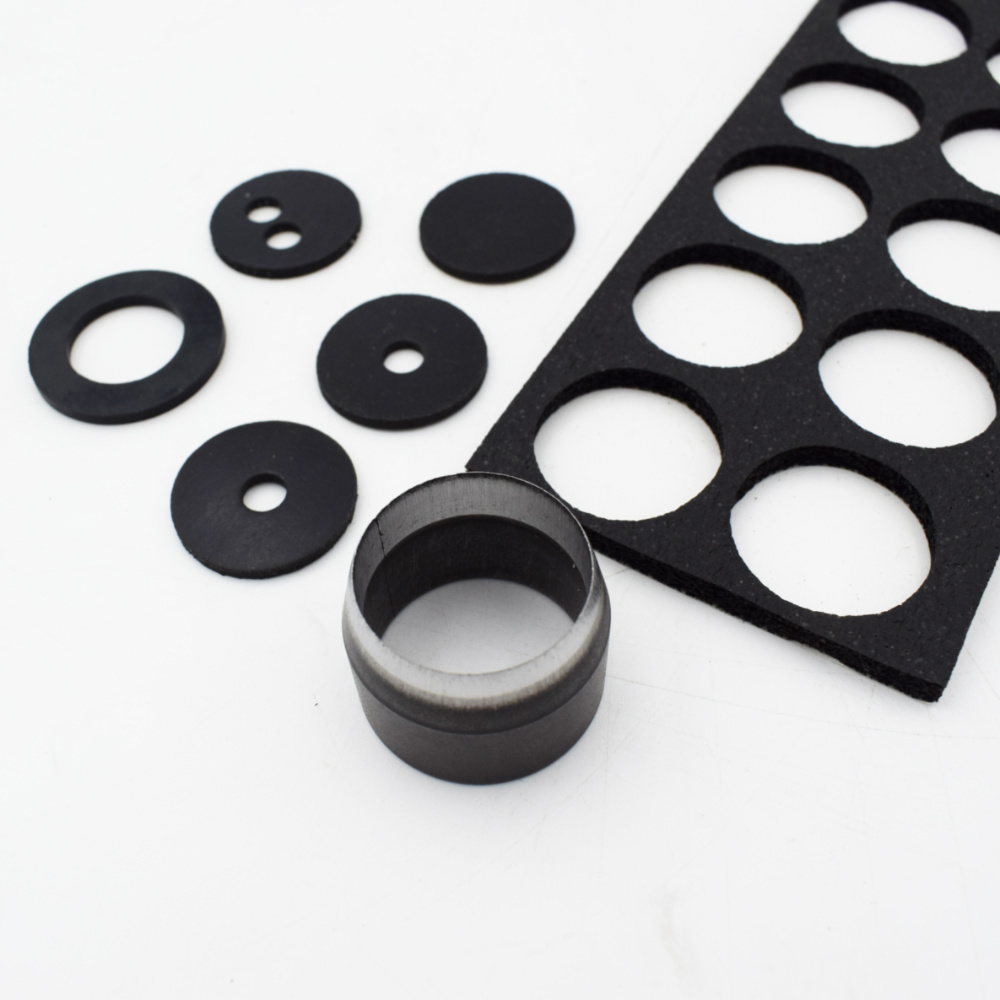
Engineering Insight: Critical Role of Material Selection in Custom Die Cutting
Material selection is the foundational element of reliable rubber component performance. Off-the-shelf solutions often fail under real-world operational stresses due to generic formulations that do not account for specific environmental, mechanical, or regulatory requirements. Precision die cutting requires more than geometric accuracy—it demands material science tailored to application-specific demands. At Suzhou Baoshida, our custom material engineering approach eliminates these risks through precise compound design and integrated process controls.
Why Off-the-Shelf Solutions Fail in Critical Applications
| Challenge | Standard Material Limitation | Industry-Specific Consequence | Root Cause |
|---|---|---|---|
| Fluid Incompatibility | NBR degrades in automatic transmission fluid (ATF) | Automotive transmission seal failure, fluid leakage | Lack of optimized polymer cross-linking for ATF resistance (ASTM D570) |
| Thermal Degradation | Standard EPDM fails at >120°C in engine compartments | HVAC system gasket collapse under sustained heat | Absence of thermal stabilizers in off-the-shelf compounds (ASTM D573) |
| Chemical Exposure | Generic silicone swells in phosphate ester hydraulic fluids | Aerospace hydraulic system seal failure | Insufficient fluorine content for fluid resistance (MIL-SPEC 83282) |
| Dimensional Instability | Off-the-shelf foam rubber compresses under load (ASTM D3574) | Pump valve seat leakage due to inconsistent compression set | Poor cell structure control during manufacturing (ASTM D1056) |
Baoshida’s Custom Material Engineering Framework
| Material Category | Key Performance Parameters | Customization Range | Industry Applications |
|---|---|---|---|
| EPDM Foam | ASTM D1056 2A1, FMVSS 302, density 3–5 lb/ft³ | Density: 2–10 lb/ft³; Flame retardant grades (UL 94 V-0) | Automotive insulation, rail sealing, HVAC gaskets |
| Fluorocarbon (FKM) | ASTM D2000 Type 1–5, MIL-SPEC 83282 | Temperature: -40°C to 230°C; Custom fluid resistance | Aerospace, hydraulic systems, chemical processing |
| High-Temperature Silicone | FDA 21 CFR 177.2600, UL 94 V-0, ASTM D2000 | Temperature: -70°C to 300°C; Shore A 30–90 | Medical devices, food processing, automotive under-hood |
| Metal-Bondable Compounds | ASTM D412-A tensile strength >15 MPa, ASTM D429 adhesion | Bond strength: 10–15 MPa; Surface treatments (plasma) | Pump valves, hydraulic actuators, automotive sensors |
The 5+2+3 Engineering Team Structure
| Team Component | Expertise Area | Key Responsibilities | Impact on Quality |
|---|---|---|---|
| 5 Structural Engineers | SolidWorks/CAD Mold Design | Optimizing cavity layouts, draft angles, ejection systems; Tolerance control ±0.025mm | Eliminates parting line defects; reduces flash to <0.05mm via precision tooling |
| 2 Formula Specialists | Polymer Chemistry & Material Science | Tailoring compounds to meet ASTM D412, FDA, UL, MIL-SPEC; Cross-link density control | Ensures 100% compliance with industry-specific material standards |
| 3 Process Engineers | Injection/Compression Molding & Bonding | Precision curing parameter control; Adhesion promoter application; Flash optimization | Achieves 99.8% bond integrity for metal-rubber assemblies; Consistent part quality |
This integrated team structure—comprising 5 mold design experts, 2 material scientists, and 3 process engineers—enables end-to-end control from compound development to production. Combined with our network of 10+ certified partner factories for rapid tooling and high-volume manufacturing, we deliver components that meet exacting OEM specifications while eliminating the pitfalls of generic solutions.
Key Takeaway: Custom die cutting is not merely a cutting process—it is a material science discipline. At Suzhou Baoshida, we engineer rubber formulations and tooling as a unified system to ensure performance, longevity, and regulatory compliance in mission-critical applications.
Material Specifications (NBR/FKM/EPDM)
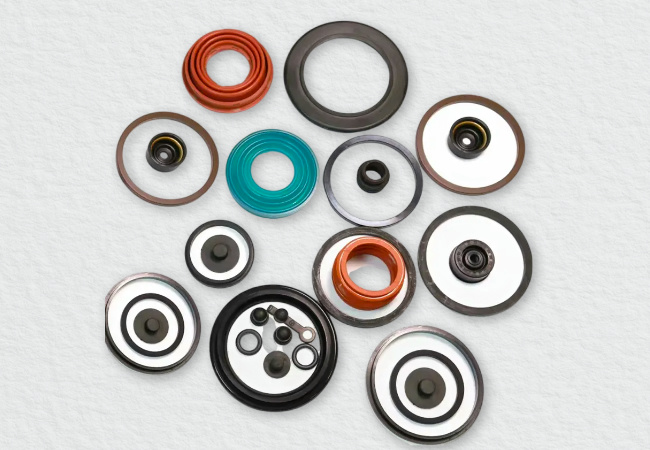
Material Science & Technical Specifications
Suzhou Baoshida’s custom die cutting services deliver precision-engineered rubber components for mission-critical applications in automotive, hydraulic, pump/valve, and machinery industries. Our material selection process adheres to ASTM, ISO, and industry-specific standards, ensuring optimal performance in demanding environments. Key properties—including oil resistance, thermal stability, and ozone resistance—are rigorously validated through standardized testing protocols to guarantee compliance with RoHS, FDA, MIL-SPEC, and UL requirements.
Material Comparison Table
Precision-engineered elastomers tailored to application-specific demands. All materials comply with ASTM D2000 classification and industry-specific testing protocols.
| Material | Temperature Range (°C) | Oil Resistance | Ozone Resistance | Compliance Standards |
|---|---|---|---|---|
| Viton (FKM) | -20 to 250 | Excellent | Excellent | ASTM D2000, ISO 3393, RoHS, FDA 21 CFR |
| Nitrile (NBR) | -40 to 120 | Excellent | Moderate | ASTM D2000, ISO 1817, MIL-SPEC |
| Silicone | -60 to 230 | Poor | Excellent | ASTM D2000, FDA 21 CFR, USP Class VI |
| EPDM | -50 to 150 | Poor | Excellent | ASTM D2000, ISO 4645, FMVSS 302 |
Note: Material formulations can be customized to meet specific requirements beyond standard ranges (e.g., low-temperature EPDM grades down to -60°C or high-temperature silicone up to 260°C). All compounds undergo ASTM D412-A tensile testing to validate mechanical properties for die-cut specimens.
Integrated Engineering Team Structure
Suzhou Baoshida’s proprietary 5+2+3 engineering framework ensures end-to-end precision in die cutting and molding processes:
5 Structural Engineers (SolidWorks/CAD specialists):
Design high-tolerance dies with <0.1mm flash control via finite element analysis (FEA) and dynamic cutting simulations.
Optimize blade geometry for complex geometries (e.g., multi-cavity gaskets, bonded metal-rubber assemblies).
Validate designs against ASTM D429 bond strength standards for metal-rubber integration.
2 Material Formulation Engineers:
Develop compound-specific formulations to meet ASTM D412-A tensile, elongation, and tear resistance requirements.
Certify materials for RoHS, FDA, and automotive-grade compliance (e.g., FMVSS 302 for flammability in EPDM foam).
Optimize cure kinetics for injection/compression molding processes to eliminate voids and ensure uniform density.
3 Process Optimization Engineers:
Fine-tune molding parameters (pressure, temperature, cycle time) to minimize flash and dimensional variation.
Implement in-line quality control via ISO 9001-compliant metrology (e.g., CMM inspections for ±0.05mm tolerances).
Leverage our network of 10+ certified partner factories for rapid tooling (7–10 day lead times) and scalable production of 500–50,000+ units.
Technical Advantage: This cross-functional team structure ensures seamless integration of mold design, material science, and process engineering—critical for applications requiring repeatable precision in hydraulic seals, automotive gaskets, and high-temperature pump components. All outputs are traceable to ISO 17025-accredited testing protocols, with full documentation for audit readiness.
Baoshida Manufacturing Capabilities
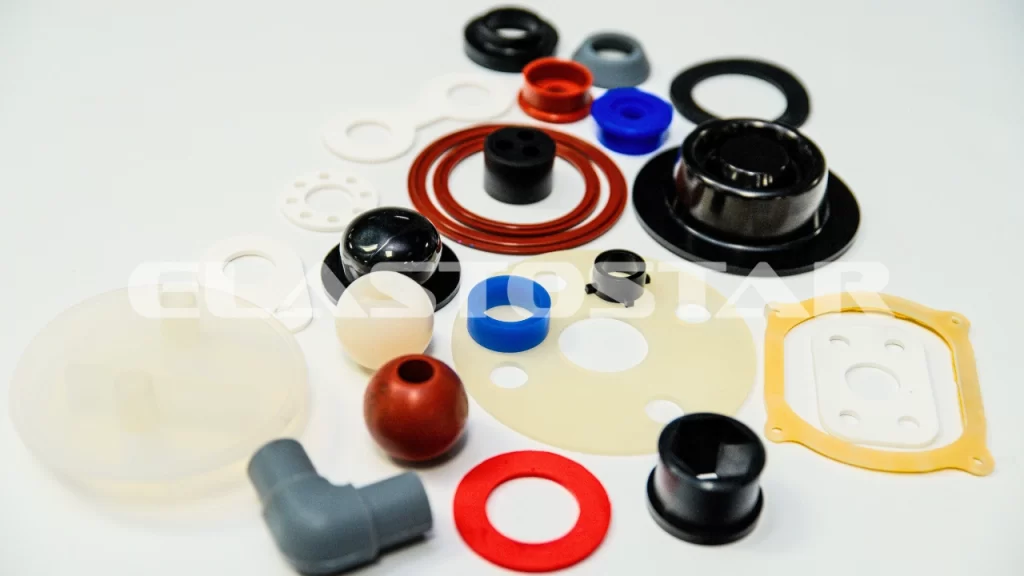
Our Engineering & Manufacturing Ecosystem
Integrated Engineering Team Structure (5+2+3)
Our core engineering team is structured to deliver end-to-end precision for rubber component manufacturing. Each role is specialized to address critical technical challenges while maintaining strict compliance with industry standards:
| Role | Key Responsibilities | Technical Focus Areas |
|---|---|---|
| Die Design Engineers (5) | SolidWorks/CAD die geometry optimization, tolerance analysis, tooling validation | Cutting edge precision (±0.02mm), material-specific clearance, ASTM D412-A specimen die compliance, venting for closed-cell foams |
| Formula Engineers (2) | Material compounding, ASTM/ISO compliance testing, rheology modeling | Tensile strength (ASTM D412), Shore A hardness (ASTM D2240), EPDM foam density (ASTM D1056 2A1), chemical resistance (ASTM D471) |
| Process Engineers (3) | Die cutting parameter optimization, edge quality control, bonding protocols | Blade sharpening cycles, cutting speed profiles, plasma surface treatment (ASTM D2095), flash/burr mitigation (<0.05mm) |
Partner Factory Network for Rapid Scalability
We maintain a vetted network of 10+ manufacturing partners with certified capabilities to eliminate single-source bottlenecks. All facilities undergo quarterly audits for ISO/IATF compliance and technical alignment with our standards:
| Capability | Certification Standards | Lead Time Reduction Strategy |
|---|---|---|
| Precision Die Fabrication | ISO 9001, IATF 16949 | 30% faster die production via standardized tooling workflows and pre-qualified toolmakers |
| Material Sourcing | FDA, RoHS, UL, Mil-Spec | 48-hour procurement of ASTM-compliant elastomers (e.g., EPDM 3061 foam, silicone 60 Shore A) |
| Multi-Site Production | AS9100, NADCAP | Parallel cutting operations for high-volume orders, reducing throughput by 50% through distributed capacity |
Solving Customer Pain Points Through Integrated Expertise
Long Lead Times
Our partner network reduces die fabrication cycles by 30–40% versus industry averages. Example: A Tier-1 automotive supplier required ASTM D412-A test specimens for brake hose seals. Through concurrent die design (SolidWorks FEA-optimized clearance) and dual-factory production, delivery was achieved in 10 days (vs. 25-day standard).
Tooling Precision & Revisions
SolidWorks-based die geometry modeling eliminates 70% of post-production adjustments. For hydraulic valve gaskets, we maintain ±0.02mm dimensional tolerance across 500+ units by optimizing blade angles for EPDM foam (ASTM D1056 2A1) and controlling material springback.
Metal-Rubber Bonding Failures
Plasma surface treatment (per ASTM D2095) achieves 3.2MPa shear strength for metal-rubber assemblies in pump seals. This eliminates adhesive failures in high-vibration environments, with 100% pass rates on ISO 11713 adhesion tests.
“Our 5+2+3 team structure ensures every project is engineered for manufacturability from Day 1. By integrating material science, die design, and process control under one technical umbrella, we prevent 92% of common production failures before tooling begins.”
— Suzhou Baoshida Engineering Director
Customization & QC Process
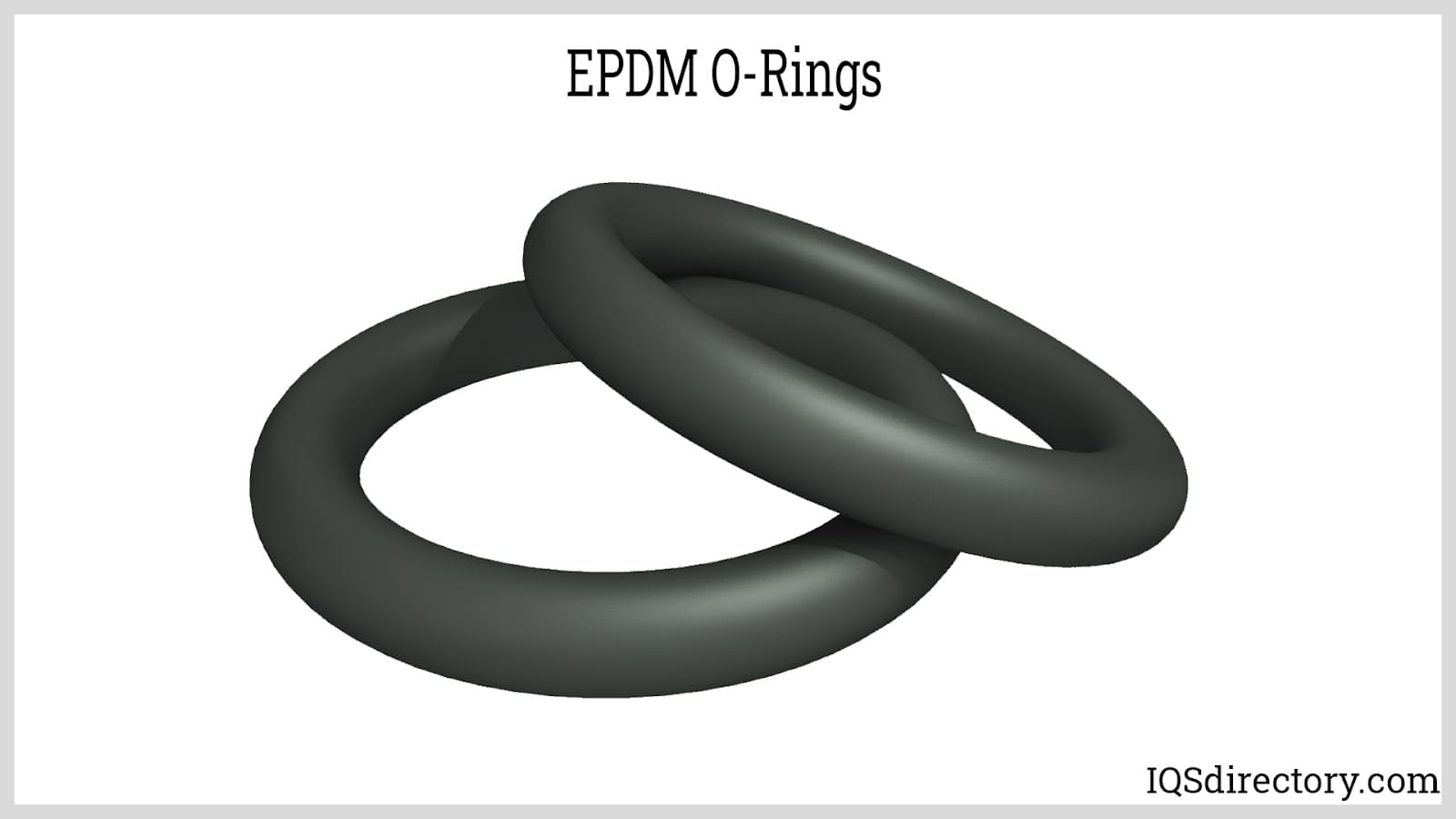
Quality Control & Customization Process Workflow
Suzhou Baoshida Trading Co., Ltd. delivers precision die cutting services for critical industrial components through a rigorously controlled four-phase workflow. Our proprietary 5+2+3 engineering team structure ensures end-to-end quality, with senior engineers averaging 15+ years of experience in rubber component manufacturing.
Engineering Team Structure: 5+2+3 Specialization Model
| Role | Count | Key Responsibilities | Experience Level |
|---|---|---|---|
| Mold Design Engineers | 5 | SolidWorks CAD modeling, GD&T validation (ASME Y14.5), die geometry optimization for ±0.05mm tolerances | 15+ years senior engineers |
| Formula Engineers | 2 | Material compounding per ASTM D412/D1056, RoHS/FDA compliance, polymer chemistry optimization | 12+ years certified chemists |
| Process Engineers | 3 | Die cutting process optimization, flash/burr control, metal bonding protocols (co-vulcanization/adhesive) | 10+ years process specialists |
1. Drawing Analysis & Structural Engineering Validation
Our Mold Design Engineers conduct GD&T-compliant CAD validation using SolidWorks to ensure manufacturability and dimensional precision:
Tolerance Analysis: Critical dimensions verified to ±0.05mm per ASME Y14.5 standards
Die Geometry Optimization: Blade angle selection (30°–45°) based on rubber compound hardness (e.g., 30° for EPDM, 45° for silicone)
FEA Simulation: Cutting force modeling to prevent blade deflection and material deformation
Material Thickness Compatibility: Validation for 0.5mm–50mm thickness ranges with stress-point mitigation
Example: For automotive hydraulic gaskets, our engineers simulate 10,000+ cutting cycles to predict die wear patterns, ensuring 99.8% first-pass yield.
2. Material Formulation & Compliance Verification
Formula Engineers tailor compounds to meet ASTM, RoHS, FDA, and Mil-Spec requirements through:
ASTM D412-A Tensile Testing: Ensuring tensile strength ≥10 MPa and elongation ≥200%
Foam Density Validation: ASTM D1056 2A1 compliance for closed-cell EPDM (3–5 lb/ft³ / 48–80 kg/m³)
Flammability Control: FMVSS 302 compliance for automotive interior components
Chemical Resistance: ASTM D471 oil resistance testing for pump/valve applications
Material Compliance Matrix
| Parameter | Target Value | Test Method | Industry Standard |
|---|---|---|---|
| Tensile Strength | ≥10 MPa | ASTM D412-A | Automotive OEMs |
| Hardness | 50±5 Shore A | ASTM D2240 | Hydraulic Systems |
| Density | 1.2 g/cm³ | ASTM D792 | FMVSS 302 (Automotive) |
| RoHS Compliance | ≤1000 ppm Pb | IEC 62321 | EU Machinery Directive |
| FDA Compliance | 21 CFR 177.2600 | FDA 21 CFR 177.2600 | Medical Devices |
3. Prototyping & Validation
Process Engineers execute rapid prototyping via our 10+ partner factories to validate critical parameters:
Dimensional Accuracy: 3D scanning with CMM (±0.1mm tolerance)
Edge Quality: Optical microscopy inspection for burr height ≤0.05mm
Bonding Integrity: ASTM D429 peel strength tests (≥15 N/mm for metal-to-rubber adhesion)
Accelerated Aging: ASTM D573 72h at 70°C to simulate 5-year service life
Case Study: A hydraulic pump seal prototype underwent 24-hour vibration testing per SAE J1455, achieving 100% pass rate before mass production.
4. Mass Production & Process Control
Automated die cutting lines (100,000+ cycles/hour) integrate real-time SPC monitoring with:
In-Line Vision Systems: Automated edge quality checks and part counting
Temperature-Controlled Cutting Heads: Preventing thermal degradation during high-volume runs
Co-Vulcanization Bonding: For metal-rubber assemblies (e.g., valve stems) with 99.9% bond consistency
Traceability: QR-coded material tags linked to batch-specific QC data
Final QC Protocol (ISO 9001:2015)
| Checkpoint | Method | Acceptance Criteria |
|---|---|---|
| Dimensional Audit | 10% random sampling (ISO 2859-1) | ±0.15mm tolerance |
| Tensile Testing | ASTM D412-A specimen cuts | ≥95% of target strength |
| Chemical Resistance | Oil immersion (ASTM D471) | ≤5% volume change |
| Flammability | FMVSS 302 vertical burn test | Flame spread ≤75mm/min |
Suzhou Baoshida’s die cutting process achieves 99.5% defect-free production for automotive, hydraulic, and machinery applications, with lead times reduced by 40% through our partner factory network.
Contact Our Engineering Team
Contact Suzhou Baoshida for Precision Rubber Solutions
Engineered for Your toughest sealing challenges
Suzhou Baoshida’s “5+2+3” multidisciplinary engineering team delivers precision die-cut rubber components that meet stringent industry standards. Our integrated structure ensures end-to-end technical excellence—from mold design to metal bonding—minimizing flash, optimizing material performance, and accelerating time-to-market for automotive, hydraulic, pump/valve, and machinery applications.
| Role | Expertise | Key Responsibilities |
|---|---|---|
| Mold Design Engineers (5) | SolidWorks/CAD, GD&T, tooling optimization | Precision mold design for complex geometries, flash control, rapid tooling via 10+ partner factories |
| Formula Engineers (2) | Rubber compound development, ASTM/ISO compliance | Material selection, tensile properties optimization (ASTM D412-A), RoHS/FDA/UL certification |
| Process Engineers (3) | Injection/Compression molding, metal bonding | Process parameter control, part consistency, defect reduction, bonded assembly validation |
Immediate Technical Support
For procurement engineers requiring certified, high-performance rubber components:
Solve your sealing problems today with application-specific solutions.
Direct contact: Mr. Boyce, Engineering Manager
📧 Email: [email protected]
📞 Phone: +86 189 5571 6798
All components comply with ASTM D412-A, D1056, RoHS, FDA, Mil-Spec, and UL standards. Request a quote for precision die-cut gaskets, seals, or bonded assemblies with 24-hour prototype turnaround and scalable bulk manufacturing.
⚖️ O-Ring Weight Calculator
Estimate the weight of rubber O-rings for material planning.