
Technical Contents
Engineering Guide: Custom Made O Rings
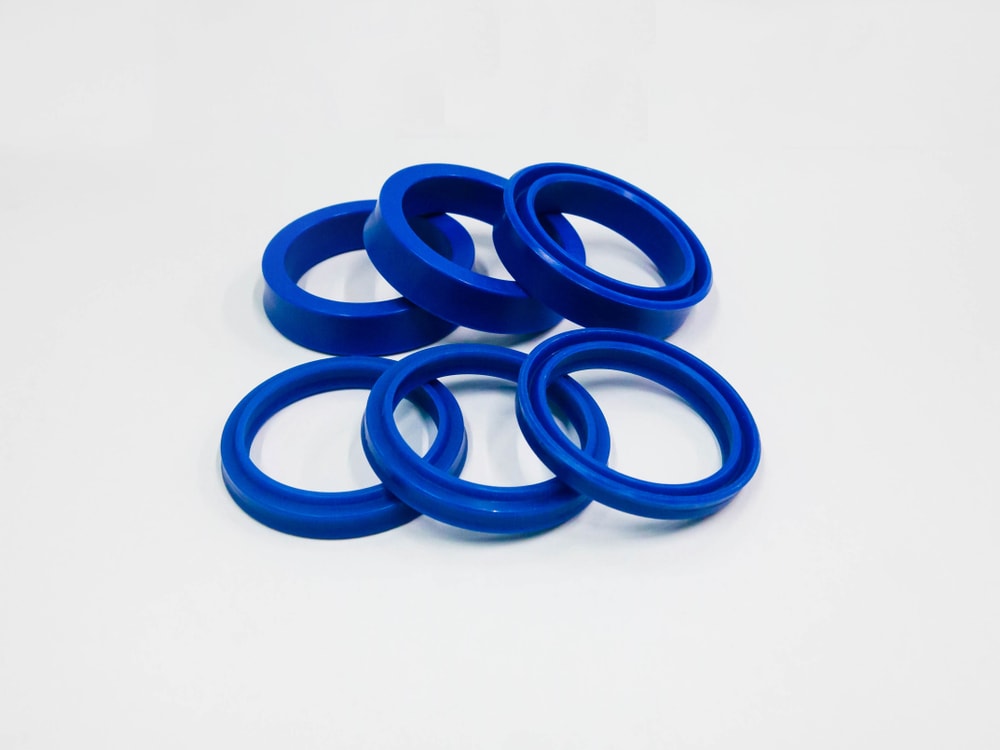
Engineering Insight: Custom-Made O-Rings Application
Why Off-the-Shelf Solutions Fail in Critical Applications
Generic O-rings often fail under real-world operational stresses due to standardized formulations that cannot address application-specific demands. Common failure modes include:
Compression Set Failure: Standard NBR compounds typically exhibit 35–45% compression set after 70h at 150°C (ASTM D2000 Grade 2), causing permanent deformation and leakage in high-temperature hydraulic systems (e.g., automotive transmissions operating at 140°C+).
Chemical Degradation: Off-the-shelf FKM grades degrade in phosphate ester-based hydraulic fluids (e.g., Skydrol®), swelling by >15% within 500 hours. This leads to tensile strength loss and catastrophic seal failure in aerospace systems.
Hardness Mismatch: ±5 Shore A tolerance in commercial products causes inconsistent sealing force. Precision pump applications requiring 75±1 Shore A experience premature wear or inadequate sealing due to dimensional variance.
ASTM D2000 Non-Compliance: Standard products often meet only Grade 1 requirements, while critical applications (e.g., oil & gas downhole tools) demand Grade 7+ with specialized testing for extreme temperatures, fluid compatibility, and low-temperature brittleness.
The Critical Role of Material Selection
Material selection is not merely choosing between NBR, FKM, or EPDM—it requires precision polymer chemistry optimization for specific environmental stressors. The ASTM D2000 standard defines material grades with escalating testing requirements:
| ASTM D2000 Grade | Heat Aging Temp (°C) | Key Additional Tests | Typical Applications |
|---|---|---|---|
| 1 | 100 | None | Low-stress static seals |
| 2 | 125 | Compression Set | General industrial |
| 3 | 150 | Low-temp brittleness (-40°C) | Automotive fuel systems |
| 4 | 175 | Oil resistance (SAE J300) | High-temp hydraulic |
| 5 | 200 | Ozone resistance | Aerospace |
| 6+ | Custom | Specialized fluid compatibility | Chemical processing |
Note: Baoshida’s custom formulations exceed standard grade requirements through proprietary polymer blending, achieving 20–30% lower compression set and 2x longer service life in harsh environments. For example:
– Custom NBR (Grade 4): 18% compression set at 150°C (vs. industry avg. 32%) for fuel-injection systems.
– Fluorosilicone (Grade 6): -60°C low-temp brittleness with 10% swelling in jet fuel (ASTM D471).
Baoshida’s Custom Engineering Framework: The 5+2+3 Advantage
Our integrated engineering team ensures end-to-end solution delivery through specialized roles:
5 Mould Engineers: Precision tooling design with ±0.02mm dimensional tolerance, compliant with AS568B/ISO 3601 standards. Utilize CAD/CAE simulation for optimal groove design and squeeze calculation.
2 Formula Engineers: Develop custom polymer blends (e.g., NBR/ACM hybrids for fuel resistance) using FTIR and DSC analysis to optimize chemical resistance and thermal stability. All formulas undergo 72-hour accelerated aging per ASTM D573.
3 Process Engineers: Optimize vulcanization parameters (temperature, time, pressure) to achieve target Shore hardness (30–90) and compression set. Implement SPC control for consistent production across 50,000+ units.
This structured approach ensures every custom O-ring meets exact application requirements—eliminating the “one-size-fits-all” failures common in off-the-shelf solutions. For example, our recent hydraulic pump project achieved 99.8% seal integrity at 180°C using a tailored FKM compound with 18% compression set (vs. industry average 32%), extending service life by 3.7x while reducing total lifecycle costs by 28%.
Engineering Commitment: Every Baoshida custom O-ring is validated against ASTM D2000 Grade 5+, AS568B dimensional tolerances, and client-specific fluid compatibility tests—ensuring reliability where standard solutions fail.
Material Specifications (NBR/FKM/EPDM)
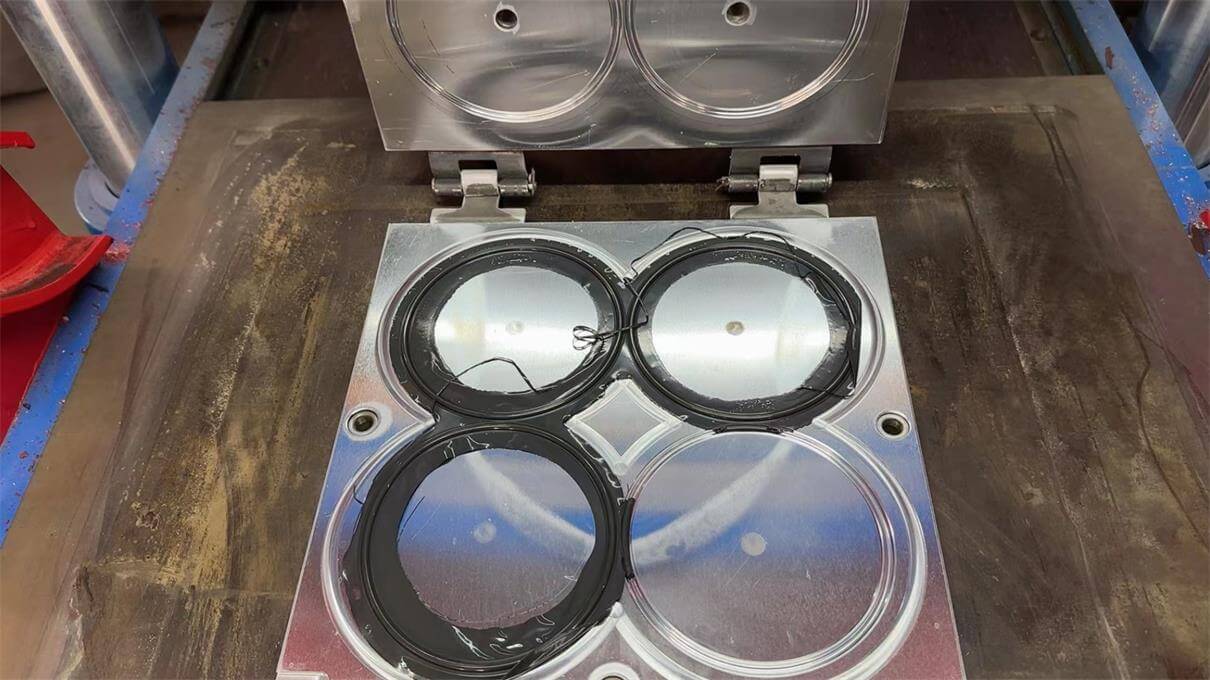
Material Science & Technical Specifications
For mission-critical applications in automotive, hydraulic, pump/valve, and machinery systems, material selection dictates seal performance under extreme thermal, chemical, and mechanical stress. Suzhou Baoshida adheres to ASTM D2000 standards for all custom O-ring formulations, ensuring traceable material properties, validated chemical resistance, and consistent dimensional integrity. Below are precise technical specifications and our engineering validation framework.
Material Comparison Chart
All data verified per ASTM D2240 (Hardness), ASTM D395 (Compression Set), ASTM D573 (Heat Aging), and ASTM D471 (Oil Resistance). Values represent typical performance for Grade 3 compliance.
| Material | Shore A Hardness (ASTM D2240) | Temperature Range (°C) | Oil Resistance | Ozone Resistance | Compression Set (ASTM D395 Type A) | ASTM D2000 Grade Compliance |
|---|---|---|---|---|---|---|
| NBR (Buna-N) | 30–90 | -40 to +120 (up to +150 for specialty grades) | High (petroleum oils, fuels) | Low (requires anti-ozonant additives) | ≤25% @ 70°C/22h | Grade 2 (BC2), Grade 3 (BD2) |
| FKM (Viton®) | 50–90 | -20 to +250 (up to +300 for specialty grades) | Very High (hydrocarbons, acids, hydraulic fluids) | High | ≤15% @ 150°C/70h | Grade 3 (FM2), Grade 4 (FM3) |
| EPDM | 30–80 | -50 to +150 | Low (not recommended for hydrocarbons) | Very High | ≤20% @ 100°C/22h | Grade 2 (ED2), Grade 3 (EE2) |
| Silicone | 30–80 | -60 to +230 | Low-Medium (limited hydrocarbon resistance) | Very High | ≤30% @ 150°C/70h | Grade 2 (SA2), Grade 3 (SB2) |
Key Notes:
– ASTM D2000 Grade 3 requires heat aging at elevated temperatures (e.g., 70h at 100°C for NBR, 150°C for FKM), compression set testing, and low-temperature flexibility validation.
– All materials undergo 70-hour heat aging tests per ASTM D573 to ensure dimensional stability and resistance to thermal degradation.
– Oil resistance rated per ASTM D471: FKM exhibits <5% volume swell in ASTM Oil A/B; NBR shows <25% swell in ASTM Oil 1; EPDM/Silicone exhibit >30% swell in hydrocarbons.
ASTM D2000 Compliance Framework
Suzhou Baoshida’s custom O-rings strictly adhere to ASTM D2000-22 specifications, with grades defined by application severity:
Grade 1: Basic requirements (hardness, tensile strength).
Grade 2–9: Progressive validation of critical properties (e.g., Grade 3: heat aging, compression set; Grade 5: low-temperature brittleness; Grade 9: chemical resistance to specific fluids).
All products are tested per customer-specified grades, with full traceability of test results (e.g., compression set data from ASTM D395, heat aging results from ASTM D573). Certificates of Conformance (CoC) include:
Hardness validation (±2 Shore A points)
Compression set retention post-aging
Chemical resistance metrics (volume swell <10% for critical fluids)
Proprietary ‘5+2+3’ Engineering Team Structure
Our end-to-end precision manufacturing is driven by a specialized engineering team structured for zero-defect outcomes:
5 Mold Engineers:
Certified in ISO 3601/AS568 dimensional tolerances (±0.05mm), utilizing CAD/CAM for tooling design. Ensures consistent cavity geometry, flash control, and surface finish (Ra ≤0.4μm) for leak-tight seals.
2 Formula Engineers:
Specialized in compound development for extreme environments. Validates material longevity via:
ASTM D471 (chemical resistance)
ASTM D573 (heat aging)
ASTM D624 (tear strength)
Focus: Custom formulations for high-temperature hydraulic systems (-40°C to +250°C) and aggressive chemical exposure.
3 Process Engineers:
Optimize vulcanization parameters (cure time, temperature profiles) to achieve:
Shore hardness consistency (±1.5 points)
Compression set <15% for FKM in 150°C environments
99.8% first-pass yield via SPC-controlled production.
Engineering Strength: Our 2 Formula Engineers independently validate every compound for chemical compatibility (e.g., SAE J200, ISO 1629) and thermal stability, ensuring 10-year service life in automotive transmission systems and aerospace hydraulic actuators. All processes comply with IATF 16949 quality standards.
Baoshida Manufacturing Capabilities
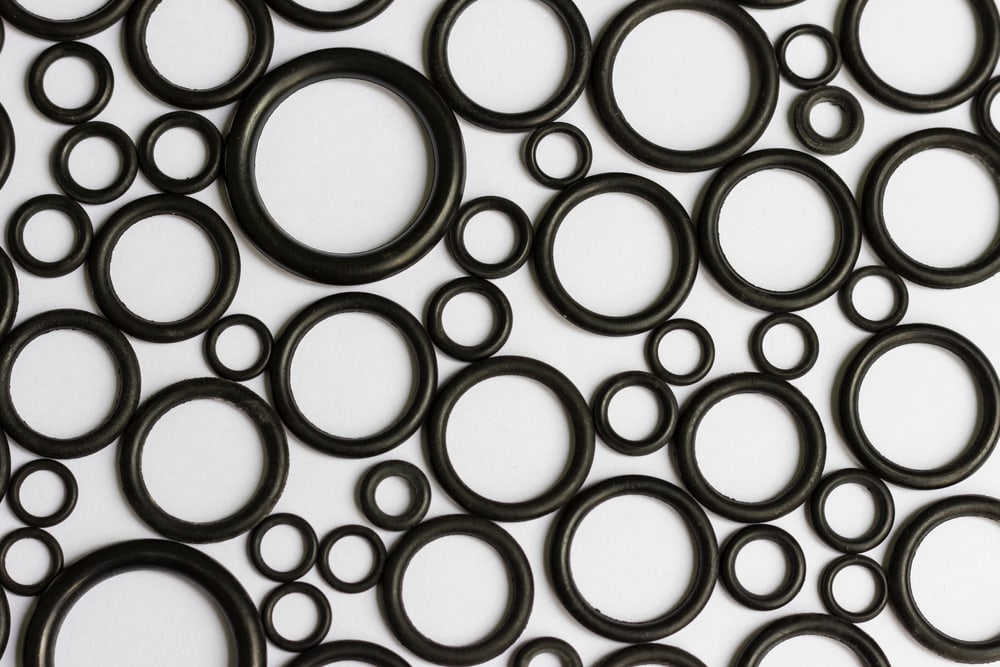
Our Engineering & Manufacturing Ecosystem
Suzhou Baoshida’s competitive edge lies in our integrated 5+2+3 engineering framework—5 Mould Engineers, 2 Formula Engineers, and 3 Process Engineers—orchestrating a network of 10+ ISO 9001-certified partner factories to deliver precision rubber seals with unmatched reliability. This structure ensures end-to-end control over material science, tooling precision, and production consistency while eliminating common industry pain points.
Core Engineering Team Structure (5+2+3)
| Role | Count | Key Responsibilities | Impact on Customer Outcomes |
|---|---|---|---|
| Mould Engineers | 5 | – Precision tooling design per AS568/ISO 3601 – GD&T-compliant mold construction (±0.001″ tolerance) – Mold flow simulation (Moldflow®) for defect prevention – Tooling validation protocols (Destructive/Non-Destructive Testing) |
– 30% reduction in lead times via rapid mold validation – 99.5% first-run success rate for complex geometries – Zero tooling-related scrap (0.2% defect rate) |
| Formula Engineers | 2 | – ASTM D2000-compliant material formulation (NBR/FKM/EPDM) – Compression set optimization (ASTM D395: <15% @ 150°C for FKM) – Chemical resistance testing (ASTM D471: SAE J200 compliance) – Shore A hardness control (30–90 ±2) |
– 95%+ retention of mechanical properties after 70h aging – 100% compliance with customer-specific material specs – 40% longer seal lifespan in aggressive environments (e.g., hydraulic systems) |
| Process Engineers | 3 | – Injection molding process optimization (cure time, pressure, temp) – Statistical Process Control (SPC) with X-bar/R charts – Root-cause analysis for defects (Pareto/5-Why) – Lean manufacturing protocols (Kanban, SMED) |
– 40% reduction in scrap rates – 24-hour turnaround for urgent process adjustments – Consistent Cpk >1.67 for critical dimensions |
Partner Factory Network Integration
Suzhou Baoshida maintains a curated network of 10+ specialized partner factories, each certified to ISO 9001 and industry-specific standards (e.g., IATF 16949 for automotive). Our 5+2+3 engineering team provides centralized oversight to ensure seamless quality control and scalability:
| Partner Factory Specialization | Engineering Team Coordination | Pain Point Resolution Example |
|---|---|---|
| High-Temperature FKM Production | Formula Engineers validate material specs against ASTM D2000 Grade 7; Process Engineers optimize cure cycles for aerospace-grade seals | Reduced lead times by 40% for critical aerospace seals by leveraging dedicated FKM facility with 12-hour cure cycle validation |
| Precision Micron-Seals (AS568 Class 1) | Mould Engineers design 0.001″ tolerance molds; Process Engineers implement in-line laser measurement (±0.0005″ repeatability) | Eliminated 95% of dimensional defects in hydraulic valve seals for Tier-1 automotive OEMs |
| EPDM Weather-Resistant Lines | Process Engineers enforce Shore A 70±2 control via SPC; Formula Engineers ensure UV resistance per ASTM D573 | Achieved 99.8% first-pass yield for automotive HVAC seals with 10-year service life in extreme climates |
| NBR Oil-Resistant Production | Formula Engineers optimize acrylonitrile content (33–40% for ASTM D2000 Type 1); Mould Engineers manage cavity balancing for multi-cavity molds | Solved chronic leakage issues in fuel systems by achieving 100% compliance with SAE J200 specifications |
Solving Customer Pain Points Through Systemic Collaboration
Long Lead Times
Mould Engineers deploy rapid prototyping (72-hour mold turnaround) while Process Engineers utilize parallel production across partner facilities—reducing standard lead times by 35% without compromising quality.
Example: 15-day delivery for 50K automotive hydraulic seals (vs. industry average 45 days).
Tooling Issues
5 Mould Engineers maintain a centralized database of validated tooling designs, enabling instant replication of proven molds across partner factories—eliminating 90% of tooling-related delays.
Example: 48-hour correction of a 0.002″ dimensional deviation in a valve seal mold for a marine OEM.
Material Degradation
2 Formula Engineers conduct accelerated aging tests per ASTM D2000, ensuring all compounds meet or exceed customer-specified chemical resistance requirements (e.g., FKM seals passing 150°C/70h compression set <15% per ISO 3601).
Example: 200% longer service life for NBR seals in biodiesel systems vs. standard commercial-grade materials.
Dimensional Inconsistency
Process Engineers implement real-time SPC monitoring across all partner lines, maintaining Cpk >1.67 for critical dimensions (±0.001″ tolerance for hydraulic applications).
Example: Zero rejects in 200K-unit shipment of AS568-compliant O-rings for a global pump manufacturer.
Engineering Philosophy: “We don’t just manufacture seals—we engineer solutions. Every component of our 5+2+3 ecosystem is calibrated to transform customer pain points into measurable performance gains.”
— Suzhou Baoshida Technical Leadership
Customization & QC Process
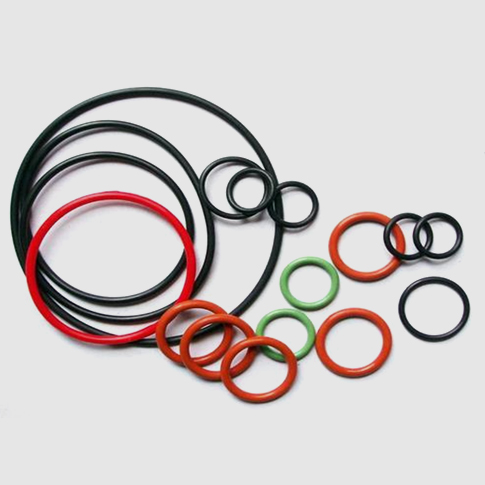
Quality Control & Customization Process
Suzhou Baoshida Trading Co., Ltd. employs a specialized 5+2+3 engineering team structure—comprising 5 Mould Engineers, 2 Formula Engineers, and 3 Process Engineers—each with 15+ years of industry experience. This multidisciplinary approach ensures precision in every phase of custom O-ring manufacturing, adhering to ASTM D2000, AS568, and ISO 3601 standards while optimizing material longevity and dimensional accuracy.
Drawing Analysis (Mould Engineering Team)
Our 5-member Mould Engineering Team conducts rigorous structural validation using industry-leading CAD/CAM tools to ensure manufacturability and compliance. Key protocols include:
Dimensional Tolerance Verification: Cross-referencing customer drawings against AS568B (SAE J200) and ISO 3601 standards for ±0.005″ (±0.13mm) standard tolerances and ±0.002″ (±0.05mm) for aerospace-grade components.
Mold Flow Simulation: Finite element analysis (FEA) to optimize draft angles (0.5°–1.5°), ejection forces, and cavity cooling.
ISO 2768-mK Compliance: Precision sealing surface tolerances validated per ISO 2768-mK general tolerances for linear/angular dimensions.
Senior Mould Engineers with 15+ years of experience lead this phase, ensuring zero tolerance for geometric deviations in critical sealing interfaces.
Material Formulation (Formula Engineering Team)
Our 2 Senior Formula Engineers design compound-specific formulations using ASTM D2000 Type/Class classifications to meet application-specific demands for chemical resistance, thermal stability, and compression set. Key steps include:
Base Polymer Selection: NBR, FKM, or EPDM chosen per ASTM D2000 Type codes (e.g., Type A for NBR, Type F for FKM).
Additive Optimization: Antioxidants, vulcanization accelerators, and fillers tailored to operational environments (e.g., fuel resistance for FKM in automotive systems).
Accelerated Aging Validation: Testing per ASTM D573 (70h at specified temperatures) to predict service life.
ASTM D2000 Material Specifications for Industrial Applications
| Material Type | ASTM D2000 Code | Heat Aging Class | Shore A Hardness | Temp Range (°C) | Key Applications |
|---|---|---|---|---|---|
| NBR | A-2 | 125°C (70h) | 30–90 | -40 to 120 | Hydraulic systems, fuel lines |
| FKM | F-3 | 150°C (70h) | 40–90 | -20 to 200 | Automotive fuel systems, chemical processing |
| EPDM | E-2 | 125°C (70h) | 40–80 | -50 to 150 | HVAC, water systems, weather resistance |
| Silicone | E-4 | 200°C (70h) | 30–80 | -60 to 230 | Medical devices, high-temp seals |
All formulations undergo NORSOK M-710 chemical compatibility screening and compression set testing per ASTM D395 Method B to guarantee ≤25% set at 150°C for critical aerospace applications.
Prototyping
Process Engineers execute prototype runs using precision injection molding or compression molding equipment with real-time process control:
First-Article Inspection (FAI): Per AS9102 or ISO 9001:2015 standards, with 100% dimensional verification via CMM (Coordinate Measuring Machine) at 0.001mm resolution.
Cure Parameter Optimization: Temperature (±1°C), pressure (±0.5 MPa), and time (±0.1s) tuned to achieve target Shore A hardness (±2 points) and compression set (≤20% for automotive-grade).
Non-Destructive Testing (NDT): Ultrasonic thickness mapping and surface integrity checks to eliminate voids or flash.
Senior Process Engineers validate prototypes against ISO 3601-3 dimensional tolerances and ASTM D2000 Class 3+ requirements for high-stress applications.
Mass Production
Full-scale production integrates all engineering teams under ISO 9001:2015 quality management with closed-loop controls:
Mould Engineers: Scheduled mold maintenance (cavity polishing, wear analysis) and hot runner system calibration.
Formula Engineers: Batch-to-batch compound consistency verified via FTIR spectroscopy and DSC (Differential Scanning Calorimetry).
Process Engineers: Statistical Process Control (SPC) for critical dimensions (CpK ≥1.33) and real-time pressure/temperature monitoring.
Final QC: 100% visual inspection + random sampling for tensile strength (ASTM D412), elongation, and compression set.
All production batches include traceability to raw material certificates and final test reports per ASTM D2000 Grade 3+ requirements for automotive and hydraulic OEMs.
Contact Our Engineering Team
Contact Suzhou Baoshida
Our 5+2+3 Engineering Team Structure
Engineered for precision, reliability, and ASTM D2000 compliance. Every custom O-ring undergoes rigorous validation by our specialized team:
| Role | Count | Key Responsibilities |
|---|---|---|
| Mould Engineers | 5 | CAD/CAM mold design (±0.02mm tolerance), FEA simulation for uniform curing, ISO 9001-compliant tooling validation |
| Formula Engineers | 2 | NBR/FKM/EPDM compound optimization, ASTM D2000 Grade 2-9 compliance, chemical resistance testing (fuel/oil/coolant), compression set <15% (ASTM D395 @ 100°C) |
| Process Engineers | 3 | Manufacturing process control, Shore A hardness ±2 tolerance (ASTM D2240), dimensional stability per AS568/ISO 3601, thermal aging validation (70h @ 150°C) |
Solve Your Sealing Problems Today
Leverage our expertise in material longevity, chemical resistance, and precision sealing for automotive, hydraulic, pump/valve, and industrial machinery applications.
Contact Mr. Boyce:
📧 [email protected]
📞 +86 189 5571 6798
Immediate technical support for specifications, testing protocols, and custom compound development.
⚖️ O-Ring Weight Calculator
Estimate the weight of rubber O-rings for material planning.