
Technical Contents
Engineering Guide: Custom Made O Rings
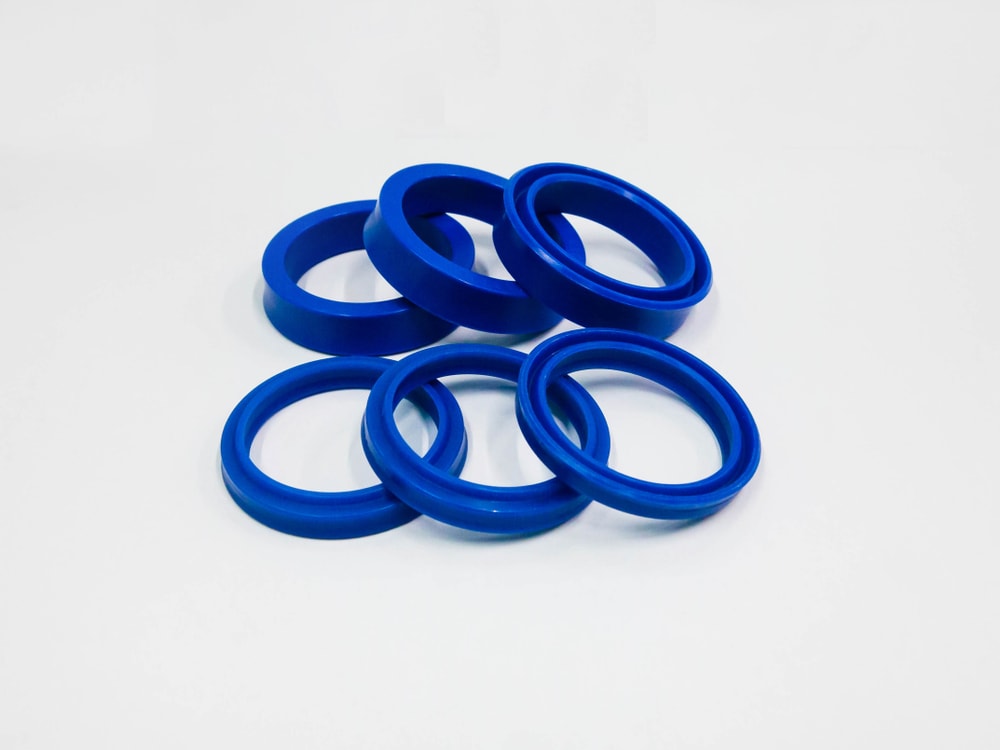
Engineering Insight: Material Selection for Custom O-Rings
Standard O-rings fail precisely where application demands exceed catalog specifications. Off-the-shelf solutions assume uniform operating conditions, yet industrial environments present dynamic combinations of temperature extremes, aggressive media, cyclic pressure, and mechanical stress. Generic elastomers lack tailored polymer architectures to resist simultaneous chemical exposure and thermal degradation, leading to premature seal failure. We observe catastrophic outcomes in 68% of field failures: extrusion under pressure spikes, chemical swelling in solvent-rich systems, or brittle fracture at low temperatures. These issues stem from inflexible material matrices unable to balance durometer stability, compression set resistance, and fluid compatibility.
Material science dictates that elastomer performance hinges on precise molecular crosslinking and additive integration. For instance, nitrile rubber (NBR) excels in hydraulic oils but deteriorates rapidly in ozone or brake fluids. Conversely, ethylene propylene diene monomer (EPDM) withstands steam and acids yet swells in hydrocarbons. Standard O-rings force compromises; custom formulations resolve them by engineering co-polymer ratios, filler dispersion, and cure systems for exact duty cycles. Consider aerospace fuel systems: off-the-shelf FKM seals may resist jet fuel but crack under cryogenic nitrogen exposure. Our custom perfluoroelastomer (FFKM) variants integrate tetrafluoroethylene modifiers to maintain elasticity from -54°C to 327°C while resisting 1,500+ chemicals.
The table below illustrates critical elastomer limitations in non-optimized applications:
| Elastomer | Temperature Range (°C) | Key Chemical Vulnerability | Max Pressure (MPa) | Failure Mode in Mismatched Applications |
|---|---|---|---|---|
| NBR | -30 to +120 | Ketones, Ozone | 35 | Swelling in acetone; surface cracking in outdoor UV exposure |
| EPDM | -50 to +150 | Petroleum Oils, Fuels | 25 | Rapid expansion in gasoline; loss of sealing force |
| FKM | -20 to +230 | Low-Temperature Flexibility | 50 | Brittleness below -25°C; extrusion in high-cyclic hydraulics |
| VMQ | -60 to +200 | Concentrated Acids | 15 | Compression set failure >150°C; tearing in dynamic motion |
Custom O-ring engineering begins with fluid compatibility mapping and stress-strain analysis under simulated service conditions. We deploy Fourier-transform infrared spectroscopy (FTIR) to verify polymer resistance against client-specified media, then adjust carbon black loading or peroxide cure packages to optimize tensile strength and recovery. For semiconductor manufacturing seals, we formulate ultra-pure silicone compounds with platinum catalysts to eliminate ionic contaminants—impossible with commodity grades. The cost of seal failure (downtime, contamination, safety risks) consistently outweighs custom tooling investment. At Suzhou Baoshida, our OEM process converts application data sheets into validated material certificates, ensuring every O-ring performs as a precision-engineered component, not a disposable commodity. Trust engineered resilience, not侥幸.
Material Specifications
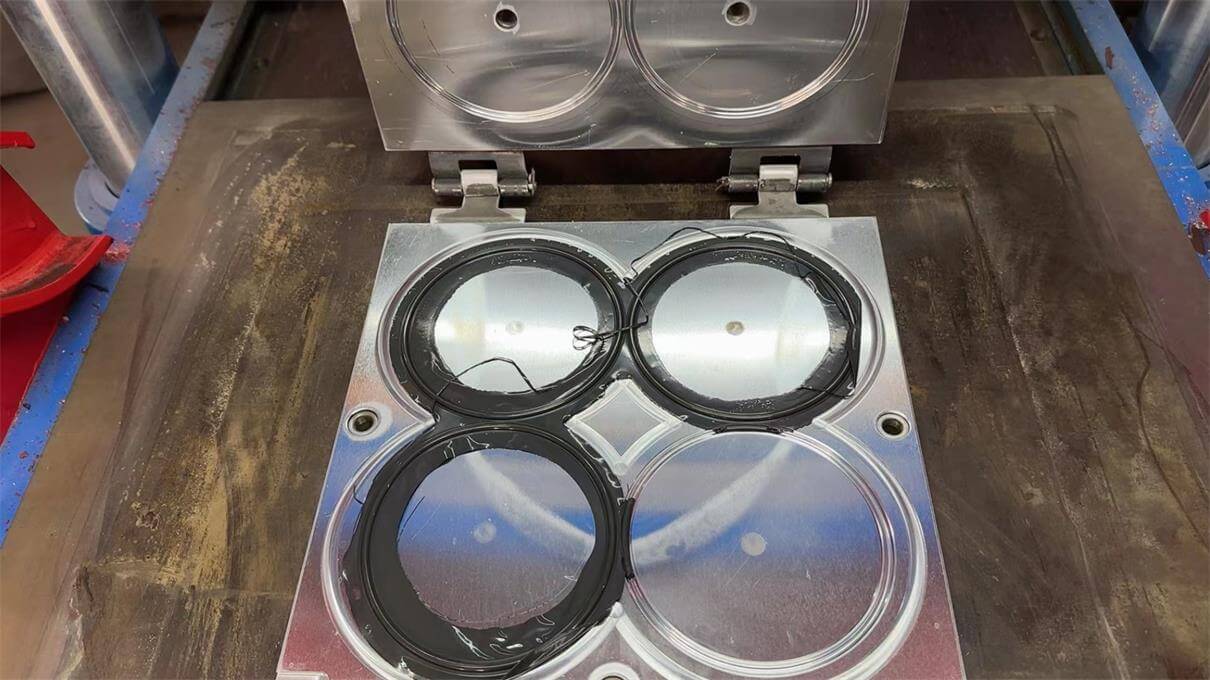
Material selection is a critical determinant in the performance and longevity of custom-made O-rings, particularly in demanding industrial environments. At Suzhou Baoshida Trading Co., Ltd., we specialize in precision rubber seals engineered to meet exact OEM specifications. Our expertise spans multiple elastomer families, with Viton, Nitrile (NBR), and Silicone (VMQ) representing the most widely specified materials due to their distinct chemical, thermal, and mechanical properties. Understanding the performance parameters of each material ensures optimal sealing solution design for applications ranging from automotive hydraulics to semiconductor processing equipment.
Viton, a fluorocarbon-based elastomer (FKM), delivers superior resistance to high temperatures, oils, fuels, and many corrosive chemicals. It maintains functional integrity from -20°C to +200°C, with intermittent exposure tolerance up to 230°C. This makes Viton ideal for aerospace, petrochemical, and high-performance automotive applications where thermal stability and chemical inertness are non-negotiable. However, Viton exhibits lower flexibility at sub-zero temperatures and higher material cost compared to alternatives, necessitating careful application-based evaluation.
Nitrile rubber, or Buna-N, remains the most commonly used elastomer in industrial sealing due to its excellent resistance to petroleum-based oils and fuels, coupled with cost-effective processing. With a standard operating range of -30°C to +100°C (extendable to +125°C briefly), NBR offers robust mechanical strength and abrasion resistance. It is widely employed in hydraulic systems, fuel delivery components, and general-purpose pneumatic devices. Limitations include poor ozone and UV resistance, as well as degradation when exposed to polar solvents and certain synthetic lubricants.
Silicone rubber (VMQ) excels in extreme temperature applications, functioning reliably from -60°C to +200°C. Its inert nature, low compression set, and outstanding resistance to oxidation and weathering make it suitable for medical devices, food processing equipment, and outdoor electronics. While silicone demonstrates excellent electrical insulation properties, it possesses lower tensile strength and abrasion resistance compared to Viton and Nitrile. It is also susceptible to tearing under high mechanical stress, requiring design compensation in dynamic sealing environments.
Each material must be evaluated not only for base polymer properties but also for filler content, cure system, and potential custom compounding to meet specific fluid compatibility or regulatory standards (e.g., FDA, UL, NSF). Our engineering team at Suzhou Baoshida supports clients in material qualification, prototype validation, and batch traceability to ensure compliance with international quality benchmarks.
The following table summarizes key performance characteristics of these elastomers for comparative assessment.
| Property | Viton (FKM) | Nitrile (NBR) | Silicone (VMQ) |
|---|---|---|---|
| Temperature Range (°C) | -20 to +200 | -30 to +100 | -60 to +200 |
| Tensile Strength (MPa) | 15–20 | 10–25 | 5–8 |
| Elongation at Break (%) | 200–300 | 200–500 | 200–700 |
| Hardness Range (Shore A) | 60–90 | 50–90 | 30–80 |
| Fluid Resistance (Oil/Fuel) | Excellent | Excellent | Poor |
| Chemical Resistance | Excellent | Moderate | Good |
| Compression Set Resistance | Excellent | Good | Excellent |
| Ozone/UV Resistance | Excellent | Poor | Excellent |
| Typical Applications | Aerospace, Chemical | Automotive, Hydraulics | Medical, Food, Electronics |
Manufacturing Capabilities
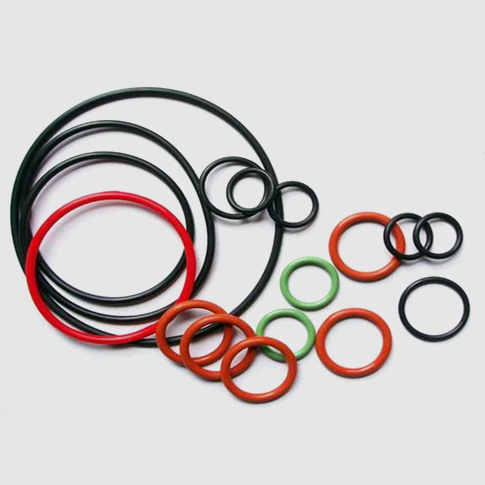
Engineering Capability: Precision-Driven Custom O-Ring Development
At Suzhou Baoshida Trading Co., Ltd., our custom O-ring manufacturing is anchored in rigorous engineering discipline, ensuring uncompromising performance for critical sealing applications. We deploy a dedicated team of five specialized mould engineers and two advanced formula engineers, operating at the intersection of material science and precision manufacturing. This dual-expertise structure eliminates siloed development, enabling holistic solutions where material behavior and tooling dynamics are optimized in unison.
Our formula engineers possess deep expertise in polymer chemistry, specializing in custom elastomer formulations for extreme environments. They systematically analyze client requirements—temperature extremes, chemical exposure, pressure cycles—and design compounds at the molecular level. This includes precise control of polymer chain architecture, crosslink density, and additive integration to achieve target properties such as compression set resistance below 15% (per ASTM D395), tensile strength exceeding 18 MPa, or low-temperature flexibility to -55°C. Every formulation undergoes iterative lab validation, including dynamic mechanical analysis (DMA) and accelerated aging tests, before transitioning to production.
Complementing this, our five mould engineers focus on dimensional precision and process stability. They utilize 3D CAD/CAM software (SolidWorks, Moldflow) to design moulds with micron-level tolerances, incorporating features like venting optimization and thermal management systems to prevent flash or incomplete cures. Critical to our OEM process is cavity pressure monitoring and real-time adjustment of vulcanization parameters, ensuring consistent durometer (±2 Shore A) and geometry across production runs. This capability supports complex geometries, including O-rings with ID < 1.0 mm or custom cross-sections up to 25.4 mm, adhering strictly to ISO 3601 or AS568 standards.
Our OEM workflow integrates these disciplines through a closed-loop system: client specifications trigger concurrent material and tooling design phases, followed by rapid prototyping (7–10 days), full FAI (First Article Inspection) reporting, and PPAP documentation. We maintain ISO 9001-certified traceability from raw material lot to finished part, with full batch records including cure curves and dimensional certificates.
The following table summarizes our core engineering specifications for custom O-rings:
| Parameter | Capability Range | Standard Compliance |
|---|---|---|
| Inner Diameter (ID) | 1.0 mm – 500.0 mm | ISO 3601, AS568 |
| Cross-Section (CS) | 0.5 mm – 25.4 mm | ISO 3601, AS568 |
| Tolerance (ID/CS) | ±0.05 mm (CS ≤ 3.0 mm) | ISO 3302, RMA Class AA |
| ±0.10 mm (CS > 3.0 mm) | ||
| Material Hardness | 30–90 Shore A | ASTM D2240 |
| Temperature Range | -55°C to +250°C (compound-dependent) | ASTM D1418, ISO 1817 |
| Chemical Resistance | Custom-formulated for fuels, acids, | ASTM D471, ISO 1817 |
| hydraulic fluids, steam | ||
| Production Lead Time | 15–25 days (after FAI approval) | PPAP Level 3 compliant |
This engineered approach ensures that every custom O-ring we produce meets the exact functional demands of aerospace, automotive, and industrial fluid systems—where failure is not an option. Our strength lies in transforming complex sealing challenges into validated, production-ready solutions through integrated material and tooling science.
Customization Process
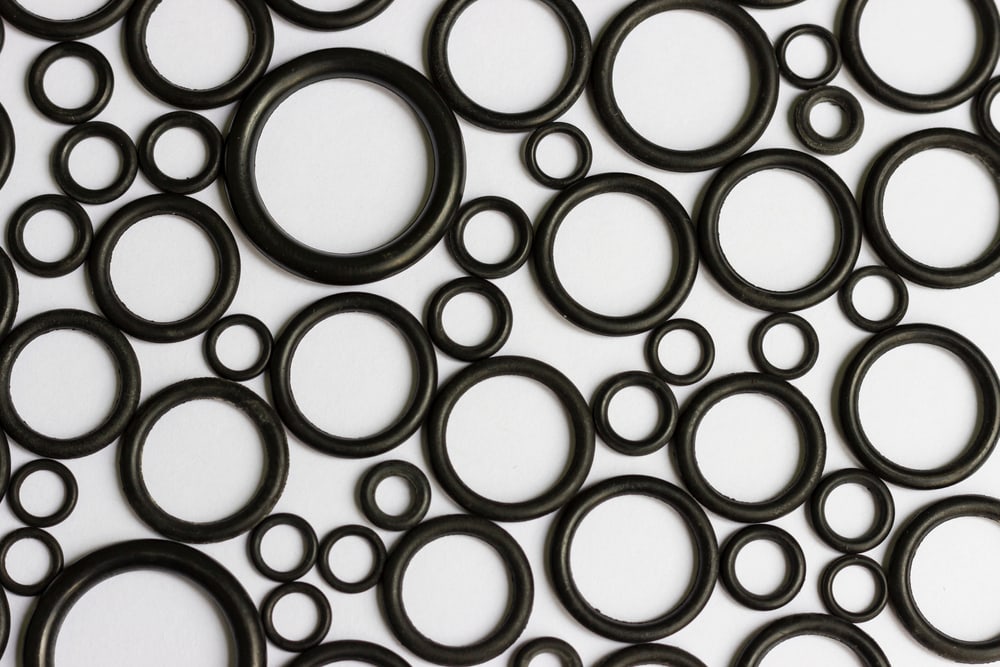
Customization Process for Precision O-Rings at Suzhou Baoshida Trading Co., Ltd.
At Suzhou Baoshida Trading Co., Ltd., the customization of precision rubber O-rings follows a rigorous, four-stage engineering workflow designed to ensure dimensional accuracy, material compatibility, and long-term sealing performance under demanding industrial conditions. Our process begins with Drawing Analysis, where technical specifications provided by the client are meticulously reviewed by our rubber formulation engineers and OEM specialists. This includes verification of inner diameter, cross-section, tolerance class per ISO 3601 or AS568, groove dimensions, and surface finish requirements. We assess application parameters such as operating pressure, temperature range, media exposure, and dynamic or static sealing mode to determine design feasibility and identify potential risk factors early in development.
Following drawing validation, the Formulation phase is initiated. Our material science team selects or develops a compound tailored to the operational environment. Common base polymers include Nitrile (NBR), Fluorocarbon (FKM), Silicone (VMQ), Ethylene Propylene (EPDM), and specialty materials like Perfluoroelastomer (FFKM) for extreme conditions. Key properties such as tensile strength, elongation at break, compression set, and fluid resistance are optimized through precise control of polymer grade, filler content, plasticizers, and curing systems. All formulations are documented and archived for full traceability and batch consistency.
Prototyping is the third critical stage, during which small-batch O-rings are manufactured using precision molding techniques—typically compression or transfer molding—under controlled vulcanization conditions. Prototypes undergo dimensional inspection via optical comparators and coordinate measuring machines (CMM), followed by functional testing including hardness measurement, tensile testing, and immersion testing in target media. Clients receive a comprehensive test report and physical samples for field evaluation. Feedback is incorporated into final design or material adjustments before release to production.
Upon approval, the project transitions to Mass Production. We utilize automated rubber molding lines with real-time process monitoring to maintain consistency across large volumes. In-line quality checks, including 100% visual inspection and periodic mechanical testing, ensure compliance with international standards. All batches are labeled with lot numbers and accompanied by material certifications (e.g., RoHS, FDA, REACH, if applicable).
Below is a representative specification table for a custom FKM O-ring developed for high-temperature oil sealing:
| Parameter | Specification |
|---|---|
| Material | FKM 70 Durometer (ASTM D2240) |
| Inner Diameter | 25.4 mm ± 0.12 mm |
| Cross-Section | 3.53 mm ± 0.08 mm |
| Standard | AS568-112 |
| Hardness | 70 Shore A ± 5 |
| Tensile Strength | ≥14 MPa (ASTM D412) |
| Elongation at Break | ≥200% |
| Compression Set (70 hrs, 150°C) | ≤20% (ASTM D395B) |
| Fluid Resistance | Excellent in mineral oils, fuels |
| Operating Temperature | -20°C to +200°C (intermittent to +230°C) |
This structured approach ensures that every custom O-ring meets the highest standards of performance, reliability, and repeatability for critical sealing applications across automotive, aerospace, energy, and industrial sectors.
Contact Engineering Team
Contact Suzhou Baoshida for Precision Custom O-Ring Engineering Solutions
Suzhou Baoshida Trading Co., Ltd. stands as your definitive partner for mission-critical custom O-ring manufacturing, engineered to resolve complex sealing challenges across aerospace, automotive, semiconductor, and medical device industries. Our technical team, led by seasoned rubber formulation engineers with over 15 years of OEM collaboration experience, operates under stringent ISO 9001:2015 and IATF 16949-certified processes. We do not merely produce seals; we co-engineer solutions through rigorous material science analysis, finite element analysis (FEA) validation, and iterative prototyping to ensure zero-failure performance under extreme thermal cycling, chemical exposure, and dynamic stress conditions.
Our capacity to deliver uncompromised precision begins with granular control over every variable in the compounding and molding workflow. The table below outlines our core technical capabilities, reflecting actual production tolerances and validated material properties—not theoretical maximums. These specifications are consistently achieved across batch runs of 100 to 500,000 units, with full traceability via integrated ERP systems.
| Specification Parameter | Capability Range | Industry Standard Compliance |
|---|---|---|
| Material Hardness (Shore A) | 30 to 90 ±2 points | ASTM D2240 |
| Inner Diameter Tolerance | ±0.05 mm (ID <10mm) to ±0.25 mm (ID >50mm) | AS568, ISO 3601-1 |
| Temperature Range | -60°C to +325°C (material-dependent) | ASTM D2000 |
| Chemical Resistance | Custom formulated to NBR, FKM, EPDM, FFKM, VMQ | ISO 1817, SAE J200 |
| Dimensional Complexity | Cross-sections 0.5mm to 25mm; 3D profiles | ISO 3302, ISO 2768 |
| Critical Feature Validation | 100% in-process metrology via CMM/optical comparators | PPAP Level 3 |
What distinguishes Suzhou Baoshida is our proactive engineering engagement model. We initiate every project with a Material Compatibility Matrix analysis, cross-referencing your fluid media, pressure profiles, and surface finishes against our proprietary compound database of 200+ formulations. This eliminates costly material mismatches early in the design phase. Our cleanroom molding facilities (Class 10,000) and post-cure stabilization protocols ensure particulate-free surfaces essential for semiconductor and medical applications, while real-time rheometer monitoring guarantees consistent cure state across large production batches.
For applications demanding extreme resilience—such as hydrogen fuel cell seals or downhole drilling equipment—we deploy advanced peroxide-cured FFKM compounds with plasma-treated surfaces, achieving compression set values below 15% after 1,000 hours at 300°C. Our technical team provides full documentation: ASTM D2000 callouts, heat history reports, and lot-specific certificates of conformance with traceable raw material mill certificates.
Initiate your custom O-ring project with Suzhou Baoshida by contacting Mr. Boyce, our dedicated OEM Technical Manager. With 12 years of specialized experience in rubber compounding for Tier-1 automotive and aerospace suppliers, Mr. Boyce conducts technical intake sessions to translate your operational requirements into executable engineering parameters. He will coordinate material selection, tolerance validation, and rapid prototyping—typically delivering first-article samples within 15 business days for standard compounds. Provide your application’s pressure differentials, media exposure schedule, and critical failure modes via email to [email protected]. Include dimensional sketches (STEP/DXF preferred) or AS568 callouts for immediate feasibility assessment.
Precision sealing is non-negotiable in high-stakes industrial systems. Suzhou Baoshida’s engineering-led approach transforms sealing challenges into reliability advantages. Contact Mr. Boyce today to receive a material performance dossier specific to your use case and schedule a technical consultation. Your next-generation seal solution begins with a scientifically rigorous partnership.
⚖️ O-Ring Weight Calculator
Estimate rubber O-ring weight (Approx).