
Technical Contents
Engineering Guide: Custom Rubber Compounding
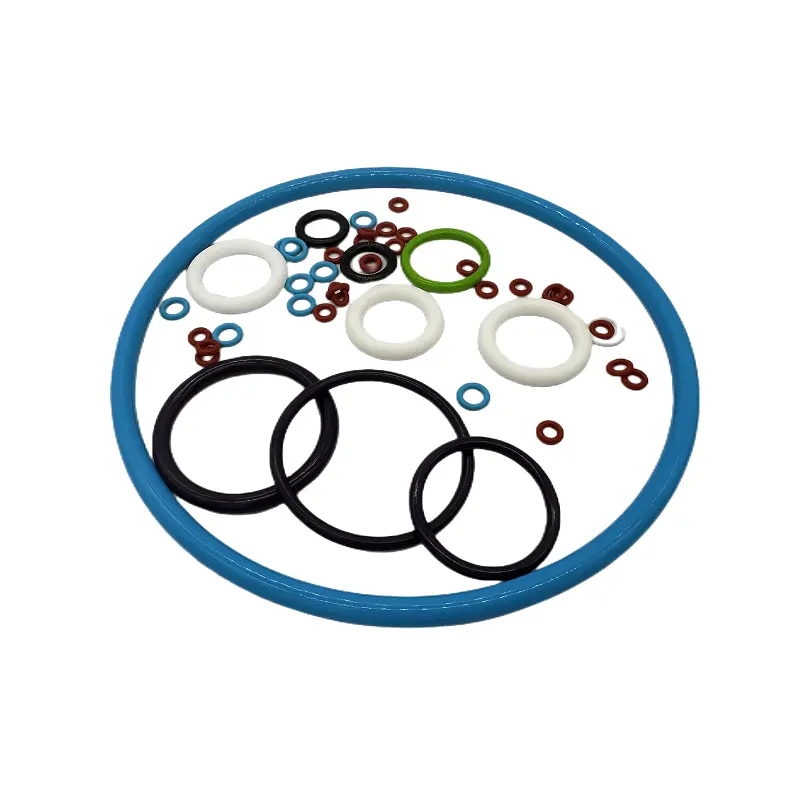
Engineering Insight: The Critical Role of Material Selection in Custom Rubber Compounding
In the domain of custom molded rubber parts, material selection is not a secondary consideration—it is the foundational determinant of performance, longevity, and functional reliability. Off-the-shelf rubber compounds, while convenient, are formulated for generalized applications and rarely meet the nuanced demands of specialized industrial environments. These pre-mixed formulations often fail under extreme thermal cycling, aggressive chemical exposure, dynamic mechanical stress, or prolonged compression. As a result, premature degradation, seal failure, or system inefficiency becomes inevitable.
Custom rubber compounding addresses these shortcomings by engineering elastomeric formulations tailored to specific operational parameters. At Suzhou Baoshida Trading Co., Ltd., we approach material development as a precision science, integrating polymer chemistry, filler technology, and performance testing to deliver compounds that align with exact customer requirements. The process begins with a comprehensive evaluation of application conditions: temperature range, media compatibility, required hardness, tensile strength, compression set resistance, and regulatory compliance.
A critical advantage of custom compounding lies in the ability to select the optimal base polymer. For example, Nitrile (NBR) excels in oil and fuel resistance but suffers at elevated temperatures. Silicone (VMQ) offers exceptional thermal stability but limited abrasion resistance. Fluorocarbon (FKM) provides broad chemical resistance and high-temperature performance but at a higher cost. By adjusting polymer type and formulation ratios, we balance performance attributes while optimizing cost-efficiency.
Equally important are the compounding additives—reinforcing fillers, plasticizers, antioxidants, and curatives—which are precisely calibrated to enhance specific properties. For instance, increasing silica content can improve tear strength in dynamic seals, while peroxide curing systems enhance compression set resistance in high-temperature gaskets.
Below is a comparative overview of common elastomers and their key performance characteristics:
| Property | NBR (Nitrile) | EPDM | FKM (Fluorocarbon) | VMQ (Silicone) | CR (Neoprene) |
|---|---|---|---|---|---|
| Temperature Range (°C) | -30 to +120 | -50 to +150 | -20 to +200 | -60 to +200 | -40 to +120 |
| Oil Resistance | Excellent | Poor | Excellent | Good | Fair |
| Ozone/UV Resistance | Poor | Excellent | Excellent | Excellent | Good |
| Compression Set Resistance | Moderate | Good | Excellent | Moderate | Good |
| Chemical Resistance | Moderate | Moderate | Excellent | Poor | Good |
| Typical Applications | Fuel hoses, O-rings | Weather seals, Radiator hoses | Chemical seals, Aerospace gaskets | Medical devices, High-temp seals | Electrical enclosures, Hoses |
Relying on standard compounds risks mismatched material behavior under real-world conditions. Custom compounding eliminates this risk by aligning material properties with application-specific stressors. This precision engineering ensures extended service life, reduced maintenance cycles, and enhanced system integrity.
At Suzhou Baoshida, we collaborate closely with OEMs to translate operational challenges into robust rubber solutions—because in high-performance environments, the right compound isn’t an option—it’s a requirement.
Material Specifications
Material Specifications for Custom Rubber Compounding
Material selection constitutes the foundational determinant of performance and longevity in custom molded rubber components. At Suzhou Baoshida Trading Co., Ltd., our engineering team rigorously tailors compound formulations to meet exacting OEM requirements, prioritizing chemical compatibility, thermal stability, and mechanical resilience. Viton, Nitrile, and Silicone represent cornerstone elastomers for industrial applications, each exhibiting distinct property profiles that dictate suitability for specific operational environments. Viton fluorocarbon compounds deliver exceptional resistance to aggressive chemicals, including fuels, oils, and acids, while maintaining integrity across extreme temperatures. Nitrile rubber (NBR) provides optimal cost-performance balance for petroleum-based fluid exposure, though with reduced high-temperature tolerance. Silicone excels in biocompatibility and extreme temperature flexibility but requires reinforcement for dynamic mechanical applications. Critical selection parameters include continuous service temperature, fluid resistance spectra, tensile strength, elongation, and hardness—properties we systematically validate through ASTM D2000 testing protocols.
The following comparative analysis details baseline specifications for standard grades. Note that all properties are adjustable through custom compounding; Suzhou Baoshida’s formulation expertise enables precise modification of filler systems, cure chemistry, and polymer blends to achieve target performance windows.
| Material Type | Temperature Range (°C) | Key Chemical Resistances | Tensile Strength (MPa) | Elongation at Break (%) | Hardness Range (Shore A) | Primary Applications |
|---|---|---|---|---|---|---|
| Viton (FKM) | -20 to +230 | Fuels, oils, acids, ozone | 10–18 | 150–300 | 50–90 | Aerospace seals, chemical processing gaskets, automotive fuel systems |
| Nitrile (NBR) | -30 to +120 | Aliphatic hydrocarbons, water, hydraulic fluids | 10–25 | 200–500 | 40–90 | Oil seals, O-rings, fuel hoses, printing rolls |
| Silicone (VMQ) | -60 to +200 | Water, ozone, UV, some acids | 4–10 | 200–700 | 30–80 | Medical devices, food-grade seals, high-temp insulation, automotive lighting |
Viton’s superior chemical inertness makes it indispensable for aerospace and chemical processing, though its higher material cost necessitates justified application. Nitrile remains the workhorse for automotive and general industrial sealing due to its robust petroleum resistance and economic efficiency. Silicone’s unparalleled low-temperature flexibility and biocompliance dominate medical and food-contact applications, though its lower tensile strength often requires co-polymerization for dynamic seals. Crucially, real-world performance hinges on compound-specific validation; generic datasheets cannot replace application-specific testing. Suzhou Baoshida’s OEM partnership model integrates material science with production engineering, ensuring compounds are optimized for both the operational environment and manufacturability in precision molding processes. We mandate fluid immersion testing at service temperatures and accelerated aging per ISO 188 to de-risk material selection—transforming theoretical specifications into field-proven reliability.
Manufacturing Capabilities
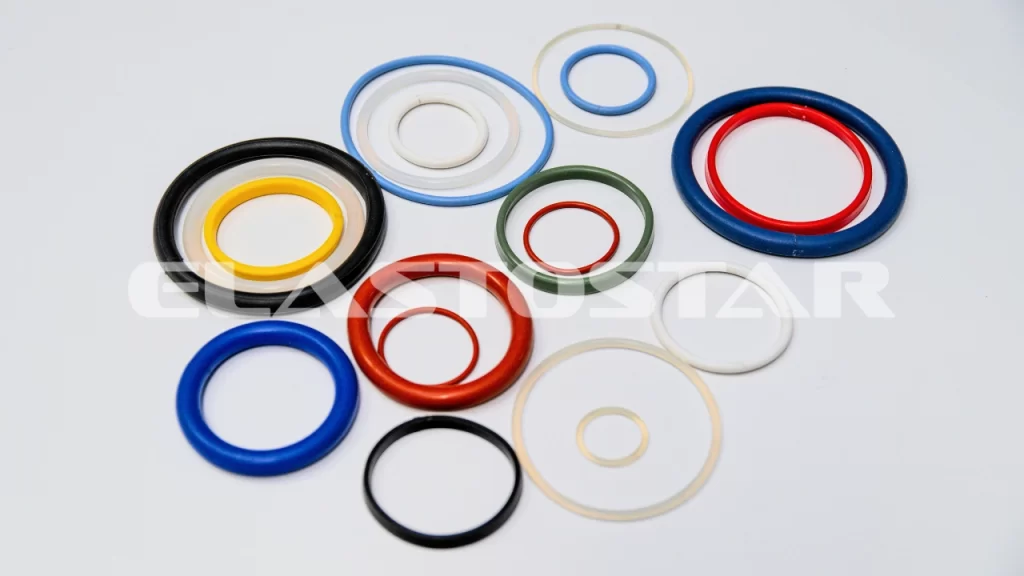
Engineering Capability: Precision-Driven Custom Rubber Compounding
At Suzhou Baoshida Trading Co., Ltd., our engineering capability forms the backbone of our custom rubber compounding and molded parts manufacturing. With a dedicated team of five experienced mold engineers and two specialized rubber formula engineers, we deliver technically advanced, application-specific elastomer solutions tailored to the exact performance requirements of our OEM partners. Our integrated engineering approach ensures seamless transition from concept to production, combining material science with precision tooling design.
Our two rubber formula engineers possess deep expertise in polymer chemistry and elastomer behavior under dynamic service conditions. They are responsible for developing proprietary rubber compounds that meet stringent physical, thermal, chemical, and mechanical performance criteria. Whether formulating for high-temperature resistance, oil and fuel exposure, ozone stability, or dynamic sealing applications, our formula development process is rooted in scientific testing and real-world validation. Each compound is optimized for processing efficiency and long-term reliability, ensuring consistent performance across production batches.
Complementing our formulation expertise, our five mold engineers bring extensive experience in precision mold design and manufacturing for rubber compression, transfer, and injection molding processes. Utilizing advanced CAD/CAM software and close collaboration with our formula team, they design molds that account for material shrinkage, flow characteristics, part geometry complexity, and production cycle efficiency. This synergy between material and mold design eliminates common production bottlenecks and ensures dimensional accuracy, surface finish quality, and part repeatability.
We specialize in serving OEMs across automotive, industrial equipment, fluid handling, and consumer electronics sectors, where consistency and reliability are non-negotiable. Our engineering team supports full product lifecycle development, from initial concept sketches and material selection to prototype validation and mass production. We maintain strict control over tolerances, hardness ranges, and environmental resistance, enabling us to meet international standards such as ISO 9001 and ASTM D2000.
Our OEM capabilities extend beyond manufacturing to include joint design reviews, failure mode analysis (FMEA), and continuous process improvement initiatives. We work as an extension of our clients’ engineering departments, offering technical documentation, material certifications, and batch traceability to support quality audits and regulatory compliance.
Below is a summary of our key technical specifications and capabilities:
| Parameter | Specification |
|---|---|
| Hardness Range (Shore A) | 30–90 ±5 |
| Tensile Strength | Up to 25 MPa (compound-dependent) |
| Elongation at Break | Up to 600% |
| Temperature Resistance | -60°C to +250°C (depending on polymer type) |
| Compression Set (22 hrs, 70°C) | ≤20% |
| Mold Tolerances (per ASTM D3182) | ±0.1 mm to ±0.3 mm (based on part size) |
| Standard Elastomers | NBR, EPDM, Silicone, FKM, NR, CR, SBR, HNBR |
| Secondary Operations | Flash trimming, bonding, packaging, labeling |
Through rigorous engineering discipline and a collaborative OEM mindset, Suzhou Baoshida delivers custom rubber solutions that perform reliably in the most demanding environments.
Customization Process
Custom Rubber Compounding: The Precision Path from Concept to Production
At Suzhou Baoshida Trading Co., Ltd., our custom rubber compounding process is engineered for zero-defect outcomes, transforming client specifications into high-performance molded parts through rigorously controlled stages. This systematic approach ensures material properties align precisely with application demands, from extreme temperature resilience to critical sealing integrity.
The process initiates with comprehensive Drawing Analysis. Our engineering team meticulously examines client-provided technical drawings and specifications against ISO 3767 and ASTM D3182 standards. Critical dimensions, tolerances (per ISO 3302), surface finish requirements, and environmental exposure conditions are validated. We identify potential molding challenges such as undercuts, thin sections, or complex geometries that could impact flow or ejection. This stage includes a formal Design for Manufacturability (DFM) review, providing actionable feedback to optimize part geometry for robust production yield before material selection proceeds.
Formulation Development leverages our extensive material science database and 15+ years of OEM partnership experience. Based on the validated application requirements—operating temperature range, fluid resistance, compression set limits, and mechanical stress profiles—we select the optimal base polymer (e.g., NBR, EPDM, FKM, VMQ). Our rubber formula engineers then design a bespoke compound, precisely calibrating filler systems, curatives, accelerators, plasticizers, and specialty additives. This phase focuses on achieving the exact balance of properties required, avoiding over-engineering that increases cost without performance benefit. Key formulation targets are summarized below.
| Compound Type | Key Properties Achieved | Typical Application Requirements |
|---|---|---|
| High-Temp FKM | Continuous service to 250°C, exceptional fuel/oil resistance, low compression set | Aerospace seals, turbocharger hoses, downhole drilling components |
| Low-Temperature EPDM | Flexibility to -55°C, ozone/weathering resistance, steam compatibility | Automotive coolant hoses, outdoor gaskets, HVAC seals |
| High-Strength NBR | Abrasion resistance, tensile strength >25 MPa, moderate oil resistance | Industrial rollers, printing blankets, hydraulic seals |
Prototyping & Validation employs rapid tooling techniques for initial cavity molds. Small-batch prototypes are molded under simulated production conditions, then subjected to stringent in-house testing per ASTM standards. Critical evaluations include dimensional inspection (CMM), hardness (Shore A/D), tensile strength, elongation, compression set (ASTM D395), and fluid immersion testing. Client feedback on prototype functionality within their assembly is integrated iteratively. Only after achieving 100% conformance to all specifications is the process frozen for scale-up.
Mass Production commences with full-scale implementation under our ISO 9001-certified quality management system. Each production lot undergoes real-time process monitoring of temperature, pressure, and cure time. Statistical Process Control (SPC) charts track critical dimensions and physical properties. Comprehensive lot traceability—from raw material batch codes to final inspection records—ensures full accountability. Final parts receive 100% visual inspection and抽样 testing per AQL 1.0, guaranteeing consistent delivery of rubber components engineered for mission-critical performance and longevity. This disciplined sequence eliminates guesswork, ensuring your custom rubber solution performs reliably in its intended environment.
Contact Engineering Team
Contact Suzhou Baoshida for Expert Custom Rubber Compounding Solutions
When it comes to precision-engineered custom molded rubber parts, Suzhou Baoshida Trading Co., Ltd. stands at the forefront of industrial rubber compounding and manufacturing. With over a decade of experience serving global OEMs and Tier-1 suppliers, we specialize in delivering high-performance rubber formulations tailored to exact application requirements. Whether you’re working in automotive, aerospace, medical devices, or industrial machinery, our team ensures material integrity, dimensional accuracy, and long-term reliability in every component we produce.
Our engineering team operates at the intersection of chemistry and mechanical performance, developing rubber compounds that meet rigorous environmental, chemical, and thermal challenges. From selecting the optimal base polymer to fine-tuning cure systems and reinforcing fillers, we control every variable in the compounding process. This scientific approach ensures consistent batch-to-batch repeatability and compliance with international standards such as ASTM, ISO, and FDA.
We understand that every application presents unique demands. That’s why we offer full technical collaboration from concept to production. Our engineers work directly with your R&D and design teams to analyze operating conditions, stress profiles, and regulatory constraints. Using advanced simulation tools and real-world testing protocols, we validate performance under actual service environments—ensuring that your final part functions reliably under pressure, temperature extremes, dynamic loading, or exposure to aggressive media.
Suzhou Baoshida supports low-volume prototyping and high-volume manufacturing with equal precision. Our in-house mixing, molding, and testing facilities allow rapid iteration and fast time-to-market. We maintain strict quality control through ISO 9001-certified processes and provide full material traceability and certification packages upon request.
To initiate a technical consultation or request a custom compound development proposal, contact Mr. Boyce, our Lead Rubber Formula Engineer and OEM Account Manager. With deep expertise in elastomer science and industrial supply chain integration, Mr. Boyce serves as the primary technical liaison for all custom projects. He will guide you through material selection, feasibility assessment, tooling strategy, and cost-optimized production planning.
Technical Specifications and Capabilities Overview
| Parameter | Capability |
|---|---|
| Base Polymers | Nitrile (NBR), EPDM, Silicone (VMQ, PVMQ), Fluorocarbon (FKM), Natural Rubber (NR), Neoprene (CR), Butyl (IIR), Styrene-Butadiene (SBR), Hydrogenated Nitrile (HNBR) |
| Hardness Range (Shore A) | 30 to 90 ±5 |
| Temperature Resistance | -60°C to +300°C (depending on compound) |
| Tolerance Class | ISO 3302-1 Class M2 (standard), M1 (precision) |
| Volume Production Range | 100 to 1,000,000+ units per month |
| Secondary Operations | Flash trimming, bonding, coating, packaging per customer spec |
| Testing Capabilities | Tensile, compression set, hardness, aging, fluid resistance, outgassing |
For immediate technical support or to submit a request for quotation, please contact Mr. Boyce at [email protected]. Include your material specifications, application environment, performance requirements, and annual volume estimates to accelerate the evaluation process. We respond to all inquiries within 24 business hours.
⚖️ O-Ring Weight Calculator
Estimate rubber O-ring weight (Approx).