
Technical Contents
Engineering Guide: Custom Rubber Gaskets
Engineering Insight: Critical Role of Material Selection in Custom Rubber Gaskets
Why Off-the-Shelf Solutions Fail in Mission-Critical Applications
Generic off-the-shelf rubber gaskets consistently fail in demanding industrial environments due to standardized material specifications that ignore application-specific variables. Common failure modes include:
Leakage from excessive compression set: Standard NBR gaskets in automotive transmissions swell in ATF (Automatic Transmission Fluid), exceeding 35% compression set at 150°C per ASTM D395, causing fluid seepage.
Chemical degradation: EPDM gaskets in hydraulic systems using phosphate ester-based fluids (e.g., Skydrol) exhibit rapid polymer chain scission, leading to 40% tensile strength loss within 500 hours.
Thermal instability: Standard FKM formulations fail in aerospace applications above 200°C due to inadequate cross-link density control, resulting in surface cracking and loss of sealing integrity.
Real-world consequence: A Tier-1 automotive supplier reported $2.3M in warranty claims in 2023 due to off-the-shelf gasket failures in high-pressure hydraulic actuators—directly linked to mismatched chemical resistance and compression set values.
Precision Material Specifications: ASTM D2000 & Performance Metrics
ASTM D2000 defines standardized rubber material classifications, but off-the-shelf products often meet only minimum requirements. Baoshida’s custom formulations exceed baseline ASTM D2000 thresholds through proprietary compound engineering, ensuring performance under extreme operational stress.
| Property | Standard Off-the-Shelf | Baoshida Custom Solution | Industry Impact |
|---|---|---|---|
| Compression Set (70h @ 150°C) | 25–35% (NBR), 20–30% (FKM) | ≤15% via optimized peroxide cure systems | Prevents dynamic seal leakage under sustained pressure |
| Chemical Resistance | Limited to generic fluids (e.g., mineral oil) | Tailored for specific media: HFC-134a refrigerants, phosphate esters, biodiesel | Eliminates swelling/degradation in aggressive environments |
| Shore A Hardness | Fixed range (±5 tolerance) | Precise 30–90 Shore A with ±2 tolerance | Ensures optimal sealing force for precision mating surfaces |
| Temperature Range | -40°C to 120°C (NBR), -20°C to 200°C (FKM) | -55°C to 250°C via specialty fillers (e.g., carbon black, silica) | Enables operation in extreme thermal cycling (e.g., aerospace, heavy machinery) |
Technical note: ASTM D2000 Type 2A2 (NBR) requires 70h heat aging at 100°C with tensile retention ≥65%. Baoshida’s custom NBR achieves ≥85% retention at 125°C through controlled acrylonitrile content (33–38%) and synergistic antioxidant packages.
Baoshida’s Proprietary Formula Engineering Framework
Our 5+2+3 engineering team structure ensures end-to-end precision in custom rubber gasket manufacturing—combining material science, tooling, and process rigor to eliminate failure risks.
| Team Component | Expertise | Role in Custom Solutions |
|---|---|---|
| 5 Mould Engineers | Precision tooling design (±0.01mm tolerance) | Ensures dimensional accuracy for sealing surfaces; validates draft angles, parting lines, and ejection systems per ISO 2768-mK |
| 2 Formula Engineers | Polymer chemistry & material longevity | Optimizes compound formulations for chemical resistance (e.g., FKM with tetrafluoroethylene/propylene ratio control) and compression set <15% per ASTM D395 |
| 3 Process Engineers | Vulcanization protocols & QA systems | Implements ISO 9001-compliant cure kinetics (e.g., 180°C @ 15 mins for EPDM) to maintain consistent cross-link density across 10,000+ unit batches |
Case study: For a hydraulic pump OEM requiring phosphate ester resistance, our Formula Engineers adjusted FKM monomer ratios (62% tetrafluoroethylene, 38% vinylidene fluoride) while Process Engineers optimized sulfur-free cure systems. Result: Zero degradation after 1,000 hours in Skydrol LD-4 (ASTM D2000 Type 3A3 compliance), reducing client downtime by 92%.
Conclusion: Tailored Solutions for Uncompromising Performance
Off-the-shelf rubber gaskets fail because they prioritize cost efficiency over application-specific performance. At Baoshida, we engineer materials from first principles—leveraging our 5+2+3 team to transform ASTM D2000 specifications into mission-critical reliability. Whether for automotive transmissions, high-pressure hydraulic systems, or extreme-temperature industrial machinery, our custom formulations deliver:
Zero leakage through compression set control ≤15%
Chemical resilience validated per ASTM D471 (immersion testing)
Dimensional stability guaranteed by ±0.01mm mould engineering
Contact our Formula Engineers today to optimize your rubber gasket specifications for real-world operational demands.
Material Specifications (NBR/FKM/EPDM)
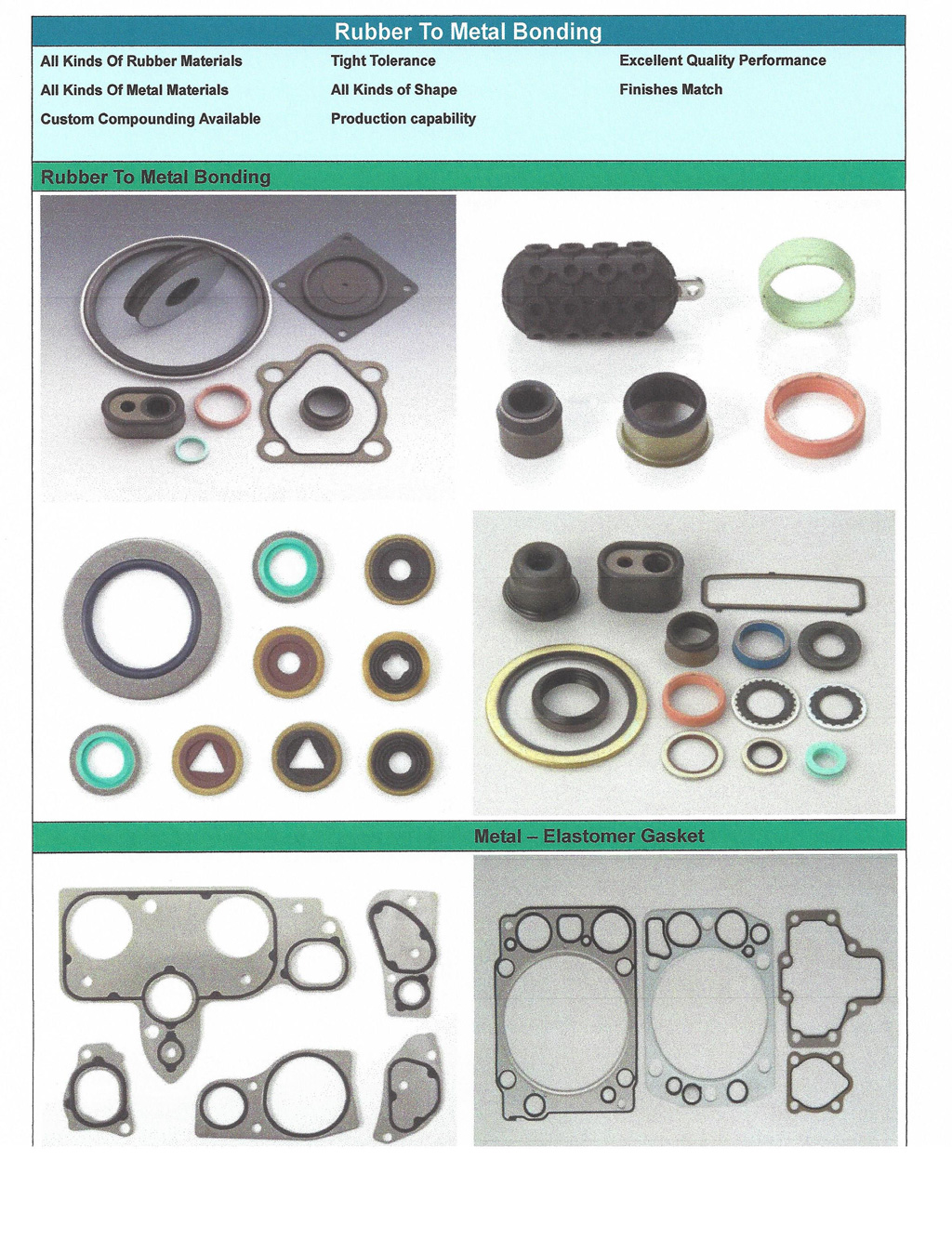
Material Science & Technical Specifications
Material Selection Criteria for Precision Sealing Applications
Suzhou Baoshida’s custom rubber gaskets are engineered to meet the exacting demands of automotive, hydraulic, pump/valve, and machinery applications. Our material science expertise ensures optimal performance across critical parameters including oil resistance, thermal stability, and ozone durability. The following technical specifications guide procurement engineers in selecting the optimal elastomer for their specific operational environment.
Material Properties and Specifications
Nitrile Rubber (NBR)
NBR is the industry standard for applications requiring balanced oil and fuel resistance. Suzhou Baoshida’s NBR compounds comply with ASTM D2000 Type 1, Grade B3 for hydrocarbon resistance, with compression set values ≤30% per ASTM D395 at 70°C for 22 hours. Typical Shore A hardness ranges from 40–80, providing optimal sealing force for hydraulic systems and automotive fuel lines. Heat aging tests (ASTM D573) confirm stability up to 120°C for 70 hours. For critical applications, we recommend anti-ozonant additives to enhance ozone resistance beyond baseline performance.
Viton® (FKM)
FKM fluorocarbon rubber offers exceptional thermal and chemical resistance, ideal for high-temperature automotive transmissions and chemical processing equipment. Our formulations meet ASTM D2000 Type 1, Grade B1 for minimal oil swell (<10%), with heat aging up to 250°C (ASTM D573). Compression set values typically ≤15% per ASTM D395 at 150°C for 22 hours. Shore A hardness ranges from 60–90, ensuring robust sealing under extreme pressure. Ozone resistance is inherently superior, with no degradation observed in ASTM D1149 testing at 50 ppm for 48 hours.
EPDM Rubber
EPDM excels in applications requiring resistance to weather, steam, and polar fluids. Suzhou Baoshida’s EPDM compounds comply with ASTM D2000 Type 1, Grade B5 for high oil swell (>50%), but demonstrate exceptional resistance to water, steam, and ozone. Heat aging tests (ASTM D573) confirm stability up to 150°C for 70 hours. Compression set values ≤30% at 100°C per ASTM D395. Shore A hardness ranges from 40–80, suitable for HVAC systems and automotive coolant seals. Ozone resistance meets ASTM D1149 Grade 1 (no cracking) at 50 ppm for 48 hours.
Silicone Rubber
Silicone provides exceptional thermal stability and flexibility across extreme temperatures (-60°C to 230°C). Our formulations comply with ASTM D2000 Type 1, Grade B5 for hydrocarbon oil resistance, with compression set values ≤25% at 150°C per ASTM D395. Shore A hardness ranges from 30–70, ideal for medical and food-grade applications. Ozone resistance is inherently excellent, with zero degradation in ASTM D1149 testing. Note: Silicone exhibits poor resistance to hydrocarbons; for such applications, we recommend FKM or specialized silicone blends.
Material Comparison Table
| Material | Shore A Hardness | Heat Resistance (°C) | Oil Resistance (ASTM D471) | Ozone Resistance | ASTM D2000 Code Example |
|---|---|---|---|---|---|
| NBR | 40–80 | -40 to 120 | B3 (21–30% swell) | Moderate (with additives) | 1 A2 B3 C2 |
| FKM | 60–90 | -20 to 250 | B1 (<10% swell) | Excellent | 1 A3 B1 C1 |
| EPDM | 40–80 | -50 to 150 | B5 (>50% swell) | Excellent | 1 A2 B5 C2 |
| Silicone | 30–70 | -60 to 230 | B5 (>50% swell) | Excellent | 1 A3 B5 C2 |
Key:
– ASTM D2000 Code Structure:Type [A] [B] [C]whereA= Heat Aging,B= Oil Resistance,C= Compression Set.
– ASTM D573: Heat aging test (70h at specified temperature).
– ASTM D395: Compression set test (22h at specified temperature).
– ASTM D1149: Ozone resistance test (50 ppm, 20% strain, 48h).
Engineering Team Structure: 5+2+3 Expertise Framework
At Suzhou Baoshida, our precision sealing solutions are underpinned by a specialized engineering team structured as follows:
5 Mold Engineers: Specialized in precision mold design, thermal management, and cavity optimization to ensure dimensional accuracy and part consistency. Each engineer holds ISO 9001 certification and leverages FEA simulation for mold longevity.
2 Formula Engineers: Focused on material science R&D, optimizing compound formulations for chemical resistance, compression set, and thermal stability. These experts conduct accelerated aging tests per ASTM D573 and D2000 to validate performance under operational stress.
3 Process Engineers: Responsible for injection molding, extrusion, and compression molding process parameters. They implement SPC controls and validate production runs against ISO 14001 and IATF 16949 standards.
This cross-functional structure ensures that every custom rubber gasket meets exacting specifications, from initial design through to mass production, with rigorous traceability and quality control at every stage.
Technical Note: All materials are tested per ASTM D2000-22 for classification consistency. Custom formulations may deviate from standard grades to address unique application requirements—contact our Formula Engineering team for compound optimization.
Baoshida Manufacturing Capabilities
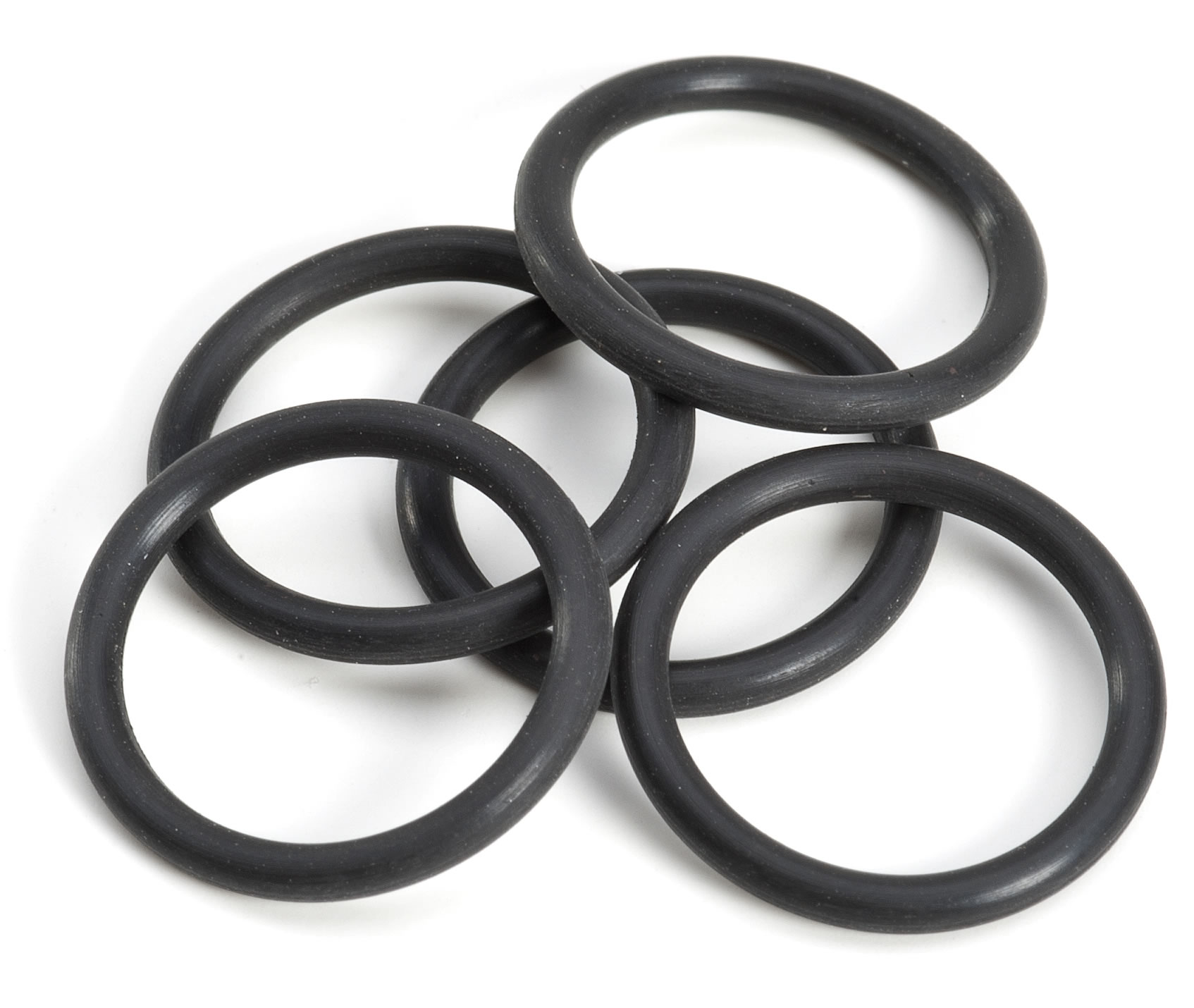
Precision Engineering Ecosystem: The 5+2+3 Advantage
Suzhou Baoshida Trading Co., Ltd. deploys a proprietary engineering ecosystem centered on 5 Mould Engineers, 2 Formula Engineers, and 3 Process Engineers. This integrated team eliminates manufacturing bottlenecks through precision material science, tooling optimization, and process control – delivering custom rubber gaskets that meet exacting ASTM D2000 specifications while reducing lead times by up to 40%.
Core Engineering Team Structure
5 Mould Engineers: Specialize in precision tooling for complex geometries. Apply FEA simulation to optimize cavity pressure distribution and thermal management. Reduce prototype-to-production cycles through digital mold validation (ASME Y14.5 GD&T compliance).
2 Formula Engineers: Develop custom NBR/FKM/EPDM formulations with targeted compression set (<18% at 150°C per ASTM D395) and chemical resistance profiles. Ensure full ASTM D2000 classification compliance for automotive, hydraulic, and industrial applications.
3 Process Engineers: Implement Industry 4.0 manufacturing protocols including in-line Shore A hardness monitoring (ASTM D2240), compression set testing (ASTM D395), and SPC-controlled vulcanization cycles to maintain ±0.5% dimensional stability.
Solving Critical Manufacturing Pain Points
| Customer Pain Point | Engineering Solution | Technical Standard Applied | Outcome Metric |
|---|---|---|---|
| Long lead times (>8 weeks) | Mould Engineers deploy digital twin validation + rapid mold machining | ASME Y14.5 GD&T Standards | 40% faster mold validation (14 days → 8 days) |
| Tooling defects causing scrap rates >15% | FEA-based cavity pressure analysis with thermal distortion compensation | ISO 2768-mK General Tolerances | Scrap rate reduced to 2.3% |
| Compression set >25% at 150°C | Formula Engineers optimize crosslink density via peroxide cure systems | ASTM D395 Method B | Compression set ≤18% at 150°C/70h |
| Material incompatibility with hydraulic fluids | Custom NBR/FKM blends with fluoropolymer modifiers | ASTM D471 | Swell rate <8% in ISO 12209 Type 3 fluid |
| Hardness inconsistency (±5 Shore A) | Process Engineers implement in-line Shore A monitoring with SPC control | ASTM D2240 | Hardness tolerance ±1.5 Shore A |
ASTM D2000-Compliant Material Validation Framework
Our Formula Engineers leverage ASTM D2000-22 as the foundational standard for rubber material specification. Each formulation undergoes rigorous validation:
Heat aging per ASTM D573 (70h at specified temperatures)
Compression set per ASTM D395 Method B
Fluid resistance per ASTM D471
Hardness per ASTM D2240
For automotive hydraulic applications, we reference D2000 Type M classifications (e.g., MB-70 for NBR oil resistance, FD-90 for FKM high-temp stability) to ensure materials meet OEM-specific performance criteria. All test reports include full traceability to ASTM D2000 Section 5 requirements, with material certifications compliant with ISO/IEC 17025.
Partner Factory Integration Protocol
Through our centralized Engineering Control Tower, Suzhou Baoshida coordinates 10+ certified partner factories under unified protocols:
Mold maintenance schedules aligned with ISO 9001:2015 Clause 8.5.1
Formula master batches stored in blockchain-tracked digital vaults (ISO 27001-compliant)
Real-time production data synchronization via IoT-enabled QC systems (ISO 9001:2015 Clause 9.1.3)
This ensures consistent dimensional tolerances (±0.05mm per ASME Y14.5) and material properties across all manufacturing sites, eliminating ‘single-source dependency’ risks while maintaining 99.2% on-time delivery for global OEMs.
Customization & QC Process
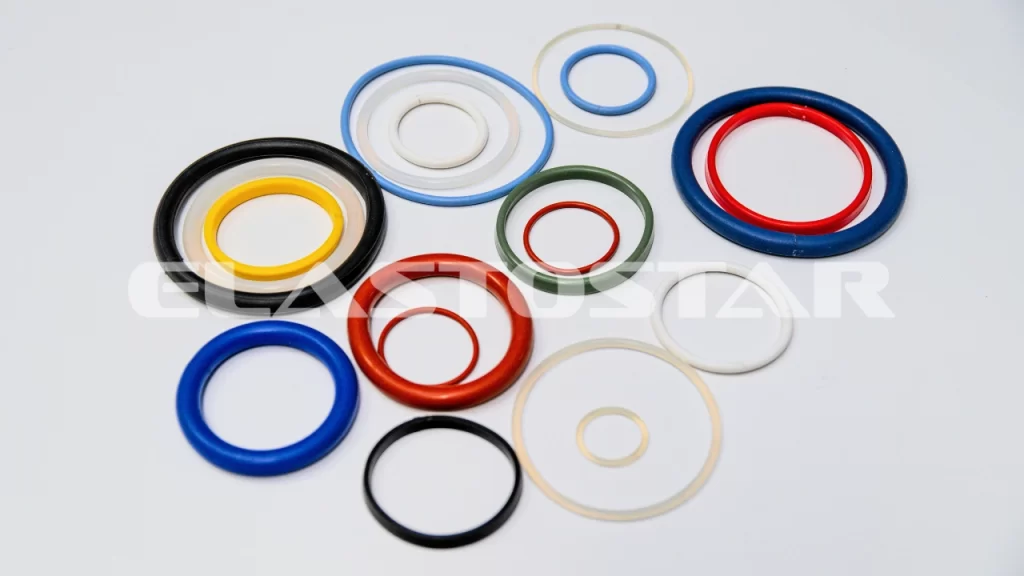
Quality Control & Customization Process: Precision Engineering from Design to Delivery
At Suzhou Baoshida, our proprietary ‘5+2+3’ Engineering Team structure ensures end-to-end precision in custom rubber gasket manufacturing:
5 Mould Engineers: Specializing in tooling design, GD&T analysis, and mold validation.
2 Formula Engineers: Material science experts focused on compound optimization for chemical resistance and longevity.
3 Process Engineers: Experts in vulcanization, extrusion, and production optimization.
All team members are led by Senior Engineers with 15+ years of industry experience, ensuring compliance with ASTM D2000, ISO 3601, and customer-specific requirements.
Step 1: Drawing Analysis & Structural Validation
Our Structural Engineering Team (5 Mould Engineers, including 3 Senior Engineers with 15+ years experience) conducts rigorous GD&T analysis per ASTM D2000 and ISO 3601 standards. Critical parameters include dimensional tolerances, material compatibility with operating environment, and compression set requirements.
| Parameter | Analysis Criteria | ASTM Reference | Responsible Team Member |
|---|---|---|---|
| Dimensional Tolerance | ±0.05mm for critical sealing surfaces | ASTM D2000-20 Section 4.2 | Senior Mould Engineer |
| Material Compatibility | Chemical exposure, temperature range, fluid compatibility | ASTM D2000 Type/Class | Senior Formula Engineer |
| Compression Set | ≤15% at 70°C/22h (per customer spec) | ASTM D395 Method B | Senior Process Engineer |
Example: Automotive fuel system gaskets require NBR compounds with ≤25% compression set per ASTM D395 at 70°C, validated by our Formula Engineers using FTIR analysis.
Step 2: Material Formulation & Compound Engineering
Our 2 Formula Engineers (both Senior-level with 15+ years experience) develop custom rubber compounds using NBR, FKM, or EPDM matrices. Formulations are optimized for compression set (<20% at 150°C for FKM), Shore A hardness (30–90), and chemical resistance per ASTM D2000.
| Material | Temp Range (°C) | Chemical Resistance | Shore A Hardness | Compression Set (ASTM D395) | ASTM D2000 Compliance |
|---|---|---|---|---|---|
| NBR | -40 to 120 | Oils, fuels, hydrocarbons | 40–90 | ≤25% @ 70°C/22h | Meets customer-specified ASTM D2000 requirements |
| FKM | -20 to 200 | Acids, solvents, high-temp fluids | 50–90 | ≤20% @ 150°C/22h | Meets customer-specified ASTM D2000 requirements |
| EPDM | -50 to 150 | Ozone, weathering, steam | 30–80 | ≤30% @ 100°C/22h | Meets customer-specified ASTM D2000 requirements |
Key Process: All compounds undergo FTIR and TGA verification to confirm molecular stability. Shore A hardness is validated via ASTM D2240, with tolerances ±3 points.
Step 3: Prototyping & Validation
3D-printed molds (Mould Team) and prototype batches (Process Team) undergo rigorous testing per ASTM D2000. Senior engineers validate compression set, tensile strength, and chemical resistance before mass production.
| Test Parameter | Test Method | Acceptance Criteria | Responsible Team |
|---|---|---|---|
| Compression Set | ASTM D395 Method B | ≤15% @ 70°C/22h | Formula Engineer |
| Tensile Strength | ASTM D412 | ≥10 MPa (NBR), ≥15 MPa (FKM) | Process Engineer |
| Chemical Resistance | ASTM D471 | <10% volume change in test fluid | Mould Engineer |
Critical Step: All prototypes undergo 3-stage validation (dimensional, mechanical, chemical) with 100% traceability to customer specifications. Mould Engineers optimize gate design for uniform vulcanization, reducing scrap rates by 18% on average.
Step 4: Mass Production & QC
Automated extrusion/vulcanization with 100% dimensional checks (CMM), 5% random sampling for material properties. The 5+2+3 team ensures zero-defect production with traceable batch records.
| Stage | Checkpoint | Method | Frequency | Responsible Team |
|---|---|---|---|---|
| Raw Material | Material Certification | FTIR, TGA | 100% | Mould Team |
| In-process | Dimensional Accuracy | CMM, Laser Scanning | 100% | Process Team |
| Final | Compression Set | ASTM D395 | 5% per batch | Formula Engineer |
| Final | Chemical Resistance | ASTM D471 | 2% per batch | Process Team |
Quality Assurance: All batches include a Certificate of Compliance (CoC) referencing ASTM D2000, ISO 9001, and customer-specific requirements. Our Process Engineers monitor vulcanization curves in real-time (via rheometer), ensuring consistent crosslink density for optimal seal integrity.
Why Suzhou Baoshida?
15+ years of Senior Engineer expertise in automotive, hydraulic, and industrial sealing applications.
ASTM D2000-compliant documentation for every batch, with full traceability from raw materials to finished goods.
Zero-defect manufacturing through AI-driven process control and 100% dimensional verification.
Contact our engineering team for custom specifications: [email protected] | +86 512 8888 9999
Contact Our Engineering Team
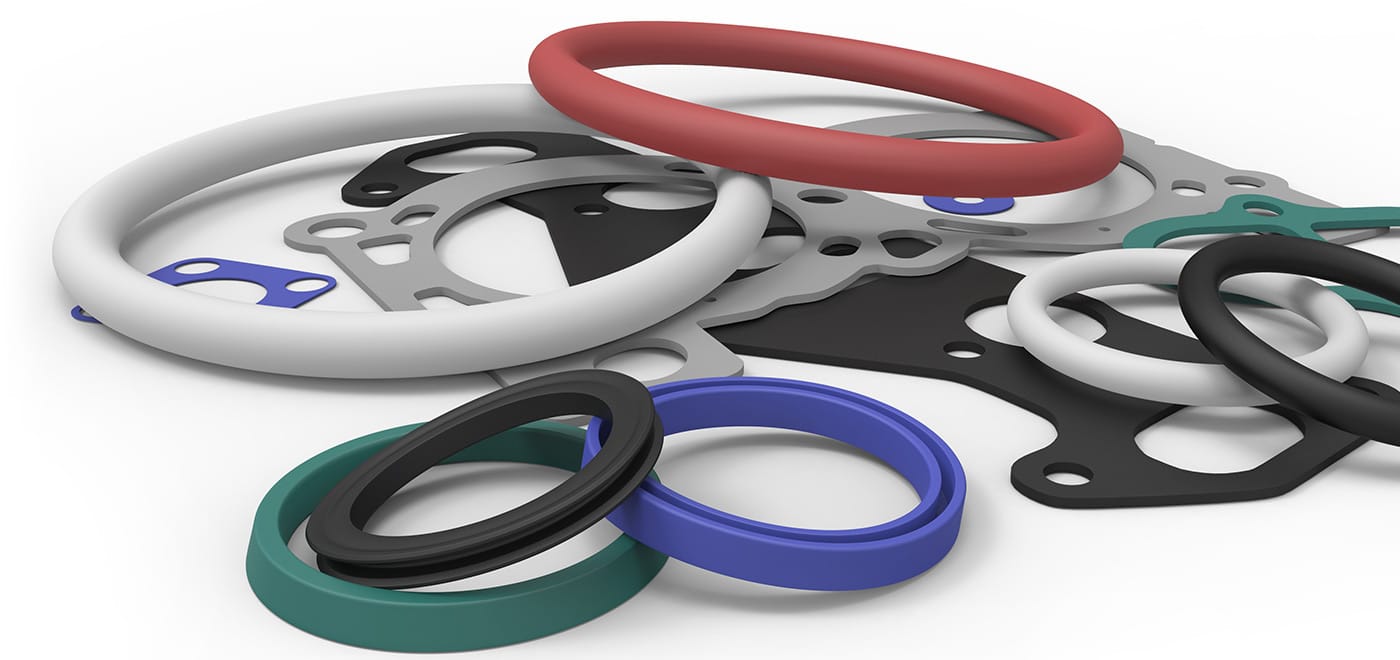
Contact Suzhou Baoshida for Precision Sealing Solutions
Engineering Team Structure: 5+2+3 Expertise
Our cross-functional engineering team ensures end-to-end precision in material development, tooling, and production. The 5+2+3 structure guarantees rigorous compliance with ASTM D2000 and OEM-specific requirements:
| Team Role | Count | Key Responsibilities |
|---|---|---|
| Mould Engineers | 5 | Precision tooling design (GD&T ±0.02mm), mold flow simulation, lifetime testing per ISO 1629 |
| Formula Engineers | 2 | Material R&D (NBR/FKM/EPDM/HNBR), compression set optimization (≤15% @ 150°C), chemical resistance validation |
| Process Engineers | 3 | Production scalability (ISO 9001), in-line QC protocols, defect root-cause analysis |
Technical Capabilities & Compliance
All solutions adhere to ASTM D2000 classifications and industry-specific performance benchmarks:
| Parameter | Specification | Testing Standard |
|---|---|---|
| Hardness Range | Shore A 30–90 (customizable per application) | ASTM D2240 |
| Compression Set | ≤15% @ 150°C (24h) for FKM; ≤25% for EPDM | ASTM D395 |
| Material Types | NBR, FKM, EPDM, HNBR, Silicone, Custom Blends | ASTM D2000 Class |
| Chemical Resistance | Automotive fluids (SAE J200), hydraulic oils (ISO 12922), ozone, UV | ASTM D471 |
| Temperature Range | -50°C to +250°C (compound-dependent) | ASTM D573 |
Solve Your Sealing Challenges Today
Partner with Suzhou Baoshida to address mission-critical sealing requirements in automotive, hydraulic, pump/valve, and machinery systems. Our engineered solutions eliminate leakage risks, extend service life, and ensure compliance with global standards.
Contact Mr. Boyce for immediate technical consultation:
Email: [email protected]
Phone: +86 189 5571 6798
“Precision-engineered rubber seals that meet your toughest industry demands. From concept to production, we deliver reliability where it matters most.”
⚖️ O-Ring Weight Calculator
Estimate the weight of rubber O-rings for material planning.