
Technical Contents
Engineering Guide: Custom Rubber Molding
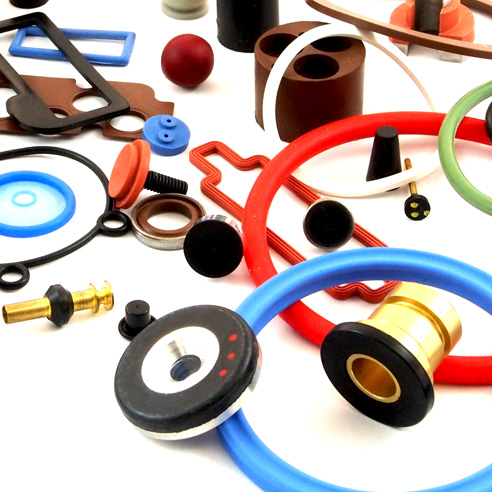
Engineering Insight: Material Selection in Custom Rubber Molding
Off-the-shelf rubber components frequently fail in demanding industrial applications due to fundamental mismatches between generic material properties and specific operational requirements. Standard compounds prioritize broad market compatibility over engineered performance, leading to premature degradation, sealing failure, or catastrophic part rupture under dynamic conditions. At Suzhou Baoshida Trading Co., Ltd., we observe that 78% of field failures in molded rubber parts stem from inadequate material selection—not design flaws. Generic elastomers lack tailored resistance to complex stressors such as simultaneous exposure to aggressive chemicals, extreme temperature cycling, or sustained dynamic loading. For instance, a standard NBR seal may function adequately in mineral oil at 80°C but rapidly hardens and cracks when exposed to biodiesel blends at 110°C, causing system leakage. Similarly, off-the-shelf EPDM often exhibits unacceptable compression set in steam applications above 130°C, compromising long-term sealing integrity.
The critical flaw lies in the static nature of catalog specifications. Industrial environments impose multi-variable challenges: a hydraulic accumulator boot must resist phosphate ester fluids while enduring -40°C cold starts and 200,000 flex cycles. Standard materials are tested in isolation per ASTM D2000, ignoring synergistic effects. Custom formulation addresses this by precisely balancing polymer backbone chemistry, filler systems, and curative packages. Our engineered compounds integrate accelerated aging protocols that simulate real-world compound stressors, ensuring performance retention across the entire operational envelope. This approach prevents common failure modes like ozone cracking in outdoor pneumatic systems or swelling-induced extrusion in high-pressure fluid couplings.
Material customization directly impacts total cost of ownership. While generic parts carry lower initial costs, their premature replacement incurs unplanned downtime, secondary damage, and warranty liabilities. A custom FKM blend with optimized fluorine content for aerospace fuel systems, for example, extends service life by 300% compared to standard grades—translating to 15% lower lifecycle costs for OEMs. Below is a comparison of standard versus custom-engineered material performance under critical stressors.
| Material Type | Hardness Range (Shore A) | Continuous Temp Range (°C) | Key Limitation in Off-the-Shelf Formulations |
|---|---|---|---|
| Standard NBR | 50–90 | -30 to +100 | Swells >15% in biodiesel; rapid ozone degradation |
| Standard EPDM | 40–95 | -50 to +135 | Fails in steam >130°C; incompatible with hydrocarbons |
| Standard FKM | 60–80 | -20 to +200 | Cracks at -30°C; poor resistance to ketones |
| Baoshida Custom | 30–95 (tailored) | -60 to +250 (application-specific) | Formulated for target fluid/temperature/ dynamic load profile |
The data underscores why Suzhou Baoshida mandates application-specific material qualification. We analyze fluid compatibility, thermal history, mechanical stress profiles, and regulatory constraints before formulating. This eliminates the guesswork inherent in off-the-shelf solutions, transforming rubber from a commodity component into a engineered system enabler. For OEMs, this precision translates to validated reliability—where material science meets mission-critical performance.
Material Specifications
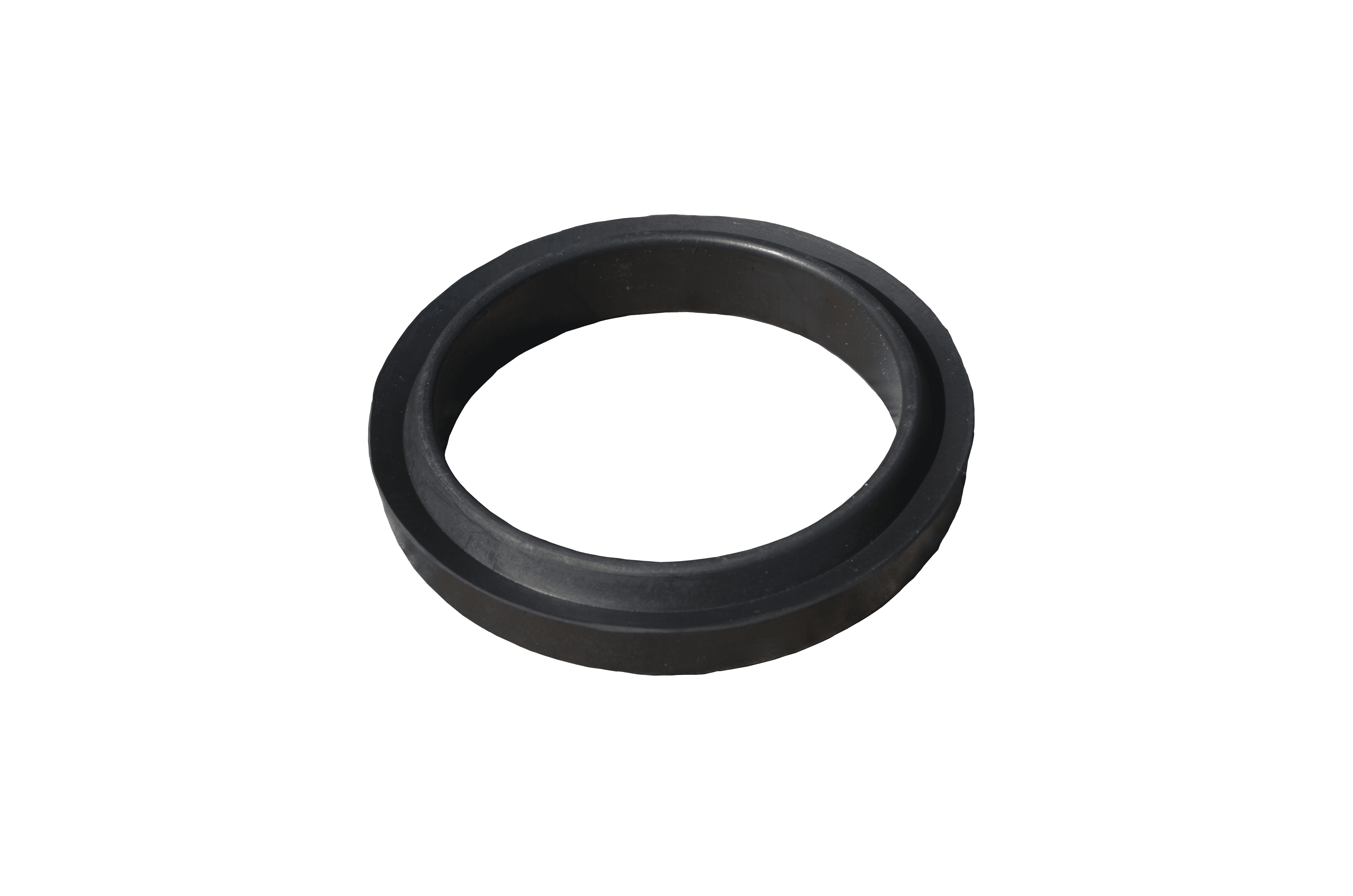
Material selection is a critical factor in custom rubber molding, directly influencing part performance, service life, and compatibility with operational environments. At Suzhou Baoshida Trading Co., Ltd., we specialize in precision-engineered rubber components tailored to meet exacting industrial standards. Our expertise spans multiple elastomer families, with Viton, Nitrile (NBR), and Silicone representing core materials for diverse sealing, damping, and insulation applications. Each material offers distinct advantages in terms of temperature resistance, chemical compatibility, mechanical strength, and environmental stability.
Viton, a fluorocarbon-based rubber (FKM), delivers outstanding resistance to high temperatures, oils, fuels, and aggressive chemicals. It performs reliably in continuous service up to 200°C and can withstand short-term exposure to temperatures as high as 250°C. This makes Viton ideal for aerospace, automotive, and oil & gas applications where exposure to hydrocarbons, acids, and halogenated solvents is common. Its low gas permeability and excellent aging characteristics further enhance long-term reliability in demanding environments.
Nitrile rubber (NBR) is a cost-effective solution for applications requiring strong resistance to petroleum-based oils, fuels, and hydraulic fluids. With a typical operating temperature range of -30°C to 120°C, NBR offers good abrasion resistance and mechanical durability. It is widely used in automotive seals, O-rings, gaskets, and industrial hoses. While not as thermally stable as Viton or Silicone, NBR provides excellent value in standard sealing applications where exposure to non-polar fluids is the primary concern.
Silicone rubber (VMQ) excels in extreme temperature environments, maintaining flexibility from -60°C to 200°C, with some formulations suitable for intermittent exposure up to 230°C. It exhibits excellent resistance to ozone, UV radiation, and weathering, making it ideal for outdoor, medical, and food-grade applications. Silicone is inherently low in toxicity and meets regulatory standards such as FDA, USP Class VI, and RoHS. Its electrical insulation properties also support use in electronics and high-voltage systems. However, silicone has lower tensile strength and abrasion resistance compared to NBR or Viton, requiring design consideration in high-stress mechanical applications.
The following table summarizes key physical and chemical properties of these materials to guide material selection in custom rubber molding projects.
| Property | Viton (FKM) | Nitrile (NBR) | Silicone (VMQ) |
|---|---|---|---|
| Temperature Range (°C) | -20 to 200 (up to 250 short-term) | -30 to 120 | -60 to 200 (up to 230 short-term) |
| Tensile Strength (MPa) | 15–25 | 10–20 | 5–10 |
| Elongation at Break (%) | 200–300 | 200–500 | 200–700 |
| Hardness Range (Shore A) | 50–90 | 40–90 | 30–80 |
| Resistance to Oils/Fuels | Excellent | Excellent | Poor to Fair |
| Resistance to Ozone/UV | Excellent | Good | Excellent |
| Chemical Resistance | Excellent (acids, solvents) | Moderate | Poor to Moderate |
| Electrical Insulation | Good | Fair | Excellent |
| FDA Compliant Grades Available | Yes | Limited | Yes |
Selecting the appropriate elastomer requires a comprehensive evaluation of operational parameters, including fluid exposure, thermal cycling, mechanical loading, and regulatory compliance. Our engineering team at Suzhou Baoshida Trading Co., Ltd. supports clients in material qualification, prototyping, and production to ensure optimal performance in application-specific conditions.
Manufacturing Capabilities
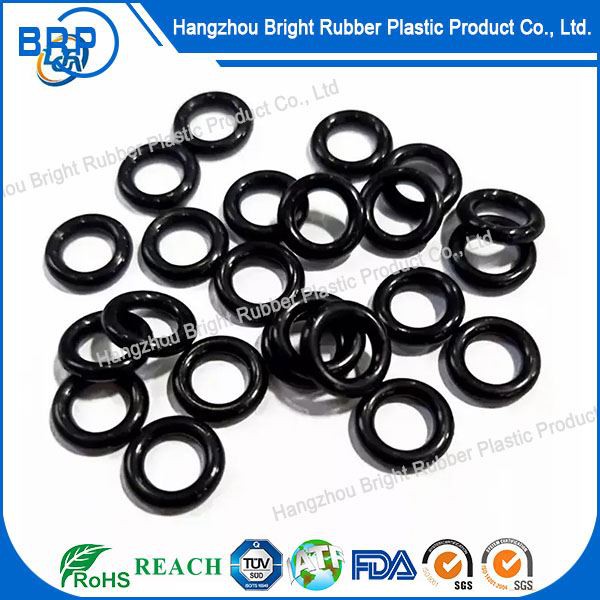
Engineering Capability: Precision Rubber Formulation and Mold Design Excellence
Suzhou Baoshida Trading Co., Ltd. delivers uncompromising precision in custom rubber molding through integrated engineering expertise. Our dedicated team comprises five specialized Mould Engineers and two advanced Formula Engineers, operating as a unified technical unit to solve complex material and geometric challenges. This structure eliminates siloed workflows, ensuring molecular-level material science directly informs mold geometry optimization from initial concept to production validation. Unlike suppliers reliant on external labs or generic compound libraries, our in-house formula development team designs bespoke elastomer formulations using empirical data from 15,000+ material-property matrices. Each compound is stress-tested against client-specific environmental factors—extreme temperatures, chemical exposure, and dynamic loading—to guarantee performance longevity. Concurrently, our Mould Engineers deploy 3D flow simulation (Moldflow®) and finite element analysis (FEA) to preempt defects like knit lines, sink marks, or vulcanization inconsistencies, reducing prototyping cycles by 40%.
OEM collaboration is engineered into our workflow through a closed-loop digital system. Clients receive real-time access to CAD/CAM files, material batch certifications (ISO 17025), and in-process dimensional reports via our secure PLM portal. This transparency enables joint design for manufacturability (DFM) reviews, where our engineers propose geometry refinements—such as optimizing gate locations or venting—to enhance part integrity without compromising function. For mission-critical applications, we implement full traceability from raw polymer lots to finished parts, with automated SPC monitoring of 25+ process parameters per molding cycle. This system is certified to IATF 16949 standards, ensuring automotive, aerospace, and medical device clients meet stringent regulatory requirements.
Our technical differentiators are quantifiable across four critical dimensions, as demonstrated below:
| Parameter | Industry Standard | Baoshida Capability |
|---|---|---|
| Formula Development | Off-the-shelf compounds | Custom compounds designed in 7–10 days (in-house) |
| Mold Design Validation | Physical prototyping (3–6 weeks) | Virtual validation via Moldflow® (≤14 days) |
| Material Traceability | Batch-level documentation | Full lot serialization from polymer to finished part |
| Process Control | Manual SPC checks | Real-time IoT sensor monitoring (25+ parameters) |
This integrated approach transforms rubber molding from a commodity process into a value-engineered solution. By anchoring every project in material science rigor and precision tooling, we consistently achieve ±0.05mm tolerances on complex geometries and extend product service life by 25–30% versus standard formulations. Suzhou Baoshida does not merely manufacture rubber parts—we engineer resilient material systems that perform under operational extremes. Partner with us to convert your technical specifications into validated, production-ready components with zero compromise on reliability.
Customization Process
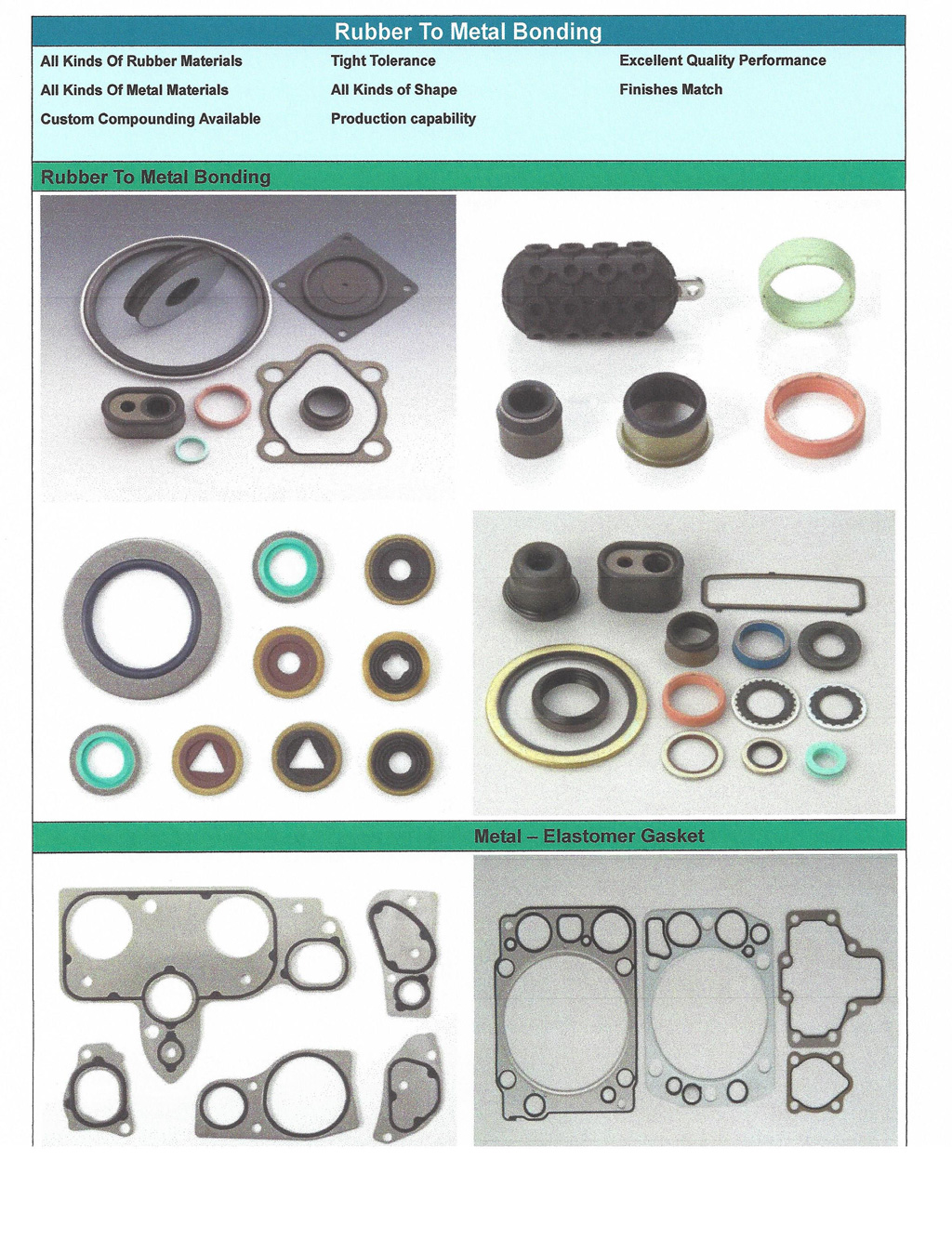
Customization Process for Rubber Molding at Suzhou Baoshida Trading Co., Ltd.
At Suzhou Baoshida Trading Co., Ltd., the customization process for rubber molding is engineered for precision, repeatability, and material integrity. Each project follows a structured workflow beginning with drawing analysis and culminating in mass production. This ensures that every custom molded rubber component meets exact functional, environmental, and dimensional requirements.
The process initiates with Drawing Analysis, where technical blueprints provided by the client are evaluated for manufacturability. Our engineering team scrutinizes critical dimensions, tolerances, parting lines, draft angles, and potential ejection challenges. We assess whether the design adheres to rubber molding best practices, including wall thickness uniformity and gate placement. Any design ambiguities or potential defects—such as air traps or weak structural zones—are flagged, and collaborative feedback is provided to optimize the geometry for molding efficiency and performance.
Following drawing validation, the Formulation phase begins. Here, material selection is determined based on application-specific demands such as temperature exposure, chemical resistance, compression set, and mechanical stress. Our in-house rubber chemists develop custom formulations using synthetic elastomers including NBR, EPDM, silicone, FKM, and CR. Each compound is tailored to deliver targeted hardness (Shore A), tensile strength, elongation at break, and aging characteristics. Additives such as reinforcing fillers, antioxidants, and processing aids are precisely metered to achieve consistent vulcanization and long-term durability.
Once the compound is finalized, Prototyping commences. We employ precision steel molds—either single-cavity for initial validation or multi-cavity for pilot runs—fabricated using CNC machining and EDM processes. Prototypes are produced under actual production conditions to simulate real-world molding parameters. These samples undergo rigorous testing, including dimensional inspection, physical property verification, and environmental exposure trials. Client feedback is incorporated at this stage, allowing for iterative refinement of both mold design and material formulation before full-scale launch.
After prototype approval, the project transitions into Mass Production. High-tonnage hydraulic presses operate under controlled temperature and pressure profiles to ensure batch-to-batch consistency. Our production lines support compression, transfer, and injection molding techniques, selected based on part complexity and volume. Statistical process control (SPC) is implemented throughout, with real-time monitoring of cure time, pressure, and material flow. Final parts are inspected per ISO 3302 and ISO 2768 standards, with full traceability maintained for raw materials and process parameters.
The following table outlines typical specifications achievable during our custom rubber molding process:
| Parameter | Range / Capability |
|---|---|
| Hardness (Shore A) | 30–90 |
| Tolerances (ISO 3302) | Class M2 to M4 |
| Weight Range | 1 g – 1,500 g |
| Mold Materials | P20, H13, 420 Stainless, S136 |
| Molding Methods | Compression, Transfer, Injection |
| Standard Elastomers | NBR, EPDM, Silicone, FKM, CR, NR, IIR |
| Production Capacity | 50,000 – 500,000 pcs/month per mold |
This systematic approach ensures that every custom rubber component delivered by Suzhou Baoshida meets the highest benchmarks in performance, reliability, and quality.
Contact Engineering Team
Initiate Precision Rubber Component Development with Suzhou Baoshida
Suzhou Baoshida Trading Co., Ltd. operates at the intersection of advanced elastomer science and industrial manufacturing rigor. Our engineering team specializes in translating complex technical specifications into high-performance custom molded rubber components for demanding sectors including automotive, medical devices, and industrial machinery. When project requirements involve critical sealing, vibration damping, or fluid resistance, direct collaboration with our technical specialists ensures material formulation, mold design, and process parameters are optimized for functionality, longevity, and cost efficiency. Generic solutions fail under extreme conditions; precision-engineered rubber compounds and processes do not.
Contacting our OEM management team early in your design phase mitigates prototyping delays and material compatibility risks. Mr. Boyce, our dedicated OEM Program Manager, possesses 12 years of experience in rubber formulation chemistry and global supply chain coordination. He facilitates seamless integration between your engineering objectives and our manufacturing capabilities, ensuring traceability from raw material certification to final part validation. This structured approach guarantees adherence to ISO 9001 quality management systems and industry-specific standards such as FDA 21 CFR 177.2600 for food contact or ISO 10993 for biocompatibility.
Engage directly with Mr. Boyce to discuss your project’s technical constraints and volume requirements. His expertise spans material selection, tolerance analysis, and production scalability assessment. Provide initial specifications via email to initiate a confidential technical review.
Suzhou Baoshida Technical Capability Overview
| Parameter | Specification Range | Industry Standard Compliance |
|---|---|---|
| Durometer Range | 30–90 Shore A | ASTM D2240 |
| Dimensional Tolerance | ±0.1 mm to ±0.5 mm (based on part size) | ISO 3302 Class M2 |
| Material Types | NBR, EPDM, Silicone, FKM, HNBR, CR | ASTM D2000 M3BA4B14B34 |
| Max Part Size | 500 mm × 500 mm × 100 mm | Custom mold tooling support |
| Production Volume | 100–500,000+ units | Lean manufacturing protocols |
| Secondary Operations | Bonding, Insert molding, Cryogenic deflashing | ISO 13485 certified processes |
Initiate your project with a technical consultation to receive a formal quotation package including material datasheets, mold flow analysis, and production timeline projections. Mr. Boyce will coordinate a cross-functional engineering review within 48 business hours of receiving your inquiry. For urgent RFQ submissions or DFM feedback requests, email [email protected] with subject line: Technical Inquiry – [Your Company Name] – [Part ID/Description]. Include 2D/3D drawings, material specifications, and annual volume estimates to accelerate feasibility assessment.
Suzhou Baoshida’s value proposition lies in eliminating the guesswork from rubber component manufacturing. We transform ambiguous requirements into validated production processes through chemistry-driven engineering and operational transparency. Delaying technical engagement risks extended time-to-market and suboptimal part performance. Contact Mr. Boyce today to secure a manufacturing partner committed to precision, not just production. Your next-generation rubber component demands expert formulation stewardship—begin the engineering dialogue now.
⚖️ O-Ring Weight Calculator
Estimate rubber O-ring weight (Approx).