
Technical Contents
Engineering Guide: Custom Water Jet Cutting Georgia
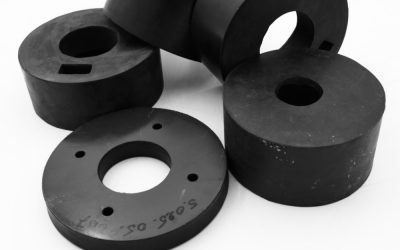
Engineering Insight: Custom Water Jet Cutting in Georgia – The Critical Role of Material Selection
In the precision-driven manufacturing landscape of Georgia, custom water jet cutting has become a cornerstone process for producing high-integrity rubber components across aerospace, automotive, and industrial sectors. While water jet technology offers exceptional accuracy and minimal thermal distortion, its success is fundamentally tied to the selection of appropriate elastomeric materials. Off-the-shelf rubber solutions frequently fail in demanding applications not due to flaws in the cutting process, but because of inherent material incompatibilities with operational environments.
Standard rubber sheets available through generic suppliers are typically formulated for broad, non-critical uses. These materials often lack the tailored compound engineering necessary to withstand extreme temperatures, aggressive chemicals, or prolonged mechanical stress. When subjected to water jet cutting, such suboptimal materials may exhibit edge delamination, inconsistent kerf profiles, or post-cut deformation—issues that compromise part functionality and assembly reliability. Moreover, the high-pressure water stream, often mixed with abrasive garnet, can exacerbate weaknesses in poorly formulated elastomers, particularly those with inadequate tensile strength or poor filler dispersion.
At Suzhou Baoshida Trading Co., Ltd., we emphasize that material selection must precede the cutting process. Our engineered rubber compounds—including Nitrile (NBR), EPDM, Silicone (VMQ), and Fluorocarbon (FKM)—are formulated with application-specific performance criteria in mind. For instance, FKM is selected for high-temperature and fuel-resistant applications common in aviation systems manufactured in Georgia’s aerospace hubs, while EPDM is preferred for outdoor industrial seals exposed to UV and ozone. Each compound is tested for jet-cutting stability, ensuring clean, burr-free edges and dimensional repeatability within ±0.1 mm.
Custom formulation also allows control over hardness (Shore A), elongation at break, and compression set—parameters that directly influence how a rubber part behaves after being water jet cut. Softer materials may deform under the water stream if not properly supported, while overly rigid compounds risk micro-cracking. By tailoring the polymer matrix and reinforcing fillers, we achieve an optimal balance between machinability and end-use performance.
Below is a comparison of key rubber materials suitable for water jet cutting, highlighting their performance envelopes:
| Material | Temperature Range (°C) | Hardness Range (Shore A) | Key Resistance Properties | Typical Georgia Applications |
|---|---|---|---|---|
| NBR | -30 to +100 | 50–90 | Oil, fuel, abrasion | Hydraulic seals, gaskets |
| EPDM | -50 to +150 | 40–80 | UV, ozone, weathering | Outdoor enclosures, roofing |
| Silicone (VMQ) | -60 to +200 | 30–80 | Extreme temp, biocompatibility | Medical devices, HVAC |
| FKM | -20 to +250 | 60–90 | Chemicals, high heat | Aerospace, semiconductor |
In summary, the efficacy of custom water jet cutting in Georgia hinges not on the machinery alone, but on the intelligent pairing of advanced elastomers with precise fabrication. Off-the-shelf materials fail because they are not engineered for these exacting conditions. True performance begins with compound design.
Material Specifications
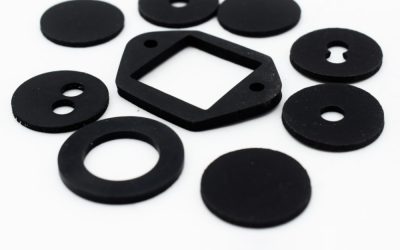
Material Specifications for Custom Water Jet Cutting Applications
Suzhou Baoshida Trading Co., Ltd. provides precision-engineered rubber components optimized for water jet cutting processes in Georgia’s industrial manufacturing sector. Material selection directly impacts cut accuracy, edge quality, and part longevity under high-pressure abrasive streams. Viton (FKM), Nitrile (NBR), and Silicone (VMQ) exhibit distinct polymer structures that dictate performance in dynamic sealing, fluid handling, and extreme-environment applications. Each material must maintain dimensional stability during cutting to prevent delamination or micro-fracturing, particularly critical for Georgia-based clients in aerospace, petrochemical, and heavy machinery sectors where tolerances often require ±0.005 inches.
Viton fluorocarbon rubber delivers superior resistance to aggressive chemicals, including jet fuels, hydraulic fluids, and aromatic hydrocarbons prevalent in Georgia’s aviation and energy infrastructure. Its continuous service temperature range spans -20°C to 230°C, with intermittent peaks up to 300°C. Viton’s high fluorine content ensures minimal swelling in harsh media but necessitates slower water jet traverse speeds to mitigate thermal degradation during cutting. Typical hardness ranges from 60 to 90 Shore A, with tensile strength exceeding 15 MPa per ASTM D412.
Nitrile butadiene rubber remains the cost-effective standard for oil and fuel resistance in automotive and industrial hydraulics. Operating effectively between -30°C and 120°C, NBR formulations balance acrylonitrile content for oil resistance versus butadiene for low-temperature flexibility. Georgia manufacturers benefit from its abrasion resistance and compatibility with water-based cutting fluids. Standard grades achieve 10–20 MPa tensile strength and 50–90 Shore A hardness, though custom compounding can extend temperature limits to 140°C.
Silicone rubber excels in extreme temperature applications from -60°C to 200°C, making it ideal for Georgia’s HVAC and medical device industries. Its inorganic backbone resists ozone and weathering but exhibits lower tensile strength (5–10 MPa) and higher compressibility than hydrocarbon rubbers. Precision water jet cutting requires controlled pressure parameters to prevent edge tearing due to silicone’s inherent softness. Biocompatible medical grades meet USP Class VI and ISO 10993 standards, with hardness typically 30–80 Shore A.
Material performance metrics are summarized below for rapid engineering evaluation:
| Property | Viton (FKM) | Nitrile (NBR) | Silicone (VMQ) |
|---|---|---|---|
| Temperature Range (°C) | -20 to 230 | -30 to 120 | -60 to 200 |
| Tensile Strength (MPa) | 15–20 | 10–20 | 5–10 |
| Hardness Range (Shore A) | 60–90 | 50–90 | 30–80 |
| Fuel/Oil Resistance | ★★★★★ | ★★★★☆ | ★☆☆☆☆ |
| Water Jet Cutting Speed | Moderate | High | Low-Moderate |
Suzhou Baoshida ensures all materials undergo rigorous batch testing per ASTM D2000 standards, with certificates of conformance provided for Georgia OEMs. Material selection must align with fluid exposure, temperature profiles, and geometric complexity. For intricate water jet-cut profiles requiring tight tolerances, Viton’s structural integrity often justifies its premium cost, while NBR serves general-purpose needs economically. Silicone remains indispensable for thermal cycling applications despite requiring specialized cutting parameters. Our technical team collaborates with Georgia fabricators to optimize material-feed rates and pressure settings, minimizing waste and ensuring first-pass yield. Contact our OEM division for application-specific formulation support and ISO 9001-certified production runs.
Manufacturing Capabilities
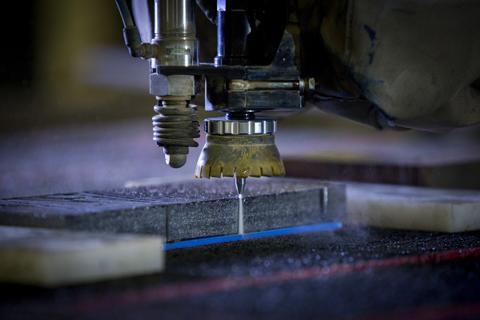
Engineering Capability
At Suzhou Baoshida Trading Co., Ltd., our engineering capabilities are built on a foundation of precision, material science expertise, and advanced manufacturing insight. With a dedicated team comprising five experienced mold engineers and two specialized rubber formulation engineers, we deliver fully integrated solutions for custom molded rubber parts tailored to demanding industrial applications. Our engineering division operates at the intersection of design optimization, material performance, and production efficiency, ensuring that every component meets exact OEM specifications.
Our mold engineers bring over a decade of cumulative experience in designing and refining rubber compression, transfer, and injection molds. Utilizing CAD/CAM software including SolidWorks and AutoCAD, they conduct detailed mold flow analysis, parting line optimization, and ejector system design to minimize defects and maximize production yield. Each mold design undergoes rigorous internal review and prototyping validation before entering full-scale production, ensuring dimensional accuracy and long-term durability.
Complementing our mold engineering strength is our in-house rubber formulation capability. Our two formula engineers specialize in developing proprietary elastomer compounds tailored to specific performance requirements such as oil resistance, ozone stability, high-temperature resilience, and compression set. By controlling the compounding process from raw material selection to vulcanization parameters, we ensure batch-to-batch consistency and compliance with international standards including ASTM, ISO, and FDA. This vertical integration allows us to solve complex application challenges where off-the-shelf rubber materials fall short.
As an OEM manufacturing partner, we support clients from concept to mass production. Our engineering team collaborates directly with design and procurement teams to review DFM (Design for Manufacturability), suggest material substitutions, and optimize part geometry for cost-effective molding. We maintain full traceability through every stage of development and production, with documented control plans, process FMEAs, and first-article inspection reports available upon request.
Our facility supports rapid prototyping and low-volume trials using modular mold systems, enabling fast turnaround for design validation. Once approved, we seamlessly transition to high-volume manufacturing with automated presses and in-line quality monitoring. This end-to-end control ensures that every custom molded rubber part—whether a simple gasket or a complex multi-material seal—meets the functional and regulatory demands of industries such as automotive, aerospace, medical devices, and industrial equipment.
| Specification | Detail |
|---|---|
| Mold Engineers | 5 (SolidWorks, AutoCAD, Mold Flow Analysis) |
| Formula Engineers | 2 (Compound Development, ASTM/ISO Compliance) |
| OEM Services | DFM Support, Prototyping, Full Production |
| Materials Expertise | NBR, EPDM, Silicone, FKM, CR, NR, HNBR |
| Quality Documentation | Control Plans, FMEA, FAI, Material Certs |
| Production Capacity | 200+ Tons Monthly, 50+ Molding Presses |
| Tooling Lead Time | 15–25 Days (Prototype to Production) |
Our engineering team is central to delivering reliable, high-performance rubber components that meet the exacting standards of global OEMs. By combining material science with precision tooling and scalable manufacturing, Suzhou Baoshida ensures technical excellence in every custom solution.
Customization Process
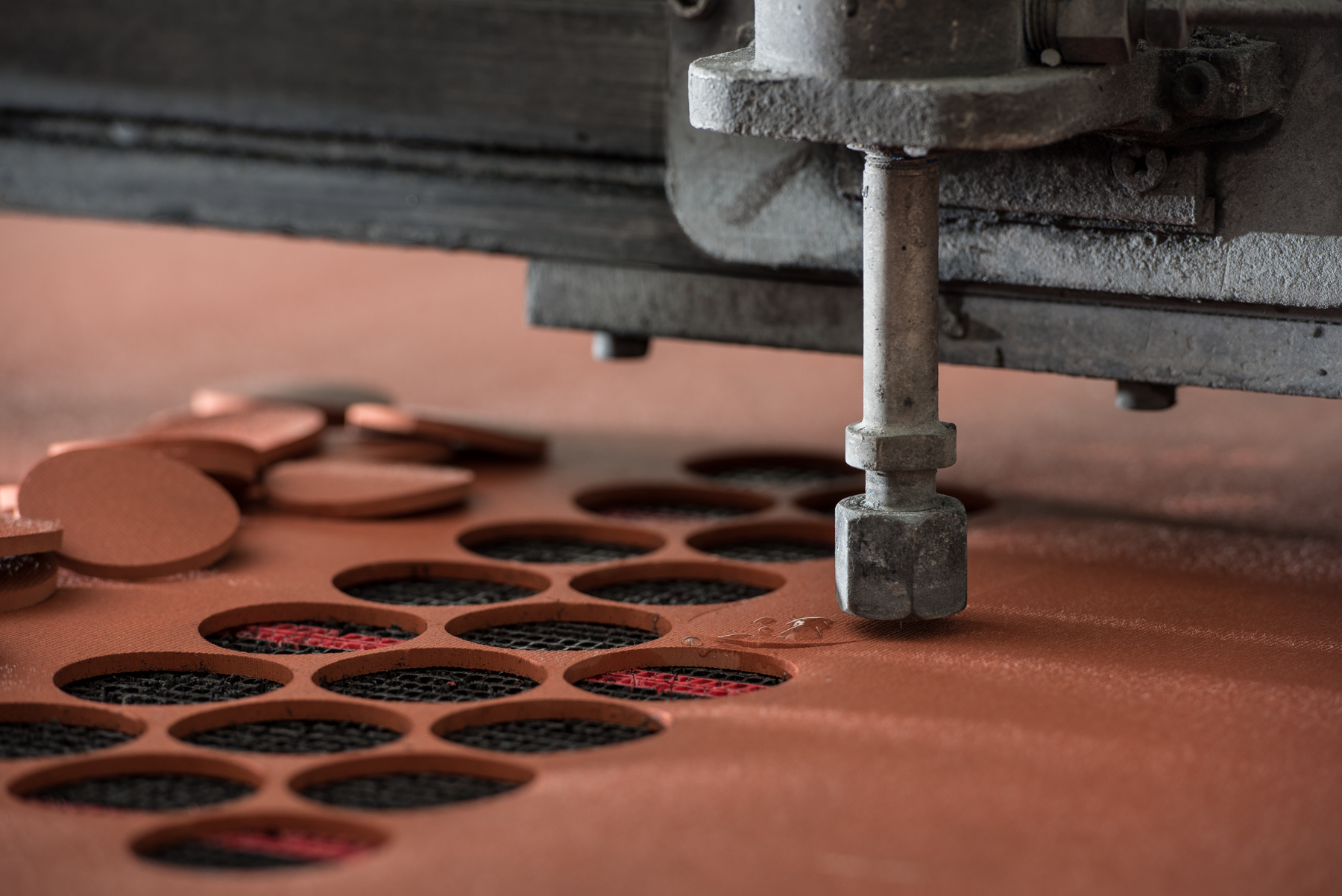
Custom Water Jet Cutting Process for Precision Rubber Components
At Suzhou Baoshida Trading Co. Ltd., our customization process for water jet cutting rubber parts integrates material science with industrial precision. This ensures dimensional stability and edge integrity critical for Georgia-based manufacturing applications. The sequence begins with rigorous drawing analysis, where our engineering team scrutinizes geometric tolerances, material thickness, and part complexity. We specifically evaluate kerf width compensation requirements to counteract water jet stream divergence, preventing dimensional drift in final parts. Cross-referencing client CAD files against ISO 3302-1:2014 standards for rubber tolerances, we identify potential stress points where high-pressure water flow may induce micro-tearing or delamination.
Material formulation follows as the cornerstone of success. Standard rubber compounds often fail under water jet conditions due to inconsistent density or excessive water absorption. Our lab develops custom elastomer blends with optimized cross-link density and filler dispersion to maintain structural coherence during cutting. Key parameters include controlled Shore A hardness (60–85 range), low compression set (<20%), and minimized swelling in aqueous environments. This phase leverages Suzhou Baoshida’s proprietary database of 200+ rubber formulations, tailoring compounds to withstand Georgia’s operational humidity while ensuring clean, burr-free edges.
Prototyping validates both material behavior and process parameters. We conduct iterative water jet trials using 5-axis OMAX systems, adjusting pressure (30,000–60,000 PSI), abrasive flow rate, and traverse speed. Each prototype undergoes metrology inspection via CMM to verify critical dimensions against GD&T callouts, with particular focus on angular tolerances and surface roughness (Ra ≤ 3.2 μm). Material performance data—such as edge cohesion and dimensional rebound post-cutting—is logged for formulation refinement. Clients receive detailed validation reports including force-deformation curves to confirm part functionality under load.
Mass production implements stringent SPC protocols. Our automated water jet cells operate under real-time pressure monitoring, with abrasive garnet purity maintained at 95%+ to prevent nozzle erosion. Every 50th part undergoes inline vision inspection for kerf consistency, while batch samples undergo ASTM D2240 hardness verification and ASTM D412 tensile testing. Suzhou Baoshida’s traceability system records all material lots and machine parameters, ensuring full compliance with ISO 9001:2015. This closed-loop process guarantees that Georgia manufacturers receive rubber components with ±0.1 mm accuracy, ready for immediate integration into hydraulic seals, gaskets, or industrial machinery.
Rubber Compound Specifications for Water Jet Cutting
| Compound Type | Hardness Range (Shore A) | Tensile Strength (MPa) | Water Absorption (%) | Optimal Jet Pressure (PSI) |
|---|---|---|---|---|
| Custom NBR | 65–75 | 18–22 | ≤ 1.5 | 45,000–55,000 |
| Hydrogenated NBR | 70–80 | 20–24 | ≤ 1.0 | 50,000–60,000 |
| EPDM | 60–70 | 15–19 | ≤ 2.0 | 40,000–50,000 |
| Silicone | 55–65 | 8–12 | ≤ 3.5 | 35,000–45,000 |
This systematic approach—from drawing scrutiny to validated mass production—eliminates trial-and-error waste, delivering rubber components engineered for Georgia’s demanding industrial environments.
Contact Engineering Team
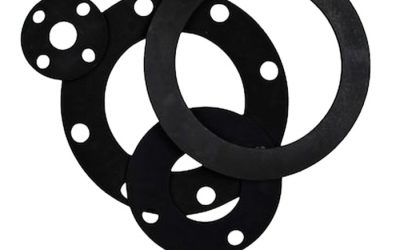
Contact Suzhou Baoshida for Precision Custom Molded Rubber Parts in Georgia
When your manufacturing operations in Georgia demand high-performance, custom water jet cut rubber components, Suzhou Baoshida Trading Co., Ltd. stands as your reliable industrial partner. Specializing in precision-engineered rubber solutions, we serve OEMs and Tier-1 manufacturers across automotive, aerospace, energy, and industrial equipment sectors. Our expertise in custom water jet cutting ensures dimensional accuracy, clean edge finishes, and material integrity—critical for sealing, damping, and insulation applications under extreme conditions.
Water jet cutting technology offers distinct advantages for rubber processing: cold-cut methodology prevents thermal degradation, maintains elastomer properties, and supports complex geometries without tooling stress. At Suzhou Baoshida, we leverage advanced CNC water jet systems calibrated for consistent kerf control and tight tolerances down to ±0.1 mm. Whether you require gaskets, seals, diaphragms, or custom profiles from sheets, rolls, or pre-formed blocks, our process delivers repeatable quality with rapid turnaround.
We support a broad range of elastomeric materials tailored to your operational environment. From NBR and EPDM to silicone, FKM, neoprene, and specialty compounds, our formulations meet ASTM, ISO, and OEM-specific standards. Each part undergoes rigorous post-processing inspection, including dimensional verification, surface analysis, and material traceability documentation.
Our global supply chain infrastructure ensures seamless delivery to Georgia-based facilities, with options for just-in-time (JIT) logistics and consignment inventory programs. With over 15 years of experience in rubber component manufacturing, Suzhou Baoshida combines technical precision with cost-efficiency—enabling you to maintain production continuity and meet evolving engineering demands.
Technical Specifications and Capabilities
| Parameter | Specification |
|---|---|
| Cutting Method | High-Pressure Water Jet (Cold Cut) |
| Material Thickness Range | 0.5 mm – 100 mm |
| Tolerance | ±0.1 mm (standard), ±0.05 mm (precision) |
| Edge Quality | Burr-free, no thermal distortion |
| Minimum Feature Size | 1.0 mm (piercing), 2.0 mm (internal corners) |
| Supported Materials | NBR, EPDM, FKM, Silicone, Neoprene, CR, IIR, SBR, and custom compounds |
| Max Workpiece Size | 1500 mm × 3000 mm |
| Surface Finish | As-molded or post-polished (per request) |
| Quality Standards | ISO 9001:2015, ASTM D2000, ROHS, FDA (upon specification) |
| Lead Time | 7–15 days (production), expedited options available |
Partnering with Suzhou Baoshida means access to end-to-end engineering support—from CAD-based design validation and prototype development to full-scale production and quality assurance. Our technical team collaborates directly with your engineers to optimize part geometry, material selection, and cost structure without compromising performance.
For immediate assistance with custom water jet cut rubber parts for your Georgia operations, contact Mr. Boyce at [email protected]. We respond to all inquiries within 12 business hours and provide detailed technical quotations with material certifications and sample availability upon request. Let Suzhou Baoshida be your trusted source for precision rubber components engineered to perform.
⚖️ O-Ring Weight Calculator
Estimate rubber O-ring weight (Approx).