
Technical Contents
Engineering Guide: Dense Foam Rubber
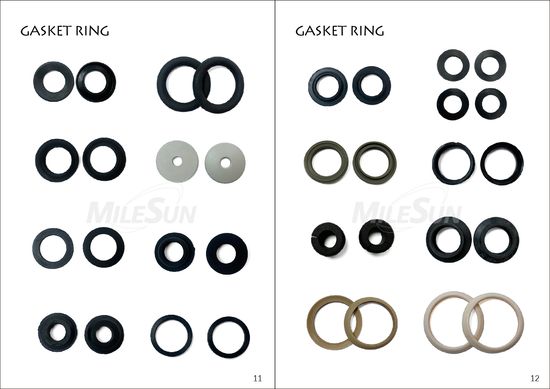
Engineering Insight: Material Selection in Dense Foam Rubber Applications
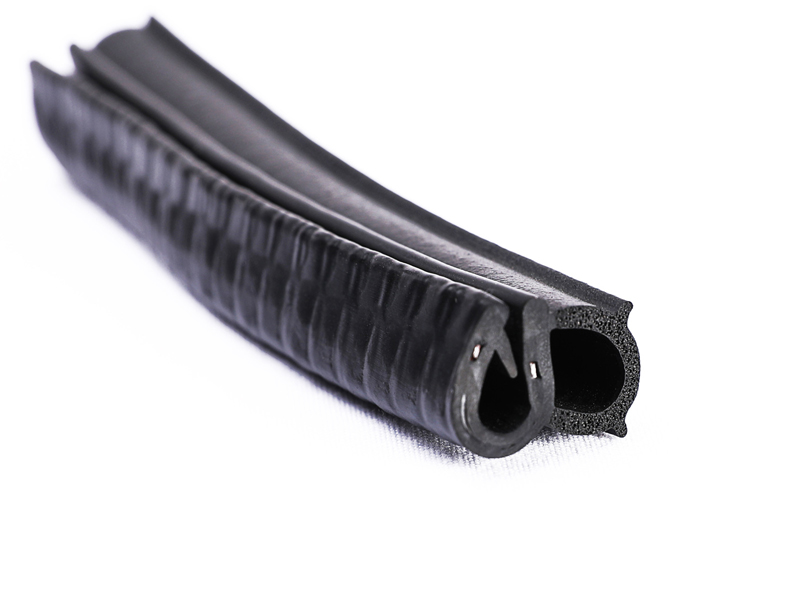
Dense foam rubber occupies a critical niche within industrial rubber solutions, where mechanical resilience and environmental resistance are non-negotiable. Unlike conventional elastomeric foams designed primarily for cushioning or thermal insulation, dense foam rubber is engineered to withstand compressive loads, maintain structural integrity under dynamic stress, and resist degradation from oils, ozone, and temperature extremes. This performance profile makes it indispensable in automotive sealing systems, industrial machinery gaskets, and transportation vibration dampers. However, the failure of off-the-shelf foam rubber products in these demanding applications underscores a fundamental principle: material selection must be application-specific, not generic.
Standard foam rubber compounds are typically formulated for cost efficiency and broad usability, often sacrificing performance under sustained mechanical or chemical exposure. These general-purpose solutions may initially appear dimensionally and physically adequate, but they frequently exhibit premature compression set, surface cracking, or loss of elasticity when subjected to prolonged stress or fluctuating temperatures. In environments such as engine compartments or heavy-duty hydraulic systems, such degradation leads to seal leakage, increased vibration transmission, and eventual system failure. The root cause is not the concept of foam rubber itself, but the mismatch between the material formulation and the operational demands.
At Suzhou Baoshida Trading Co., Ltd., we emphasize engineered material selection based on a comprehensive analysis of service conditions. Key parameters include compression deflection behavior, closed-cell content, crosslink density, and resistance to specific fluids such as hydrocarbons or aqueous solutions. For example, a dense EPDM foam may excel in outdoor weather sealing due to its UV and ozone resistance, but would degrade rapidly in contact with engine oils—where a nitrile-butadiene (NBR) or hydrogenated nitrile (HNBR) foam matrix becomes essential.
The table below outlines comparative performance characteristics of common dense foam rubber materials used in industrial applications.
| Material | Density (kg/m³) | Compression Set (22h, 70°C) | Temperature Range (°C) | Fluid Resistance | Typical Applications |
|---|---|---|---|---|---|
| NBR Foam | 300–450 | ≤30% | -30 to +120 | Excellent (oils, fuels) | Automotive gaskets, industrial seals |
| EPDM Foam | 280–400 | ≤25% | -50 to +130 | Good (water, steam) | HVAC seals, exterior weatherstripping |
| Silicone Foam | 320–480 | ≤20% | -60 to +200 | Fair (limited oil) | High-temp insulation, electronics |
| Neoprene Foam | 300–420 | ≤35% | -40 to +100 | Moderate (ozone, flame) | Marine gaskets, rail dampers |
Off-the-shelf solutions rarely account for such nuanced trade-offs. They are often optimized for volume manufacturing, not performance longevity. In contrast, application-driven material engineering allows for precise tuning of cell structure, durometer (typically 40–80 Shore A), and chemical formulation to meet exact OEM specifications. At Baoshida, our approach integrates material science with real-world operational data, ensuring that dense foam rubber components deliver consistent performance over their intended service life. The cost of failure—downtime, warranty claims, safety risks—far exceeds the investment in properly specified materials.
Material Specifications
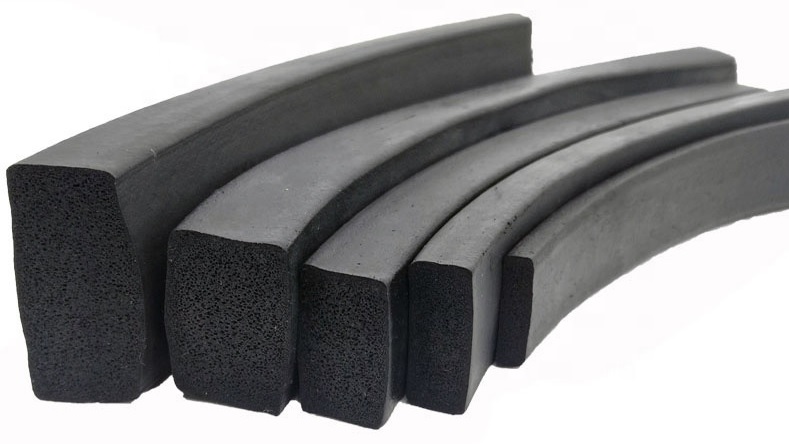
Material Specifications for Dense Foam Rubber in Industrial Applications
Dense foam rubber represents a specialized class of elastomeric materials engineered for structural integrity and resilience under demanding conditions. Unlike conventional open-cell foams, dense foam rubber features a closed-cell structure with high cross-link density, resulting in minimal air entrapment and superior resistance to compression set, fluid ingress, and mechanical deformation. This material category is critical for sealing, gasketing, and vibration damping in automotive, aerospace, and industrial machinery where dimensional stability and long-term performance are non-negotiable. At Suzhou Baoshida Trading Co., Ltd., we rigorously formulate dense foam rubber compounds to meet OEM-specific tolerances, with Viton (FKM), Nitrile (NBR), and Silicone (VMQ) serving as primary base polymers. Each material delivers distinct performance profiles dictated by chemical composition, curing systems, and filler reinforcement.
Viton dense foam rubber excels in extreme chemical and thermal environments. Its fluorocarbon backbone provides exceptional resistance to jet fuels, hydraulic fluids, and aromatics, maintaining functionality between -20°C and 230°C. Compression set values typically remain below 25% after 70 hours at 200°C, per ASTM D395. Nitrile dense foam offers a cost-effective solution for oil and grease exposure, with standard grades operating reliably from -30°C to 125°C. While susceptible to ozone degradation, its tensile strength (12–18 MPa) and abrasion resistance make it ideal for automotive fuel system gaskets. Silicone dense foam delivers unparalleled thermal stability (-60°C to 200°C continuous) and UV resistance but exhibits lower tensile strength (4–8 MPa) and poor hydrocarbon compatibility. Its biocompatibility also supports medical device applications requiring ISO 10993 certification.
Selection hinges on precise environmental mapping. Viton is mandatory for aerospace fuel handling; Nitrile dominates in cost-sensitive industrial hydraulics; Silicone serves high-temperature electrical insulation. All materials undergo stringent QC per ASTM D2000 for dimensional consistency, with density controlled within 0.45–0.75 g/cm³ to balance weight and sealing force.
Comparative Specifications of Dense Foam Rubber Materials
| Property | Viton (FKM) | Nitrile (NBR) | Silicone (VMQ) |
|---|---|---|---|
| Density Range (g/cm³) | 0.50–0.70 | 0.45–0.65 | 0.48–0.75 |
| Hardness (Shore A) | 50–80 | 40–90 | 30–80 |
| Continuous Temp Range | -20°C to 230°C | -30°C to 125°C | -60°C to 200°C |
| Key Chemical Resistance | Fuels, oils, acids | Aliphatic oils, water | Ozone, UV, steam |
| Compression Set (22h/150°C) | ≤25% | ≤35% | ≤20% |
| Primary Applications | Jet engine seals, chemical pumps | Fuel hoses, transmission gaskets | Oven door seals, medical housing |
Suzhou Baoshida Trading Co., Ltd. tailors dense foam rubber formulations to OEM specifications, ensuring compliance with SAE AS568, ISO 3601, and customer-specific material callouts. Our engineering team collaborates directly with clients to optimize cell structure uniformity and compression-deflection curves, eliminating field failures through data-driven compound design. For mission-critical applications, Viton remains the gold standard; however, Nitrile and Silicone provide strategic advantages where cost or thermal scope dictate material choice. All compounds undergo batch-level validation for density, hardness, and fluid resistance prior to shipment.
Manufacturing Capabilities
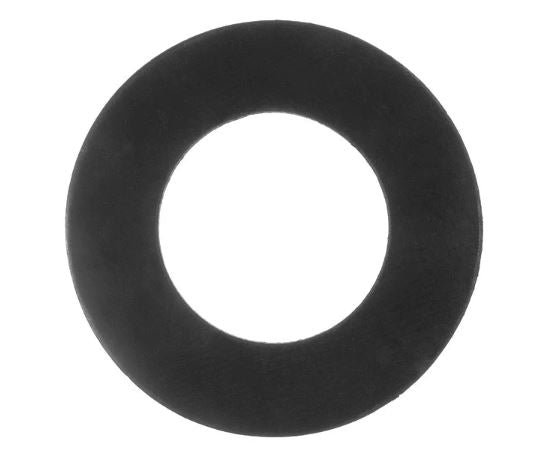
Engineering Expertise in Dense Foam Rubber Development
At Suzhou Baoshida Trading Co., Ltd., our engineering capability in dense foam rubber manufacturing is anchored in deep technical knowledge and hands-on industrial experience. Our team comprises five dedicated mould engineers and two specialized rubber formula engineers, enabling us to deliver fully integrated OEM solutions from concept to production. This multidisciplinary structure ensures that material science, part geometry, and process efficiency are optimized in tandem, resulting in high-performance rubber components tailored to demanding industrial applications.
Dense foam rubber occupies a unique position in the elastomer spectrum—offering the resilience and compressibility of foam with the durability and structural integrity of solid rubber. Achieving the right balance requires precise control over formulation chemistry, curing dynamics, and mould design. Our formula engineers specialize in compounding synthetic and natural rubber systems with controlled cellular structures, adjusting crosslink density, blowing agent activation, and filler dispersion to meet exact compression load-deflection (CLD) profiles and long-term fatigue resistance. Whether the application calls for vibration damping, environmental sealing, or impact absorption, our formulations are engineered for consistency and performance under real-world conditions.
Our five mould engineers bring parallel expertise in precision tooling for complex geometries, multi-cavity production, and low-pressure molding techniques suited for uniform cell structure development. They utilize advanced CAD/CAM software and conduct mold flow simulations to preempt defects such as voids, shrinkage, or density gradients. This proactive design approach reduces prototyping cycles and accelerates time-to-market for OEM clients. All tooling is manufactured to ISO 9001 standards, with tight tolerances maintained across production runs to ensure part-to-part repeatability.
We support full OEM service integration, including design for manufacturability (DFM) reviews, material selection guidance, prototype validation, and scalable production. Our facility is equipped for small-batch customization as well as high-volume manufacturing, with in-house quality control including hardness testing, compression set analysis, and accelerated aging protocols.
The following table outlines typical engineering specifications achievable with our dense foam rubber systems:
| Property | Test Method | Typical Range |
|---|---|---|
| Density | ASTM D3574 | 0.4–0.8 g/cm³ |
| Hardness (Shore A) | ASTM D2240 | 30–70 |
| Tensile Strength | ASTM D412 | 3–8 MPa |
| Elongation at Break | ASTM D412 | 150–300% |
| Compression Set (22h, 70°C) | ASTM D395 | ≤ 25% |
| Cell Structure | Microscopy Analysis | Uniform, closed-cell dominant |
| Operating Temperature | — | -40°C to +100°C (standard); up to +135°C (specialty compounds) |
Our engineering team collaborates directly with OEM partners to refine specifications, validate performance under application-specific conditions, and ensure regulatory compliance where required. This end-to-end technical capability positions Suzhou Baoshida as a strategic partner in advanced rubber solution development.
Customization Process
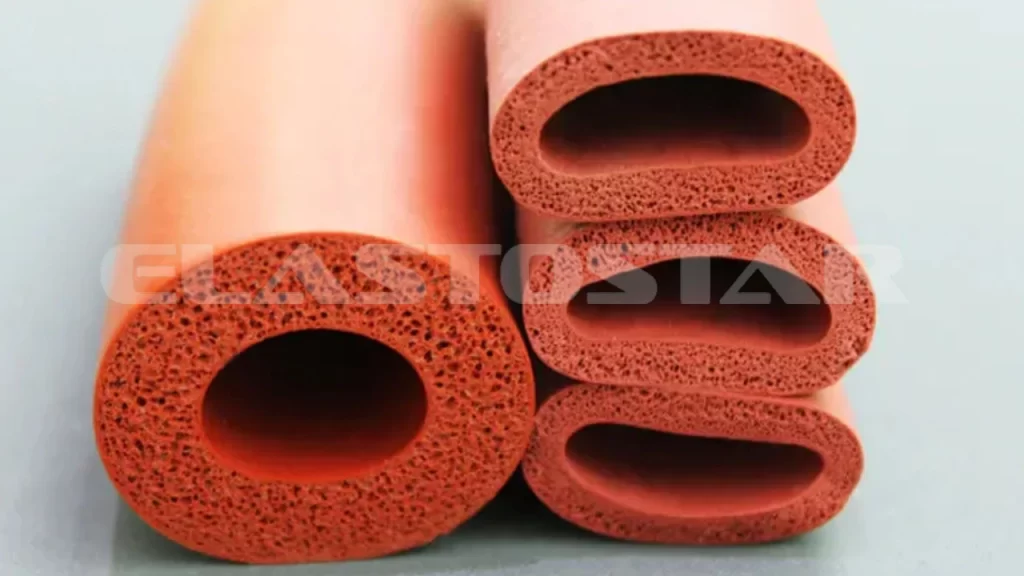
Dense Foam Rubber Customization Process: Precision Engineering from Concept to Volume
At Suzhou Baoshida Trading Co., Ltd., our dense foam rubber customization follows a rigorously defined engineering pathway, ensuring optimal material performance and manufacturability for demanding industrial applications. This structured process eliminates guesswork, translating client specifications into reliable, high-performance components through systematic validation and refinement.
Drawing Analysis initiates the engagement. Our engineering team conducts a comprehensive technical review of client-provided CAD files or engineering drawings. This critical phase assesses geometric complexity, dimensional tolerances, critical sealing surfaces, and environmental exposure requirements. We evaluate draft angles, parting lines, and ejection feasibility specific to dense foam molding processes, identifying potential manufacturability challenges early. Material compatibility with intended media (oils, chemicals, temperature extremes) is cross-referenced against our formulation database, establishing the foundational parameters for the next stage. Dimensional tolerance validation against ISO 3302-1 or client-specific standards is paramount.
Formulation Development leverages our deep expertise in polymer science. Based on the drawing analysis outcomes, our rubber chemists select the base polymer system (e.g., EPDM, NBR, CR, silicone) and engineer a proprietary compound. Key performance targets—density, hardness, compression set resistance, tensile strength, and fluid resistance—are precisely balanced through controlled variation of fillers, curatives, foaming agents, and stabilizers. Small-batch laboratory mixing produces candidate formulations, which undergo preliminary physical property screening per ASTM D2240 (hardness), ASTM D3574 (foam properties), and relevant fluid immersion tests. This phase focuses on achieving the target cellular structure density while meeting mechanical and environmental specifications.
Prototyping validates the selected formulation under real-world conditions. Utilizing client-approved tooling or rapid prototyping methods, functional samples are produced. These prototypes undergo rigorous validation testing, including dimensional inspection against the original drawing, compression deflection force (CDF) measurement, long-term compression set per ASTM D395, and application-specific environmental aging. Client feedback on prototype fit, form, and function is integrated for final compound or process adjustments. Iterative refinement occurs only if necessary, minimizing delays.
Mass Production commences upon prototype sign-off, utilizing Suzhou Baoshida’s certified manufacturing facilities. Production runs adhere strictly to the validated process parameters and compound masterbatch formula. In-process quality control includes continuous monitoring of cure time, temperature, and pressure, alongside routine checks of density, hardness, and visual quality per AQL standards. Final inspection verifies all critical dimensions and performance characteristics. Our integrated supply chain ensures consistent raw material sourcing, while statistical process control (SPC) guarantees batch-to-batch repeatability essential for OEM integration.
The following table summarizes critical dense foam rubber specifications achievable through our customization process:
| Material Type | Density Range (kg/m³) | Hardness Range (Shore A) | Compression Set (70°C, 22h) Max % | Key Application Focus |
|---|---|---|---|---|
| EPDM Dense Foam | 400 – 800 | 30 – 80 | 25 | Weatherseals, Automotive Gaskets, Thermal Insulation |
| NBR Dense Foam | 350 – 750 | 40 – 90 | 30 | Oil/Fuel Resistant Seals, Industrial Gaskets |
| CR Dense Foam | 450 – 850 | 50 – 95 | 20 | Flame Retardant Seals, Marine Applications |
| Silicone Dense Foam | 300 – 600 | 30 – 70 | 15 | High-Temp Seals, Medical/Pharma Components |
This disciplined engineering sequence—from meticulous drawing scrutiny through scientific formulation, validated prototyping, and controlled volume manufacturing—ensures Suzhou Baoshida delivers dense foam rubber solutions that consistently meet the exacting performance, quality, and supply chain demands of global industrial OEMs.
Contact Engineering Team
Contact Suzhou Baoshida for Advanced Dense Foam Rubber Solutions
At Suzhou Baoshida Trading Co., Ltd., we specialize in high-performance industrial rubber solutions, with a focused expertise in dense foam rubber materials engineered for demanding applications across automotive, aerospace, construction, and industrial equipment sectors. Our dense foam rubber formulations are designed to deliver superior compression resistance, thermal stability, and long-term durability under dynamic stress conditions. If your manufacturing process requires consistent material performance, precise density control, and compliance with international industrial standards, our engineering team is ready to support your project with tailored solutions.
Dense foam rubber differs significantly from conventional sponge or open-cell foams. It features a closed-cell structure with tightly controlled cell morphology, resulting in enhanced mechanical strength, reduced water absorption, and improved sealing capabilities. These characteristics make it ideal for gasketing, vibration damping, impact absorption, and environmental sealing in extreme operating environments. At Suzhou Baoshida, we produce dense foam rubber using precision compounding techniques, ensuring batch-to-batch repeatability and adherence to OEM specifications.
Our technical team, led by Mr. Boyce, brings over 15 years of experience in rubber formulation and industrial application engineering. We work directly with manufacturers to analyze material requirements, optimize durometer and density profiles, and recommend the most suitable elastomer base—whether EPDM, NBR, silicone, or CR—based on service conditions such as temperature range, chemical exposure, and mechanical load.
We invite engineering managers, procurement officers, and R&D teams to contact us for technical consultations, sample requests, or custom formulation development. Whether you are scaling production, replacing underperforming materials, or developing next-generation components, Suzhou Baoshida provides end-to-end support from concept to delivery.
Below are typical technical specifications for our standard dense foam rubber products. Custom parameters can be developed upon request.
| Property | Test Method | Typical Value |
|---|---|---|
| Density | ASTM D3574 | 0.6–0.9 g/cm³ |
| Hardness (Shore A) | ASTM D2240 | 40–90 |
| Tensile Strength | ASTM D412 | 8–15 MPa |
| Elongation at Break | ASTM D412 | 150–300% |
| Compression Set (22 hrs, 70°C) | ASTM D395 | ≤30% |
| Operating Temperature Range | — | -40°C to +120°C (up to +180°C for silicone variants) |
| Cell Structure | Visual/Microscopy | Closed-cell, uniform distribution |
| Flame Resistance | UL 94 | HB or V-0 (customizable) |
All materials are subject to rigorous QA protocols, including batch traceability, dimensional stability testing, and environmental aging simulations. We support global supply with ISO-certified packaging, just-in-time logistics, and technical documentation packages including CoA, RoHS, and REACH compliance.
To discuss your dense foam rubber requirements or request a material sample, contact Mr. Boyce directly at [email protected]. Our team responds to all technical inquiries within 24 hours and offers virtual or on-site engineering collaboration for strategic partners. Suzhou Baoshida is committed to advancing industrial performance through precision rubber science—connect with us to elevate your next product design.
⚖️ O-Ring Weight Calculator
Estimate rubber O-ring weight (Approx).